Month: October 2018

17 Oct 2018

Why IGTV should go premium

It’s been four months since Facebook launched IGTV, with the goal of creating a destination for longer-form Instagram videos. Is it shaping up to be a high-profile flop, or could this be the company’s next multi-billion-dollar business?

IGTV, which features videos up to 60 minutes versus Instagram’s normal 60-second limit, hasn’t made much of a splash yet. Since there are no ads yet, it hasn’t made a dollar, either. But, it offers Facebook the opportunity to dominate a new category of premium video, and to develop a subscription business that better aligns with high-quality content.

Facebook worked with numerous media brands and celebrities to shoot high-quality, vertical videos for IGTV’s launch on June 20, as both a dedicated app and a section within the main Instagram app. But IGTV has been quiet since. I’ve heard repeatedly in conversations with media executives that almost no one is creating content specifically for IGTV and that the audience on IGTV remains small relative to the distribution of videos on Snapchat or Facebook. Most videos on it are repurposed from a brand’s or influencer’s Snapchat account (at best) or YouTube channel (more common). Digiday heard the same feedback.
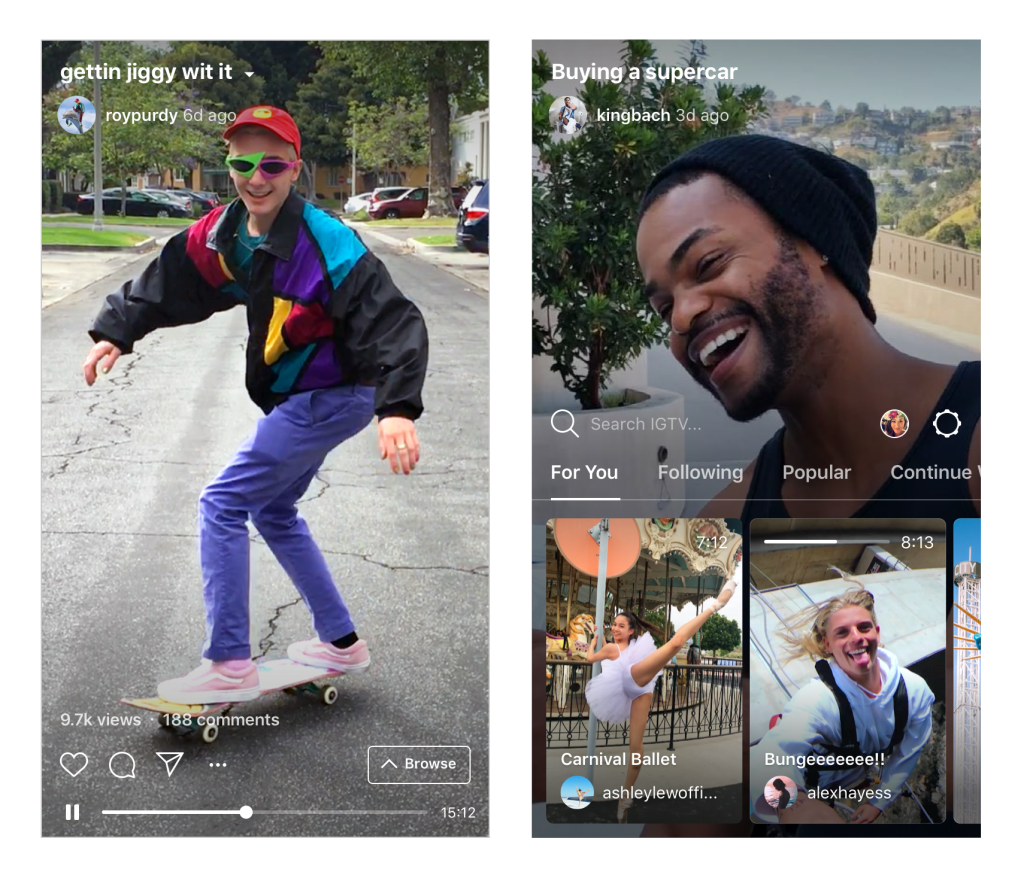
Instagram announced IGTV on June 20 as a way for users to post videos up to 1 hour long in a dedicated section of the app (and separate app)

Facebook’s goal should be to make IGTV a major property in its own right, distinct from the Instagram feed. To do that, the company should follow the concept embodied in the “IGTV” name and re-envision what television shows native to the format of an Instagram user would look like.

Its team should leverage the playbook of top TV streaming services like Netflix and Hulu in developing original series with top talent in Hollywood to anchor their own subscription service, but in it a new format of shows produced specifically for the vertically oriented, distraction-filled screen of a smartphone.

Mobile video is going premium

Of the 6+ hours per day that Americans spend on digital media, the majority on that is now on their phone (most of it on social and entertainment activities) and video viewing has grown with it. In addition to the decline in linear television viewing and rise of “over-the-top” streaming services like Netflix and Hulu, we’ve seen the creation of a whole new category of video: mobile native video.

Starting at its most basic iteration with everyday users’ recordings for Snapchat Stories, Instagram Stories and YouTube vlogs, mobile video is a very different viewing environment with a lot more competition for attention. Mobile video is watched as people are going about their day. They might commit a few minutes at a time, but not hour-long blocks, and there are distracting text messages and push notifications overlaid on the screen as they watch.
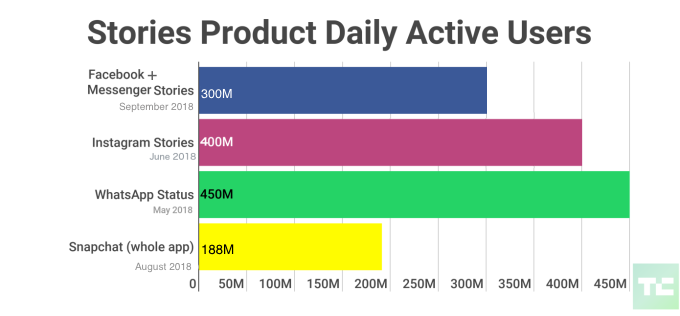
“Stories” on the major social apps have advanced vertically oriented, mobile native videos as their own content format

When I spoke recently with Jesús Chavez, CEO of the mobile-focused production company Vertical Networks in Los Angeles, he emphasized that successful episodic videos on mobile aren’t just normal TV clips with changes to the “packaging” (cropped for vertical, thumbnails selected to get clicks, etc.). The way episodes are written and shot has to be completely different to succeed. Chavez put it in terms of the higher “density” of mobile-native videos: packing more activity into a short time window, with faster dialogue, fewer setup shots, split screens and other tactics.

With the growing amount of time people spend watching videos on their social apps each day — and the flood of subpar videos chasing view counts — it makes sense that they would desire a premium content option. We have seen this scenario before as ad-dependent radio gave rise to subscription satellite radio like Sirius XM and ad-dependent network TV gave rise to pay-TV channels like HBO. What that looks like in this context is a trusted service with the same high bar for riveting storytelling of popular films and TV series — and often featuring famous talent from those — but native to the vertical, smartphone environment.

If IGTV pursues this path, it would compete most directly with Quibi, the new venture that Jeffrey Katzenberg and Meg Whitman are raising $2 billion to launch (and was temporarily called NewTV until their announcement at Vanity Fair’s New Establishment Summit last Wednesday). They are developing a big library of exclusive shows by iconic directors like Guillermo del Toro and Jason Blum crafted specifically for smartphones through their upcoming subscription-based app.

Quibi’s funding is coming from the world’s largest studios (Disney, Fox, Sony, Lionsgate, MGM, NBCU, Viacom, Alibaba, etc.) whose executives see substantial enough opportunity in such a platform — which they could then produce content for — to write nine-figure checks.

TechCrunch’s Josh Constine argued last year Snapchat should go in a similar “HBO of mobile” direction as well, albeit ad-supported rather than a subscription model. The company indeed seems to be stepping further in this direction with last week’s announcement of Snapchat Originals, although it has announced and then canceled original content plans before.
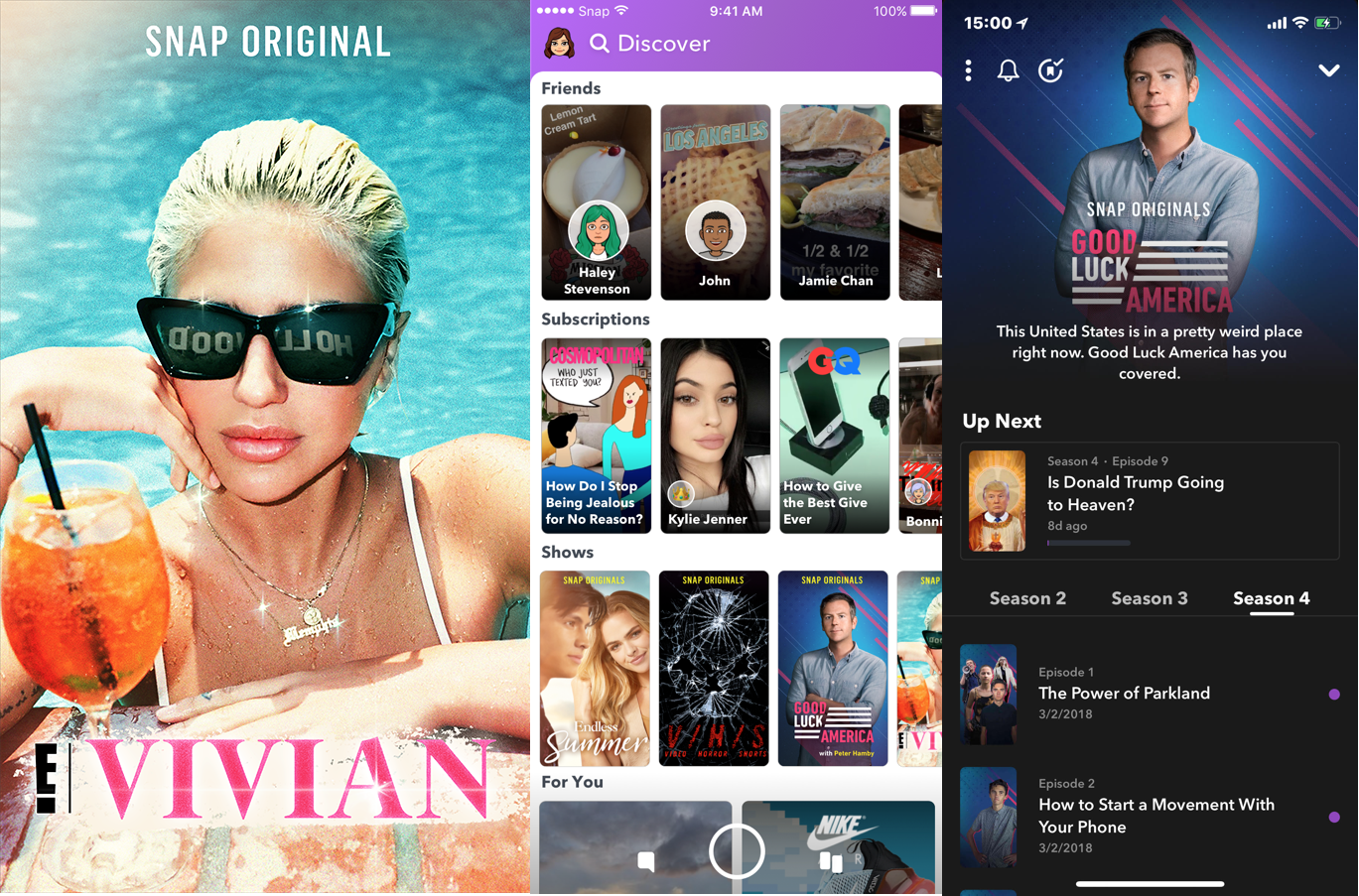
Snapchat announced its Snap Originals last week

Facebook is the best positioned to win

Facebook is the best positioned to seize this opportunity, and IGTV is the vehicle for doing so. Without even considering integrations with the Facebook, Messenger or WhatsApp apps, Facebook is starting with a base of more than 1 billion monthly active users on Instagram alone. That’s an enormous audience to expose these original shows to, and an audience who don’t need to create or sign into a separate account to explore what’s playing on IGTV. Broader distribution is also a selling point for creative talent: They want their shows to be seen by large audiences.

The user data that makes Facebook rivaled only by Google in targeted advertising would give IGTV’s recommendation algorithms a distinct advantage in pushing users to the IGTV shows most relevant to their interests and most popular among their friends.

The social nature of Instagram is an advantage in driving awareness and engagement around IGTV shows: Instagram users could see when someone they follow watches or “likes” a show (pending their privacy settings). An obvious feature would be to allow users to discuss or review a show by sharing it to their main Instagram feed with a comment; their followers would see a clip or trailer, then be able to click-through to the full show in IGTV with one tap.

Developing and acquiring a library of must-see, high-quality original productions is massively capital-intensive — just ask Netflix about the $13 billion it’s spending this year. Targeting premium-quality mobile video will be no different. That’s why Katzenberg and Whitman are raising a $2 billion war chest for Quibi and budgeting production costs of $100,000-150,000 per minute on par with top TV shows. Facebook has $42 billion in cash and equivalents on its balance sheet. It can easily outspend Quibi and Snap in financing and marketing original shows by a mix of newcomers and Hollywood icons.

Snap can’t afford (financially) to compete head-on and doesn’t have the same scale of distribution. It is at 188 million daily active users and no longer growing rapidly (up 8 percent over the last year, but DAUs actually shrunk by 3 million last quarter). Snapchat is also a much more private interface: it doesn’t enable users to see each others’ activity like Facebook, Instagram, LinkedIn, YouTube, Spotify and others do to encourage content discovery. Snap is more likely to create a hub for ad-supported mobile-first shows for teens and early-twentysomethings rather than rival Quibi or IGTV in creating a more broadly popular Netflix or Hulu of mobile-native shows.

It’s time to go freemium

Investing substantial capital upfront is especially necessary for a company launching a subscription tier: consumers must see enough compelling content behind the paywall from the start, and enough new content regularly added, to find an ongoing subscription worthwhile.

There is currently no monetization of IGTV. It is sitting in experimentation mode as Facebook watches how people use it. If any company can drive enough ad revenue solely from short commercials to still profit on high-cost, high-quality episodic shows on mobile, it’s Facebook. But a freemium subscription model makes more sense for IGTV. From a financial standpoint, building IGTV into its own profitable P&L while making substantial content investments likely demands more revenue than ads alone will generate.

Of equal importance is incentive alignment. Subscriptions are defined by “time well spent” rather time spent and clicks made: quality over quantity. This is the environment in which premium content of other formats has thrived too; Sirius XM as the breakout on radio, HBO on linear TV, Netflix in OTT originals. The type of content IGTV will incentivize, and the creative talent they’ll attract, will be much higher quality when the incentives are to create must-see shows that drive new subscribers than when the incentives are to create videos that optimize for views.

Could there be a “Netflix for mobile native video” with shows shot in vertical format specifically for viewing on smartphone?

The optimization for views (to drive ad revenue) have been the model that media companies creating content for Facebook have operated on for the last decade. The toxicity of this has been a top news story over the last year with Facebook acknowledging many of the issues with clickbait and sensationalism and vowing changes.

Over the years, Facebook has dragged media companies up and down with changes to its newsfeed algorithm that forced them to make dramatic changes to their content strategies (often with layoffs and restructuring). It has burned bridges with media companies in the process; especially after last January, how to reduce dependence on Facebook platforms has become a common discussion point among digital content executives. If Facebook wants to get top producers, directors and production companies investing their time and resources in developing a new format of high-quality video series for IGTV, it needs an incentives-aligned business model they can trust to stay consistent.

Imagine a free, ad-supported tier for videos by influencers and media partners (plus select “IGTV Originals”) to draw in Instagram users, then a $3-8/month subscription tier for access to all IGTV Originals and an ad-free viewing experience. (By comparison, Quibi plans to charge a $5/month subscription with ads with the option of $8/month for its ad-free tier.)

Looking at the growth of Netflix in traditional TV streaming, a subscription-based business should be a welcome addition to Facebook’s portfolio of leading content-sharing platforms. This wouldn’t be its first expansion beyond ad revenue: the newest major division of Facebook, Oculus, generates revenue from hardware sales and a 30 percent cut of the revenue to VR apps in the Oculus app store (similar to Apple’s cut of iOS app revenue). Facebook is also testing a dating app which — based on the freemium business model Tinder, Bumble, Hinge, and other leading dating apps have proven to work — would be natural to add a subscription tier to.

Facebook is facing more public scrutiny (and government regulation) on data privacy and its ad targeting than ever before. Incorporating subscriptions and transaction fees as revenue streams benefits the company financially, creates a healthier alignment of incentives with users and eases the public criticism of how Facebook is using people’s data. Facebook is already testing subscriptions to Facebook Groups and has even explored offering a subscription alternative to advertising across its core social platforms. It is quite unlikely to do the latter, but developing revenue streams beyond ads is clearly something the company’s leadership is contemplating.

The path forward

IGTV needs to make product changes if it heads in this direction. Right now videos can’t link together to form a series (i.e. one show with multiple episodes) and discoverability is very weak. Beyond seeing recent videos by those you follow, videos that are trending and a selection of recommendations, you can only search for channels to follow (based on name). There’s no way to search for specific videos or shows, no way to browse channels or videos by topic and no way to see what people you follow are watching.

It would be a missed opportunity not to vie for this. The upside is enormous — owning the Netflix of a new content category — while the downside is fairly minimal for a company with such a large balance sheet.
17 Oct 2018

Sidestepping App Stores, Facebook Lite and Groups get Instant Games

HTML5 almost ruined Facebook when baking in the mobile web standard to speed up development slowed down the performance of the social network’s main iOS and Android apps. For a brief moment in 2011, Facebook even tried to build an HTML5 gaming platform codenamed Sparta to escape the taxes of Apple and Google’s mobile operating systems. But at the time, HTML5 wasn’t powerful enough for great gaming. Facebook eventually ditched HTML5, rebuilt the apps natively, and Facebook became one of the most powerful players in mobile.

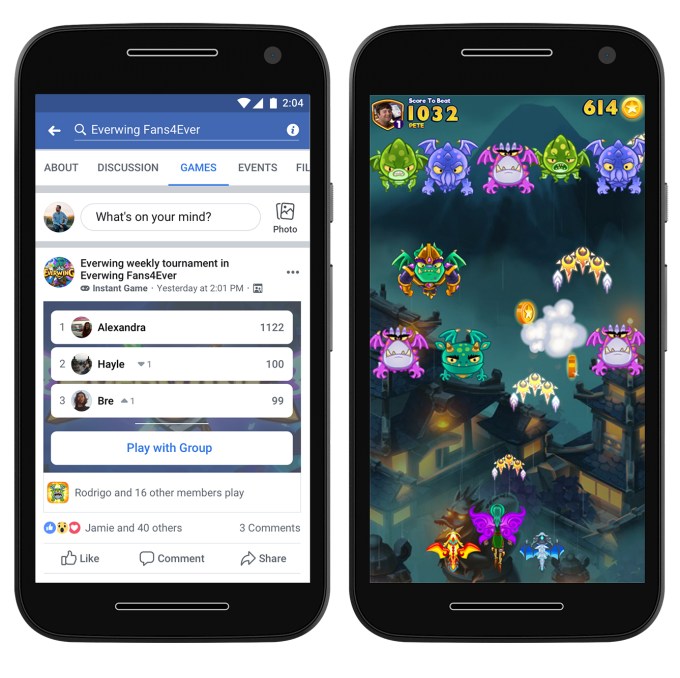
Now Facebook is giving HTML5 another shot as a way to expand its Instant Games like Pac-Man and Words With Friends to the developing world through Facebook Lite, and to interest communities via Facebook Groups. With improvements to smartphone processing power and the underlying mobile browser app technology, HTML5 can now support snappy, graphically-complex games like Everwing seen below.

Instead of having to download separate apps for each game from the Apple App Store or Google Play, Instant Games launch in a mobile browser. That keeps Facebook Lite’s file size small to the benefit of international users with slow connections or limited data plans. And it lets Instant Games integrate directly into Groups so you can challenge not only friends but like-minded members to compete for high scores.

90 million people each month actively participate in 270,000 Facebook Groups about gaming, and now they’ll see Instant Games in the Groups navigation bar next to the About and Discussion tabs. Facebook is also considering making games an opt-in feature for non-gaming Groups. In Facebook Lite, Instant Games will appear in the More sidebar so they’re not too interruptive.

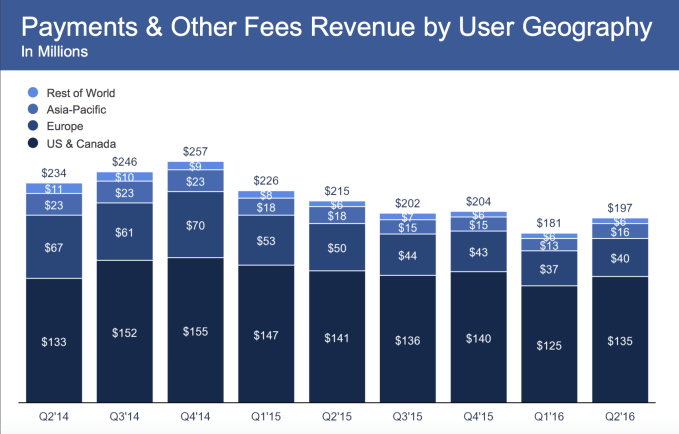
The expansion demonstrates how serious Facebook is about becoming a gaming company again. Back in its desktop days, the games platform dominated by developers like Zynga racked up tons of usage, virality, and in-game payments revenue for Facebook. That revenue declined for years after mobile usage began to dominate in 2014, but recently stabilized at around $190 million per quarter. Apparently someone is still playing FarmVille.

Facebook launched Instant Games in late-2016 to give people something to do while they’re waiting from friends to reply to their messages. Around the same time, Facebook launched Gameroom — a Steam-like desktop software hub for mid-core gamers, though there’s been less news on that product since. Instant Games rolled out worldwide in mid-2017, and opened to all developers in March of this year. It’s since been expanding monetization options for developers to make building Instant Games a sustainable business. That includes making Instant Games compatible with Facebook’s playable ads that let developers lure in users from the News Feed.

Facebook won’t actually be earning money from in-app purchases on Instant Games on iOS where it doesn’t allow IAP due to Apple’s policies, or on Android since it began forgoing its cut last month. It does take 30 percent on desktop though. But the bigger monetization play is in ads where Facebook is a juggernaut.

With Instant Games on Messenger, Facebook’s desktop site via a bookmark, its new Fb.gg standalone gaming community app, and now Facebook Lite and Groups, the company is prioritizing the space again. That seems wise as gaming becomes more mainstream thanks to players livestreaming their commentary and phenomena like Fortnite. And with Facebook’s expansion into hardware with the Portal smart screen and a forthcoming TV set-top box, it will have more places than ever for people to play or watch others duke it out.

17 Oct 2018

Sidestepping App Stores, Facebook Lite and Groups get Instant Games

HTML5 almost ruined Facebook when baking in the mobile web standard to speed up development slowed down the performance of the social network’s main iOS and Android apps. For a brief moment in 2011, Facebook even tried to build an HTML5 gaming platform codenamed Sparta to escape the taxes of Apple and Google’s mobile operating systems. But at the time, HTML5 wasn’t powerful enough for great gaming. Facebook eventually ditched HTML5, rebuilt the apps natively, and Facebook became one of the most powerful players in mobile.

Now Facebook is giving HTML5 another shot as a way to expand its Instant Games like Pac-Man and Words With Friends to the developing world through Facebook Lite, and to interest communities via Facebook Groups. With improvements to smartphone processing power and the underlying mobile browser app technology, HTML5 can now support snappy, graphically-complex games like Everwing seen below.

Instead of having to download separate apps for each game from the Apple App Store or Google Play, Instant Games launch in a mobile browser. That keeps Facebook Lite’s file size small to the benefit of international users with slow connections or limited data plans. And it lets Instant Games integrate directly into Groups so you can challenge not only friends but like-minded members to compete for high scores.

90 million people each month actively participate in 270,000 Facebook Groups about gaming, and now they’ll see Instant Games in the Groups navigation bar next to the About and Discussion tabs. Facebook is also considering making games an opt-in feature for non-gaming Groups. In Facebook Lite, Instant Games will appear in the More sidebar so they’re not too interruptive.

The expansion demonstrates how serious Facebook is about becoming a gaming company again. Back in its desktop days, the games platform dominated by developers like Zynga racked up tons of usage, virality, and in-game payments revenue for Facebook. That revenue declined for years after mobile usage began to dominate in 2014, but recently stabilized at around $190 million per quarter. Apparently someone is still playing FarmVille.

Facebook launched Instant Games in late-2016 to give people something to do while they’re waiting from friends to reply to their messages. Around the same time, Facebook launched Gameroom — a Steam-like desktop software hub for mid-core gamers, though there’s been less news on that product since. Instant Games rolled out worldwide in mid-2017, and opened to all developers in March of this year. It’s since been expanding monetization options for developers to make building Instant Games a sustainable business. That includes making Instant Games compatible with Facebook’s playable ads that let developers lure in users from the News Feed.

Facebook won’t actually be earning money from in-app purchases on Instant Games on iOS where it doesn’t allow IAP due to Apple’s policies, or on Android since it began forgoing its cut last month. It does take 30 percent on desktop though. But the bigger monetization play is in ads where Facebook is a juggernaut.

With Instant Games on Messenger, Facebook’s desktop site via a bookmark, its new Fb.gg standalone gaming community app, and now Facebook Lite and Groups, the company is prioritizing the space again. That seems wise as gaming becomes more mainstream thanks to players livestreaming their commentary and phenomena like Fortnite. And with Facebook’s expansion into hardware with the Portal smart screen and a forthcoming TV set-top box, it will have more places than ever for people to play or watch others duke it out.

17 Oct 2018

PwC staves off disruption with immersive emerging tech training

The big accounting firms are under pressure from digital disruption just like every industry these days, but PwC is trying a proactive approach with a digital accelerator program designed to train employees for the next generation of jobs.

To do this, PwC is not just providing some additional training resources and calling it a day. They are allowing employees to take 18 months to two years to completely immerse themselves in learning about a new area. This involves spending half their time on training for their new skill development and half putting that new knowledge to work with clients.

PwC’s Sarah McEneaney, digital talent leader at PwC was put in charge of the program. She said that as a consulting organization, it was important to really focus on the providing a new set of skills for the entire group of employees. That would take a serious commitment, concentrating on a set of emerging technologies. They decided to focus on data and analytics, automation and robotics and AI and machine learning.

Ray Wang, who is founder and principal analyst at Constellation Research says this is part of a broader trend around preparing employees inside large organizations for future skills. “Almost every organization around the world is worried about the growing skills gap inside their organizations. Reskilling, continuous learning and hand-on training are back in vogue with the improved economy and war for talent,” he said.

PwC program takes shape

About a year ago the company began designing the program and decided to open it up to everyone in the company from the consulting staff to the support staff with goal of eventually providing a new set of skills across the entire organization of 50,000 employees. As you would expect with a large organization, that started with baby steps.

Graphic: Duncan_Andison/Getty Images

The company designed the new program as a self-nomination process, rather than having management picked candidates. They wanted self starters, and about 3500 applied. McEneaney considered this a good number, especially since PwC tends to be a risk-averse culture and this was asking employees to leave the normal growth track and take a chance with this new program. Out of the 3500 who applied, they did an initial pilot with 1000 people.

She estimates if a majority of the company’s employees eventually opt in to this retraining regimen, it could cost some serious cash, around $100 million. That’s not an insignificant sum, even for a large company like PwC, but McEneaney believes it should pay for itself fairly quickly. As she put it, customers will respect the fact that the company is modernizing and looking at more efficient ways to do the work they are doing today.

Making it happen

Daniel Krogen, a risk assurance associate at PwC decided to go on the data and analytics track. While he welcomed getting new skills from his company, he admits he was nervous going this route at first because of the typical way his industry has worked in the past. “In the accounting industry you come in and have a track and everyone follows the track. I was worried doing something unique could hinder me if I wasn’t following track,” he said.

Graphic: Feodora Chiosea/Getty Images

He says those fears were alleviated by senior management encouraging people to join this program and giving participants assurances that they would not be penalized. “The firm is dedicated to pushing this and having how we differentiate this against the industry, and we want to invest in all of our staff and push everyone through this,” Krogen said.

McEneaney says she’s a partner at the firm, but it took a change management sell to the executive team and really getting them to look at it as a long-term investment in the future of the business. “I would say a critical factor in the early success of the program has been having buy-in from our senior partner, our CEO and all of his team from the very start,” She reports directly to this team and sees their support and backing as critical to the early success of the program.

Getting real

Members of the program are given a 3-day orientation. After that they follow a self-directed course work. They are encouraged to work together with other people in the program, and this is especially important since people will bring a range of skills to the subject matter from absolute beginners to those with more advanced understanding. People can meet in an office if they are in the same area or a coffee shop or in an online meeting as they prefer.

Each member of the program participates in a Udacity nano-degree program, learning a new set of skills related to whatever technology speciality they have chosen. “We have a pretty flexible culture here…and we trust our people to work in ways that work for them and work together in ways that work for them,” McEneaney explained.

The initial program was presented as a 12-18 month digital accelerator tour of duty, Krogen said. “In those 12-18 months, we are dedicated to this program. We could choose another stint or go back to client work and bring those skills to client services that we previously provided.”

While this program is really just getting off the ground, it’s a step toward acknowledging the changing face of business and technology. Companies like PwC need to be proactive in terms of preparing their own employees for the next generation of jobs, and that’s something every organization should be considering.

17 Oct 2018

PwC staves off disruption with immersive emerging tech training

The big accounting firms are under pressure from digital disruption just like every industry these days, but PwC is trying a proactive approach with a digital accelerator program designed to train employees for the next generation of jobs.

To do this, PwC is not just providing some additional training resources and calling it a day. They are allowing employees to take 18 months to two years to completely immerse themselves in learning about a new area. This involves spending half their time on training for their new skill development and half putting that new knowledge to work with clients.

PwC’s Sarah McEneaney, digital talent leader at PwC was put in charge of the program. She said that as a consulting organization, it was important to really focus on the providing a new set of skills for the entire group of employees. That would take a serious commitment, concentrating on a set of emerging technologies. They decided to focus on data and analytics, automation and robotics and AI and machine learning.

Ray Wang, who is founder and principal analyst at Constellation Research says this is part of a broader trend around preparing employees inside large organizations for future skills. “Almost every organization around the world is worried about the growing skills gap inside their organizations. Reskilling, continuous learning and hand-on training are back in vogue with the improved economy and war for talent,” he said.

PwC program takes shape

About a year ago the company began designing the program and decided to open it up to everyone in the company from the consulting staff to the support staff with goal of eventually providing a new set of skills across the entire organization of 50,000 employees. As you would expect with a large organization, that started with baby steps.

Graphic: Duncan_Andison/Getty Images

The company designed the new program as a self-nomination process, rather than having management picked candidates. They wanted self starters, and about 3500 applied. McEneaney considered this a good number, especially since PwC tends to be a risk-averse culture and this was asking employees to leave the normal growth track and take a chance with this new program. Out of the 3500 who applied, they did an initial pilot with 1000 people.

She estimates if a majority of the company’s employees eventually opt in to this retraining regimen, it could cost some serious cash, around $100 million. That’s not an insignificant sum, even for a large company like PwC, but McEneaney believes it should pay for itself fairly quickly. As she put it, customers will respect the fact that the company is modernizing and looking at more efficient ways to do the work they are doing today.

Making it happen

Daniel Krogen, a risk assurance associate at PwC decided to go on the data and analytics track. While he welcomed getting new skills from his company, he admits he was nervous going this route at first because of the typical way his industry has worked in the past. “In the accounting industry you come in and have a track and everyone follows the track. I was worried doing something unique could hinder me if I wasn’t following track,” he said.

Graphic: Feodora Chiosea/Getty Images

He says those fears were alleviated by senior management encouraging people to join this program and giving participants assurances that they would not be penalized. “The firm is dedicated to pushing this and having how we differentiate this against the industry, and we want to invest in all of our staff and push everyone through this,” Krogen said.

McEneaney says she’s a partner at the firm, but it took a change management sell to the executive team and really getting them to look at it as a long-term investment in the future of the business. “I would say a critical factor in the early success of the program has been having buy-in from our senior partner, our CEO and all of his team from the very start,” She reports directly to this team and sees their support and backing as critical to the early success of the program.

Getting real

Members of the program are given a 3-day orientation. After that they follow a self-directed course work. They are encouraged to work together with other people in the program, and this is especially important since people will bring a range of skills to the subject matter from absolute beginners to those with more advanced understanding. People can meet in an office if they are in the same area or a coffee shop or in an online meeting as they prefer.

Each member of the program participates in a Udacity nano-degree program, learning a new set of skills related to whatever technology speciality they have chosen. “We have a pretty flexible culture here…and we trust our people to work in ways that work for them and work together in ways that work for them,” McEneaney explained.

The initial program was presented as a 12-18 month digital accelerator tour of duty, Krogen said. “In those 12-18 months, we are dedicated to this program. We could choose another stint or go back to client work and bring those skills to client services that we previously provided.”

While this program is really just getting off the ground, it’s a step toward acknowledging the changing face of business and technology. Companies like PwC need to be proactive in terms of preparing their own employees for the next generation of jobs, and that’s something every organization should be considering.

17 Oct 2018

Postmates launches food delivery in 134 additional US cities

Homebodies across the U.S. have reason to celebrate. Postmates — the on-demand food delivery service so popular in major cities that it’s a verb now — just launched in 134 new markets. Those 134 additional cities mean that Postmates has a presence in 550 cities total across the U.S, including places like Lubbock, Texas; Athens, Georgia; Columbia, South Carolina and Albany, New York.

In April, the company announced that it would partner with Walmart on grocery delivery. The move was meant to offset Amazon’s potential dominance in the space given the online retail giant’s acquisition of Whole Foods last year. Postmates was most recently valued at $1.2 billion after a $300 million influx of funding last month.

In July, Postmates added a wave of more than 100 cities, bringing its count up to 385 at the time. Now, Postmates claims coverage of 60 percent of households in the U.S., showing that the company is serious about taking Bay Area-centric on-demand luxuries and its own delivery infrastructure far beyond Silicon Valley.

17 Oct 2018

Postmates launches food delivery in 134 additional US cities

Homebodies across the U.S. have reason to celebrate. Postmates — the on-demand food delivery service so popular in major cities that it’s a verb now — just launched in 134 new markets. Those 134 additional cities mean that Postmates has a presence in 550 cities total across the U.S, including places like Lubbock, Texas; Athens, Georgia; Columbia, South Carolina and Albany, New York.

In April, the company announced that it would partner with Walmart on grocery delivery. The move was meant to offset Amazon’s potential dominance in the space given the online retail giant’s acquisition of Whole Foods last year. Postmates was most recently valued at $1.2 billion after a $300 million influx of funding last month.

In July, Postmates added a wave of more than 100 cities, bringing its count up to 385 at the time. Now, Postmates claims coverage of 60 percent of households in the U.S., showing that the company is serious about taking Bay Area-centric on-demand luxuries and its own delivery infrastructure far beyond Silicon Valley.

17 Oct 2018

Investors see an opportunity framed in Lensabl’s prescription lens fulfillment business

Lensabl, the company that has built a business putting prescription lenses into any style of glasses frame, has raised $3.7 million in a new round of funding. 

Based in Los Angeles, Lensabl already has an agreement inked with the city’s latest tech wunderkind, partnering with the spectacles producing augmented reality luminaries at Snap.

“We are the preferred prescription provider of Snapchat Spectacles,” says Lensabl chief executive Andrew Bilinsky. “[And] we are already talking to and partnering with a variety of brands to start and scale their prescription operations [and] really scale our direct to consumer lens business.”

Powering that effort is the new $3.7 million in funding which came from a clutch of big name strategic partners, venture firms and individual angel investors. Rogue Venture Partners, the same lead investor behind SightBox, a contact lens subscription business acquired by Johnson & Johnson, led the round. And additional investors including Birchmere Ventures, Aspect Ventures, Cherry Tree Investments, Amplify, Luma Launch, Watertower Ventures, and Crowdsmart (a crowdfunding platform) also participated in the financing.

For Bilinsky, the opportunity in setting up a business exclusively focused on filling prescriptions means reduced prices and better options for the estimated 188.7 million people who wear corrective eyewear or contact lenses in the U.S.

“We’re offering every different type of prescription lens for every different frame brand,” says Biinsky. “[We’re] mimicking what a customer can do going into a Lens Crafters at up to 70% cheaper than a traditional provider.”

And given the changing ways in which glasses buyers are shopping for frames, launching a business that caters to providing the right lenses at a lower price makes sense, Bilinsky says.

“With Amazon becoming the largest individual reseller of eyewear in the U.S., every frame that people buy that needs to be re-lensed. It’s a secondary market in the same way that you would put new rims on the car,” says Billinsky.

Lensabl offers about 400 different permutations of lenses and 20 different tint colors. “It’s a customization platform for your frames,” says Bilinsky.

17 Oct 2018

Essential lays off nearly one-third of its staff

Layoffs are never an easy pill to swallow, but for Essential, it seems the writing was on the wall for a while with this one. After months of reports highlighting its struggles, the Andy Rubin-led smartphone startup has announced some major layoffs.

All told, the company will be losing around 30 percent of its staff.

We’ve since confirmed the news, which was initially noted by Bloomberg. “This has been a difficult decision to make,” a spokesperson for the company told TechCrunch. “We are very sorry for the impact on our colleagues who are leaving the company and are doing everything we can to help them with their future careers. We are confident that our sharpened product focus will help us deliver a truly game changing consumer product.”

The note strikes a similarly hopeful tone as past responses offered up in the wake of ongoing reports. Certainly the company went out of its way to acknowledge precisely how difficult it would be to launch a successful Android startup from the ground up in 2018. Ditto for the company’s plans to launch a smart speaker to compete with the Echo and Google Home — though that device has reportedly been placed on the back burner as the company looks for a way forward.

It’s been over a year since the company launched its first handset. That device got off to a rocky start, according to analysts, and in the meantime, the company has been fairly quiet on the hardware front, aside from a couple of accessories and a handful of deep discounts on the phone.

Hardware is hard — even when you’ve got the talent and experience to back it up.

17 Oct 2018

Tesla inks deal for Gigafactory 3 in China

Tesla has secured the rights to about 210 acres of land in Lingang, Shanghai, the site of the electric automaker’s planned factory and its first outside of the U.S.

Tesla executives and leaders of the Shanghai Economics and Information Committee, Shanghai Lingang Area Development Administration and Shanghai Lingang Group witnessed the agreement-signing ceremony in China on Wednesday.

“Tesla’s mission is to accelerate the world’s transition to sustainable energy not only through all-electric vehicles, but also scalable clean energy generation and storage products,” Robin Ren, Tesla’s vice president of Worldwide Sales said in a statement. “Securing this site in Shanghai, Tesla’s first Gigafactory outside of the United States, is an important milestone for what will be our next advanced, sustainably developed manufacturing site.”

The land transfer marks an important step for Tesla, which recently said rising costs had prompted the company to accelerate construction of its so-called Gigafactory 3. Tesla warned in its production and delivery report in early October that tariffs, combined with the cost of shipping its vehicles via ocean carrier and the lack of access to cash incentives available to locally produced electric vehicles, has put the company at a disadvantage in China.

Tesla reasserted those statements Wednesday, noting that it expects the project to be a “capital efficient and rapid buildout, using many lessons learned from the Model 3 ramp in North America.”

Tesla reached a deal in July with the Shanghai government to build a factory that it says will be capable of producing 500,000 electric vehicles a year. Once construction begins, it will take about two years until Tesla can produce vehicles. It will be another “two to three years before the factory is fully ramped up to produce around 500,000 vehicles per year for Chinese customers,” a Tesla spokesman said at the time.

The Shanghai factory deal marks a shift within the Chinese government to allow foreign companies to build and operate wholly owned facilities there. Foreign companies have historically had to form a 50-50 joint venture with a local partner to build a factory in China.

Chinese President Xi Jinping has said the country will phase out joint-venture rules for foreign automakers by 2022. Tesla is one of the first beneficiaries of this rule change.

The agreement allows Tesla to construct and operate a wholly owned factory in Lingang. The new factory will carry out research and development, manufacturing and sales operations.

The Chinese government will still be involved, however. Under a cooperation agreement, the Shanghai government and Tesla will jointly promote electric vehicle technology and industry development. The city of Shanghai said it will provide support for Gigafactory 3, although details are thin as to what that might mean.