Year: 2018

13 Nov 2018

Spotify officially launches its Apple Watch app

Following reports of its testing, Spotify today has launched its long-awaited Apple Watch app. The app allows users to control the playback of Spotify’s streaming service from their Watch’s screen, as well as connect to devices like their computer, Wi-Fi speaker and more through Spotify Connect, toggle on Shuffle, access music playlists and other recently played items, favorite tracks with a heart, and more.

The news was announced today on Spotify’s blog, where it details the app’s features, which also include the ability to play podcasts, in addition to music.

“We know the importance of having music on the go, which is why we’re excited to bring a new Spotify app to our highly mobile users on Apple Watch,” the company said. “With this new app, users can enjoy an improved experience with better control and the ability to seamlessly connect to your speakers or devices.

The App Store’s release notes indicate this is a “first version” of the Watch app, which hints more changes will come.

Spotify confirms that’s the case, noting that a future release will include support for listening to music and podcasts while offline, too.

Beyond just playing or stopping the play of music or podcasts, the new app also lets you do things like skipping tracks or rewinding a podcast by 15 seconds to catch something you missed – all right from your Apple Watch face.

Though the app is officially live, Spotify says the new experience will be rolling out to Apple Watch users over the coming week. In other words, you may find that you can’t immediately add the Watch app as of today, but you should be able to soon.

To access the app, you’ll need the latest version of Spotify (v.8.4.79) from the App Store.
13 Nov 2018

Live streaming studio, Culture Genesis, launches its first show, the quiz-based Trivia Mob

A new generation of entrepreneurs is emerging to refashion the Los Angeles studio system for the digital age forming companies that combining live-streamed video, podcasts, and the newfound social media celebrities to craft entertainment for a new breed of consumer.

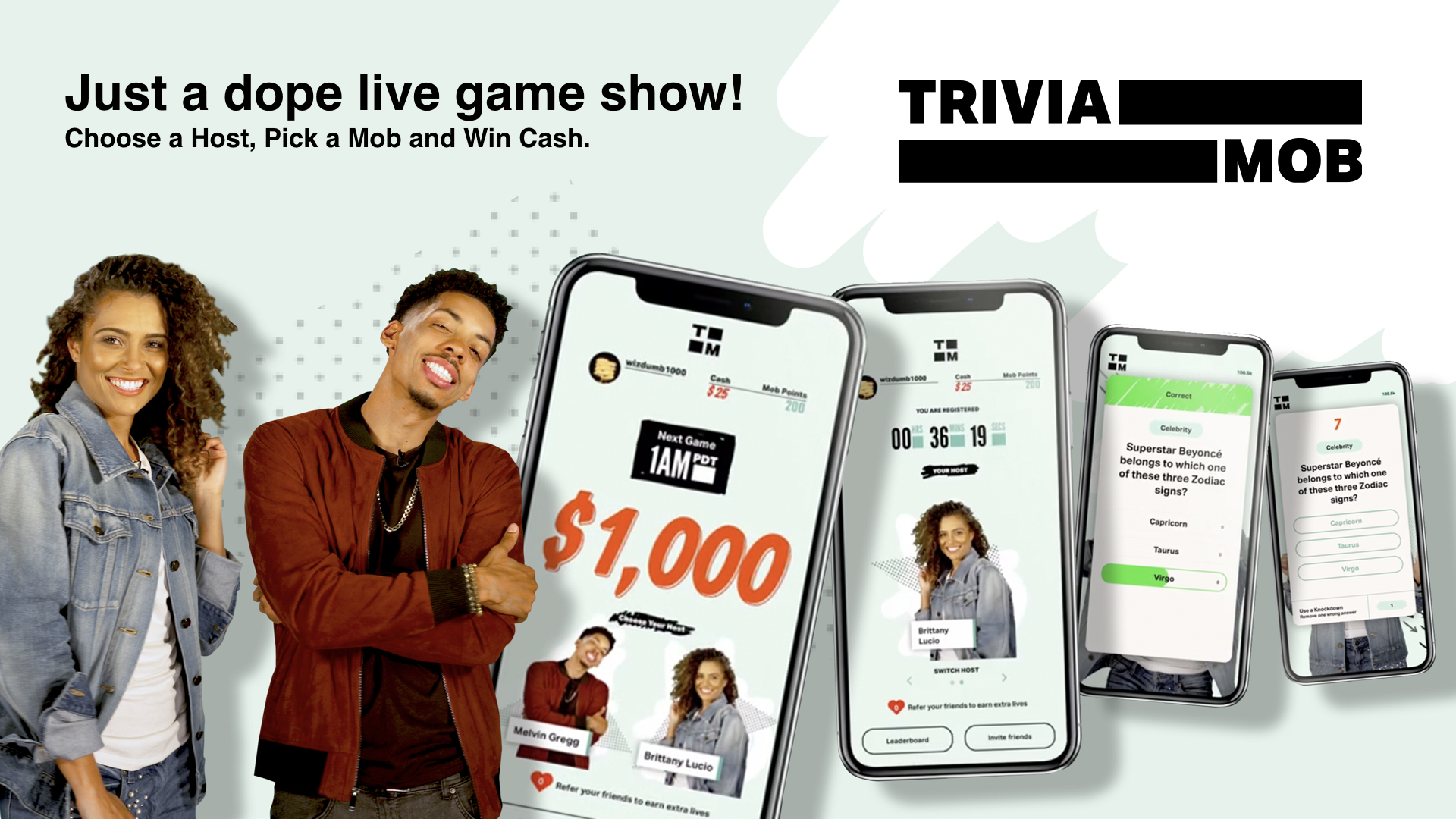
Two of those startup founders, longtime Apple executive Cedric Rogers and former developer for VEVO and MLB digital Shaun Newsum, are now pulling the curtains back on the first fruit of their production studio, Culture Genesis, with the launch of TriviaMob — a new quiz show targeting urban audiences.

The two creators envision their company as a combination of 106 & Park and Jeopardy with questions aimed at cultural references for the Highsnobiety and Complex set.

TriviaMob banner

TriviaMob players can win up to $10,000 in cash by competing individually or as part of a group (or “mob”) to win collective prizes by tuning in and competing to shows that stream every Sunday. Each player has 10 seconds to answer 10 questions around art, music, science and history. Players that answer all of the questions correctly will get a share of the $10,000 prize and participants who opt to be part of the “mob” can earn points for sponsored prizes.

For its foray into live-streamed appointment entertainment, Culture Genesis has tapped Melvin Gregg, the influencer and star of Netflix’s American Vandal series along with a host of … well… hosts including former Miss USA contestant, Brittany Lucio; DJ Damage, the co-host of Sean ‘P. Diddy’ Combs’ flagship show, REVOLT Live; Jessica Flores; and TV host and comedic actress Dariany Santana.

Backed initially by Los Angeles-based accelerator MuckerLab and betaworks latest livecamp program, the two founders see Culture Genesis as tapping into the twin trends of gaming and mobile technology adoption in young African American and Latinx communities. The founders cite statistics indicating that 73 percent of African Americans and 72% of Latinx consumers over 13 years-old identify as gamers.

“We’re building software for an urban, multicultural audience that continues to lead and influence culture — not just in the U.S. but around the world,” said Rogers, in a statement. “We see this influence growing in Hollywood but it’s not happening fast enough in Silicon valley. We want to accelerate this shift.”

While the business model mimics that of HQ Trivia, the once-popular quiz show whose success has waned even as it scored massive gains in venture fundraising — valuing the company at a reported $100 million.

The founders of Culture Genesis see their first product as fundamentally different from HQ. “People want to see things for them by them,” says Rogers. “From our perspective HQ meant nothing to our audience.”

Newsum, the company’s chief technology officer, goes even further. “I think HQ was a prime example of our thesis. HQ from a multicultural perspective — that didn’t appeal to our audience. Part of what we’re doing with Cultural Genesis is bringing that urban understanding.”


13 Nov 2018

Amazon’s Alexa Fund invests in on-demand parking service, ParkWhiz

ParkWhiz, a startup that’s something of an Open Table for available parking spots, is adding $5 million in new equity to its recently announced Series D round. The new funds come from strategic investors Amazon’s Alexa Fund, Alate Partners, Chaifetz Group and Purple Arch Ventures. Combined with the earlier round led by NewSpring Capital, the total raise was $25 million.

The parking service has expanded over the past couple of years across the U.S. and Canada, and now counts 40 million customers to date who have used ParkWhiz to find parking in garages and lots. The service today powers transactional parking services for hundreds of partners, including sports teams and venues, events, travel providers, airlines, hotels, automotive OEMs, and navigation systems within their own apps and sites, it says.

For Amazon, the value in partnering with ParkWhiz has to do with its adoption of voice-based computing.

Using Amazon’s Alexa virtual assistant, ParkWhiz customers can find and reserve parking spaces using only their voice.

This investment makes even more sense when aligned with Amazon’s recent efforts to bring Alexa to vehicles as part of its larger agenda to capture market share in voice computing.

In September, the company announced a slew of new Alexa devices, including Echo Auto, which plugs into a car’s infotainment system to provide voice access to things like traffic reports, news, shopping lists, smart home control, and third-party skills – such as the one ParkWhiz offers.

“The Alexa Fund was created to support companies building compelling products and services that leverage voice technology, and ParkWhiz is a fast-growing company that fits that profile perfectly,” said Paul Bernard, director of the Amazon Alexa Fund, in a statement. “Customers love using its Alexa skill to find and reserve parking spaces using just their voice, and we’re excited to support them as they pursue deeper integrations with Alexa at home and on the go.”

In addition to voice access to parking, ParkWhiz offers a mobile app as well as the option to book over SMS or through an embedded solution in the car.

ParkWhiz says the strategic investors were added to the round for more than their capital, but rather their ability to add value as it expands customer reach, inventory, and its “Arrive” parking network.

13 Nov 2018

1-877-KARS4KIDS had a data breach

Bad news: 1-877-KARS4KIDS had a data breach. Worse news: now you’ll have that awful jingle stuck in your head all day.

The New Jersey-based charity has plagued the American airwaves for years with the “most hated” jingle to try to get consumers to trade in their car — for the kids! In return, you get to write-off the donation from your taxes, and you’re given a “holiday voucher” to sweeten the deal.

But a security lapse left thousands of those donation records exposed for anyone to find.

Bob Diachenko, Hacken.io’s director of cyber risk research, found the company’s MongoDB database on a server, wide open and without a password earlier this month.

The server contained 21,612 records and climbing — representing weeks worth of data, Dianchenko told TechCrunch, prior to blogging his findings. The data included donor email addresses and donation receipts, which included customized links to a donor’s tax receipt. He also found credentials, which he said could have allowed a hacker to access far more sensitive data.

Yet it took Kars4Kids two days to pull the database offline after Diachenko warned of the data exposure, he said.

Dianchenko said that Kars4Kids had told him that customers had been informed, but TechCrunch has found no evidence of the company’s claim.

Under state law, Kars4Kids is obligated to inform New Jersey’s attorney general of the breach.

Kars4Kids spokesperson Wendy Kirwan did not respond to a request for comment sent prior to publication.

It isn’t known how long the database was exposed for, but Dianchenko said he wasn’t the first to discover the database. A note left in the database claimed to have “downloaded and backed up” by a hacker who demanded bitcoin in exchange for the data’s safe return.

The breach represents a portion — though not all — of the cars that Kars4Kids receives annually — reportedly tens of thousands each year. The non-profit has been criticized over the handling of its finances, and currently has a “moderate concern” rating from independent evaluator Charity Navigator.

13 Nov 2018

Amazon confirms NYC and Arlington, VA as the site of its dual new HQ

After months of deliberations, data dumps, short lists and wish-lists, Amazon has finally announced the location of its second headquarters, HQ2, and as it has been widely reported, “2” is the important detail here: Amazon has named not one, but two different cities, New York (specifically, Long Island City in Queens) and Arlington, Virginia, as the sites for its new major offices, which will sit alongside its current Seattle, WA location, making three global headquarters for the e-commerce and cloud services giant.

“We are excited to build new headquarters in New York City and Northern Virginia,” said Jeff Bezos, founder and CEO of Amazon, in a statement. “These two locations will allow us to attract world-class talent that will help us to continue inventing for customers for years to come. The team did a great job selecting these sites, and we look forward to becoming an even bigger part of these communities.”

Amazon says it will invest $5 billion ($2.5 billion in each location) and create more than 50,000 jobs across the two new locations, with more than 25,000 employees each in New York City and Arlington. Nashville will also become a new Center of Excellence for its Operations business, Amazon said. It will be focused on fulfillment, transportation, supply chain, and related areas, with 5,000 jobs to be filled.

It will also be getting some money: specifically, “Amazon will receive performance-based direct incentives of $573 million based on the company creating 25,000 jobs with an average wage of over $150,000 in Arlington,” and “Amazon will receive performance-based direct incentives of $1.525 billion based on the company creating 25,000 jobs in Long Island City,” the company noted.

The new Washington, D.C. metro headquarters in Arlington will be located in National Landing, and the New York City headquarters will be located in the Long Island City neighborhood in Queens, Amazon said.

It’s hard to say whether this was not just an elaborate marketing ploy, where Amazon was able to amass a huge swathe of data of a run of cities across the US, rather than a genuine search for a location (or locations) that, at the end, of the day, felt very obvious, but they are notable nonetheless.

In both cases, they are very strategic choices for Amazon:

Arlington puts Amazon in striking distance of DC, which is a huge market for the company in terms of government procurement and its AWS business, but perhaps most importantly because of its increasing need to play nice with regulators.

New York, on the other hand, gives the company a base much closer to the media industry and also the world of finance. The company is shaping up to be a huge advertising behemoth, and also has become a content juggernaut in its streaming business, alongside publishing and other areas where it was already strong. Putting itself in the heart of those industries, which all call NYC their unspoken “capital”, makes a huge amount of sense.

What will be interesting to see is how Amazon develops and whether it will continue to view Seattle as its spiritual home, or whether it really does make a significant shift of power and administration to these other locations. It’s worth noting the the company has made huge efforts globally to build large centres of operations and R&D, so it’s no stranger to globalisation and distributed work.

More to come.

13 Nov 2018

Meditation app Simple Habit raises $10 million Series A

Five-minute meditation app Simple Habit announced today that it has raised a $10 million Series A, led by Foundation Capital. The round brings the developer’s total funding up to $12.5 million, following a $2.5 million seed last year.

The Shark Tank alum has been kicking since 2016, the result of CEO and co-founder Yunha Kim’s attempt to build a kind of “Spotify for Meditation.” The startup graduated Y Combinator in April of last year and has made a large push to increase available content.

The company has received praise for its focus on helping users incorporate short meditation sessions into their busy lives. And certainly the time is pretty ideal if you happen to be a mindfulness app in search of some serious VC. 

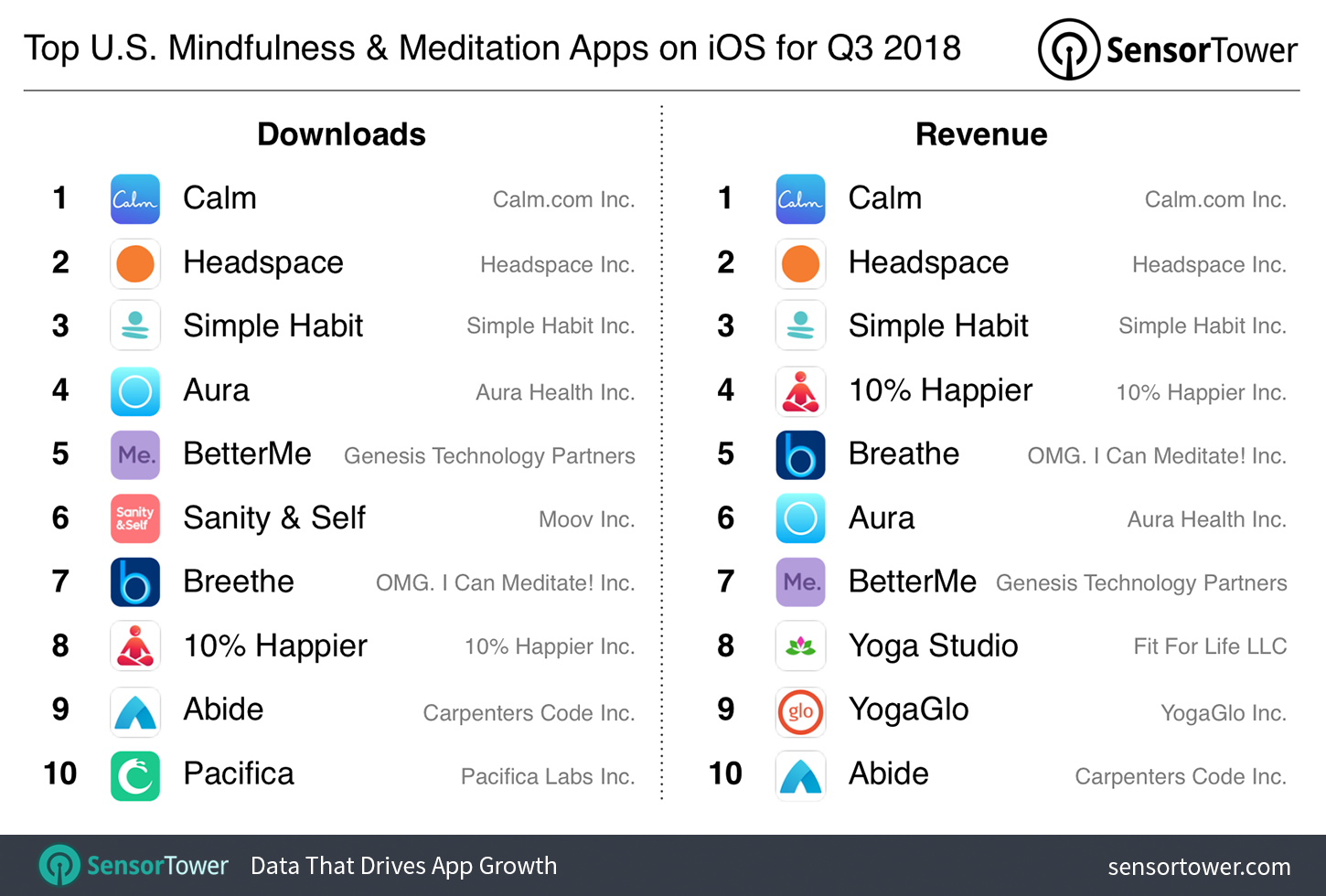
Most of the reception has been positive, and according to numbers provided to TechCrunch by SensorTower, Simple Habit was the third most popular meditation app in the iOS App Store for Q3 2018. The app trails only Calm and Headspace in terms of both downloads and revenue.

13 Nov 2018

Cognigo raises $8.5M for its AI-driven data protection platform

Cognigo, a startup that aims to use AI and machine learning to help enterprises protect their data and stay in compliance with regulations like GDPR, today announced that it has raised an $8.5 million Series A round. The round was led by Israel-based crowdfunding platform OurCrowd, with participation from privacy company Prosegur and State of Mind Ventures.

The company promises that it can help businesses protect their critical data assets and prevent personally identifiable information from leaking outside of the company’s network. And it says it can do so without the kind of hands-on management that’s often required in setting these kinds of systems up and managing them over time. Indeed, Cognigo says that it can help businesses achieve GDPR compliance in days instead of months.

To do this, the company tells me, it’s using pre-trained language models for data classification. That model has been trained to detect common categories like payslips, patents, NDAs and contracts. Organizations can also provide their own data samples to further train the model and customize it for their own needs. “The only human intervention required is during the systems configuration process which would take no longer than a single day’s work,” a company spokesperson told me. “Apart from that, the system is completely human-free.”
The company tells me that it plans to use the new funding to expand its R&D, marketing and sales teams, all with the goal of expanding its market presence and enhancing awareness of its product. “Our vision is to ensure our customers can use their data to make smart businesses decisions while making sure that the data is continuously protected and in compliance,” the company tells me.

13 Nov 2018

Facebook bug let websites read ‘likes’ and interests from a user’s profile

Facebook has fixed a bug that let any website pull information from a user’s profile — including their ‘likes’ and interests — without that user’s knowledge.

That’s the findings from Ron Masas, a security researcher at Imperva, who found that Facebook search results weren’t properly protected from cross-site request forgery (CSRF) attacks. In other words, a website could quietly siphon off certain bits of data from your logged-in Facebook profile in another tab.

Masas demonstrated how a website acting in bad faith could embed an IFRAME — used to nest a webpage within a webpage — to silently collect profile information.

“This allowed information to cross over domains — essentially meaning that if a user visits a particular website, an attacker can open Facebook and can collect information about the user and their friends,” said Masas.

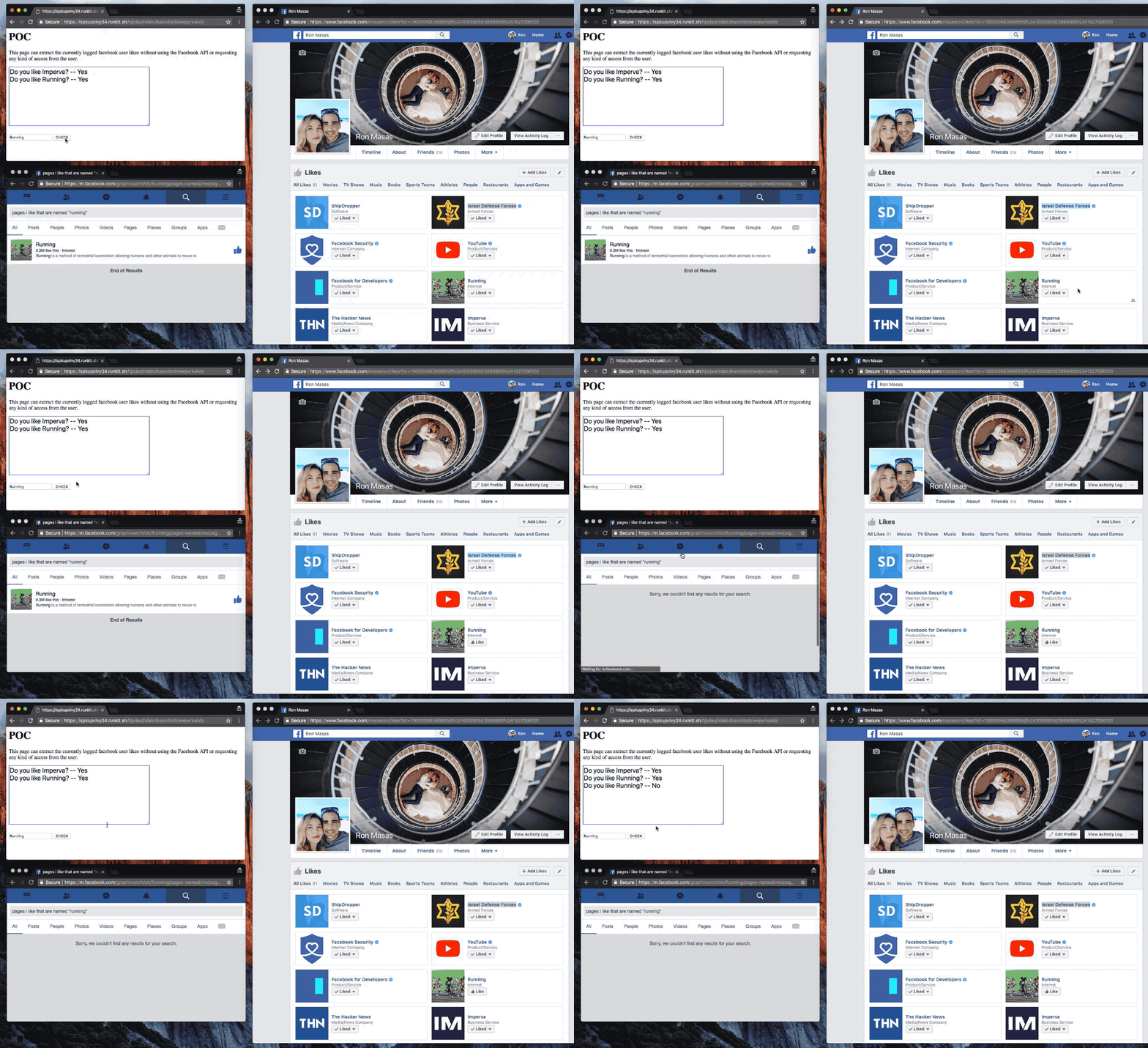
The malicious website could open several Facebook search queries in a new tab, and run queries that could return “yes” or “no” responses — such as if a Facebook user likes a page, for example. Masas said that the search queries could return more complex results — such as returning all a user’s friends with a particular name, a user’s posts with certain keywords, and even more personal demographics — such as all of a person’s friends with a certain religion in a named city.

“The vulnerability exposed the user and their friends’ interests, even if their privacy settings were set so that interests were only visible to the user’s friends,” he said.

A snippet from a proof-of-concept built by Masas to show him exploiting the bug. (Image: Imperva/supplied)

In fairness, it’s not a problem unique to Facebook nor is it particularly covert. But given the kind of data available, Masas said this kind of data would be “attractive” to ad companies.

Imperva privately disclosed the bug in May. Facebook fixed the bug days later by adding CSRF protections and paid out $8,000 in two separate bug bounties.

Facebook told TechCrunch that the company hasn’t seen any abuse.

“We appreciate this researcher’s report to our bug bounty program,” said Facebook spokesperson Margarita Zolotova in a statement. “As the underlying behavior is not specific to Facebook, we’ve made recommendations to browser makers and relevant web standards groups to encourage them to take steps to prevent this type of issue from occurring in other web applications.”

It’s the latest in a string of data exposures and bugs that have put Facebook user data at risk after the Cambridge Analytica scandal this year, which saw a political data firm vacuum up profiles on 87 million users to use for election profiling — including users’ likes and interests.

Months later, the social media giant admitted millions of user account tokens had been stolen from hackers who exploited a chain of bugs.

13 Nov 2018

Snapchat launches Bitmoji merch and comic strips starring your avatar

Snapchat is doubling down on its biggest differentiator by turning its personalized avatar Bitmoji into a revenue stream and a new source of content. Snapchat is launching a Bitmoji merchandise store you can customize with you and your friends’ cartoonified faces, Bitmoji Stories comic strips featuring you and friends’ avatars in fun scenes, and a new Friendship profile that collect all the content you and a friend have saved from your Snap message thread.

The new features could help earn Snapchat money to reduce its still-massive quarterly losses, get Snap’s brand out in public, and give people new ways to spend more time on Snapchat when it’s otherwise been losing users.

Snapchat, The Ecommerce Company

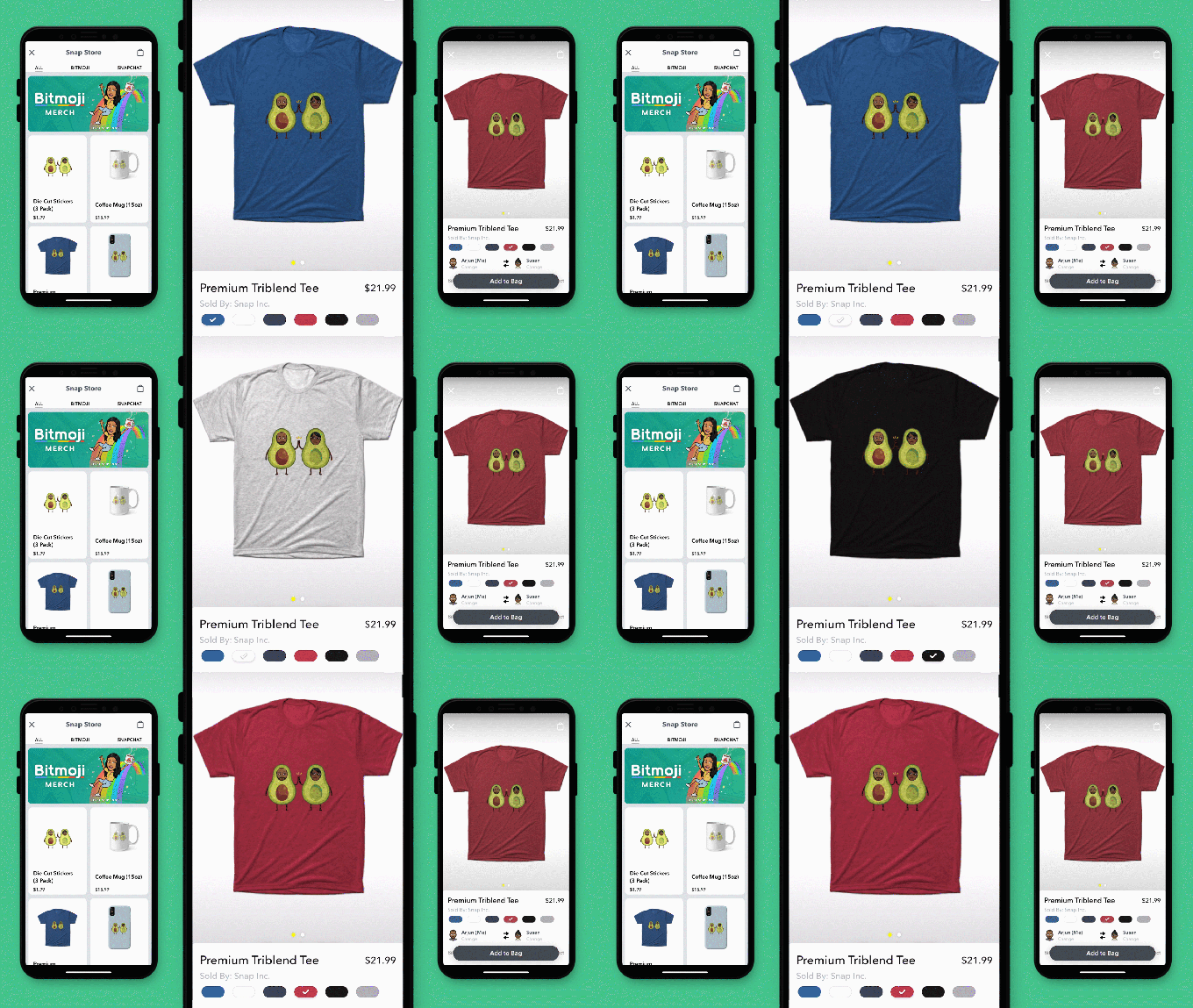
The Bitmoji merchandise store opens Thursday in the US on iOS only with $2 stickers, $15 coffee mugs, $16 standard t-shirts and notebooks, $22 triblend t-shirts $27 sweatshirts and more that you can personalize by adding their Bitmoji, one of their friends’, them and a friends’ playing together, or any two of their friends. Phone cases, towels, and pillows are also available. You can access the Bitmoji store from Snap Store in the Settings menu of Snapchat’s app. Snapchat first launched its Snap Store in Ghostface Chillah logo merchandise back in February to sell Dancing Hot Dog dolls, ghost pool floats, and puppy selfie filter shirts.

The new merch could help Snap show off its name and brand, reminding people to use the app since they can’t get the true Bitmoji anywhere else. Snap could also use the revenue given it lost $325 million last quarter and might have to take outside investment or be acquired as it may not break even before running out of cash.

Snap Comics

Back before it settled on the idea of turning personalized emoji into stickers you could use in chat, Bitmoji parent company Bitstrips started as a comic strip creator. You could make an avatar and then create little scenes for them to star in. The idea was inspired by co-founder Jacob ‘BA’ Blackstock’s school days when he and friends would draw comic strips when they were bored. Now Snap is getting back to Bitmoji’s roots.

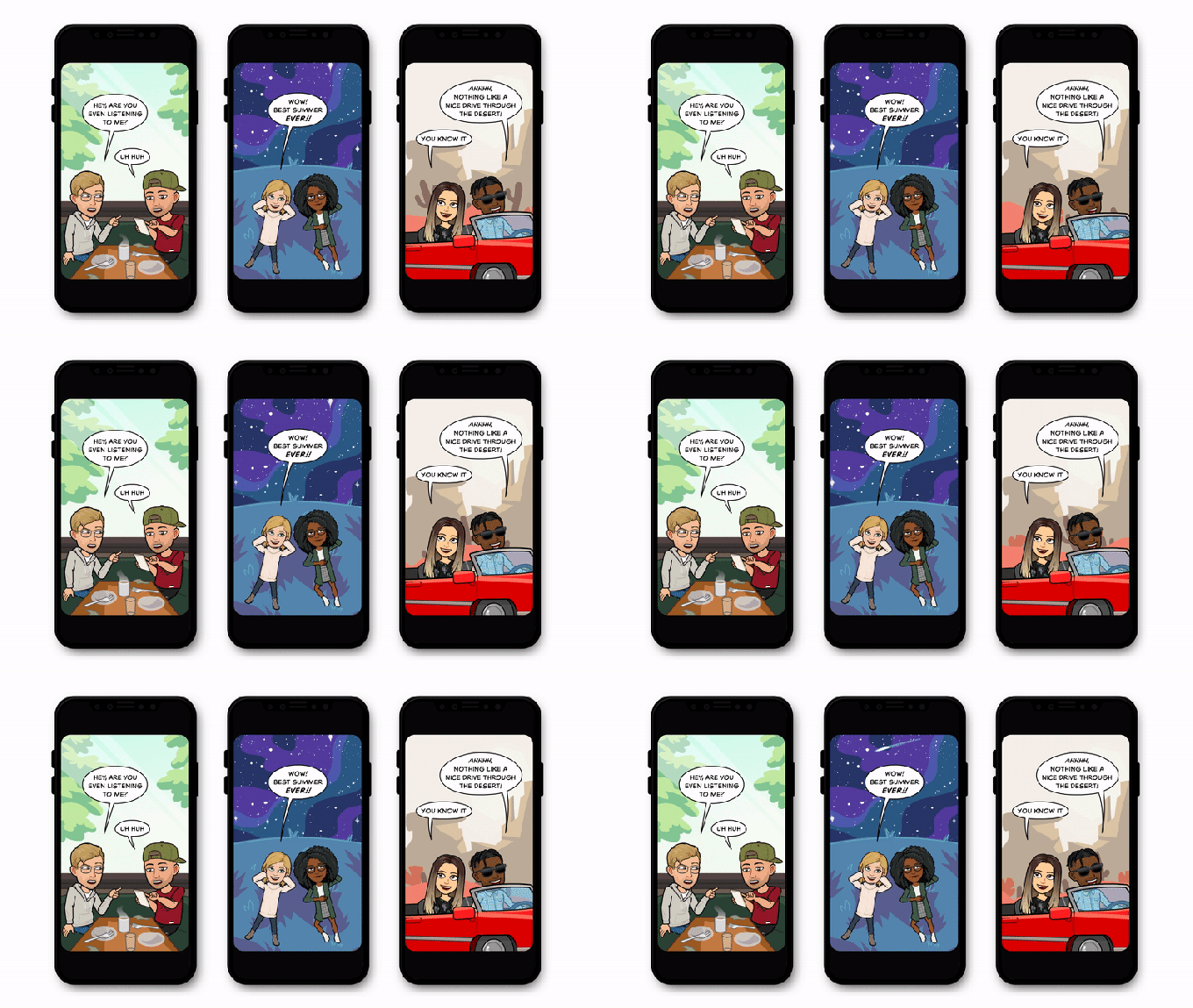
Bitmoji Stories launch tomorrow in the US. A Snapchat spokesperson tells me “Bitmoji Stories will tell lighthearted stories in the form of short comic strips. Bitmoji Stories are created by Snap (from the Bitmoji content team), and will star the Snapchatter solo or with a friend.” They’ll be constantly updated with new advantures, and they’re quite reminiscent of lifelike avatar startup Genies’ scenes. By creating a new form of Discover content in-house, Snapchat could draw more time and therefore more ad views out of its audience. And since there’s no outside publisher to pay, Snapchat can keep all the ad revenue.

Snap’s big competitors have largely failed to field a viable Bitmoji competitor. A year ago I wrote that “Facebook seriously needs its own Bitmoji”, and in May, we broke the news that Facebook Avatars were in the works — though the prototypes were pretty ugly.. Each day Facebook delays, Bitmoji becomes more entrenched as the avatar standard. Two weeks ago, Google launched its own Gboard Mini avatars that you can automatically create with a selife, rather than having to configure them manually like on Snapchat. But when it comes to an illustrated version of you, even tiny missteps can make you look monstrous. Plus, people love wasting time customizing avatars. Snap’s version still regins supreme.

Besties Are Snap’s Best Shot

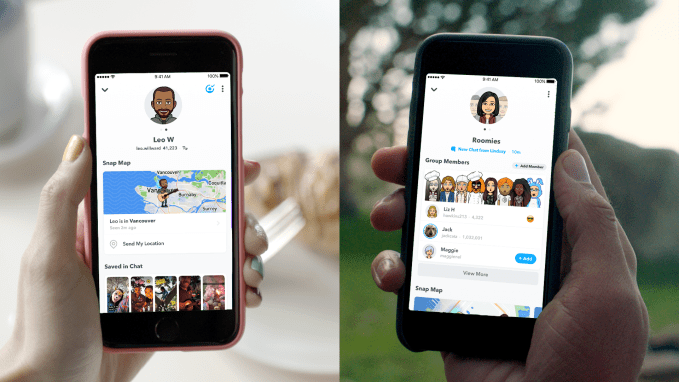
And lastly, today Snapchat begins globally rolling out its Friendship profiles. Accessible by clicking on a friend’s Bitmoji (or blank avatar if they haven’t made one) from Chat, Stories, Discover, or search, Snapchat says they “make it easy to find your favorite memories and the important information you’ve saved over time.” That includes, photos, videos, messages, and links saved from your otherwise ephemeral chats, plus a quick way to see that bestie on the Snap Map.

None of these features is so seismic as to change the overall momentum of Snapchat, which has been struggling lately with shrinking user counts, a battered share price, and non-stop executive departures. Its VP of Content Nick Bell left yesterday. Having talked with him, he’s one of the smartest minds in modern mobile content, and Snap’s hopes to get rid of the clickbait and messy design of Discover may be more difficult without him.

The strategy of focusing on best friends is smart, though. The one thing Facebook and Instagram can’t copy is Snapchat’s tight social graph of just your closest pals. Those competitors allowed their networks to bloat with acquaintances, family, and colleagues that can make people less comfortable openly sharing. Now that they’ve copied Snapchat’s Stories broadcasting to a wider audience, Snap must refocus on best friends if it wants to stay unique and turn its smaller size and graph into an asset instead of a liability.

13 Nov 2018

Pandora brings its Genome technology to podcast recommendations

Earlier this year, Pandora challenged Spotify’s personalization capabilities by using its Music Genome technology to create dozens of customized playlists for its users. Today, it will begin leveraging similar technology to do the same for podcasts. The Podcast Genome Project, as it’s called, is now powering a new recommendation system that will be combined with human editorial oversight to offer content suggestions for Pandora users.

Like the Music Genome – the music information database capable of classifying songs across 450 different attributes – the Podcast Genome Project is also a cataloging system designed to evaluate content. But in this case, its focus is on audio programs.

Says Pandora, the Podcast Genome Project can currently evaluate content across over 1,500 attributes like MPAA ratings, production style, content type, host profile and more, as well as listener signals, like thumbs, skips, replays, and more. It uses machine learning algorithms, natural language processing and collaborative filtering methods to help determine listener preferences.

Also similar to the Music Genome, the Podcast Genome technology is combined with human curation to make its recommendations.

The system will do more than suggest shows to try out, Pandora notes. In addition to finding new podcasts, it can also suggest which episodes to listen to at the right time.

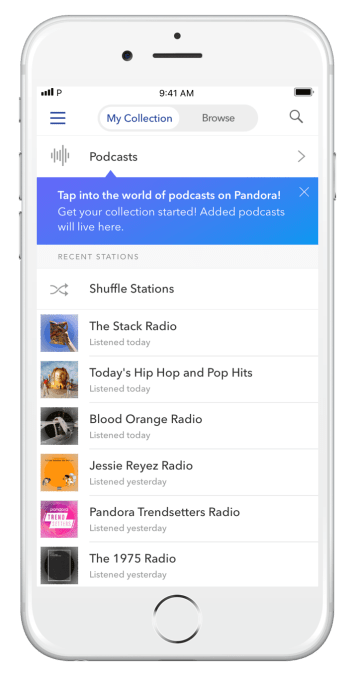
The Pandora app will direct users to its recommendations in the app.

The goal with the new project is to help solve the issues around podcast discovery, which is an increasingly difficult challenge as the genre’s popularity explodes with more podcasters creating shows. However, Pandora points out that the majority of U.S. users aren’t regular podcast listeners.

“It might feel like podcasts are ubiquitous, but, eighty-three percent of Americans aren’t yet listening to podcasts on a weekly basis, and a majority of them report that’s because they simply don’t know where to start,” said Roger Lynch, Pandora CEO. “Making podcasts – both individual episodes and series – easy to discover and simple to experience is how we plan to greatly grow podcast listening while simultaneously creating new and more sustainable ways to monetize them,” he said.

Pandora was recently acquired by SiriusXM for $3.5 billion – a deal that will likely bring some of SiriusXM’s exclusive audio programming over to Pandora, increasing its lineup of available audio shows. Technology that’s capable of analyzing these sorts of programs for the purpose of recommendations could be useful there, too, in the future.

The personalized podcast destination is launching into beta today to select Pandora users on mobile devices. It will expand to the wider public in the weeks ahead.