Year: 2018

25 Oct 2018

Amazon shares fall as record profits are offset by conservative holiday forecasts

Amazon is still raking in the cash, but its slower than expected customer growth in its web services offerings and a weaker than expected sales outlook for the holiday season shook investor confidence and caused the stock to slide around 5 percent in after-hours trading.

Profits for the company continued to soar, reaching $2.9 billion, or $5.75 per share, up from $2.5 billion in the second quarter, and handily beating analysts’ estimates of $3.14 per share. Those earnings were offset by slower revenue growth at $56.6 billion versus the $57.1 billion analysts had expected.

Potentially more worrying for investors were the figures that Amazon predicted for the all-important holiday fourth quarter. The company said it was expecting $66.5 billion to $72.5 billion in sales, versus analyst estimates of somewhere around $73.8 billion for the giant e-commerce company.

Sales from Amazon Web Services also likely weighed on investors’ minds. The company managed to just about hit analyst expectations, with sales from Web Services coming in at around $6.7 billion, but that number indicates that growth for AWS is slowing.

The company, never afraid of taking big swings on new products and services, launched a new family of devices in September (that included integrations for Alexa with pretty much everything but the kitchen sink).

Those Alexa-enabled devices continue to be a bright spot for the company, and one that will hopefully lead to higher sales during the holiday season. Alexa-enabled home devices now include 20,000 gadgets from 3,500 brands — including, somewhat inexplicably, the AmazonBasics Microwave.

Amazon Web Services weren’t the only area that showed slowing growth, with international sales also slowing seeing $15.5 billion in sales versus analyst expectations of $16.5 billion in international revenue.

Amazon’s predictions for the fourth quarter would mean sales growth of somewhere between 10 percent and 20 percent. That’s a lower rate than the 30 percent growth rate the company enjoyed in the fourth quarter last year. Meanwhile, revenue predictions for the fourth quarter would be flat on an annual basis, which is something that investors don’t love.

Ultimately, the company said it was seeing good cost performance as it wrings more out of the existing customers that it has despite facing headwinds coming from its commitment to increase compensation among some hourly workers to $15 per hour.

Both Amazon’s Prime service and AWS continue to be the gifts that keep on giving for the company.
Amazon announced earlier in the year that it had snagged more than 100 million members. After hitting that milestone, the company summarily raised the price of a subscription.

The company continues to push hard into offline retail, expanding its Amazon Go store and opening a new four-star store in New York.

25 Oct 2018

Anker announces a new speaker, projector and tiny wall charger

Master of all things gadget accessory, Anker announced a handful of new products at an event tonight in Manhattan. The biggest/smallest of the bunch is the PowerPort Atom, a compact wall charger designed to free up spaces around an outlet.

The $30 device sports a USB-C port and is smaller than most standard smartphone chargers. Still, the company says it should pack enough wattage to charge a Nintendo Switch, or even a MacBook. With a 27w output, though, that will likely take a while. No launch date has been set for that one.

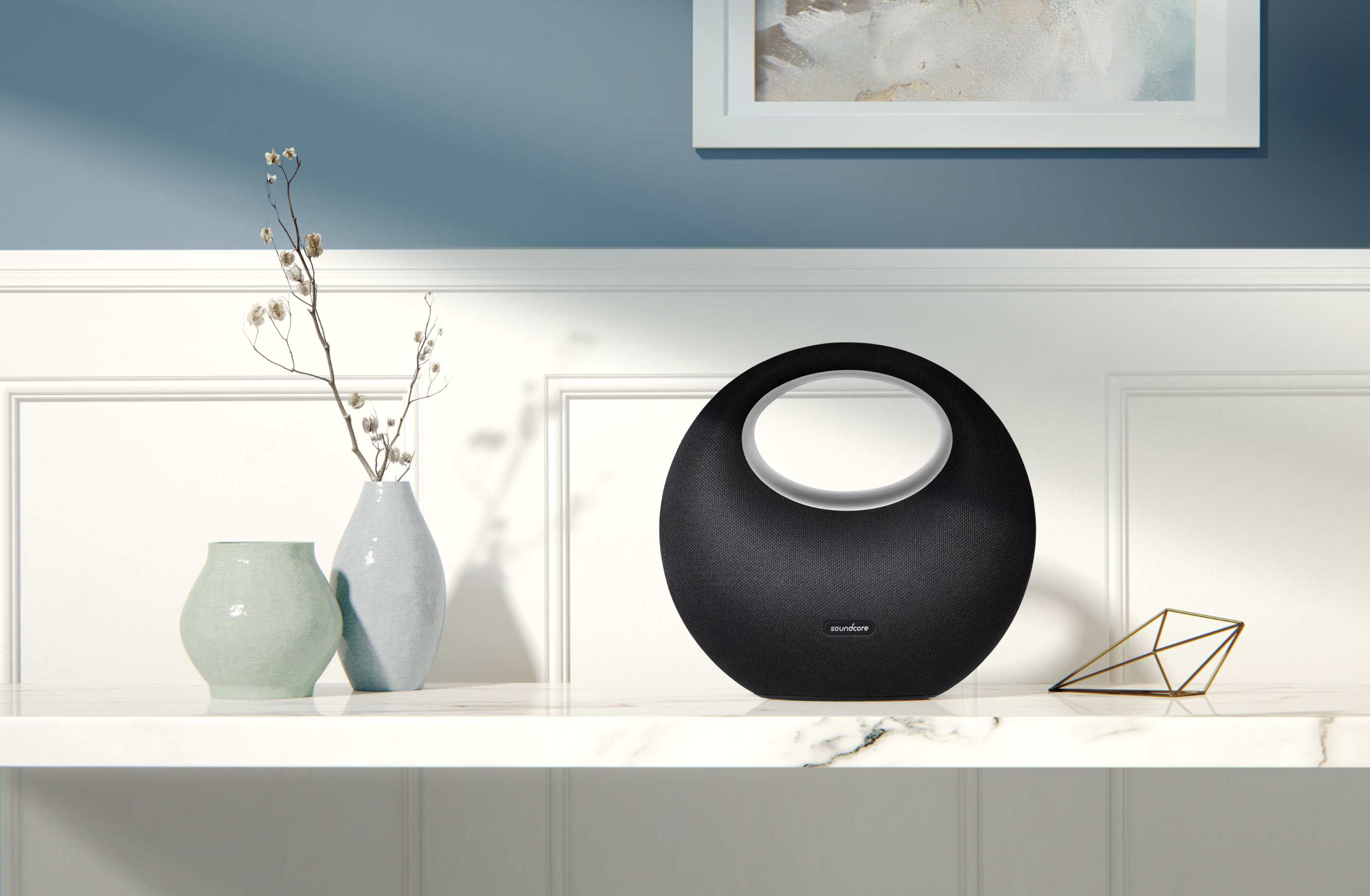
The Model Series, meanwhile, is the decidedly staid name for the company’s new Bluetooth speaker series. The first entry in the line is the donut-shaped Model Zero+, which features Dolby Audio, Google Assistant functionality and Google Assistant built in. The Model Zero, meanwhile, has fewer features but double the battery life. They’ll run $200 and $250 when they arrive late next month.

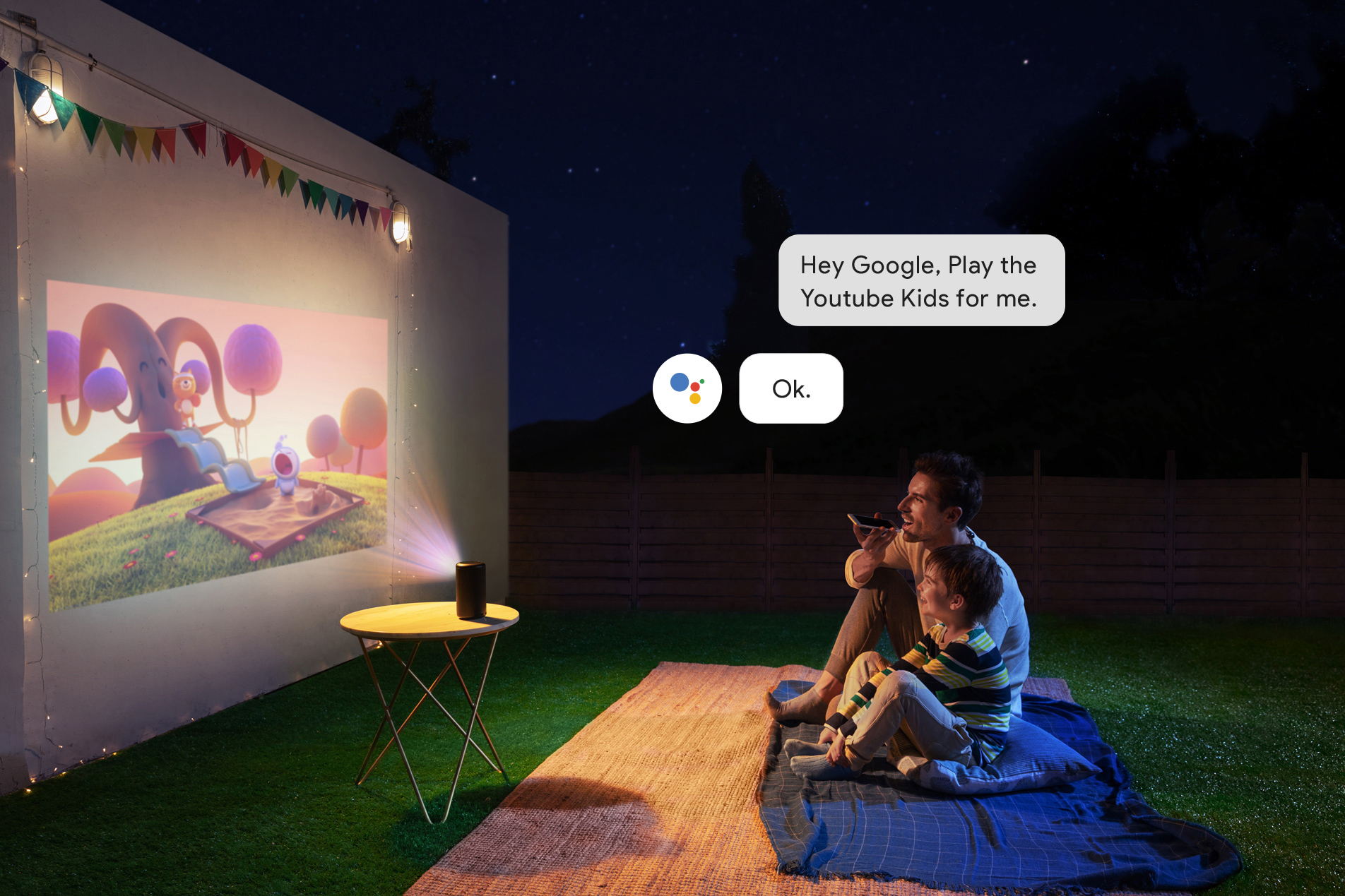
The last of the bunch is a sequel to Anker’s Nebula Capsule Mini Projector. The second version sports 1280 x 720 resolution, supports Google Assistant and auto-focuses in about one second. This one’s actually launching as a Kickstarter campaign tomorrow. Early-bird pricing starts at $349.

25 Oct 2018

Google terminated 48 employees for sexual harassment in the last two years

Earlier today, The New York Times published a bombshell story about Google’s payout to Andy Rubin following reports of sexual misconduct by the Android creator.

In the wake of the piece, CEO Sundar Pichai and VP People Operations Eileen Naughton co-signed a memo sent to Google staff detailing what it deems “an increasingly hard line on inappropriate conduct by people in positions of authority.”

The note, which was obtained by TechCrunch via a Google spokesperson notes that 48 people have been terminated at the company for sexual harassment in the past two years alone. That list includes 13 individuals in a senior management position or higher.

The letter notes that “none of these individuals received an exit package,” a clear reference to the $90 million reportedly paid to Rubin in $2 million monthly installments. Rubin left Google in 2014. We’ve made the full letter available below.

We have also reached out to Playground — the hardware incubator Rubin launched in 2015 — for comment. We will update the story when we hear back.

From: Sundar

Hi everyone,

Today’s story in the New York Times was difficult to read.

We are dead serious about making sure we provide a safe and inclusive workplace. We want to assure you that we review every single complaint about sexual harassment or inappropriate conduct, we investigate and we take action.

In recent years, we’ve made a number of changes, including taking an increasingly hard line on inappropriate conduct by people in positions of authority: in the last two years, 48 people have been terminated for sexual harassment, including 13 who were senior managers and above. None of these individuals received an exit package.

In 2015, we launched Respect@ and our annual Internal Investigations Report to provide transparency about these types of investigations at Google.  Because we know that reporting harassment can be traumatic, we provide confidential channels to share any inappropriate behavior you experience or see. We support and respect those who have spoken out. You can find many ways to do this at go/saysomething. You can make a report anonymously if you wish.
We’ve also updated our policy to require all VPs and SVPs to disclose any relationship with a co-worker regardless of reporting line or presence of conflict.

We are committed to ensuring that Google is a workplace where you can feel safe to do your best work, and where there are serious consequences for anyone who behaves inappropriately.

Sundar and Eileen

25 Oct 2018

NBA All-Star Michael Jordan leads a $26 million round for esports group aXiomatic

NBA legend Michael Jordan is playing the esports game now, leading a $26 million round of funding for the ownership group aXiomatic.

For Jordan and new co-investor Declaration Capital — the family office investing the personal wealth of David Rubenstein, who co-founded and serves as co-executive chairman of the multi-billion-dollar private equity firm, The Carlyle Group — investing in esports looks like a slam dunk.

The company announced the investment from Jordan, Declaration Capital and Curtis Polk, the managing partner and alternate governor of Hornets Sports & Entertainment, and manager of the financial and business affairs of Michael Jordan and his related companies, earlier today. Bloomberg reported the $26 million figure.

As owners of the TeamLiquid esports franchise, which Forbes estimates as the second most valuable gaming team in the industry, aXiomatic has a solid base in the budding world of esports — an increasingly lucrative market.

Indeed, the most successful esports company, Cloud9, just raised $53.6 million in a new round of funding, according to documents filed with the Securities and Exchange Commission.

“I’m excited to expand my sports equity portfolio through my investment in aXiomatic. Esports is a fast-growing, international industry and I’m glad to partner with this great group of investors,” said Jordan, in a statement.

Athletes and owners of professional sports teams have flooded into the esports industry, plunking down $20 million to own teams in the officially sanctioned Overwatch League and placing similar-sized and smaller bets on companies developing services for the esports ecosystem.

The Philadelphia 76ers were among the first NBA teams to dip their toe in the esports waters when they acquired Team Dignitas in a deal that was rumored to be worth up to $15 million at the time. Earlier this year, Dignitas brought home a world championship in RocketLeague for the Sixers.

Now, the Golden State Warriors, Cleveland Cavaliers and Houston Rockets are all backing esports teams in Riot Games’ League of Legends tournaments, according to a recent report in Bloomberg.

“The next generation of sports fans are esports fans,” said Ted Leonsis, co-executive chairman of aXiomatic and the founder, chairman, chief executive and majority owner of Monumental Sports & Entertainment (which owns the Washington Wizards, Capitals and the WNBA Mystics franchise), in a statement. “Esports is the fastest-growing sector in sports and entertainment, and aXiomatic is at the forefront of that growth. We are thrilled to welcome Michael and Declaration Capital to aXiomatic and look forward to working together on some truly cutting-edge opportunities.”

25 Oct 2018

NBA All-Star Michael Jordan leads a $26 million round for esports group aXiomatic

NBA legend Michael Jordan is playing the esports game now, leading a $26 million round of funding for the ownership group aXiomatic.

For Jordan and new co-investor Declaration Capital — the family office investing the personal wealth of David Rubenstein, who co-founded and serves as co-executive chairman of the multi-billion-dollar private equity firm, The Carlyle Group — investing in esports looks like a slam dunk.

The company announced the investment from Jordan, Declaration Capital and Curtis Polk, the managing partner and alternate governor of Hornets Sports & Entertainment, and manager of the financial and business affairs of Michael Jordan and his related companies, earlier today. Bloomberg reported the $26 million figure.

As owners of the TeamLiquid esports franchise, which Forbes estimates as the second most valuable gaming team in the industry, aXiomatic has a solid base in the budding world of esports — an increasingly lucrative market.

Indeed, the most successful esports company, Cloud9, just raised $53.6 million in a new round of funding, according to documents filed with the Securities and Exchange Commission.

“I’m excited to expand my sports equity portfolio through my investment in aXiomatic. Esports is a fast-growing, international industry and I’m glad to partner with this great group of investors,” said Jordan, in a statement.

Athletes and owners of professional sports teams have flooded into the esports industry, plunking down $20 million to own teams in the officially sanctioned Overwatch League and placing similar-sized and smaller bets on companies developing services for the esports ecosystem.

The Philadelphia 76ers were among the first NBA teams to dip their toe in the esports waters when they acquired Team Dignitas in a deal that was rumored to be worth up to $15 million at the time. Earlier this year, Dignitas brought home a world championship in RocketLeague for the Sixers.

Now, the Golden State Warriors, Cleveland Cavaliers and Houston Rockets are all backing esports teams in Riot Games’ League of Legends tournaments, according to a recent report in Bloomberg.

“The next generation of sports fans are esports fans,” said Ted Leonsis, co-executive chairman of aXiomatic and the founder, chairman, chief executive and majority owner of Monumental Sports & Entertainment (which owns the Washington Wizards, Capitals and the WNBA Mystics franchise), in a statement. “Esports is the fastest-growing sector in sports and entertainment, and aXiomatic is at the forefront of that growth. We are thrilled to welcome Michael and Declaration Capital to aXiomatic and look forward to working together on some truly cutting-edge opportunities.”

25 Oct 2018

Snapchat loses 2M more users, shares sink to new low despite business growth

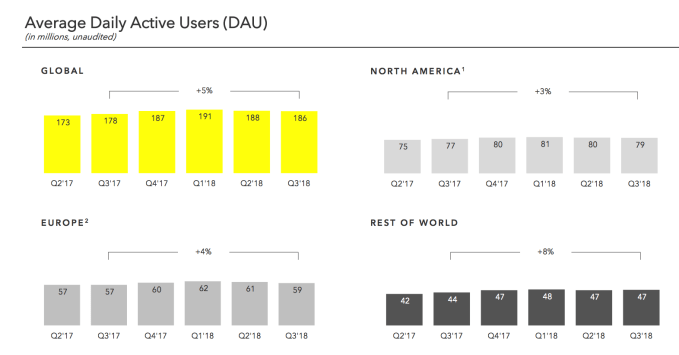
Snapchat continued to shrink in Q3 2018 but its business is steadily improving. Snapchat’s daily active user count dropped again, this time by 1 percent to 186 million, down from 188M and a negative 1.5 percent growth rate in Q2. User count is still up 5 percent year-over-year, though. Snapchat earned $298 million in revenue with an EPS loss of $0.12, beating Wall Street’s expectations of $283 million in revenue and EPS loss of $0.14, plus a loss of a half a million users.

Snap entered earnings with a $6.99 share price, close to its $6.46 all-time low and way down from its $24 IPO opening price. Snap lost $325 million this quarter compared to $353 million in Q2, so it’s making some progress with its cost cutting. That briefly emboldened Wall Street, which pushed the share price up 8.3 percent to around $7.57 right after earnings were announced.

But then Snap’s share price came crashing down to -9.3 percent to $6.31 in after-hours trading. The stock had been so heavily shorted by investors that it only needed modest growth in its business for shares to perk up, but the fear that Snap might shrink into nothing has investors weary. Projections that Snap will lose users again next quarter further scared off investors.

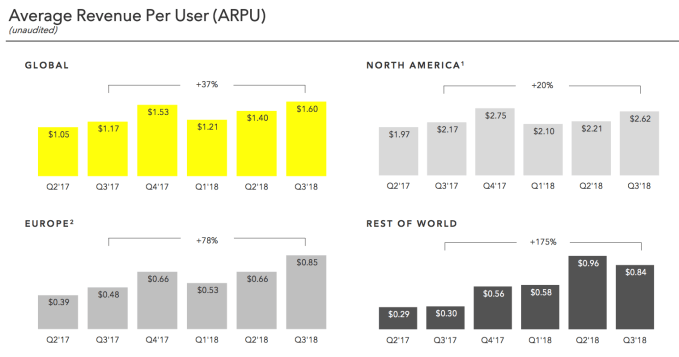
Worringly, Snapchat’s average revenue per user dropped 12.5 percent in the developing world this quarter. But strong gains in the US and Europe markets grew global ARPU by 14 percent. Snap projects $355 million to $380 million in holiday Q4 revenue, in line with analyst estimates.

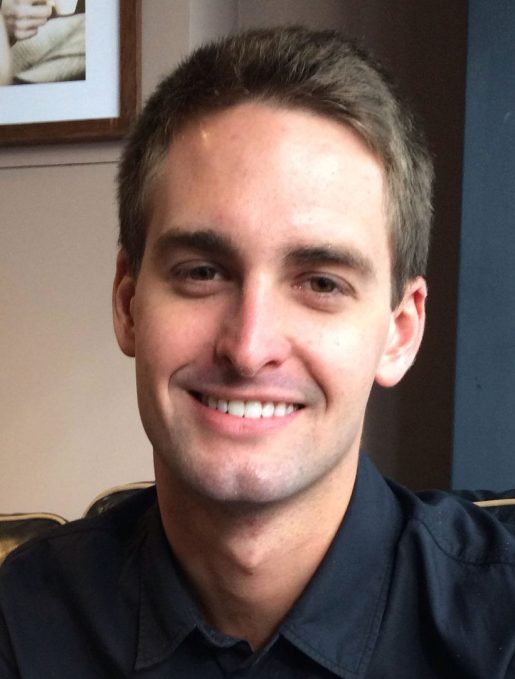
In his prepared remarks, CEO Evan Spiegel admitted that “While we have incredible reach among our core demographic of 13- to 34-year-olds in the US and Europe, there are billions of people worldwide who do not yet use Snapchat.” He explained that the 2 million user loss was mostly on Android where Snapchat doesn’t run as well as on iOS. Noticibly absent was an update on monthly active users in the US and Canada. Snap said that was over 100 million monthly users last quarter, probably in an effort to distract from the daily user shrinkage. The company didn’t update that stat, but did say the “over 100 million” stat was still accurate.

Snap CEO Evan Spiegel

Spiegel had said in a memo that his stretch goal was break-even this year and full-year profitability in 2019. But CFO Tim Stone said that “Looking forward to 2019, our internal stretch output goal will be an acceleration of revenue growth and full year free cash flow and profitability. Bear in mind that an internal stretch goal is not a forecast, and it’s not guidance.”

During the call, Spiegel responded to questions about the Android overhaul’s schedule saying, “Quality takes time. We’re going wait until we get it right”. But analysts piled on with inquiries about how Snap would turn things around in 2019. Spiegel said that expanding beyond the 13 to 34-year-old age group in the US and Europe, plus scoring more users in the developing world via the improved Android app. He admitted Snaps created per day had dropped from 3.5 billion to 3 billion per day, but tried to reassure investors by saying over 60% of our users are still creating snaps every day.

Now down to $1.4 billion in cash and securities, Snap will need to start reaching more of those international users or improving monetization of those it still has to keep afloat without outside capital.

An Uphill Battle

Q3 saw Snapchat’s launch its first in-house augmented reality Snappable games, while plans for an third-party gaming platform leak.  The Snappable Tic-Tac-Toe game saw 80 million unique users, suggesting gaming could be the right direction for Snap to move towards.

It launched Lens Explorer to draw more attention to developer and creator-built augmented reality experiences, plus its Storyteller program to connect social media stars to brands to earn sponsorship money. It also shut down its Venmo-like Snapcash feature. But the biggest news came from its Q2 earnings report where it announced it’d lost 3 million users. That scored it a short-lived stock price pop, but competition and user shrinkage has pushed Snap’s shares to new lows.

Snapchat is depending on the Project Mushroom engineering overhaul of its Android app to speed up performance, and thereby accelerate user growth and retention. Snap neglected the developing world’s Android market for years as it focused on iPhone-toting US teens. Given Snapchat is all about quick videos, slow load times made it nearly unusable, especially in markets with slower network connections and older phones.

Looking at the competitive landscape, WhatsApp’s Snapchat Stories clone Status has grown to 450 million daily users while Instagram Stories has reached 400 million dailies — much of that coming in the developing world, thereby blocking Snap’s growth abroad as I predicted when Insta Stories launched.. Snap Map hasn’t become ubiquitous, Snap’s Original Shows still aren’t premium enough to drag in tons of new users, Discover is a clickbait-overloaded mess, and Instagram has already copied the best parts of its ephemeral messaging. Snap could be vulnerable in the developing world if WhatsApp similarly copies its disappearing chats.

At this rate, Snap will run out of money before it’s projected to become profitable in 2020 or 2021. That means the company will likely need to sell new shares in exchange for outside investment or get acquired to survive.

25 Oct 2018

Snapchat loses 2M more users, shares sink to new low despite business growth

Snapchat continued to shrink in Q3 2018 but its business is steadily improving. Snapchat’s daily active user count dropped again, this time by 1 percent to 186 million, down from 188M and a negative 1.5 percent growth rate in Q2. User count is still up 5 percent year-over-year, though. Snapchat earned $298 million in revenue with an EPS loss of $0.12, beating Wall Street’s expectations of $283 million in revenue and EPS loss of $0.14, plus a loss of a half a million users.

Snap entered earnings with a $6.99 share price, close to its $6.46 all-time low and way down from its $24 IPO opening price. Snap lost $325 million this quarter compared to $353 million in Q2, so it’s making some progress with its cost cutting. That briefly emboldened Wall Street, which pushed the share price up 8.3 percent to around $7.57 right after earnings were announced.

But then Snap’s share price came crashing down to -9.3 percent to $6.31 in after-hours trading. The stock had been so heavily shorted by investors that it only needed modest growth in its business for shares to perk up, but the fear that Snap might shrink into nothing has investors weary. Projections that Snap will lose users again next quarter further scared off investors.

Worringly, Snapchat’s average revenue per user dropped 12.5 percent in the developing world this quarter. But strong gains in the US and Europe markets grew global ARPU by 14 percent. Snap projects $355 million to $380 million in holiday Q4 revenue, in line with analyst estimates.

In his prepared remarks, CEO Evan Spiegel admitted that “While we have incredible reach among our core demographic of 13- to 34-year-olds in the US and Europe, there are billions of people worldwide who do not yet use Snapchat.” He explained that the 2 million user loss was mostly on Android where Snapchat doesn’t run as well as on iOS. Noticibly absent was an update on monthly active users in the US and Canada. Snap said that was over 100 million monthly users last quarter, probably in an effort to distract from the daily user shrinkage. The company didn’t update that stat, but did say the “over 100 million” stat was still accurate.

Snap CEO Evan Spiegel

Spiegel had said in a memo that his stretch goal was break-even this year and full-year profitability in 2019. But CFO Tim Stone said that “Looking forward to 2019, our internal stretch output goal will be an acceleration of revenue growth and full year free cash flow and profitability. Bear in mind that an internal stretch goal is not a forecast, and it’s not guidance.”

During the call, Spiegel responded to questions about the Android overhaul’s schedule saying, “Quality takes time. We’re going wait until we get it right”. But analysts piled on with inquiries about how Snap would turn things around in 2019. Spiegel said that expanding beyond the 13 to 34-year-old age group in the US and Europe, plus scoring more users in the developing world via the improved Android app. He admitted Snaps created per day had dropped from 3.5 billion to 3 billion per day, but tried to reassure investors by saying over 60% of our users are still creating snaps every day.

Now down to $1.4 billion in cash and securities, Snap will need to start reaching more of those international users or improving monetization of those it still has to keep afloat without outside capital.

An Uphill Battle

Q3 saw Snapchat’s launch its first in-house augmented reality Snappable games, while plans for an third-party gaming platform leak.  The Snappable Tic-Tac-Toe game saw 80 million unique users, suggesting gaming could be the right direction for Snap to move towards.

It launched Lens Explorer to draw more attention to developer and creator-built augmented reality experiences, plus its Storyteller program to connect social media stars to brands to earn sponsorship money. It also shut down its Venmo-like Snapcash feature. But the biggest news came from its Q2 earnings report where it announced it’d lost 3 million users. That scored it a short-lived stock price pop, but competition and user shrinkage has pushed Snap’s shares to new lows.

Snapchat is depending on the Project Mushroom engineering overhaul of its Android app to speed up performance, and thereby accelerate user growth and retention. Snap neglected the developing world’s Android market for years as it focused on iPhone-toting US teens. Given Snapchat is all about quick videos, slow load times made it nearly unusable, especially in markets with slower network connections and older phones.

Looking at the competitive landscape, WhatsApp’s Snapchat Stories clone Status has grown to 450 million daily users while Instagram Stories has reached 400 million dailies — much of that coming in the developing world, thereby blocking Snap’s growth abroad as I predicted when Insta Stories launched.. Snap Map hasn’t become ubiquitous, Snap’s Original Shows still aren’t premium enough to drag in tons of new users, Discover is a clickbait-overloaded mess, and Instagram has already copied the best parts of its ephemeral messaging. Snap could be vulnerable in the developing world if WhatsApp similarly copies its disappearing chats.

At this rate, Snap will run out of money before it’s projected to become profitable in 2020 or 2021. That means the company will likely need to sell new shares in exchange for outside investment or get acquired to survive.

25 Oct 2018

What’s next for podcasting?

The podcast market will discover the answer to a foundational question about its future in the next few years. Will it continue along the path of music streaming, where all podcasts are available everywhere on free, ad-supported tiers? Or, will it follow the path of streaming TV into paid subscription services with exclusive content?

Today, effectively all of the industry’s revenue is from advertising — at least in the United States. However, we’re seeing the first steps being taken toward paid subscriptions and exclusive content. Based on numerous discussions I’ve had with top figures in podcasting over the last month, it’s clear that popular shows are getting large offers for exclusivity on podcasting platforms, major Hollywood players are entering the market, and some top VCs are willing to back new streaming platforms taking a Netflix approach to podcasts (like Luminary Media which raised a $40 million seed round).

Many in the industry are deeply skeptical of that business model and for good reason: we don’t have concrete evidence that consumers in the US will pay for podcasts and ad revenue is becoming quite lucrative for the top shows as the format gains popularity. But that precedent has hardly been entrenched, as the sector is only just now gaining mainstream consumer interest and getting attention from Hollywood.

And, there’s a macro problem with betting on ads. The dominance of Facebook and Google over all digital ad spending has already driven a shift to subscriptions across music, video, and publishing. Even with dramatic market growth, podcasting doesn’t have a comparative advantage in competing against the scale and ad-targeting of the duopoly.

Subscription tiers and exclusive shows (akin to Netflix Originals) can, on the other hand, provide a virtuous cycle of quality content and stable revenue, generating recurring revenue directly from consumers who might ultimately pay for multiple streaming subscriptions to access different shows.
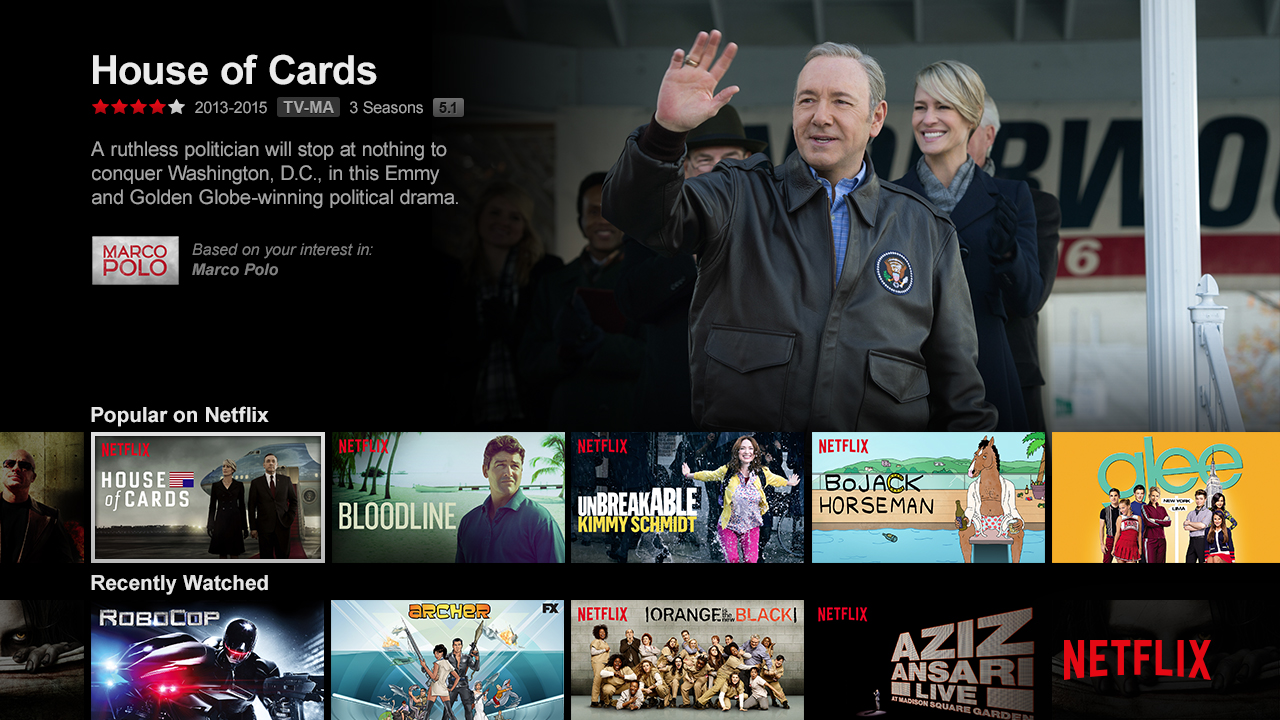
Could podcasting go the direction of streaming TV, with subscription tiers and original series? The breakout success of House of Cardsthe first Netflix Original—set the stage for Netflix’s dominance in streaming TV.

Podcasting’s future looks more like Hollywood than like NPR radio

The annual Infinite Dial survey by Edison Research tracked that the percent of Americans over age 12 who listen to a podcast in a given month grew steadily from 9% in 2008 to 26% (or 72 million people) in 2018. Fifty-four million Americans, or 17% of those over 12, are weekly podcast listeners with a mean weekly listening time over 6.5 hours.

The popularity of podcasts still exists primarily within a demographic niche, however. Roughly half of podcast listeners make $75,000 or more in annual income and a clear majority have a college degree (in fact, one-third have a master’s degree). This highlights how much potential for audience growth there still is. Podcasts are still mainly formatted like NPR radio shows, with hosts discussing politics, business, or society and a particular audience demographic tuning in as a result.

But podcasting is just a content medium and should be filled with shows that appeal to all different types of people, just like music, TV, film, publishing sites, and YouTube each have a vast range of content for everyone. Tom Webster, the SVP of Edison Research who co-authors that big annual survey on podcasting, highlighted in a recent blog post the discrepancy between the format and topics of the most popular podcasts and those of the most popular TV shows.

Addressing this gap in diverse show types is the thesis behind large new podcast production companies like Gimlet Media, Wondery, and Endeavor Audio. Endeavor Audio launched on September 13 as the podcast division of entertainment conglomerate Endeavor, dedicated to financing, developing, and marketing podcasts made for as diverse a set of topics and styles as there are in TV: scripted dramas, competition shows, documentaries, etc. that appeal to different audiences. Endeavor also owns WME, the world’s largest talent agency, giving it distinct advantage in creating new shows that draw on the skills of top creative talent in Hollywood. The upcoming wave of podcasts crafted to be more like TV shows than radio shows is what could bring tens of millions new listeners into the podcast market.

That will only be accelerated through music streaming services’ entry into the market and the rapid consumer adoption of smart speakers. Spotify, Pandora, iHeartRadio, and others have made podcasts a priority over the last year, promoting shows to millions of users who aren’t already into podcasting. Smart speakers like the Amazon Echo and Google Home make it easier for people who hear about a podcast to try it (just ask Alexa to play it) and will likely increase podcast listening among those in age groups that have lower smartphone penetration (children and people over 55).

Advertising isn’t the best path forward

Last year the US market size for podcast ad revenue was only $314M and this year it will still be around $400M (according to the IAB). That’s extraordinary annual growth for an industry but it’s still tiny in absolute value. Justine and Olivia Moore at VC firm CRV crunched the numbers to show that podcasting makes 10x less money per hours consumed than any other major content medium. There’s a lack of monetization on the vast majority of podcasts: the minimum number of downloads per podcast needed to enroll in the industry’s ad marketplaces or start discussions with most advertisers is 50,000. As they noted, this is attributable to a range of issues like lack of programmatic advertising, lack of analytics, and lack of consistent measurement standards.

Life is admittedly getting good for the most downloaded shows now that the podcasting market is getting serious attention. One executive I discussed this with (who represents several top podcast creators) says there are a handful of podcasts generating eight-figures in ad revenue per year, a rapidly growing tier making seven-figures, and a large “middle-class” making six-figures. That’s before income from touring, merchandise, and book/film/TV deals. The going rate for ad spots is anywhere from $20-50+ CPMs and podcast ads tend to have a higher conversion rate than video ads.
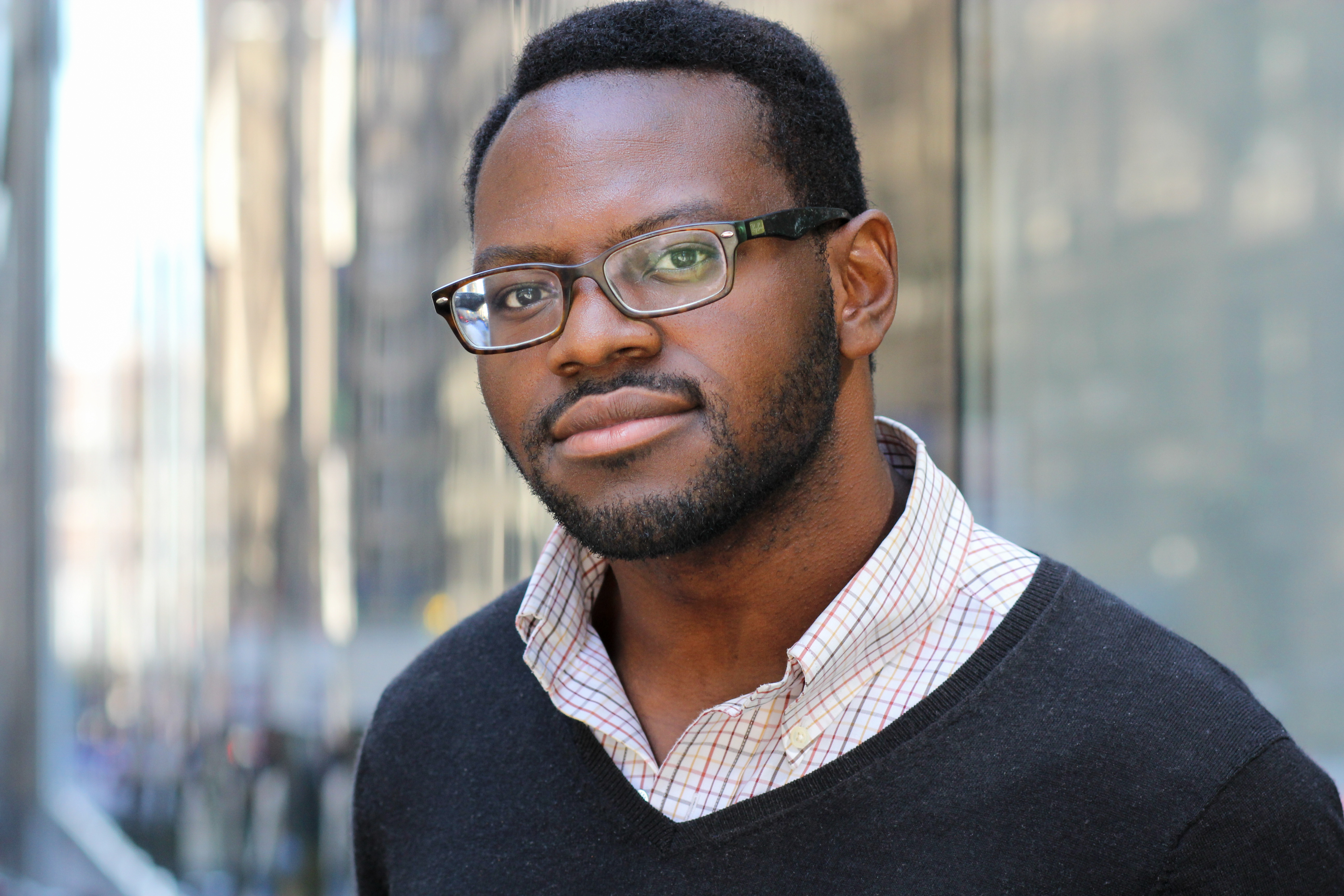
As General Manager of Endeavor Audio – the new podcasting division of entertainment conglomerate Endeavor – Moses Soyoola is overseeing a group that’s bringing top Hollywood talent into the podcast space and financing new types of shows.

But near-term financial gains are not the primary reason that big names in Hollywood are getting interested in producing podcasts, according to Endeavor Audio general manager Moses Soyoola. When we spoke recently, he explained that while the income can reach into the seven figures on successful shows, that’s still less than what they can make in other creative projects. They see podcasting as a brand-building mechanism, however, and as an opportunity to understand a new storytelling format that could become even more lucrative in the future.

As with all ad-dependent content, the losers right now are those with passionate niche audiences and those producing big-budget shows that advertisers treat the same even if audiences find much deeper value in. A creator with a devoted fan base of 30,000 listeners cannot currently tap into advertising nor easily turn to subscriptions as an alternative. Listening to an hour’s worth of news discussion that the hosts record over a couple hours day-of generates roughly the same ad revenue as listening to an hour installment of a show that takes months to produce.

With the growing number of narrative podcasts being created by Endeavor Audio and others, the need to include numerous ad spots throughout them is disruptive, pulling audiences out of the story. It constrains the format and limits content within the boundaries of family friendliness that major advertisers are comfortable with. This is like the historic difference between network TV shows and HBO shows, which — freed from ad breaks and advertiser concerns — became the crown jewel of TV dramas and went on to consistently top the Emmy Awards winner list.

Would people pay for podcasts?

China is the inverse of the Western podcast market. The Chinese “podcast” market dwarfs that of the US because it is the norm to have paid subscriptions for shows rather than rely on advertising. To my understanding, the definition of podcast here may be broader than the scope in the US — by including audio courses — but the Chinese government estimated the market for paid podcasts alone as $7.3 billion in 2017.
We know consumers in the West are willing to pay subscriptions for film/TV and for ad-free streaming music, so why not for podcast streaming? New content formats often start free, have lagging monetization, then as the audience grows enough and creators experiment enough, premium content rises up that people are willing to pay for. Podcasts have been around for two decades but are just now going mainstream and seeing serious investment from Hollywood.

We saw with music streaming and satellite radio that many consumers are willing to pay in order to eliminate audio ads from music that’s otherwise free to listen to. Spotify has made a big push into podcasts over the last few months; it creates branded podcasts in collaboration with advertisers but can’t remove ads that are within podcasts it distributes. As podcasts turn to programmatic advertising — and large streaming services like Spotify push them there in order to serve up the ads — it would be surprising if Spotify didn’t make podcasts ad-free for its Premium tier subscribers and encourage podcast listeners to go Premium.

Most podcasts aren’t worth paying for, just like most articles on the internet aren’t worth paying for. Paywalled content has to be exceptional to stand out from the noise and get consumers to open their wallets. The freemium model is most likely to become the norm in podcasting, with most podcasts available free and ad-supported but some particularly high-quality shows restricted to a paid subscription tier that’s ad-free.

Streaming competition will drive exclusivity

If we’re being honest, the existing podcast streaming services — and there are many — are all the same. They are simple utilities for searching for and playing a show. No one has cracked the nut of discoverability in a differentiated way: making podcasts easy to discover based on topic and style and having a personalized recommendation tool that works as well as Pandora and Spotify music recommendations do.

Streaming services of any content format struggle to differentiate on user interface alone. Users are there for the content — that’s the product they’re after. So ultimately, the way to differentiate is via exclusive content that audiences eagerly want. That’s true whether the service has a paid subscription or not, but maintaining a profitable subscription tier is nearly impossible if one’s competitors are able to offer all the same content for cheaper. Differentiation requires differentiated content available in the subscription that can’t be gained elsewhere: high-quality original shows.

This past summer, Spotify launched its first Spotify Original Podcasts, including a $1 million deal with comedian Amy Schumer to develop “3 Girls, 1 Keith” (which it just renewed for a second season). Schumer’s podcast isn’t exclusive to Spotify but it’s easy to envision the streaming service signing future podcast deals as exclusives as its base of podcast listeners grows (it has rapidly become the second most popular podcast platform after Apple’s Podcasts app).

Each individual I’ve spoken to over the last few weeks who runs a leading podcast production company said they are getting approached by numerous streaming platforms about exclusive shows. Most aren’t taking the deals, at least not yet, but it’s clear the industry is about to run this experiment over the next couple years and see if consumers buy in.

A couple of the executives I met noted that the deals top podcast services are offering for exclusivity are quite lucrative, but when you factor in how much the reduced audience size that comes with being exclusive limits touring, merchandise sales, and potential for a book/film/TV deal, it’s a tougher sell.

That has been true, but I think it’s quickly changing. Given how much consumer adoption of podcasts is poised to grow, the top few podcast streaming services (by monthly active users) could each enable an exclusive podcast to still reach an audience in the millions of listeners. In particular, I’m talking about Apple Podcast, Google Podcasts, Spotify, Pandora, and iHeartRadio given their pre-existing install bases. It’s also a rational decision for each of them to overpay for exclusivity of hit shows in these early days of the market — the short-term loss on a given show is an investment in becoming the preferred streaming service for millions of new podcast listeners.

The streaming platforms don’t have the leverage to negotiate ownership over exclusive podcasts—there’s too much competition between them and optionality for podcast creators—so creators will retain rights to develop touring, merchandise, book/film/tv deals, and other revenue streams. As a successful TV producer explained to me, the consideration of turning a podcast into a TV show is the same as turning a book into a TV show: it’s about whether it’s a captivating story that engages the audience; the existing audience size will affect deal terms but a hit podcast only being on iHeart or Spotify wouldn’t inhibit it from getting a deal.
iHeartMedia

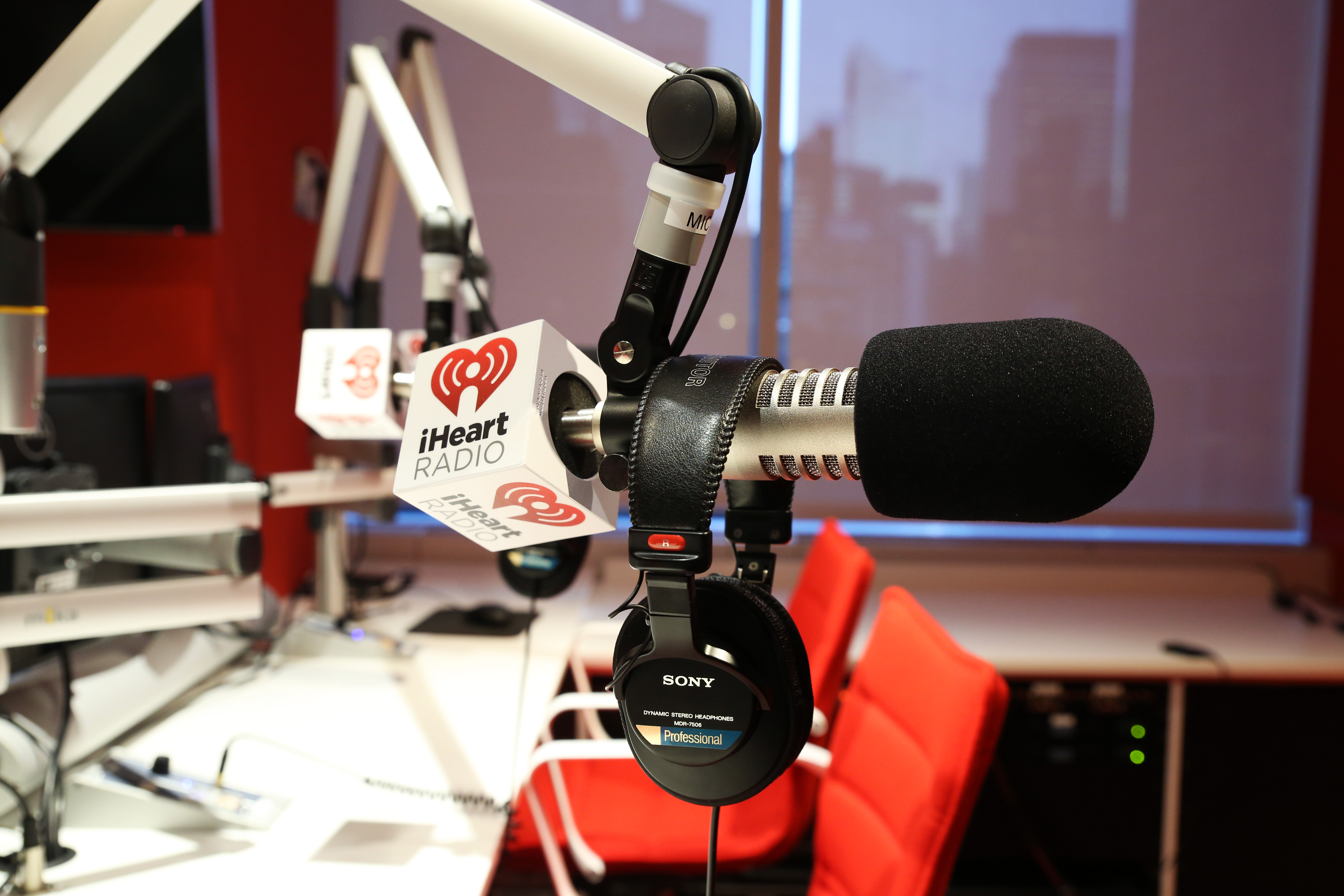
If one company is uniquely positioned to offer exclusive shows without a paid subscription tier, it’s iHeartMedia (which acquired the Stuff Media podcast network in September). In addition to its iHeartRadio streaming service, it can syndicate shows across its radio stations which reach 250 million Americans per month. That could generate more ad revenue than from a show existing solely across podcast apps and give it a bigger fan base to benefit touring and other revenue streams.

Looking at how exclusivity could impact consumers’ experience, it’s notable that people are typically on the hunt for just one podcast to listen to in a given session. With lengths typically 25-60 minutes, this is most similar to picking out a TV episode. Music services need full libraries of the world’s songs because people listen to a wide range of 3-4 minute songs in the same sitting and organize them into custom playlists of every imaginable combination. Having music divided between separate streaming platforms would be disruptive to the core experience of a music listening session. Switching apps to listen to a different podcast might not be any more inconvenient than doing so for TV shows on different streaming services.

Podcasting should embrace “listener revenue”

Direct “listener revenue” from paid subscription tiers enable a whole swath of niche content creators to make a living creating high-quality podcasts for a small, passionate audience and they enable worthwhile return-on-investment for big budget productions that audiences find deep value in. Importantly, subscription tiers across the major podcast streaming platforms would drive an industry-wide focus on shows that gain popular acclaim rather than shows that maximize initial downloads or streams (just like subscription publishing incentivizes quality over clickbait).

Breakout shows that receive pop culture buzz will be critical to any paid subscription tier in podcasting gaining traction, like the success of House of Cards and Orange is the New Black were critical to Netflix gaining respect for its Netflix Originals and differentiating from competitors. Such breakouts will likely involve a big name from Hollywood whose existing fan base drives a critical mass of initial listeners, and whose name recognition lends credibility to a potential paid tier subscriber. And it will almost certainly be a narrative format rather than another talk show.

Incumbents moving into podcasting from music streaming (or that are operating systems able to pre-install their app) have a distinct advantage here over startups dedicated to podcast streaming. Established players can expose millions of existing users to their own shows and bundle premium podcasts into existing subscription plans. Podcast streaming startups hoping to break through will need a lot of initial capital to develop their own shows and will need to seek bundling partnerships with companies that already have distribution — like mobile carriers and subscription video platforms. Luminary Media in NYC, founded by Matt Sacks of NEA, might be the first to launch with this approach: with a $40 million seed round, it’s aiming for a majority of content on its upcoming subscription streaming service to be its own originals within 3 years. Don’t be surprised if a couple other VC-backed podcast apps take this route in the year ahead as well.

It is likely we will see a combination of exclusive shows and paid subscription tiers develop on several platforms over a period of the next 18-36 months. It won’t happen overnight, but looking at the precedent set in other content formats and having spoken to two dozen senior figures in the industry during the past month, we seem to be in the early days of this shift, driven by the growth of podcasting from talk shows into a broader entertainment medium.


25 Oct 2018

Airbnb is bringing on new CTO from Google

Ahead of Airbnb’s expected initial public offering sometime within the next two years, the accommodation rental business has brought on a new chief technology officer. Aristotle Balogh, formerly Google’s VP of engineering, application storage, indexing and serving, is starting at Airbnb in mid-November.

Airbnb co-founder Nathan Blecharczyk previously served as the company’s CTO up until January 2017 when he became chief strategy officer. Since then, Airbnb VP of Engineering Michael Curtis was tasked with overseeing all technical responsibilities. Now, with Balogh, whom Curtis helped select to serve as CTO, on board, Curtis is leaving the company.

“Ari stood out as someone driven by mission and values, and as a passionate technologist,” Curtis said in a statement.
“We’ve worked together in the past and I’ve seen his leadership in action. He’ll bring great experience and perspective to Airbnb.”

Curtis has been thinking about leaving Airbnb for some time so that “he could focus on his family and other projects of interest,” Airbnb spokesperson Tim Rathschmidt told TechCrunch via email. “After discussing this change with Brian Chesky, they agreed that Mike would step down after helping the company choose his successor. ”

In Balogh’s new role at Airbnb, Balogh will report to Airbnb CEO Brian Chesky and be tasked with leading infrastructure, information security, IT, engineering for payments, trust and community support.

“I’m thrilled Ari is joining Airbnb as our CTO,” Chesky said in a statement. “He has a strong vision for keeping our community at the center of everything we do and every technical decision we make, and an incredible track record of developing leaders and nurturing an inclusive culture.”

Earlier this year, Airbnb had an executive shakeup with its Chief Financial Officer Laurence Tosi leaving the company, following some reported tension between Chesky and Tosi over the future of the company. Around the same time, Airbnb promoted Belinda Johnson, its former chief business affairs and legal officer, to the role of chief operating officer.

25 Oct 2018

Silicon Valley is waiting for the dust to settle in Saudi Arabia, but other headwinds are picking up

It’s been painful, the silence of Silicon Valley with regards to Saudi Arabia, whose shifting accounts about the murder of journalist Jamal Khashoggi have nearly veered into slapstick.

He freely walked out the Saudi consulate in Istanbul. Actually, rogue killers got to him. No, he was in a fist-fight and was subdued to death by Saudi officials. Fine. We did set out to brutally murder him, just as Turkish officials said at the outset.

It isn’t hard to understand why the story of Khashoggi’s final moments has finally come full circle. Why not just tell the truth when the world — including everyone in technology who has taken the region’s money — is too cowardly or greedy to take a stand against it?

In fairness, breaking up with Saudi Arabia, which has drenched the Bay Area in capital, is easier said than done. Forcing an investor to sell is practically impossible if it has a contractual right to be involved and isn’t interested in selling to other shareholders for a higher price. No doubt, too, many see little to gain by speaking ill of Crown Prince Mohammad bin Salman, or MBS, who is running the show and may be more menacing than they’d realized. In fact, while some in tech are using this moment to win points for not raising money from murderous regimes, nary a recipient of MBS’s capital has spoken publicly about why he or she won’t again accept funding from Saudi Arabia until MBS is removed from his powerful position. Not a single person.

From what we’re hearing, even SoftBank —  whose $93 billion Vision Fund is anchored by a $45 billion commitment from MBS — looks likely to move forward with its relationship with the desert country. Indeed, comments made last week by SoftBank’s COO Marcelo Claure, who said there was “no certainty” that SoftBank will launch another Vision Fund, were probably overblown. Many will be relieved if that second fund materializes, too. Still, if we were running a unicorn company, we wouldn’t get too comfortable.

Even assuming that the Vision Fund continues to deploy billions of dollars with the help of MBS, it will take time to get his scent off future rounds. As analyst Chris Lane of Sanford C. Bernstein & Co. told Bloomberg earlier today, likely SoftBank will have to pause three to six months before starting to again cut major deals, owing to its ties to the prince.

In the meantime, the Khashoggi ordeal looks increasingly like part of a series of shocks that are bound to have a systemic effect —  and make burn rates more important than ever to control.

Consider: While we’re busy obsessing over MBS, longer-term frictions with China — which has also soaked Silicon Valley in capital — grow more concerning by the day, from an ongoing trade war with the U.S., to allegations of intellectual property theft, to Beijing’s continued militarization of disputed islands in the South China Sea, to newer concerns over currency manipulation.

There’s also the performance of the U.S. stock market, which is reacting to these various pressures. Tech shares are pushing U.S. benchmark indexes back into positive territory today — one day after the year’s stock market gains were completely wiped out. But these zigs and zags have U.S. endowments, foundations and pension fund managers feeling nervous. More worrying, these traditional “limited partners” to venture firms are already over allocated to venture as an asset class because the cadence of fundraising has been faster than ever in recent years while exits have been comparatively slow.

“We keep stuffing the snake,” says Chris Douvos, an LP who has helped fund numerous seed-stage firms over the years, including First Round Capital. “But not as much is coming out the back end as coming in the front end. That’s left everyone with a huge bubble” with which to contend.

Douvos isn’t sure how big an impact tech’s suddenly strained relationship with Saudi Arabia could have, but he thinks — as we do — that it could be the first shoe to drop. He thinks that’s not necessarily a terrible thing, either. While a flood of capital from around the world has changed how Silicon Valley builds companies, it might be time to rethink that process anew.

“Maybe being cash-flow negative until you’re a $100 billion company isn’t sustainable. Maybe you start building toward earlier profitability,” says a hopeful Douvos. “That’s very much at odds with the traditional Silicon Valley ethos, but it starts to untangle the web of all this trapped capital.”

It would also give public shareholders an earlier crack at fast-growing companies and perhaps help Silicon Valley find its backbone.

More realistically, such headwinds may see U.S. companies that can’t stand on their own run even faster to Saudi Arabia. And what they’re likely to find is a more emboldened young prince — his terms more cutthroat.

Above: Salah Khashoggi, a son of slain journalist Jamal Khashoggi, who has been banned from leaving Saudi Arabia and who was forced on Monday to visit the royal court and accept the condolences of MBS.