Year: 2018

06 Oct 2018

This is the Google Pixel Slate

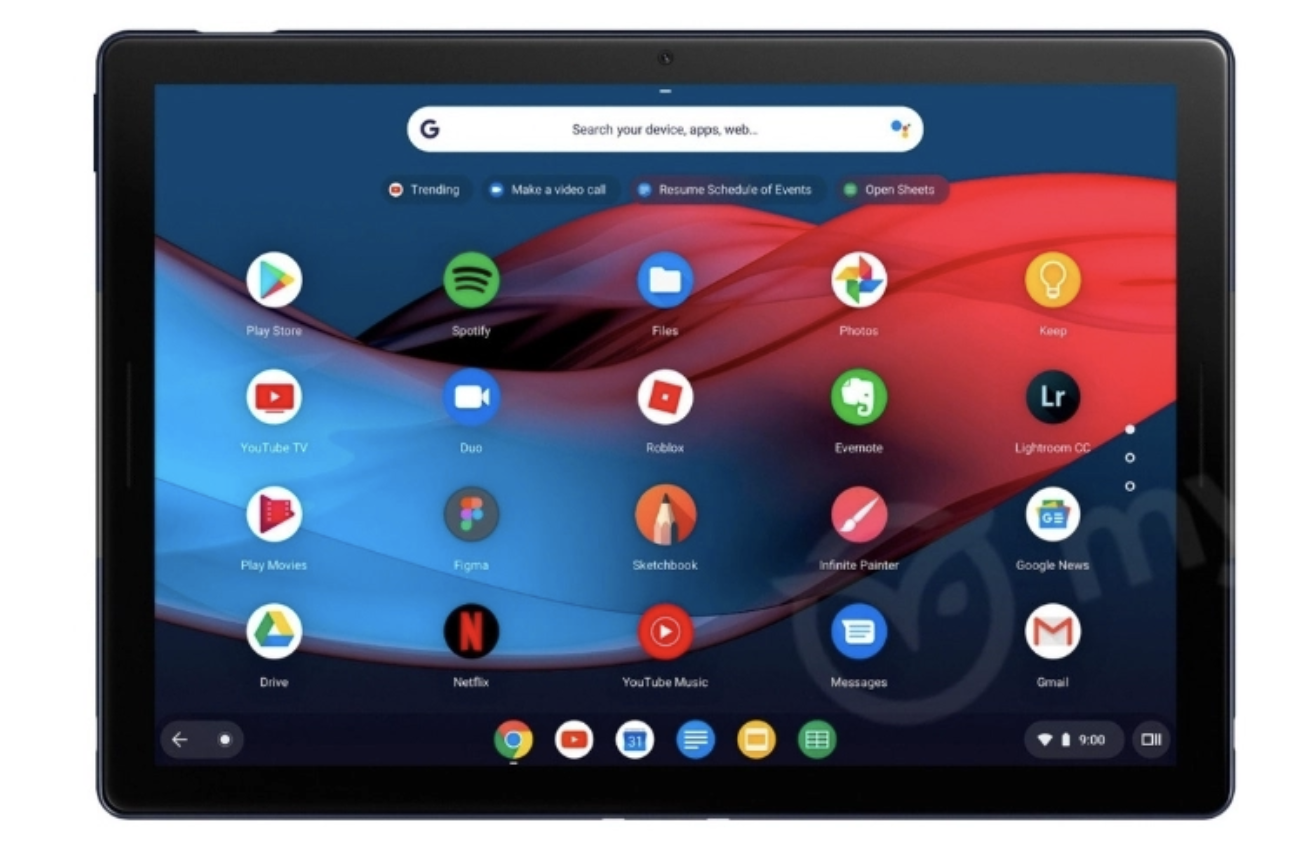
Maybe there will be some surprises at next week’s Google event. At this rate, however, we’re not entirely optimistic at the prospect. Just as the Pixel 3 got the full hands-on treatment in Hong Kong, a new contender has emerged. Like a number of recent leaks, these new renders of the Pixel Slate come courtesy of My Smart Home Hub.

As previous leaks have suggested, the device appears to be a tablet companion piece to the company’s well-designed Pixel Book. That is to say, it’s a premium take on the Chrome OS hardware market.

While the Pixel Book is a convertible via a swiveling keyboard, the Slate does dual-duty by way of a detachable keyboard case. The case features round, typewriter-style keys, which look to be a bit more substantial than those found on other detachables at first glance.

There’s also a built-in trackpad, which puts it ahead of Samsung’s most recent Galaxy Tab offering. The top also appears to have a crease for folding, suggesting that it will prop the slate up when in laptop mode. The system appears to work with the Pixel Book Pen, as well. Not much more in the way of information here, though there does appear to be front- and rear-facing cameras, front-facing speakers and a USB-C port (take that, Microsoft Surface).

More information will no doubt arrive the morning of October 9. Patience, friends.

06 Oct 2018

Banksy piece immediately shreds itself after being sold for $1.25M

In what might be the most ridiculous stunt ever pulled in the art world, a Banksy piece has, in a sense, self-destructed. Right in front of an audience of would-be buyers.

A framed canvas version of Banksy’s Girl with Balloon was set to be auctioned at Sothebys in London. As the auction came to a close with a final bid of £953,829 (a little over $1.25 million), the print’s frame began… beeping. Then, whirring. Seconds later, the canvas slid through the bottom of the frame, now almost entirely shredded.

The anonymous artist has long expressed a dislike of art galleries reselling their works, down to creating a piece featuring an audience of bidders battling over a print that reads, simply, “I can’t believe you morons actually buy this shit”. This seems to be Banksy’s latest way of expressing their discontent.

Of course, it’s easy to argue that the whole thing makes the piece even more desirable, because, well… art. If people with mountains of cash are buying art to have a ridiculously rare conversation piece that they hope others recognize, this one just rocketed up the list. It’s now that piece. Or technically those pieces, I guess.

Curiously, the canvas didn’t make it all the way through the shredder — did it jam, or was that intentional? By leaving about 1/3 of the print in the frame, the shredded bits are left attached and dangling… thus preventing them from splitting the pile of shreds into 50 more auctions with everyone vying for a slice.

So how did it all work? Writer Zoe Smith shared a video on Twitter this morning that she notes appeared briefly on Banksy’s Instagram before disappearing (Update: it’s now back up! See below). It shows what appears to be the inside of the frame (which, in hindsight, seems comically large), shredder and all:

Update — here’s the video, as reposted by Banksy:

In the same video, it’s claimed that this was all put in process “a few years ago”. It appears that the “shredder” is a series of X-acto style blades which the canvas was raked over.

Meanwhile, a news post on Artsy suggests that the shred could’ve been triggered by someone in the audience with “a device in his hand”.

But what about power? In a video of the piece being removed post-shreddage, there doesn’t seem to be any wires behind the frame, nor anything plugged in. The piece itself is detailed as having been given to its previous owner by Banksy in 2006. Both the speakers in the frame and the motors of the shredder would require a power source. Keeping a battery ready and waiting for 12 years seems… unlikely.

The Sotheby’s listing for the piece notes that it was “Authenticated by Pest Control”. Pest Control is Banksy’s “handling service”, which will go out to verify supposed Banksy pieces to try to make sure no one drops a pile of cash on a one-of-a-kind Borksy. Perhaps part of the verification process involved double checking everything within the frame.

Banksy posted a too-perfect still of the shred in process, with the caption “Going, going, gone…”

View this post on Instagram

Going, going, gone…

A post shared by Banksy (@banksy) on

(Top image left via Sothebys; Top image right via Banksy on Instagram)

06 Oct 2018

What to expect from Google’s Pixel 3 event

Apple, Amazon and Microsoft have already held their big fall events — and now it’s Google’s turn. Over the past couple of years, the October event has become an increasingly important platform, as the company continues to press into various hardware categories. And really, it’s Google’s last chance to make a big splash ahead of the holidays.

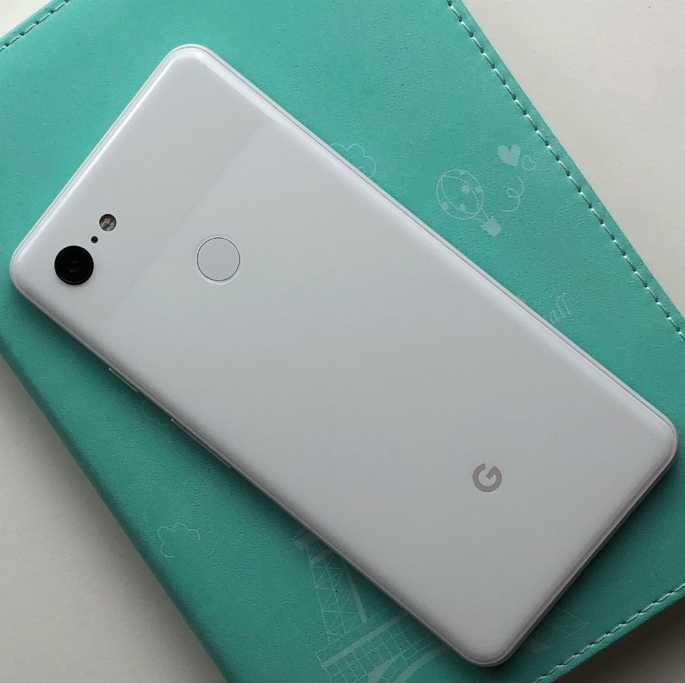
The Pixel 3 will no doubt be the centerpiece of the show. Google’s made no bones about that fact — and between officially sanctioned previews and Niagara Falls-sized leaks, it seems clear we’ve seen what the phone has to offer. Of course, these days, the event is about much more than the Pixel. This time last year, the company rolled out a bunch of additions to its Home line of smart speakers, including the Home Mini and Max. I’d anticipate seeing a fair amount of news on that front, as well this time out. 

The event kicks off October 9 in New York City. We’ll be there, of course. In the meantime, here’s what we think we’ll see, starting with the most obvious.

Hopefully there will be some surprises on the phone front, but I wouldn’t count on it. We’ve already seen both the Pixel 3 and Pixel 3 XL from every conceivable angle, both in still images and video. In fact, Google’s given Samsung a run for its money on the leak front, this time out.

The Pixel 3 XL will embrace Android’s notch love with one of the largest cutouts we’ve seen to date. The Pixel 3, on the other hand, may skip the notch altogether. A new color is apparently in the works, as well — Aqua, to match the recently announced Google Home Minty.

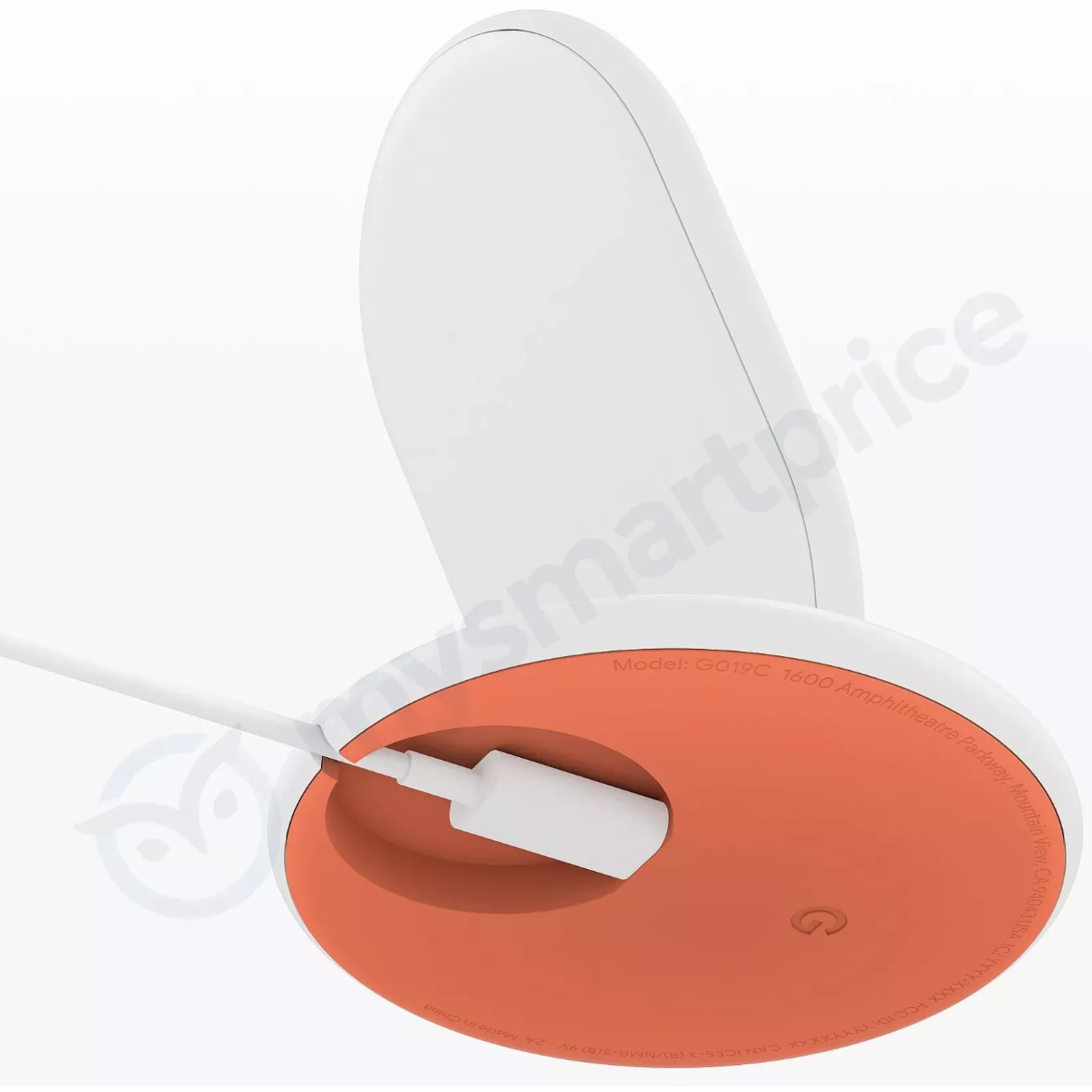
The phones are said to be sticking with a single rear-facing camera configuration, which has served the line well in the past, but some new AR tricks are apparently in the works, to help show off ARCore’s latest additions. The squeeze interface introduced by HTC has also been confirmed via a truly adorable official video from Google Japan. A pair of wired, Pixel Bud-esque headphones are expected be in the box, as well.The new phone should also be getting its very own charging stand — similar to one recently rolled out by Samsung (or, for that matter, AirPower). The stand, interestingly, is designed to essentially turn the Pixel into a makeshift smart display — similar to what Amazon’s done with its Fire tablets via Show Mode.

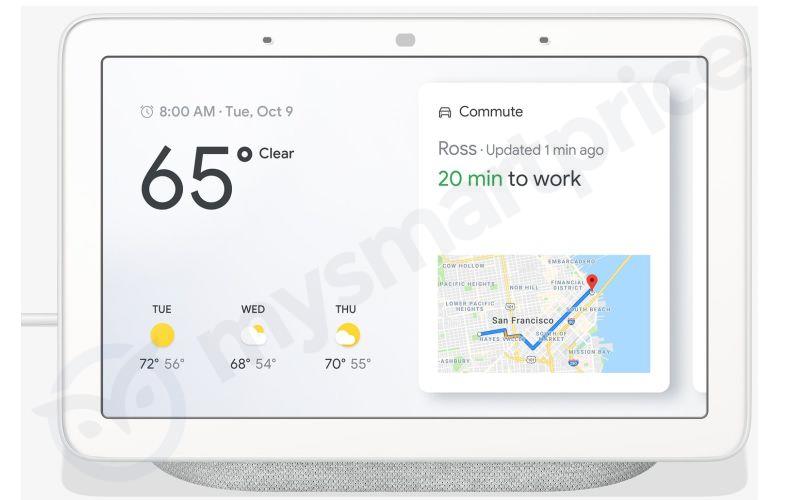
On that note, Google appears ready to put more skin in the smart display game, after partnering with a number of third parties earlier this year. The Home Hub has already shown its face in a couple of leaks and FCC approvals, with Google finally taking on the Echo Show head on. We know that the Home Mini likely won’t be getting a full refresh, given the recent color addition, but the first-gen Home does seem overdue to get a facelift that will hopefully make it look less like a Glade air freshener.

Like the Hub, a new Chromecast has also made the FCC rounds, though information on new features seems scarce. Given the lukewarm reception of the original Pixel Buds, hopefully we’ll see an update on that front. A new Pixelbook seems entirely plausible as well, along with the rumored addition of a convertible Pixel Slate tablet, adding another premium device to its Chrome OS offerings.

06 Oct 2018

Microsoft suspends Windows 10 update, citing data loss reports

A few day after making the latest version of Windows 10 available to users, Microsoft has suspended the update, citing multiple reports of user data loss.

“We have paused the rollout of the Windows 10 October 2018 Update (version 1809) for all users as we investigate isolated reports of users missing some files after updating,” the company writes on its support site.

The company opened up the latest version of the desktop/laptop operating system as part of its big Surface event earlier this week. While it hasn’t officially started pushing the update, some users who’ve downloaded the OS refresh have begun reporting the deletion of documents, photos and other info on a variety of different forums.

The company appears to still be investigating precisely what’s going on here — and how widespread the issue is. Plans to begin pushing it to users early next week are likely delayed until the company gets to the root of the issue. Meantime, if you were planning to install the update, it’s probably best to just wait this one out. 

06 Oct 2018

5 apps and services for productivity and wellness

Editor’s note: This post was done in partnership with Wirecutter. When readers choose to buy Wirecutter’s independently chosen editorial picks, Wirecutter and TechCrunch may earn affiliate commissions.

The best apps and online services are helpful tools that seamlessly integrate into everyday life. We’ve gathered some of our recommendations that can help with tracking your work, improving on sleep, and taking a mental break.

Photo: Rozette Rago

Budgeting 

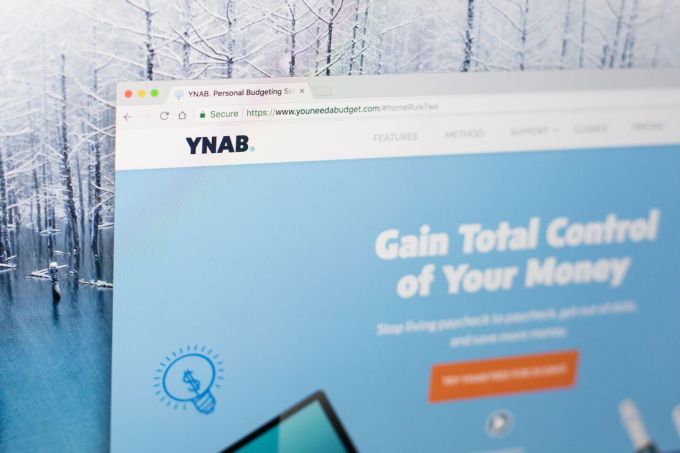
We researched nearly 50 options and tested six in order to conclude that  You Need a Budget (YNAB) is the only budgeting app worth spending money on. It’s easy to set up, walks you through budgeting and saving, and can sync with your credit cards and banks.

You’ll be able to view month-to-month spending trends and get concise feedback that actually helps with sticking to your various budgets. We like that YNAB’s financial guidance delves deep and that it outlines a zero-sum budgeting model which leaves money allocation specifics up to you.


Time-Tracking and Invoicing

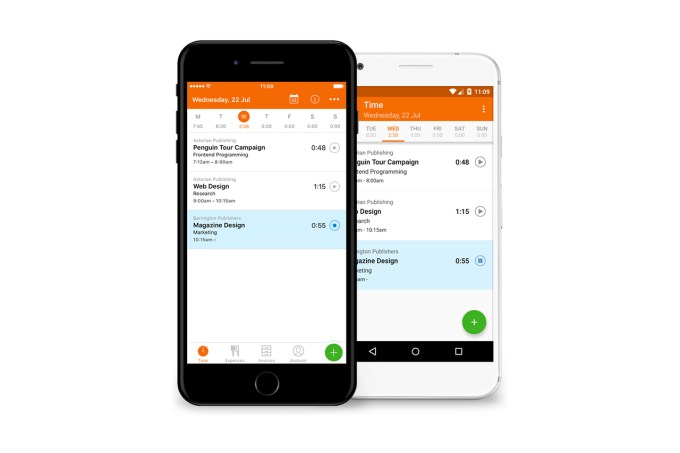
If you freelance or run a small business, Harvest is a helpful time-tracking tool that can also manage projects and create and send simplified invoices. It has an intuitive interface, and integrates with apps like Basecamp and Google Drive. Through interactive reports, you’ll be able to get a better sense of how your time and resources are being spent and you’ll be able to do so while working in other project management apps. Whenever you begin or continue work on a project, you can record expenses and track time on the Web or on the Harvest mobile app.

Harvest also allows you to monitor time-tracking records of team members and generate invoices through Stripe, the Web, PayPal or PDF. For another time-tracking service that’s just as easy to set up and accommodates more clients, we recommend . Its invoices are more customizable and can be sent through more payment services.

Photo: Rozette Rago

Sleep-Tracking App

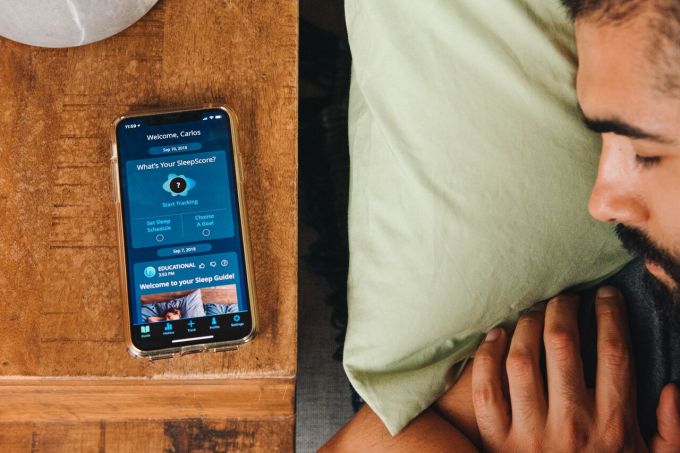
SleepScore is an effective and intuitive sleep-tracking app that offers detailed recommendations on how to improve sleep. It’s the only sleep-tracking app that we tested that can help outlining and conquering sleep goals. It has a smart alarm which can be set to wake you up at any prefered interval and it gathers sleep-stage data that’s far more thorough than most competitors.

Its free version will track your sleep for seven days and provide general sleep advice. We think its paid tier is worth the investment, especially if you can benefit from tracking your sleep data long-term, and from following tips for improvement. We like that its sleep trends analysis is easy to understand and navigating setup and settings is a breeze.

Photo: Michael Hession

Meditation App

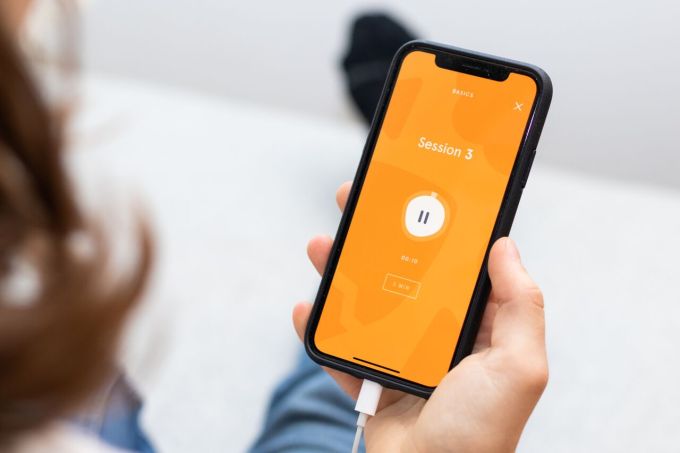
For people who are on the go and could use a bit of help focusing or relaxing, we recommend (and ). It offers a broad variety of meditations and the most useful and best guided sessions for beginners. You can search meditations by topic, organized them in packs, and adjust the duration of a session.

With segments between three and 20 minutes, you can take advantage of structured courses—which are similar to in-person classes—or do short meditations when all you need is a few minutes of quiet time. Its design and interface are inviting and its library of courses are outlined in a way that helps beginners learn and progress beyond the basics. Headspace also offers advanced session levels and overall the best educational curriculum of any meditation app we tested.

Online Therapy Service

Amwell is the best online therapy service for those who want a therapist but have run into challenges finding one or making appointments. It’s secure and accredited by the American Telemedicine Association which ensures that your sessions are private and that your information is safe—if you’d like to, you can even opt out of showing your face during a video session. With about 600 therapists, you have a better shot at finding one to fit specific needs, and many more therapists to choose from compared to competitor platforms.

Amwell accepts insurance, but if you have to pay out-of-pocket, you can rest well in knowing that the service’s costs align with the top competition. Aside from therapists, there are also doctors and specialists on the platform who your therapist can refer you to. We like the overall video experience which feels like a traditional in-person session, and the prerecordings that walk you through the process before it starts.

These picks may have been updated by WirecutterWhen readers choose to buy Wirecutter’s independently chosen editorial picks, Wirecutter and TechCrunch may earn affiliate commissions.

06 Oct 2018

What Spotify can learn from Tencent Music

On Tuesday, Tencent Music Entertainment filed for an IPO in the US that is expected to value it in the $25-30 billion range, on par with Spotify’s IPO in April. The filing highlights just how different its social interaction and digital goods business is from the subscription models of leading music streaming services in Western countries.

That divergence suggests an opportunity for Spotify or one of its rivals to gain a competitive advantage.

Tencent Music is no small player: As the music arm of Chinese digital media giant Tencent, its four apps have several hundred million monthly active users, $1.3 billion in revenue for the first half of 2018, and roughly 75 percent market share in China’s rapidly growing music streaming market. Unlike Spotify and Apple Music, however, almost none of its users pay for the service, and those who do are mostly not paying in the form of a streaming subscription.

Its SEC filing shows that 70 percent of revenue is from the 4.2 percent of its overall users who pay to give virtual gifts to other users (and music stars) who sing karaoke or live stream a concert and/or who paid for access to premium tools for karaoke; the other 30 percent is the combination of streaming subscriptions, music downloads, and ad revenue.

At its heart, Tencent Music is an interactive media company. Its business isn’t merely providing music, it’s getting people to engage around music. Given its parent company Tencent has become the leading force in global gaming—with control of League of Legends maker Riot Games and Clash of Clans maker Supercell, plus a 40 percent stake in Fortnite creator Epic Games, and role as the top mobile games publisher in China—its team is well-versed in the dynamics of in-game purchasing.

At first glance, the fact that Tencent Music has a lower subscriber rate than its Western rivals (3.6 percent of users paying for a subscription or digital downloads vs. 46 percent paying for a premium subscription on Spotify) is shocking given it has the key ingredient they each crave: exclusive content. Whereas subscription video streaming services like Netflix, Hulu, and Amazon Prime Video have anchored themselves in exclusive ownership of must-see shows in order to attract subscribers, the music streaming platforms suffer from commodity content. Spotify, Apple Music, Amazon Music, YouTube Music, Pandora, iHeartRadio, Deezer… they all have the same core library of music licensed from the major labels. There’s no reason for any consumer to pay for more than one music streaming subscription in the way they do for video streaming services.

In China, however, Tencent Music has exclusive rights to the most popular Western music from the major labels. The natural strategy to leverage this asset would be to charge a subscription to access it. But the reality is that piracy is still enough of a challenge in China that access to that music isn’t truly “exclusive.” Plus while incomes are rising, there’s extraordinary variance in what price point the population can afford for a music subscription. As a result, Tencent Music can’t rely on a subscription for exclusive content; it sublicenses that content to other Chinese music services as an additional revenue stream instead.

“Online music services in China have experienced intense competition with limited ability to differentiate by content due to the widespread piracy.” Tencent Music, SEC Form F-1

This puts it in a position like that of the Western music streaming services—fighting to differentiate and build a moat against competitors—but unlike them it has successfully done so. By integrating live streams and social functionality as core to the user experience, it’s gaining exclusive content in another form (user-generated content) and the network effects of a social media platform.

Some elements of this are distinct to Tencent’s core market—the broader popularity of karaoke, for instance—but the strategy of gaining competitive advantage through interactive and live content is one Spotify and its rivals would be wise to pursue more aggressively. It is unlikely that the major record labels will agree to any meaningful degree of exclusivity for one of the big streaming services here, and so these platforms need to make unique experiences core to their offering.

Online social activities like singing with friends or singing a karaoke duet with a favorite musician do in fact have a solid base of participants around the world: San Francisco-based startup Smule (backed by Shasta Ventures and Tencent itself) has 50 million monthly active users on its apps for that very purpose. There is a large minority of people who care a lot about singing songs as a social experience, both with friends and strangers.

Spotify and Apple Music have experimented with video, messaging, and social streams (of what friends are listening to). But these have been bonus features and none of them were so integrated into the core product offering as to create serious switching costs that would stop a user from jumping to the other.

The ability to give tips or buy digital goods makes it easier to monetize a platform’s most engaged and enthusiastic users. This is the business model of the mobile gaming sector: A minority percentage of users get emotionally invested enough to pay real money for digital goods that enhance their experience, currency to tip other members of the community, or access to additional gameplay.

As the leading music platform, it is surprising that Spotify hasn’t created a pathway for superfans of music to engage deeper with artists or each other. Spotify makes referrals to buy concert tickets or merchandise —a very traditional sense of what the music fan wants—but hasn’t deepened the online music experience for the segment of its user base that would happily pay more for music-related experiences online (whether in the form of tipping, digital goods, special digital access to live shows, etc.) or for deeper exposure to the process (and people) behind their favorite songs.

Tencent Music has an advantage in creating social music experiences because it is part of the same company that owns the country’s leading social apps and is integrated into them. It has been able to build off the social graph of WeChat and QQ rather than building a siloed social network for music. Even Spotify’s main corporate rivals, Apple Music and Amazon Music, aren’t attached to leading social platforms. (Another competitor, YouTube Music, is tied to YouTube but the video service’s social features are secondary aspects of the product compared to the primary role of social interaction on Facebook, Instagram, and WhatsApp).

Spotify could build out more interactive products itself or could buy social-music startups like Smule, but Tencent Music’s success also suggests the benefits of a deal that’s sometimes speculated about by VCs and music industry observers: a Facebook acquisition of Spotify. As one, the leading social media company and the leading music streaming company could build out more valuable video live streaming, group music sharing, karaoke, and other social interactions around music that tap Facebook’s 2 billion users to use Spotify as their default streaming service and lock existing Spotify subscribers into the service that integrates with their go-to social apps.

Deeper social functionality doesn’t seem to be the path Spotify is prioritizing, though. It has removed several social features over the years and is anchoring itself in professional content distribution (rather than user-generated content creation), becoming the new pipes for professional musicians to put their songs out to the world (and likely aiming to disrupt the role of labels and publishers more than they will publicly admit). To that point, the company’s acquisitions—of startups like Loudr, Mediachain, and Soundtrap—have focused on content analytics, content recommendation, royalty tracking, and tools for professional creators.

This is the same race its more deep-pocketed competitors are running, however, and it doesn’t lock consumers into the platform like the network effects of a social app or the exclusivity of a mobile game do. It recently began opening its platform for musicians to add their songs directly—something Tencent Music has allowed for years—but this seems less like a move to a YouTube or SoundCloud-style user-generated content platform and more like a chess move in the game of eventually displacing labels. Ultimately, though, building out more social interaction around music will be critical to it in escaping the race with Apple Music and the rest by achieving more defensibility.

06 Oct 2018

Recent departures hint at turmoil at Quartet Health, a mental health startup backed by GV

Backed with nearly $87 million in venture capital funding from GV, Oak HC/FT and F-Prime Capital, Quartet Health was founded in 2014 by Arun Gupta, Steve Shulman and David Wennberg to improve access to behavioral healthcare. Its mission: “enable every person in our society to thrive by building a collaborative behavioral and physical health ecosystem.”

Recent shakeups within the New York-based company’s c-suite and a perusal of its Glassdoor profile suggest Quartet’s culture is not fully in line with its own philosophy.  

In the last few weeks, chief product officer Rajesh Midha has left the company and president and chief operating officer David Liu is on his way out, TechCrunch has learned and confirmed with Quartet. Founding chief executive officer Arun Gupta, meanwhile, has stepped into the executive chairman role, relinquishing responsibility of the company’s day-to-day operations to former chief science officer David Wennberg, who’s taken over as CEO.

“I’m focusing on our external growth,” Gupta told TechCrunch on Friday. “David has really stepped up as CEO.”

Gupta and Wennberg said Liu’s role was no longer needed because Wennberg had assumed his responsibilities. Liu will formally exit the company at the end of the month. As for its product chief, the pair say Midha had “transitioned out” of the role and that an unnamed internal candidate was tapped to replace him.

When asked whether other employees had left in recent weeks,  Wennberg provided the following indeterminate statement: “We are always having people coming in. I don’t think we’ve had any unusual turnover. We’re hiring and people’s roles change and that’s just part of growth.”

Quartet, which provides a platform that allows providers to collaborate on treatment plans, currently has 150 employees, according to its executives.

In a LinkedIn status update published this week — after TechCrunch’s initial inquiries — Gupta announced his transition to executive chairman:

“Still full-time, though focused largely on our opportunity to further evangelize our mission, [I will] drive the change we want to see in this world, and expand our reach … I have tremendous confidence in David’s ability to lead our many talented Quartetians to deliver this next phase.”

Several former employees seemed less than pleased with Gupta’s performance, writing in a number of Glassdoor reviews that he was “abominable,” “kind of a monster” and “by far the worst executive.”

When asked for comment on those reviews, Gupta and Wennberg shrugged it off: “Glassdoor is Glassdoor.” They agreed its important to pay attention to but impossible to vet.

Gupta began his career as a management consultant at McKinsey and served as a consultant to The World Bank before joining Palantir, Peter Thiel’s data-mining company, as an advisor in 2014. Wennberg, for his part, was the CEO of The High Value Healthcare Collaborative, a consortium of 15 healthcare delivery systems, before co-founding Quartet.

In January, Quartet raised a $40 million Series C to expand throughout the U.S. F-Prime Capital and Polaris Partners led the round, with participation from GV and Oak HC/FT. The financing valued the company at $300 million, according to PitchBook.

As part of the funding, Quartet announced it was adding three new directors to its board: F-Prime’s executive partner Carl Byers; Ken Goulet, an executive vice president at health insurance provider Anthem; and former Rackspace CEO and BuildGroup co-founder Lanham Napier. Other outside board members include Oak HC/FT’s managing partner Annie Lamont, GV partner Krishna Yeshwant, Polaris managing partner Brian Chee and former U.S. Congressman Patrick Kennedy.

Quartet previously raised a $40 million Series B in April 2016 led by GV. The investment marked the venture capital investment arm of Google’s first in a mental health startup. Before that, the startup brought in a $7 million Series A led by Oak HC/FT’s managing partner Annie Lamont.

For now, Quartet remains committed to growth.

“We learn from what we are doing and we continue to learn,” Wennberg said. “That is part of growth. It’s hard and you just keep working and growing because we have a huge mission.”

05 Oct 2018

How the 22-year-old founders of Brex built a billion-dollar business in less than 2 years

When Brazilian-born Henrique Dubugras and Pedro Franceschi met at 16 years old, they bonded over a love of coding and mutual frustrations with their strict mothers, who didn’t understand their Mark Zuckerberg-esque ambitions. 

To be fair, their moms’ fear of their hacking habits only escalated after their pre-teen sons received legal notices of patent infringements in the mail. A legal threat from Apple, which Franceschi received after discovering the first jailbreak to the iPhone, is enough to warrant a grounding, at the very least.

Their parents implored them to quit the hacking and stop messing around online.

They didn’t listen.

Today, the now 22-year-olds are announcing a $125 million Series C for their second successful payments business, called Brex, at a $1.1 billion valuation. Greenoaks Capital, DST Global and IVP led the round, which brings their total raised to date to about $200 million.

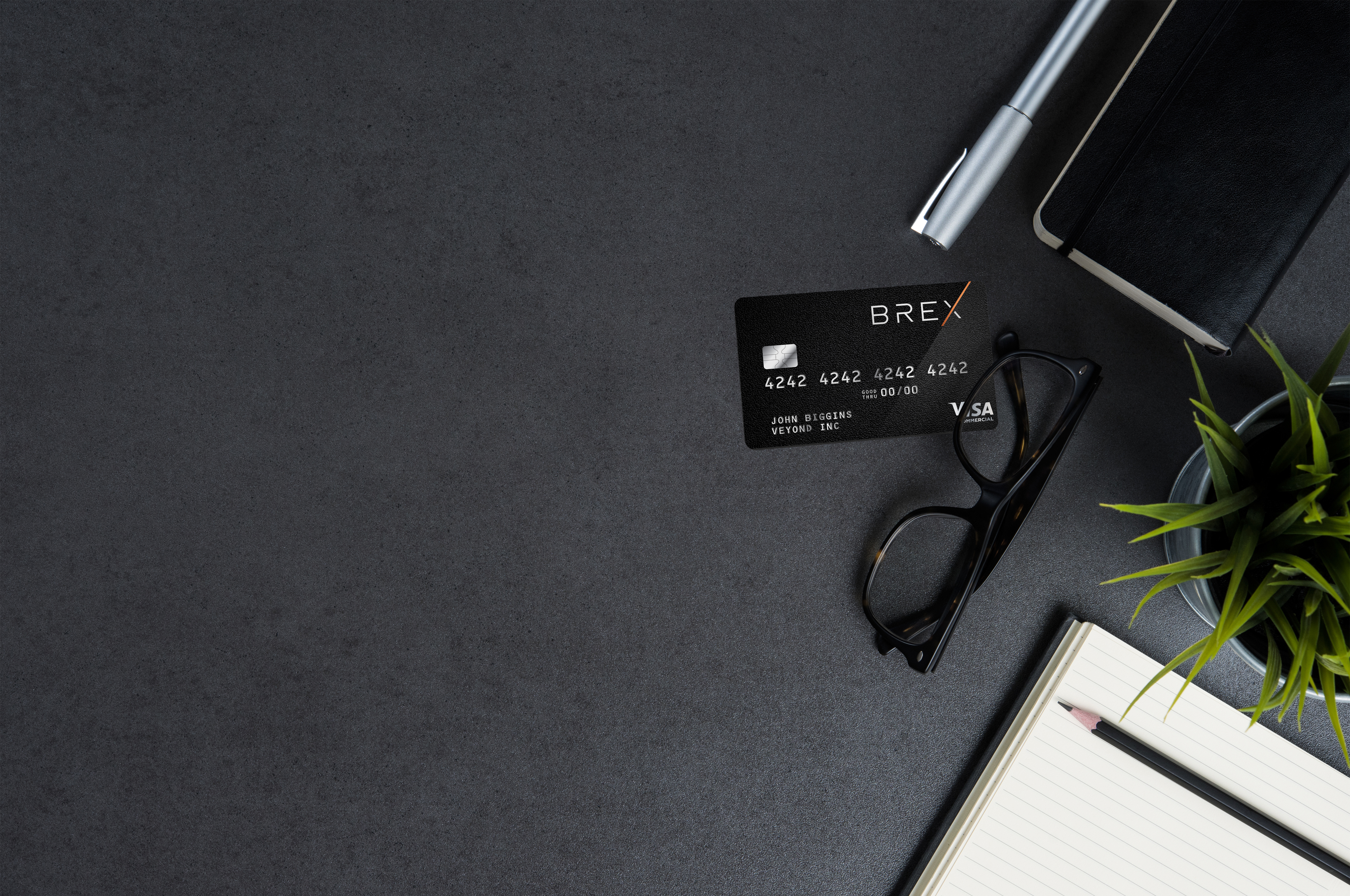
San Francisco-based Brex provides startup founders access to corporate credit cards without a personal guarantee or deposit. It’s also supported by the likes of PayPal founders Peter Thiel and Max Levchin, the former chief executive officer of Visa Carl Pascarella and a handful of leading venture capital firms. 

Brex is off to one of the most exciting starts we’ve ever seen,” IVP’s Somesh Dash said in a statement.

The financing makes them some of the youngest unicorn founders in history and puts them in a rare class of startups that have galloped into unicorn territory at such a fast clip. Brex was founded in the winter of 2017. It only launched publicly in June 2018.

How’d they do it?

“I’ve had two failed attempts, one successful attempt and one on the way to being a successful attempt,” Brex CEO Dubugras told TechCrunch while reciting a lengthy resume.

At 14, when most of us were worrying about what the first year of high school would bring us, Dubugras was more concerned about what his next business attempt would be. He had already built a successful online game but was forced to shut it down after receiving those patent infringement notices.

Naturally, he used the cash he earned from the game to start a company — an education startup meant to help Brazilian students apply to American schools. He himself was hoping to get into Stanford and had learned quickly how little Brazilian students understood of the U.S. college application process.
In some respects, the company was a success. It garnered 800,000 users but failed to make any money. His small fortune wasn’t enough to scale the business.

“There aren’t a lot of VCs in Brazil that are willing to fund 15-year-olds,” Dubugras told TechCrunch.

Shortly after folding the edtech, he met Franceschi, a Brazilian teen from Rio — Dubugras is from São Paulo — who understood his appetite for innovation and was just as hungry for success. The pair got to talking and because of Franceschi’s interest in payments, they started Pagar.me, the “Stripe of Brazil.”

Pagar.me raised $30 million, amassed a staff of 100 and was processing up to $1.5 billion in transactions when it sold. Finally, they had a real success under their belt. Now it was time to relocate. 

“We wanted to come to Silicon Valley to build stuff because everything here seemed so big and so cool,” Dubugras said.

And come to Silicon Valley they did. In the fall of 2016, the pair enrolled at Stanford. Shortly after that, they entered Y Combinator with big dreams for a virtual reality startup called Beyond. 

“I think three weeks in we gave it up,” Dubugras said. “We realized we aren’t the right founders to start this business.”

He credits Y Combinator with helping him realize what they were good at — payments.

As founders themselves, Dubugras and Franceschi were hyper-aware of a huge problem entrepreneurs face: access to credit. Big banks see small businesses as a risk they aren’t willing to take, so founders are often left at a dead-end. Dubugras and Franceschi not only had a big network of startup entrepreneurs in their Rolodex, but they had the fintech acumen necessary to build a credit card business designed specifically for founders.

So, they scrapped Beyond and in April 2017, Brex was born. The startup picked up momentum quickly, so much so that the pair decided to drop out of Stanford and pursue the business full time.

Simplifying financial access

Brex doesn’t require any kind of personal guarantee or security deposit and it doesn’t use third-party legacy technology; its software platform is built from scratch.

It simplifies a lot of the frustrating parts of corporate expenses by providing companies with a consolidated look at their spending. At the end of each month, for example, a CEO can easily see how much the entire company spent on Uber or Amazon. 

Plus, Brex can give entrepreneurs a credit limit that’s as much as 10 times higher than what they’d receive elsewhere and they can issue cards, virtual cards at least, moments after the online application is complete.

“We have a very similar effect of what Stripe had in the beginning, but much faster because Silicon Valley companies are very good at spending money but making money is harder,” Dubugras explained.

As part of their funding announcement, Brex said it will launch a rewards program built with the needs and spending patterns of founders in mind. Beyond that, they plan to use the capital to hire engineers and figure out how to grow the business’s client base beyond only tech startups.

“We want to dominate corporate credit cards,” Dubugras said. “We want every single company in the world, whenever they do businesses expenses, to do it on a Brex card.”


05 Oct 2018

Amazon Echo Dot 3 review

Amazon has sold a lot of Echo Dots. Like a crazy, silly, unfathomable number of the things. Over the past two generations, it has arguably become the single-largest driver of the smart speaker craze.

There’s nothing exceptional about the product, of course. It’s a simply designed hockey puck of a product, designed to mostly stay out of sight. But it’s a hard thing to resist — even for those who’ve been reluctant to embrace the category.

It’s a dip in the water, a gateway drug into the strange new world of smart speakers. So, how to improve upon Amazon’s best-selling device? The trick is adding to the experience while not impacting its biggest selling point: the fact that it’s $50. That sort of price point gives you considerably less wiggle room than with, say, a $1,000 phone.

Announced at an event in Seattle last month alongside eight million other new Alexa products, the new Dot marks more than just a simple upgrade to the line. It represents a way forward for the Echo line. It’s a product that bears Google’s unmistakable influence, while pointing toward the place the modular speaker system will occupy in the smart home going forward.

It’s the mark of Google that really strikes you right out of the box. The first two generations of the product were utilitarian. They weren’t much to look at, but rather a gateway to Alexa, designed to be hidden away. Granted, fabric covers are all the rage now in consumer electronics, but the new Echo’s cloth perimeter bears more than a passing resemblance to Google’s Home Mini.

Amazon was understandably shaken by Google’s rapid ascent in the category. Days before the Alexa event, Strategy Analytics noted that the Home Mini had surpassed the Echo Dot as the best-selling smart speaker for the quarter. It’s not exactly panic mode, but it’s a pretty clear indication that it’s time for an upgrade.

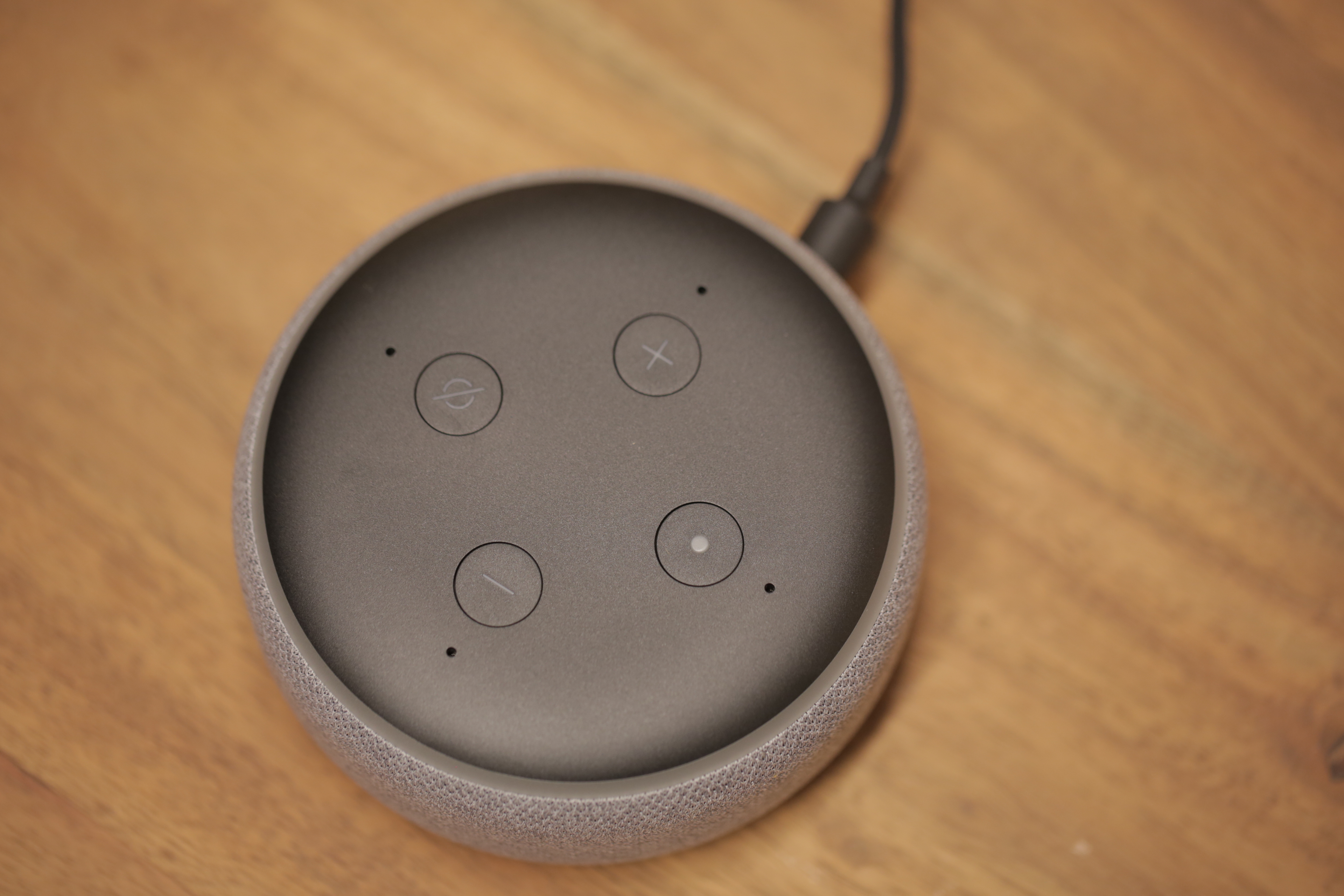
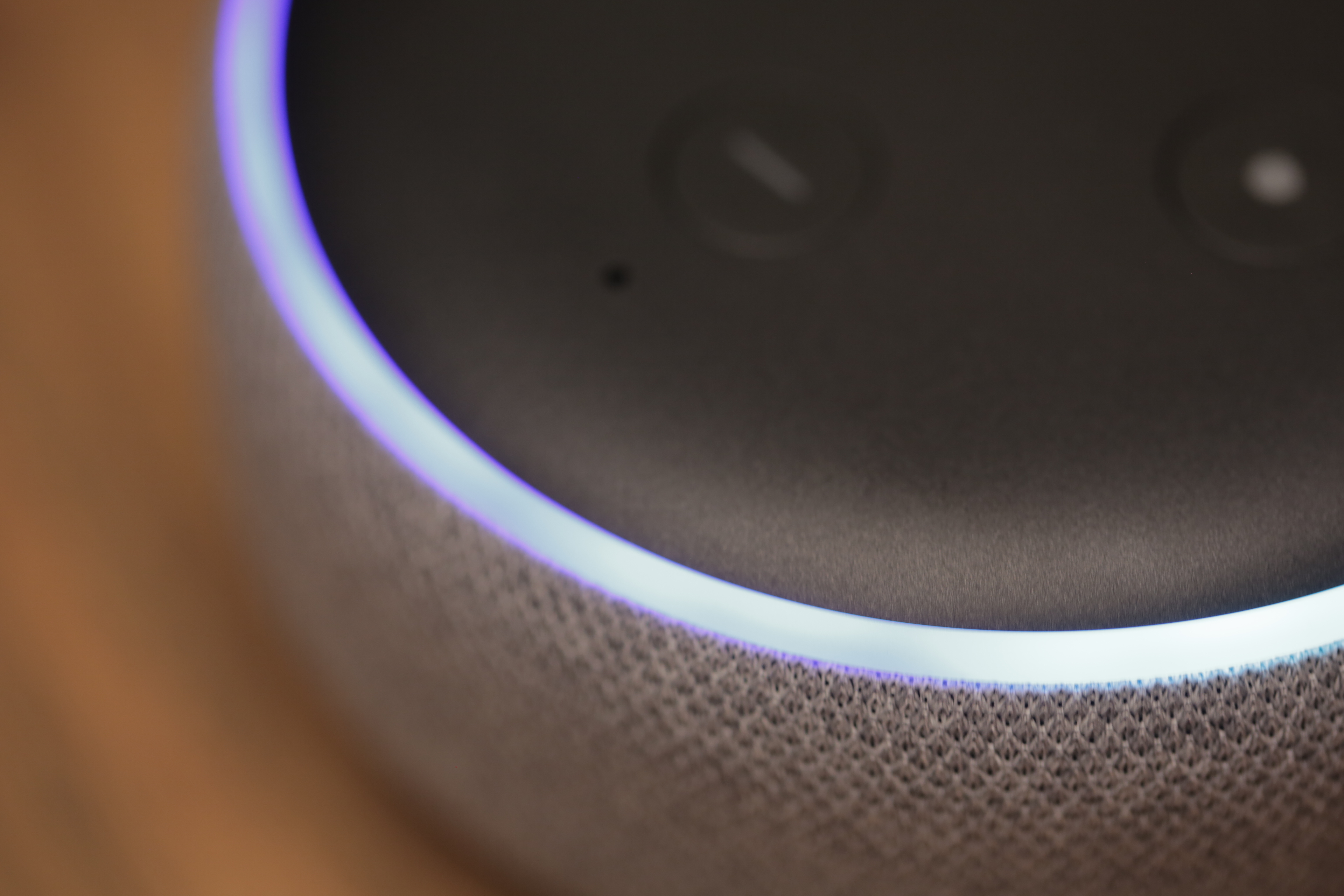
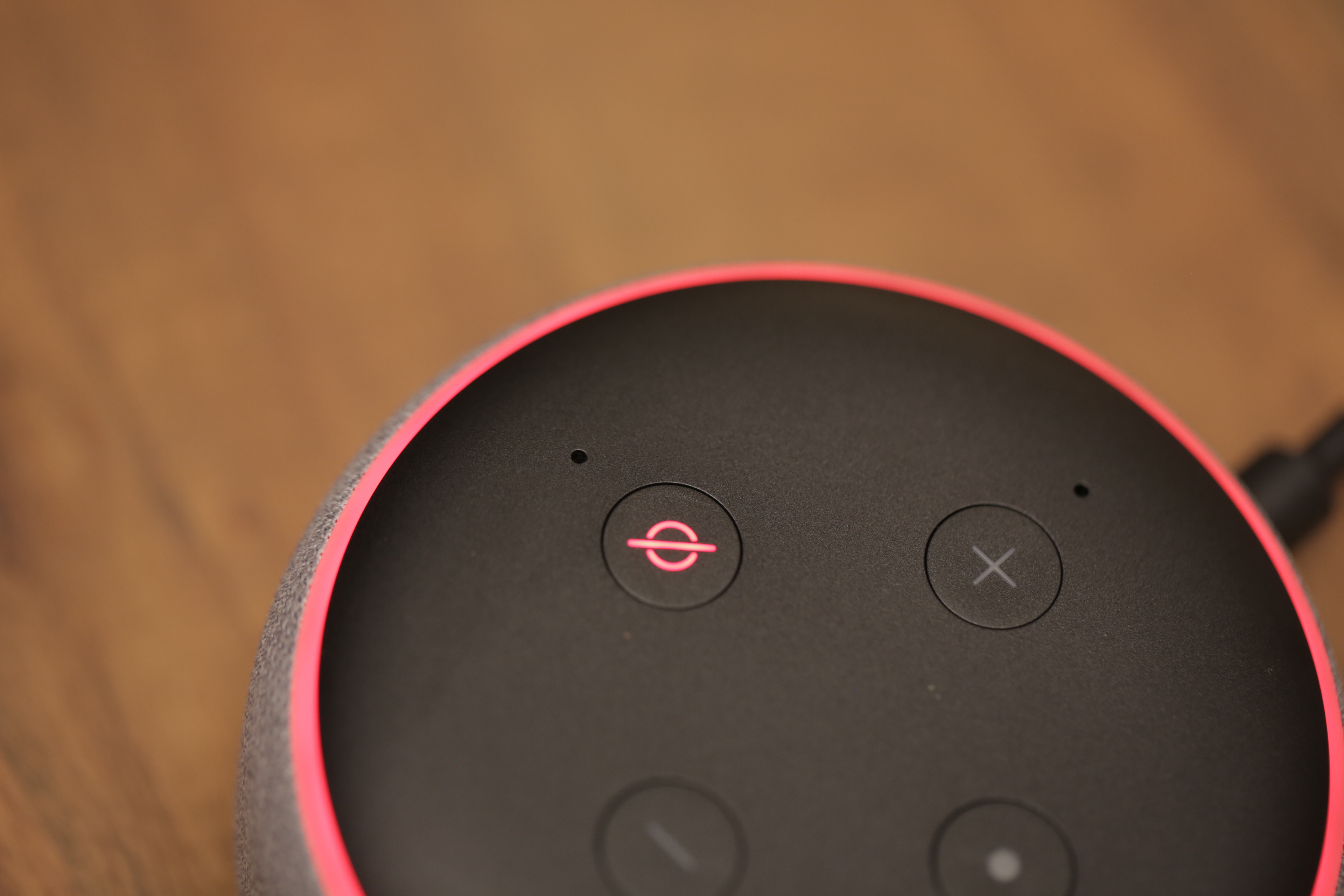
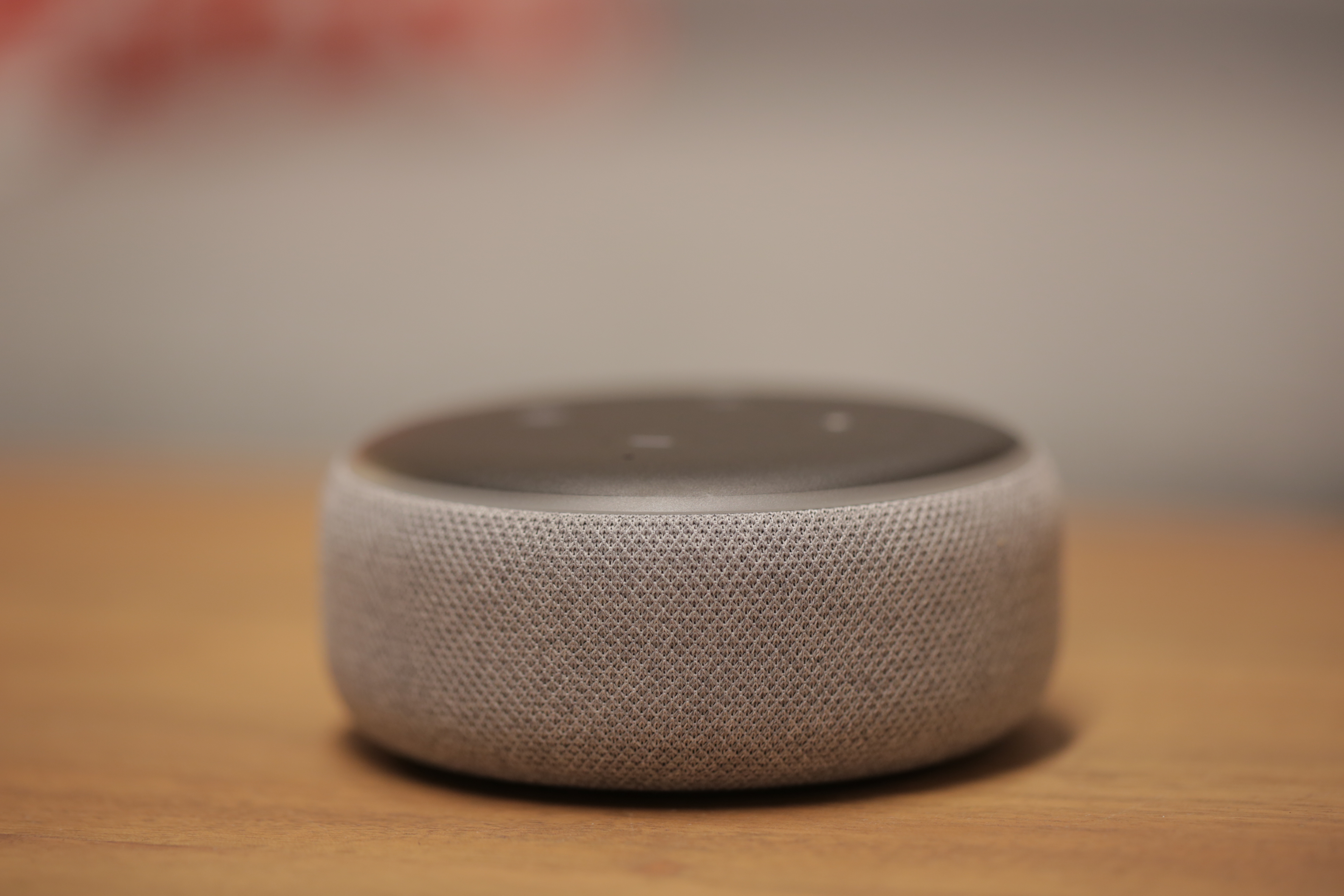
While the new Dot draws some clear aesthetic influence from the Home line, I prefer Amazon’s take. It splits the difference between old and new in a nice way. The fabric cover doubles as a speaker grille, running along the outside of the product. The top, meanwhile, maintains a familiar design language, with a rounded matte black top bearing a quartet of physical buttons. The light-up status ring runs flush between these two surfaces.

The new Dot is notably larger than its predecessor — a bit of a surprise, given that the more compact size was the second-gen Dot’s biggest selling point. That said, the fact that the new device looks nice enough to be displayed out in the open no doubt emboldened the company to make it a bit larger. It’s a solid thing, too. I was a bit surprised by the heft of the puck — you could do some serious damage with the thing.

One of the upshots of the larger footprint is the volume increase. The new Dot is capable of getting 70 percent louder than its predecessor (by Amazon’s count). The move finds Amazon putting a stronger emphasis on the second part of the “smart speaker equation.” The sound system on earlier Dots wasn’t built for much beyond giving Alexa voice. That’s why the company built in an auxiliary output.

That’s still here, of course, but the built-in sound output is much improved. It’s also a lot less distorted at top volume. I still wouldn’t use it as my default speaker, but the Dot’s role in Amazon’s new à la carte sound system is an interesting one.

The company sent along two Dots for the sole purpose of trying out the new stereo pairing feature — and I’m glad they did. It’s probably the most interesting addition to the line. In the revamped Alexa app, you’ll find the Create a Speaker Set option under the Settings tab. From here, you can turn two Dots into a stereo pair. The setup is simple — though I did run into some trouble on our office Wi-Fi. Both Echos need to be on the same network in order for the feature to work properly, and the app wasn’t quite able to discern that they, in fact, were.

The app will walk you through the process and let you determine which device will handle which channel of the stereo track. Paired together, it’s a nice experience — kind of a small-scale home theater experience. Add in the new Echo Sub and it’s even better. Keep in mind, of course, that you’ve just spent $230. Things add up fast. Of course, that’s still $100 cheaper than the HomePod.

Of course, it’s unfair to compare the two. Amazon and Apple’s speakers are in entirely different leagues. But the new Dot and other additions to the Echo home stereo system represent a very Amazon approach to the category, giving users the ability to mix and match devices, while still maintaining a low price point.

The third-generation Dot isn’t a complete reinvention of the wheel, but it’s big enough to warrant an upgrade for many users. Though perhaps “upgrade” isn’t the operative word here. Given Amazon’s ultimate goal of an Alexa device in every room, it’s easy to see it becoming yet another addition to your growing collection.

05 Oct 2018

Tesla cars are getting a big update today, but one feature got held back

After a few months of hype, version 9.0 of the software that runs on Teslas is rolling out starting today.

There’s a bit of a catch, though: one of the bigger expected features — one that would let Tesla’s autopilot handle passing cars and automatically make highway interchanges — is being delayed for now.

So what’s new?

  • Newer Teslas (those built after August 2017) can now use the built-in forward-facing cameras as a Dash cam. If you need to save some footage of what’s going on in front of your car, a new dash cam icon will save the last 10 minutes of footage.
  • There’s a new UI on the center display across all of the vehicles, cleaning things up while making the user experience a good bit more consistent between the Model S/X and the 3.
  • The Model 3’s center display is getting a web browser (something the Model S and X have had for a while, but the 3 has been missing), along with a calendar and real-time energy-monitoring tool.
  • Turn-by-turn now shows more information (particularly about your next steps), and you can tell the car whether or not you’re currently allowed to use the carpool lane and it’ll factor that into its routing.
  • Autopilot will now disable full-speed acceleration when you’re at low speeds when there’s something in front of the car. If you’re parking in a parking garage, for example, Autopilot will try to stop you from rocketing into the wall if you mix up the accelerator/brake or mistakenly think you’re in reverse.
  • You can now push a navigation destination to the car via the Tesla mobile app, saving you the effort of punching it in once you’re in the driver’s seat.
  • Those Atari games Elon Musk said they’d sneak in as Easter eggs? They’re apparently in there now — “if you can find them.”
  • A new 360º visualization, built by tapping all eight external cameras into one big-meshed image, shows a bird’s-eye view of your car and vehicles around you.

Musk had previously said to expect Navigate on Autopilot to go live in this build, greatly improving Autopilot’s abilities on freeways. You’ll still have to keep your hands on the wheel, but it’ll suggest lane changes, handle freeway interchanges and take freeway exits for you.

So why the delay? It’s not quite ready yet, says Musk:

With today’s rollout, Navigate on Autopilot will be running in “Shadow Mode.” In other words, all of the new logic and calculations will be running silently in the background, but Autopilot won’t actually be utilizing it — it’s just crunching the numbers and double checking that everything Navigate on Autopilot would do is safe.

Given that just means it’ll (hopefully) be that much safer when it does go live, I’m all for it. When we’re talking about a 5,000+ pound metal box cruising itself around at 70+ MPH, shipping early and crossing your fingers isn’t an option.