Year: 2018

03 Oct 2018

Apple’s Tim Cook talks privacy, user data in China and banning Alex Jones

Notoriously secret on one hand, Apple has never been one to shy away from speaking its mind on matters of principle. During this current period of societal tumult, the $1 trillion company has more to answer for than ever.

In a new interview with VICE News Tonight on HBO, Apple chief executive Tim Cook talked about a slew of topics — including privacy, how the company keeps user data safe amid legal challenges and why it decided to ban notorious conspiracy theorist Alex Jones from its platforms.

Vice shared a copy of the transcript with TechCrunch. Here’s what he said:

On privacy, Cook calls for “some level” of regulation

Is the tech industry past the point of no return on matters of privacy?

“I see privacy as one of the most important issues of the 21st century,” Cook told interviewer Elle Reeve. “We’re at a stage now, where more information is available about you, online and on your phone than there is in your house. You know, chances are your phone knows what you’ve been browsing, knows your friends, knows your relationships, has all of your photos.”

“I mean just think about this and the magnitude of information — we take that very seriously,” he said.

Apple’s long taken a unique approach to privacy. It doesn’t want your data — unlike advertising giants such as Facebook and Google, Apple doesn’t do anything with your data. But data hoarding companies have come under fire for misusing or exposing user data. Is it too late to reel in these companies and give the power back to the people, with help from Congress?

“I’m not a pro-regulation kind of person,” he said. “I think some level of government regulation is important to come out of that.” Though, Cook wasn’t specific on what he wanted to see.

Cook didn’t outright name his rivals, but said that Apple takes a “collect as little as possible” approach to product design. That’s not new — Apple has done this for years.

“We’re not forming the detailed profile, and then allowing other companies to buy the opportunity to target you,” he said. “It’s not the business that we’re in.”

Is Apple losing out on the competitive edge as a result — say, for Siri compared to Alexa? “No,” said Cook. He said that the narrative that users have to give up their data to make their service better is “a bunch of bonk.”

For the most part, Apple processes user data on the device so the company never gets to see it.

Privacy is a “human right” — even in China

As a device maker, Apple is about as global as it can get — even in China, where device rivals like Google and other tech giants like Facebook have almost no footprint. But that’s cause for conflict between Apple’s privacy ideals and China’s pro-surveillance state.

Asked if privacy as a human right applies to its business in China, Cook said it “absolutely does.”

“Encryption for us is the same in every country in the world,” he said. We don’t design encryption for, you know, for the U.S. and do it differently everywhere else, it’s the same. And so to send a message in China, it’s encrypted, I can’t produce the content. I can’t produce it in the United States either.”

Earlier this year, Apple moved its iCloud encryption keys for Chinese users to mainland China to comply with the country’s new vague, confusing and often conflicting cybersecurity rules. That sparked concern because it meant China can now ask Apple’s China-based cloud partner to turn over data on Chinese customers — just like the FBI can force Apple to turn over data in the U.S. Apple had to play ball in order to keep doing business in the country — and China currently makes up close to 20 percent of Apple’s global annual revenue.

Cook defended the move, saying he “wouldn’t” accept that Chinese data stored in China makes it easier for Beijing to access that data.

“I mean we have servers located in many different countries in the world,” he said. “They are not easier to get data from being in one country versus the next. The key question is how does the encryption process work and who owns the keys, if anyone? In most cases for us, you and the receiver own the keys.”

Decision to ban Alex Jones was made “independently”

Some say Alex Jones is the last bastion of free speech. Others call him a dangerous conspiracy theory-pusher who thinks the Sandy Hook school shooting was a hoax.

This year, Facebook banned him, then Twitter and then YouTube — and also tech giants like MailChimp, Spotify and PayPal. Apple remained silent. Jones’ podcasts were still available on iTunes and his apps in the App Store. Until they weren’t.

“We don’t take a political stand,” said Cook. “We’re not leaning one way or the other.” Across Apple’s various platforms, Cook said that users “see everything from very conservative to very liberal.” And, he said, “that’s the way I think it should be.”

Cook didn’t say there was a single moment that sparked the decision, but said that he has “never” had a conversation about Jones with any other tech company.

“Why not?” said Reeve. “But why?” Cook responded. “Because it’s a huge thing!” said Reeve. Cook said that it’s important that Apple makes decisions “independently.”

02 Oct 2018

Balderton’s $145M ‘secondary’ fund will give shareholders in European scale-ups the chance to exit early

In what looks like a European first, the London-based early-stage venture capital firm Balderton Capital is announcing it has closed a new $145 million “secondary” fund dedicated to buying equity stakes from early shareholders in European-founded “high growth, scale-up” technology companies.

Dubbed “Balderton Liquidity I,” the new fund will invest in European growth-stage companies through the mechanism of purchasing shares from existing, early shareholders who want to liquidate some or all of their shares “pre-exit.”

“Balderton will take minority stakes, between regular fund-raising rounds, making it possible for early shareholders — including angels, seed funds, current and former founders and employees — to realise early returns, reinvest capital in the ecosystem, or reward founders and early employees,” explains the firm.

The move essentially formalises the secondary share dealing that already happens — typically as part of a Series C or other later rounds — which often sees founders take some money off the table so they can improve their own financial situation and won’t be tempted to sell their company too soon, but also gives early investors a way out so they can begin the cycle all over again. Otherwise it can literally take five to 10 years before a liquidity event happens, either via IPO or through a private acquisition, if it happens at all.

“The bigger picture is there are lots of shareholders who either want or need or have to take liquidity at some point,” Balderton partner Daniel Waterhouse tells me on a call. “Founders are one part of that… but I think the majority of this fund is more targeted at other shareholders — business angels, seed funds, maybe employees who left, founders who left — who want to reinvest their money, want to solve a personal financial issue, want to de-risk their personal balance sheets, etc. So we’re not obsessed with founders in this fund, we’re obsessed with many different types of early shareholders, which for many different reasons would like to get liquidity before the grand exit event.”

Waterhouse says that one of the big drivers for doing this now is that Balderton’s analysis suggests there is “a critical mass of interesting companies” that are in the growth stage: “businesses that have got a scalable commercial engine” and a proven commercial model. This critical mass has happened only over the last two years, which is why — unlike in Silicon Valley — we haven’t yet seen a fund of this kind launch in Europe.

“We think there’s now about 500 companies in Europe that have raised over $20 million. That doesn’t mean they are all great companies but it’s an interesting, crude data point in terms of the scale they’ve got to. As a consequence, within that 500 we expect there to be quite a lot of interesting companies for this fund to help and we obviously have a pretty good lens on the market. Through our early-stage investing, and working with companies from the early-stage through to exit, and then obviously staying in touch with companies we don’t necessarily invest in, we have a pretty good sense of that from a bottom up perspective on how many opportunities are out there.”

He explained that there are three aspects behind the secondary funding strategy. First is that by investing via secondary funding, more companies will gain access to the “Balderton platform,” which includes an extensive executive and CEO network and support with recruitment and marketing. Secondly, it is good for the ecosystem as it will not only help relieve financial pressure from founders so they can “shoot for the next growth point” but will also let business angels cash out and recycle their money by investing in new startups. Thirdly, and perhaps most importantly, Balderton thinks it represents a good investment opportunity for the firm and its LPs as secondary liquidity is “underserved as a market.”

(Separately, one London VC I spoke to said a dedicated secondary fund in Europe made sense except in one scenario: that European valuations see a price correction sometime in the future promoted by the current trajectory of available funding slowing down, which he believes will eventually happen. “Funds are 10 years so they just have to get out in time,” is how said VC framed it.)

To that end, Waterhouse says Balderton is looking to do around 15-20 investments out of the fund, but in some instances may start slowly and then buy more shares in the same company at an even later stage. It will be managed by Waterhouse with support from investment principal Laura Connell, who recently joined the VC firm.

Struggling to see many downsides to the new fund — which by virtue of being later-stage is less risky and will likely command a discount on secondary shares it does purchase — I ask if perhaps Balderton is being a little opportunistic in bringing a reasonably large amount of institutional capital to the secondary market.

“No, I don’t think so,” he replies. “What we’ve seen in our portfolio is [that] the point in time when someone is looking for liquidity isn’t set on the calendar alongside when companies do fund raising. In particular as a company gets more mature, the gap between fund raises can stretch out because the businesses are more close to profitability. And so it’s not deterministic. We want to just be there to help people who are actually looking to sell out of cycle in those points of time and at the moment have very little options. If someone wants to wait, they’ll wait.”

Finally, I was curious to know how it might feel the first time Balderton buys a substantial amount of secondary shares in a company that it previously turned its nose down at during the Series A stage. After pointing out that companies usually look very different at Series A compared to later on in their existence — and that Balderton can’t and doesn’t invest in every promising company — Waterhouse replies diplomatically: “Maybe we kick ourselves a bit, but we’re quite happy with the performance of our early funds and obviously we’ll be happy to add other new companies that are doing really well into the family.”

02 Oct 2018

Facebook finds ‘no evidence’ hackers accessed connected apps

Facebook has said it’s found “no evidence” that third-party apps were affected by the data breach it revealed last week.

Hackers stole account access tokens on at least 50 million users by exploiting a chain of three vulnerabilities inadvertently introduced by Facebook last year. Another 40 million also may have been affected by the attack. Facebook revoked those tokens — which keep users logged in when they enter their username and password — forcing users to log back into the site again.

But there was concern that third-party apps, sites and services that rely on Facebook to log in — like Spotify, Tinder and Instagram — also may have been affected, prompting companies that use Facebook Login to seek answers from the social networking giant.

“We have now analyzed our logs for all third-party apps installed or logged during the attack we discovered last week,” said Guy Rosen, Facebook’s vice president of product management, in a blog post. “That investigation has so far found no evidence that the attackers accessed any apps using Facebook Login.”

“Any developer using our official Facebook SDKs — and all those that have regularly checked the validity of their users’ access tokens – were automatically protected when we reset people’s access tokens,” he said.

Admittedly, Rosen said that not all developers use Facebook’s developer tools, so the social network is “building a tool to enable developers to manually identify the users of their apps who may have been affected, so that they can log them out.”

Facebook didn’t say when the tool would become available. TechCrunch has reached out for comment and will update when we hear back.

The breach affected five million users in Europe, the company confirmed, where data protection laws are stricter and financial penalties are greater.

Under the newly installed General Data Protection Regulation (GDPR), European regulators can fine Facebook up to $1.63 billion in fines — or four percent of its $40.7 billion in annual global revenue for the prior financial year — if it’s found that Facebook could have done more to protect its users’ data.

02 Oct 2018

Here are the newest additions to Microsoft’s Surface line

Want excitement? Here’s something approaching that. Today’s Microsoft October event wasn’t exactly a blockbuster, but product lead Panos Panay did mention that this this is the most new Surface products the company has crammed into one event.

There was a lot of stuff to get through in the hour or so — though the majority of the announcements were spec bumps to existing products. In fact, aside from new matte black paint jobs, you wouldn’t really be able to tell the difference here.

That includes the expected lack of USB C ports on the new products. It’s an odd choice, to say the least — though “oversight” is probably the more operative word here.

As anticipated, the Surface Pro, Laptop and Studio all got spec bumps here. Starting at $999, the Surface Pro 6 is 67 percent faster than its predecessor, by Microsoft’s count. There’s also a 267ppi display and a stated 13.5 hours of battery life. 

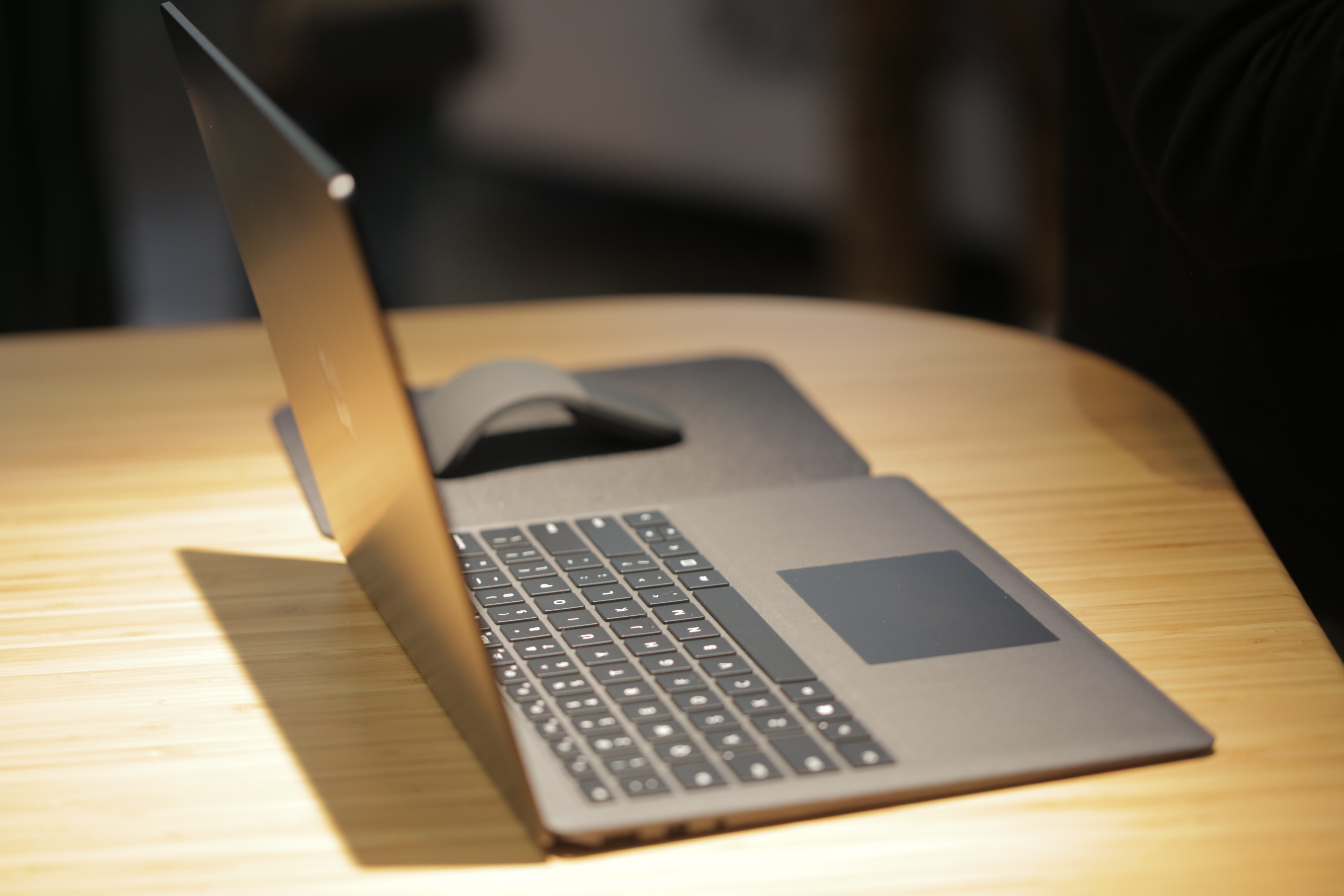
The new Surface Laptop (which has been my own personal favorite in the line) gets even bigger bumps. The device is 85 percent faster than the first-gen, courtesy of the 8th-gen Quad Core Intel processor, while the battery should get 14.5 hours on a charge. 

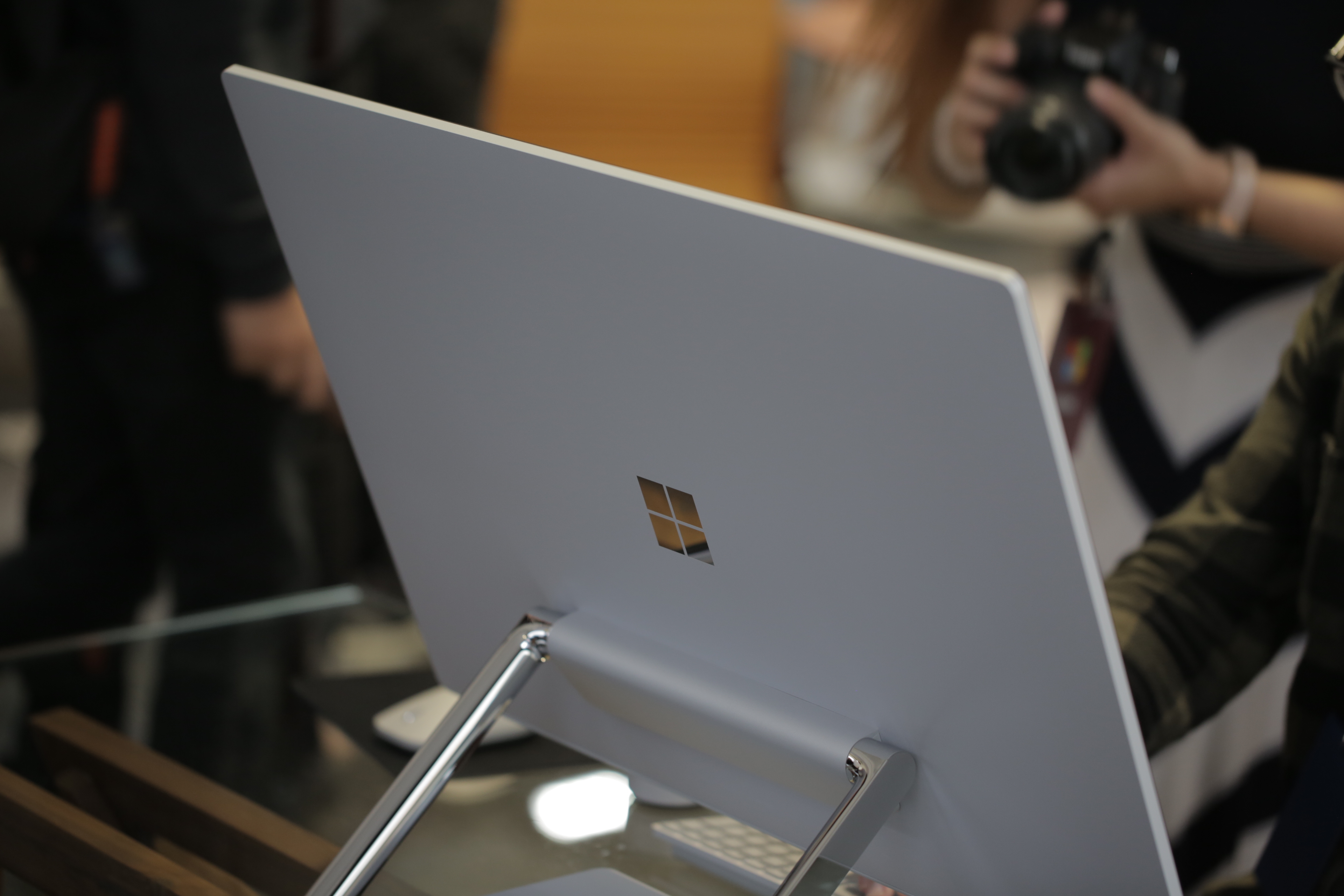
The Studio, arguably the most interesting Surface product to date, features a screen that’s 38 percent brighter, with 22 percent more contrast. Inside are Pascal graphics cards and a 2TB solid state drive.

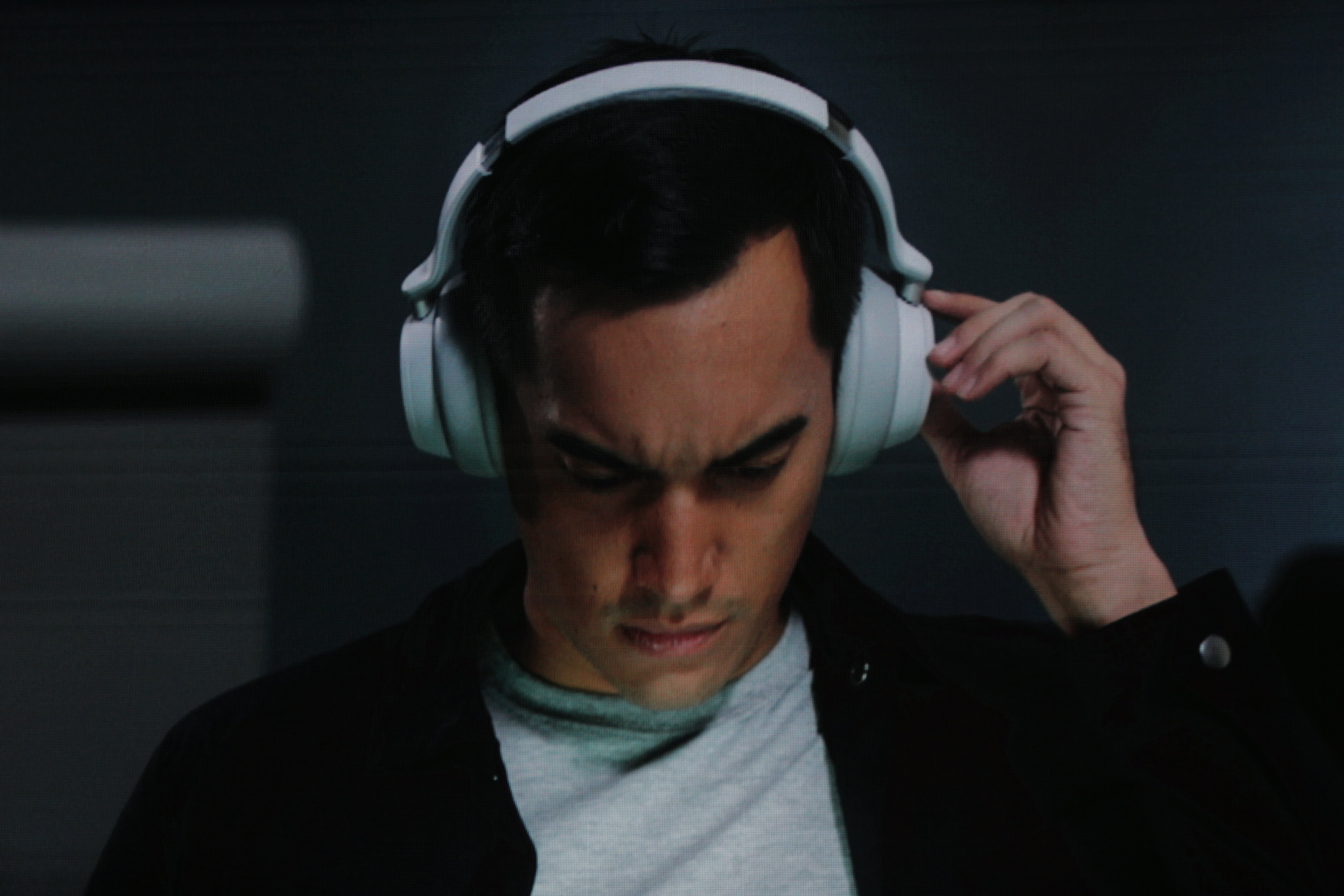
The Headphones are easily the most interesting announcement of the bunch. One, because the company somehow managed to keep them under wraps until today’s event and two, because Surface Headphones are a bit of a bizarre addition to the line. Even so, I was pretty happy with the brief time I spent with them.

[gallery ids="1725126,1725125,1725124,1725123,1725121,1725113,1725115,1725120,1725093,1725091,1725089,1725028,1725005,1725006,1724983,1724986"]
02 Oct 2018

Internet.org project helps restore millions of broken Wikipedia links

The web, it turns out, is a fragile place. Companies, governments, educational institutions, individuals and organizations put up and take down sites all the time. The problem is that the web has become a system of record, and when links don’t work because pages no longer exist, the record is incomplete. With the help of volunteers from Internet.org, Wikipedia has been able to recover 9 million broken links and help solve that problem for at least one knowledge base.

Internet.org captures a copy of as many websites as it can to build an archive of the web. If you know what you’re looking for, you can search their Wayback Machine archive of billions of web pages, dating back to the earliest days of the World Wide Web. The problem is you have to know what you’re searching for, and that can be problematic.

A Wikipedia contributor named Maximilian Doerr put the power of software to bear on the problem. He built a program called IAbot, short for Internet Archive bot. Internet.org also credits Stephen Balbach, who worked with Doerr tracking down archives and bad links.

First IAbot identified broken links, those pages that returned a 404 or “page not found” errors. Once the bot identified a broken link, it searched the Internet Archive for the matching page, and when it found a copy, it linked to that, thereby preserving the link to the content, even though the original page or website was no longer available.

That software helped fix 6 million links across 22 Wikipedia sites. Wikipedia volunteers fixed an additional 3 million links by manually linking to the correct Internet Archive page, an astonishing amount of preservation work, and one that helps maintain the integrity of the web and provides an audit trail where one was missing.

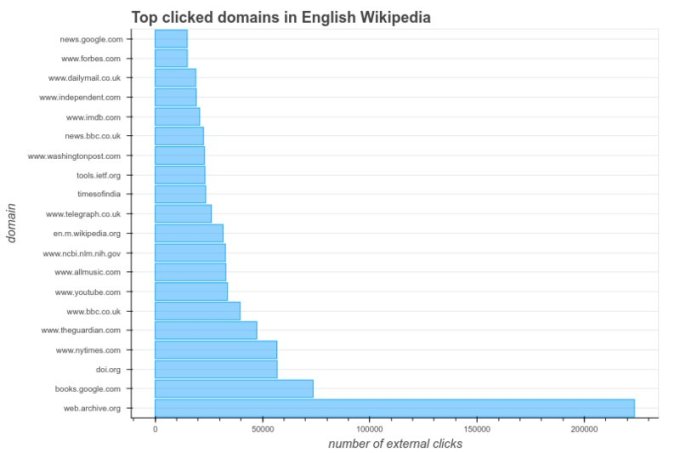
In a blog post announcing the results of the project, Internet.org reported that after studying the link-clicking behavior of Wikipedia users over a recent 10-day period, they found that the vast majority of links were going to Internet.org pages, showing the power of this project to fix broken links in Wikipedia.

Graph: Internet.org

A few years ago, I wrote a piece in which I lamented that the internet was failing the website preservation test. I concluded, “If we can send bots out to index the internet, it seems we should be able to find an automated technological solution to preserve content for future generations. At the very least, we are duty bound to try.”

If this is truly our system of record for government and society, then we need more projects like this to preserve the integrity of the system for future generations. The Internet.org/Wikipedia project is certainly a positive step in that direction. What’s more, the organization plans to build on this work across Wikipedia and other sites, while also working with editors or writers who wish to link to archived pages when live pages no longer exist.

02 Oct 2018

The investors and founders of Yellow, 99 Taxis and Didi will talk about the new mobility race at Startup Battlefield Latin America

In the nine months since Didi acquired the Brazilian ride-hailing startup 99 in a deal that valued the company at a reported $1 billion, the market for mobility and logistics startups in the Latin American region has changed dramatically.

The Didi deal was perhaps the first big acquisition for a Latin American startup in recent years, and a starting gun for what’s been an extremely competitive race among startup companies to win the hearts and minds of consumers across the region.

The past year has seen the on-demand delivery service Rappi raise $200 million at valuation north of $1 billion from investors including the Russian firm DST Global. And just weeks ago, the Sino-U.S. investment firm GGV led a $63 million investment into Yellow, a company launched by 99 co-founders Ariel Lambrecht and Renato Freitas.

That deal was the largest Series A investment in Latin America to date, and a potential harbinger of things to come, given that the early-stage Mexico City-based scooter on-demand service, Grin, raised $21 million from the Asian and U.S.-focused investment firm DCM. 

These deals also underscore the intensifying global competition between U.S. and Chinese technology companies and investors for larger shares of the worldwide market for technology-enabled goods and services.

Given all of the jockeying for position, we’re lucky to welcome to our inaugural Latin American event a group of investors and entrepreneurs to help us make sense of all these market moves.

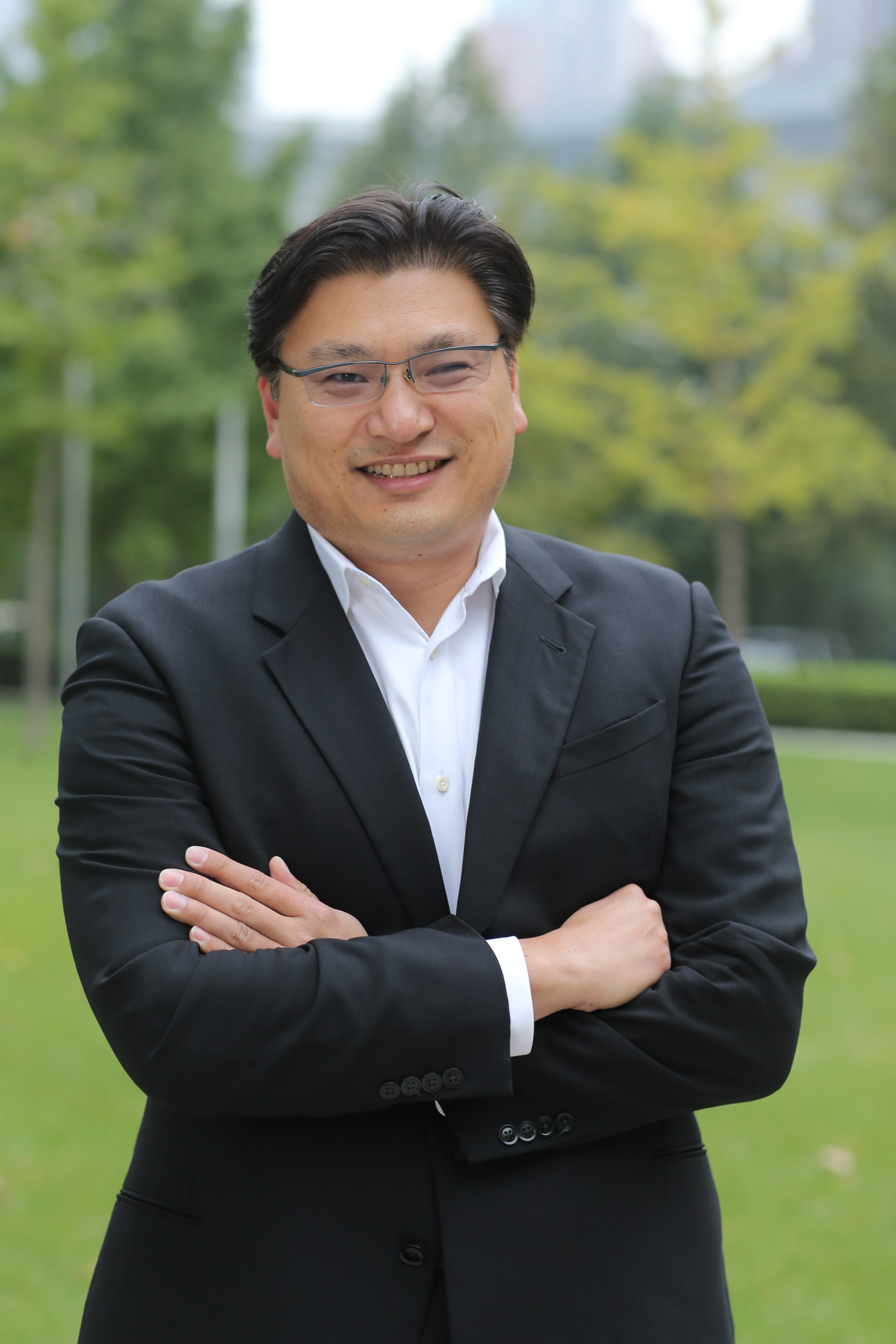
Hans Tung, managing director, GGV Capital

Hans Tung, a managing partner at GGV Capital, has been on the Forbes Midas List six times (from 2013 to 2018) and is one of the top investors in Chinese startups (including Xiaomi and Musical.ly, acquired by Bytedance). Tung is also now investing in Latin America, having shepherded his firm’s investment in Yellow.

Yellow co-founders Ariel Lambrecht (who was one of the masterminds behind 99) and Eduardo Musa, who previously served as chief executive of the Brazilian bike brand Caloi, will also be on hand to give us their sense of the mobility market and the role foreign and domestic companies are playing.

Finally, Tony Qiu, the general manager of Didi in Latin America, will be on hand to give us his perspective on this increasingly strategic market for the company.

With the capital flowing and competition growing, this is certainly one panel that’s not to be missed at our Startup Battlefield Latin America event. Get your tickets here.

02 Oct 2018

Microsoft’s Surface Headphones up close and hands-on

In an event defined largely by spec bumps to existing product lines, the Surface Headphones were certainly a surprise. For one thing, the company did an admirable job keeping them under wraps, in spite of numerous leaks for just about everything else shown off at the event.

For another thing, they’re freaking Surface Headphones. It’s just weird, man.

I will say, however, I was actually pleasantly surprised by the things. If you’d told me a couple of years back that Microsoft was releasing a pair of headphones that borrow heavily from the Surface line’s aesthetic, I probably would have kept walking.

But the company actually pulls them off pretty well, with a light gray aesthetic. They’re not the sexiest over the ear headphones, but they don’t look half bad. They’re also pretty comfortable, with generous over-ear cushioning and a lightweight design, so they won’t be a strain on the ears.

Unlike other portable Bluetooth headphones, they swivel freely, giving you a fair bit of movement in the process. Granted, the room was fairly cool, but they seem to breathe fairly well, so they shouldn’t be too stifling on a hot day.

I’m pretty happy with the headphones sound-wise. They’re rich and full with a decent low-end push. I’d like (and expect) to spend some more time with them in the near future, but so far so good — and the on-board noise canceling did a good job drowning out the scrum of nearby journalists.

I’m still getting used to the touch interaction. One tap plays and pauses, while holding down fires up Cortana — which is really one of the primary motivations for launching this product. Apple has AirPods, Google has Pixel Buds and now Microsoft has, well, headphones.

Cortana on a headset isn’t much of a standout for most users, but at least the company’s developed a fairly nice pair of $350 headphones to compete with the likes of Bose, Sony and Samsung. No word on exact release date, but the new Surface peripheral should be “coming soon.”

02 Oct 2018

Ohanian’s Initialized raises $225M 4th fund to turn founders into cyborgs

“Right now we’re in this Empire Strikes Back moment” says Initialized Capital’s Garry Tan, referring to tech giants ruthlessly copying and competing with fresh ideas. “We think the startups represent the Return Of The Jedi.” It’s that willingness to stand up against incumbents and give founders their best shot at disrupting them that’s won Initialized a place on the cap table’s of some of today’s fastest rising companies. Instacart, Coinbase, Flexport, and Patreon all count Initialized as investors because Tan and Serena Williams’ husband jump in the trenches with them, dispensing advice and connections over text message.

Now Initialized Capital has raised enough money to tackle its next challenge: the Series A crunch. Their first fund of just $7 million in 2011 taught them to be scrappy, and consider nascent companies yet to find product market fit. But even with their $39 million 2013 fund, and the $115 million third one they raised in 2016, they didn’t have enough cash to always follow on or fill out rounds of their 100 portfolio companies the way they hoped.

That changes today with the announcement that Initialized Capital has closed its fourth fund of $225 million.

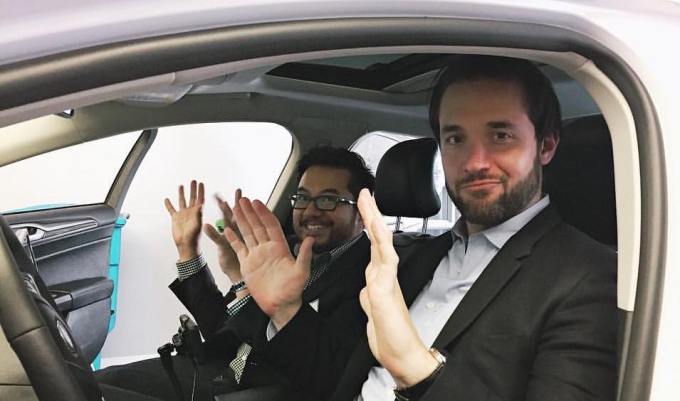
Initialized Capital’s co-founders Garry Tan (left) and Alexis Ohanian (right)

“We’ve always been the first high conviction check, and often the smallest check” Tan says, recalling how he tracked Airbnb’s Brian Armstrong as he left to start Coinbase and Initialized invested the first $50,000. With the $225 million fund, we can actually do most of round rather than being the first check and then send 30 emails trying to get people to invest in it.”

Williams’ husband, commonly known as Reddit co-founder Alexis Ohanian, is the face of Initialized. But it’s Tan and the software he’s built that lets Initialized wield The Force when picking startups, and then rearing them into Jedi. Tan had experience from building BookFace, Y Combinator’s internal community Q&A system that’s often cited as one of the accelerator’s biggest value-adds, when he and Ohanian were still partners there.

“We use software as a means of constantly sharing knowledge” Tan explains. “every phone call, every email we have . . . it all goes in there. Then we take the software that we built…and augment those really talented founders into cyborgs.” From partnerships to recruiting, all that information allows startups to scale faster, and hopefully get to that Series A Initialized now has deep enough pockets to fund.

The human element is still crucial, though, so it’s recruited a lean team of domain experts such as Thiel Macro’s financial modeling whiz Eric Woersching, ex-Founders Fund general counsel Alda Leu Dennis for legal, and former TechCrunch reporter Kim-Mai Cutler for press strategy. But unlike the “wolfpack” funds where entrepreneurs only get aid from the partner spearheading the relationship, all of Initialized’s staff pitches in with deal spotting and around-the-clock assistance.

The Initialized Capital team, where one-third of investment partners are female. Image Credit: Jessica Monroy

Sometimes being contrarian doesn’t mean doing something first, but doing something honorably. After considering bike and scooter rental startups, they saw how startups like LimeBike and Spin invaded cities like a war party. Initialized chose to invest in Skip because its heavy-duty scooters are safer, and the company actually cooperates with local governments. “We didn’t think the ‘ask for forgiveness later’ model of growth — the Uber inspired model — we didn’t think it was going to work. We wanted to bet on the high-integrity founding team.”

Other times, it means siding with founders willing to be vulnerable. Ohanian joined the board of erectile dysfunction pharmacy app Roman as part of its recent $88 million round after its founder Zachariah Reitano was willing to talk about his own men’s health struggles. Customers related, and Roman’s revenue run rate is now in the tens of millions, up 720 percent since January.

What Initialized looks for in founders is the same as what it looked for in a mascot. “I still remember doodling the Reddit alien in college and years later seeing it tattooed on people’s bodies. We know the power that symbols can have, and we do plan on being a different kind of VC firm.” One critical example of how is that one-third of Initialized’s investment team is female. “Women in tech is one of the most important trends in representation and we’re very much allies there.”

So based on an early viral video about the small animal’s ferocity, the team settled on the honey badger for their brand. Though after 20 ugly attempts, Ohanian let a professional designer draw it. In a sea of funds named after old white dudes with abstract shapes as logos, they didn’t want to be another VC that makes you cringe when you see its brand on a Patagonia pullover.

“Garry and I want taking money from our firm to be something [founders] are proud of and they can wear on their chest” Ohanian concludes with a laugh. “Maybe not tatooed…”

02 Oct 2018

Microsoft launches new monthly financing plan for its Surface devices starting at $25

While it looked like all the major news from Microsoft’s Surface event today had already leaked ahead of time, the company still managed to surprise us with the launch of its new noise-canceling headphones and its new Surface All Access plans that offer a monthly installment plan for your Surface purchases, similar to the way you probably pay for your phone.

You can read all about the headphones here.

As for the All Access plan, the company said that plans start at $24.99/month for 24 months to get a Surface Go. At $625 over two years, that’s a bit more expensive than getting the Go outright, though Microsoft didn’t yet say what configuration we’re actually talking about here.

What we do know, though, is that All Access will include a subscription to Office 365, access to in-store training and support (or what Microsoft call ‘top-tier support’).

As far as we can tell, there’s no discounted upgrade plan included here, something Microsoft previously offered when it launched its first financing option for its Surface devices last year. Those plans quietly disappeared a few weeks ago, though, likely in order to make room for this new plan.

To get a device on this new plan, you’ll have to go to a Microsft retail store, though.

02 Oct 2018

Microsoft’s Surface line now includes headphones

Granted, most of today’s big announcements were iterative updates on devices we’ve seen in past years. Even so, Microsoft to sneak one surprise into today’s event. The simply titled Surface Headphones are perhaps the oddest addition to the line of laptop and desktop products.

The key to these over-the-ear headphones, however, is clearly Cortana. The company has had some issues helping spread its Siri/Alexa/Assistant competitor, so perhaps these devices with their next level of noise cancelling will go a ways toward spreading that gospel.

Priced at $350, the wireless headphones should be competitive with the likes of Bose’s ubiquitous QuietComfort and competing offerings from companies like Sony and Samsung. Of course, if Cortana is the main distinguishing factor, it’s going to be hard for these products to truly stand out from the pack.

It’s still early days, and we don’t even have a release date (beyond “coming soon”), so perhaps the company still has a couple of tricks left up its sleeve.