Year: 2018

23 Apr 2018

Apply today to exhibit in Startup Alley at Disrupt SF 2018

Spring may have barely sprung, but if early-stage companies want an exhibitor’s table in Startup Alley at Disrupt San Francisco 2018 you need to apply now. Our biggest, most ambitious Disrupt ever takes place on September 5-7 at our new venue, Moscone Center West. More than 1,200 exhibitors and sponsors will showcase the very latest technology products, platforms and services in Startup Alley. Applications are open for a limited time, and we’d hate for you to miss out.

If you want to show your stuff in Startup Alley, you have two ways to secure a spot — and both require an application. First, early-stage startups from any category can purchase a Startup Alley Exhibitor Package. Pro tip: early applicants will be eligible to score special offers.

The package includes one exhibit day, three Disrupt SF Founder passes (if you apply before July 25), CrunchMatch (our curated investor-to-startup matching platform), use of the Startup Alley exhibitor lounge, access to the Disrupt press list and a chance to be selected as a Wildcard entry to the Startup Battlefield pitch competition (this year’s prize: $100,000).

The second way to exhibit — and score a FREE Startup Alley Exhibitor Package — is to be selected by the TechCrunch editorial team as a TC Top Pick. Our seasoned editorial team will choose 60 companies for this distinction. TC Top Pick winners will receive one Startup Alley Exhibitor Package plus a three-minute Showcase Stage interview.

One caveat: Companies vying for a TC Top Pick spot must fit in one of these 12 categories: AI, AR/VR, Blockchain, Biotech, Fintech, Gaming, Healthtech, Privacy/Security, Space, Mobility, Retail or Robotics. That’s five TC Top Pick startups per category.

Why should you exhibit in Startup Alley? For starters, we’re expecting more than 10,000 attendees and 400 media outlets. Thousands of people pass through Startup Alley, and it’s a prime opportunity to find new customers, get media attention and meet future investors. In fact, according to Crunchbase, last year’s Startup Alley exhibitors raised more than $37 million in seed and Series A funding within four months after exhibiting at Disrupt SF. It’s an invigorating atmosphere where you’ll make new connections, exchange ideas and create new opportunities.

If you want to be considered for a TC Top Pick, you must apply by June 29. The deadline for Disrupt SF Startup Alley applications is August 8. If that sounds like you have plenty of time, remember: the space will go quickly, and early applicants will receive special offers. Be the early bird. Catch the worm.

You can apply for one or both Startup Alley exhibitor opportunities with one application. C’mon and show us your stuff — apply today.

If you are a later-stage company or corporation and would like to exhibit at Disrupt SF, please contact our sponsorship team here to get more information.

23 Apr 2018

Indian lending platform Capital Float raises $22M Series C extension from Amazon

Capital Float, the fintech startup that says it is India’s largest online lender, announced today that it has raised $22 million in new funding from Amazon. At the end of last year, reports surfaced that Amazon was considering an investment in Capital Float as an extension of its $45 million Series C, which was announced last August. The Bangalore-based startup confirmed to TechCrunch that Amazon’s investment is indeed an extension of that round and brings the total equity it has raised over the past 12 months to $67 million.

Over the same period, Capital Float also raised $80 million of debt from banks and other financial companies, which it combines with its own balance sheet to finance loans to small businesses and other borrowers. Amazon India is among several e-commerce platforms that the company has partnered with to provide loans to sellers, including Snapdeal and Shopclues.

Since its inception in 2013 by co-founders Sashank Rishyasringa and Gaurav Hinduja, Capital Float has raised a total of about $110 million in equity funding from investors, including Ribbit Capital, SAIF Partners, Sequoia India, Creation Investments and Aspada, as well as total debt lines of $130 million.

During the last six months, Capital Float added 50,000 new customers, bringing its total customer base to more than 80,000 people in more than 300 cities. The startup says it currently disburses more than 10,000 loans each month and now has an outstanding loan portfolio of more than $170 million, with a default rate of about 2 percent. About 70 percent of its loans are microloans ranging from 25,000 rupees to 500,000 rupees (about $376 to $7,530).

With the investment from Amazon, the startup has set an ambitious goal of adding 300,000 new customers and originating more than $800 million in loans this year.

In a press statement, Amazon India’s country manager Amit Agarwal said, “We’re excited to work with Capital Float and invest alongside other investors. We are highly impressed with what Gaurav and Sashank have built and we back missionary entrepreneurs and management teams. Credit in India is highly under-penetrated and Capital Float is bringing the right kind of credit solutions to the underserved and informally served segments of SMEs to help realize their full potential.”

Over the last year, Capital Float expanded into more verticals, including products for small- to mid-sized manufacturers, point-of-sale financing for retailers and loans for school construction and self-employed professionals like doctors. It also added new online payment gateways to make it easier for borrowers to repay loans and began piloting deep learning-based underwriting models that use data points like image processing, geotags and new policies such as the Goods and Service Tax (GST), an indirect tax launched last year that is levied at every step of the production chain and the banknote demonetization started by Prime Minister Narendra Modi’s government in 2016.

23 Apr 2018

CBS All Access arrives in Canada to kick off international expansion efforts

CBS’ over-the-top streaming service, CBS All Access, is now available for the first time outside the U.S. The network today announced the service has arrived in Canada, ahead of a planned international expansion which will see the streaming service coming to more markets outside the U.S. in the future.

There are some differences between the U.S. version of the service, and the one now live in Canada.

While in the U.S., subscribers can choose from either an ad-supported or a commercial-free tier at $5.99 per month or $9.99 per month, respectively, Canadian viewers will only have a commercial-free option available at $5.99 CAD per month.

The subscription offers access to over 7,500 on-demand episodes, including full current seasons of CBS shows, entire past seasons of current shows, and full seasons of some classic shows.

Current season shows like NCIS, Survivor, Elementary, and Madam Secretary will be available, as will original series like The Good Fight and No Activity. However, the Canadian service will only offer the first season of The Good Fight, and most notably will lack Star Trek: Discovery – as CBS sold the international streaming rights elsewhere. Bell Media, for example, has Discovery, which set an audience record for its premiere in September.

Over 30 classic shows like Charmed, The Good Wife, Hawaii Five-O, and CSI will be offered, too, as well CBS daytime and late night shows such as The Talk, Rachael Ray, and The Late Show with Stephen Colbert.

CBS’ 24/7 streaming news service, CBSN, is also bundled with the Canadian subscription, as it has been in the U.S. since August 2017.

The streaming service at launch works across several platforms, including the web via cbsallaccess.ca, plus iOS and Android mobile and tablet devices, Apple TV and Chromecast. Other connected devices will be supported in the coming months, the company says.

CBS All Access has been live in the U.S. since October 2014, and has been steadily growing its subscriber base since.

As of the first quarter of 2018, the service combined with Showtime’s over-the-top offering have reached a total of over 5 million subscribers – ahead of the company’s estimated goal of reaching 8 million subscribers for both services by 2020.

CBS has not detailed what other markets will gain the service next, only that further expansions are planned.

“The launch of CBS All Access in Canada is a significant milestone for the service,” said Marc DeBevoise, President and Chief Operating Officer, CBS Interactive, in a statement. “We’ve experienced incredible growth domestically and see a great opportunity to bring the service and CBS’ renowned programming directly to international audiences across a range of platforms and devices. We look forward to continuing to expand CBS All Access across additional platforms, with even more content, and bringing the service to other markets around the world.”


23 Apr 2018

Net neutrality is officially dead today, but the fight to revive it lives on

Net neutrality’s protracted, multi-phase death scene has finally come to an end with a whimper as the FCC rules proposed in May, voted on in December, and entered in the Federal Register in February finally come into effect today. But as before, don’t expect some big fanfare by broadband providers and a sudden ratcheting up of prices. Things are going to stay quietly tense for a while.

Should you be worried? No. But you should stay angry.

“Restoring Internet Freedom” may have taken effect, but the truth is that the 2015 net neutrality rules have been out of effect since the FCC was shuffled under the new administration. Under Chairman Ajit Pai’s FCC, those rules were unlikely to be enforced from the day he took over; he was, in fact, promising industry leaders that they’d be rolled back as soon as possible soon after assuming his new office.

But ISPs, battered but wise from more than a decade of legal battling, knew there was more to it than a friendly face in the FCC. The rules would face serious legal challenges, as the previous ones did for years after their adoption. It would be premature to enact policies in the new freedom of the post-Title-II era, though they may allow themselves to hope (and prepare).

As they expected, opposition is organized and actually has a non-trivial chance of success. The popularity, technical accuracy, and ironclad legal reputation of the previous rules are nice, but ultimately challenges must be based on shortcomings in the new rules, not strengths on the old ones.

Fortunately, there’s no end of shortcomings.

As I’ve detailed before, the main legal challenges fall under three categories:

  • Congressional Review Act: The Senate is one vote away from forcing a vote on the repeal of the rules — unlikely to succeed, but it would force Senators to publicly take an position in an election year while voters still have the issue fresh in their minds.
  • Administrative Procedure Act: Lawsuits may allege that last year’s rulemaking process was “arbitrary and capricious,” either because of the various inconsistencies in the FCC’s own process or because of the technical issues in the order itself. Lawsuits have already been filed.
  • State laws: Several states have already begun (or are nearing completion) legislation establishing their own net neutrality policies. The argument is that if the FCC gives up its powerful Title II authority, under which the previous rules were enforced, then it has no jurisdiction over state policy in this area. Lawsuits will be filed.

You can read more about these here and here.

Both sides are pushing for legislation to settle the issue once and for all, though of course each side wants rather different legislation. But that’s a longer game, and since it’s an election year it will almost certainly have to wait until 2019 or even 2020. Many politicians are calling for net neutrality to be presented as a major voter issue.

The fact that little will change in the short time after the new rules take effect will be crowed about by their proponents as evidence that there was nothing nefarious about them. But the simple truth is that everyone with anything to gain by taking advantage of the new rules is too smart to do so until they know they’re on a solid legal footing. That won’t happen for quite a while.

Meanwhile, it must be said that while politicians struggle over legal definitions and justifications for different levels and types of net neutrality, the internet and web are evolving beyond that. The increasing ubiquity of encryption moots the arguments and methods of internet providers for establishing “fast lanes” and other interference.

That’s not to say some shady tactics won’t emerge here and there. There are lots and lots of internet providers in the country and one might decide that the time is right to institute their “innovative” new policy of zero-rating partners’ streaming video channels while throttling competitors.

That’s why consumers must be vigilant. Do you see something new and weird in your new terms of service? Do you notice a suspicious bandwidth issue on certain sites or services? Tell us, or tell one of the advocacy organizations that has been fighting on your behalf all these years. We only had net neutrality for a short, sweet time and there’s no reason we should let it slip away without a fight.

23 Apr 2018

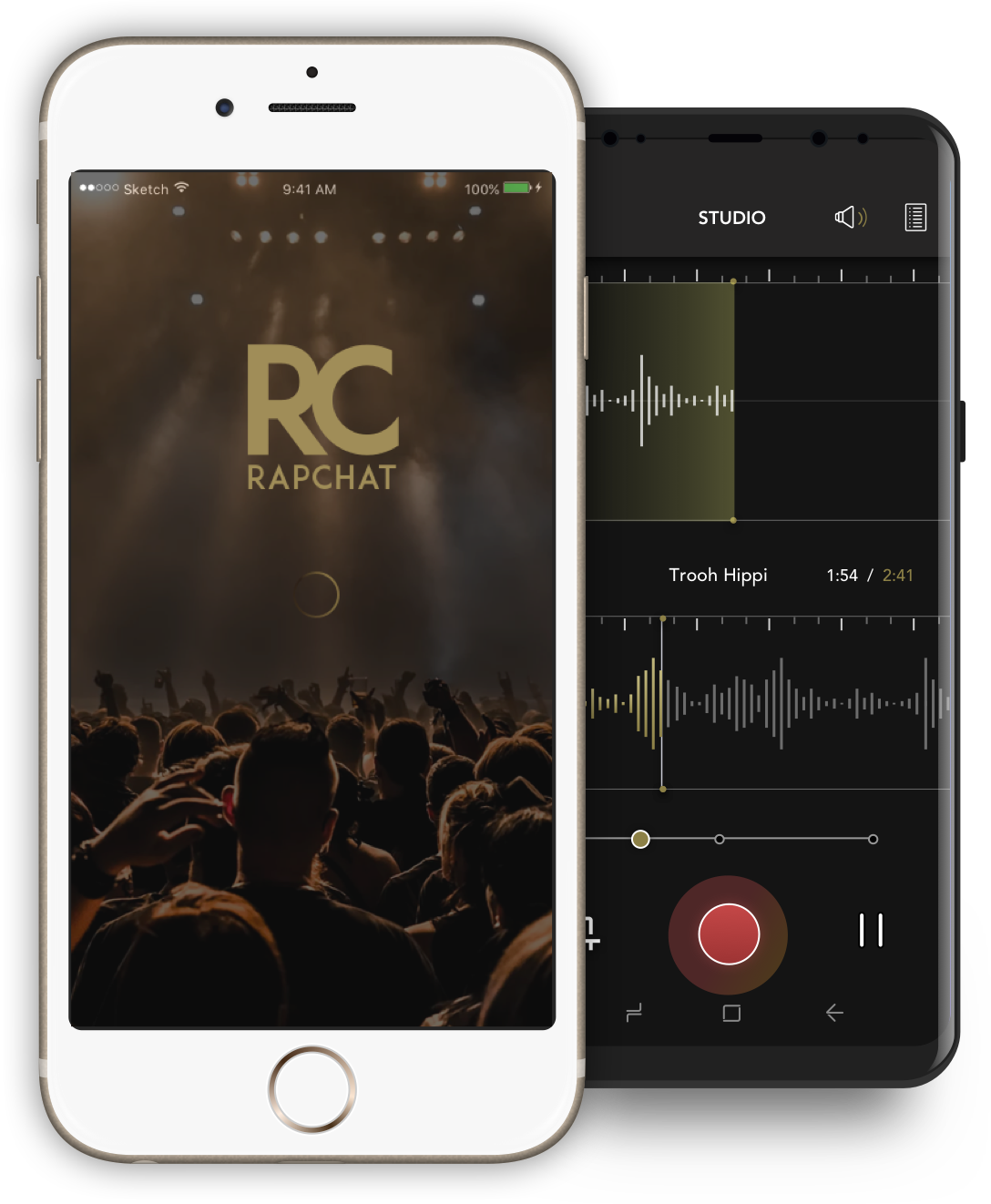
RapChat raises $1.6 million to help you make and share your def jams

The first thing to understand about media sharing app RapChat is that co-founder Seth Miller is not a rapper and his friend, Pat Gibson, is. Together they created RapChat, a service for making and sharing raps, and the conjunction of rapper and nerd seems to be really taking off.

Since we last looked at the app in 2016 (you can see Tito’s review below), a lot has changed. The team has raised $1.6 million in funding from investors out of Oakland and the midwest. Their app, which is sort of a musical.ly for rap, is a top 50 music app on iOS and Android and hit 100 million listens since launch. In short, their little social network/sharing platform is a “millionaire in the making, boss of [its] team, bringin home the bacon.”

The pair’s rap bonafides are genuine. Gibson has opened or performed with with Big Sean, Wiz Khalifa, and Machine Gun Kelly and he’s sold beats to MTV. “My music has garnered over 20M+ plays across YouTube, SoundCloud and more,” he wrote me, boasting in the semi-churlish manner of a rapper with a “beef.” Miller, on the other hand, likes to freestyle.

“I grew up loving to freestyle with friends at OU and I noticed lots of other millennials did this too (even if most suck lol) … at any party at 3am – there would always be a group of people in the corner freestyling,” he said. “At the same time Snapchat was blowing up on campus and just thought you should be able to do the same exact thing for rap.”

Gibson, on the other hand, saw it as a serious tool to help him with his music.

“I spent a lot of time, energy and resources making music,” he said. “I was producing the beats, writing the songs, recording/mixing the vocals, mastering the project, then distributing & promoting the music all by myself. With Rapchat, there’s a library of 1,000+ beats from top producers, an instant recording studio in your pocket, and the network to distribute your music worldwide and be discovered…. all from a free app. Rapchat is disrupting the creation, collaboration, distribution, & discovery of music via mobile

“We have a much bigger but also more active community than any other music creation app,” said Miller.

While it’s clear the wold needs another sharing platform like it needs a hole in the head, thanks to a rabid fanbase and a great idea the team has ensured that RapChat is not, as they say, wicka-wicka-whack. That, in the end, is all that matters.

23 Apr 2018

To win back consumers, big brands should invest in R&D and innovation

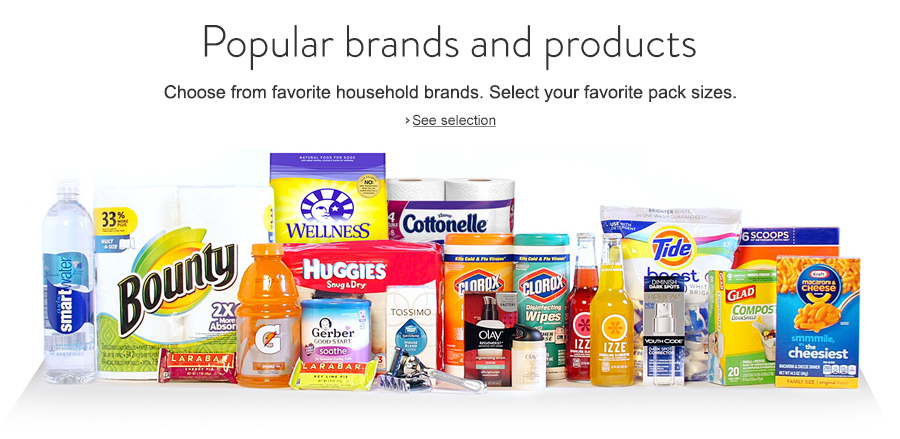
The world of consumer goods is changing. Consumer tastes are becoming more and more fragmented and big incumbents continue to lose market share to upstart brands. It’s often difficult for these incumbents to figure out how to respond. CPG is full of smart people but many of the biggest brands have seen their sales stagnate or decline over the past several years.

Consumer companies can increase profit and deliver shareholder value by either growing in revenue or cutting costs, but the strategies these companies have taken to try to turn the tide just aren’t working. When they innovate, they only make incremental changes to products (like reducing the fat of a potato chip), instead of offering consumers new products that they actually want.

Or they spend billions on advertising to convince consumers that they should buy already existing products. If they can’t increase revenue, they’ll cut spending by stripping out valuable business teams or merging with other consumer companies to slash costs (à la Kraft-Heinz). These strategies do not position Big CPG for long term success, I’d like to suggest a few that might.

Before I dig in here, I want to say upfront that I don’t have all the answers (or even most of them). I’m the CEO of a startup with 65 employees — not a massive corporation with 30,000 employees. The insights I hope to share are gathered from over a decade working in consumer investing and helping consumer companies grow, but they’re ultimately insights from the outside looking in.

Replace “Kellogg’s” with the name of PepsiCo, Estee Lauder, Nestlé, Kraft -Heinz or countless other big brands and the observations should still resonate. This isn’t about just one company, it’s about the dynamics that exist for virtually all CPG incumbents.
What I would do differently

On day one as CEO of Kellogg’s, I would take a hard look in the mirror and I would ask myself which Kellogg’s brands are still relevant and can grow. I recently had a conversation with a former VP of a major CPG company and he said that Big CPG is guilty of thinking that everything can be relevant if they bring the right news to it. I agree. As CEO, I would acknowledge up front that we have certain brands and products that are cash cows now-but are slowly dying.

An uncomfortable but proactive step would be to sell the legacy cash cows that are dying and invest the cash windfall into innovation. This week I was in another discussion with a 20 year veteran from a Fortune 100 consumer company who said “I think in 10 years our company will no longer exist. It will be broken up.” Conversations about selling legacy brands will make a lot of consumer executives squirm, but they are conversations that need to happen. Cutting the dying cash cows is the hardest but probably most important step in righting the ship.

After deciding which of our legacy brands to divest, my next step would be to publicly announce that we will shift focus away from cutting costs and towards investing in a culture of innovation to actually grow the business. This will likely cause our stock price to go down in the short term, but in the medium to long term this will help our company tremendously.

Simply put, we can’t survive by cutting costs forever. We need to grow. Our culture of innovation will be built and promoted in a variety of ways. What follows isn’t a sequential list but rather initiatives that should be pursued in parallel:

1)  Research and Development. We will signal to Wall Street that we are going to focus on growth and innovation, not cost-cutting. We’re going to go through a rehaul of the R&D process and pipeline and we will dare to dream bigger. In 2017, Kellogg’s spent $148 million  (1.1% of net revenue) on R&D. This may at first sound like a lot, but for comparison, Google spent $16.6 billion (15% of net revenue) on R&D during the same time period. The dichotomy between tech and consumer spending on this front is highlighted in the chart below.

R&D Spending as a Percentage of Annual Net Revenue

Source: Company 10-Ks for 2017

It’s no wonder that one of these companies has been making Frosted Flakes the same way for over 60 years (with goofy TV commercials for most of that time) while the other started as a search engine and now builds phones, maps, and self-driving cars. Imagine how comical it would be for a tech company to sell the same product for 5 years, let alone 50. R&D is not just about coming up with a new flavor or lowering the fat content of an existing product.

As one big CPG veteran told me recently – “consumers don’t care about ‘whiter whites’” anymore”. It involves building an adaptive infrastructure that truly listens to what consumers want and then relays that information to development teams in a way that allows them to be agile and effective. We need to have an R&D team that is focused on the category and consumer, not the product. Instead of Pepsi thinking about a lower fat potato chip, they need to be rethinking the snack category as a whole.

Why is it insane to imagine AB InBev developing a beer that doesn’t cause hangovers, but it isn’t crazy to imagine Elon Musk sending people to Mars? Why is it laughable for Clorox to invest a billion dollars into developing a non-toxic, safe substitute for bleach, but it’s normal to imagine investing $15 billion into Uber - a company that is trying to replace all taxis in the world and rethink transportation? Those comments are meant to push public CPG CEOs, not to degrade SpaceX or Uber.

Good R&D also involves keeping your ear to the ground for great ideas that may already be out there. There could be a toothpaste in India that would revolutionize the way we think about toothpaste in America, but we’ll never know if we aren’t listening. For an example of what can happen without this R&D infrastructure, look no further than the pharmaceutical industry where Big Pharma companies are now having to pay to outsource innovation because they can’t foster it in house. CPG is becoming Big Pharma.

2)  Incubation. In addition to investing in and partnering with great consumer companies, we will provide space and expertise in house to help them grow. Kellogg’s recently partnered with Conagra Brands and the City of Chicago to invest in a $34 million food incubator that is expected to support around 75 companies, 80% of which will be in the snack category. This is definitely a step in the right direction, but I’d want us to go bigger and take the operation in house. I’d like to incubate 100+ companies per year from a wide variety of categories and become the Y Combinator for consumer. This will be a win-win. We get to help great consumer companies grow and these companies get to leverage our expertise and infrastructure.

3)  Venture capital. Too many CPG companies only invest in brands once those brands are 5+ years old and end up paying a huge sum as a result. I would change our mandate to invest in companies that will be interesting 10 years out – not just companies that we think are going to contribute immediately to our revenue or existing product strategy. We need to take the long view here and data plays a big role. Kellogg’s will not identify innovation just by sending a dozen people to Expo West. We need a non-commoditized data and technology solution that can help us identify breakout brands early by looking at their growth potential- not their Expo sales booth. Kellogg’s is actually ahead of most CPGs when it comes to venture in that they have a venture arm of $100 million. But this is still too small.

I would start by having our venture arm manage assets of $500 million (less than 4% of net revenue but still 50x the AuM of many CPG corporate venture arms) and tell them that they are going to invest in 200-300 companies, focusing on early stage companies with less than $10 million in revenue over the next 2-4 years. If that sounds insane, look at Google’s GV for some inspiration. They build a diverse portfolio to foster innovation from many and sometimes unexpected angles. If tech VCs can have a portfolio of hundreds of companies, so can we. A venture arm in consumer is nothing new. Many large CPG companies have launched venture arms, but most of these consumer VCs only plan to invest around $5-$10 million across 3 to 4 companies. Then the CEO loses his or her nerve, succumbs to the pressure of short-term cost cutting, and bails on the strategy. We will dare to take the long view.

Beyond just capital, I would create a structure that provides these companies resources and support to help them be successful. We will create a program to allow for externships between Kellogg’s (and possibly our partners) and the portfolio companies we invest into. Hardly a week goes by that I don’t receive an email from a brand manager, marketer, supply chain expert, or others at one of these public CPGs who are looking to move to a smaller company. This externship program will be an asset for the smaller brands while also acting as a retention tool and bringing innovation back to Kellogg’s.

4)  M&A. I’m not against M&A, but I am against M&A for the sole purpose of stripping cost as a strategy to deliver long-term shareholder value. My belief is that in 10 years the revenue from the core existing products of many consumer companies will be much smaller than it is today. These products won’t be replaced by 1 or 2 new products, they’ll be replaced by hundreds – or thousands. That is the fragmentation of the consumer or what we have called in the past the Personalization of the Consumer. Big CPG can either buy these products (at an earlier stage) or lose to them. I would want our company to ingest a lot of smaller brands rather than forking out hundreds of millions (or billions) of dollars once these brands are already big. We will need to also invest in the infrastructure necessary to work with many more brands and benefit from their growth. The brands will join the Kellogg’s family rather than threatening it.

5)  Partnerships and joint ventures. Every now and then you will hear about a joint venture or partnership in consumer but they are few and far between. Why? I think a lot of times big consumer companies fear that partnering with another company will mean splitting profits which can negatively impact bottom line. This is not a productive attitude.  You see examples of successful partnerships in almost every other industry- whether it’s Google teaming up with Walmart to offer Walmart products on Google Express, or Chrysler teaming up with Waymo to work on driverless cars, partnering with a variety of stakeholders can often help foster the best innovation. I also think there is a big opportunity to partner with other consumer companies to foster education in the sector itself. We could host conferences that bring together the best consumer entrepreneurs and the brightest ideas and we would all benefit as a result.

Why this matters

If my plan as CEO were effectively implemented, I think we would see three powerful effects.  Firstly, by making more small bets on more emerging brands and building a culture of innovation, Kellogg’s would become a dominant player in consumer goods. They will no longer fear being displaced. They will be the ones creating and harnessing the disruption. Secondly, this roadmap would ensure that the best products make it into the hands of consumers and that everyone has access to a wider variety of foods and healthier options.  Finally, by building this infrastructure, Kellogg’s would be able to assist entrepreneurs with their distribution, brand, supply chain, and team. As these companies grow and succeed, this will also result in increased value for shareholders. Consumer is an extremely inefficient market, but Kellogg’s can be the public company that helps change that.

Again, it’s easy for me to suggest strategies like this. It’s much harder to implement them when you’re on the inside looking out. I think a lot of Big CPG CEOs probably do have bold ideas that would help their companies in the long run, they are just unable to pursue them in an environment that obsesses on the short term –  a board that demands immediate cost cuts and a market that demands immediate stock value.

So these CEOs are hamstrung and left to rearrange chairs on the deck of the Titanic while the whole ship is sinking. They fear that if they do too much to try to save the ship they won’t last long. Gates, Musk, and Bezos are free to be visionary and push their companies to the cutting edge of innovation while Cahillane (CEO of Kellogg’s), Hees (Kraft-Heinz), and Quincey (Coke) have to work within the box they are put in. I truly hope that big consumer companies will begin to innovate, be creative, and listen to what consumers want- and that corporate boards and Wall Street will realize the long-term value of these things. If the industry doesn’t evolve, you never know, Google might just step in with the next big breakfast cereal.


23 Apr 2018

Ride-hailing app Careem reveals data breach affecting 14 million people

Careem, the ride-hailing company based in Dubai, revealed today it was the victim of a cyber breach.

Hackers accessed the names, email addresses, phone numbers and trip data of anyone who signed up for Careem prior to January 14. Careem said there’s no evidence the hackers accessed passwords or credit card information.

While the breach involved access to Careem’s data storage system for 14 million riders and 558,800 drivers (called captains), the company said it hasn’t seen any evidence of fraud or misuse.

Careem said it became aware of the security incident back in January. Since then, Careem said it has conducted an investigation and strengthened its security systems.

The company waited until now to tell people because “we wanted to make sure we had the most accurate information before notifying people,” the company wrote in a blog post.

“We take the protection of our customers and captains’ data very seriously,” the company wrote. “We have a team of leading cybersecurity experts who have been working with external security firms to constantly monitor our systems, build and enhance our security fences, and react immediately to potential threats. In addition, we are working with law enforcement agencies.”

Careem currently operates in 13 countries, which includes 90 cities. Careem says it’s the leading ride-hailing app in MENA, Turkey and Pakistan.

23 Apr 2018

The EU launches investigation into Apple/Shazam deal

The European Union has been eyeing Apple’s plans to buy Shazam for a while now. Back in February, it noted that the deal raised some preliminary competitive concerns. Today, the EU announced that it’s all in, launching an “in-depth” investigation into the deal.

In a press release issued earlier today, Commissioner Margrethe Vestager notes, “The way people listen to music has changed significantly in recent years, with more and more Europeans using music streaming services. Our investigation aims to ensure that music fans will continue to enjoy attractive music streaming offers and won’t face less choice as a result of this proposed merger.”

The releases adds that both Apple Music and Shazam are  both “significant and well known players in the digital music industry that are mainly active in complementary business areas.” Of course, on the face of it, the two offerings fulfill distinctly different functions, one’s a streaming music service and the other’s that thing that makes you awkwardly hold your phone above your head in a noisy bar, because you have to know the name of that Flo Rida jam.

But Apple Music has become the second largest music service in the EU (behind you know who), and the Commission is concerned that the company will use Shazam to continue that growth by directing users to the service through the songs they identify on Shazam. Which, honestly, seems like a no-brainer, should the acquisition go through.

“As a result, competing music streaming services could be put at a competitive disadvantage,” the commission writes. “In addition, while at this stage the Commission does not consider Shazam as a key entry point for music streaming services, it will also further investigate whether Apple Music’s competitors would be harmed if Apple, after the transaction, were to discontinue referrals from the Shazam app to them.”

From the sound of things, it seems likely that, should the deal go through, there will be some stipulations attached, like a prohibition on the aforementioned discount referrals from one service to the other. We’ve reached out to Apple for comment.

23 Apr 2018

DoD clarifies winner-take-all cloud contract

When the Department of Defense announced in March, a 10-year winner-take-all cloud contract that could be worth up to $10 billion, it raised a few eyebrows. Last week, they clarified some of the conditions, and it turns out that much like a modern baseball free agent contract, there are a couple of points where the DoD can opt out of the deal.

In a press conference last week, chief Pentagon spokesperson, Dana W. White, indicated that the original contract award is for just two years. After that there are two additional options for five years and three years. The department can opt out after the first two years if it’s not working out, or seven years if it accepts the second option. Obviously if it takes the final option, that would add up to a full 10 year commitment.

Leigh Madden, who heads up Microsoft’s defense effort says he believes Microsoft can win such a contract, but it isn’t necessarily the best approach for the DoD. “If the DoD goes with a single award path, we are in it to win, but having said that it’s counter to what we are seeing across the globe where 80 percent of customers are adopting a multi-cloud solution,” Madden told TechCrunch.

White indicated that 46 companies have responded to the request for proposal, but it seems clear that there are only a handful of companies that could handle a project of this scope. For starters, we have Amazon and Microsoft along with Google, IBM and Oracle.

That said, White indicated that companies can band together and form a partnership, which means you could see some extremely strange bedfellows trying to form the equivalent of rock supergroup with multiple players coming together to win the deal.

This development certainly opens up some interesting options for the vendors involved and creates a level of competition and alliances, the likes of which the tech industry might have never seen. Whoever gets the contract, they get two years to prove they can do this, then they will be evaluated before getting a shot at the second five year window.

23 Apr 2018

Bluedot Innovation gets $5.5 million in funding to track smartphone users more precisely

When it comes to the promises of persistent location hyper-awareness, the promises of mobile have largely fallen flat. While this has been a bummer for consumers looking for more contextual services from the apps they have installed, this has also been a pain for marketers keen to get their hands on more quality user data.

Bluedot Innovation wants to tackle this by building out tech that can zero-in on smartphone users’ locations in the background. Bluedot announced today that they have raised $5.5 million in Series A funding led by a major toll road company, Transurban. The Melbourne startup has raised $13 million to date.

The startup’s tech focuses on dialing in user location data to just a few meters so that companies utilizing the API can tell whether their marketing efforts are actually turning into consumers visiting physical locations. There are no shortage of players in this space, what makes Bluedot unique, the company insists, is their focus on R&D to develop more precise, low-power solutions that rely on networks a variety of sensors in the phone to deliver data insightful enough that customers can distinguish what users are doing in tighter urban areas and how they’re getting around.

It is certainly creepy, and though the company’s assertion that all is well because the data is anonymized may follow along with best practices from other adtech startups, allowing an app to track you at all times is a lot of information to be handing out.

Bluedot had initially focused its efforts entirely on developing a service that could make mobile payments for toll roads, the idea being that rather than having to install something on your windshield, you could just download an app, allow persistent location access and whenever you drive through a tollway that had been mapped within the app, you would make a payment without any friction.

The startup’s ambitions have certainly expanded since then, particularly through a partnership with Salesforce, though given the fact that this round was led by a toll road company it suffices to say that this use case is still firmly within their sights. In November, the startup released the LinktGO app with Transurban, which allows Australian users to make toll road payments from their phone.

The startup says its using this latest fund raise to build out its U.S. office in San Francisco and its Melbourne HQ where it plans to double its current staff of 30 employees.