Year: 2019

07 Jan 2019

In major TV push, China’s Xiaomi buys 0.5% stake in TCL

A veteran TV maker just got a notable refresh as it enters the age of connected devices. Xiaomi, the Beijing-based firm best known for budget smartphones, has bought 65.2 million shares, or 0.48 percent, of Chinese home appliance maker TCL, said TCL in a statement to the Shenzhen Stock Exchange on Sunday.

Shares of TCL, the world’s third-largest LCD TV manufacturer, jumped nearly 4 percent in morning trading on Monday, giving the company a market cap of $36 billion.

The financial gesture deepens an existing alliance between the duo. On December 29, the companies signed a strategic partnership that would see them collaborate on various fronts, including R&D in integrating smart devices with “core, high-end, and basic” electronic parts. To put in layman’s terms, the joint effort focuses on chips and will make it easier for TCL devices to incorporate into Xiaomi’s operating system, where an expanding universe of third-party gadgets reside. The partners may also make co-investments in the hardware field.

The tie-up provides “tremendous help” for Xiaomi as it ups the ante in home appliances, wrote Xiaomi founder and CEO Lei Jun on Weibo, China’s closest answer to Twitter, in a reply to TCL’s CEO Li Dongsheng. During the third quarter of 2018, smart TVs helped drive revenue growth for Xiaomi’s non-smartphone hardware segment, shows the company’s financial results.

“[Our partnership] helps facilitate the transformation and upgrade of China’s manufacturing industry,” wrote Li, whose company started in 1981 as a cassette manufacturer.

Xiaomi has long been keen to team up with manufacturers to make its own branded devices instead of producing them itself. By early 2018, Xiaomi reached nearly 100 such partners, many of which Xiaomi had invested in to harness bargaining power in the supply chain, from what a smartphone should look like to how much it’s priced at. Xiaomi’s retail stores — available online and in physical manifestations — have also opened doors to third-party brands in an effort to broaden product selection.

Xiaomi’s close ties with its ecosystem partners result in an inventory of affordable products rivaling the likes of Fitbit and Apple. During the third quarter of 2018, Xiaomi topped the global chart by shipping 6.9 million units of wearables. Apple and Fitbit came in second and third with 4.2 million units and 3.5 million units, respectively, according to market research firm IDC.

Xiaomi derives most of its revenues from smartphones, though Lei Jun has long envisioned a future in which internet services will be the firm’s main force. This segment, which Xiaomi has marketed as its key financial differentiator against other phone brands, includes sales from mobile games, internet finance, paid content among a slew of services available through Xiaomi’s connected devices.

07 Jan 2019

Nvidia launches the $349 GeForce RTX 2060

At its CES press conference today, Nvidia broke with tradition and put the focus on gaming, not self-driving cars and data center AI technologies, the typical topics of this event. After a (far too long) recap of everything Nvidia announced the RTX 2060, the low-end version of its new Turing-based desktop graphics cards.

The new card will cost $349, which is quite a bargain. It’ll be available on January 15.

The card will offer 52 teraflops of Tensor Core processing power, can handle 5 gigarays per second and features a 6GB frame buffer. Traditionally, the xx60 series has always been the low-end version of the GeForce series, though they are no slouch either. The 2060, Nvidia promises, will offer somewhere between 1.4 and 2x performance benefit over its 1060 counterpart. That makes it faster than the 1070Ti cards.

The company demoed the new card with an exquisite real-time demo of Battlefield 5, optimized for using its new RTX ray-tracing technology and running at a resolution of 1440p.

“Next-gen gaming starts today for tens of millions of gamers everywhere,” said Huang. “Desktop gamers are demanding, and the RTX 2060 sets a new standard — an unbeatable price, extraordinary performance and real-time ray tracing that blurs the distinction between movies and games. This is a great moment for gamers and our industry.”

07 Jan 2019

Netflix’s ‘Roma’ wins Golden Globes for best director and foreign language film

It might be strange to imagine now, but it was only a few years ago when the presence of Netflix, Hulu, and other streaming platforms at major award shows was considered disruptive. Today’s Golden Globes showed how formidable streaming platforms have become, with Netflix’s “Roma” winning the awards for best foreign language film and best director, strong harbingers for success at next month’s Academy Awards (“Roma” previously won the Golden Lion, the Venice Film Festival’s highest honor).

Written and directed by Alfonso Cuarón, “Roma” was one of the best reviewed films of 2018 and its award prospects prompted Netflix to change its long-standing theatrical release model for original films.

When Netflix had previously agreed to release its films in theaters, it did so without granting the theaters an exclusive release window. Instead, it insisted that its movies could only be released in theaters if they premiered on its streaming service at the same time. As a result, few theaters carried Netflix films and the rule may have hurt some films’ chances of being nominated for major awards. For example, the Cannes Film Festival implemented a rule last year that effectively barred Netflix films from competing.

Roma’s prospects and its pedigree (Cuarón won an Oscar for directing “Gravity”) gave Netflix enough incentive to change its policies. Along with “The Ballad of Buster Scruggs,” directed by the Coen Brothers, and “Bird Box,” directed by Susanne Bier, “Roma” was given an exclusive theatrical run in some markets, opening a few weeks before being released on Netflix.

Cuarón was also nominated for a best screenplay-motion picture at the Golden Globes, but lost that award to “Green Book” writers Peter Farrelly, Nick Vallelonga, and Brian Currie.

Some shows that usually dominate the list of Golden Globe winners, including HBO’s “Game of Thrones” and Netflix’s “The Crown” weren’t eligible to compete this year, making room for other productions to shine. Netflix had a total of 13 nominations (eight for TV series and five for films), Amazon received nine nominations for TV series, and Hulu earned two nominations for “The Handmaid’s Tale.” (Variety is live-updating a full list of nominations and winners here). 

Other victories for streaming services included Rachel Brosnahan’s win for best performance by an actress in a television series–musical or comedy for Amazon’s “The Marvelous Mrs. Maisel,” while “A Very English Scandal’s” Ben Whishaw scored another acting win for Amazon by landing the award for best performance by an actor in a supporting role in a series, limited series or motion picture made for television.

The star of Netflix’s “Bodyguard” (originally produced for the BBC), Richard Madden, won best performance by an actor in a television series-drama for star Richard Madden.

07 Jan 2019

UrgoNight is a wearable headband that wants to help you sleep better

Getting a good night’s sleep is a universal desire for the human race. At the Consumer Electronics Show today, UrgoNight showed off its non-invasive solution to train your brain to sleep better. It’s designed to teach your brain to sleep better using electroencephalogram (EEG) measurements and app-based brain exercises.

UrgoNight requires you to wear the device for 20 minutes a day, three times a week for three months. It uses positive feedback to show you what brain processes and mental activities work best to produce the brainwaves associated with better sleep.

“What we do is help you produce more of these brain waves,” UrgoNight CTO Robin Reynaud told TechCrunch.

The idea is to use it during the day, perhaps after work, before you go to sleep. It’s not meant to be worn during sleep.

UrgoNight claims it can help you fall asleep 40 percent faster and reduce how often you wake up in the middle of the night by 53 percent. Three months after you complete your first round, UrgoNight suggests repeating a conditioning session to make sure your brain is still optimized for the best sleep.

UrgoNight is set to come out later this year at a retail price of $600. It will be available for pre-order starting this spring, with deliveries arriving by the end of the year. UrgoNight is a CES 2019 Innovation Award honoree in the wearable technology category.

07 Jan 2019

Ellcie’s glasses know if you’re falling asleep while driving

It’s no pee-detecting wearable, but Ellcie’s glasses could be a life saver. The glasses feature 15 sensors designed to determine whether the wearer is falling asleep. I got a quick demo today and CES and was fairly impressed with the technology’s responsiveness. It detects a number of different factors, including head nods, eye blinks and even yawns.

When the system detects one of the above, it sends an a level of alert, depending on how far gone you are. That involves some combination of flashes on the side of the the eyes and a buzzing sound. There’s no haptic feedback or bone conduction for audio, though an audible alert is sent to the connected found, which could come in handy if you’re using your phone for audio in the car.

Such a product could ultimately prove useful for folks who have to drive long distances for their job. Certainly it’s a better for one’s health than a bit of the old trucker speed. Applications can be extended beyond there, as well, including fall detection for elderly users. The glasses are actually pretty light, all told, and the company is offering a prescription lens version as well.

At present, they’re only available in the company’s native France, priced at around $250. The company is looking to expand to additional markets, which is what brought them to CES in the first place. Given how the show’s been going for me so far, I suspect I could use a pair a this week.

07 Jan 2019

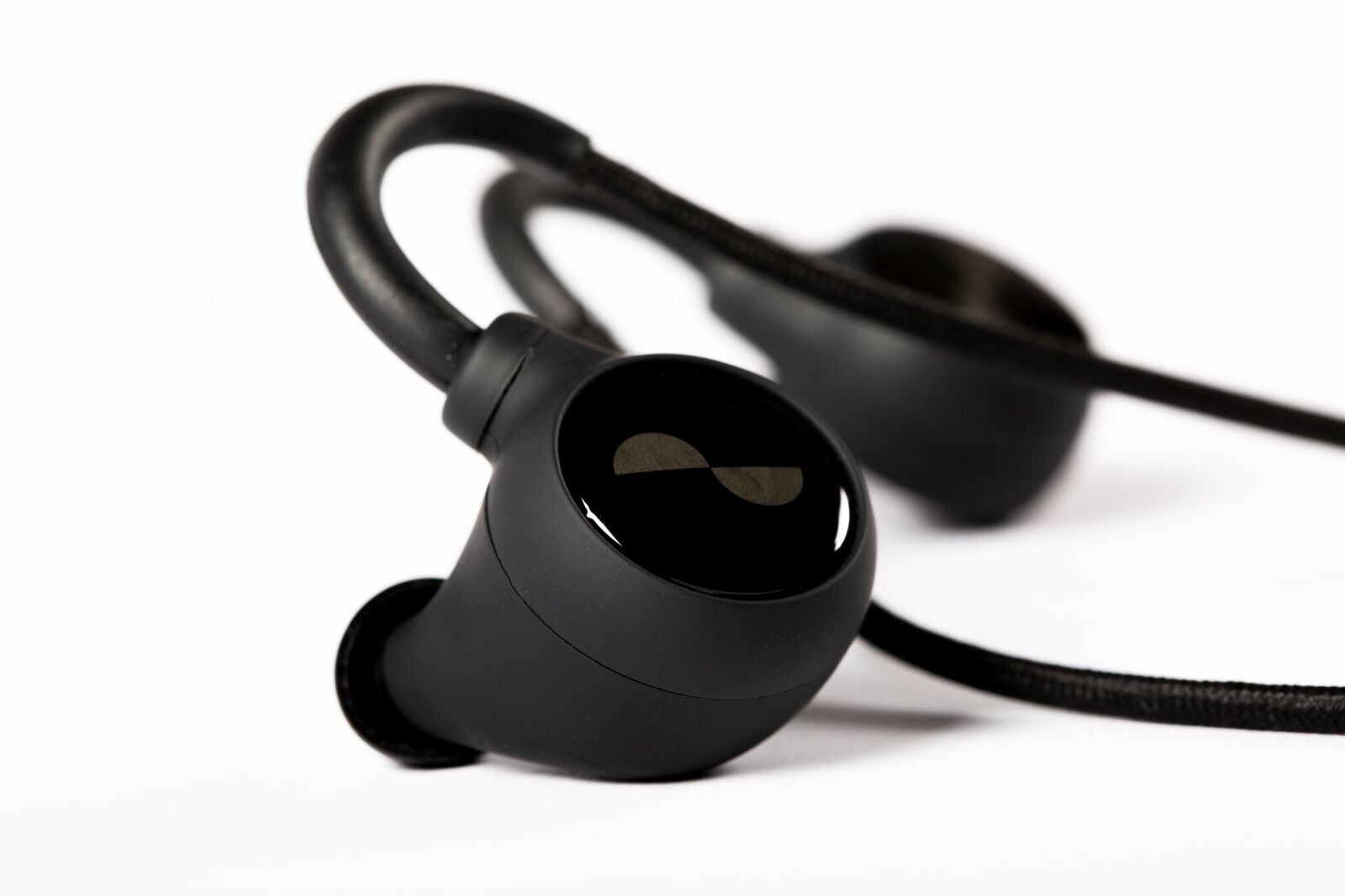
Nura brings its adaptive headphone tech to bluetooth earbuds

I really dug the Nuraphones. A lot. In fact, I was so impressed with the headphones’ adaptive noise technology I ended up putting them on my of the year list back in 2017. As such, I was pretty psyched to seen the Australian startup back at CES with a followup.

The NuraLoop are the next logical step for the company, putting that technology into a pair of earbuds. It makes sense, really — the original headphones had earbuds positioned inside a pair of on-ear headphones. But the buds were really doing most of the heavy-lifting, with the cups providing addition bass.

Setup is the same as with the over-ear models, using the app to essentially take a digital image of your unique hearing profile and tweak their sound accordingly. Even if you’ve already set it up for the larger models, you’ll still need to go through the process again, as the architecture is a bit different here.

The outside of the buds feature a touch control mechanism for interacting with the device. The models should ship in both wired and wireless models, with the latter offering exceptional battery life, according to the company.

We’ve got to take Nura’s word for it here, however. The company will be showing off a prototype model later this week. The final version should ship in May, priced at around half the larger model. Color me intrigued.

07 Jan 2019

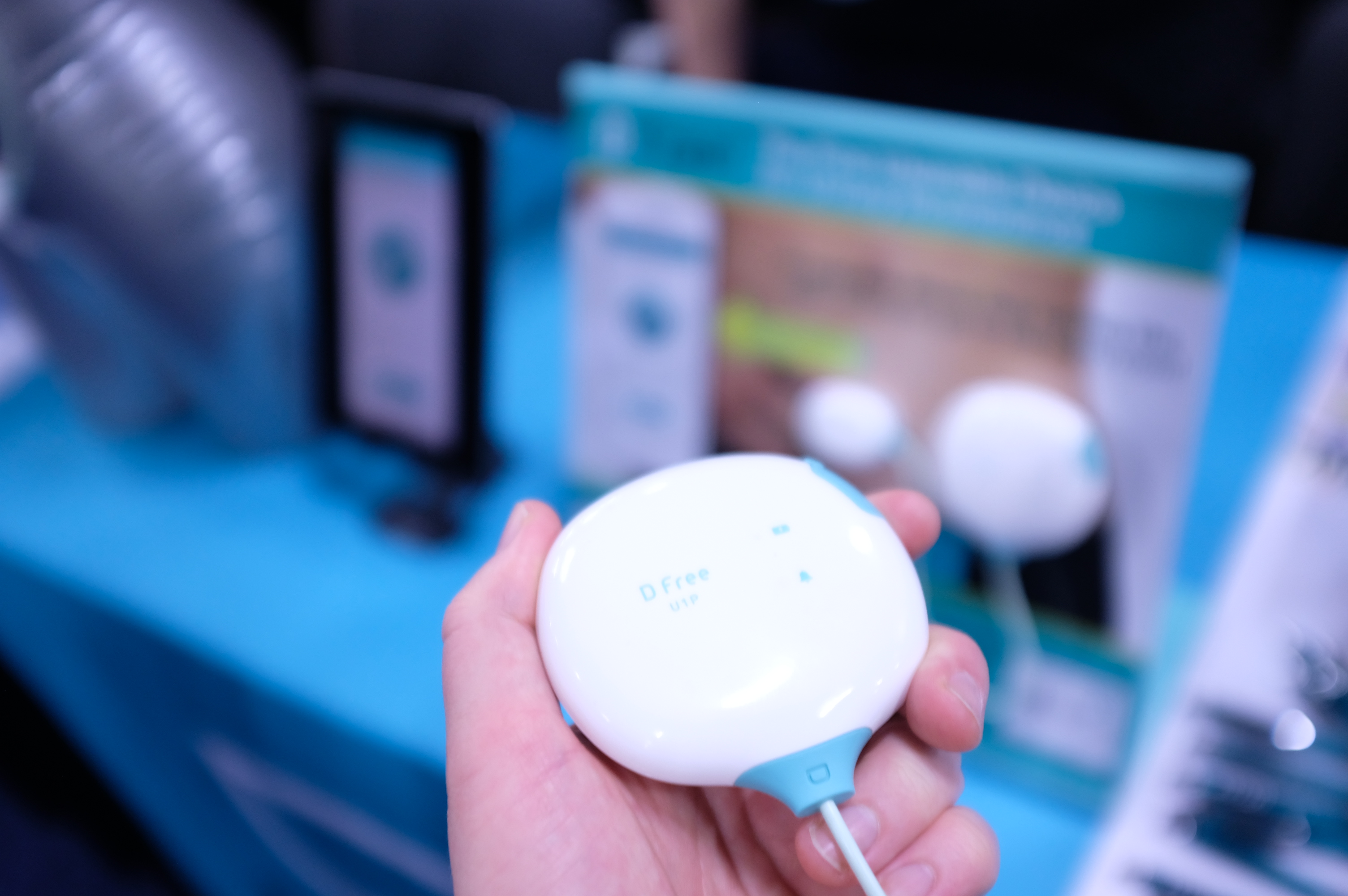
D Free knows when it’s time to pee

Just when you think you’ve seen every kind of wearable there is to see, the D Free comes along in all it its urinary glory. The little plastic sensor attaches to your belly, with a little gel and some medical tape.

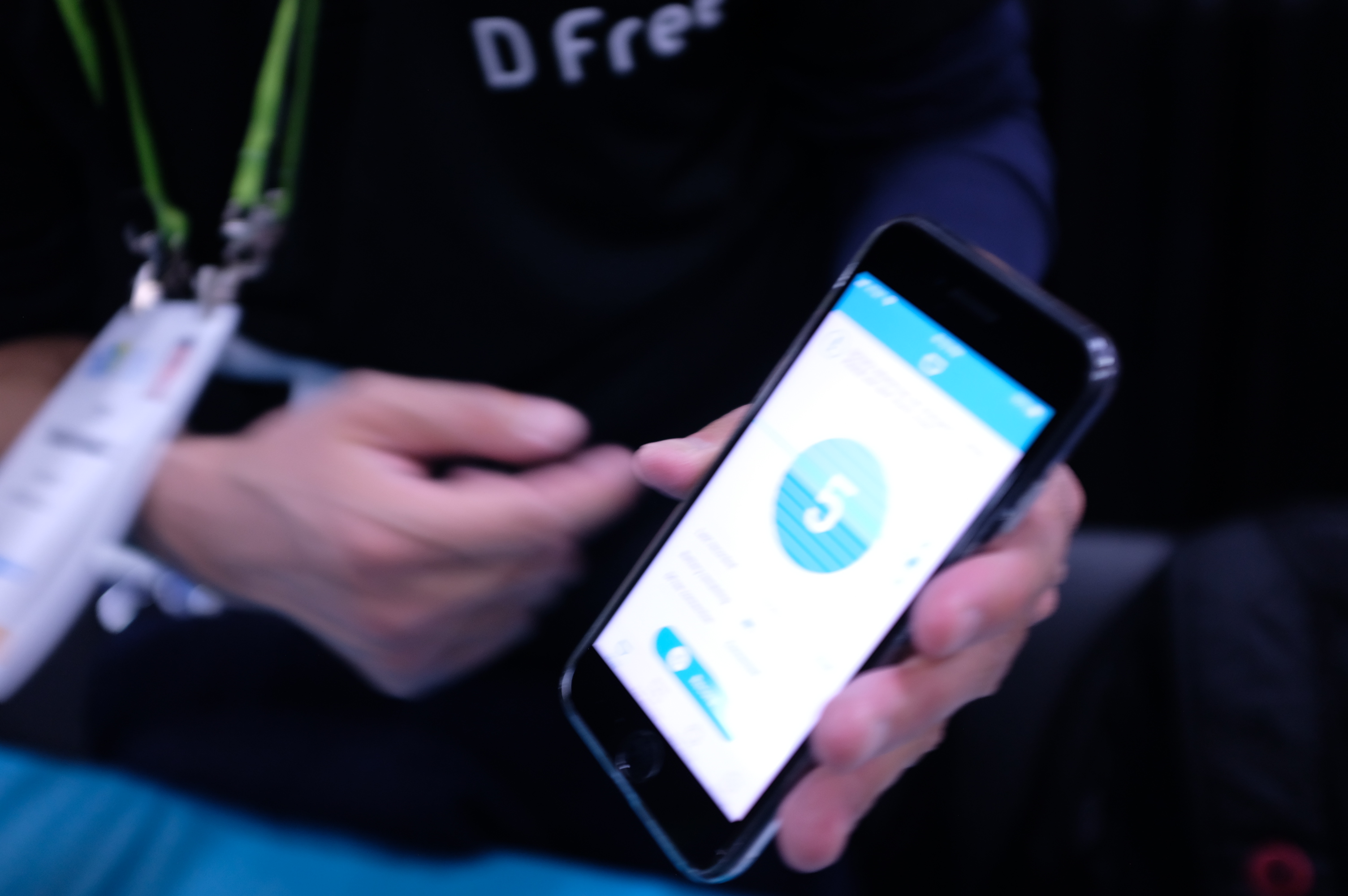
Once attached, the system uses ultrasound to determine how full your bladder is. It then sends that information wirelessly to a connected smartphone, showing you the capacity on a scale of 1 to 10.

So, why, precisely would one need that information, when our bodies are fine-tuned to, uh, let us know when it’s time to go? Well, I’m glad you asked, dear reader.

The device is targeted at elderly users who have might have some trouble knowing when to head to the restroom. Everyone’s bladder is different, of course, so so may want to head things off at the pass when the number gets to around five or six on the scale. The battery should get a full 24 four hours after a four hour charge.

The D Free is available now, but it’s pretty pricey. The system costs $40 a month to rent, or you can go ahead and buy it outright for $500. A small price to pay, perhaps, for knowing when it’s time to go. 

07 Jan 2019

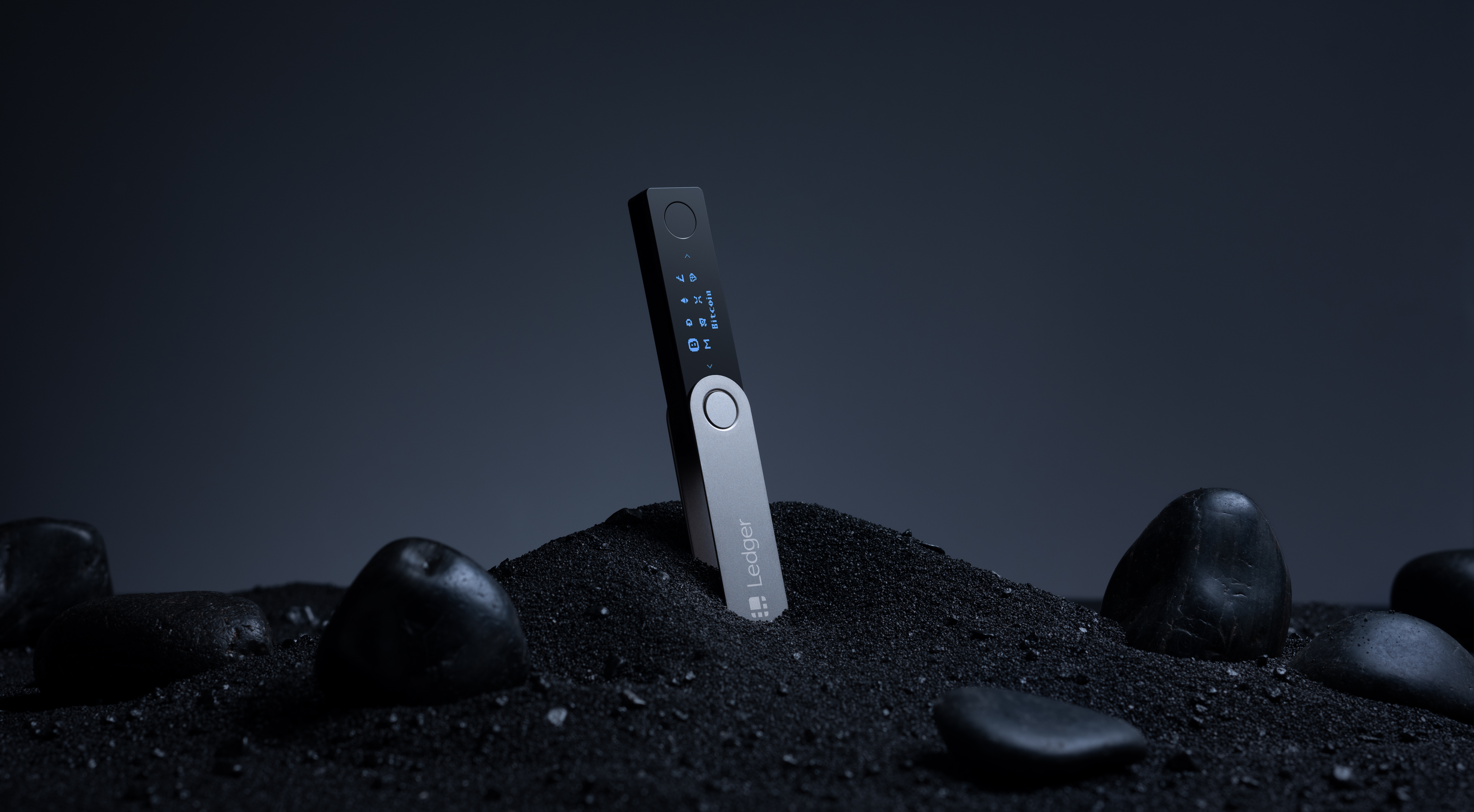
Ledger announces next-generation cryptocurrency hardware wallet

French startup Ledger unveiled its new hardware wallet to manage your cryptocurrencies. The Ledger Nano X is a Bluetooth-enabled wallet, which means that you’ll be able to send and receive tokens from your phone.

The previous version of the device required you to plug the key to your computer using a microUSB cable in order to execute an order. Switching to Bluetooth and opening it up to smartphones is the next logical step.

Ledger is going to launch a full-fledged mobile app called Ledger Live. You’ll find the same features as the ones in the desktop app. You’ll be able to install new apps, check your balances and manage transactions.

The app will be available on January 28th and existing Ledger users will be able to check their balances in read-only mode thanks to public addresses (in case you’re not using Spot). Ledger has sold 1.5 million Ledger Nano S so far. And it sounds like other companies will be able to build mobile apps that work with your Nano X.

The Nano X looks more or less like the Nano S. It’s a USB key-shaped device with a screen and a couple of buttons. The screen is now slightly bigger.

One of the main issues with the Nano S is that you were limited to 18 different cryptocurrencies. You can now store up to 100 different crypto assets on the Nano X — the device supports 1,100 different tokens overall.

Just like other Ledger devices, the private keys never leave your Ledger wallet. It means that even if your computer or mobile phone get hacked, hackers won’t be able to grab your crypto assets.

The company is presenting the new device at CES, I’ll try to play with it to see how it works when it comes to pairing, battery life, etc.

07 Jan 2019

Netatmo announces HomeKit doorbell that doesn’t require a subscription

Netatmo is announcing its first new product following its acquisition by Legrand — and it’s a connected doorbell. The company says that it is the first Apple HomeKit compatible doorbell but other companies could still beat Netatmo by releasing their product sooner.

If you’ve been thinking about getting a connected doorbell, the main issue is that Ring, August and other brands require a subscription to store video footage and more advanced feature. Netatmo doesn’t want to get in the subscription business and lets you access all features without a subscription.

The doorbell is called the Netatmo Smart Video Doorbell — a very descriptive name that is going to work well in search engines. It requires a standard doorbell wire and connects to your Wi-Fi network. When somebody presses the button, you receive a notification on your phone and can view the video feed. You can press a button and talk to the person if you’re not home.

It also acts as an outdoor security camera by alerting you if somebody is in front of your house. You receive a “person detected” notification and can talk to the intruder. It also works in the dark using infrared. In other words, it can replace your Netatmo Presence security camera.

Video footage is stored on a microSD card on the device. The company never stores video on its servers, which is a big advantage if you care about privacy. You can optionally configure the device to automatically upload videos to your Dropbox account or a standard FTP server.

The doorbell is compatible with IFTTT and HomeKit. This way, you can view your camera from the Home app on your iPhone or Mac and you can create chained events. For instance, you can turn on your Philips Hue lights if somebody is detected outside your home.

The device will be available at some point during the second half of 2019. Pricing hasn’t been announced yet.