Year: 2019

05 Dec 2019

Review: Driving the track-ready, race-banned McLaren Senna GTR

The McLaren Senna GTR shouldn’t exist.

This feat of engineering and design isn’t allowed on public roads. It’s built for the track, but prohibited from competing in motorsports. And yet, the GTR is no outlier at McLaren. It’s part of their Ultimate Series, a portfolio of extreme and distinct hypercars that now serve as the foundation of the company’s identity and an integral part of their business model.

The P1, introduced in 2012, was McLaren Automotive’s opening act on the hypercar stage and was an instant success for both the brand and its business. McLaren followed it up with the P1 GTR, then went on to chart a course toward the Ultimate Series of today and beyond.

Since 2017, the automaker has added the Senna, Speedtail, Senna GTR and now the open-cockpit Elva to the Ultimate Series portfolio. While the GTR is certainly the most extreme and limited in how and where it can be used, it follows a larger pattern of the Ultimate Series as being provocatively designed with obsessive intent.

Automotive takes the wheel

Purpose-built race cars that call on every modern tool of engineering and design have historically been produced for one purpose: winning. This objective, nourished by billions of dollars of investment from the motorsports industry, has led to technological and performance breakthroughs that have eventually trickled down to automotive.

The pipeline that has produced a century of motorsports-driven innovation is narrowing as racing regulations become more restrictive. Now, a new dynamic is taking shape. Automotive is taking the technological lead.
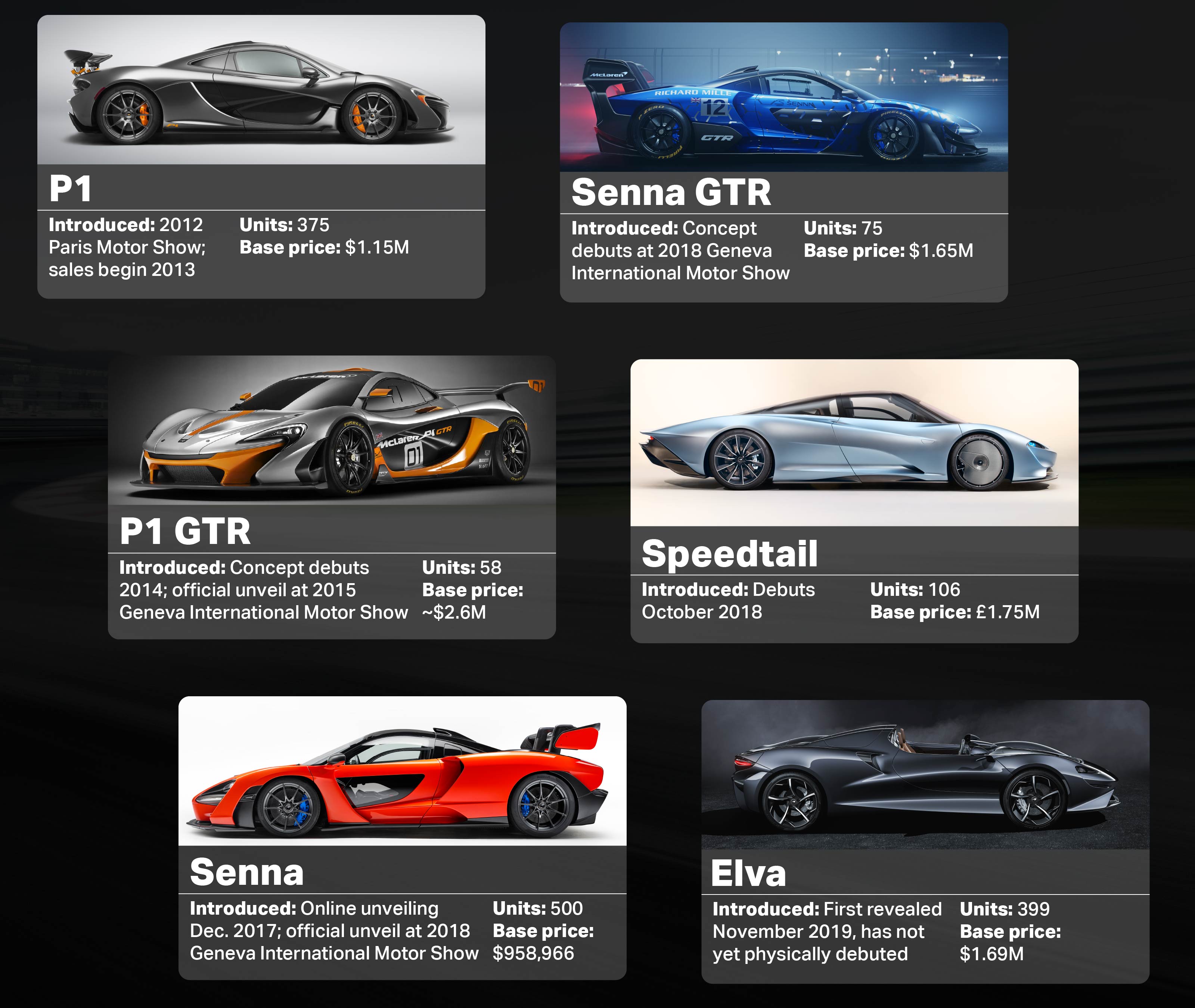
mclaren-car-stats-final

Take the McLaren Senna road car, the predecessor to the GTR. McLaren had to constrain the design of the Senna to make it road legal. But the automaker loaded it with active aerodynamics and chassis control systems that racing engineers could only dream about.

McLaren wasn’t finished. It pushed the bounds further and produced a strictly track-focused and unconstrained race car that expands upon the Senna’s lack of conformity. The Senna GTR might be too advanced and too fast for any racing championship, but McLaren said to hell with it and made the vehicle anyway.

The bet paid off. All 75 Senna GTR hypercars, which start at $1.65 million, sold before the first one was even produced.

The Senna GTR is the symbol of a new reality — a hypercar market that thrives on the ever-more-extreme, homologation standards be damned.

Two weeks ago, I had a chance to get behind the wheel of the Senna GTR at the Snetterton Circuit in the U.K. to find out how McLaren went about developing this wholly unconstrained machine.

Behind the wheel

Rr-rr-rr-kra-PAH! The deafening backfire of the GTR’s 814-horsepower 4.0-liter twin-turbo V8 engine snapped me to attention and instantly transported me to the moment earlier in the day that provided the first hints of what my drive might be like.

Rob Bell, the McLaren factory driver who did track development for the GTR, was on hand to get the car warmed up. Shortly after he set out, the car ripped down the front-straight, climbing through RPMs with an ear-protection-worthy scream that reverberated off every nearby surface, an audible reminder of how unshackled it is.

As Bell approached Turn 1, the rear wing quickly dropped back to its standard setting from the straightaway DRS (drag reduction system) position, then to an even more aggressive airbrake as he went hard to the brakes from 6th gear down to 5th to 4th. The vehicle responded with the signature kra-PAH! kra-PAH! and then promptly discharged huge flames out the exhaust as the anti-lag settings keep a bit of fuel flowing off-throttle.

I thought to myself, ‘Holy sh*t! This thing is no joke!’
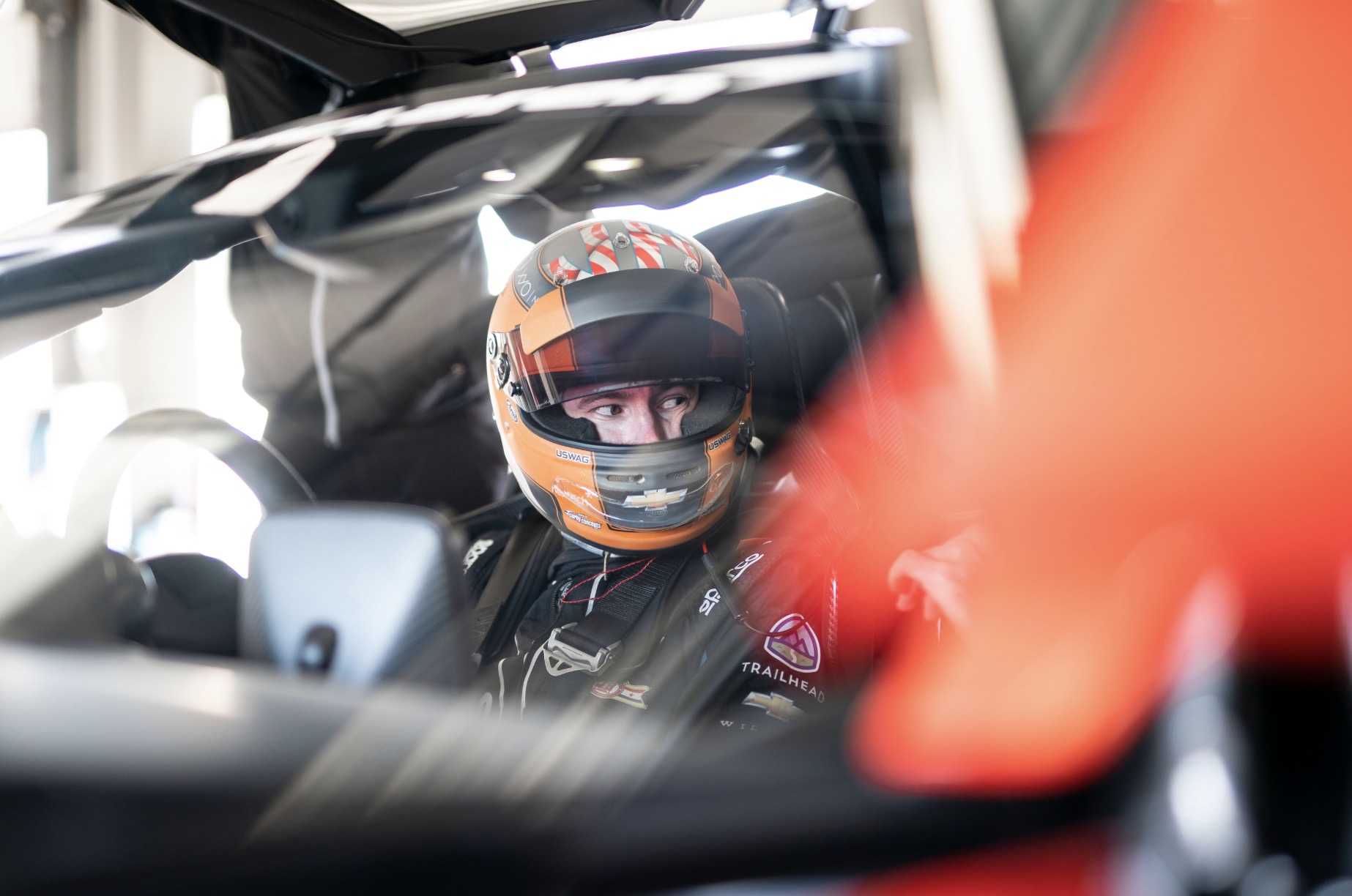
McLaren Senna GTR driver

Sliding into the driver’s seat, I feel at home. The cockpit is purposeful. The track was cold with some damp spots, and the GTR is a stiff, lightweight race car with immense power on giant slick tires. Conventional wisdom would suggest the driver — me in this case — should slowly work up to speed in these otherwise treacherous conditions. However, the best way to get the car to work is to get temperature in the tires by leaning on it a bit right away. Bell sent me out in full “Race” settings for both the engine and electronic traction and stability controls. Within a few corners — and before the end of the lap — I had a good feel for the tuning of the ABS, TC and ESC, which were all intuitive and minimally invasive.

As a racing driver, it’s rare to feel a tinge of excitement just to go for a drive. As professionals, driving is a clinical exercise. But the GTR triggered that feeling.

I started by pushing hard in slower corners and before long worked my way up the ladder to the fast, high-commitment sections. The car violently accelerated up through the gears, leaving streaks of rubber at the exit of every corner.

Once the car is straight, drivers can push the DRS button to reduce drag and increase speed for an extra haptic kick. The DRS button is now a manual function on the upper left of the steering wheel to give the driver more control over when it’s deployed. After hitting the DRS, the car dares you to keep your right foot planted on the throttle, then instantly hunkers down under braking with a stability I’ve rarely experienced.McLaren Senna GTR drive

The active rear wing adds angle while the active front flaps take it out to counterbalance the effect of the car’s weight shifting forward onto the front axle, letting you drive deeper and deeper into each corner. It’s sharply reactive; the GTR stuck to the road, but still required a bit of driving with my fingertips out at the limit on that cold day. I soon discovered that the faster I went, the more downforce the car generated, and the more speed I was able to extract from it.

Tip to tail

In almost any other environment, the Senna road car is the most shocking car you’ve ever seen. Its cockpit shape is reminiscent of a sci-fi spaceship capsule. The enormous swan neck-mounted rear wing is one highlight in a long list of standout features. The Senna road car looks downright pedestrian next to the GTR.

McLaren Senna GTR doors

The rear wing stretches off the back of the car with sculpted carbon fiber endplates and seamlessly connects to the rear fender bodywork. The diffuser that emerges from the car’s underbody — creating low pressure by accelerating the airflow under the car for added downforce — is massive. The giant 325/705-19 Pirelli slicks are slightly exposed from behind, giving you the full sense of just how much rubber is on the ground, and the sharp edges of the center exit exhaust tips are already a bluish-purple tint.

The cockpit shape and dihedral doors are instantly recognizable from the road car. But inside, the GTR is all business. The steering wheel is derived from McLaren’s 720S GT3 racing wheel, a butterfly shape with buttons and rotary switches aplenty. The dash is an electronic display straight out of a race car; six-point belts and proper racing seats complete the aesthetic.
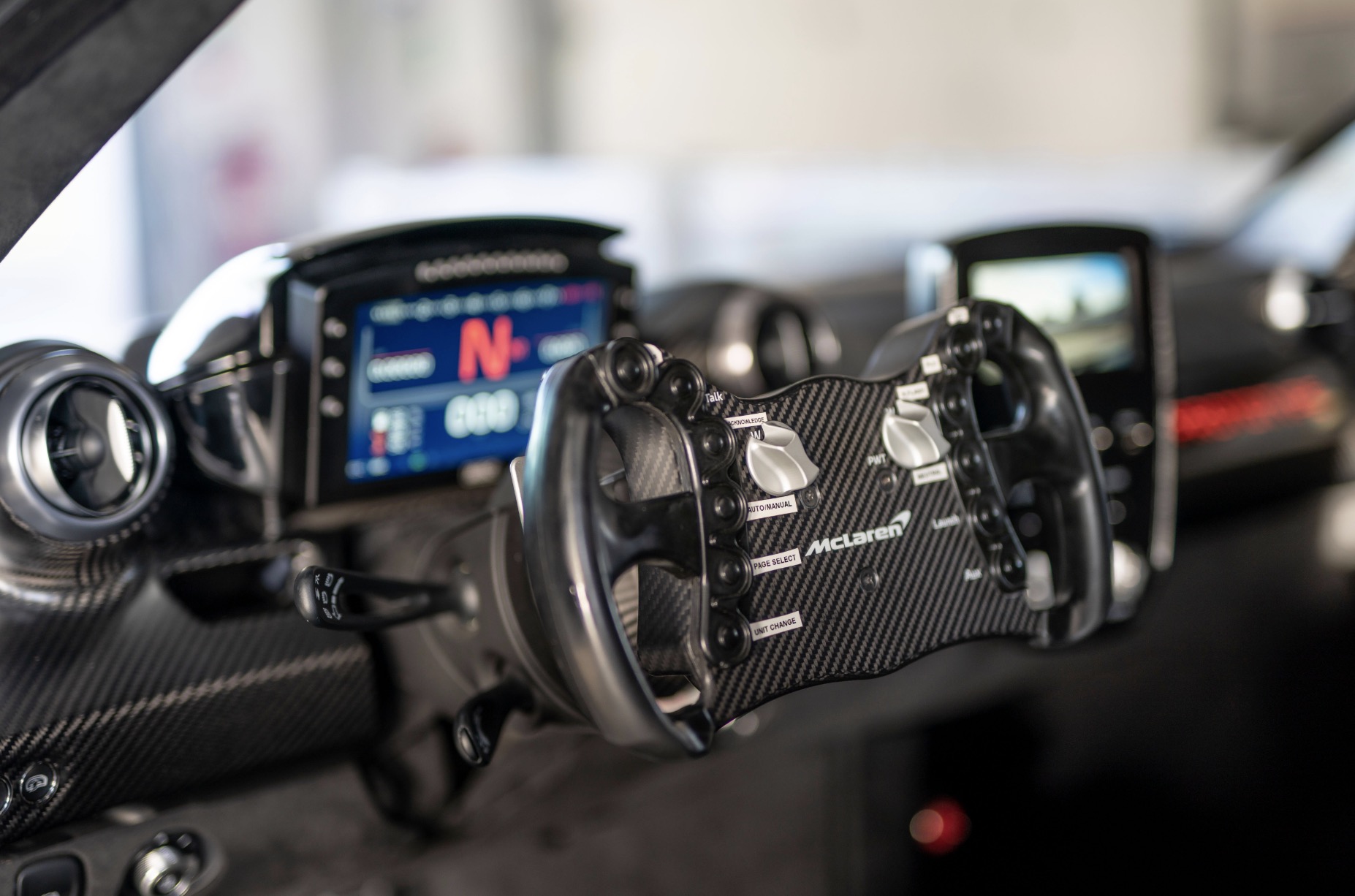
McLaren Senna GTR cockpit

Arriving at the front of the car, the active front wing-flaps are as prominent as ever, while the splitter extends several inches farther out in front of the car and is profiled with a raised area in the center to reduce pitch sensitivity given the car’s much lower dynamic ride-height. In fact, nearly the entire front end of the car has been tweaked; there are additional dive-planes, the forward facing bodywork at the sides of the car have been squared-off and reshaped, and an array of vortex generators have been carved into the outer edge of the wider, bigger splitter surface.

All of these design choices in the front point to the primary area of development from the Senna road-car to the GTR: maximizing its l/d or ratio of lift (in this case the inverse of lift, downforce) to drag.

McLaren pulled two of its F1 aerodynamicists into the GTR project to take the car’s aero to a new level. The upshot: a 20% increase in the car’s total downforce compared to the Senna road car, while increasing aero efficiency — the ratio of downforce to drag — by an incredible 50%. The car is wider, lower and longer than its road-going counterpart, and somehow looks more properly proportioned with its road-legal restrictions stripped away to take full advantage of its design freedom.

McLaren Senna GTR back

This was the car the Senna always wanted to be.

The development process of the GTR was short and to the point. When you have F1 aerodynamicists and a GT3 motorsport program in-house attacking what is already the most high-performing production track car in the industry, it can be. There were areas they could instantly improve by freeing themselves of road-car constraints — the interior of the car could be more spartan; the overall vehicle dimensions and track width could increase; the car would no longer need electronically variable ride heights for different road surfaces so the suspension system could be more purposeful for track use; the car would have larger, slick tires.

All this provided a cohesive mechanical platform upon which to release the aerodynamic assault of guided simulation and CFD.

Senna GTR CFD1 aero side

The GTR benefits from the work of talented humans and amazing computer programs working together with a holistic design approach. What was once a sort of invisible magic, aerodynamics has become a well-understood means of generating performance. But you still have to know what you’re seeking to accomplish; the priorities for a car racing at Pikes Peak are much different than those of a streamliner at Bonneville.

The development team for the GTR sought to maximize the total level of downforce that the tires could sustain, then really kicked their efforts into gear to clean up airflow around the car as much as possible. Many of the aggressive-looking design elements that differentiate the GTR from the Senna are not just for additional downforce but to move air around the car with less turbulence — less turbulent air means less drag. You can’t see it or feel it, but it certainly shows up on the stopwatch, and is often the difference between a car that just looks fast and one that actually is.

I hadn’t asked how fast the car was relative to other GT race cars before I drove it. I think a part of me was fearful that despite its appearance and specs it might be wholly tuned down to be sure it was approachable for an amateur on a track day. And that would make sense, as that’s the likely use-case this car will have. After driving the GTR, I didn’t hesitate for a second to ask, to which they humbly said that it’s seconds faster than their own McLaren 720S GT3 car, and still had some headroom.The Senna GTR is another exercise in exploring the limits of technology, engineering and performance for McLaren, enabled by a market of enthusiasts with the means to support it. And this trend is likely to continue unless motorsports changes the rules to allow hypercars.

McLaren’s next move

The Automobile Club de l’Ouest, organizers of the FIA World Endurance Championship, which includes the 24 Hours of Le Mans, has been working for years to develop regulations that could include them. While these discussions are gaining momentum, it remains to be seen whether motorsport can provide a legitimate platform for the hypercar in the modern era.

The last time this kind of exercise was embarked on was more than 20 years ago during the incredible but short-lived GT1-era at Le Mans that spanned from 1995 to 1998. It saw McLaren, Porsche, Mercedes and others pull out all the stops to create the original hypercars — in most cases comically unroadworthy homologation specials like the Porsche 911 GT1 Strassenversion (literally “street version”) and Mercedes CLK GTR — for the sole purpose of becoming the underpinnings of a winning race car on the world’s stage.

At that time, the race cars made sense to people; the streetcars were misfits of which only the necessary minimum of 25 units were produced in most cases, and the whole thing collapsed due to loopholes, cost, politics and the lack of any real endgame.

Today, the ACO benefits from a road-going hypercar market that McLaren played a key role in developing. Considering McLaren’s success with hyper-specific specialized vehicles in recent years, I’d bet the automaker could produce a vehicle custom-tailored to a worthy set of hypercar regulations. Even if not, McLaren will continue to develop and sell vehicles under its Ultimate Series banner.

And there’s already evidence that McLaren is doubling down. 

McLaren Elva

McLaren shows off the open cockpit Elva.

McLaren’s Track 25 business plan targets $1.6 billion in investment toward 18 new vehicles between 2018 and 2025. The company’s entire portfolio will use performance-focused hybrid powertrains by 2025.

The paint had barely dried on the Senna GTR before McLaren introduced another new vehicle, the Elva. And more are coming. McLaren is already promising a successor to the mighty P1. I, for one, am looking forward to what else they have in store.


05 Dec 2019

Elizabeth Warren is reportedly drafting legislation to allow gig workers to unionize

A key ask from gig workers this year has been the right to unionize. Now, Senator and presidential candidate Elizabeth Warren is reportedly drafting a bill that would enable gig workers to do just that, CNBC reports.

In collaboration with Congressperson David Cicilline, the legislation would also ban “mega mergers” between companies where one has more than $40 billion in annual revenue or both have at least $15 billion in annual revenue.

Leading up to the legalization California Assembly Bill 5, gig workers demanded better pay, basic workplace protections and the right to organize through unions. Now that AB-5 has been signed into law, it will legally be harder for companies to classify gig workers as 1099 independent contractors if challenged in court. However, gig workers still want the right to form unions.

Following the passage of AB-5, rideshare driver and Gig Workers Rising member Edan Alva said unions are critical. AB-5, he said, is only the beginning. On top of that, AB-5 is only specific to California. What Warren is reportedly proposing would cover the entire nation.

TechCrunch has reached out to Warren and will update this story if we hear back.

05 Dec 2019

Niantic is working with Qualcomm on augmented reality glasses

We’ve known for a while that Pokémon GO creator Niantic feels a bit limited in what it can do with augmented reality today.

Between the latency limitations of 4G cellular networks and the need for players to wave a smartphone around to do anything in AR, the tech just isn’t where Niantic wants it to be. As I wrote in a profile of Niantic back in April, the company has been focusing a ton of its efforts on what’s possible as things like 5G and AR glasses become more readily available. Niantic CEO John Hanke is betting on AR glasses being the thing after smartphones.

It makes sense, then, that Niantic is working with Qualcomm to build 5G-ready AR glasses.

Early this morning, Qualcomm announced XR2, a new chipset platform built specifically to power augmented reality and virtual reality devices.

Shortly thereafter, Niantic CTO Phil Keslin took the stage to announce that they’ve joined Qualcomm in a “multi-year collaboration” on this project.

So what does that actually mean?

Immediately, not a ton. You’re not going to be booting up Pokémon GO on a pair of Qualcomm/Niantic AR glasses this Christmas.

Moving forward, though, it means that Niantic will be working with Qualcomm to flesh out the reference hardware for augmented reality glasses, helping them figure out exactly what it needs to do.

Meanwhile, Niantic will be tuning its Real World Platform (the architecture that powers all of its existing games, and which they’re slowly opening up to third parties) to make it play friendly with XR2. Niantic has quietly been designing any architecture its built over the last few years to ultimately be compatible with AR glasses — now they’re committing to compatibility with a specific chip, making things a bit more real. Once the tech is ready, says Keslin, it’ll all be rolled into the Real World Platform and made available to anyone in the Niantic Creator Program (which the company says should launch sometime in 2020.)

Qualcomm is a pretty solid company to partner with, here; they’re by no means strangers to the world of AR. They’ve been working on chips purpose-built for AR/VR for well over a year now, beginning with the introduction of the XR1 platform back in May of last year. They were amongst the first to really go deep on building a development platform for augmented reality with the launch of the Vuforia SDK… though they sold that project off in 2015 to focus on chips like these.

05 Dec 2019

NFL-AWS partnership hopes to reduce head injuries with machine learning

Today at AWS re:Invent in Las Vegas, NFL commissioner Roger Goodell joined AWS CEO Andy Jassy on stage to announce a new partnership to use machine learning to help reduce head injuries in professional football.

“We’re excited to announce a new strategic partnership together, which is going to combine cloud computing, machine learning and data science to work on transforming player health and safety,” Jassy said today.

NFL football is a fast and violent sport involving large men. Injuries are a part of the game, but the NFL is hoping to reduce head injuries in particular, a huge problem for the sport. A 2017 study found that 110 out of 111 deceased NFL players had chronic traumatic encephalopathy (CTE).

The NFL has a head start in machine learning due the sheer amount of data it collects on its players. The sport also has decades of video. That means they should be able to create meaningful simulations that can help improve helmet design and also lead to rule changes that could reduce the concussion risk that is endemic in the sport.

Goodell recognizes that the sport has all this data, but lacks the expertise to put it to work. That’s where the partnership comes in. “I think what’s most exciting to me is that there are very few relationships that we get involved with where the partner and the NFL can change the game,” he said.

Jeff Miller, executive VP for Health and safety innovation for the NFL says this partnership is part of a broader initiative the NFL has taken over the last few years to find ways to reduce head injuries in the game. “About three and a half years ago the NFL started a project called ‘The Engineering Roadmap’, which was a multibillion dollar effort supported by our owners to better understand the impact of concussions on the field, then design ways to mitigate those injuries and move the helmet industry forward,” Miller said today.

Jeff Crandall, chairman of the NFL engineering committee says this involves three main pieces. The first is understanding what happens on the field, particularly who is getting injured and why. Secondly, it involves taking that data and sharing it with helmet industry to help them build better helmets. The final piece is incentivizing the helmet industry to build better helmets, and to that end the league established the $3 million dollar helmet challenge.

The way AWS helps is of course putting all this data to work with its machine learning toolset. AWS’ VP of artificial intelligence, Matt Wood says that having all this data is a huge advantage and allows them to put it to work in a data lake, and then use the AWS SageMaker toolset to help make sense of it and produce safer outcomes.

The hope is to help understand, not only how head injuries occur, and to prevent them to the extent possible in a violent sport, but also design better equipment and rule changes to reduce the number of injuries overall. Putting data to work and combining it with machine learning tools could help.

05 Dec 2019

Gift Guide: Gifts for the promising podcaster

Welcome to TechCrunch’s 2019 Holiday Gift Guide! Need help with gift ideas? We’re here to help! We’ll be rolling out gift guides from now through the end of December. You can find our other guides right here.

Spotify reportedly spent nearly $500 million on podcasts in 2019. The good news is that the rest of us can get into that world for considerably less. In fact, the low barrier of entry has always been one of podcasting’s primary selling points.

Before we go any further, I’d recommend everyone check out our on-going series “How I Podcast,” in which top podcasters give a peek behind the curtain at their podcasting rigs. The standard disclaimer applies here, as ever: there’s no one size fits all solution to any of this. One’s needs will vary greatly depending on how much you’re willing to spend and what the recording setup is (remote vs. in-person, the number of guests you usually have, etc.)

If you’re just getting started, just start. You don’t need high end mics or mixing boards — even if you’re just recording into your iPhone, it’s better to get the ball rolling than to worry about perfect fidelity right off the bat.

But for you or anyone on your list who’s looking to get a bit more serious about podcasting in 2020, this should be a good place to start. It’s easier than ever to make a show sound professional, one upgrade at a time. What follows is a selection of software and gear for anyone looking to step up their game.

(Oh, and while we’re talking about podcasts… check out my weekly interview show, RiYL)

Zencastr Subscription $20/month

There are a ton of different compelling software choices for today’s podcaster, including Spotify’s Anchor for real beginners, up to Adobe’s Premier for the pros. For remote recorders, I recommend Zencastr. Our own Original Content podcast uses the software, and I’ve had pretty good experiences with its real-time audio levels and cloud-based recording. Gone are the days of hacking something together out of Skype calls.

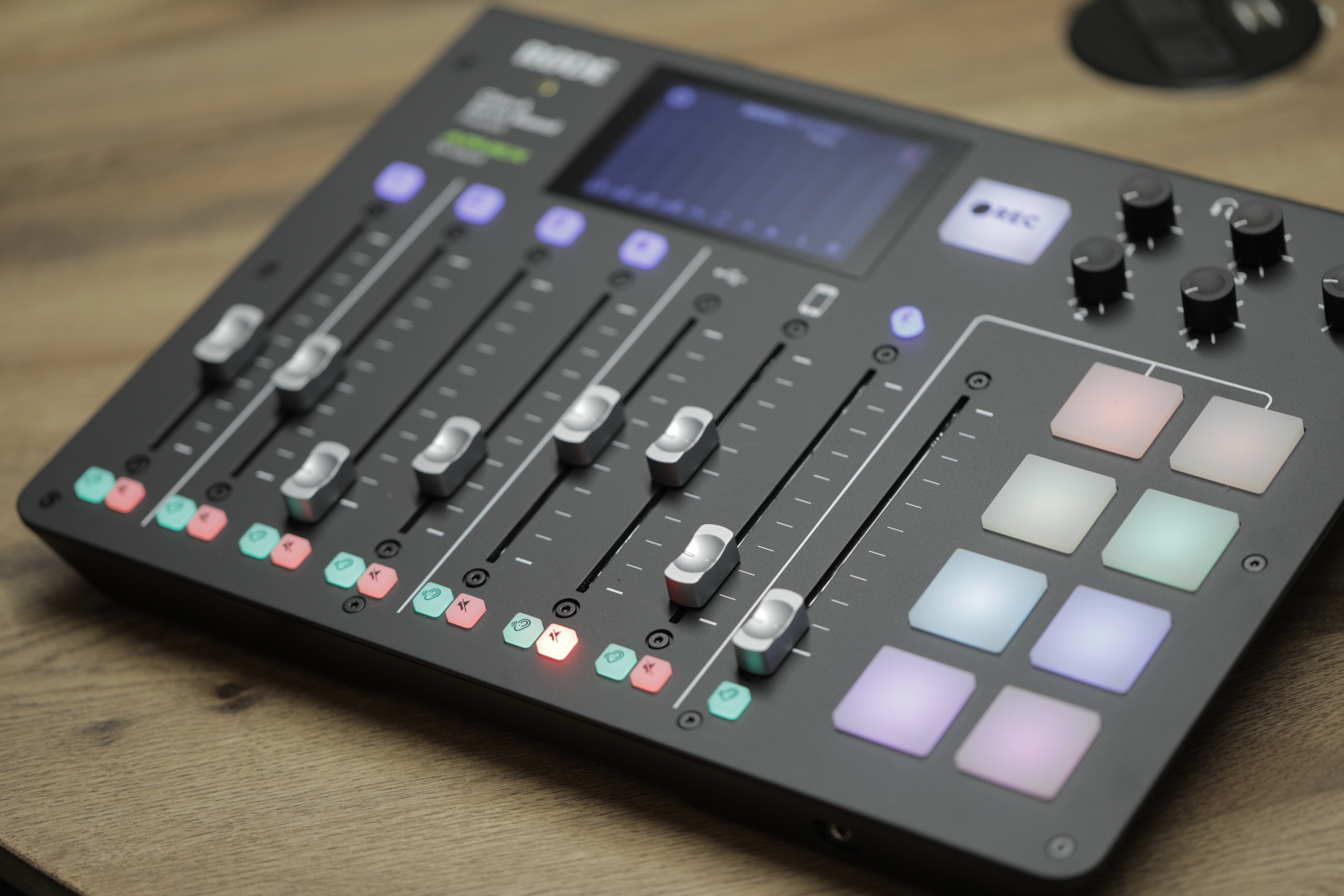
Rodecaster Pro $599

Introduced last year, the Rodecaster Pro is the most expensive item on the list, but it also just might be the most indispensable for anyone looking to set up an at-home studio. It’s a brilliant little multitrack board, and quite frankly, I’m surprised there isn’t more competition in this space yet. For the beginning podcaster up through everyone who’s ready to sign a contract with NPR, the Rodecaster is a terrific, user-friendly solution for recording more than two people face-to-face.

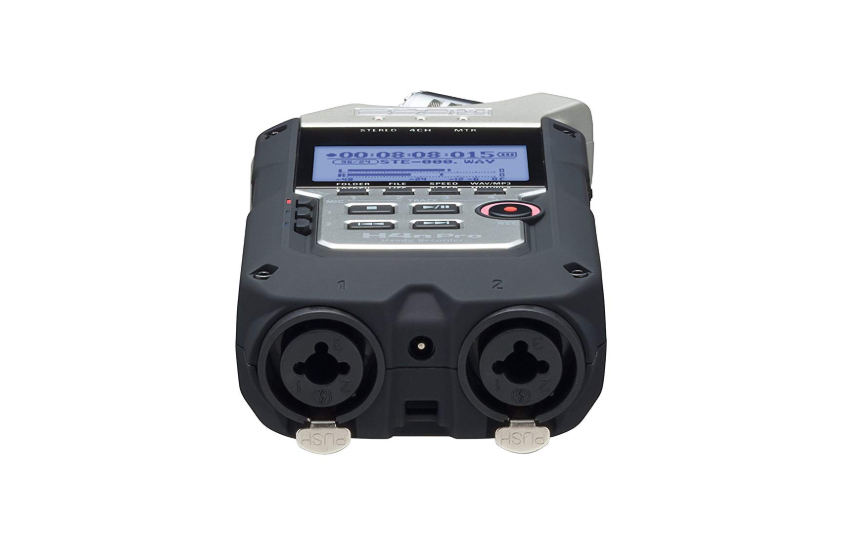
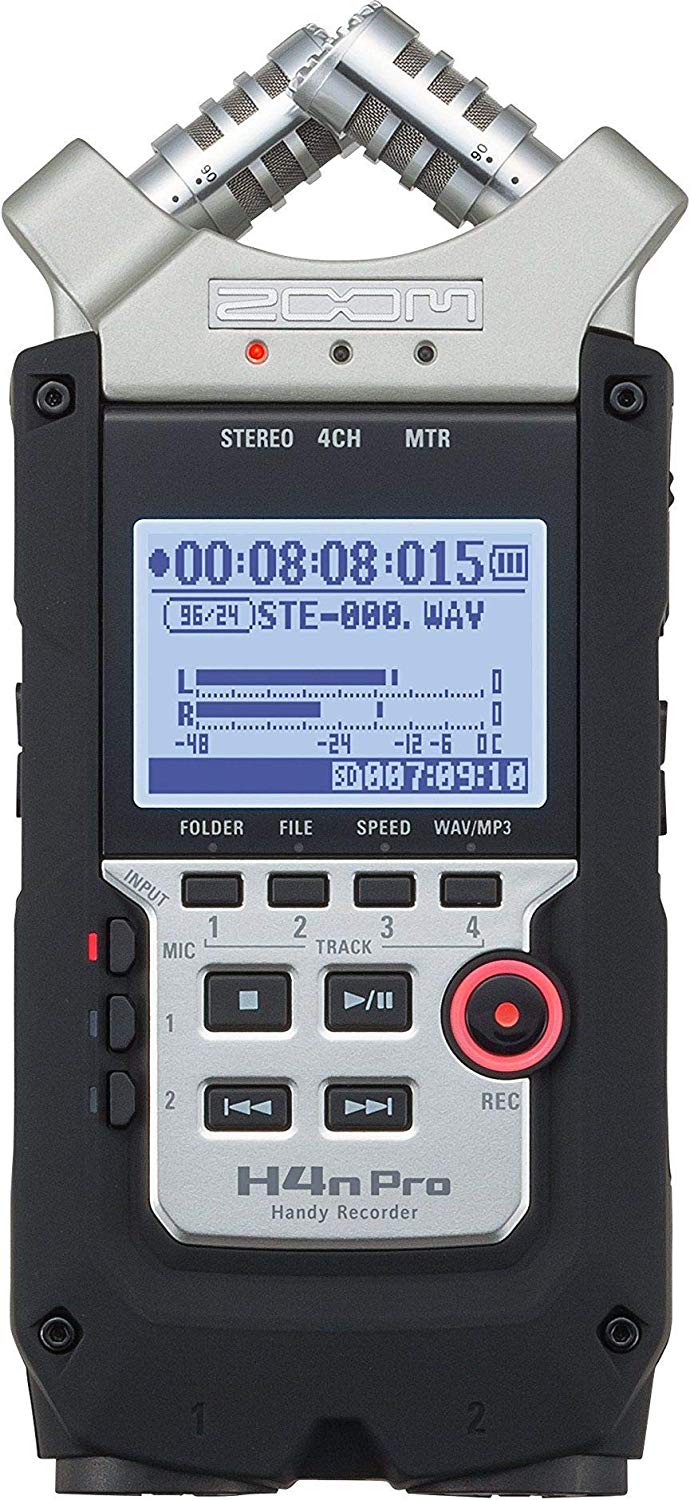
Zoom H4N PRO Digital Multitrack Recorder $200

When my Tascam finally gave up the ghost earlier this year, I decided to try something new. I’m glad I did. While it’s true that most of these multitrack records haven’t changed much in the past decade, Zoom offers a couple of key advantages. Most notable is far better real-time level tracking. I produce my podcast on the fly as I’m recording, and the ability to quickly monitor volume at a glance is paramount. I take the H4N with me wherever I travel, along with a pair of external mics.

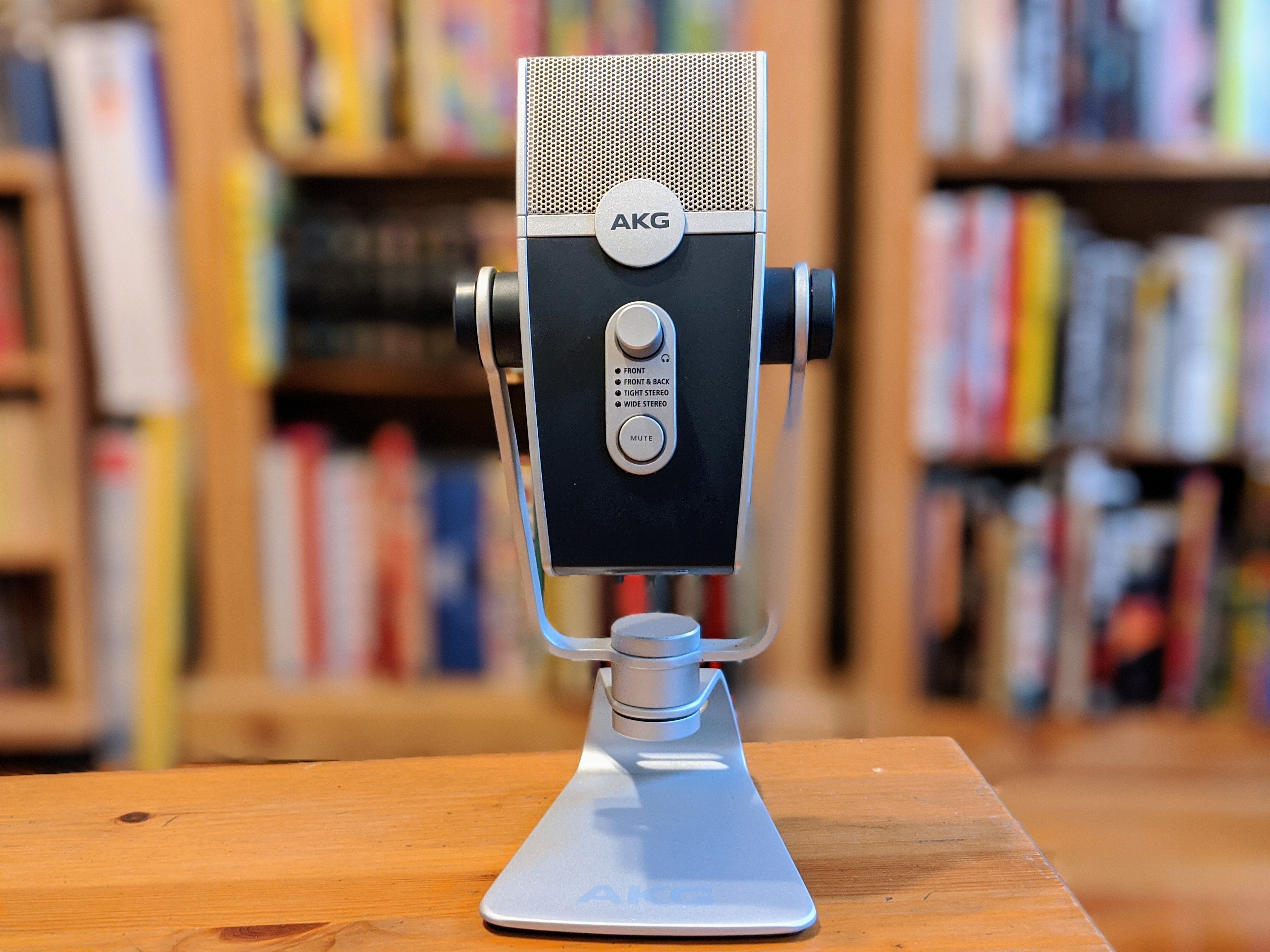
AKG Lyra $149

Logitech’s Blue has had the USB market cornered for some time now, but Samsung-owned AKG offers compelling alternatives at an even more compelling price. The $149 Lyra is certainly the best looking of the bunch. It’s got a USB-C input, real-time monitoring and far clearer settings for a variety of different recording methods. I’ve been playing around with the mic a bit and will offer a more thorough writeup soon, but in the meantime, I can attest that it’s a great sounding mic for remote recordings.

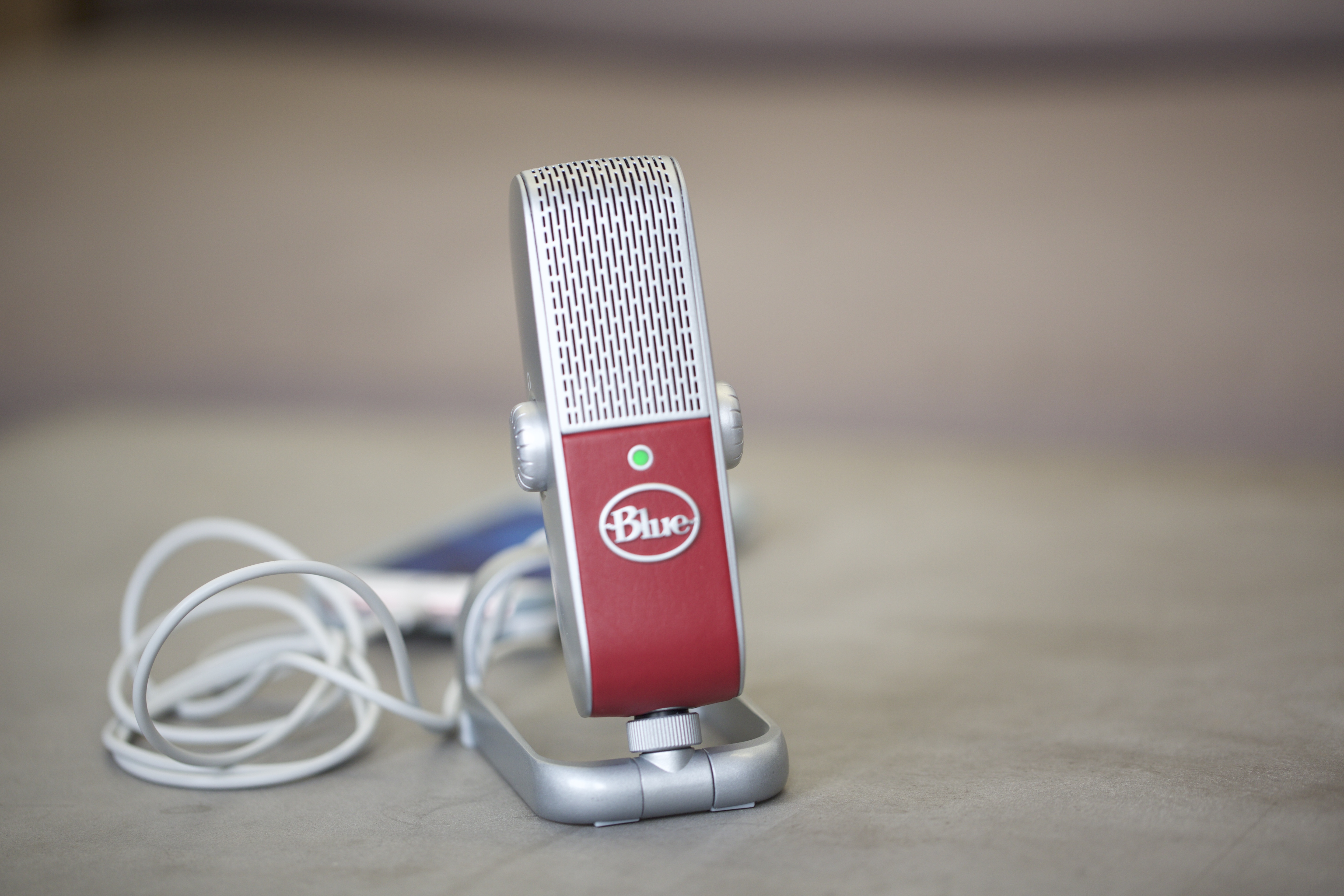
Blue Raspberry $149

The Lyra’s biggest drawback, however, is its size. Blue’s Raspberry can’t compete on the sound front, but it’s far more portable. More than once I’ve found myself sticking it in a backpack and a suitcase. Blue also offers up a mini-version of the Yeti at a fraction of the price, but this older Blue mic simply sounds better.

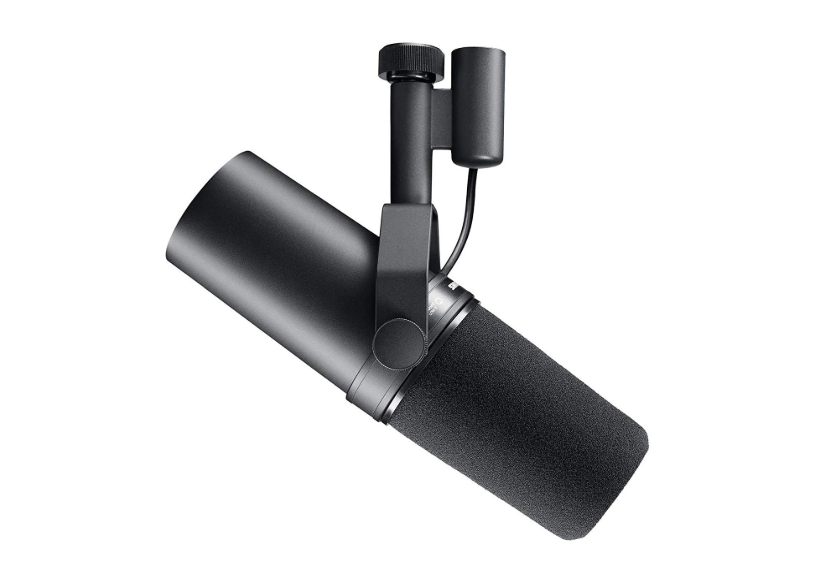
Shure SM7B $399

At about twice the price, the Shure SM7B is a bigger commitment than the previous options. But as the choice of pro-level podcasters all over, Shure’s mics are a studio gold standard. The more portable SM-57s are also a terrific (and lower cost) option for more portable rigs. You’ll get a great sounding show either way.

Sennheiser Momentum $190

Whether it’s for editing or just minimizing echoes during interviews, you’ll want a good pair of headphones. There’s no shortage of over/on-ear options, but I’m partial to these Sennheisers for their combination of sound, price and classic good looks.

05 Dec 2019

New tweet generator mocks venture capitalists

“Airbnb’s unit economics are quite legendary — the S-1 is going to be MOST disrupted FASTEST in the next 3 YEARS? Caps for effect.”

Who Tweeted that? Initialized Capital’s Garry Tan? Homebrew’s Hunter Walk? Y Combinator co-founder Paul Graham? Or perhaps one of the dozens of other venture capitalists active on Twitter .

No, it was Parrot.VC, a new Twitter account and website dedicated to making light of VC Twitter. The creator of the new tool, which first landed on Twitter in late November, fed 65,000 tweets written by some 50 venture capitalists to a machine learning bot. The result is an automated tweet generator ready to spew somewhat nonsensical (or entirely nonsensical) <280-character statements.

[gallery ids="1920794,1920795,1920797,1920806"]

According to Hacker News, where the creator shared information about their project, the bot uses predictive text to generate “amazing, new startup advice,” adding “Gavin Belson – hit me up, this is the perfect acquisition for Hooli,” referencing the popular satirical TV show, Silicon Valley. 

This isn’t the first time someone has leveraged artificial intelligence to make fun of the tech community. One of my personal favorites, BodegaBot, inspired by the Bodega fiasco of late 2017, satirizes Silicon Valley’s unhinged desire to replace domestic service with technology.

05 Dec 2019

Google’s A.I.-powered voice recorder and transcription app comes to older Pixel phones

Google’s A.I. powered voice recorder app introduced at Google’s October hardware event was one of the company’s more impressive demos. The new app taps into advances in A.I., speech processing, and speech recognition in order to automatically transcribe a voice recording with few mistakes, in real-time as the person is speaking. Unfortunately, Google’s Recorder app was locked to Pixel 4 devices at launch. That has now changed.

As first spotted by Android Police, the Recorder app is available to Android users with older Pixel devices, including Pixel 2, Pixel 3, and Pixel 3a. The updated support was added to the app today, Sensor Tower also confirmed. But the lack of publicity around the launch has led it to see fewer than 1,000 downloads so far.

voice recorder

Google had previously announced its intention to make the app more widely available. In a recent Reddit thread, a company representative said the app would become available to more Pixel users in the future via a software update. They didn’t say when that update would arrive, though.

While there are many voice recorder apps on today’s market, there are fewer that offer real-time transcriptions. And of those that do — like Otter.ai, for example — the resulting text is often half-garbled. While these services can still be useful as a way to quickly find a section of a recording to then play back and manually transcribe, the lack of accuracy can limit adoption.

Google’s Recorder app was demonstrated at Google’s fall event as capable of taking a far more accurate transcription. Of course, the app was being not put to real-world use at the time — with different types of voices, accents, and background noise, it may not be as accurate. In addition, the app lacks the ability to identify and label different speakers, which could make it more difficult to use in situations like meetings or interviews.

That being said, the app held up well in initial tests in a review by The Wall St. Journal’s Joanna Stern, though it stumbled with accents. Other reviewers found the app to be fairly powerful, too, if a little basic in its overall design.

pixel voice recorder

However, Recorder does have an advantage over some of its rivals: it doesn’t require an internet connection to work. Instead, all the recording and transcription capabilities take place directly on the device. That means you could even use the app while in airplane mode.

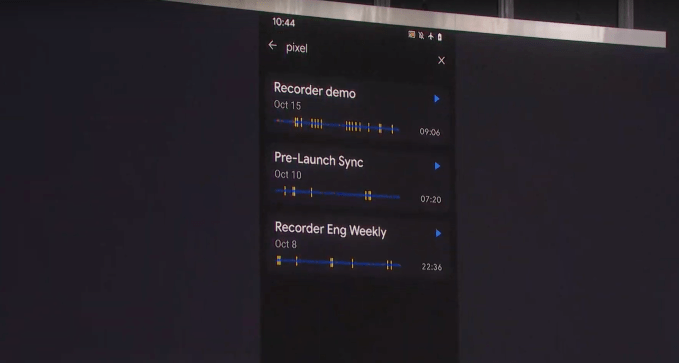
In addition, a built-in advanced search feature lets you search for sounds, words, and phrases and then see a visual depiction of where the search term was spoken in the playback bar so you can go to the recording you need.

Google has put its real-time speech transcription technology to work in a number of ways, besides Recorder. It also introduced live caption technology for Android devices, for example, which brings transcriptions to things like video or audio saved on your device, or video playback outside of YouTube.

The Recorder app is a free download on Google Play.

We’ve reached out to Google for any update on its plans to make Recorder more broadly available across Android . The company hasn’t responded to our questions at this time.


05 Dec 2019

A look at Latin America’s emerging fintech trends

Although the 2008 global financial crisis sparked the fintech movement, in Latin America, the rise of ecommerce was responsible for the first wave of fintech startups.

Because digital payments were key to enabling the growth of ecommerce, investors funded companies like Braspag, PagSeguro, PayU, Mercado Pago and Moip in the early 2000s to take advantage of this opportunity.

Payment is still the most relevant segment, with successful cases like Stone and PagSeguro, but after the financial crisis, we started to see the rise of financial technology in lending and neobanking, generating impressive cases like Nubank, Neon, Creditas, Credijusto and Ualá.

As the ecosystem evolves and expands, let’s take a closer look at emerging trends in Latin America that might give us a hint about where to expect its next fintech unicorns.

Financial services for the gig economy

Latin America has seen explosive growth in ride-hailing and food delivery platforms such as Uber, Didi, Rappi and iFood, creating a totally new market opportunity — many gig economy workers can’t access basic financial services such as bank accounts, personal loans and insurance. Even those who have access often struggle with financial products that that don’t suit their needs because they were designed for full-time workers.

Spotting this opportunity, Uber Money launched at Money 2020, focusing on providing drivers with financial services. As 50% of the population in Latin America is unbanked where Uber has more than 1 million drivers, the region is definitely a ripe market. Cabify is going even farther by spinning off Lana, its company that provides financial services, so it can expand its market beyond Cabify drivers to include other gig economy professionals.

Although established players in this sector have a clear advantage, they aren’t the only ones looking to explore this opportunity; Brazilian YC alumni Zippi is offering personal loans to ride-hailing drivers based on their driving earnings. As the gig economy tends to keep growing in the region, I believe we will start to see more solutions for those professionals.

Rethinking insurance

As the banking world has been shaken by fintechs, insurance companies are growing aware that high regulatory barriers won’t protect their industry from disruption.

Insurance penetration in Latin America has been historically low compared to developed markets — 3.1%, compared to 8% — but the insurance market is growing well and tends to close this gap. Adding this to bad services and complex products that insurances provide, insurtech has an immense opportunity to grow.

Because purchasing insurance is historically a complicated and painful experience, the first insurtechs in the region focused on providing a better experience by digitizing the process and using online channels to acquire customers. Those insurtechs worked together with the insurance companies and operating as online broker, but now, we’re starting to see startups providing new insurance products, as well as traditional insurances in different models.

Some are partnering with insurance companies while others are competing directly with them; Think Seg and Miituo partnered with larger players to provide a pay-as-you-go model for car insurance, while Mango Life and Kakau are offering a better purchasing experience. On the other end, Crabi and Pier are rethinking the insurance model from the ground up.

As insurtechs emerge as a potential threat, incumbents are more willing to work with startups that can improve their services to enable them to compete on better grounds, which is exactly what companies such as Bdeo, Lisa, and HelloZum are doing.

Although penetrating the insurance industry is more complicated than other financial services due to high regulatory demands and steep initial operating costs, insurtechs fueled by VC investment will without any doubt try to do it. And, if we’ve learned anything from other fintech segments, it’s that entrepreneurs will find ways to overcome initial challenges.

05 Dec 2019

Daily Crunch: Imgur launches an app for gaming memes

The Daily Crunch is TechCrunch’s roundup of our biggest and most important stories. If you’d like to get this delivered to your inbox every day at around 9am Pacific, you can subscribe here.

1. 300M-user Imgur launches Melee, a gaming meme app

Melee, the company’s first app beyond its flagship product, lets users subscribe to the games from which they love to get memes and gameplay clips. You also can scroll through a popular post’s feed if you’re curious about unfamiliar games.

If you’re worried about the risk that gaming communities might turn toxic, Imgur says Melee has multiple layers of community and staff moderation, will remove obscene content and won’t tolerate bullying.

2. SpaceX nears milestone on key crew launch system test

SpaceX is keeping relatively close to schedule on one of the bold timelines pronounced by its CEO Elon Musk. Specifically, the company notes that it has now completed seven system tests of the latest, upgraded version of the parachutes it plans to use with its Crew Dragon capsule when it launches with astronauts on-board.

3. Flipkart leads $60M investment in logistics startup Shadowfax

Shadowfax operates a business-to-business logistics network in more than 300 cities in India. The startup works with neighborhood stores to use their real estate to store inventory, and with a large network of freelancers for delivery.

4. A Sprint contractor left thousands of US cell phone bills on the internet by mistake

A contractor working for cell giant Sprint stored hundreds of thousands of cell phone bills for AT&T, Verizon (which owns TechCrunch) and T-Mobile subscribers on an unprotected cloud server.

5. How to build or invest in a startup without paying capital gains tax

Qualified Small Business Stock (QSBS) presents a significant tax savings opportunity for people who create and invest in small businesses. (Extra Crunch membership required.)

6. Volvo invests in autonomous vehicle operating system startup Apex.AI though its VC arm

Apex.AI is working on developing a robotic operating system qualified for use in production automobiles. Its offerings include a set of simple-to-integrate APIs that can give automakers and others access to fully certified autonomous mobility technology.

7. Check out the prizes for TC Hackathon at Disrupt Berlin

One team gets $5,000, but we’ve got additional prizes from a range of sponsors. Also: This is next week!

05 Dec 2019

Qualcomm launches the XR2 platform for 5G-connected AR and VR devices

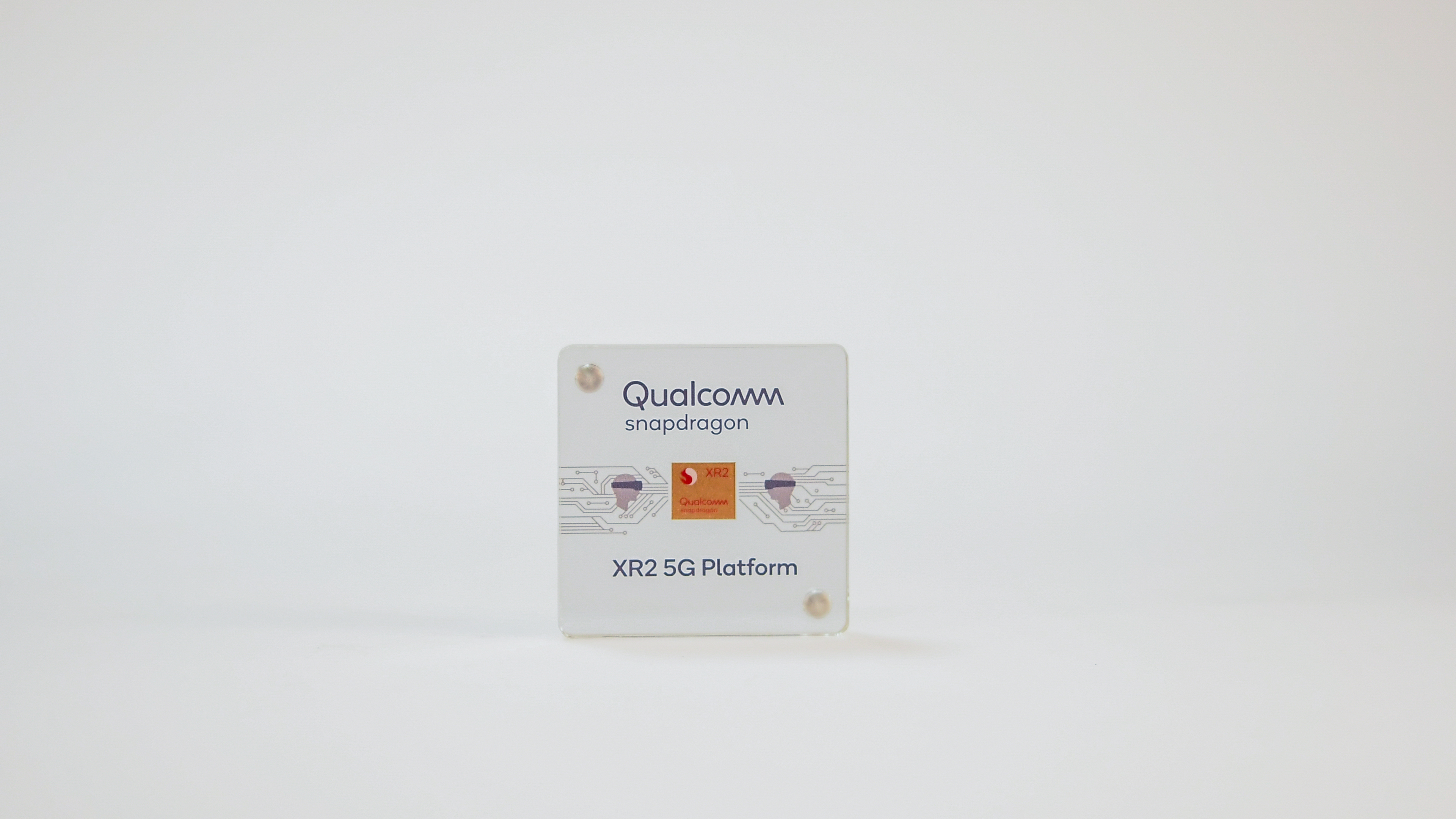
At its Snapdragon Boondoggle Summit in sunny Maui, Hawaii, Qualcomm today announced the launch of its XR2 platform, which it describes as the “world’s first 5G-supported extended reality (XR) platform.” The company’s older XR1 platform, which already powers a number of VR and AR devices, will remain in the market and is now branded as Qualcomm’s XR platform for mainstream users, while XR2 is meant to show off “next-level features for never before experiences.”

XR2 brings together the company’s 5G modem and AI advances to, for example, support up to seven cameras for pass-through HoloLens-style mixed reality and smoother standalone VR experiences. Using this setup, the XR2 features 26-point skeletal hand tracking and, of course, accurate environmental mapping.

The XR2 supports display panels with a 3K by 3K resolution at 90 frames per second and supports up to 8K 360-degree videos at 60 frames per second, all using custom silicon to keep the latency of these panels very low.

While I think the value of AR/VR still remains somewhat debatable, Qualcomm believes that AR and VR had a good 2019 and started breaking out of the consumer gaming space. “I think when the hype started back in 2014/15, it was a lot about these consumer gaming experiences, but we see more and more enterprise applications coming to market. […] I think 2019 was a key year where we saw this transformation take place, with many, many proof points in both consumer and in enterprise,” said Hugo Swart, the company’s VP and Head of XR.

For the longest time now, we’ve heard how important 5G will be for this market, because it will allow you to stream high-quality video at the kind of low latencies that make AR/VR immersive. “5G is going to be crucial for XR. We’ve spoken about this in the past, that XRS video is the killer use case for 5G,” said Hiren Bhinde, director of product Management at Qualcomm. “Next year […], given that this is the world’s first 5G access platform, we are excited to see how different content developers, as well as different video streaming services with high-resolution videos, may be able to provide their high-bandwidth content on devices built on XR2.”