Year: 2019

30 Nov 2019

Startups Weekly: Chinese investors double down on African startups

Hello and welcome back to Startups Weekly, a weekend newsletter that dives into the week’s noteworthy startups and venture capital news. Before I jump into today’s topic, let’s catch up a bit. Last week, I wrote about Airbnb’s issues. Before that, I noted Uber’s new “money” team.

Remember, you can send me tips, suggestions and feedback to kate.clark@techcrunch.com or on Twitter @KateClarkTweets. If you’re new, you can subscribe to Startups Weekly here.


China’s pivot to Africa

Three African fintech startups; OPay, PalmPay and East African trucking logistics company Lori Systems, closed large fundraises this year. On their own, the deals aren’t particularly notable, but together, they expose a new trend within the African startup ecosystem.

This year, those three companies brought in a total of $240 million in venture capital funding from 15 different Chinese investors, who’ve become increasingly active in Africa’s tech scene. TechCrunch reporter Jake Bright, who covers African tech, writes that 2019 marks “the year Chinese investors went all in on the continent’s startup scene” — particularly its fintech projects. Why?

“The continent’s 1.2 billion people represent the largest share of the world’s unbanked and underbanked population — which makes fintech Africa’s most promising digital sector,” Bright notes. “In previous years, the country’s interactions with African startups were relatively light compared to deal-making on infrastructure and commodities. Chinese actors investing heavily in African mobile consumer platforms lends to looking at new data-privacy and security issues for the continent.”

Active Chinese investors in Africa include Hillhouse Capital, Meituan-Dianping, GaoRong, Source Code Capital, SoftBank Ventures Asia, BAI, Redpoint, IDG Capital, Sequoia China, Crystal Stream Capital, GSR Ventures, Chinese mobile-phone maker Transsion and NetEase .

Here’s more of TechCrunch’s recent coverage of Africa startup activity:


VC Deals

It was a short week (Happy Thanksgiving, by the way). But here’s a quick look at the top deals of the last few days.


M&A (VR edition)

Last week, Facebook announced it was buying Beat Games, the game studio behind Beat Saber, a rhythm game that’s equal parts Fruit Ninja and Guitar Hero. Heard of the company? Maybe if you’re a gamer, but if you’re readying this newsletter because of your interest in VC, this company may not have come across your radar.

Why? It’s one of virtual reality’s biggest successes today, but it’s just an eight-person team with no funding.

“I’m really proud that we were able to build the company with this mindset of making decisions based on what is good for the game and not what is the most profitable thing,” Beat Games CEO told TechCrunch earlier this year. Read about Facebook’s acquisition here and an in-depth profile of the small team here.


Equity

If you like this newsletter, you will definitely enjoy Equity, which brings the content of this newsletter to life — in podcast form! Join myself and Equity co-host Alex Wilhelm every Friday for a quick breakdown of the week’s biggest news in venture capital and startups.

This week, we discussed Weekend Fund’s new vehicle, Cocoon’s new friend-tracking app and the unfortunate demise of a startup called Omni. You can listen here.

Equity drops every Friday at 6:00 am PT, so subscribe to us on Apple PodcastsOvercastSpotify and all the casts.

29 Nov 2019

Mixcloud data breach exposes over 20 million user records

A data breach at Mixcloud, a U.K.-based audio streaming platform, has left more than 20 million user accounts exposed after the data was put on sale on the dark web.

The data breach happened earlier in November, according to a dark web seller who supplied a portion of the data to TechCrunch, allowing us to examine and verify the authenticity of the data.

The data contained usernames, email addresses, and passwords that appear to be scrambled with the SHA-2 algorithm, making the passwords near impossible to unscramble. The data also contained account sign-up dates and the last-login date. It also included the country from which the user signed up, their internet (IP) address, and links to profile photos.

We verified a portion of the data by validating emails against the site’s password reset feature.

The exact amount of data stolen isn’t known. The seller said there were 20 million records, but listed 21 million records on the dark web. But the data we sampled suggested there may have been as many as 22 million records.

The data was listed for sale for $4,000, or about 0.5 bitcoin. We’re not linking to the dark web listing.

Mixcloud last year secured a $11.5 million cash injection from media investment firm WndrCo, led by Hollywood media proprietor Jeffrey Katzenberg.

It’s the latest in a string of high profile data breaches in recent months. The breached data came from the same dark web seller who also alerted TechCrunch to the StockX breach earlier this year. The apparel trading company initially claimed its customer-wide password reset was for “system updates,” but later came clean, admitting it was hacked, exposing more than four million records, after TechCrunch obtained a portion of the breached data.

An email to Mixcloud’s press mailbox bounced, and its last listed public relations agency told TechCrunch it no longer represents the company.

As a London-based company, Mixcloud falls under U.K. and European data protection rules. Companies can be fined up to 4% of their annual turnover for violations of European GDPR rules.

Read more:

29 Nov 2019

Gift Guide: For the budding video creator

If you’re interested in cameras and taking pictures, you should definitely check out our 2019 Photography Gift Guide, but if you’re specifically looking to encourage a developing creator who wants to work with video on their preferred platform of choice, be it YouTube, TikTok, Instagram or any other, you’ve come to the right place. From smartphone accessories to get the most out of their built-in cameras, to stuff for people with more expensive dedicated camera setups, we’ve got it all.

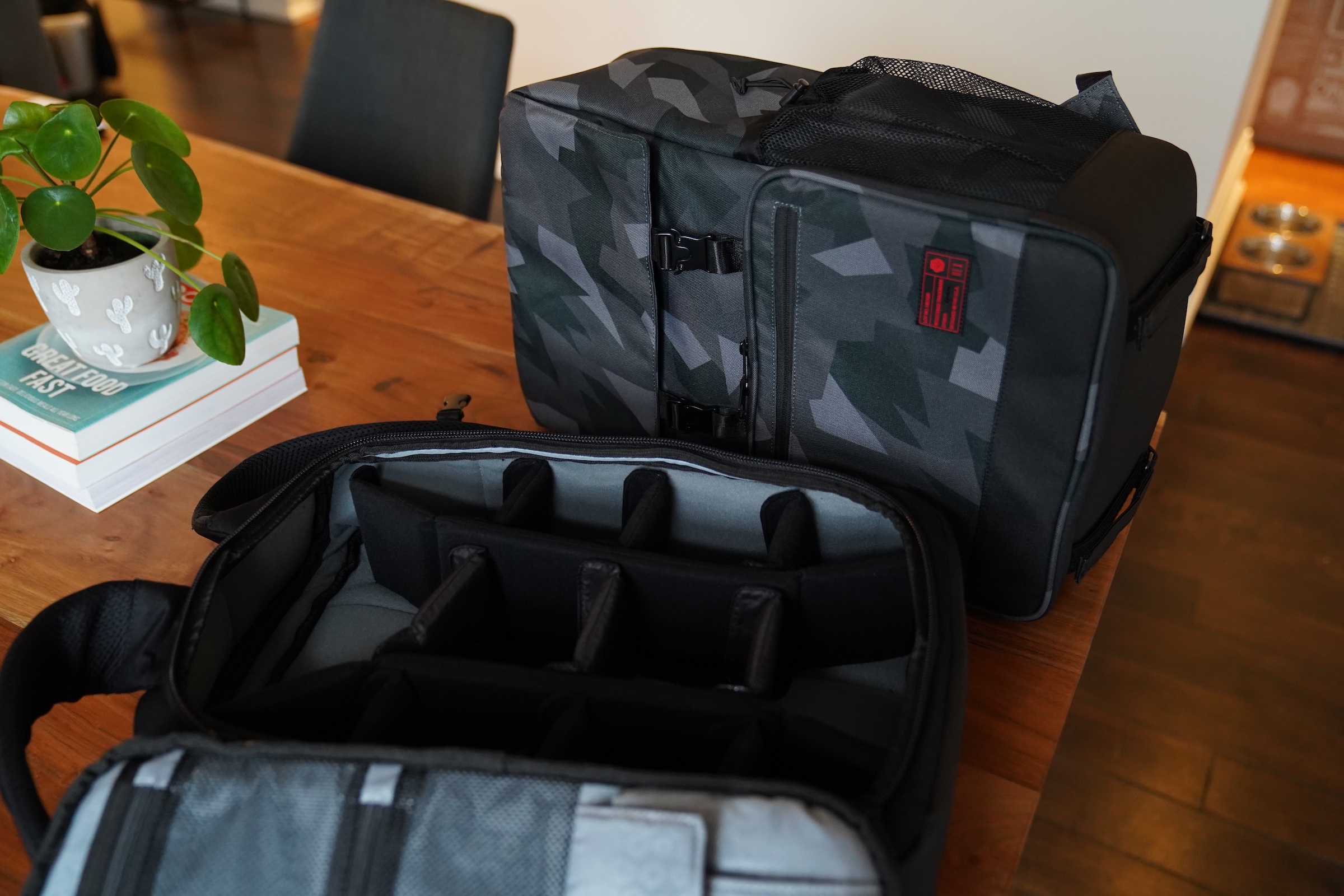
Hex Bags camera backpacks – $190-$240

A good camera bag is a necessary accessory for anyone who is shooting with something other than their phone, and the Hex Back Loader DSLR Backpack and Hex Cinema Backpack are great options that are actually less expensive than some of the bigger brand options out there, but with modern styling that means they look less like something designed for function alone, and more like a backpack that would actually draw compliments. The Back Loader is perfect for a mirrorless kit, and should easily slide under the seat in front of you on an airplane, while the Cinema has plenty of room for larger DSLRs and lenses.

Zhiyun Weebil-S gimbal – $350

A good gimbal is a creator’s best friend, since stabilized video footage beats shaky-cam nonsense. The Zhiyun Weebill-S is a new offering from the company that basically provides the perfect blend of size, power, connectivity and control features and more. Its unique design has real advantages in the field vs. other similar gimbals, and it’s not going to break the bank, either.

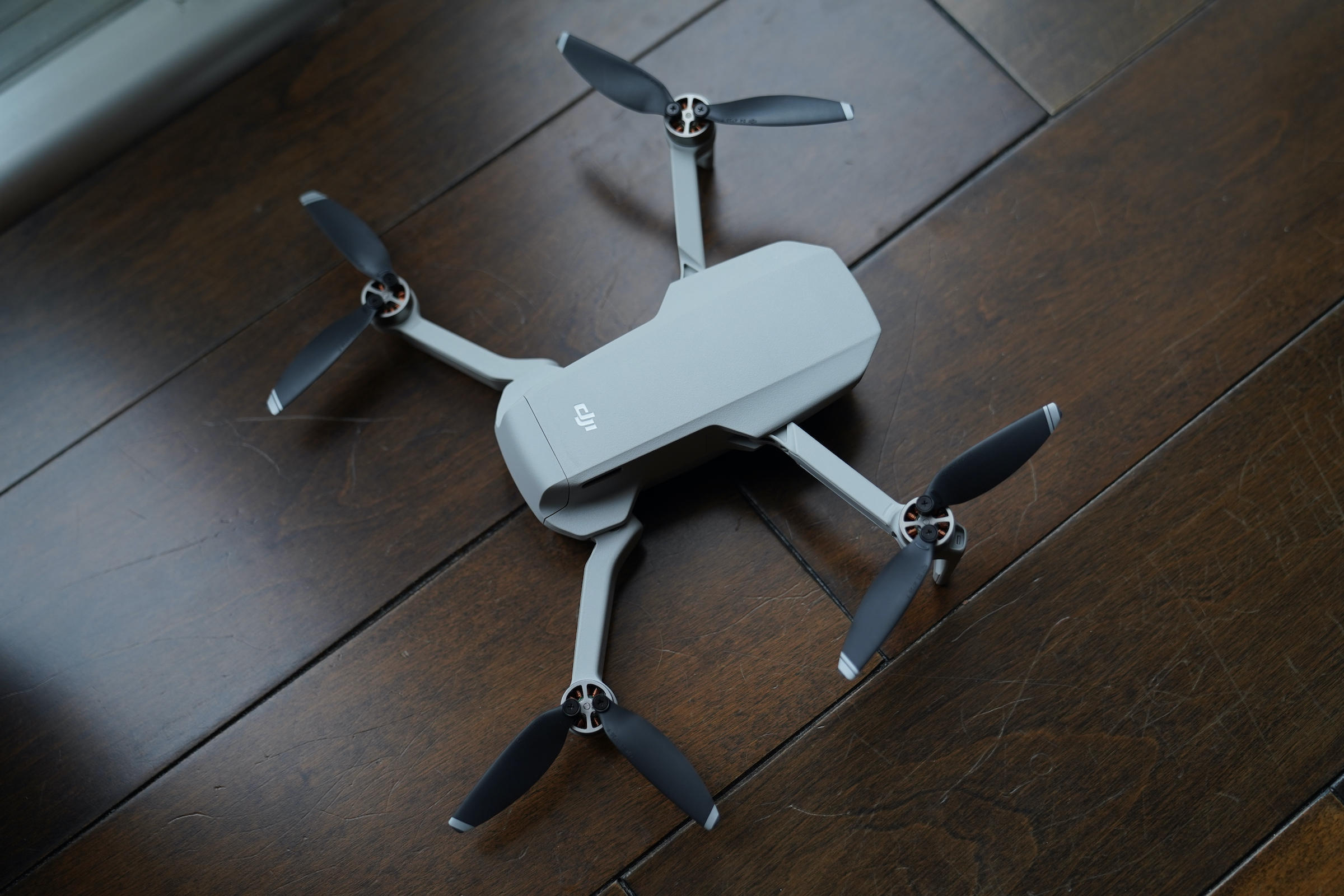
Mavic Mini – $350

Mavic’s latest drone is all about distilling the consumer drone down to the basics – and it’s great. The $350 Mavic Mini is way, way cheaper than any of their fancier consumer drones, and it offers really excellent 2.7K video that looks cinematic right out of the camera. For anyone publishing on social channels who aren’t concerned about producing 4K content (no one really should be prioritizing that, really), this is the one to get, since it’s small enough it doesn’t need to be registered with the FAA to fly.

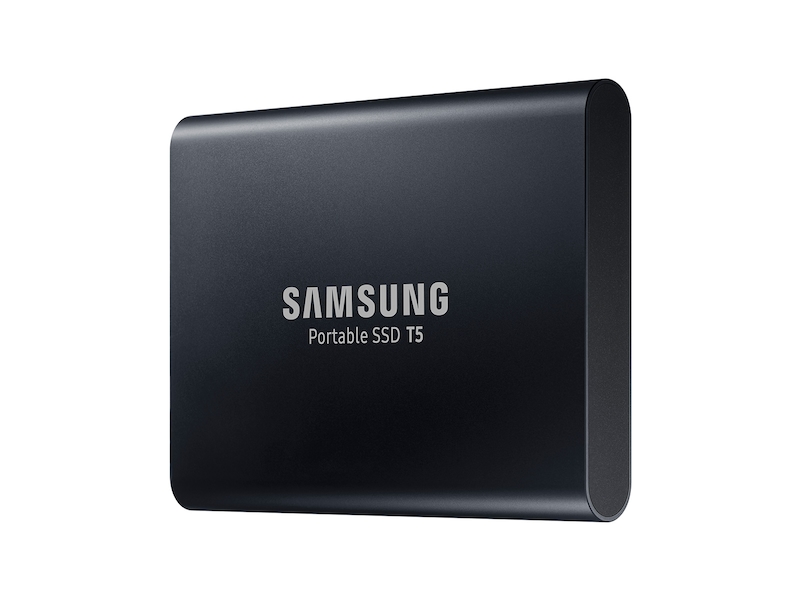
Samsung T5 – $100-$400

Samsung’s tiny, portable SSDs have a long history of delivering great reliability and performance in a form factor that’s so portable it’s easily pocketable. The drives come in sizes ranging from 500GB to 2TB, and you should be able to find them on sale in at least one of these configurations going into the holiday season, which means that you can probably find them for even less than that cost range posted above. A good SSD is a must for offloading video captured in camera on SD cards, and some of the newer cameras will let you record directly to these drives via USB-C.

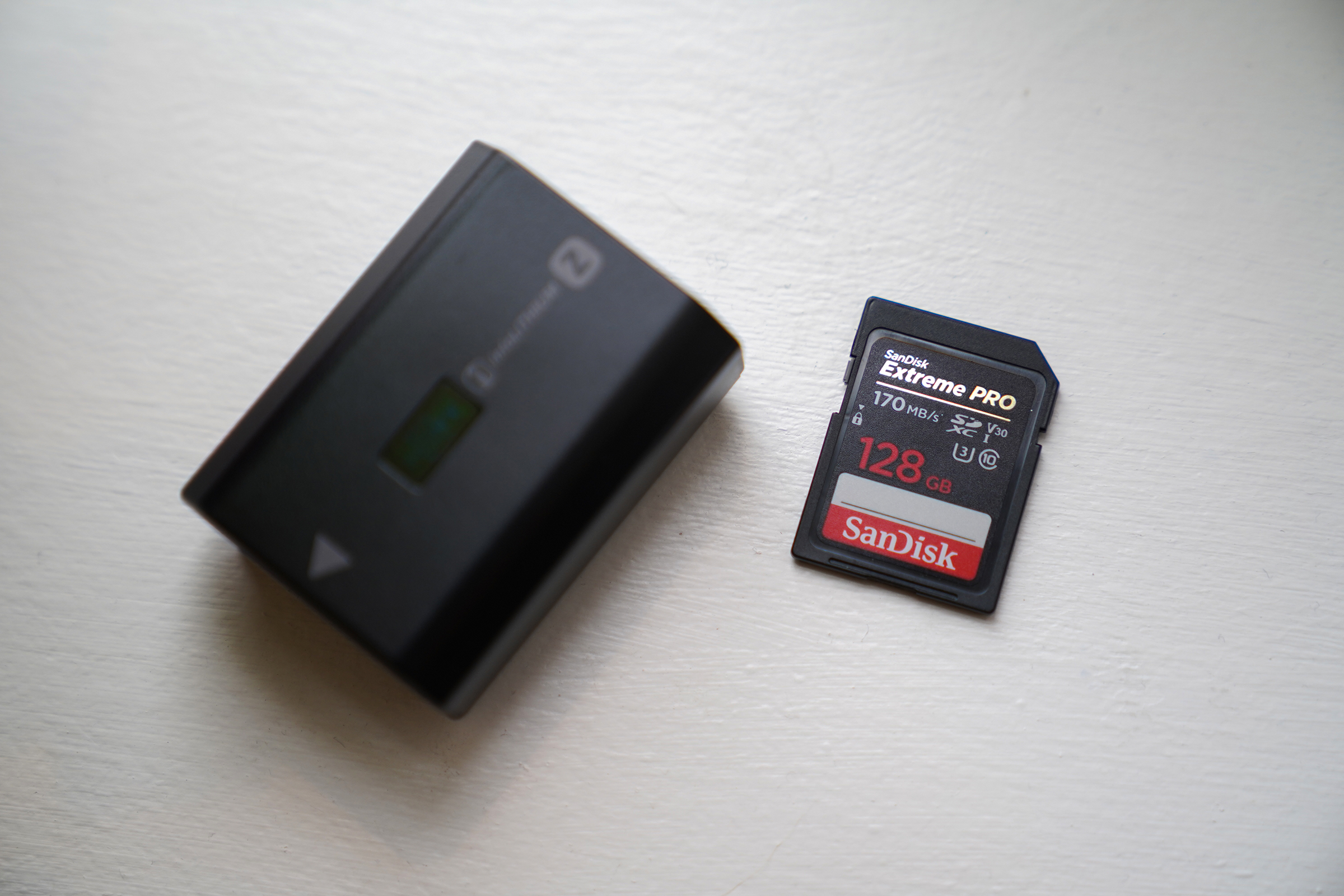
Backup batteries and SD cards – Starting at around $40

These are easy gifts to get video creatives, which never go out of style and which will always be appreciated. You can never have enough spare memory cards, or enough backup batteries. Just make sure you get the right ones for whatever camera system your giftee is using: And for memory, focus on cards like the SanDisk Extreme Pro with 170MB/S  transfer speeds to ensure good performance with 4K video capture.

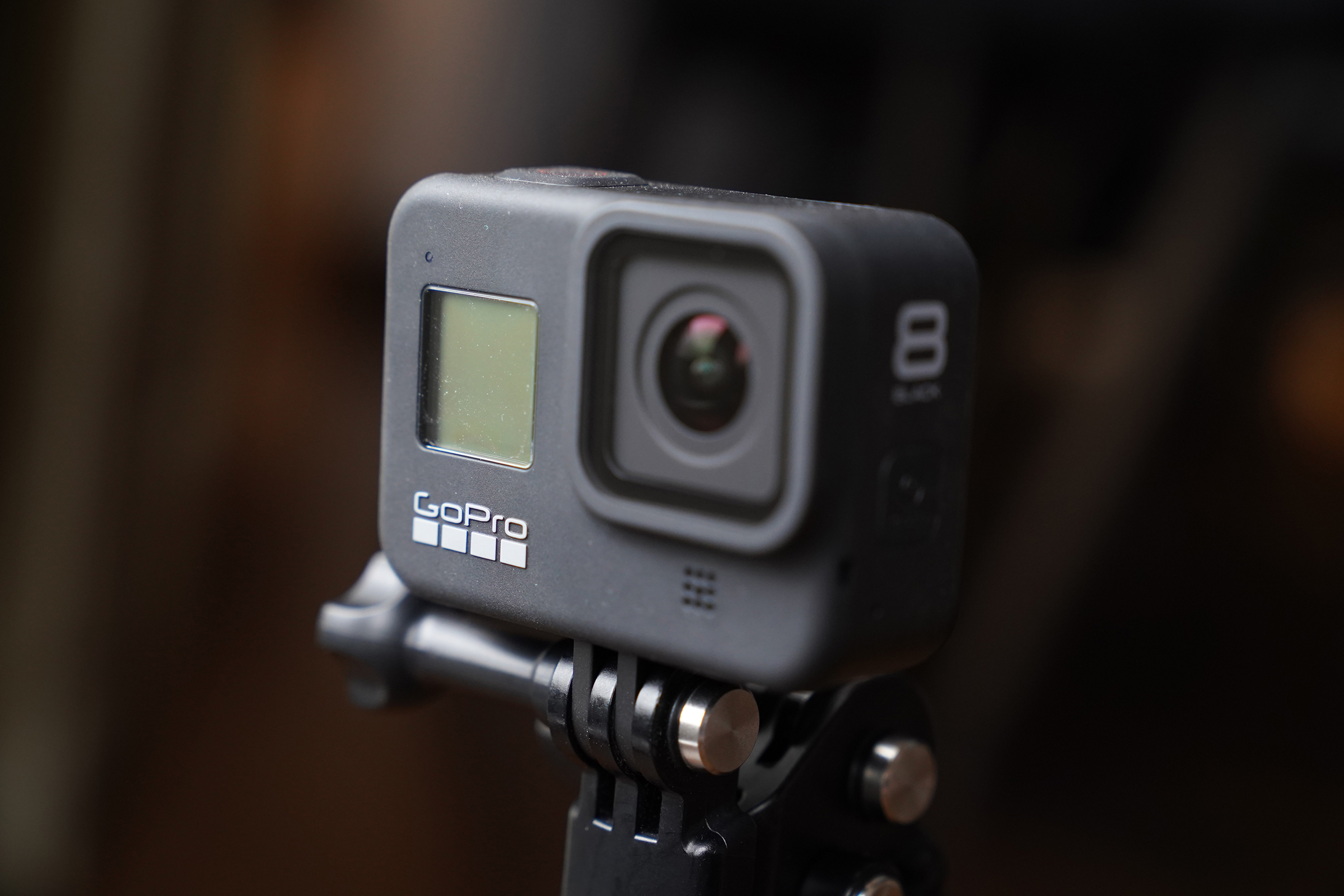
GoPro Hero8 – $400

A GoPro is an extremely versatile piece of kit for a video creator. The ruggedness, portability, built-in stabilization and range of modes mean you can capture some amazing additional footage to compliment stuff you’re recording on your primary camera – or give you everything you need to capture a great travel vlog in the moment. The newest GoPro Hero8 has features including more advanced stabilization, compatibility with additional video accessories, digital lenses and more tat make it the best camera the company has ever made for creators.

Microphones – $25-$200

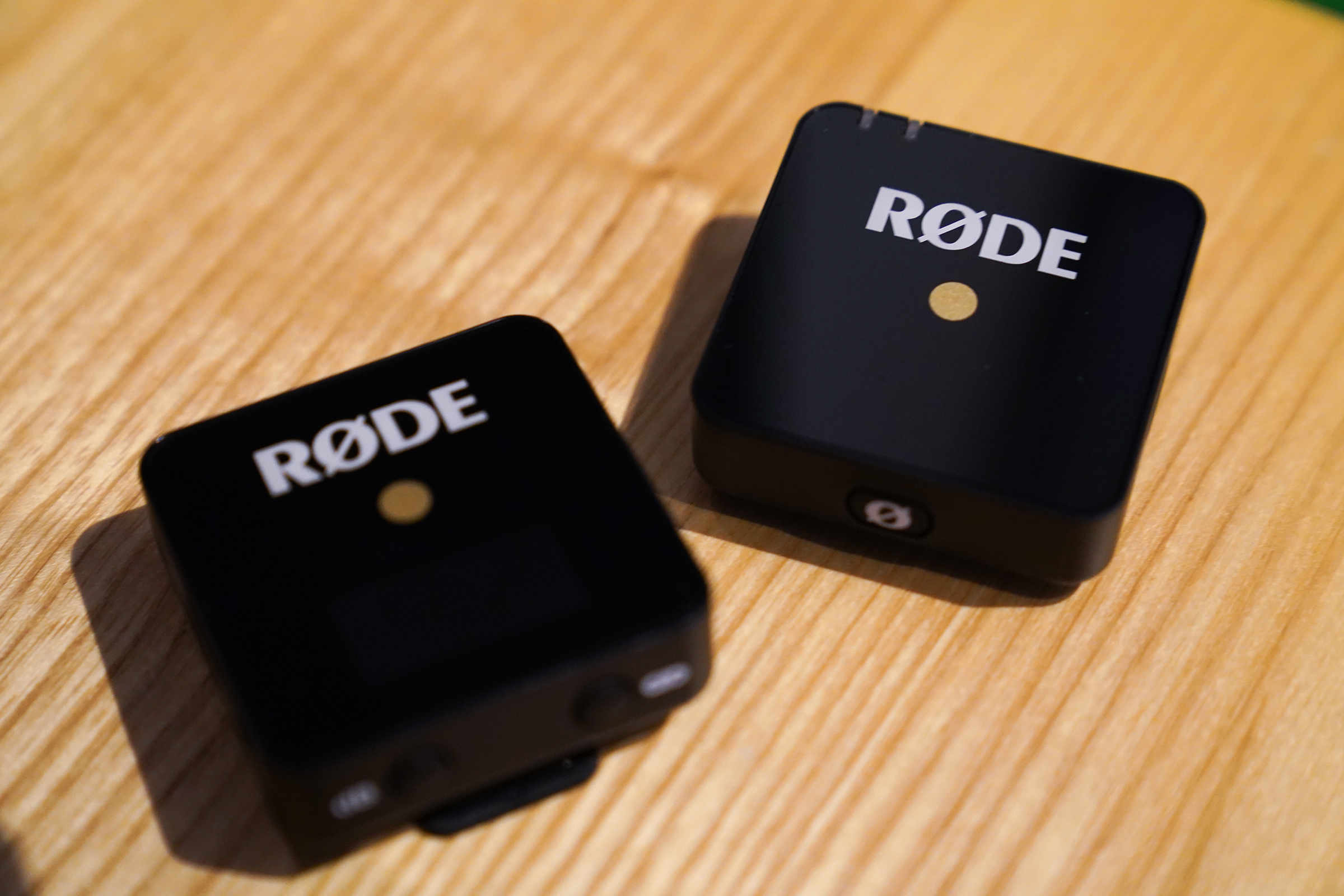
A good microphone is a necessity for making good videos, and there are a wide range of options available. To give you just a few options at very different price points, look at the Saramonic SR-XM1. It’s a generally not sold for more than $35, and is dead simple with a 3.5mm connector to plug directly into the camera port on a wide range of devices. Saramonic also makes iPhone mics with lightning connectors for similar prices. Then, at $200, the Rode Wireless Go is more expensive – but still a bargain for a totally wireless microphone system that can provide audio directly to your camera. Pair it with an optional lavalier mic and you’re going to get great results.


29 Nov 2019

Intel says Qualcomm’s business practices drove it out of the modem chip market

It’s not like this wasn’t among the reasons everywhere suspected when Apple suddenly announced it was buying Intel’s modem business, but now the chipmaker has filed a brief in support of the FTC in an ongoing appeal by Qualcomm of a decision made in May. That decision found in favor of the FTC’s allegations that Qualcomm’s licensing arrangements for its IP around CDMA and LTE technologies have choked out other potential competitors.

Intel, in the filing and a new blog post accompanying and explaining the filing from Intel EVP and General Counsel Steven R. Rodgers, says that “Intel suffered the brunt of Qualcomm’s anticompetitive behaviour, was denied opportunities in the modem market, was prevented from making sales to customers and was forced to sell at prices artificially skewed by Qualcomm.” It also specifically notes that it counts itself among the list of “competitors [Qualcomm] forced out of the modem chip market.”

Earlier this year, Apple and Qualcomm agreed to drop ongoing lawsuits the two sometime-partners had filed agains one another, settling a feud in the courts that had started back in 2017 when Apple accused Qualcomm of overcharging it for use of Qualcomm’s patents. The settlement included Apple paying Qualcomm sone-time sum, and the establishment of a six-year licensing agreement, as well as a supply agreement for Qualcomm chipsets to be used in Apple products.

At the same time, Intel announced it was exiting the modem business – an announcement that seemed timely, given that Apple has sought to use Intel modems in recent iPhones to bypass Qualcomm, which is an industry leader when it comes to the supply of wireless communication chips used in smartphones. Then in July, Apple announced that it was acquiring the majority of Intel’s smartphone business, which led many to speculate that eventually Apple will seek to develop its own wireless communication chips in-house in a longer-term play to reduce its reliance on Qualcomm.

Intel clearly isn’t content to just let the situation lie, and since its blog post notes that it has invested “billions” in the modem business it built and then sold to Apple, you get a clear idea of why – definitely sounds like it didn’t recoup all of its sunk costs in the Apple deal, which was worth around $1 billion all told.

29 Nov 2019

Pixpay is a challenger bank for teens focused on pocket money

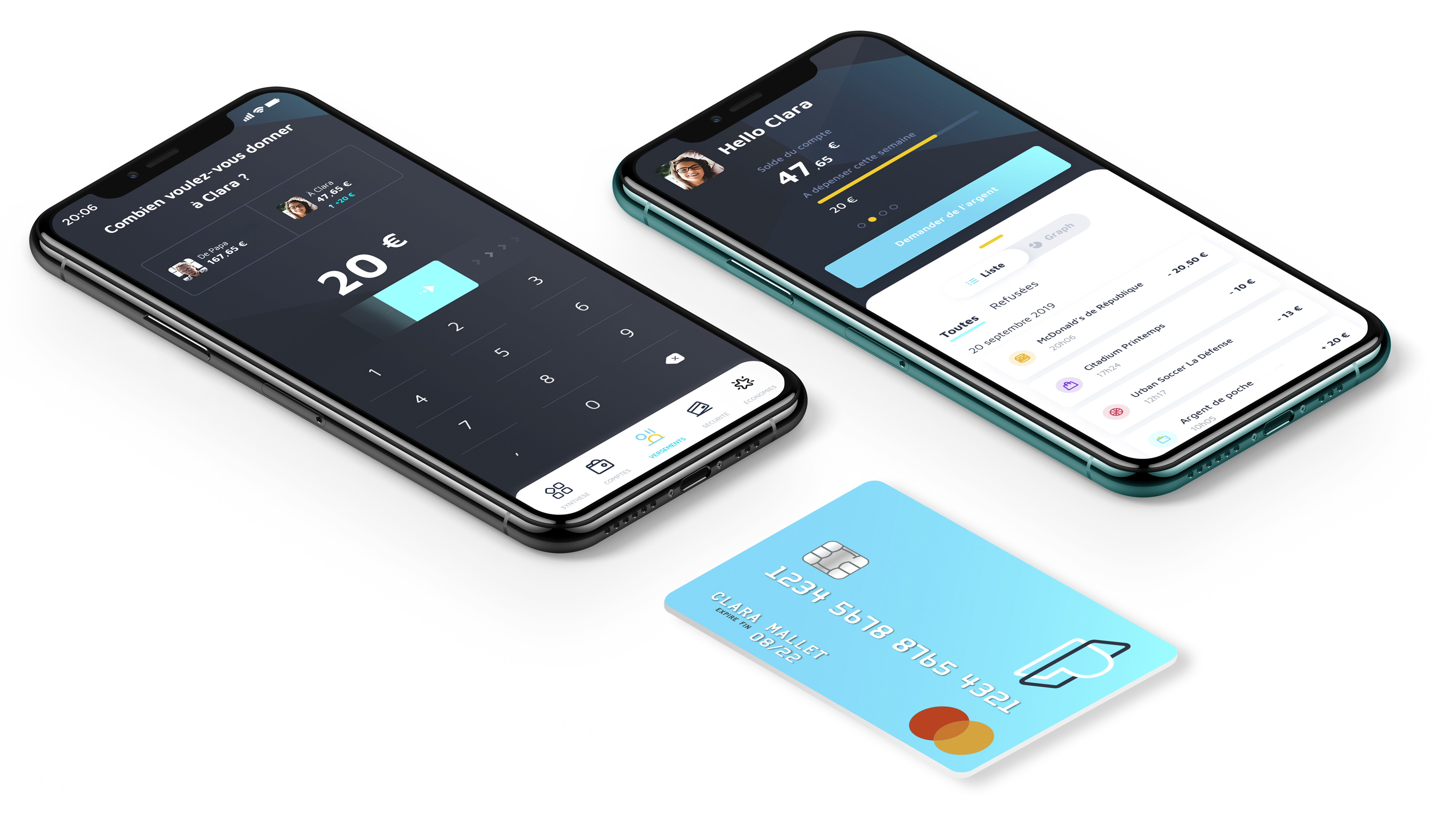
Meet Pixpay, a French startup that wants to replace cash when you’re handing out pocket money to your kids. Anybody who is older than 10 years old can create a Pixpay account, get a debit card and manage pocket money.

Challenger banks are nothing new, but they’re still mostly targeted towards adults. If you want to create an N26 or Revolut account, you need to be at least 18 years old. You can create a Lydia account if you’re at least 14 years old with parental consent.

Pixpay, like Kard, wants to fill that gap and offer modern payment methods to teens so that you can ditch cash altogether. Parents and kids both download the Pixpay app to interact with the service.

A few days after creating an account, your child receives a Mastercard. It offers the same features that you’d expect from a challenger bank — you can customize the PIN code, lock it and unlock it, receive a notification with each transaction and restrict some features, such as limits, ATM withdrawals, online payments and payments abroad. Pixpay also lets you generate virtual cards for online payments.

In addition to some spending analytics, users can create projects and set money aside to buy an expensive thing after months of savings. Parents can also define an interest rate on a vault account to teach children how to save money. In the future, Pixpay wants to let teens collect money after a babysitting job for instance.

As for parents, they can send money instantly from the Pixpay app. You can top up your Pixpay account with your favorite debit card and send money on a regular basis (€4 per week for instance) or for one-off payment (here’s €15 for your movie ticket and fast food).

Parents can see an overview of multiple accounts in case you have multiple children using Pixpay. Eventually, the startup wants to let multiple parents manage the account of their child, which could be useful for separated couples.

Pixpay costs €2.99 per month per card. Payments and ATM withdrawals in the Eurozone are free. Transactions in foreign currencies cost 2% in foreign exchange and ATM withdrawals outside of the Eurozone cost €2.

The startup has raised $3.4 million (€3.1 million) from Global Founders Capital. The company partners with Treezor, a banking-as-a-service platform that lets you generate cards and e-wallet accounts using an API.

29 Nov 2019

Black Friday Sale: 2-for-1 passes to Disrupt Berlin

Synchronize your watches startup fans, and get ready to score serious savings on passes to Disrupt Berlin 2019. For today only, you can get 2 passes for the price of one. Our Black Friday sale starts now and runs through 11:59pm CET on 29 November. Don’t miss out!

Simply purchase a pass to Disrupt Berlin now (Founder passes start at just €645 + VAT), and you’ll get two passes for the price of one. Split the cost with a colleague, gift the pass to a client or bring a member of your team to Disrupt. No matter how you choose to use that extra pass, you’ll reap extra value. Go BOGO — buy your passes — before the 24-hour clock runs out.

Now you and your buddy can get ready to make the most out of two program – and opportunity-packed days in Berlin. Connection is the name of the game at Disrupt events, and there’s no better place to start promising conversations than Startup Alley. You’ll find hundreds of early-stage startups and sponsors exhibiting an array of products, platforms and services that span the tech spectrum.

Looking for customers, collaborators, incubators, investors? Need manufacturing advice or simply want to talk shop with other founders? Startup Alley has that and more. Be sure to check out the TC Top Picks — our hand-picked cohort of exceptional startups that represent the best in these specific tech categories: AI/Machine Learning, BioTech/HealthTech, Blockchain, FinTech, Mobility, Privacy/Security, Retail/eCommerce, Robotics/IoT/Hardware, SaaS and Social Impact & Education.

There’s plenty to experience outside the Alley, and the Disrupt Berlin agenda can help you make the most of your time. Be in the room when TechCrunch editors interview CEOs from companies such as Away, UIPath and Naspers, as well as leading investors from Atomico, SoftBank and GV.

If you’re a founder (aspiring or otherwise), don’t miss what goes down on the Extra Crunch stage. You’ll hear panelists discuss important startup trends and offer actionable tips and advice on topics like scaling a business, product management, raising money and building a brand.

There’s so much more to experience at Disrupt Berlin: The Hackathon, the always-epic Startup Battlefield pitch competition, workshops and Q&A Sessions. It all happens on 11-12 December, and now you have 24 hours to double up on value. Buy your pass before the clock runs out at 11:59pm CET on 29 November, and you’ll get a second one free. Go BOGO!

Is your company interested in sponsoring or exhibiting at Disrupt Berlin 2019? Contact our sponsorship sales team by filling out this form.

28 Nov 2019

Gift Guide: Black Friday tech deals that are actually worth considering

Ah, Black Friday. The day of a zillion “deals” — some good, many bad, most just meant to clear the shelves for next year’s models.

Hidden amidst ten thousand “LOWEST PRICE EVER! ONE DAY ONLY!” e-mails, though, are a handful of solid sales on legitimately good stuff.

Whether you’re trying to save some coin heading into Christmas or you just want to beef up your own gear collection, we’ve picked a few things that seemed worthwhile while trying to sift out most of the junk. We’ll add new deals throughout the day as we hear about them.

(Pro tip: Want to check if something on Amazon is actually on sale, or if a seller just tinkered with the price ahead of time to make it look like you’re getting a discount? Check a historical price checker like camelcamelcamel to see the price over time.)

Amazon Devices

alexa echo amazon 9250064

Amazon generally slashes prices on its own devices to get the Black Friday train moving, and this year is no different.

  • The 4K Fire TV Stick, usually $50, is down to $25
  • The non-4K Fire TV Stick, usually $40, is down to $20. For the $5 difference, though, I’d go with the 4K model above. Future-proofing!
  • The incredibly good Kindle Oasis is about 30% off this week — $175 for the 8GB model (usually $249), or $199 for the 32GB model (usually $279)
  • If you’ve got Alexa devices around your house and are looking to expand, the current generation Echo Dot is down to $22 (usually $49) while the bigger, badder Echo Plus is down to $99 (usually $150)

Google Devices

google pixel 4 010 1

  • Google’s latest flagship Android phone, the very, very good Pixel 4, is $200 off at $599 (usually $799) for an unlocked model. The heftier Pixel 4 XL, meanwhile, is down to $699 from $899.
  • The less current but still solid Pixel 3a is down to $299 (usually $399).
  • The Nest Mini (formerly known as Google Home Mini) is down to $30 from its usual price of $49.
  • The Nest Protect smoke alarm (both the wired and battery versions) are down to $99 (usually $119)
  • The 4K-ready Chromecast Ultra is down to $49(usually $69), while the non-4K Chromecast is currently $25 (usually $35.)

Roku

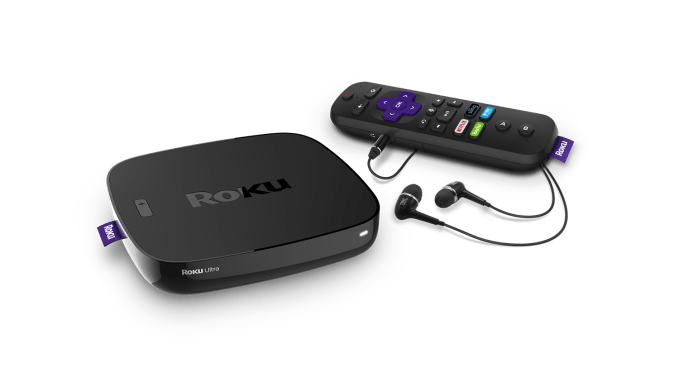
With both Amazon and Google slashing at the prices for their streaming devices, Roku isn’t looking to be left out. The company’s 4K-friendly Roku Ultra is down to $48 (usually $100), complete with a pair of JBL headphones you can plug into the remote for almost-wireless listening.

Xbox, Playstation, and Nintendo Switch

If you’ve yet to pick up any of this generation’s consoles, now honestly isn’t a terrible time (as long as you can do it at a discount.) Both Microsoft and Sony are prepping to launch new consoles in 2020, but that means you’ve got years and years of really great games from this generation to pluck through — and it’ll probably be a few months before there’s much worthwhile/exclusive on the new consoles, anyway. Nintendo, meanwhile, just revised the Switch to significantly improve its battery life in August.

Microsoft has dumped the price on the 1 terabyte Xbox One X down to $349 (usually $499), including your choice of Gears of War 5, NBA 2K20, or the pretty much brand new Star Wars Jedi: Fallen Order. The Xbox One S meanwhile, is down to $149 (usually $249) with copies of Minecraft, Sea of Thieves, and about $20 worth of Fortnite Vbucks. (Be aware that the One S has no disc drive, so anything you play on that one must be a digital/downloaded copy. That’s not a huge issue! But be aware of it, particularly if you’ve got a slower internet connection or limited monthly bandwidth.)

Likewise, Sony has a killer deal on the Playstation 4 — $199 gets you a 1TB PS4 and copies of God of War, The Last Of Us (Remastered), and Horizon Zero Dawn. The deal is available at most of the big box retailers (Best Buy/Walmart/GameStop/Target/etc), though it seems to be going in-and-out of stock everywhere so you might have to poke around a bit.

Deals on the Switch console itself are few and far between so far (and many of the deals are for the older model with the weaker battery), but you can pick up a pair of Joy-Con controllers for $60 versus the usual $80.

Apple

Airpods Pro

Apple deals don’t tend to get too wild on Black Friday — especially not on the latest generation hardware. This year, though, there’s some surprisingly worthwhile stuff.

Sonos

Looking to expand your Sonos setup? Many things in the company’s line-up are on sale right now, including:

  • The Sonos Beam (the smaller of the company’s two sound bars), usually $399, is down to $299.
  • The bigger soundbar, the Sonos Playbar, is down from $699 to $529
  • The massive Playbase (like a soundbar, except you sit your entire TV on it) is down from $699 to $559.
  • A two-pack of Play:1 speakers is going for $230 on Costco.com (usually $170-200 each), though you’ll need to be a Costco member to access it.

Ridiculously cheap microSD cards

The cost of microSD cards has plummeted over the last year, seemingly bottoming out for Black Friday. SanDisk’s 512GB microSD card was going for $100-$150 just a few months ago; today it’s down to $64. Need a faster model? The 512GB Extreme MicroSDXC was $200 earlier this year, and now it’s down to $80.

Steam games

Valve’s annual Autumn Steam sale is underway, slashing prices on a bunch of top notch games — like Grand Theft Auto 5 for $15 (usually $30), Portal 2 for a buck, The Witness for $20 (usually $40), Return of Obra Dinn for $16 (usually $20), Soul Calibur 6 for $18 (usually $60), or the just released (and absurdly fun) Jackbox Party Pack 6 for $23 (usually $30).

Oh! And Valve’s Steam controller is down to $5 (from $50)… with the caveat that it’s because they’re discontinuing it and honestly for most games it’s just an okay controller.

28 Nov 2019

2019 Thanksgiving e-commerce sales show 14% rise on 2018, $470M spent so far

With popular social networks seeing some downtime, shops closed, and many people off work today for Thanksgiving, bargain hunters are flocking online to start their holiday shopping.

Adobe says that so far some $470 million has been spent online, a rise of 14.5% compared to sales figures from the same time last year, with sales patterns largely on track to hit its prediction of $4.4 billion in sales today. And as of 11.30 Pacific time, Shopify notes that there are around 4,500 transactions per minute, working out to just under $400,000 spent each minute.

Adobe Analytics tracks sales in real-time for 80 of the top 100 US retailers, covering 55 million SKUs and some 1 trillion transactions during the holiday sales period. Shopify, meanwhile, uses data from across the range of online retailers that use Shopify APIs to run their sales.

Black Friday (the day after Thanksgiving) used to be seen as the traditional start to holiday sales, but consumers spending time at home on Thanksgiving itself are increasingly coming online — on a day when most brick-and-mortar stores are closed — to get the ball rolling.

This year, Thanksgiving is coming a week later this year than in 2018 (when it fell on the 22nd of the month), which will make for a more compressed, and potentially more frenzied, selling period.

As Sarah pointed out yesterday, many retailers this year made an early jump on their Black Friday deals, and so far some $53 billion has been spent in the month of November up to today. This year’s holiday sales overall are predicted to hit nearly $144 billion.

We’ll be updating this post with more figures as they come in.

As a point of comparison, in 2018, online sales hit $3.7 billion, according to Adobe’s analysis.

Adobe notes that in the $53 billion spent so far this month, all 27 days in November have surpassed $1 billion in sales. Eight days passed $2 billion, and yesterday saw $2.9 billion in sales. That was up 22% on a year ago, which either points to increased sales overall, or simply that the strategy of extending “holiday” shopping to start earlier and earlier is paying off for retailers.

Another interesting insight is that some $18.2B in purchases have been made by smartphones this month, which is up 49.5% compared to last year.

“The strong online sales performance to-date suggests that holiday shopping starts much earlier than ever before. Steep discounts on popular items like computers on the day before Thanksgiving indicate that many of the season’s best deals are already up for grabs. This has led to significant growth in online sales (16.1% YoY increase) so far. What will be important for retailers to track is whether the early discounts will drive continued retail growth overall, or if they have induced consumers to spend their holiday budgets earlier,” noted Jason Woosley, vice president of commerce product & platform at Adobe.

28 Nov 2019

Scientists turn undersea fiber optic cables into seismographs

Monitoring seismic activity all over the world is an important task, but one that requires equipment to be at the site it’s measuring — difficult in the middle of the ocean. But new research from Berkeley could turn existing undersea fiber optic cables into a network of seismographs, creating an unprecedented global view of the Earth’s tectonic movements.

Seismologists get almost all their data from instruments on land, which means most of our knowledge about seismic activity is limited to a third of the planet’s surface. We don’t even know where all the faults are since there’s been no exhaustive study or long-term monitoring of the ocean floor.

“There is a huge need for seafloor seismology,” explained lead study author Nathaniel Lindsey in a Berkeley news release. “Any instrumentation you get out into the ocean, even if it is only for the first 50 kilometers from shore, will be very useful.”

Of course, the reason we haven’t done so is because it’s very hard to place, maintain, and access the precision instruments required for long-term seismic work underwater. But what if there were instruments already out there just waiting for us to take advantage of them? That’s the idea Lindsey and his colleagues are pursuing with regard to undersea fiber optic cables.

These cables carry data over long distances, sometimes as part of the internet’s backbones, and sometimes as part of private networks. But one thing they all have in common is that they use light to do so — light that gets scattered and distorted if the cable shifts or changes orientation.

By carefully monitoring this “backscatter” phenomenon it can be seen exactly where the cable bends and to what extent — sometimes to within a few nanometers. That means that researchers can observe a cable to find out the source of seismic activity with an extraordinary level of precision.

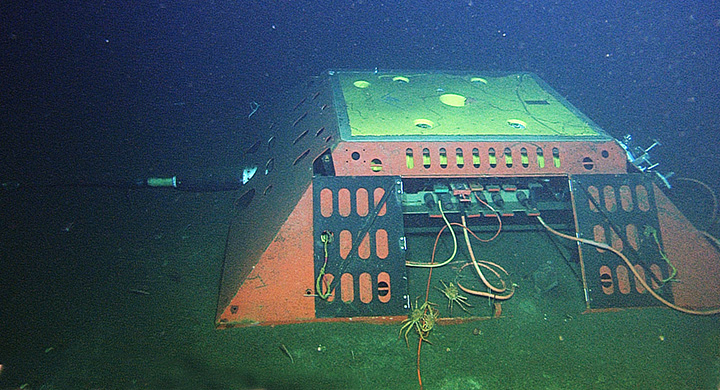
The technique is called Distributed Acoustic Sensing, and it essentially treats the cable as if it were a series of thousands of individual motion sensors. The cable the team tested on is 20 kilometers worth of of Monterey Bay Aquarium Research Institute’s underwater data infrastructure — which divided up into some ten thousand segments that can detect the slightest movement of the surface to which they’re attached.

“This is really a study on the frontier of seismology, the first time anyone has used offshore fiber-optic cables for looking at these types of oceanographic signals or for imaging fault structures,” said Berkeley National Lab’s Jonathan Ajo-Franklin.

After hooking up MBARI’s cable to the DAS system, the team collected a ton of verifiable information: movement from a 3.4-magnitude quake miles inland, maps of known but unmapped faults in the bay, and water movement patterns that also hint at seismic activity.

The main science node of the Monterey Accelerated Research System. Good luck keeping crabs out of there.

The best part, Lindsey said, is that you don’t even need to attach equipment or repeaters all along the length of the cable. “You just walk out to the site and connect the instrument to the end of the fiber,” he said.

Of course most major undersea cables don’t just have a big exposed end for random researchers to connect to. And the signals that the technology uses to measure backscatter could conceivably interfere with others, though of course there is work underway to test that and prevent it if possible.

If successful the larger active cables could be pressed into service as research instruments, and could help illuminate the blind spot that seismologists have as far as the activity and features of the ocean floor. The team’s work is published today in the journal Science.

28 Nov 2019

Will the future of work be ethical? Founder perspectives

In June, TechCrunch Ethicist in Residence Greg M. Epstein attended EmTech Next, a conference organized by the MIT Technology Review. The conference, which took place at MIT’s famous Media Lab, examined how AI and robotics are changing the future of work.

Greg’s essay, Will the Future of Work Be Ethical? reflects on his experiences at the conference, which produced what he calls “a religious crisis, despite the fact that I am not just a confirmed atheist but a professional one as well.” In it, Greg explores themes of inequality, inclusion and what it means to work in technology ethically, within a capitalist system and market economy.

Accompanying the story for Extra Crunch are a series of in-depth interviews Greg conducted around the conference, with scholars, journalists, founders and attendees.

Below, Greg speaks to two founders of innovative startups whose work provoked much discussion at the EmTech Next conference. Moxi, the robot assistant created by Andrea Thomasz of Diligent Robotics and her team, was a constant presence in the Media Lab reception hall immediately outside the auditorium in which all the main talks took place. And Prayag Narula of LeadGenius was featured, alongside leading tech anthropologist Mary Gray, in a panel on “Ghost Work” that sparked intense discussion throughout the conference and beyond.

Andrea Thomaz is the Co-Founder and CEO of Diligent Robotics. Image via MIT Technology Review

Could you give a sketch of your background?

Andrea Thomaz: I was always doing math and science, and did electrical engineering as an Undergrad at UT Austin. Then I came to MIT to do my PhD. It really wasn’t until grad school that I started doing robotics. I went to grad school interested in doing AI and was starting to get interested in this new machine learning that people were starting to talk about. In grad school, at the MIT Media Lab, Cynthia Breazeal was my advisor, and that’s where I fell in love with social robots and making robots that people want to be around and are also useful.

Say more about your journey at the Media Lab?

My statement of purpose for the Media Lab, in 1999, was that I thought that computers that were smarter would be easier to use. I thought AI was the solution to HCI [Human-computer Interaction]. So I came to the Media Lab because I thought that was the mecca of AI plus HCI.

It wasn’t until my second year as a student there that Cynthia finished her PhD with Rod Brooks and started at the Media Lab. And then I was like, “Oh wait a second. That’s what I’m talking about.”

Who is at the Media Lab now that’s doing interesting work for you?

For me, it’s kind of the same people. Patty Maes has kind of reinvented her group since those days and is doing fluid interfaces; I always really appreciate the kind of things they’re working on. And Cynthia, her work is still very seminal in the field.

So now, you’re a CEO and Founder?

CEO and Co-Founder of Diligent Robotics. I had twelve years in academia in between those. I finished my PhD, went and I was a professor at Georgia Tech in computing, teaching AI and robotics and I had a robotics lab there.

Then I got recruited away to UT Austin in electrical and computer engineering. Again, teaching AI and having a robotics lab. Then at the end of 2017, I had a PhD student who was graduating and also interested in commercialization, my Co-Founder and CTO Vivian Chu.

Let’s talk about the purpose of the human/robot interaction. In the case of your company, the robot’s purpose is to work alongside humans in a medical setting, who are doing work that is not necessarily going to be replaced by a robot like Moxi. How does that work exactly?

One of the reasons our first target market [is] hospitals is, that’s an industry where they’re looking for ways to elevate their staff. They want their staff to be performing, “at the top of their license.” You hear hospital administrators talking about this because there’s record numbers of physician burnout, nurse burnout, and turnover.

They really are looking for ways to say, “Okay, how can we help our staff do more of what they were trained to do, and not spend 30% of their day running around fetching things, or doing things that don’t require their license?” That for us is the perfect market [for] collaborative robots.” You’re looking for ways to automate things that the people in the environment don’t need to be doing, so they can do more important stuff. They can do all the clinical care.

In a lot of the hospitals we’re working with, we’re looking at their clinical workflows and identifying places where there’s a lot of human touch, like nurses making an assessment of the patient. But then the nurse finishes making an assessment [and] has to run and fetch things. Wouldn’t it be better if as soon as that nurse’s assessment hit the electronic medical record, that triggered a task for the robot to come and bring things? Then the nurse just gets to stay with the patient.

Those are the kind of things we’re looking for: places you could augment the clinical workflow with some automation and increase the amount of time that nurses or physicians are spending with patients.

So your robots, as you said before, do need human supervision. Will they always?

We are working on autonomy. We do want the robots to be doing things autonomously in the environment. But we like to talk about care as a team effort; we’re adding the robot to the team and there’s parts of it that the robot’s doing and parts of it that the human’s doing. There may be places where the robot needs some input or assistance and because it’s part of the clinical team. That’s how we like to think about it: if the robot is designed to be a teammate, it wouldn’t be very unusual for the robot to need some help or supervision from a teammate.

That seems different than what you could call Ghost Work.

Right. In most service robots being deployed today, there is this remote supervisor that is either logged in and checking in on the robots, or at least the robots have the ability to phone home if there’s some sort of problem.

That’s where some of this Ghost Work comes in. People are monitoring and keeping track of robots in the middle of the night. Certainly that may be part of how we deploy our robots as well. But we also think that it’s perfectly fine for some of that supervision or assistance to come out into the forefront and be part of the face-to-face interaction that the robot has with some of its coworkers.

Since you could potentially envision a scenario in which your robots are monitored from off-site, in a kind of Ghost Work setting, what concerns do you have about the ways in which that work can be kind of anonymized and undercompensated?

Currently we are really interested in our own engineering staff having high-touch customer interaction that we’re really not looking to anonymize. If we had a robot in the field and it was phoning home about some problem that was happening, at our early stage of the company, that is such a valuable interaction that in our company that wouldn’t be anonymous. Maybe the CTO would be the one phoning in and saying, “What happened? I’m so interested.”

I think we’re still at a stage where all of the customer interactions and all of the information we can get from robots in the field are such valuable pieces of information.

But how are you envisioning best-case scenarios for the future? What if your robots really are so helpful that they’re very successful and people want them everywhere? Your CTO is not going to take all those calls. How could you do this in a way that could make your company very successful, but also handle these responsibilities ethically?