Year: 2019

28 Nov 2019

The Samsung Galaxy Fold is headed to Canada, with in-store pre-orders starting today

The Samsung Galaxy Fold is a very unique smartphone, in more ways than one. The most obvious differentiator is that it folds out to expose a large, continuous 7.3″ display, hiding the seam thanks to a flexible OLED screen. It’s also at the very top end of the smartphone market price-wise, which could explain why it only debuted in a few limited markets at launch. Samsung says that customer interest has helped expand that initial pool of availability, however, which is why it’s launching pre-orders in Canada today.

There’s going to be some sticker shock for Canadians, however: The Fold starts at $2,599.99 CAD in its newest market. That’s the price you’d pay for a well-specced computer, but it’s actually right in line with the price of the phone in the U.S. when you account for currency conversion. Pre-orders are also going to be exclusively in-store, at Samsung’s Eaton Center, Sherway Gardens and Yorkdale locations, all of which are in Toronto. Retail sales, also exclusive to Samsung’s own retail operations, are starting December 6 but pre-order customers will be able to ensure a day one pickup.

Samsung’s Galaxy Fold has had a bit of an uneven launch, with a first attempt cancelled in light of multiple reviewers experiencing issues with their devices. Samsung re-designed elements of the phone as a result, including adding caps to prevent dust entering the crucial hinge component that powers the folding actions, and embedding a necessary pre-installed protective screen covering under the phone’s bezels. Still, our own Brian Heater experienced a display hardware issue within a day with his redesigned review device.

Samsung is offering free “Fold Premiere Service” which includes discounted screen replacements and standard free repairs when an issue is not due to any misuse on a user’s part. Overall, the takeaway should be that this is a first-generation device, but also a totally unique piece of technology in today’s marketplace for those willing to risk it.

28 Nov 2019

Nix Pro 2 and Nix Mini color sensors are powerful, easy-to-use additions to any creative pro toolkit

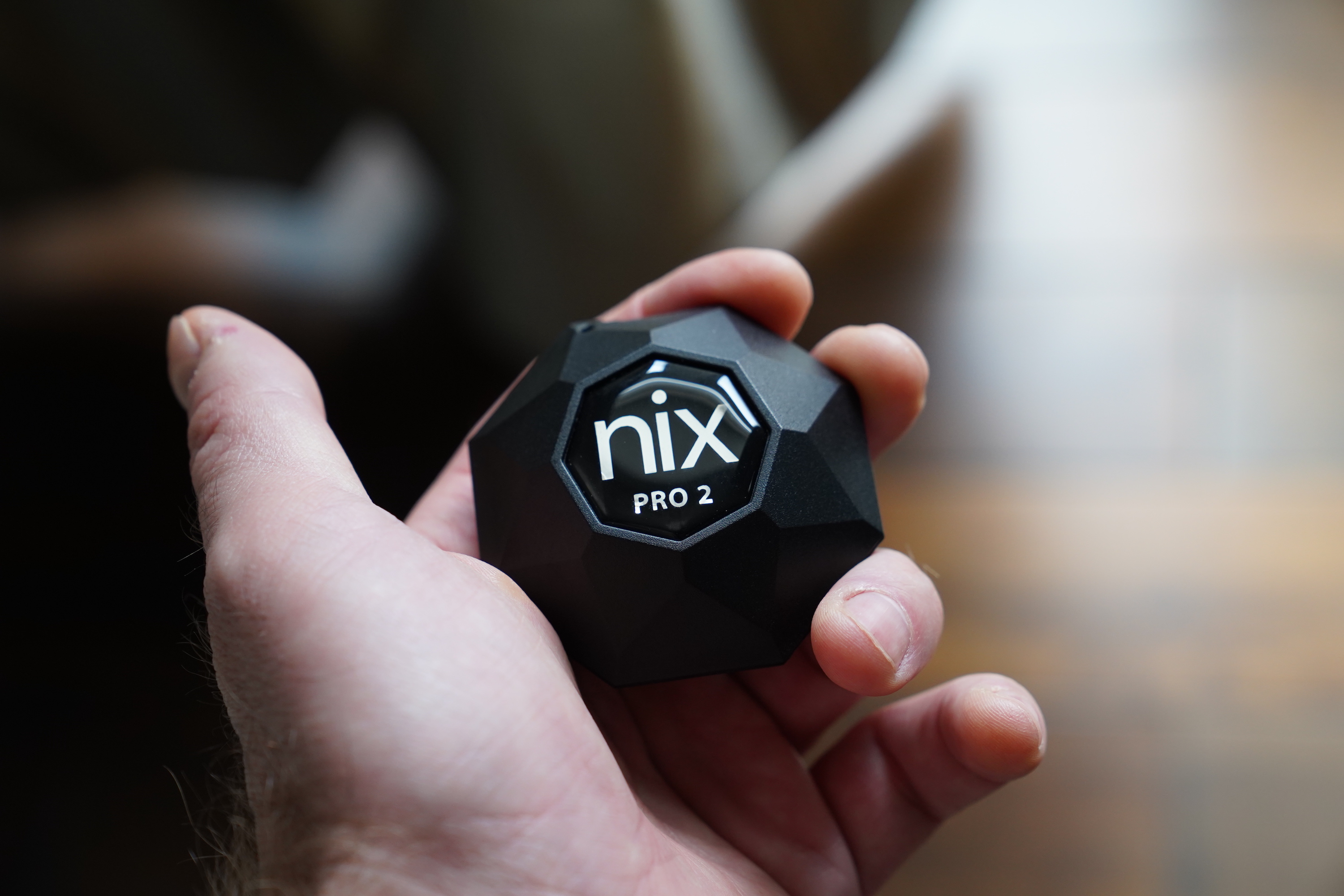
Translating the physical world to the digital has been a challenge, especially when it comes to things like color: Color isn’t actually all that static a thing, and the myriad displays and cameras we use can represent them in very different ways. But new gadgets from startup Nix can help cut through the confusion – the Nix line of color sensors, including the accessible Nix Mini (normally $99) and the more sophisticated Nix Pro 2 (normally $349).

These devices are deceptively simple in their use and construction, but do one job remarkably well – with a lot going on behind the scenes to make that possible. They’re main purpose is to give you a digital interpretation of an analog color, which could be the color of any surface you come across. To do this, they house a small lens and sensor inside a diamond-shaped plastic enclosure. Both the Mini and the Pro are easily pocketable, but the Mini is about the diameter of a large coin, while the Pro feels more like a golf ball in the hand.

The sensors include built-in batteries that charge via Micro USB, and since they aren’t really using that much power when in operation, you can get around 3,000 individual surface scans out of a single full battery. Using them is also fantastically easy: You download an app (Nix has three, including one for digital color capture, one for paint, and one for Pro users with additional info useful for professional paint shops and other applications), pair one of the devices (they should show up automatically once charged) and then tap a button in the app to scan a surface, holding the Nix up to said surface.

The process is super quick, and provides different results depending on which app you’re using. In the Nix Paints app, once you select your preferred brand, it’ll give you the closes possible off-the-shelf matches, which is great if you’re doing patch work or repainting a portion of your house. You can also get a palette of complimentary or otherwise matching colors for redecorating. And the ‘Digital’ app lets you see all the HEX and other values you’d use for web or digital product design, and also build palettes that work together for project work.

[gallery ids="1917679,1917680,1917681,1917682"]

Nix Pro provides a range of color readouts that are used by professionals for super-accurate matching and measurement, and you can again use the built-in paint library to match accurately, or the color values to have a batch custom mixed to your specifications.

Nix can scan just about any surface, including all types of paints and fabrics, as well as tile and other flooring. It’s an accessory that really makes quick and painless what has been a pretty messy process in the past, and it also comes calibrated out of the box so there’s nothing the user has to do to ensure color accuracy when actually using it.

28 Nov 2019

Bunq launches metal card and plants a tree for every €100 spent

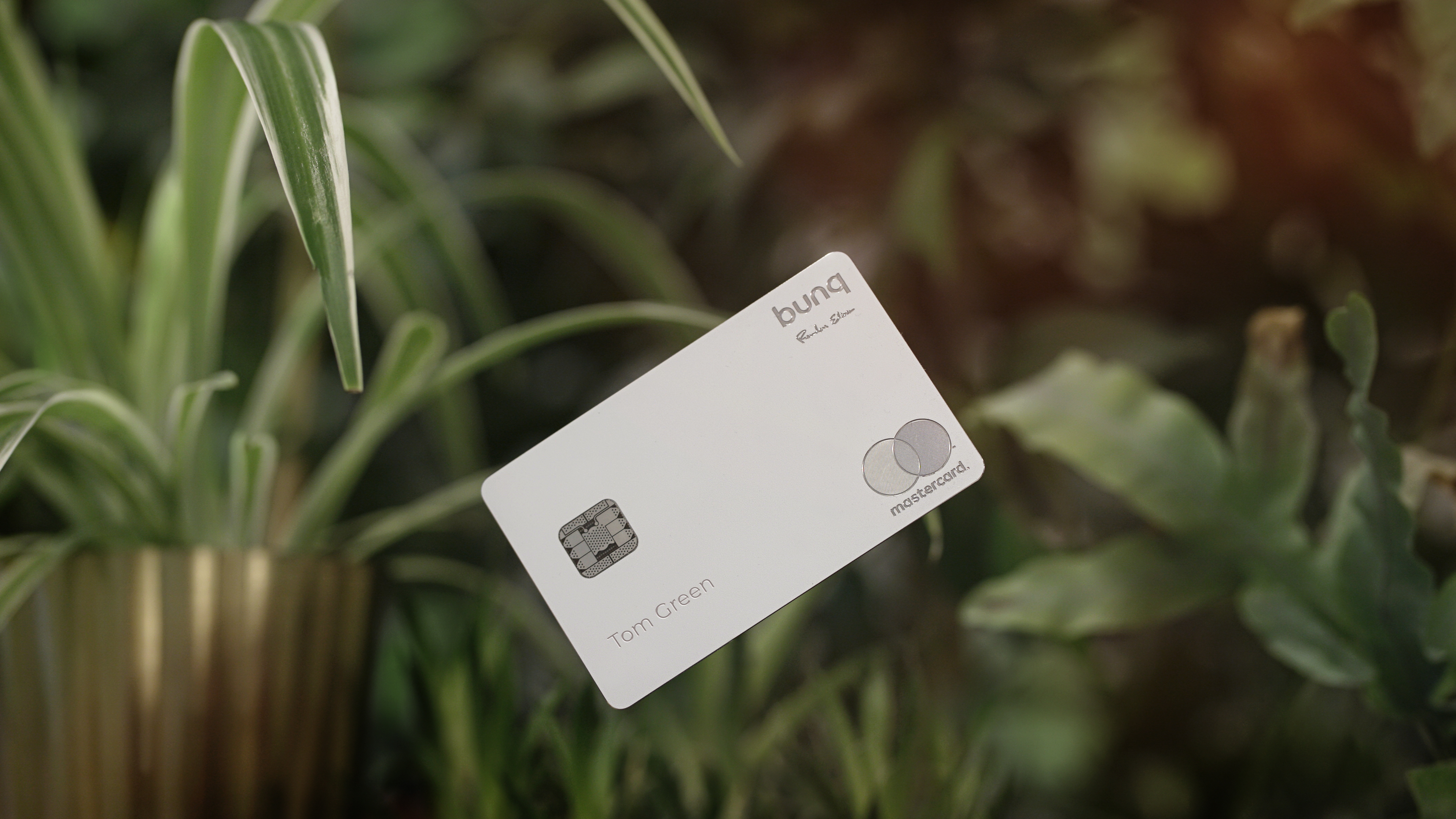
Fintech startup Bunq is launching a metal card called the Green Card. While some banks offer a cashback program with premium cards, Bunq is offering a special kind of “cashback”. For every €100 spent, Bunq plants a tree. The company has partnered with Eden Reforestation Projects to finance reforestation around the globe.

Manufacturing a metal card isn’t particularly environmentally friendly. That’s why the Green Card expires after six years instead of four years. It is also made of recyclable material (even though I’m not sure it’s that easy to recycle a metal card with a chip, a magnetic stripe and an NFC antenna after it expires).

Other than that, the Green Card works more or less like the Travel Card. While Bunq offers traditional bank accounts, you can order a Travel Card or a Green Card and keep your existing bank.

The Green Card is a Mastercard without any foreign exchange fee. The company uses the standard Mastercard exchange rate but doesn’t add any markup fee.

While the Green Card is a credit card, it doesn’t work like normal credit cards. You don’t get a direct debit on your bank account. Instead, you have to open the Bunq app and top up your Bunq account — topping up your account with another card may incur some fees, more details here. If you don’t have enough money on your account, the transaction gets rejected like a debit card.

The Travel Card costs €9.99 to order the card. There’s no monthly fee after that. The Green Card costs €99 per year. Bunq charges €0.99 per ATM withdrawal but you get 10 free withdrawals with the Green Card.

The company is selling a limited edition today with “Founders Edition” engraved in the top right corner but the first batch is nearly sold out:

28 Nov 2019

Bunq launches metal card and plants a tree for every €100 spent

Fintech startup Bunq is launching a metal card called the Green Card. While some banks offer a cashback program with premium cards, Bunq is offering a special kind of “cashback”. For every €100 spent, Bunq plants a tree. The company has partnered with Eden Reforestation Projects to finance reforestation around the globe.

Manufacturing a metal card isn’t particularly environmentally friendly. That’s why the Green Card expires after six years instead of four years. It is also made of recyclable material (even though I’m not sure it’s that easy to recycle a metal card with a chip, a magnetic stripe and an NFC antenna after it expires).

Other than that, the Green Card works more or less like the Travel Card. While Bunq offers traditional bank accounts, you can order a Travel Card or a Green Card and keep your existing bank.

The Green Card is a Mastercard without any foreign exchange fee. The company uses the standard Mastercard exchange rate but doesn’t add any markup fee.

While the Green Card is a credit card, it doesn’t work like normal credit cards. You don’t get a direct debit on your bank account. Instead, you have to open the Bunq app and top up your Bunq account — topping up your account with another card may incur some fees, more details here. If you don’t have enough money on your account, the transaction gets rejected like a debit card.

The Travel Card costs €9.99 to order the card. There’s no monthly fee after that. The Green Card costs €99 per year. Bunq charges €0.99 per ATM withdrawal but you get 10 free withdrawals with the Green Card.

The company is selling a limited edition today with “Founders Edition” engraved in the top right corner but the first batch is nearly sold out:

28 Nov 2019

TikTok apologizes for removing viral video about abuses against Uighurs, blames a “human moderation error”

TikTok has issued a public apology to a teenager who had her account suspended shortly after posting a video that asked viewers to research the persecution of Uighur people and other Muslim groups in Xinjiang. TikTok included a “clarification on the timeline of events,” and said that the viral video was removed four days after it was posted on November 23 “due to a human moderation error” and did not violate the platform’s community guidelines (the account @getmefamouspartthree and video have since been reinstated).

But the user, Feroza Aziz, who describes herself in her Twitter profile as “just a Muslim trying to spread awareness,” rejected TikTok’s claims, tweeting “Do I believe they took it away because of an unrelated satirical video that was deleted on a previous deleted account of mine? Right after I finished posting a 3 part video about the Uyghurs? No.”

In the video removed by TikTok, Aziz begins by telling viewers to use an eyelash curler, before telling them to put it down and “use your phone, that you’re using right now, to search up what’s happening in China, how they’re getting concentration camps, throwing innocent Muslims in there, separating families from each other, kidnapping them, murdering them, raping them, forcing them to eat pork, forcing them to drink, forcing them to convert. This is another Holocaust, yet no one is talking about it. Please be aware, please spread awareness in Xinjiang right now.”

TikTok is owned by ByteDance and the video’s removal led to claims that the Beijing-based company capitulated to pressure from the Chinese Communist Party (Douyin, ByteDance’s version of TikTok for China, is subject to the same censorship laws as other online platforms in China).

Though the government-directed persecution of Muslim minority groups in China began several years ago and about a million people are believed to be detained in internment camps, awareness of the crisis was heightened this month after two significant leaks of classified Chinese government documents were published by the New York Times and the International Consortium of Investigative Journalists, confirming reports by former inmates, eyewitnesses and researchers.

Aziz told BuzzFeed News she has been talking about the persecution of minority groups in China since 2018 because “as a Muslim girl, I’ve always been oppressed and seen my people be oppressed, and I’ve always been into human rights.”

In the BuzzFeed News article, published before TikTok’s apology post, the company claimed Aziz’s account suspension was related to another video she made that contained an image of Osama Bin Laden. The video was created as a satirical response to a meme about celebrity crushes and Aziz told BuzzFeed News that “it was a dark humor joke that he was at the end, because obviously no one in their right mind would think or say that.” A TikTok spokesperson said it nonetheless “violated its policies on terrorism-related content.”

“While we recognize that this video may have been intended as satire, our policies on this front are currently strict. Any such content, when identified, is deemed a violation of our Community Guidelines and Terms of Service, resulting in a permanent ban of the account and associated devices,” a TikTok spokesperson told BuzzFeed, adding that the suspension of Aziz’s second account, which the makeup tutorial video was posted on, was part of the platform’s blocking of 2,406 devices linked to previously suspended accounts.

In TikTok’s apology post today, TikTok US head of safety Eric Tan wrote that the platform relies on technology to uphold community guidelines and human moderators as a “second line of defense.”

“We acknowledge that at times, this process will not be perfect. Humans will sometimes make mistakes, such as the one made today in the case of @getmefamouspartthree’s video,” he added. “When those mistakes happen, however, our commitment is to quickly address and fix them, undertake trainings or make changes to reduce the risk of the same mistakes being repeated, and fully own the responsibility for our errors.”

Aziz told the Washington Post, however, that “TikTok is trying to cover up this whole mess. I won’t let them get away with this.”

The controversy comes as TikTok faces an inquiry by the U.S. government into how it secures the personal data of users. Reuters reported yesterday that TikTok plans to separate its product and business development, and marketing and legal teams from Douyin in the third quarter of this year.


28 Nov 2019

Vinted, the second-hand clothes marketplace, raises $141M at a $1B+ valuation

The market for second-hand clothes — the “circular economy” as it’s sometimes called — has been on the rise in the last several years, fuelled by economic crunches, a desire to make more responsible and less wasteful fashion choices, and a wave of digital platforms that are bringing the selling and buying of used clothes outside the charity shop. Today, one of the bigger companies in Europe working in the third of these areas is announcing a huge round of funding to double down on the trend.

Vinted, a site where consumers can sell and buy second-hand fashion, has raised €128 million (around $140.9 million) in a round that is being led by Lightspeed Venture Partners, with previous backers Sprints Capital, Insight Venture Partners, Accel and Burda Principal Investments also participating. With this investment, the startup — founded and headquartered out of Vilnius, Lithuania — has passed a valuation of $1 billion (it is not specifying an exact amount), making it one of the biggest startups to come out of the country (but not the Baltics’ first unicorn… Estonian Uber competitor Bolt, formerly known as Taxify, is also valued at over $1 billion.)

The company is going to use the money to continue expanding in Europe, and building out more features on its platform to improve the buying and selling process, while sticking to its goal of providing a platform for consumers to list and buy used fashion.

“We want to make sure we don’t have new products,” CEO Thomas Plantenga said in an interview earlier. “All our sellers are regular people.” Some 75% of Vinted’s customers have never bought or sold second hand clothes in their lives before coming to the platform, he added. “The stigma is no longer there.”

Vinted’s growth comes on the heels of a remarkable turnaround for the startup. Founded in 2008 by Milda Mitkute and Justas Janauskas as a way to help Mitkute clear out here wardrobe before a house move, the company expanded fast, but at a price: by 2016, it was close to running out of money and business had slowed down to a crawl. Investors brought in Plantenga to turn it around.

“We changed the business model in 2016 to make the costs as low as possible for users to list clothes,” Pantenga said today. “That produced a dramatic change in our growth trajectory.”

The company, more specifically, went through some drastic changes. First, it clawed back a lot of its pricey international expansion strategy (and along with that a lot of the costs associated with it); and second, it removed all listing fees to encourage more people to list. Now, Vinted charges a 5% commission only if you conduct transactions on Vinted itself, bundling in buyer protection and shipping to sweeten the deal. (You can still post, sell and buy for free if you pay offline but you don’t get those perks.)

The turnaround worked, and the company bounced back, and two years later, in 2018, it went on to raise €50 million. Today, Vinted has some 180 million products live on its platform, 25 million registered users in 12 markets in Europe (but not the US) and 300 employees. It expects to sell €1.3 billion in clothes in 2019, has seen sales grow 4x in the last 17 months.

Vinted’s rise has matched a wider trend in the region.

Europe is the home to some of the world’s biggest “fast fashion” businesses: companies like H&M, Zara and Primark have built huge brands around making quick copies of the hottest styles off the fashion presses, and selling them for prices that will not break the bank (or at least, no more than you might have previously paid to buy a pair of average jeans on the discount rack of a Gap).

But it turns out that it’s also home to a very thriving market in second-hand clothes. One estimate has it that two out of every three Europeans has bought a second-hand good, and 6 out of 10 have sold their belongings using platforms dedicated to second-hand trade.

Even as the company continues to hold back on expanding into the US — perhaps burned a little too much by its previous efforts there; or simply aware of the wide competition from the likes of Ebay, OfferUp, Letgo, Poshmark, and many more — Vinted’s growth in Europe has caught the eye of investors in the that market.

“At Lightspeed, we look for outlier management teams building generational companies. We’ve been impressed by the team’s ability to build an incredible product and value proposition for their community, and adapt and expand their business along the way,” said Brad Twohig, a partner at Lightspeed. “Vinted is defining its market and has built a global brand in C2C commerce and communities. We’re proud to partner with Vinted and leverage our global platform and resources to help them continue to build on their success and achieve their goals.”

While charity shops have traditionally dominated this market, sites like eBay, followed by a secondary wave of platforms like Vinted and another competitor in this space, Depop, have made selling and buying items into an established, low-barrier business.

All the same, given that extending the life of one’s goods feeds into a do-good ethos, it’s noticeable to me that Vinted hasn’t quite replaced the Salvation Army: there is virtually no way to sell on Vinted and give the proceeds to charity, if you so choose.

It appears that this might be something Vinted will try to address in the future.

“We are looking at making fashion circular for our users so that clothing that they bought doesn’t go to waste,” Plantenga said. “[Giving proceeds to charity] is super interesting and we should explore it as part of our growth story. To be honest, those things have been in the background and not developed because we’ve just been trying to keep up with everything, but the idea fits into our culture.”


28 Nov 2019

Revolut supports direct debits in the UK

Fintech startup Revolut is adding a key feature for users who want to replace their traditional bank account altogether. You can now pay with GBP direct debits. Revolut already added EUR direct debits last year.

While most people use cards to pay for goods and services in the U.K., some businesses require you to pay with direct debit. It can be a utility bill, a gym membership or a phone contract for instance.

Compared to card transactions, direct debits pull money directly from your account and transfer it to the recipient’s account. It doesn’t go through Mastercard or Visa. Some businesses love direct debits because it’s usually cheaper than card processing fees. Direct debits also don’t have an expiry date, unlike cards.

Customers from the European Economic Area can now share their GBP account details for direct debits in the U.K. Direct debits are protected against some fraud and payment errors by the U.K. Direct Debit Guarantee.

Revolut has partnered with Modulr for this feature as it uses Modulr’s API. Business customers will also be able to take advantage of direct debits. You can now pay suppliers with your account details, which could be convenient for large sums of money for instance.

27 Nov 2019

Gift guide: Photography accessories for the shutterbug in your life

Looking for some gift ideas for the photographer in your life? Look no further. Though shooters amateur and professional tend to take care of their own needs pretty well, there are plenty of things you can given them that they’ll appreciate. But you might have to be ready to spend a bit — people don’t pick up this hobby because it’s so cheap.

USB-C Hub – $40-$60

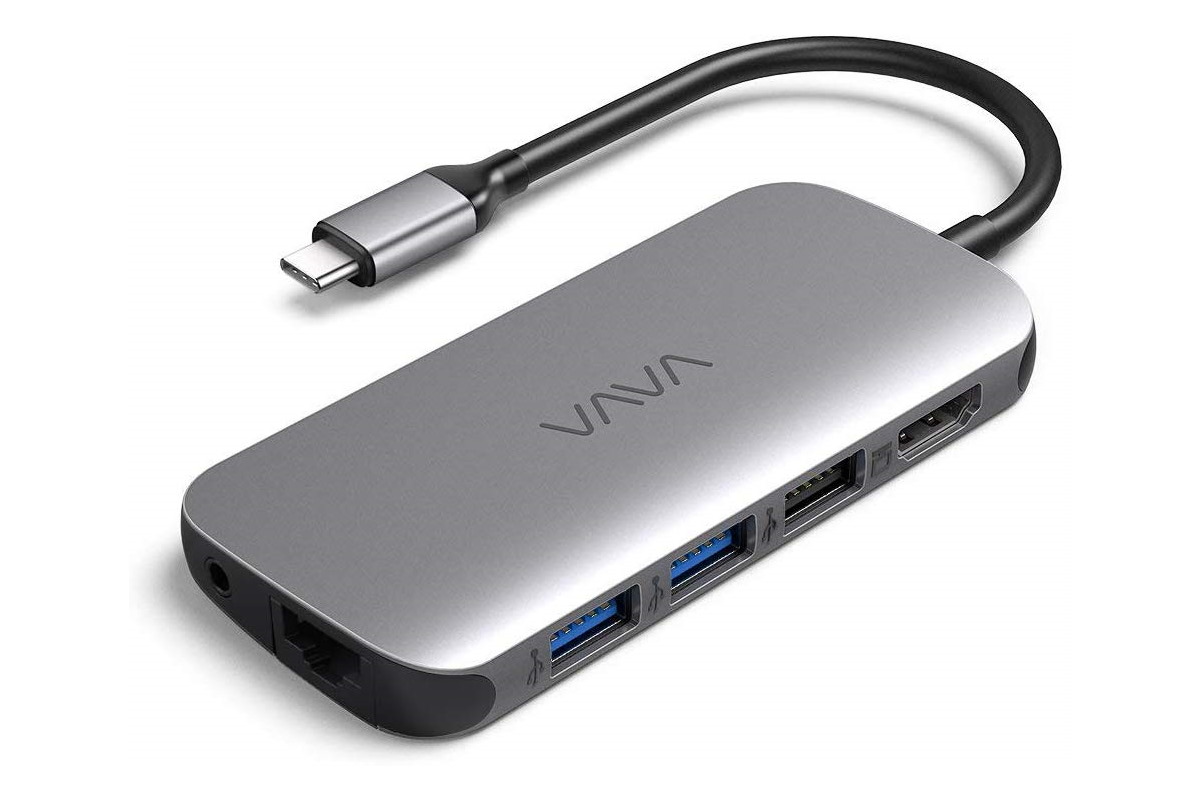
A lot of the latest laptops are eschewing a variety of ports for more or only USB-C. Some like this trend, and some hate it, but one way or another you’ve got to deal with it. Photographers especially. This Vava hub has pretty much everything your average shooter needs, including old-type USB ports for legacy gear, an SD card reader, and a headphone jack for reviewing video. This one is $60 but there are bigger and smaller ones if you happen to know they use Ethernet, microSD, and so on. Just stay away from the bargain bin ones — you don’t want to mess around when it comes to carrying lots of power.

Hand strap – $10-$40

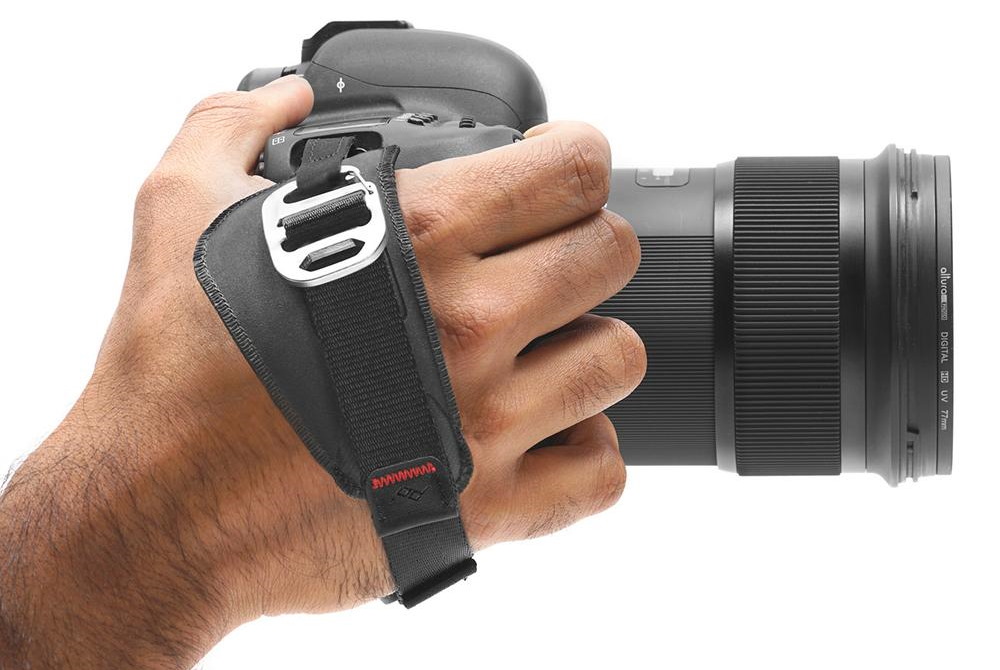
Everyone has a neck strap for their camera because they always come with one. But not everyone wants to use them — the included ones are cheap and even good ones can be annoying. A hand strap is a good alternative that adds a lot of security very simply. For a smaller camera like a mirrorless, a simple, high quality strap like Gordy’s is a good option. And for heavier bodies like DSLRs with big lenses, Peak Design’s Clutch is a solid one that works across many brands. Many camera manufacturers make their own as well, but we’ve found that Peak often makes meaningful improvements on suchstandard models.

Extra SD cards and a carry case – $30-40

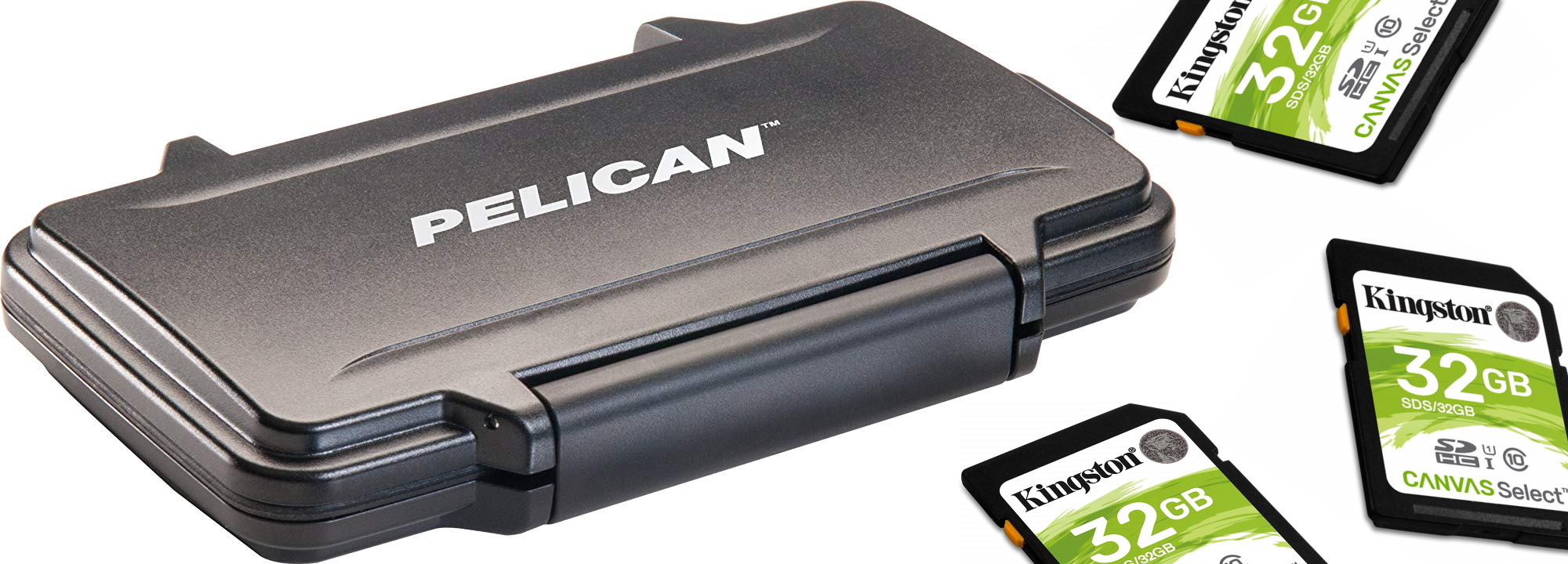
A photographer can never have too many cards, and a good case never goes amiss, either. You can’t go wrong with Pelican when it comes to cases, even if $30 seems a lot to spend on a little plastic clamshell with foam inside. As for SD cards, 32 gigabytes is a nice safe number. Just make sure you stick to known brands like Sandisk and Kingston, and make sure it’s a “Class 10” card — lower numbers mean slower transfer speeds.

A year of Adobe – $120

This is a tough one. Lots of photographers use Lightroom and Photoshop, and it would be nice to be able to gift them a few months or a year’s worth of subscription to Adobe’s platform. But Adobe makes this so hard to do that we can’t actually figure out a good way to do it. Nevertheless, if you can figure out a creative way to go about this, your photographer friend will appreciate it. Adobe, if you’re reading this, make this work!

Microfiber wipes – $10-15

One thing you can never have too many of as a photographer is lens wipes. Some prefer the disposable type and/or a little air puff, but a pack of small microfiber ones will also be welcome, as they can be used for glasses, laptop screens, and everything else as well. They’re all pretty much the same and you can get a dozen small ones for less than ten bucks.

A decent bag – $100-400

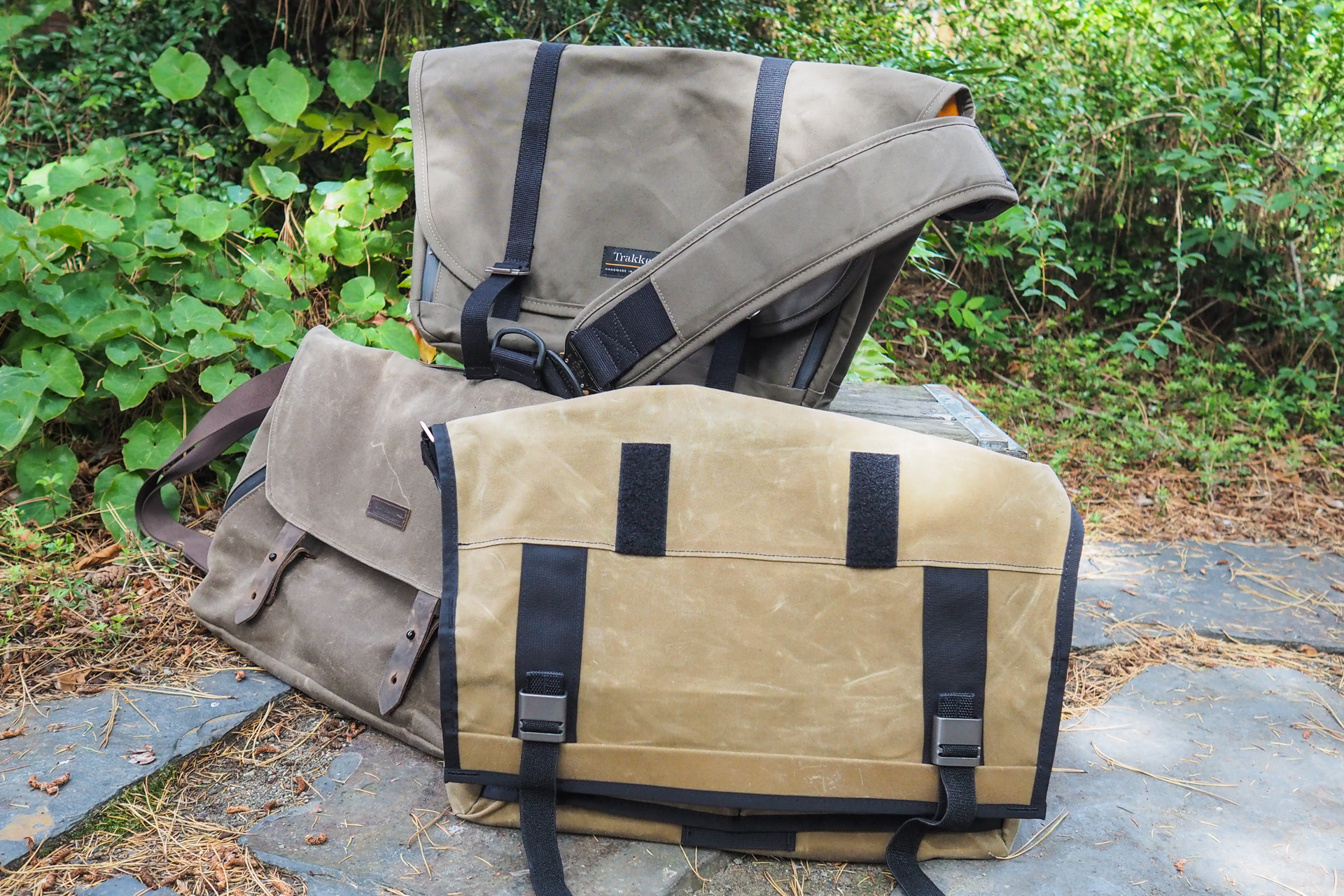
waxed messengers 28

It’s amazing how often a photographer will spend a thousand bucks on a lens but have their gear sloshing around in some old backpack. A good bag helps keep your gear safe but also makes you a better shooter by making you organize, inventory, and keep things accessible. There are a lot of great bags to choose from out there, which is why we have Bag Week, but I’m partial to Ona for waxed and vintage style camera bags and Peak Design for a more modern, synthetic style.

Soft shutter release – $25

A soft shutter release is definitely a niche gift, but if you have someone on the list who shoots one of Fujifilm’s rangefinder-style cameras, or a Leica if they’re really fancy, a soft shutter release is an awesome, inexpensive stocking stuffer. The Match Technical Boop-O pictured above on an X-T3 camera adds a very nice, easy-to-squeeze ergonomic shutter control to the existing flat button. It screws into a hole that’s already built in to Fuji cameras that support this, including the X100-series and the X-T series cameras, to name just a few popular options. Stick-on soft shutter releases are also available for cameras that don’t have this mount built-in.

Portable lighting – $70-$500

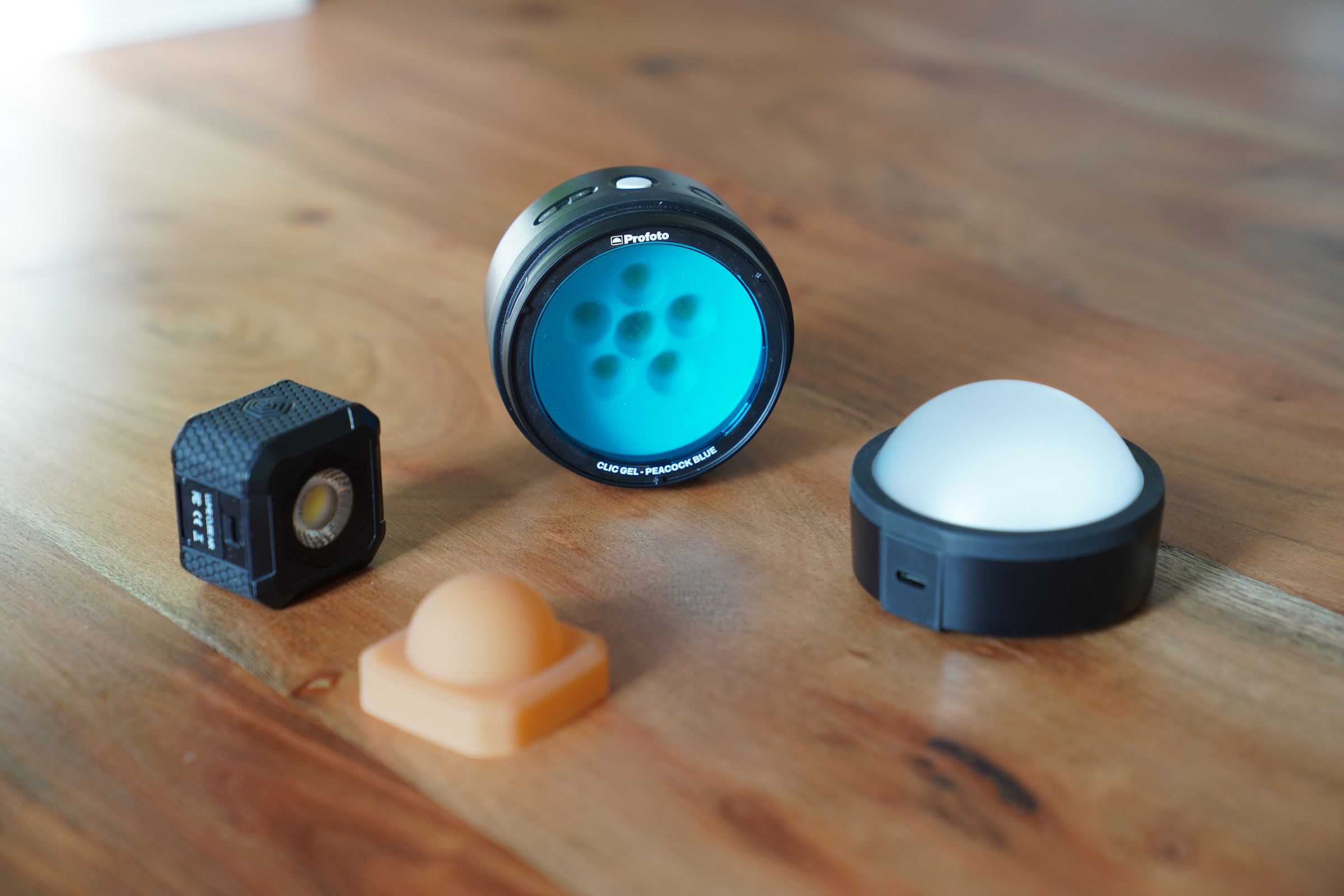
If you think photographic lighting is just about on-camera flash, then you probably haven’t done enough experimenting with the variety of smart lightening accessories out there. Two great options are the Lume Cube line of products (Lume Cube Air pictured, left above) and the Profoto C1 and C1+. These serve different needs, but can both be used to help you do really fun stuff with both smartphone and dedicated camera-based photography. The price ranges vary, but Profoto’s offering is aimed more at pros who want portable lighting that approaches what you can get out of much more expensive studio setups, while Lume Cube is better suited to the action and drone photography set.

Gnarbox – $500-$900

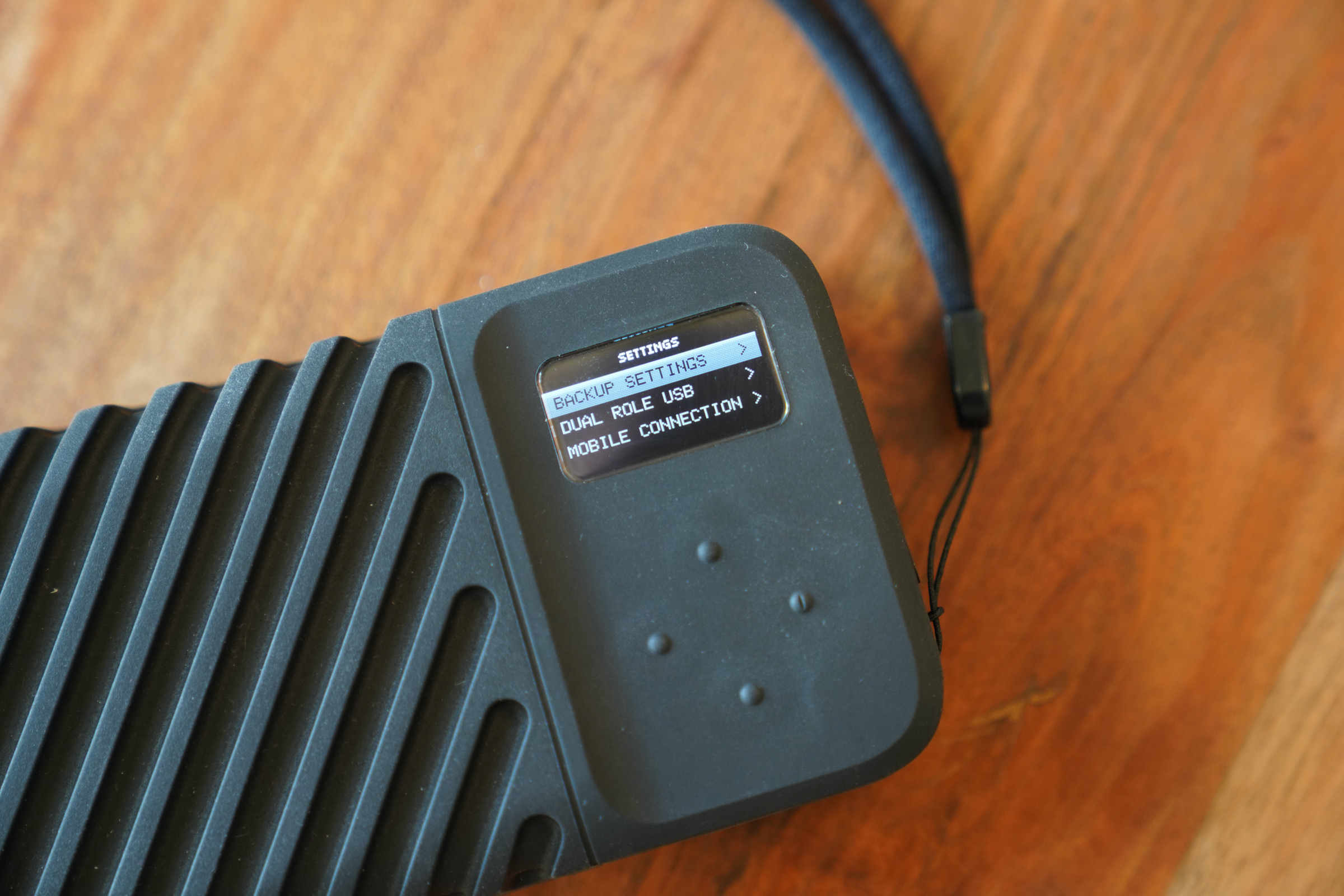
Gnarbox 2.0 6This is definitely a gift reserved only for the people who merit big ticket purchases on your list, given its price. It’s also designed specifically to suit the needs of creative professionals, so it’s probably too much gear for most people. That said, if there is a pro photographer or videographer in your life who you really care deeply about, this is likely to be a gift that they’ll value – even if they already have one, since it’s the kind of gear where more = better. The Gnarbox provides easy SD backup and file management for photos and videos, so that you can keep shooting longer in the field and work with the files on the go. The 2.0 version is finally shipping, which offers SSD-based storage for much faster transfer and working speeds.

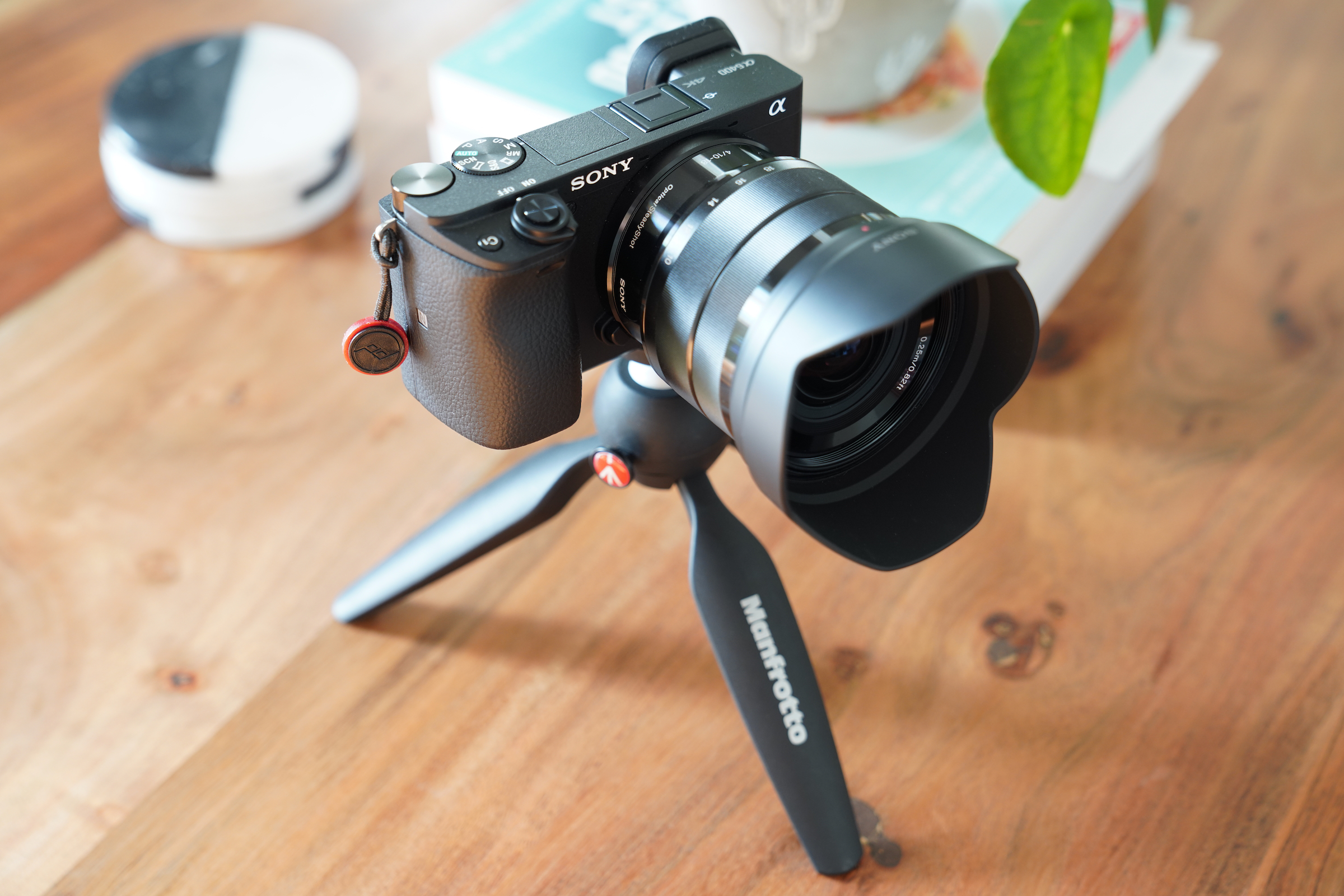
Mini tripod – $12 – $35

A mini tripod is a great addition to any photography kit, and there are a range of options available to suit different sizes and types of cameras, from smartphones all the way up to big DSLRs. The best value for money just might be the Manfrotto PIXI lineup, however, which itself comes in a range of options. The basic PIXI Mini Tripod is probably plenty enough for most, and can really help make sure that you get great travel shots and selfies while keeping your pack light. The PIXI EVO gives you a bit more flexibility with extendable legs for a bit more money.


27 Nov 2019

Top mobility VCs discuss their current investment strategies

The mobility industry is rapidly shifting to readjust for an electric and autonomous future.

Automotive companies are increasingly looking outside the manufacturing sector to fuel growth, and companies that used to bank on selling vehicles are now building mobility apps, scooters, and subscription services. Detroit is turning to to Silicon Valley for fresh ideas while Silicon Valley is studying Detroit for proven methods.

We surveyed top VCs in the mobility sector to see where they’re putting their money, and one thing quickly became apparent — investors are funding startups that bring connectivity to mobility. From automobile components to social apps, connectivity is critical to investors and the industry alike.

Reilly Brennan, general partner, Trucks VC
Michael Granoff, managing partner, Maniv Mobility
Jim Adler, founding managing director, Toyota AI Ventures
Dr. Ulrich Quay, managing partner, BMW i Ventures

Answers were edited for clarity.

Reilly Brennan, general partner, Trucks VC

Where are you investing in the automotive space?

We invest in startups that make transportation safer, cleaner, and more accessible. Anything that moves goods or people is interesting to us. We are first interested in exceptional founders, then exceptional ideas. For example, we just invested in a new type of car wash that doesn’t use any soap or chemicals; although it was never our intent to seek out that idea, we really believed in the founders’ vision for making it happen.

Which areas in automotive offer the most opportunity for startups?

There are many big opportunities across transportation — such is the case when you’re operating in markets measured in trillions. Right now, I am more convinced than ever that there is a 10-figure opportunity for a new navigation app — it’s one of the few/only transportation-related apps on everyone’s home screen. Still, the leaders are mostly incumbents (Apple Maps, Google Maps), where the products are good but haven’t made fundamental leaps in years or an app like Waze, which is high utility but low user experience. Other than YouTube, Waze is probably Google’s only social network, although I doubt they think of it like that. For how important navigation is and will be, we’ve been surprised more founders don’t create more there because the value is high. If you are working on something in this space, please email me! rpb@trucks.vc

What makes a startup attractive for investment from OEMs?
Most OEMs are interested in companies that support their future product vision. Every once in a while, you will find an OEM with an alternative strategy that does not invest in supporting their products, but these are quite rare. As a result, startups who are actively selling in the auto supply chain are the best positioned for auto investment. Remember that many OEMs passed on investing in Uber in the early days.

Dr. Ulrich Quay, managing partner, BMW i Ventures

27 Nov 2019

Simple Contacts has a new service letting users cheaply switch contact lens prescriptions

Simple Contacts has launched a new service letting users try out new contact lenses for as little as $3.

The company launched a little over three years ago as a way for contact lens wearers to slash their refill costs, has now expanded into a service that offers users a chance to try out different lenses to see what might be a better fit.

Contact lenses are a big business. Just ask Warby Parker, href="https://www.warbyparker.com/contacts"> which recently entered the market with their “Scout” brand for contacts.

“Warby will get a lot of people thinking about dailies, and that’s a great thing for eye health,” says Joel Wish, the founder and chief executive of Simple Contacts. “There are a lot of choices in the market already, and we help patients navigate that by giving them a a personalized lens recommendation and issuing a prescription all online.”

Users who want to try out a new contact lens prescription can take an online test and give certain information about the contacts they currently wear, according to Bharat Ayyar, the general manager at Simple Contacts. Once the test is complete, and the company is assured that a user’s prescription hasn’t changed, Simple Contacts will recommend a daily disposable lens that would be the right fit for a user.

“If you have any questions or issues you can text the doctor,” says Bharat. “You test to see that you see clearly. If you like them you subscribe to them and it’s super easy if you don’t like them you can go back to your old lenses.”

Simple Contacts argues that the price is far more affordable than a visit to the optometrist. In person consultations can cost as much as $200. “Going from $200 plus to get lenses to $3 to get lenses, it’s a huge difference,” says Bharat.

The launch of its new contact lens product isn’t the only change afoot at Simple Contacts. The company has also begun offering a broader array of prescription services under the Simple Health brand as it expands into other aspects of the health care market and looks to compete with companies like Hims, Roman, and NuRX.

“We started delivering birth control last November,” says Wish. “It’s a natural extension of what we’re doing. Our mission is to increase access to care. We’re doing that by making it more cost effective and convenient to get care online. Birth control is another product that’s restricted by the doctor.”

Using influencer marketing on YouTube, Instagram, Vimeo and TikTok, Simple Health has grown its subscriber base quickly over the course of the past year, says Wish.

“We do not need to be the first mover to win,” says Wish of the incredible competition from other prescription drug providers online. “Only a few hundred thousand patients getting birth control are getting it online out of 10 million.”

The market is massive and already Simple Health is generating revenue in the seven figures per-month, according to the company’s chief executive.

It’s all part of the plan to expand upon the technology stack for remote consultations that Simple Contacts built as it was growing the contact lens business.

“Adding other verticals is something we can add to the existing system,” says Wish. “We bought simplehealth.com first. The idea was that we could give you access to medications for chronic conditions. Contact lenses are unique in t hat they don’t require a pharmacy and are less complicated and it allowed us to build the infrastructure for virtual pharmacies.”