Year: 2019

21 Nov 2019

BMW locks up 10.2 billion euro battery order ahead of EV onslaught

BMW announced Thursday it will spend more than 10 billion euros ($11.07 billion) on battery cells from Chinese battery cell manufacturer Contemporary Amperex Technology Co and Samsung SDI.

The deal comes just days after BMW unveiled its first purely electric premium mid-size sedan called the i4. The all-electric sedan, which won’t be available until 2021, is powered by the company’s fifth-generation eDrive platform and part of the company’s upcoming onslaught of EVs.

BMW’s original deal with CATL, which was announced in mid-2018, was for four billion euros worth of battery cells. This new contract is from 2020 to 2031, the German automaker said.

BMW Group will be the first customer of CATL’s battery cell factory that is under construction in Erfurt, Germany. BMW played an active part in establishing CATL in Germany, according to Andreas Wendt, member of the Board of Management of BMW AG responsible for purchasing and supplier network.

The automaker also signed a long-term supply contract for its fifth-generation electric drive trains with Samsung SDI. BMW’s contract with Samsung SDI, which is worth 2.9 billion euros, is valid from 2021 to 2031.

BMW battery-i4

Battery in the BMW i4 sedan.

“In this way, we are securing our long-term battery cell needs,” Wendt said at a supplier event Thursday in Seoul, South Korea.

And if BMW sticks to its electric vehicle agenda, those needs will be substantial. The automaker plans to have 25 electrified models in its line-up by 2023. “Electrified” can mean plug-in hybrids or all-electric vehicles and BMW has create a flexible vehicle architecture to be able to offer both varieties and respond to market conditions.

More than half of the 25 models will be fully electric, the company said. The BMW Group has said it will double its sales of electrified vehicles between 2019 and 2021. The steepest growth curve will be through 2025. The company has predicted that global sales of electrified vehicles should increase by an average of more than 30% every year.

21 Nov 2019

BMW locks up 10.2 billion euro battery order ahead of EV onslaught

BMW announced Thursday it will spend more than 10 billion euros ($11.07 billion) on battery cells from Chinese battery cell manufacturer Contemporary Amperex Technology Co and Samsung SDI.

The deal comes just days after BMW unveiled its first purely electric premium mid-size sedan called the i4. The all-electric sedan, which won’t be available until 2021, is powered by the company’s fifth-generation eDrive platform and part of the company’s upcoming onslaught of EVs.

BMW’s original deal with CATL, which was announced in mid-2018, was for four billion euros worth of battery cells. This new contract is from 2020 to 2031, the German automaker said.

BMW Group will be the first customer of CATL’s battery cell factory that is under construction in Erfurt, Germany. BMW played an active part in establishing CATL in Germany, according to Andreas Wendt, member of the Board of Management of BMW AG responsible for purchasing and supplier network.

The automaker also signed a long-term supply contract for its fifth-generation electric drive trains with Samsung SDI. BMW’s contract with Samsung SDI, which is worth 2.9 billion euros, is valid from 2021 to 2031.

BMW battery-i4

Battery in the BMW i4 sedan.

“In this way, we are securing our long-term battery cell needs,” Wendt said at a supplier event Thursday in Seoul, South Korea.

And if BMW sticks to its electric vehicle agenda, those needs will be substantial. The automaker plans to have 25 electrified models in its line-up by 2023. “Electrified” can mean plug-in hybrids or all-electric vehicles and BMW has create a flexible vehicle architecture to be able to offer both varieties and respond to market conditions.

More than half of the 25 models will be fully electric, the company said. The BMW Group has said it will double its sales of electrified vehicles between 2019 and 2021. The steepest growth curve will be through 2025. The company has predicted that global sales of electrified vehicles should increase by an average of more than 30% every year.

21 Nov 2019

Splice teaches AI to sell Similar Sounds as users double

Splice is blowing up like a hit song. The audio sample marketplace has doubled revenue and user count in a year, and now reaches 3 million musicians. 70% of those visit weekly to hunt down the freshest and trendiest sounds that give their tracks that special something, and many pay $7.99 for unlimited access.

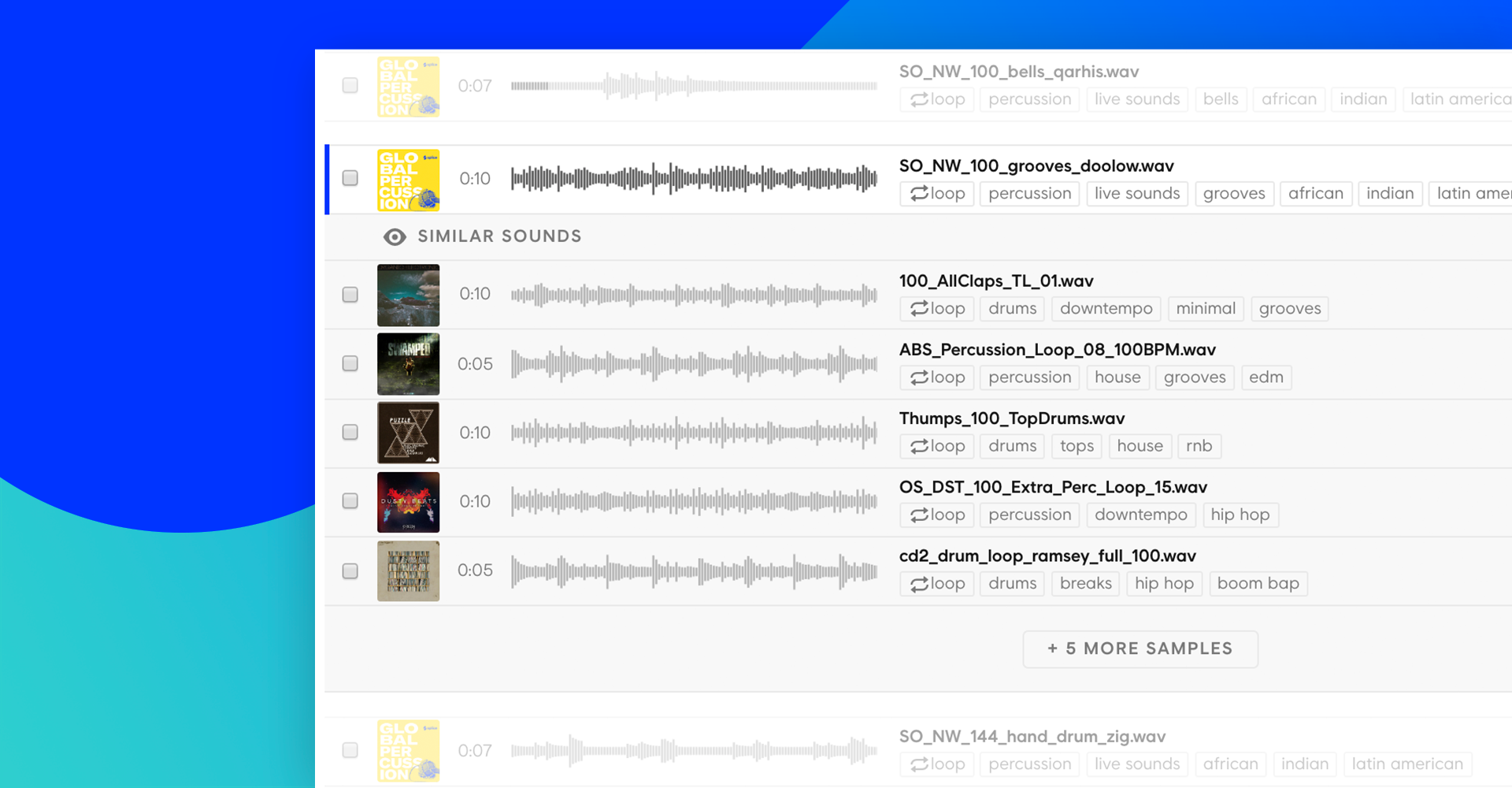
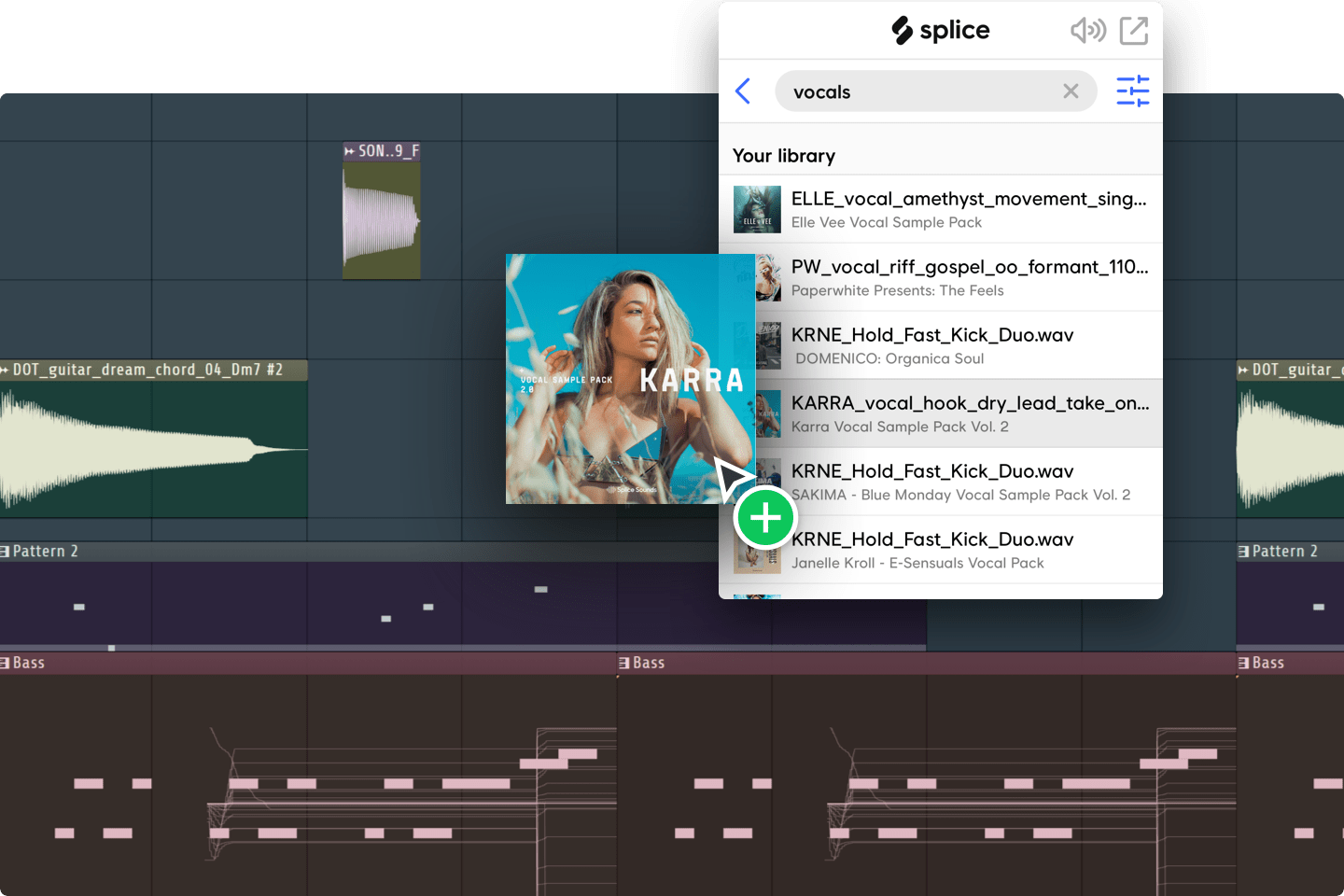
But words can’t always describe music. Searching by genre and subjective tags can take forever and leave artists frustrated when the sounds they find they don’t resonate right. So Splice has taught a machine learning algorithm to draw connections between samples. That allows it for the first time to recommend Similar Sounds to one a musician is currently listening to, based on their pitch, melody, rhythm, and harmonic profile. Sometimes the similarities are surprising — something only a machine could hear.

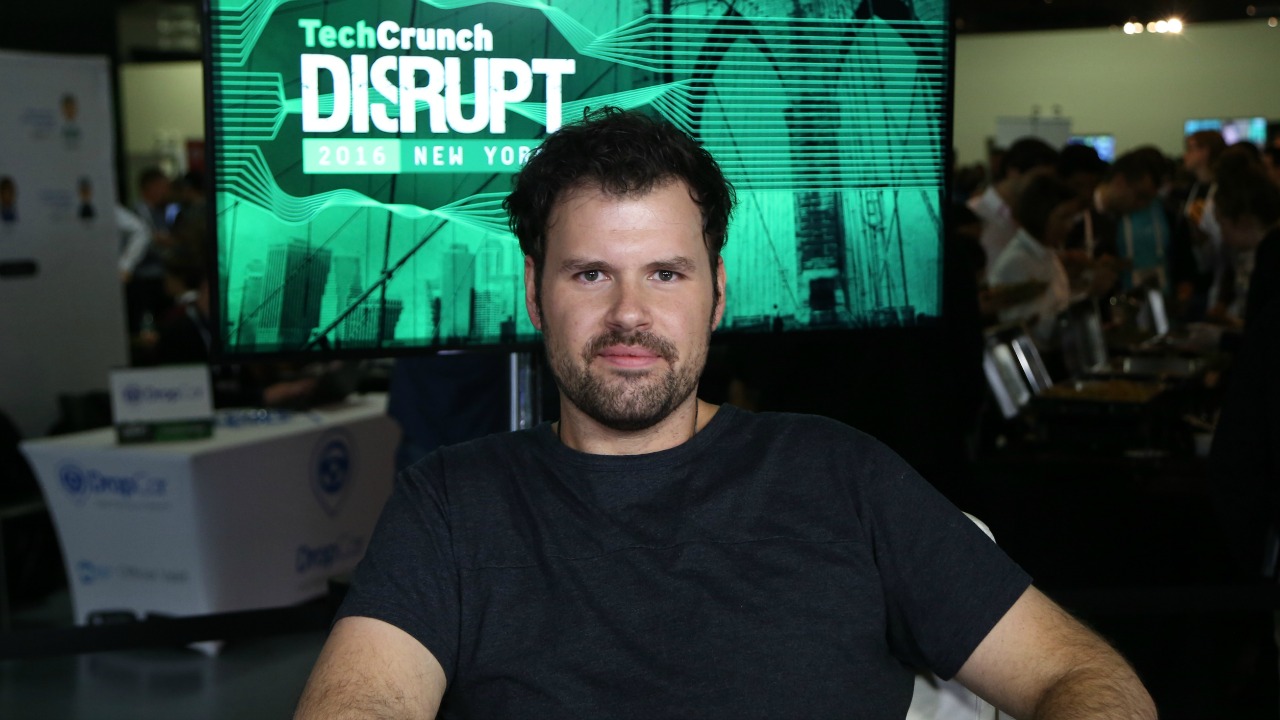
Splice co-founder and CEO Steve Martocci

It’s an express lane down sonic rabbit hole. Splice is seeing a double-digit increase in artists successfully finding and downloading a sample after a search. That means more subscribers, and more creators relying on Splice to power their artistic process. No wonder Splice was able to raise a $57.5 million Series C from Union Square in March.

“Like with Google Reverse Image Search…now you can do that for any sound” says Splice co-founder and CEO Steve Martocci. “Lots of companies do machine learning that might help them on the backend but this is a real user feature that’s providing value.”

Splice Similar Sounds

Prioritizing where to provide value next is Splice’s biggest challenge amidst hyper growth. The startup launched in 2013 as sort of a Github for music production that saved between every change so artists could revert to old versions and easily coordinate with collaborators. More recently it fought rampant digital instrument piracy by letting users pay a fee per month for access to popular but pricey synthesizers and plug-ins with a rent-to-own model.

Its breakout product has been the Splice Sounds marketplace where musicians preview 60 million audio samples per day from keyboard flourishes to snare drum hits. The snippets are royalty-free to use, leading many sourced from Splice to end up in chart-topping songs like Demi Lovato’s Billboard #1 “Sorry Not Sorry”. The platform charges $7.99 for unlimited access and splits the revenue with artists who create the sounds, to which Splice has paid out $20 million to date.

Yet once musicians narrow their search with keywords and genres based on tagging by Splice’s human staff, they still often have to scan through tons of sounds to find what feels right.

“People tell me their production process changed so much” Martocci says. “I know there’s one sound that’s close enough if I just keep pressing down on Splice.” With AI able to scan sounds to augment human tagging, and find the similarities to suggest related ones, “Now you might have to just press down once.” I hope to see Splice build new ways to browse Sounds beyond search so you can just follow your ears. It could also offer more ways for sound creators to stay in touch with their fans, as DJs are discovering some concert attendees love their samples more than their sets.

“My job is to keep as many people inspired to create as possible” beams Martocci, who famously sold his TechCrunch Disrupt Hackathon chat app Group.Me to Skype for $85 million just a year after launching. Others want in to the sample business too, though. Music hardware maker Native Instruments launched a competing Sounds.com marketplace last year, while there’s another called Blend.

But Martocci is differentiating with new label deals like one with Spinnin’ Records that sees its artists specially producing sound packs for Splice. It’s not actually other startups that are the biggest limiting factor for Splice. “My biggest competition is people giving up on themselves or thinking they’re not musical” says Martocci.

A big part of maintaining that momentum for artists is making sure they get paid. Stem, Kobalt, Dubset, and more startups have emerged to clean up the messy royalties distribution process. Martocci admits he’s eyeing the space too. “Full disclosure: I think there’s a long-term future for Splice to play a part in doing it right across the board” he tells me. “The royalty-free ecosystem has been a great start for us to get people opening up the creative process and it’s just the beginning of making sense of the whole space.”

After a decade of musictech being a graveyard, Spotify’s success and its direct listing entrance to the stock market have reinvigorated the industry. Streaming grew to $4.3 billion in the first half of the year to make up 80% of US recorded music business. Payouts from streaming are convincing artists the age of the CD is gone and they need to embrace technology and new revenue streams.

That certainly seems to have emboldened Martocci. “We want to build a multi-generational business here. We want to build the most iconic company in music history!” That passion has attracted tons of part-time DJ / full-time techies to work at Splice, including former Secret co-founder Chrys Bader-Wechseler and ex-Facebook video PM Matt Pakes. “We have our in-office studio that’s used every night by an employe. We have DJ equipment team members can rent out and use for their gigs” Martocci notes. “You need to have a team who understands the problems.”

21 Nov 2019

Facebook Dating now integrates with Instagram and Facebook Stories

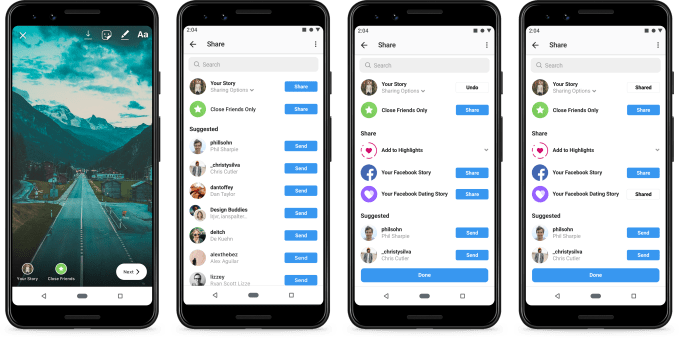
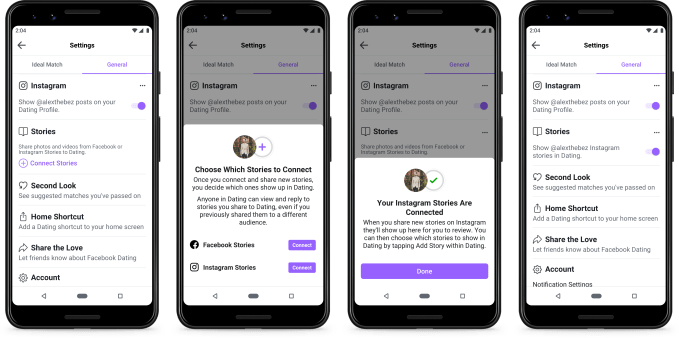
Facebook Dating, an opt-in feature of the main Facebook app, will begin to tap into the content users are already creating across both Facebook and Instagram to enhance its service. Today, Facebook Dating users will be able to add their Facebook or Instagram Stories to Facebook Dating, in order to share their everyday moments with daters.

As opposed to more polished profile photos, Stories can give someone better insight into what a person is like by showcasing what activities they like to engage in, their hobbies, their interests, their personality, and their humor, among other things. And if the daters themselves appear in a Story, it lets others see what they really look like, even if their online photos are out-of-date.

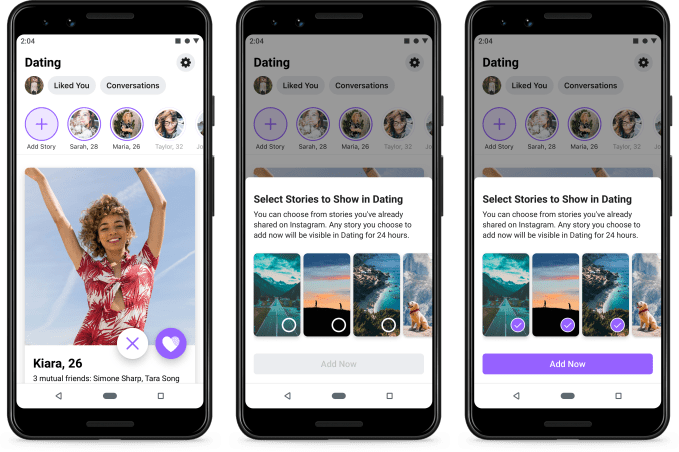
The way the feature is being implemented on Facebook Dating puts the user in control of what’s being shared. That is, your Facebook or Instagram Stories are not automatically copied over to Facebook Dating by default. Instead, users can select which of their Stories are shared and which are not.

In addition, people daters have blocked or passed on Facebook Dating won’t be able to see them.

If a Story is inappropriate, you can also block the user and report it, like you can with other content elsewhere on Facebook.

One thing to be aware of is that this feature is a way to share a Story to Facebook Dating, but the Story isn’t exclusively designed for Facebook Dating. That means, if you decide to use the Story feature as some sort of video dating intro, your Facebook and Instagram friends could see this, as well.

When browsing Facebook Dating, you’ll be able to view other people’s Stories along with their profiles. And if you match with someone, you can continue to view their Stories and then even use that to spark a conversation, which takes place in the app. This is similar to how you can respond to someone’s Facebook or Instagram Story today, which then appears in Messenger or Instagram’s Messages section, respectively.

The new Stories feature could be a potential competitive advantage for Facebook Dating, because it allows users a new way to express themselves without requiring them to create new content just for the dating service itself. Even if a rival dating app like Tinder or Bumble introduced their own version of Stories, many wouldn’t think to launch a dating app to capture their everyday moments.

Stories integration is rolling out starting today to Facebook Dating.

Dating, as a Facebook feature, is currently available in 20 countries, including Argentina, Bolivia, Brazil, Canada, Chile, Colombia, Ecuador, Guyana, Laos, Malaysia, Mexico, Paraguay, Peru, the Philippines, Singapore, Suriname, Thailand, United States, Uruguay, and Vietnam. It will be in Europe by early 2020, Facebook says.

The company has not disclosed how many people are using Facebook Dating at this time.

21 Nov 2019

Facebook Dating now integrates with Instagram and Facebook Stories

Facebook Dating, an opt-in feature of the main Facebook app, will begin to tap into the content users are already creating across both Facebook and Instagram to enhance its service. Today, Facebook Dating users will be able to add their Facebook or Instagram Stories to Facebook Dating, in order to share their everyday moments with daters.

As opposed to more polished profile photos, Stories can give someone better insight into what a person is like by showcasing what activities they like to engage in, their hobbies, their interests, their personality, and their humor, among other things. And if the daters themselves appear in a Story, it lets others see what they really look like, even if their online photos are out-of-date.

The way the feature is being implemented on Facebook Dating puts the user in control of what’s being shared. That is, your Facebook or Instagram Stories are not automatically copied over to Facebook Dating by default. Instead, users can select which of their Stories are shared and which are not.

In addition, people daters have blocked or passed on Facebook Dating won’t be able to see them.

If a Story is inappropriate, you can also block the user and report it, like you can with other content elsewhere on Facebook.

One thing to be aware of is that this feature is a way to share a Story to Facebook Dating, but the Story isn’t exclusively designed for Facebook Dating. That means, if you decide to use the Story feature as some sort of video dating intro, your Facebook and Instagram friends could see this, as well.

When browsing Facebook Dating, you’ll be able to view other people’s Stories along with their profiles. And if you match with someone, you can continue to view their Stories and then even use that to spark a conversation, which takes place in the app. This is similar to how you can respond to someone’s Facebook or Instagram Story today, which then appears in Messenger or Instagram’s Messages section, respectively.

The new Stories feature could be a potential competitive advantage for Facebook Dating, because it allows users a new way to express themselves without requiring them to create new content just for the dating service itself. Even if a rival dating app like Tinder or Bumble introduced their own version of Stories, many wouldn’t think to launch a dating app to capture their everyday moments.

Stories integration is rolling out starting today to Facebook Dating.

Dating, as a Facebook feature, is currently available in 20 countries, including Argentina, Bolivia, Brazil, Canada, Chile, Colombia, Ecuador, Guyana, Laos, Malaysia, Mexico, Paraguay, Peru, the Philippines, Singapore, Suriname, Thailand, United States, Uruguay, and Vietnam. It will be in Europe by early 2020, Facebook says.

The company has not disclosed how many people are using Facebook Dating at this time.

21 Nov 2019

Google will now pay up to $1.5 million for very specific Android exploits

When Google first introduced its bug bounty program for Android, the biggest reward you could get for finding and reporting a potential exploit was $38,000.

The cap grew over time, as Android grew in popularity, more security researchers got on board, and more vulnerabilities were unearthed. This morning, Google is bumping its top reward up to $1.5 million dollars.

They’re not going to pay out a million+ for just any bug, of course.

For this new reward category, Google is looking for “full chain remote code execution exploit with persistence which compromises the Titan M secure element on Pixel devices”. In other words, they’re looking for an exploit that, without the attacker having physical access to the device, can execute code even after a device is reset and breaks into the dedicated security chip built into the Pixels.

Reporting an exploit that fits that bill will get researchers up to $1M. If they can do it on “specific developer preview versions” of Android, meanwhile, there’s a 50% bonus reward, bumping the maximum prize up to $1.5M.

Google first introduced the Titan M security chip with the Pixel 3. As Google outlines here, the chip’s job is essentially to supervise; it double checks boot conditions, verifies firmware signatures, handles lock screen passcodes, and tries to keep malicious apps from forcing your device to roll back to “older, potentially vulnerable” builds of Android. The same chip can be found in the Pixel 4 line-up.

$1.5 million for a single exploit sounds like a lot… and it is. It’s roughly what Google paid out for all bug bounties in the last 12 months. The top reward this year, the company says, was $161,337 for a “1-click remote code execution exploit chain on the Pixel 3 device”. Average payout, meanwhile, was about $3,800 per finding. Given the potential severity of persistently busting through the security chip on what’s meant to be the flagship form of Android, though, a wild payout makes sense.

21 Nov 2019

YouTube to update harassment and gaming policies, clarify changes to kids content

In YouTube CEO Susan Wojcicki quarterly letter, released today, the exec addresses a number of changes to YouTube policies, including the recent FTC-mandated rules for kids content that have alternately confused and infuriated video creators, as well as forthcoming policies around harassment and gaming videos, among other things.

On the latter, Wojcicki said the company was now in the process of developing a new harassment policy and was talking to creators about what needed to be addressed. She did not give an ETA for the rollout, but said creators would be posted when the changes were finalized.

YouTube also responded to creator concerns over policies around gaming videos that include violence.

“We’ve heard loud and clear that our policies need to differentiate between real-world violence and gaming violence,” Wojcicki said. “We have a policy update coming soon that will do just that. The new policy will have fewer restrictions for violence in gaming, but maintain our high bar to protect audiences from real-world violence.”

This topic was recently discussed at YouTube’s Gaming Creator Summit, as well.

The company also said it’s now working to match edgier content with advertisers who may be interested in it –like a marketer who wants to promote an R-rated movie, for example.

The letter briefly addressed the creator uproar over kids’ content, with promises of more clarity.

In September, YouTube reached a settlement with the Federal Trade Commission over its violation of the Children’s Online Privacy Protection Act (COPPA), which required it to pay a $170 million fine and set into place a series of new rules for creators to comply with. These rules require creators to mark videos that are directed at kids (or entire channels, if need be.). This, in turn, will limit data collection, put an end to personalized ads on kids’ content, disable comments, and reduce their revenues, creators say.

Creators will also lose out on a number of key YouTube features, The Verge recently reported, including click-through info cards, end screens, notification functions, and the community tab.

YouTube creators say they don’t have enough clarity around where to draw the line between content that’s made for kids and content that may attract kids. For example, family vlog channels and some gaming videos may appeal to kids and adults alike. And if the FTC decides a creator is in violation, they can be held liable for future COPPA violations now that YouTube’s new policy and content labeling system is in place. YouTube’s advice to creators on how to proceed? Consult a lawyer, it has said.

In today’s letter, Wojcicki acknowledges the fallout of these changes, but doesn’t offer any further clarity — only promises of updates to come.

“We know there are still many questions about how this is going to affect creators and we’ll provide updates as possible along the way,” Wojcicki said.

She also points to a long thread on the YouTube Community forum where many questions about the system are being answered — like the policy’s reach, what’s changing, how and when to mark content as being for kids or not, and more. The forum’s Q&A also addressed some of the questions that keep coming up about all-ages content, including some example scenarios. Creators, of course, have read through these materials and say they still don’t understand how to figure out if their video is for kids or not. (And clearly, they don’t want to err on the side of caution at the risk of reduced income.)

The being said, the rise of a kid-friendly YouTube has had a range of negative consequences. YouTube had to shut down comments after finding a ring of child predators on videos with kids, for instance. Parents roped in their kids to the “family business” before the children even knew what being public on the internet meant. Some young stars have been put to work more than should be legal due to the lack of child labor laws for online content. There’s even been child abuse at the hands of the parents. Children watching the vides, meanwhile, were being marketed to without their understanding, addicted to consumerism by toy unboxings and playtime videos, and targeted with personalized ads. Kid YouTube was overdue for a reigning in.

The letter addresses a few other key issues, as well, including the launch of the new Creator Studio and the latest on the EU’s copyright directive Article 17, which is now being translated into local law. Wojcicki cheers some of the changes to the policy, including the one that secures liability protections when YouTube makes its best efforts to match copyright material with rights owners.

And Wojcicki addresses the growing concerns over creator burnout, by reminding video creators to take a break and practice self-care — adding that it won’t harm their business by doing so. In fact, YouTube scoured its data from the past 6 years and found that on average, channels both large and small had more views when they returned than they had right before they left.

“If you need to take some time off, your fans will understand,” she said.


21 Nov 2019

YouTube to update harassment and gaming policies, clarify changes to kids content

In YouTube CEO Susan Wojcicki quarterly letter, released today, the exec addresses a number of changes to YouTube policies, including the recent FTC-mandated rules for kids content that have alternately confused and infuriated video creators, as well as forthcoming policies around harassment and gaming videos, among other things.

On the latter, Wojcicki said the company was now in the process of developing a new harassment policy and was talking to creators about what needed to be addressed. She did not give an ETA for the rollout, but said creators would be posted when the changes were finalized.

YouTube also responded to creator concerns over policies around gaming videos that include violence.

“We’ve heard loud and clear that our policies need to differentiate between real-world violence and gaming violence,” Wojcicki said. “We have a policy update coming soon that will do just that. The new policy will have fewer restrictions for violence in gaming, but maintain our high bar to protect audiences from real-world violence.”

This topic was recently discussed at YouTube’s Gaming Creator Summit, as well.

The company also said it’s now working to match edgier content with advertisers who may be interested in it –like a marketer who wants to promote an R-rated movie, for example.

The letter briefly addressed the creator uproar over kids’ content, with promises of more clarity.

In September, YouTube reached a settlement with the Federal Trade Commission over its violation of the Children’s Online Privacy Protection Act (COPPA), which required it to pay a $170 million fine and set into place a series of new rules for creators to comply with. These rules require creators to mark videos that are directed at kids (or entire channels, if need be.). This, in turn, will limit data collection, put an end to personalized ads on kids’ content, disable comments, and reduce their revenues, creators say.

Creators will also lose out on a number of key YouTube features, The Verge recently reported, including click-through info cards, end screens, notification functions, and the community tab.

YouTube creators say they don’t have enough clarity around where to draw the line between content that’s made for kids and content that may attract kids. For example, family vlog channels and some gaming videos may appeal to kids and adults alike. And if the FTC decides a creator is in violation, they can be held liable for future COPPA violations now that YouTube’s new policy and content labeling system is in place. YouTube’s advice to creators on how to proceed? Consult a lawyer, it has said.

In today’s letter, Wojcicki acknowledges the fallout of these changes, but doesn’t offer any further clarity — only promises of updates to come.

“We know there are still many questions about how this is going to affect creators and we’ll provide updates as possible along the way,” Wojcicki said.

She also points to a long thread on the YouTube Community forum where many questions about the system are being answered — like the policy’s reach, what’s changing, how and when to mark content as being for kids or not, and more. The forum’s Q&A also addressed some of the questions that keep coming up about all-ages content, including some example scenarios. Creators, of course, have read through these materials and say they still don’t understand how to figure out if their video is for kids or not. (And clearly, they don’t want to err on the side of caution at the risk of reduced income.)

The being said, the rise of a kid-friendly YouTube has had a range of negative consequences. YouTube had to shut down comments after finding a ring of child predators on videos with kids, for instance. Parents roped in their kids to the “family business” before the children even knew what being public on the internet meant. Some young stars have been put to work more than should be legal due to the lack of child labor laws for online content. There’s even been child abuse at the hands of the parents. Children watching the vides, meanwhile, were being marketed to without their understanding, addicted to consumerism by toy unboxings and playtime videos, and targeted with personalized ads. Kid YouTube was overdue for a reigning in.

The letter addresses a few other key issues, as well, including the launch of the new Creator Studio and the latest on the EU’s copyright directive Article 17, which is now being translated into local law. Wojcicki cheers some of the changes to the policy, including the one that secures liability protections when YouTube makes its best efforts to match copyright material with rights owners.

And Wojcicki addresses the growing concerns over creator burnout, by reminding video creators to take a break and practice self-care — adding that it won’t harm their business by doing so. In fact, YouTube scoured its data from the past 6 years and found that on average, channels both large and small had more views when they returned than they had right before they left.

“If you need to take some time off, your fans will understand,” she said.

 

21 Nov 2019

Reserve your demo table at TC Sessions: Robotics & AI 2020

Robotics and AI is the hottest scientific mashup since The Big Bang Theory’s Sheldon Cooper met Amy Farrah Fowler. If you play a role in these world-changing technologies, join us at TC Sessions: Robotics & AI on March 3, 2020 at UC Berkeley’s Zellerbach Hall. What could be better than spending an entire day focused on melding minds with machines?

Well, how about exhibiting your early-stage startup to 1,500 of the world’s leading robotics and AI technologists, researchers, innovators and investors? It’s easy. Buy an Early-Stage Startup Exhibitor Package. The price includes four tickets, a 30-inch round highboy table, power, linen and a tabletop sign. Exhibitor space is limited, and we have only 11 tables left. Don’t miss this opportunity to showcase your work to people with the power to change the trajectory of your early-stage startup.

Want even more spotlight opportunity? Of course, you do. This year, in addition to interviews, panel discussions, speakers, breakout sessions and Q&As, we’re adding a pitch competition. Founders of any early-stage startup focused on robotics and AI can participate. It’s free, and all you need to do is apply here by February 1.

TechCrunch will review all applications and select 10 startups to pitch at a private event on March 2. You’ll pitch to TechCrunch editors, main-stage speakers and industry experts. We’ll have a panel of VC judges there to narrow the field to five finalists. The following day, those teams will take to the Main Stage at TC Sessions: Robotics + AI and pitch to the attending masses.

Whether you exhibit or pitch — why not do both? — you’ll expose your startup to the top leaders and investors in robotics and AI. Opportunity’s knocking and it’s up to you to kick down the door.

The next TC Sessions: Robotics & AI takes place on March 3, 2020 at UC Berkeley. Get your business in front of the people who can help you achieve your startup dreams. Buy your Early-Stage Startup Exhibitor Package today.

Is your company interested in sponsoring or exhibiting at TC Sessions: Robotics & AI 2020? Contact our sponsorship sales team by filling out this form.

21 Nov 2019

Reserve your demo table at TC Sessions: Robotics & AI 2020

Robotics and AI is the hottest scientific mashup since The Big Bang Theory’s Sheldon Cooper met Amy Farrah Fowler. If you play a role in these world-changing technologies, join us at TC Sessions: Robotics & AI on March 3, 2020 at UC Berkeley’s Zellerbach Hall. What could be better than spending an entire day focused on melding minds with machines?

Well, how about exhibiting your early-stage startup to 1,500 of the world’s leading robotics and AI technologists, researchers, innovators and investors? It’s easy. Buy an Early-Stage Startup Exhibitor Package. The price includes four tickets, a 30-inch round highboy table, power, linen and a tabletop sign. Exhibitor space is limited, and we have only 11 tables left. Don’t miss this opportunity to showcase your work to people with the power to change the trajectory of your early-stage startup.

Want even more spotlight opportunity? Of course, you do. This year, in addition to interviews, panel discussions, speakers, breakout sessions and Q&As, we’re adding a pitch competition. Founders of any early-stage startup focused on robotics and AI can participate. It’s free, and all you need to do is apply here by February 1.

TechCrunch will review all applications and select 10 startups to pitch at a private event on March 2. You’ll pitch to TechCrunch editors, main-stage speakers and industry experts. We’ll have a panel of VC judges there to narrow the field to five finalists. The following day, those teams will take to the Main Stage at TC Sessions: Robotics + AI and pitch to the attending masses.

Whether you exhibit or pitch — why not do both? — you’ll expose your startup to the top leaders and investors in robotics and AI. Opportunity’s knocking and it’s up to you to kick down the door.

The next TC Sessions: Robotics & AI takes place on March 3, 2020 at UC Berkeley. Get your business in front of the people who can help you achieve your startup dreams. Buy your Early-Stage Startup Exhibitor Package today.

Is your company interested in sponsoring or exhibiting at TC Sessions: Robotics & AI 2020? Contact our sponsorship sales team by filling out this form.