Year: 2020

17 Jun 2020

Onna, the ‘knowledge integration platform’ for workplace apps, raises $27M Series B

Onna, the “knowledge integration platform” (KIP) that counts Dropbox and Slack as backers, has raised $27 million in Series B funding.

Leading the round is Atomico, with participation from Glynn Capital. Previous investors Dawn Capital, Nauta Capital and Slack Fund also followed on.

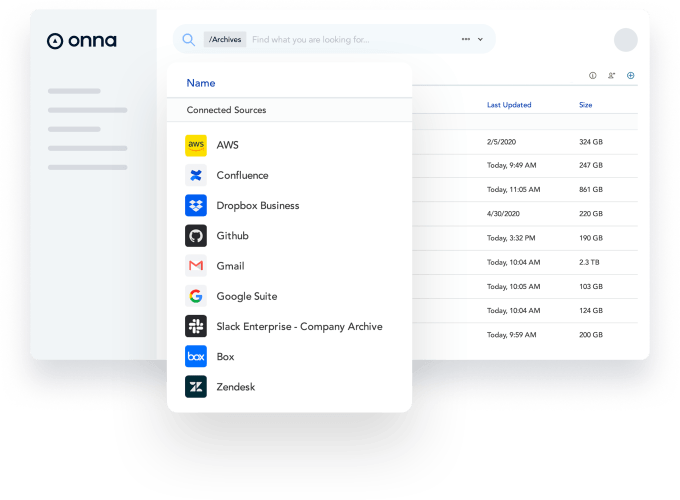
Founded in 2015, Barcelona and New York-based Onna integrates with a plethora of workplace apps, including Slack, Dropbox, G Suite, Microsoft 365 and Salesforce, to help unlock the proprietary knowledge stored in a company’s various cloud and on-premise software. Typical applications for a KIP include compliance, governance, archiving and “eDiscovery.”

From communication apps to cloud storage to HR platforms, the idea is to unify all of this data and make it searchable but in a way that is secure and protects existing permissions and privacy. In fact, another way to think of Onna is like Apple’s Spotlight functionality but for the enterprise. However, pitched as a platform not just a feature, Onna also offers an API of its own so that various use cases can be built on top of this “single source of truth.”

“Onna’s knowledge integration platform is a centralised, searchable and secure hub that connects company data wherever it resides and makes it easier and faster to make informed decisions,” Onna founder and CEO Salim Elkhou tells TechCrunch. “It is a productivity tool built for the way businesses work today… something that didn’t exist before, creating a new industry standard which benefits all companies within the ecosystem.”

Citing a report by single sign-in provider Okta, Elkhou notes that companies today use an average of 88 different apps across their workforce, a 21% increase from three years ago.

“The reason apps have become so popular is that they’re very effective for tackling specific challenges, or even a broad range of tasks. But the problem large organisations were coming up against is that their knowledge was spread across a wide range of apps that weren’t necessarily designed to work together.”

For example, a legal counsel could be looking to find contracts company-wide to assess a company’s exposure. The problem is that contracts may be saved in Salesforce, sent by email, shared over Slack or even saved on desktops. “Your company may have acquired another company, which has its own ways of saving information, so now the simple task of finding contracts can be a heavy lifting exercise, involving everyone’s time. With Onna, being the connective tissue across these applications, this search would take a split second,” claims Elkhou.

But the potential power of a KIP goes well beyond search alone. Elkhou says a more ambitious use case is unifying knowledge across apps and using Onna as infrastructure. “We believe that the next generation of workplace apps will be built on top of a knowledge integration platform like Onna,” he explains. “Due to our plug and play integrations with most enterprise apps and our open API, you can now build your own bespoke workflows on top of your company’s knowledge. More importantly, we handle all the heavy lifting on the back end when it comes to processing the right contextual information across multiple systems securely, which means you can get on with creatively building a more efficient workplace.”

“In Onna, we saw a product in a new and complementary category, providing a solution not at the data level but at the ‘knowledge level,’ ” adds Atomico’s Ben Blume, who has also joined the Onna board. “Onna’s core solution integrates with any tools in an organisation where knowledge resides, [and] ingests, indexes and classifies the knowledge inside, enabling it to power applications in many areas.”

Blume also points to the belief that some of the cloud tools vendors themselves have in Onna, with both Slack and Dropbox “investing, using and promoting” Onna’s solution. “As they look to grow their own penetration in organisations with a wider range of needs and demands, we saw partnering with Onna as a recognition of its best in class nature to their customers,” he says.

Meanwhile, I understand the new round of funding was done remotely due to lockdown, even though Atomico and Onna had already met and stayed in touch after the VC firm ended up not participating in the startup’s Series A.

Recalls Elkhou: “We had met with our investors in person over a year ago, and have had many video calls since and prior to the pandemic. However, soon after the lockdowns took effect, the need for remote collaboration tools skyrocketed which only accelerated the critical role Onna has in helping people within organisations access and share knowledge that was spread across an ever growing number of apps. If anything, it brought new urgency to the problem we were solving, because workplace serendipity no longer existed. You couldn’t answer questions over a coffee or by the water cooler, but these new remote workers still needed to access knowledge and share it securely.”

17 Jun 2020

Uptycs lands $30M Series B to keep building security analytics platform

Every company today is struggling to deal with security and understanding what is happening on their systems. This is even more pronounced as companies have had to move their employees to work from home. Uptycs, a Boston-area security analytics startup, announced a $30 million Series B today to help companies detect and understand breaches when they happen.

Sapphire Ventures led the round with help from Comcast Ventures and ForgePoint Capital. The startup has now raised a total of $43 million, according to the company. Under the terms of today’s deal, Sapphire Ventures’ president and managing director Jai Das will be joining the company’s board.

Company co-founder and CEO Ganesh Pai says he and his co-founders previously worked at Akamai, where they observed Akamai’s debugging and diagnostic tools, which were designed to work at massive scale. The founders believed they could use a similar approach to building a security analytics platform, and in 2016 the group launched Uptycs .

“We help people to solve intrusion detection, compliance and audit and incident investigation. These are table stakes requirements [for security solutions] that most large scale organizations have, and of course with their scale the challenges vary. What we at Uptycs do is provide a solution for that,” Pai told TechCrunch.

The company uses a flight recorder approach to security, giving security operations teams the ability to sift through the data and review exactly how a detection happened and how the intruder got through the company’s defenses.

He recognizes his company is fortunate to get a round this large right now, but he says the solution has attracted a number of customers signing seven-digit contracts and this in turn got the attention of investors. “That customer engagement, their experience and this commitment from our customers led to this substantial round of funding,” he said.

The company currently has 65 employees spread across offices in Waltham, a Boston suburb, as well as two offices in India. Pai says the plan is to double that number in the next 12 months. “Between the cash flow from our existing customers and the pipeline for us and the funding, we are planning to grow in a meaningful way. If everything aligns with our expectation we will double our team size in the next 12 months,” he said.

As he grows his company in this way, Pai says they are talking to their investors about how to build a diverse workforce. “We’ve thought long and hard about it, both in terms of diversity and inclusion. It is a lot harder to execute because at the end of the day, there is a finite talent pool, but we are having conversations with our investors, who have seen patterns of success in terms of implementing such plans from growth stage ventures,” he said.

He added, “And of course we are a very early-stage company, but we are extremely cognizant, and given the current circumstances are acutely aware that we need to do our very best and make a difference.”

As the company has moved to work from home across its operations, he says it has benefited from working in the cloud from the start. “As an organization we are very fortunate that we built our organization so that everything runs in the cloud and everyone has been able to remain very productive,” he said.

31 May 2020

The Station: Amazon eyes Zoox, Aurora goes back to school and Cabana hits the road

The Station is a weekly newsletter dedicated to all things transportation. Sign up here — just click The Station — to receive it every Saturday in your inbox.

Hi and welcome back to The Station, a newsletter dedicated to all the present and future ways people and packages move from Point A to Point B. I’m your host Kirsten Korosec, senior transportation reporter at TechCrunch.

The mobility world got busy this week. Really. busy. This is gonna be a long one, buckle up.

Take a look at the most recent survey we conducted with a bunch of venture capitalists about mobility and what areas interest them most. We talked to Ernestine Fu with Alsop Louie Partners, Stonly Baptiste and Shaun Abrahamson with Urban Us, Shahin Farshchi with Lux Capital, Kate Schox with Trucks VC and Jeff Peters of Autotech Ventures.

Reach out and email me at kirsten.korosec@techcrunch.com to share thoughts, criticisms, offer up opinions or tips. You can also send a direct message to me at Twitter — @kirstenkorosec.

Alright, time to dig in. Vamos.

Micromobbin’

the station scooter1a

Uber tossed more than 20,000 JUMP bikes into a recycling yard following its deal to offload the JUMP brand to Lime. A photo below, courtesy of Cris Moffitt, shows a sliver of the thousands of bikes at the yard in North Carolina.

“The extent of waste is unfathomable,” the Bike Share Museum said in a tweet.

Since then, Tier Mobility CEO and co-founder Lawrence Leuschner said he wants to take some of those bikes, “repair them, and give them a second life – as we do for all of our vehicles,” he wrote on LinkedIn.
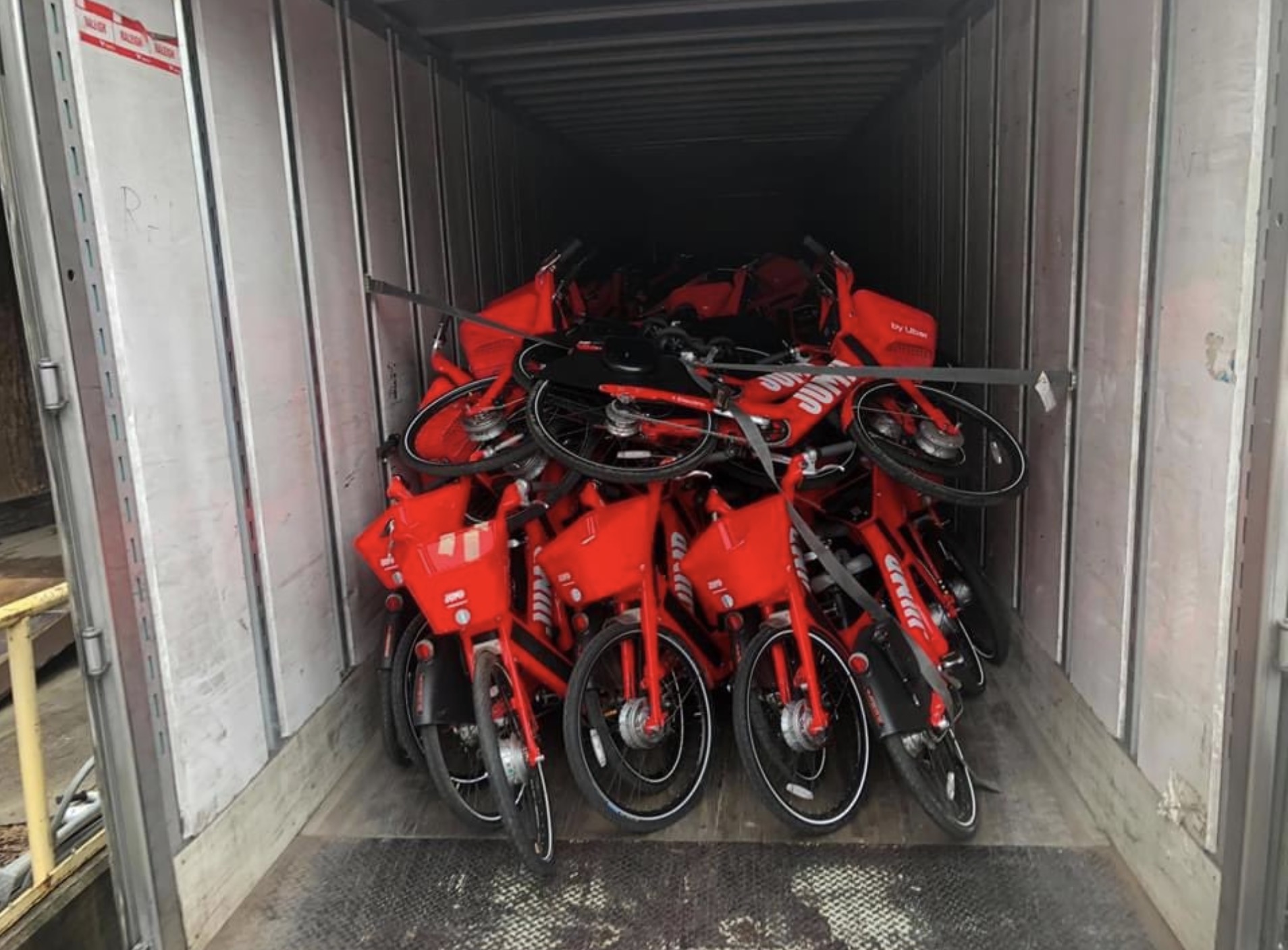
Jump bikes recycled

Image Credits: Cris Moffitt

Keaks (Kirsten Korosec) has been working on a big(ish) story about JUMP for the last week. Stay tuned and/or holler at her if you have any tips.

Meanwhile, we noticed Superpedestrian, the startup that makes self-diagnosing electric scooters, has teamed up with Zagster. Superpedestrian quietly launched LINK, its shared electric scooter service in partnership with Zagster in Fort Pierce, Florida in late December.

As of at least February 2020, Zagster had an agreement with Superpedestrian’s LINK to manage the fleet of shared scooters in Kansas, according to city commission documents. In March, the city council in Manhattan, Kansas authorized the city to negotiate a permitting contract with Zagster to run a six-month electric scooter pilot in partnership with Superpedestrian’s LINK.

Over in Europe, long-distance ridesharing startup BlaBlaCar said it’s expanding to scooter sharing. The company doesn’t plan to operate its own fleet of scooters. Instead, BlaBlaCar is partnering with Voi, a European e-scooter service that has raised $136 million over multiple rounds. Voi scooters will feature three different brands — Voi, BlaBlaCar and BlaBla Ride.

— Megan Rose Dickey

Deal of the week

money the station

It’s not a deal yet — well, as far as we know, but I’d be remiss not to highlight it here. I’m talking, of course, about the WSJ report that Amazon is in advanced talks to acquire self-driving vehicle startup Zoox.

Zoox is unlike any other autonomous vehicle startup I’ve encountered in the past five or so years. The company has taken on several capitally intensive and ambitious roles — electric vehicle designer and manufacturer, full stack autonomous vehicle developer and robotaxi operator. Zoox co-founder Jesse Levinson will disagree with me here — we’ve had this discussion before — but the company is essentially doing this alone. Yes, it has relationships and support from suppliers; it has investors. But it doesn’t have a meaningful OEM partner and backer like its competitors Argo AI and Cruise . And it has no where near the piggy bank that Waymo holds.

It’s a bold and risky strategy. It’s also expensive.

It’s a poorly kept secret that Zoox has had to do some belt tightening over the past 12 months. The company cut costs last year and tried to renegotiate some supplier contracts, sources told me at the time. In October, it raised $200 million in new convertible note funding, which was supposed to be folded into a Series C round and close by the end of 2019 or early 2020. As far as we know, that never happened. Sources have told me Zoox was in talks with OEMs about sealing a deal with a manufacturing partner that might also include financial backing. Daimler and FCA were name dropped in different conversations at the time, but I was never able to verify that the deals were close.

Then COVID-19 hit. Zoox tightened its belt further and cut nearly all of its contract drivers.

There’s no doubt that Zoox needs money to survive. But an Amazon-Zoox deal, if it happens, is bittersweet.

Zoox is the plucky startup — the stand-at-the-cliff’s edge pioneer that you want to succeed. Going it alone carries existential risk, but it has also given it the freedom to stick to its vision.

If acquired, Zoox will get sucked up into the Amazon ether and one wonders what it will become.

Other deals that got our attention:

Bolt, the Estonia-based company that provides on-demand ridesharing, scooters and other transportation services across some 150 cities in Europe and Africa, raised €100 million ($109 million) in a convertible note. Bolt also confirmed that is now valued at €1.7 billion (or nearly $1.9 billion at today’s rates). The money is coming from a single investor, Naya Capital Management, which was also a major backer of the company in its last round, a $67 million Series C announced in July 2019.

Ola Electric, the EV business that spun out of the ride-hailing giant Ola in 2019, acquired  electric scooter startup Etergo. The Dutch startup built a scooter that uses a swappable, high energy battery that delivers a range of up to 240 km (149 miles). Ola Electric is aiming to produce and launch its own line of two wheelers as soon as this year.

Tesla’s board certified a financial milestone that unlocks the first tranche — worth more than $700 million — of an unprecedented multi-billion-dollar pay package for CEO Elon Musk, according a document filed Thursday with the Securities and Exchange Commission. The milestone allows Musk to purchase the first grouping or tranche of nearly 1.69 million shares at a steep discount. As far as we know (based on SEC filings) Musk has not exercised those options yet.

AV spotlight: Aurora

the station autonomous vehicles1

If you haven’t heard, there’s a battle over talent in the autonomous vehicle industry. One AV founder once described it to me as a “knife fight.”

It’s not just about hiring talent though. It’s about building the right culture to get the job done. In this case, it’s the not-so-small goal to develop and deploy autonomous vehicle technology at commercial scale.

Self-driving vehicle startup Aurora recently hit the 500-employee mark, an internal milestone capped by several new key hires, including Sagar Behere, as director of systems and safety engineering and Tara Green, who is leading human resources, recruiting and IT.

It wasn’t the 500-employee figure that I found interesting. It’s a new in-house program the company is calling Aurora Academy and Raul Rojas, a former professor of computer science and mathematics at the Free University of Berlin who was hired to lead it. The idea is to create a program where employees can build specific technical skills in the self-driving technology domain using its own experts. Rojas comes with deep background in robotics and autonomous vehicle technology. He met two of Aurora’s co-founders Chris Urmson and Drew Bagnell while participating in the 2007 DARPA Urban Challenge. Rojas also co-founded in 2011 Autonomous GmbH, an autonomy startup acquired by TomTom in 2017.

Aurora has hired computer scientists, engineers, physicists, and mathematicians to help in the complex task of integrating different hardware and software modules into an AV system. And yet, Rojas noted there is still a need “to build bridges across the various disciplines so that we can propagate expertise across all levels of the company.” He said that’s where Aurora Academy comes in.

The program kicked off in mid-March with a six-week course entitled “Essential Skills for Poses, Transformations and Lie Groups.” (Light stuff, right?) These are the mathematical tools that give roboticists a uniform and powerful framework for localization and motion planning.

Other classes will cover software engineering, sensor development, mathematical foundations, visualization, planning, control and machine learning. The academy will also be open to non-technical employees who want to learn more diverse skills, including how to program in Python.

“The self-driving world is still a small community, so there’s a limited pool of candidates to begin with, and not many universities offer specialized programs on autonomous driving, so it’s unlikely you will find someone right out of school with all the skills needed,” Rojas said.

For instance, Aurora acquired last year Blackmore, one of the few companies developing Frequency Modulated Continuous Wave (FMCW) lidar, which emits a low-power and continuous wave.

“It’s unlikely someone could have studied it in school, so in June we’re starting a course to teach the physics of Doppler lidar, how to process the data at the fastest possible rate, and how to profit from the measurements in perception tasks,” Rojas noted.

Is your AV company doing something interesting — you know, beyond bringing autonomous vehicles into the mainstream? Hit me up and tell me about it.

Dispatches from Africa

the-station-africa1

On demand mobility powered by electric and solar is coming to Africa.

Vaya Africa, a ride-hail mobility venture founded by Zimbabwean mogul Strive Masiyiwa, launched an electric taxi service and charging network in Zimbabwe this week with plans to expand across the continent.

The South Africa-headquartered company is using Nissan Leaf EVs and has developed its own solar-powered charging stations. Vaya is finalizing partnerships to take its electric taxi services on the road to countries that could include Kenya, Nigeria, South Africa and Zambia, Vaya Mobility CEO Dorothy Zimuto told TechCrunch.

The initiative comes as Africa’s on-demand mobility market has been in full swing for several years, with startups, investors and the larger ride-hail players aiming to bring movement of people and goods to digital platforms.
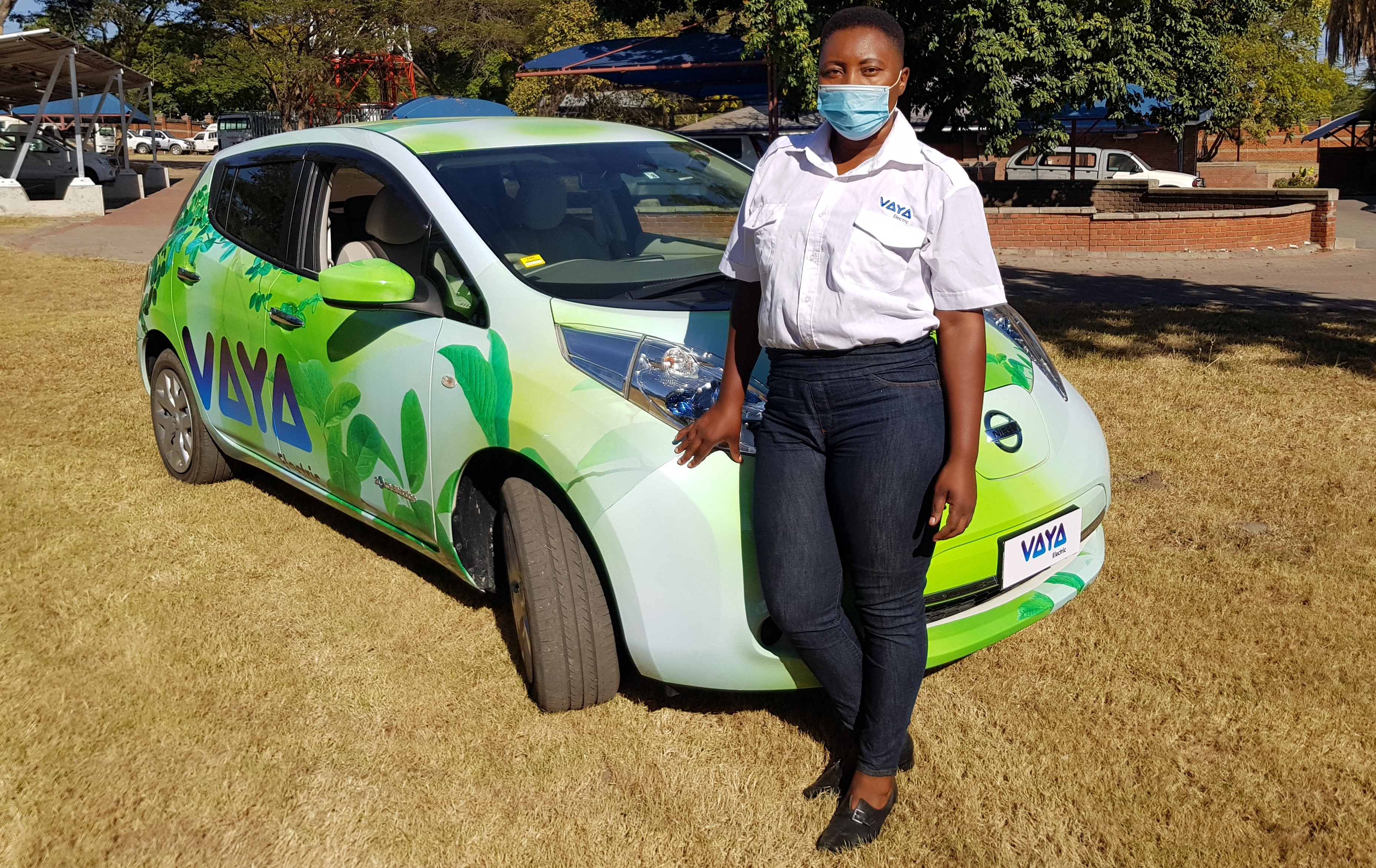
Uber and Bolt have been operating in Africa’s major economies since 2015, where there are also a number of local app-based taxi startups. Over the last year, there’s been some movement on the continent toward developing EVs for ride-hail and delivery use, primarily around motorcycles.

Beyond environmental benefits, Vaya highlights economic gains for passengers and drivers of shifting to electric in Africa’s taxi markets, where fuel costs compared to personal income is generally high for drivers.

Using solar panels to power the charging station network also helps Vaya’s new EV program overcome some of challenges in Africa’s electricity grid.

Vaya is exploring EV options for other on-demand transit applications — from min-buses to Tuk Tuk taxis.

— Jake Bright

Layoffs, business disruptions and people

Let’s kick this section off this week by highlighting a new company hoping to disrupt van life.

Cabana is a new startup launched by a former Lime executive that’s bringing tricked-out vans with all the amenities of a Holiday Inn hotel room to cities on the West Coast, starting in Seattle. As TechCrunch reporter Jonathan Shieber noted, companies like Tentrr,  HipCamp and even Airbnb have gotten in on the vanlife movement, and Cabana’s founder definitely thinks he can ride the wave.

Cabana has already raised $3.5 million from investors, led by Craft Ventures — the investment firm founded by David Sacks. Other investors include Goldcrest Capital, Travis VanderZanden (the chief executive and founder of Bird), and Sunny Madra, vice president of Ford X at Ford Motor Company.
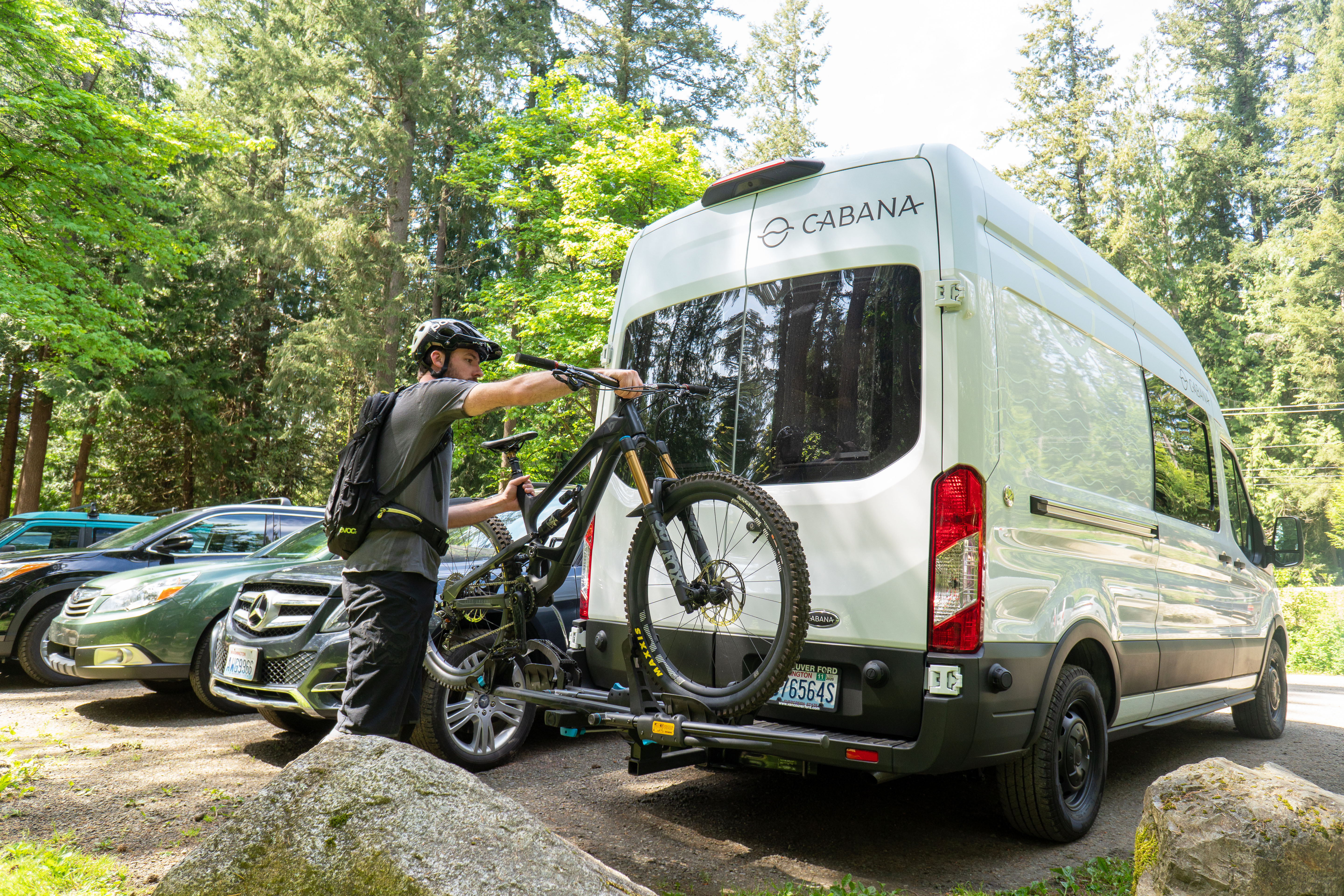
Hiring news

Rivian appears to be planning to offer its own insurance to customers based on a new job posting for an insurance agency data manager first spotted by RivianForums, which passed along the tip.

The job is to lead Rivian’s property and casualty (P&C) insurance agency, a position that entails recruiting, training, coaching and managing employed licensed sales agents and an insurance customer care team, according to the posting on Rivian’s website. The employee will also sell insurance products and provide feedback to partners on opportunities, the posting said. It’s an unusual move, but not unprecedented. Last August, Tesla launched an insurance product.

Cruise has a new board member who comes with deep experience in tech and hardware. Regina Dugan has a lengthy resume that includes former director of the Defense Advanced Research Projects Agency and the current CEO of Wellcome Leap, a non-profit founded by Wellcome Trust to accelerate innovations that benefit global health. In between DARPA and Wellcome Leap, Dugan was head of Google’s Advanced Technology And Products (ATAP) Group and led Building 8, Facebook’s hardware skunkworks.

“In health care and in transportation, I believe in the power of science and technology to change our world. With this power comes the responsibility to deliver life-saving advances at scale — Cruise has the tech, the team, and the tenacity to get it done. I’m stoked to join,” Dugan said in a statement provided to TechCrunch.

Sweden-headquartered Voi Technology recruited Richard Corbett to head up its U.K., Ireland and Benelux operations. Corbett joins from rival Bird, where he spent two years as the U.S. company’s U.K. and Ireland chief, as well as helping to launch e-scooter rentals in Netherlands.

Layoffs and other departures

AirMap, an airspace services platform for unmanned aircraft, cut its staff. Layoffs.fyi reported that around 30% of the team was let go.

Aston Martin announced  CEO Andy Palmer was leaving his post. His replacement is Tobias Moers, the current head of Mercedes-Benz’s AMG division, Car and Driver reported.

Welp … Audi fired Daniel Abt from its Formula E racing team after learning he had a professional sim driver race for him during a virtual competition called the “Race at Home Challenge” held last weekend. It appeared Abt was going to merely be suspended. Abt said in a video message published Tuesday on YouTube that Audi had dropped him from the team.

German auto supplier ZF Friedrichshafen plans to cut up to 15,000 jobs, or around 10% of its work force, by 2025 as a result of a slump in demand, according to a company memo that Automotive News reported. ZF said in an email to employees that half of the 12,000-15,000 job cuts would be in Germany.

Uber is cutting 600 jobs in India, or 25% of its workforce in the country. The job cuts, which affect teams across customer and driver support, business development, legal, policy, marketing, and finance, are part of the company’s global restructuring that eliminated 6,700 jobs this month.

Notable reads and other tidbits

Here are a few other items that caught my eye …

Deloitte Insights tackled a topic that many of us might be mulling as well. They looked at what mobility might look like after COVID-19. The report specifically explores four possible futures over the next three to five years. You can check out the full report here, which provides a high-level description of society, economy and geopolitics and then narrows in on transportation.

In one rosier scenario, dubbed “a passing storm,” the COVID-19 pandemic shakes society but, after a slow start, is met with an increasingly effective health system and political response, according to Deloitte. The pandemic causes long-term economic impact: e-commerce and last-mile delivery networks proliferate and are increasingly supported by autonomous vehicles and digitization of the logistics value chain. Vehicle sanitation becomes a priority, which leads to new self-cleaning materials, certification programs and form factors such as passenger partitions. The in-transit experience benefits from advances in digital entertainment and productivity prompted by the pandemic, including, potentially, AR and VR applications.

AV stuff …

I recommend reserving an hour or two to play around with this Global Autonomous Vehicles Index created by the autonomous vehicles group at law firm Dentons. It’s free and lets users compare the nuances of AV testing and deployment regulations across 18 countries and all 50 U.S. states. For instance, regulations in Canada don’t require a human driver in a vehicle when testing AVs. In China, rules require each organization to buy the compulsory liability insurance for traffic accidents for each vehicle. Yet in Germany, there are no special requirements for AVs which go beyond the motor vehicle liability insurance.

Baidu completed Apollo Park, an autonomous driving and vehicle-infrastructure testing base that houses more than 200 autonomous vehicles and is located in the Beijing Economic-Technological Development Area. The facility is used for vehicle storage, cloud control on remotely sensed big data, operational command, maintenance and calibration, as well as research and development.
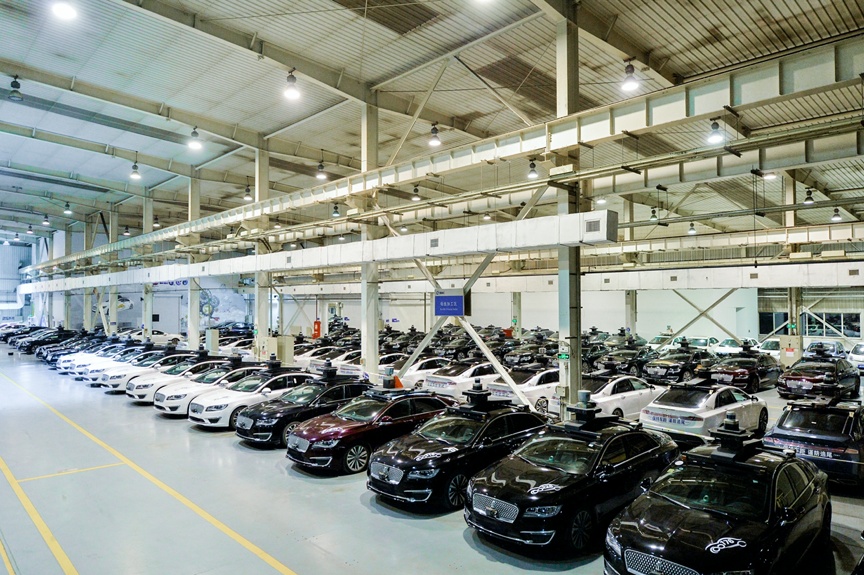
Baidu-Apollo Park 2

Baidu has completed Apollo Park, an autonomous vehicle testing and development center. Photo: Baidu

Waymo will bring its autonomous vehicles back to public roads in the Bay Area starting June 8, The Verge reported. The plan, according to an email viewed by The Verge, is to use the self-driving vehicles to deliver packages for two Bay Area non-profits: illustrator Wendy McNaughton’s #DrawTogether, which provides art kits to Bay Area kids; and Lighthouse for the Blind and Visually Impaired.

Autonomous robotics startup Nuro will test prescription delivery in Houston through a partnership with CVS Pharmacy. The pilot, which will use a fleet of the startup’s autonomous Toyota Prius vehicles and transition to using its custom-built R2 delivery bots, is slated to begin in June.

It’s electric …

Mercedes-Benz is now selling its EQV 300 all-electric premium van in Europe, the second EV to come out of the automaker’s initiative to produce a line of battery-powered models under its new EQ brand.

Rivian has resumed work at its factory in Normal, Ill. following a temporary shutdown due to the COVID-19 pandemic. Investor and customer Amazon provided an update this week stating that Rivian is still on track to supply it with electric delivery vans. Vans will begin delivering to customers in 2021, as previously planned. About 10,000 electric vehicles will be on the road as early as 2022 and all 100,000 vehicles will be on the road by 2030.

Audi created a new business unit called Artemis to bring electric vehicles equipped with highly automated driving systems and other tech to market faster.

Tesla slashed prices across its electric vehicle portfolio as the automaker aims to boost sales in an economy beaten down by the COVID-19 pandemic. The Model S and Model X saw base prices cut by $5,000, while the Model 3 standard range plus saw a $2,000 drop.

Ride-hailing and miscellaneous bits …

Uber is launching a book-by-the-hour feature in the U.S., starting Monday. The feature lets users book rides for $50 an hour and make multiple stops. The hourly booking feature, which is already available in a handful of international cities in Australia, Africa, Europe and the Middle East, will initially launch in a dozen U.S. cities.

Core Investments, a Boston-based real estate development company,  has proposed a last-mile delivery station for Amazon, Boston Business Journal reported.

Review: Lotus Evora GT

I delayed my first road trippin’ review to make room for Matt Burns’ take on his recent weekend with the $100,000 2020 Lotus Evora GT.

As Burns’ explains:

The Lotus Evora GT is supersized go-kart with nary an advanced technical feature. And I love it. While most cars are coming equipped with supercomputers, the lack of technical wizardry makes the 2020 Evora GT interesting, and that’s why it’s on TechCrunch.

Join Burns on his ride.
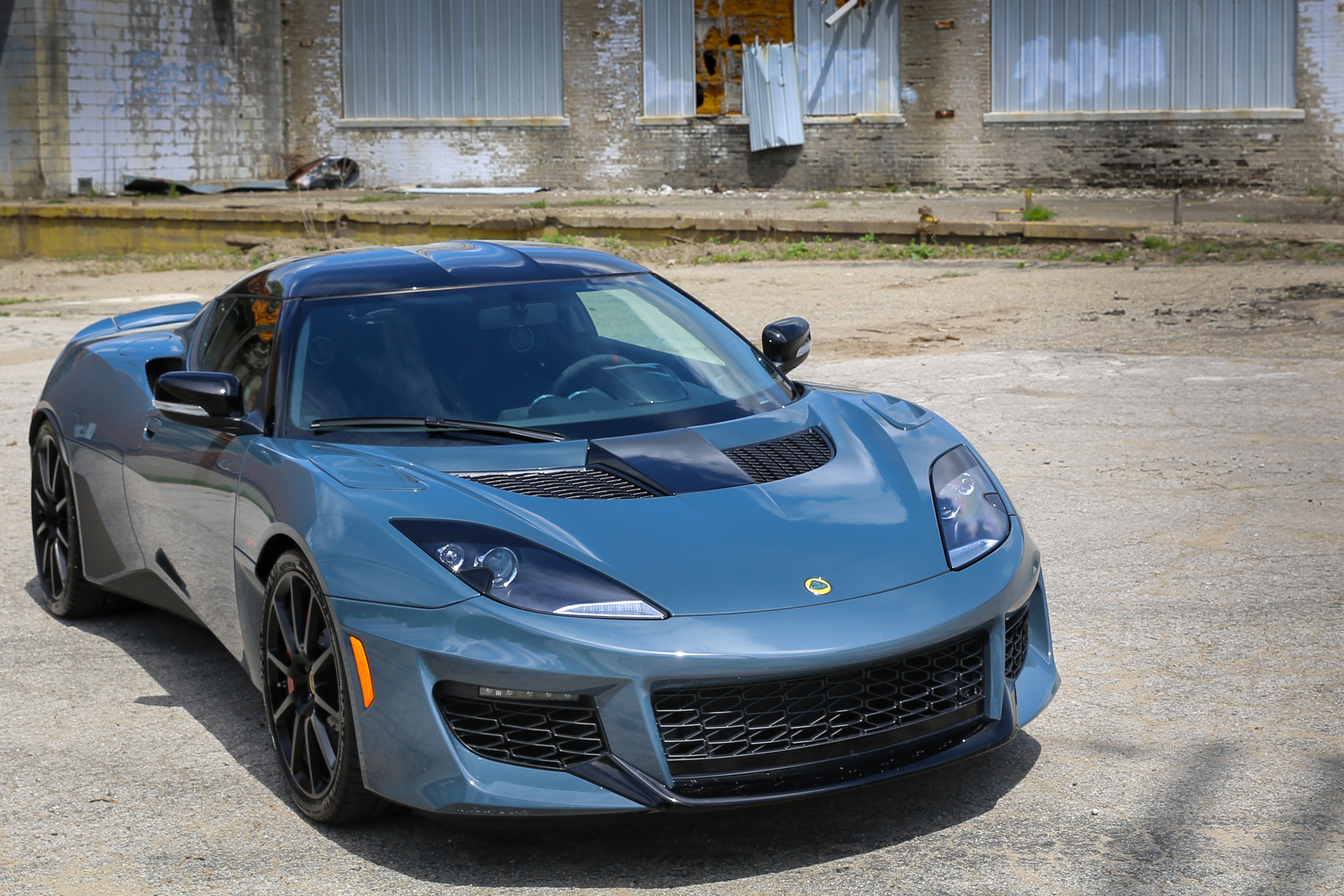
Lotas Evora GT-2

31 May 2020

6 VCs share their bets on the future of work

As tech companies like Twitter and Facebook gear up for longer-term remote work solutions, the future of work is becoming one of the more exciting opportunities in venture capital, Charles River Ventures general partner Saar Gur told TechCrunch.

And as loneliness mounts with shelter-in-place orders implemented in various forms across the world, investors are looking for products and services that foster true connection among a distributed workforce, as well as a distributed society.

But the future of work doesn’t just entail spinning up home offices. It also involves gig workers, freelancers, hiring tools, tools for workplace organizing and automation. The last couple of years have particularly brought tech organizing to the forefront. Whether it was the Google walkout in 2018 or gig workers’ ongoing actions against companies like Uber, Lyft and Instacart for better pay and protections, there are many opportunities to help workers better organize and achieve their goals.

Below, we’ve gathered insights from:

Saar Gur, Charles River Ventures 

What are you most excited about in the future of work?

Future of work is one of the most exciting opportunities in venture.  

Pre-COVID, few tech companies were fully remote. While it seems obvious in retrospect, the building blocks for fully remote technology companies now exist (e.g. high-speed internet, SaaS and the cloud, reliable video streaming, real-time documents, etc.). And while SIP may be temporary, we feel the TAM of fully remote companies will grow significantly and produce a number of exciting investment opportunities.

I don’t think we have fully grokked what it means to run a company digitally. Today, most processes like interviewing, meetings and performance/activity tracking still live in the world of atoms versus bits. As an example, imagine every meeting is recorded, transcribed and searchable — how would that transform how we work?   

There is an opportunity to re-imagine how we work. And we are excited about products that solve meaningful problems in the areas of productivity, brainstorming, communication tools, workflows and more. We also see a lot of potential in infrastructure required to facilitate remote and global teams.

We are also excited by companies that are enabling new types of work. Companies like Etsy (founded 2005), Shopify (2004), TaskTabbit (2008), Uber (2009), DoorDash (2013) and Patreon (2013) have helped create a new workforce of entrepreneurs. But many of these companies are over a decade old and we fully expect a new wave of companies that give more power to the individual.

31 May 2020

6 VCs share their bets on the future of work

As tech companies like Twitter and Facebook gear up for longer-term remote work solutions, the future of work is becoming one of the more exciting opportunities in venture capital, Charles River Ventures general partner Saar Gur told TechCrunch.

And as loneliness mounts with shelter-in-place orders implemented in various forms across the world, investors are looking for products and services that foster true connection among a distributed workforce, as well as a distributed society.

But the future of work doesn’t just entail spinning up home offices. It also involves gig workers, freelancers, hiring tools, tools for workplace organizing and automation. The last couple of years have particularly brought tech organizing to the forefront. Whether it was the Google walkout in 2018 or gig workers’ ongoing actions against companies like Uber, Lyft and Instacart for better pay and protections, there are many opportunities to help workers better organize and achieve their goals.

Below, we’ve gathered insights from:

Saar Gur, Charles River Ventures 

What are you most excited about in the future of work?

Future of work is one of the most exciting opportunities in venture.  

Pre-COVID, few tech companies were fully remote. While it seems obvious in retrospect, the building blocks for fully remote technology companies now exist (e.g. high-speed internet, SaaS and the cloud, reliable video streaming, real-time documents, etc.). And while SIP may be temporary, we feel the TAM of fully remote companies will grow significantly and produce a number of exciting investment opportunities.

I don’t think we have fully grokked what it means to run a company digitally. Today, most processes like interviewing, meetings and performance/activity tracking still live in the world of atoms versus bits. As an example, imagine every meeting is recorded, transcribed and searchable — how would that transform how we work?   

There is an opportunity to re-imagine how we work. And we are excited about products that solve meaningful problems in the areas of productivity, brainstorming, communication tools, workflows and more. We also see a lot of potential in infrastructure required to facilitate remote and global teams.

We are also excited by companies that are enabling new types of work. Companies like Etsy (founded 2005), Shopify (2004), TaskTabbit (2008), Uber (2009), DoorDash (2013) and Patreon (2013) have helped create a new workforce of entrepreneurs. But many of these companies are over a decade old and we fully expect a new wave of companies that give more power to the individual.

31 May 2020

SpaceX’s first crewed spacecraft successfully docks with the International Space Station

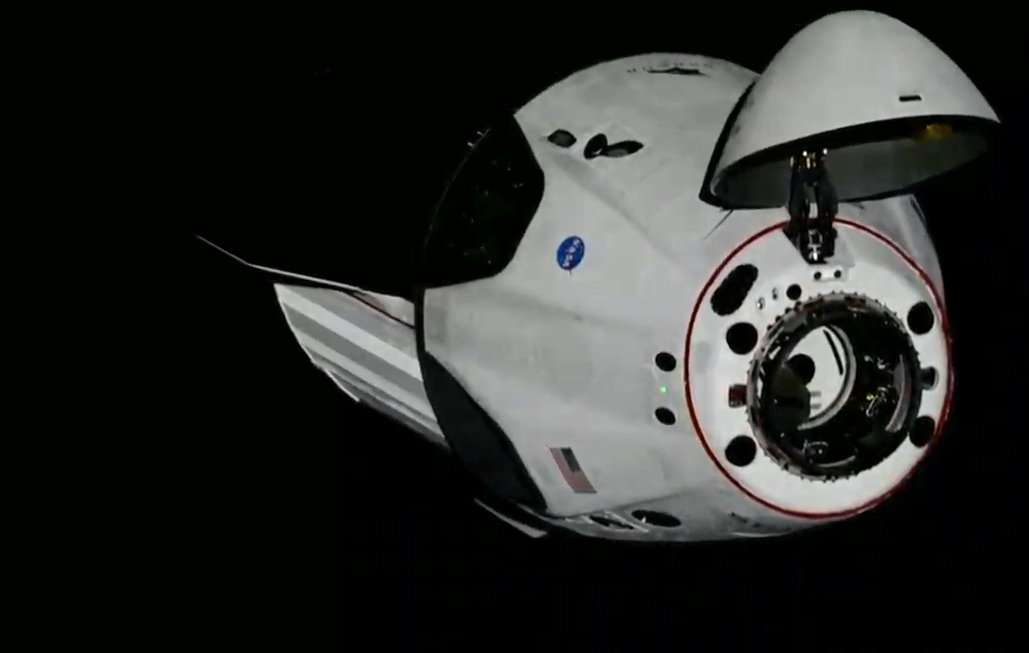
SpaceX’s Crew Dragon ‘Endeavor’ successfully docked with the International Space Station as planned on Sunday morning, marking another key milestone during this historic Commercial Crew demonstration mission it’s conducting with NASA. On board Crew Dragon were NASA astronauts Doug Hurley and Bob Behnken, the test pilots selected to be the first ever humans to fly on board SpaceX’s Crew Dragon, and the first people ever to make the trip to orbit aboard a spacecraft built by a private company.
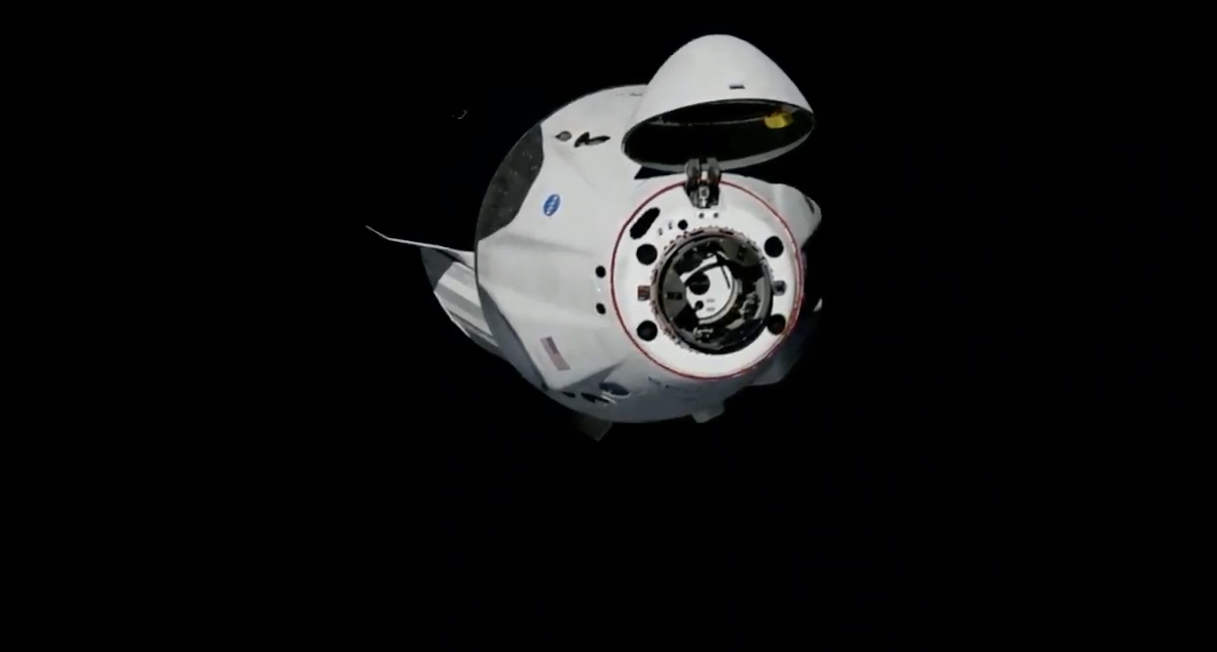
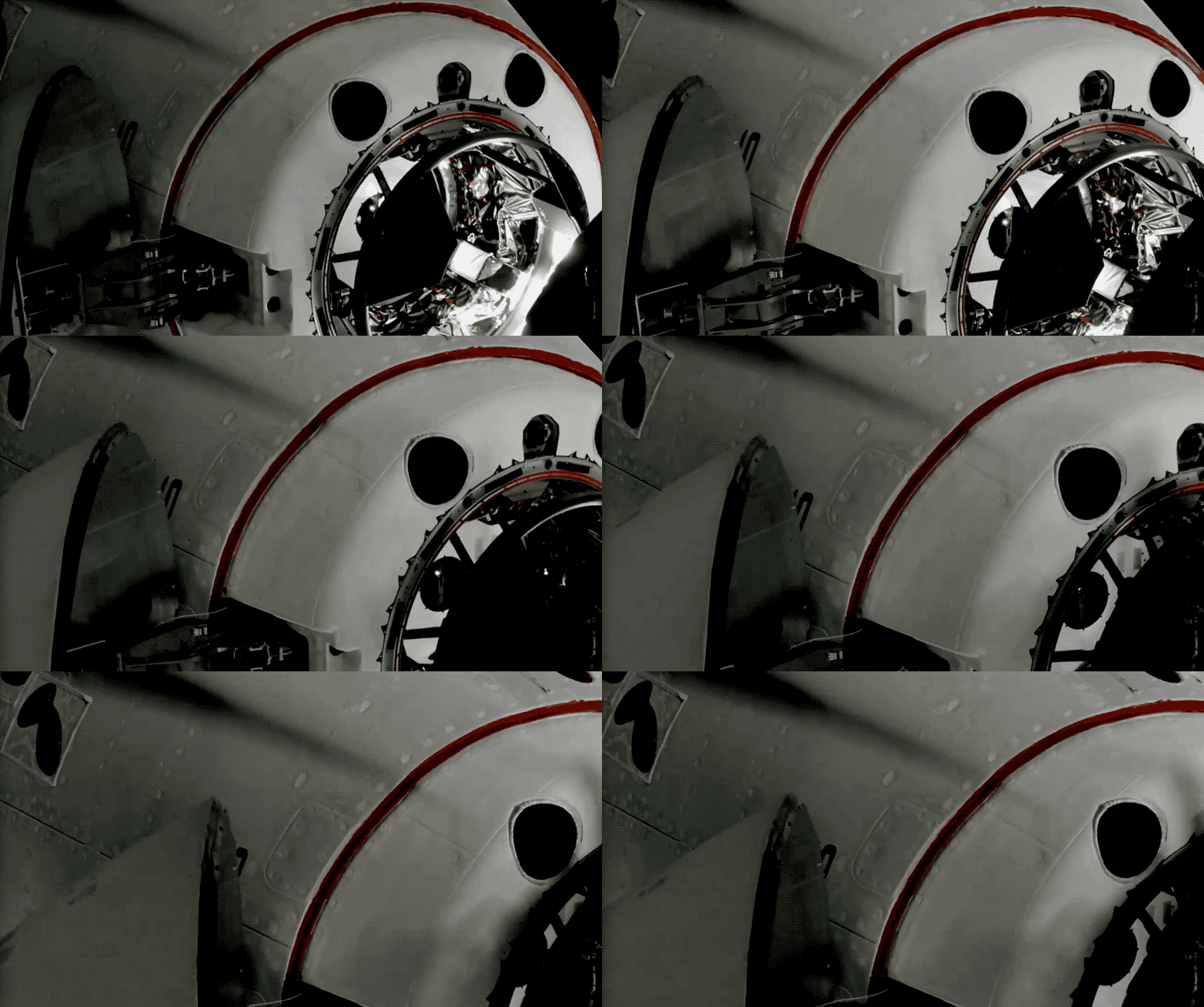
The docking process was handled completely autonomously by Crew Dragon itself, which is designed by SpaceX to operate on autopilot from the moment of launch throughout the course of the entire mission. The spacecraft is able to dock with a newer automated international docking adapter installed on the ISS, unlike the original cargo version of Dragon, which required manual capture by the robotic Canadarm 2 controlled by astronauts on the station. The updated cargo Dragon and Crew Dragon are designed to work with the new automated system.

Hurley and Behnken launched at 3:22 PM EDT (12:22 PM PDT) on Saturday, taking off from Cape Canaveral in Florida as planned. It was the second launch attempt for this mission, after weather caused a delay last Wednesday. This mission is NASA and SpaceX’s Commercial Crew Demo-2, which is the second demonstration mission of the full flight and return of the SpaceX Crew Dragon spacecraft, one of two vehicles commissioned by NASA from commercial partners to provide transportation serves for astronauts to and from the Space Station.

Crossing this milestone means that essentially the first half of the mission has been completed successfully – so far, SpaceX has demonstrated that the launch process works as designed, as does manual control (the astronauts took over and ran two tests of that system), and automated docking.

Next up, with the spacecraft connected to the ISS, the hatch will open and Hurley and Behnken will cross through to the Space Station, where they’ll be greeted by its three astronauts. Hurley and Behnken will then perform standard ISS crew activities, including conducing experiments and research, during the next several weeks before they climb back into Crew Dragon for the final portion of Demo-2 – the trip back to Earth.

31 May 2020

Watch live as SpaceX’s first astronaut-carrying spacecraft docks with the International Space Station

Today at around 10:30 AM EDT (7:30 AM PDT), SpaceX’s Crew Dragon capsule will dock with the International Space Station, with NASA astronauts Bob Behnken and Doug Hurley on board. The two have been in flight on orbit since launching from Kennedy Space Center in Florida yesterday at 3:22 PM EDT, a historic launch that made SpaceX the first private space company to fly people to orbit.

You can watch the livestream above to see the approach and docking maneuver, as well as the transfer process once the hatch opens and Hurley and Behnken make the short trip over from their spacecraft to the ISS. The astronauts will then serve on board the orbital lab for a shortened tour of duty, but taking part in all the activities a regular ISS rotation astronaut would do, before eventually heading home to Earth back aboard Crew Dragon in a few weeks.

This milestone mission is the first crewed flight for NASA’s Commercial Crew program, which will certify SpaceX’s Crew Dragon for regular operational missions carrying astronauts from the agency and its partners to and from the Space Station .

31 May 2020

Our grimdark meathook cyberpunk now

Ten years ago, the joke was: “It’s weird how, once everyone started carrying phones with cameras all the time, UFOs stopped visiting, and the cops started beating everyone up.” It was darkly funny, then. Now it feels something more like despairing.

Imagine pitching today as a setting for science fiction, back then:

The year is 2020. A pandemic that will kill millions ravages the planet. America is masked: some because of the new virus, others as a ward against police surveillance. A global wave of implicit & explicit xenophobia and white supremacy has carried the UK out of Europe, and a narcissistic reality TV star to the presidency, where he fans the flames of America’s rampant police violence, and spars incoherently with the billionaires who control the tech megacorps that dominate the Internet and the economy. Meanwhile, America’s techno-militarized law enforcement agencies use drones, networked cameras, AI-powered facial recognition, and other police-state innovations to aid them in their running battles against an insurgent population which increasingly no longer sees them as legitimate.

If you had pitched today only ten years ago, you would have been asked with genuine confusion whether it was intended as satire–and then, very possibly, more gently, if everything was OK at home. Yet here we are.

Six years ago I wrote a piece, “The techno-militarization of America” which concluded that “in juicing [the police] with the steroids of military technologies, rules, and attitudes, we have transformed them into a cure almost worse than the disease.” Looking back now, that ‘almost’ seems embarrassingly naïve.

I’ve seen multiple independent sources refer to the events of this week as a ‘legitimacy crisis,’ triggered by a common-knowledge collapse: a moment when everyone realizes that a belief they did not speak about, thinking it fringe and wild, is in fact also held by an enormous number of their peers. Nine years ago, when it was still possible to be optimistic about the effect Facebook would have on society, that sort of collapse is believed to have triggered the Arab Spring.

Here, the cultural collapse appears to be precipitating around the concept “all cops are bastards.” Once that catchphrase was something I only heard from my furthest of far-left punk and anticapitalist acquaintances. Let’s just say that the line of demarcation has moved in towards the mainstream a lot. As in the Arab Spring, this apparent common-knowledge collapse was catalyzed by a single awful death, then spread with remarkable speed, fueled in large part by social media.

Of course America is a huge and diverse place which includes many communities who have long–understandably–viewed the police as an illegitimate occupying army. (Often literally: “In about two-thirds of the U.S. cities with the largest police forces, the majority of police officers commute to work from another town.”)

What’s different is that this attitude seems to be accelerating nationwide. A few random examples from my own social media of late include — all white, since it matters — a battery researcher, a rocket technologist, and a middle-aged Minnesotan mother of teenagers describing the Minneapolis police as “a suburban occupying force.”

Those are anecdotes, so here’s some data: in 2007, Pew Research reported that 37% of black Americans, and a whopping 74% of white Americans, had “a great deal” or “a fair amount” of confidence in police to “treat races equally.” If you add those who indicated “just some” confidence, those numbers go up to 51% and 82%.

Twelve years later, the numbers who said that Americans of all races are generally treated fairly equally by police had fallen by more than half, to 16% and 37% respectively. In 2017, a sizable majority of all Americans agreed that “the deaths of blacks during encounters with police during recent years are signs of a broader problem”–while 72% of white police officers disagreed.

What do you think those numbers would be today? Given the scale of the disagreement, and the rapid loss of faith, is the prospect of a sudden legitimacy collapse really so surprising?

You’ll note that the Arab Spring didn’t last long, and was ultimately followed by bitter winter (except arguably in Tunisia where it began.) I’m not especially optimistic that this will be a profound national turning point in America. But I am hopeful it may shake the attitude among county and city governments that police and police unions should be treated as a local Praetorian Guard, to whom is owed unquestioning gratitude, a blind eye when a body camera happens to wink off before a suspect suffers an injury or death, and zero or toothless civilian oversight.

I’ve been to a lot of countries whose police are not perceived as legitimate; where it’s widely understood, across disparate communities, that whatever the situation, you think twice before involving the cops, because they’ll very likely just make things worse. America feels increasingly like such a country. Let’s hope the de-techno-militarization, and de-white-supremacization, of law enforcement happens before the nation spins into that kind of vicious cycle … because once there, it’s terrifyingly hard to break free. After the events of last night, you have to at least wonder whether it’s already too late.

30 May 2020

SpaceX’s astronaut launch marks the dawn of the commercial human spaceflight industry

SpaceX on Saturday launched two NASA astronauts aboard its Crew Dragon spacecraft, and the accomplishment is a tremendous one for both the company and the U.S. space agency. At a fundamental level, it means that the U.S. will have continued access to the International Space Station, without having to rely on continuing to buy tickets aboard a Russian Soyuz spacecraft to do so. But it also means the beginning of a new era for the commercial space industry – one in which private companies and individual buying tickets for passenger trips to space is a consistent and active reality.

With this mission, SpaceX will complete the final step required by NASA to human-rate its Falcon 9 and Crew Dragon spacecraft, which means that it can begin operationally transporting people from Earth essentially as soon as this mission concludes (Crew Dragon still has to rendezvous with the space station tomorrow, and make its way back to Earth with astronauts on board in a few weeks). Already, SpaceX has signed an agreement with Space Adventures, a private space tourism booking company that has previously worked with Roscosmos on sending private astronauts to orbit.

SpaceX wants to start sending up paying tourists on orbital flights (without any ISS stops) starting as early as next year aboard Crew Dragon. The capsule actually supports up to seven passengers per flight, though only four seats will ever be used for official NASA crew delivery missions for the space station. SpaceX hasn’t released pricing on private trips aboard the aircraft, but you can bet they’ll be expensive since a Falcon 9 launch (without a human rated capsule) costs around $60 million, and so even dividing that by seven works out to a high price of entry.

So this isn’t the beginning of the era of accessible private spaceflight, but SpaceX is the first private company to actually put people into space, despite a lot of talk and preparatory work by competitors like Virgin Galactic and Blue Origin. And just like in the private launch business, crossing the gulf between having a private company that talks about doing something, and a company that actually does it, will absolutely transform the space industry all over again.

Here’s how.

Tourism

SpaceX is gearing up to launch tourists as early as next year, as mentioned, and while those tourists will have to be deep-pocketed, as eight everything that SpaceX does, the goal is to continue to find ways to make more aspects of the launch system reusable and reduce costs of launch in order to bring prices down.

Even without driving down costs, SpaceX will have a market, however niche, and one that hasn’t yet really had any inventory to satisfy demand. Space Adventures has flown a few individuals by buying tickets on Soyuz launches, but that hasn’t really been a consistent or sustainable source of commercial human spaceflight, and SpaceX’s system will likely have active support and participation from NASA.

That’s an entirely new revenue stream for SpaceX to add to its commercial cargo launches, along with its eventual launch of commercial internet service via Starlink. It’s hard to say yet what kind of impact that will actually have on their bottom line, but it could be big enough to have an impact – especially if they can figure out creative ways to defray costs over successive years, since each cut will likely considerably expand their small addressable audience.

SpaceX’s impact on the launch business was to effectively create a market for small satellites and more affordable orbital payloads that simply didn’t make any economic sense with larger existing launch craft, most of which were bankrolled almost entirely by and for defence and NASA use. Similarly, it’s hard to predict what the space tourism market will look like in five years, now that a company is actually offering it and flying a human-rated private spacecraft that can make it happen.

Research

Private spacefarers won’t all be tourists – in fact, it could make a lot more financial sense for the majority of passengers to and from orbit to be private scientists and researchers. Basically, imagine a NASA astronaut, but working for a private company rather than a publicly-funded agency.

Astronauts are essentially multidisciplinary scientists, and the bulk of their job is conducing experiments on the ISS. NASA is very eager to expand commercial use of the ISS, and also to eventually replace the aging space station with a private one of which they’re just one of multiple customers. Already, the ISS hosts commercial experiments and cargo, but if companies and institutions can now also send their own researchers as well, that may change considerably how much interest their is in doing work on orbit, especially in areas like biotech where the advantages of low gravity can produce results not possible on Earth.

Cost is a gain a significant limiting factor here, since the price per seat will be – no pun intended – astronomical. But for big pharma and other large companies who already spend a considerable amount on R&D it might actually be within reach. Especially in industries like additive manufacturing, where orbit is an area of immense interest, private space-based labs with actual rotating staff might not be that farfetched an idea.

Marketing & Entertainment

Commercial human spaceflight might actually be a great opportunity to make actual commercials – brands trying to outdo each other by shooting the first promo in space definitely seems like a likely outcome for a Superbowl spot. It’s probably not anyone’s priority just now, given the ongoing global pandemic, but companies have already discussed the potential of marketing partnerships as a key driver of real revenue, including lunar lander startup ispace, which has signed a number of brand partners to fund the build and flight of its hardware.

Single person rides to orbit are definitely within budget for the most extreme marketing efforts out there, and especially early on, there should be plenty of return on that investment just because of how audacious and unique the move is. The novelty will likely wear off, but access to space will remain rarified enough for the forseeable future that it could still be part of more than a few marketing campaigns.

As for entertainment, we’ve already seen the first evidence of interest there – Tom Cruise is working on a project to be filmed at least in part in space, apparently on board the International Space Station. SpaceX is said to be involved in those talks, and it would make a lot of sense for the company to consider a Crew Dragon flight with film crew and actors on board for both shooting, and for transportation to ‘on location’ shoots on the ISS.

Cruise probably isn’t the only one to consider the impact of a space-based motion picture project, and you can bet at least one reality show producer somewhere is already pitching ‘The Bachelor’ in space. Again, it’s not going to be within budget for every new sci-fi project that spins up, but it’s within blockbuster budget range, and that’s another market that grew by 100% just by virtue of the fact that it didn’t exist as a possibility before today.

30 May 2020

NASA astronauts successfully pilot SpaceX’s Crew Dragon spacecraft manually for the first time

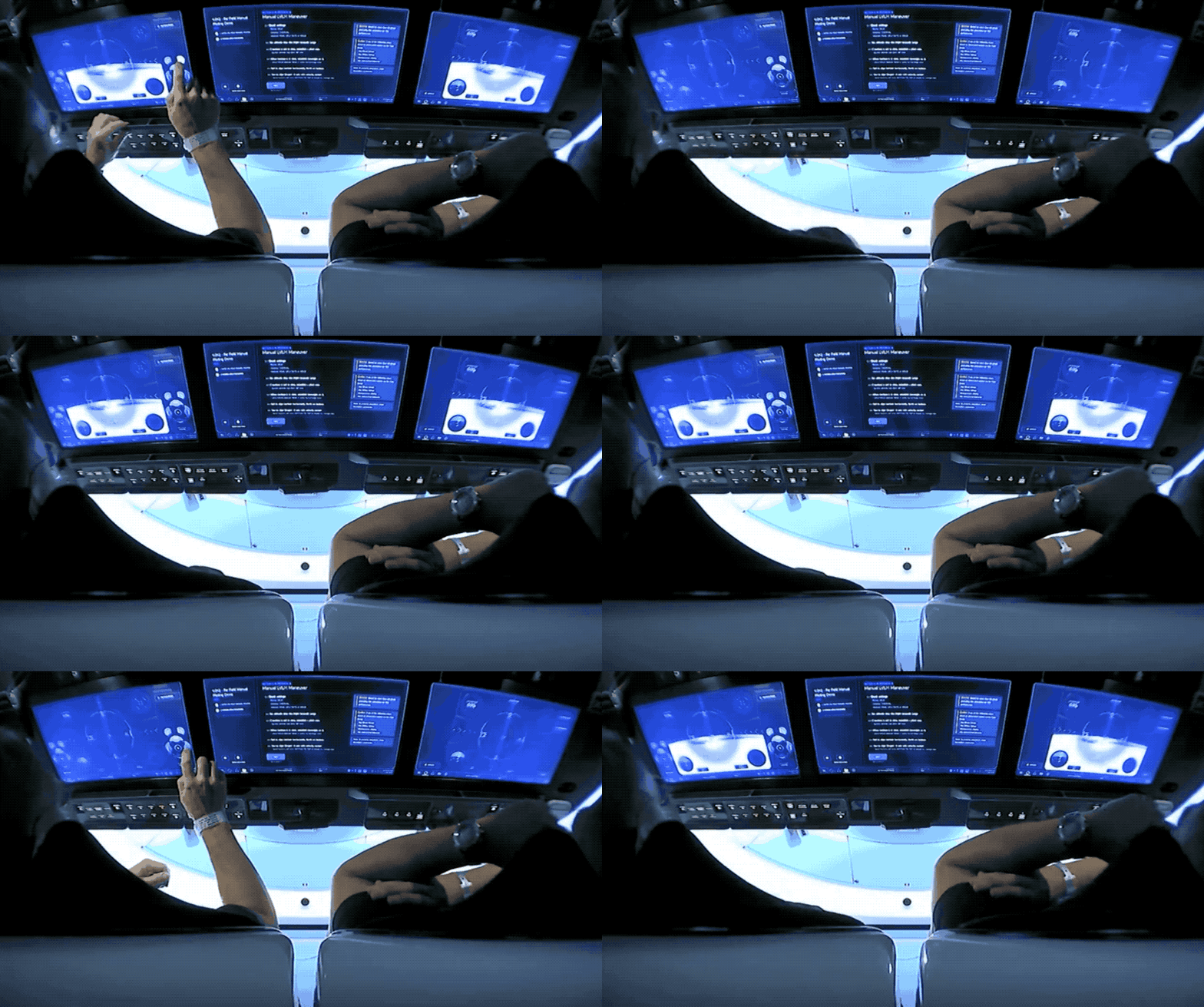
NASA astronauts Doug Hurley took over manual control of the SpaceX Crew Dragon spacecraft on Saturday, shortly after the vehicle’s historic first launch from Cape Canaveral in Florida. Crew Dragon is designed to fly entirely autonomous throughout the full duration of its missions, including automated docking, de-orbit and landing procedures, but it has manual control systems in case anything should go wrong and the astronauts have to take over. This test is the first time the manual controls have been used in space, and is a key part of certifying Crew Dragon for regularly operational human flight.

Astronaut Bob Behnken and Hurley removed their fashionable SpaceX space suits just before Hurley completed the manual maneuvers, which is also part of the plan. They’re able to go without the suits in the pressurized cabin during its transit to the ISS, only needing to put them back on for space station docking, and the interior of Crew Dragon actually provides them a fair amount of room to move around in. This also makes it easier for them to operate the spacecraft controls.

The manual maneuver testing including Hurley going through the process of using the spacecraft’s touchscreen controls to put the capsule into what’s called LVLH (local vertical local horizontal ) attitude, using Earth as a reference navigation point. That basically means putting Dragon in the same orientation as an airplane flying over Earth, with the planet located ‘underneath’ the Dragon as it flies. The test involves notifying the flight computer to not take over as Hurley conducts the maneuvers, but doesn’t involve actually finalizing the control orders by sending them to the flight computer, since it will be the one actually completing the automated flight and docking process.

Hurley will conduct two tests during the mission, the one he just did called a “far-field” flight test because it’s far away from the ISS, and one called the “near-field” test which will be conducted when they’re closer to the station.

You can actually try out the manual control system that Behnken and Hurley used yourself – no spaceship required. All you need is a browser, and this ISS Docking Simulator created and released by SpaceX. It’s a bit tricky, but not as hard as you might think thanks to an intuitive control interface design.