Year: 2021

10 Oct 2021

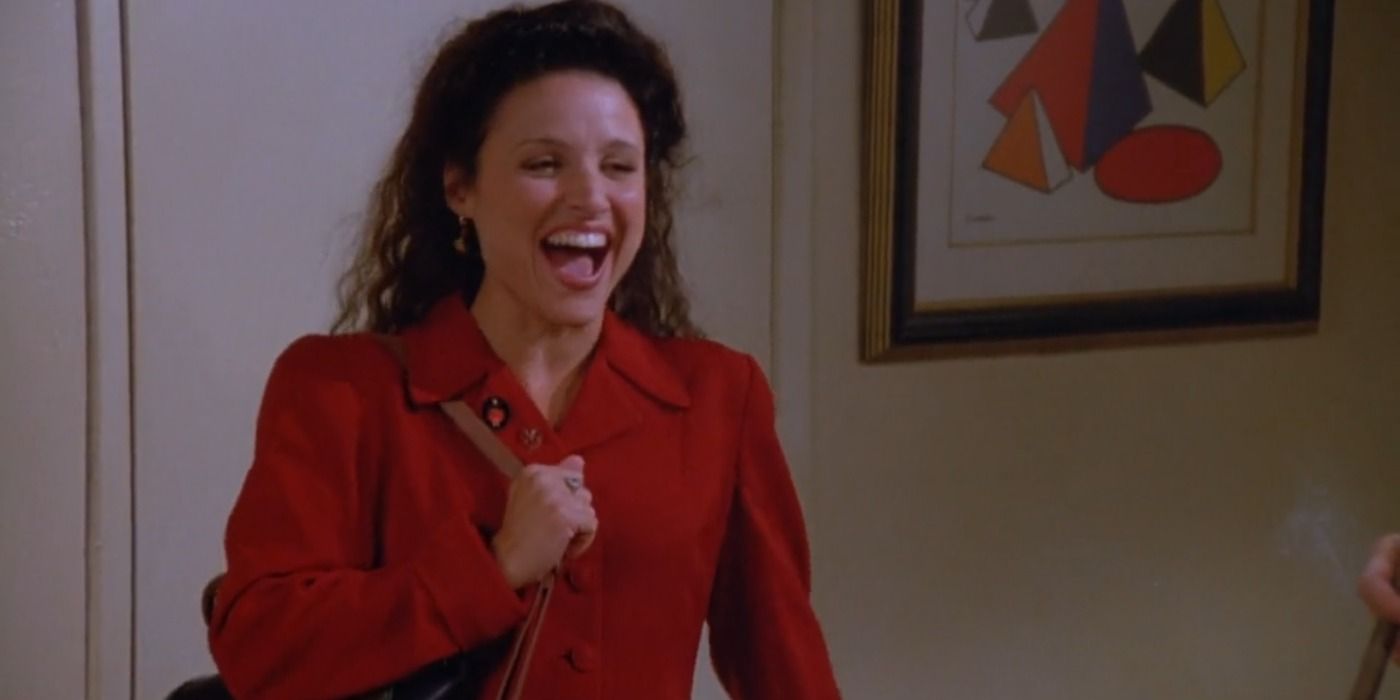
Seinfeld: How Old Elaine Is At The Beginning & The End

The events of Seinfeld encompassed nine years of shenanigans for Jerry and his friends, including Elaine Benes (Julia Louis-Dreyfus), but how old was Elaine at the start and end of the hit series? As it was with the other three main characters, Elaine’s Seinfeld story explored a long list of failed romantic relationships, mishaps at work, and day-to-day, trivial conversations with her friends in Jerry’s apartment.


Seinfeld rarely noted the ages of these four characters, but based on their activities, pop culture references, and interactions in New York City, it was widely assumed that this was a group of thirty-somethings. Occasionally, there were lines in the show that seemingly confirmed their exact ages. For example, Jerry claimed to be 37 years old in a season 3 episode. The issue, though, is that the series was sometimes inconsistent, thus creating a deal of uncertainty over their actual ages.


This problem extends to Elaine, who didn’t have a defined age in the series. Early on, she said that she was in her “early twenties”, but this doesn’t seem to be factual. Instead, it makes more sense that Elaine was closer to 28 years old in season 1. She was known to be the youngest of the group, but not too much younger than Jerry. Jerry, like the actor himself, is thought to have been 35 years old when the show started. It seems highly unlikely that he was more than a decade older than her. Plus, there are signs that the Seinfeld characters have occasionally lied about their ages. It was revealed at one point that Jerry and George Costanza (Jason Alexander) graduated high school together, which would mean that their stated ages should have lined up, but they never did.

In short, Elaine wouldn’t be the only character on the show to be disingenuous about this when she said she was in her “early twenties”. Julia Louis-Dreyfus was 28 years old at the start of the series, so many have come to the conclusion that this was also the character’s age. After all, character and actor ages usually did match up rather closely in Seinfeld, which was the case with Jerry and Kramer (the oldest of the bunch). In any case, Elaine was presumably close to 30. Since the series lasted for nine seasons, that would put her around 37 years old when the show ended, whereas Julia Louis-Dreyfus was 38 years old at the time.

While the rest of the main cast ended their Seinfeld journeys well into their 40s, Elaine’s wrapped up while she was still in her late 30s. As for why there’s such confusion over this aspect of characters like Elaine, many attribute the mystery – and rightly so – to Jerry, Elaine, and George’s well-earned reputation for lying, among many other morally questionable decisions that they made over the course of Seinfeld’s nine-season run.

10 Oct 2021

UK takes on Elon Musk in the broadband space race


starlight_spacex
Image credit: The Observer


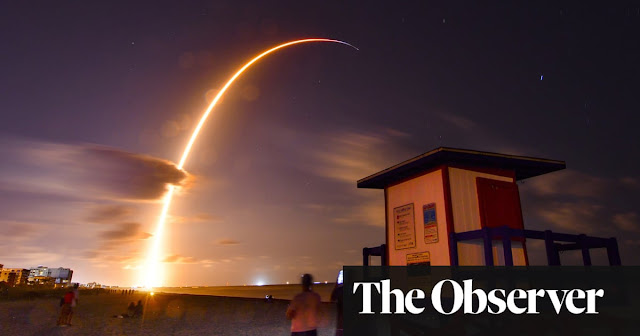
They are invisible to the naked eye, but can leave a streak of light across an astronomer’s telescope. Above our heads, the constellation of small satellites orbiting the Earth is expanding every month. Often no bigger than a fridge, they are part of a new space race as rivals compete to beam broadband internet to the hardest-to-reach places on Earth.

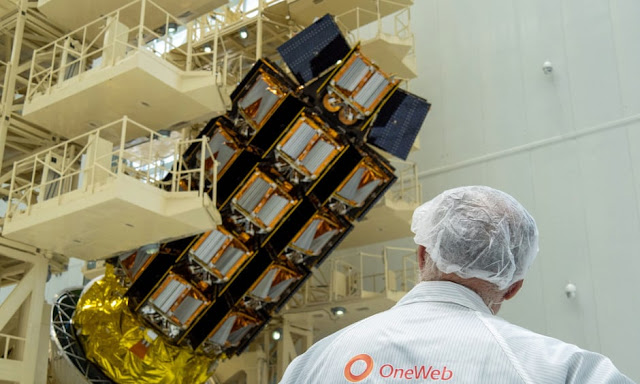
The frontrunners are Starlink, backed by US tech entrepreneur Elon Musk, and OneWeb, which is part- owned by the British taxpayer. The latter’s plan to build a network of 650 satellites is a centrepiece of the UK’s space strategy, unveiled in September.

In 2020, OneWeb was facing insolvency and the government was persuaded to rescue it. To Boris Johnson it was a gift from the heavens. The UK had been bounced by Brexit from the European Union’s Galileo satellite project, and there was Dominic Cummings, technology wonk and chief adviser, touting the network as a pathway back into space.


OneWeb at the time was focused on using satellites to provide accurate positioning information for anything from smartphone maps to emergency services tracking.

Johnson’s splurging of £400m of taxpayer money on a 20% stake was seen by Cummings as a perfect example of the high-risk, high-reward investment the government needed to avoid being left in the technological slow lane. Others called it a nonsensical gamble of public money and “nationalism trumping solid industrial policy”. Some experts suggested Britain had “bought the wrong satellites”. OneWeb’s lower Earth orbit internet satellites were, they said, inferior to higher-orbiting positioning systems such as Galileo, America’s GPS and Russia’s Glonass.

But now, with demand for satellite broadband exploding, Britain may – perhaps inadvertently – have bought itself a prime seat in another innovative yet fledgling space industry.

Rejuvenated OneWeb has attracted investment from Japan’s Softbank, the US’s Hughes Network Systems and India’s Bharti Enterprises. Bharti is the largest shareholder, with 38.6%, while the UK has sold down from 45% to 19.3%, on a par with Softbank and France’s Eutelsat, which is planning a further £120m injection this month.

OneWeb and Starlink are the only broadband operators to have actually placed satellites into space, and OneWeb is poised to provide a blanket of fast internet access, particularly to remote areas. The problem, analysts say, is that Johnson, who just weeks ago unveiled the UK’s ambitious new space strategy – promptly dubbed Galactic Britain – has yet to see its potential.

oneweb-spacex


“When the UK withdrew from Galileo, we lost access to certain types of service that were essential for our national infrastructure,” said Marek Ziebart, professor of space geodesy at University College London. “The government tried to spin OneWeb as a cheap and quick way of delivering PNT [positioning, navigation and timing] services, and that was just a very bad idea. They haven’t let go of this idea yet.”

The flipside, he says, is that with 322 OneWeb satellites already in orbit and its constellation almost half complete, the UK is well positioned to cash in on a lucrative and geopolitically advantageous broadband market.

“Once you’ve started to occupy a part of space by launching satellites, it’s rather like the wild west land grab: other people are going to find it much harder to operate there as well,” Ziebart said. “You can see lots of people lining up to try to launch that kind of technology [and] it would put the UK in a technologically leading position if it all works. It’s in the UK government’s interest to have access to that kind of communications infrastructure. From a space policy perspective, getting a slice of the low Earth orbit communications satellite paradigm is really sensible, because that is the new paradigm.”

Washington State-based Starlink, with the resources of Musk and the entire SpaceX fleet at its disposal, has stolen a march on rivals, including Amazon’s Kuiper project. It has launched almost 1,800 satellites, has approval for another 10,000, and has submitted an application for a constellation of 42,000 – all while everyone but OneWeb is still on the ground.

Possible clients for satellite broadband could be those dodging censorship in regimes such as North Korea and Afghanistan

Starlink is also the only operator to have developed a functional ground terminal to process signals from space into an internet service of up to 300Mbps, which Musk says is on schedule to finish its year-long beta testing stage this month. It expects to offer a mobile version of its fixed-location receiver, nicknamed Dishy McFlatface, by the end of the year.

The Kuiper project, meanwhile, with a $10bn investment from Jeff Bezos, has federal approval for 3,236 satellites, and in April signed a contract with United Launch Alliance for its first nine deployment flights, on dates yet to be determined. Other projects include a 13,000-strong constellation from China; a micro-satellite venture from the private company Astranis that is targeting Alaska; and Telesat, a Canadian company that won a CA$1.44bn (£841m) government grant for its planned 298-satellite network.

The EU is investigating launching a constellation to provide satellite broadband by 2024. “We cannot have the first service in 2040. If we do that, we are dead,” Jean-Marc Nasr, head of Airbus Space Systems, who is leading a feasibility study, told the European Space Conference in January. Last month, however, the Sunday Telegraph reported that Brussels was mulling its own investment in OneWeb, raising the prospect of the EU joining the existing UK-Indian consortium to take on Starlink.

Yet even OneWeb, with secured investment already close to $5bn, is unlikely to be able to match Starlink, and eventually Kuiper, for scope, wealth or size of client base.

Nor is it trying to. OneWeb chief executive Neil Masterson told CNBC he believed the demand for satellite broadband could support several vendors. “There are some areas where we will compete, but governments will always buy more than one service,” he said. “Multiple players will be able to be successful in addressing their market.”

Satellite broadband has also attracted criticism. Astronomers and environmentalists are angry at light pollution from satellites in low orbit, and trackers of space debris point to vastly increased collision risks. Ziebart’s students modelled a 10-year scenario showing an alarming spike in the numbers of orbiting satellites.

Professor John Crassidis of the University at Buffalo, who advises Nasa on space junk, said: “We already monitor some 23,000 objects of softball size and bigger. To add to that many more satellites is going to be an issue in terms of collision avoidance.”

But the market appears limitless. One possible client group, highlighted by business website Quartz, could be those wishing to circumvent censorship in regimes such as North Korea and Afghanistan. More traditional customers would include emergency services, the military, agriculture and the cruise industry – anyone seeking fast internet access where wired connections are unavailable.

Cummings, architect of the government’s investment in OneWeb, is long gone from government, but with Britain’s space industry worth £16bn a year and 45,000 jobs, Johnson has no reason to pull back from OneWeb.


10 Oct 2021

Neuroscientists Claim to Have Pinpointed The Brain States Unique to ‘Team Flow’

At some point in life, you have probably enjoyed a 'flow' state – when you're so intensely focused on a task or activity, you experience a strong sense of control, a reduced awareness of your environment and yourself, and a minimized sense of the passing of time.

RowBoatWithTeamFromAbove

It's also possible to experience 'team flow', such as when playing music together, competing in a sports team, or perhaps gaming. In such a state, we seem to have an intuitive understanding with others as we jointly complete the task at hand.

An international team of neuroscientists now thinks they have uncovered the neural states unique to team flow, and it appears that these differ both from the flow states we experience as individuals, and from the neural states typically associated with social interaction.

"In individual flow, the brain shuts down external stimuli that are unrelated to the task. In team flow, the brain still shuts down external stimuli except for the information about the flow state of the teammate. Hence, the team brains start to synchronize more," neuroscientist Mohammad Shehata, who co-authored the study, told ScienceAlert.

Our brains are made up of billions of neurons that give off electrical output when they fire, and these collective electrical signals can be aligned to certain frequencies.

Some examples of the frequencies are alpha, beta, and gamma, which are measured in hertz (Hz) or cycles per second. Typically, these different frequency bands are present when we perform certain cognitive tasks, and this is the type of neural activity the researchers were investigating.


Participants' neural activity was measured using an electroencephalography (EEG) machine, where electrodes are placed on the cranium, detecting activity happening within the brain.

In the main phase of the experiment, 38 participants were asked to play a game similar to Guitar Hero on an iPad, where you tap on the screen in sync with the rhythm-based cues of a song; they worked in pairs, and the researchers prioritized pairing up two friends wherever possible.

The research team devised three conditions for the trial; in one, participants played the game while separated from their partner by a black foam-board partition, giving the researchers data on the brain when in an 'individual' flow state. In the second condition, people played the game with a partner, but every now and again the researchers would play discordant music to disrupt the flow.

In the third condition, labeled as 'team flow', the participants played the game together with their partner. The music sequence they had to play on their iPads was identical in all tasks, to minimize any cognitive load.

To ensure participants actually entered a state of flow in the desired conditions, researchers employed two techniques. On a subjective level, after completing the task in one condition, participants would then have to rate certain statements like 'I felt in control while playing this trial', and 'How time flies during this trial'.

Going further, the research team also wanted to gain an objective measure of the participants' flow state, something that's notoriously difficult in flow studies.

"We utilized the intense task-related attention and the reduced sense of external awareness dimensions of flow, and the well-known effect of selective attention on the auditory evoked potential (AEP)," they write in the study.


"During each trial, we presented task-irrelevant beeps to the participants. The more the participants were immersed in the game, the weaker the strength of the AEP in response to the task-irrelevant beeps."

So what characterized the brains of participants when they were in a state of team flow?

Researchers found increased beta and gamma brain wave activity in the left middle temporal cortex. This region of the brain is typically associated with information integration and key functions like attention, memory, and awareness, which are "consistent with higher team interactions and enhancing many flow dimensions", the team writes.

However, what was unique about team flow, was that participants' neural activity appeared to synchronize. When participants were performing the task as a unit, their brains would mutually align in their neural oscillations (beta and gamma activity), creating a "hyper-cognitive state between the team members".

If brains can be functionally connected through inter-brain synchrony, does this mean it is not only our brain that contributes to our consciousness? It's a curious question, but the authors warn it is much too soon to tell.

"Based on our findings, we cannot conclude that the high value of integrated information correlates with a modified form of consciousness, for instance, 'team consciousness'," they write.

"Its consistency with neural synchrony raises intriguing and empirical questions related to inter-brain synchrony and information integration and altered state of consciousness."

Source: Science Alert

10 Oct 2021

GTA 3, Vice City and San Andreas fans are using Steam reviews to encourage people to buy the originals before Rockstar delists them next week

 Rockstar this week revealed the game's worst secret: remakes of Grand Theft Auto 3, Vice City, and San Andreas.

In addition, Rockstar has confirmed its plan to remove the original version from all digital retailers on PCs and consoles starting next week and to replace it in several storefronts with Grand Theft Auto: The Trilogy - The Definitive Edition.

The decision to remove these classics is a blow to video game preservation and obviously bad for player selection, but Rockstar is unlikely to be giving up - at least not anytime soon.

And so fans flocked to Steam to show people buying the original before they lost their chance - probably forever.

"Before you leave Steam, make sure your ass has a triple," wrote Pink Diamond in a GTA 3 Steam review. "Buy this to be removed next week," GrunkleBran said in a review on Vice City Steam.

"Buy it before you remove it," User Park said in a review on San Andreas Steam.

Game owner fans use Steam rating to say goodbye. One of them was particularly interesting to me, from a Steam user with an incredible 2780 hours recorded with San Andreas:


"I have to say all the time I've been playing this game in terms of speed and mode etc it's the best game I've ever played in a GTA game. Great, good world and a lot of work too." do and find. "


Steam Dime user wrote in the GTA 3 review: "Hello old friend." Rockstar is removing you from Steam so the Definitive Edition can make money for you. Thanks for your memories ... "


GTA 3 is 20 years old, Vice City is 19, and San Andreas is 17 years old. The games currently available for download on Steam, PlayStation Store, and Xbox Marketplace are not the original versions. For example, the San Andreas version for sale in the Xbox Download Store is the Xbox 360 version, which is backwards compatible with the Xbox One, Xbox Series X, and S. The Vice City version that can be downloaded from the PlayStation Store is the PlayStation 2 version that has been converted for the PlayStation 4. You need a PS2 and a physical version of each game to get the real core experience, and Rockstar won't do anything next week. Avoid getting people on eBay. In the Rockstars announcement, Grand Theft Auto: The Trilogy - The Definitive Edition will be available for the PlayStation 5, PlayStation 4, Xbox X and S series, Xbox One, Nintendo Switch and Rockstar Games Launcher. Steam has not specifically mentioned it and is proposing to remove the original version from the Valves platform and not replace it with anything else.


Rockstar warns that earlier versions and packages of these games will be removed from digital retailers starting October 11th. We don't know the exact date it was created, but if you're interested, today is your last day to shop digitally.

Anyone who has bought one of the previous versions can of course download them after deleting them and run them on their shopping platform.

10 Oct 2021

WhatsApp to introduce ‘pause voice recordings’ feature


whatsapp


The popular WhatsApp messaging app is currently developing a new feature of the app that will allow users to "pause" while voice messaging.

WhatsApp is working on an update to improve in-app messaging performance, according to WABeta.

What is special about this function?


The expected update will be very useful for WhatsApp users as they will no longer have to pause, delete and re-record new messages.

Instead, the new feature allows users to stop the audio recording by tapping the pause button and resume recording from where they left off. This feature has been observed in the development of WhatsApp updates for iOS. This app is now also available for Android.

09 Oct 2021

NASA Rover Captures Breathtaking Mars Landscape Photo You Can’t Miss

Mars' landscape may be barren and dangerous to human life, but thanks to photos like this from NASA's advanced rovers, that doesn't stop it from looking any less stunning. Although humans have yet to set foot on Mars, robotics and other technologies have allowed astronomers to closely analyze the mysterious planet. Whether it be bleeding-edge telescopes, rovers, helicopters, orbiters, or something else, humans have found inventive ways to closely study a planet we've never actually visited.

One such rover contributing to Mars exploration is Perseverance. Perseverance landed on Mars this past February with a simple yet ambitious goal — to traverse the planet searching for ancient life. People have long theorized that Mars was once home to alien lifeforms. If this is true, Perseverance will be the rover to answer that question once and for all. In just a few short months, Perseverance has already collected Martian rock samples, explored new areas on the planet, and more.

Related: NASA's Mars Orbiter Captures Mesmerizing 'Blue Dunes'

Another way Perseverance has kept itself busy is by capturing thousands of photos and sharing them with everyone to see. Wherever Perseverance goes, it takes tons of photos with multiple cameras, shares them with NASA, and NASA then uploads all of those RAW files for the world to browse through. One such photo is the one see above and below, depicting the vast landscape on Mars. This black-and-white image was acquired by Perseverance on September 28 at the local mean solar time of 12:58 using its Left Navigation Camera.

Perseverance has shared countless photos of the Martian surface, but this one stands out as one of the most impressive yet. Unlike most pictures which are usually tight squares, this one is a wide panorama shot of Mars. Looking at the photo, there's a lot on display. It highlights Mars' rolling sand dunes, the sea of rocks scattered throughout those dunes, and detailed patterns in the sand left by wind and dust storms. All of this is set against the Martian sky, which appears eerie and haunting even without the iconic yellow glow.

While this picture doesn't necessarily reveal anything new about Mars, it's yet another reminder of how beautiful and mysterious the planet is. It's devoid of any life, has freezing temperatures, and is nothing but endless dust, rocks, and sand. Even so, it still manages to be extremely alluring. It remains unclear if Perseverance will be successful in its hunt for ancient life, but so long as it keeps taking photos like this, we'll consider the mission a win.

Next: Perseverance Rover Images Confirm Presence of Lake On Ancient Mars

Source: NASA


from ScreenRant - Feed https://ift.tt/3iMiEL1 https://ift.tt/3mwX6mI
09 Oct 2021

Google Pixel 6 leak teases Magic Eraser feature, plus five years of Android security updates

The Google Pixel 6 (top) and Pixel 6 Pro (bottom)
The Google Pixel 6 (top) and Pixel 6 Pro (bottom) | Google

New leaks from a marketing site appear to confirm that the camera for the Pixel 6 will have a new Magic Eraser feature, and the devices will apparently get five years of Android security updates (h/t 9to5 Google)

According to reliable leaker Evan Blass, the Carphone Warehouse website was showing images of Google marketing materials for the Pixel 6 and Pixel 6 Pro (the images have since been taken down, but you can view the earlier versions of the Carphone Warehouse pages on the Wayback Machine here and here). Screenshots show the description for the previously leaked Magic Eraser, which will apparently be linked to Google Photos:

Magic Eraser makes distractions disappear with a few taps. Remove strangers and unwanted objects in Google...

Continue reading…


from The Verge - Tech Posts https://ift.tt/3ltFnxj https://ift.tt/3uWJyEQ
09 Oct 2021

Why Joss Whedon’s Alien 5 Never Happened (& What It Would’ve Looked Like)

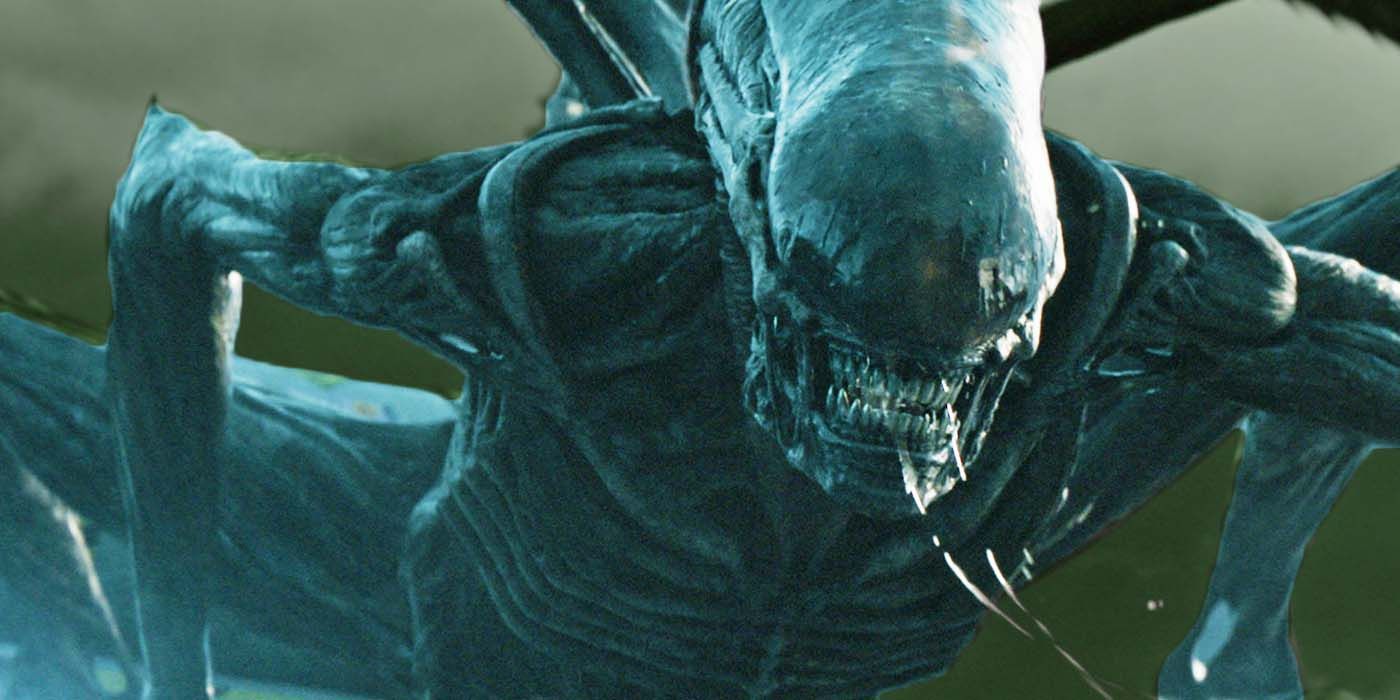
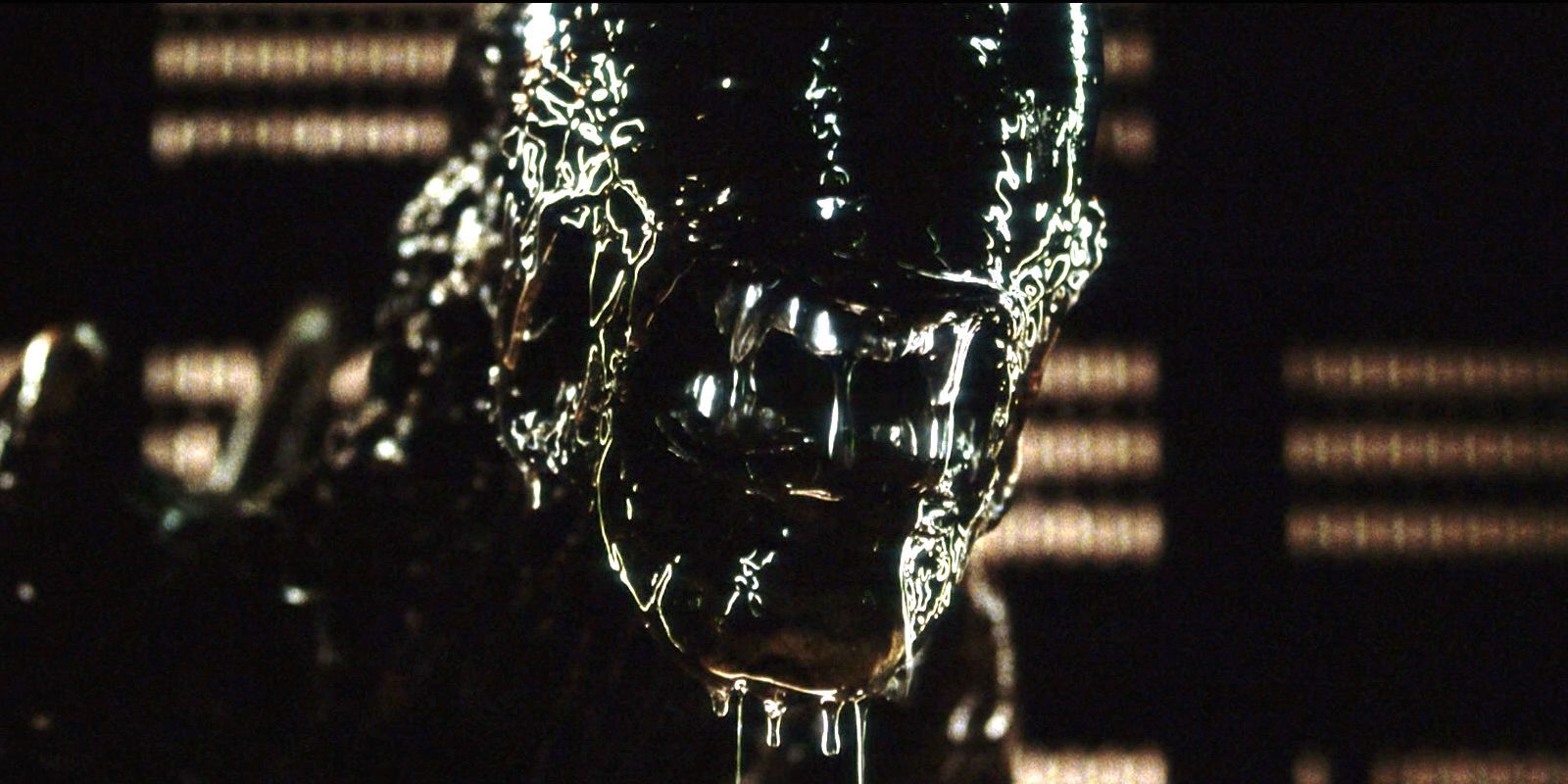
Penned by Joss Whedon and set on Earth after Alien Resurrection, Alien 5 is one of the biggest sequels never to see the light of day. The Alien franchise is a success by any barometer or metric, spawning 4 mainline installments and 2 prequel films, with the original Alien's induction into the National Film Registry for historical preservation highlighting its cultural significance. All Alien installments center around the origins or activity of the iconic early Xenomorph, designed by legendary Swiss surrealist H.R. Geiger.

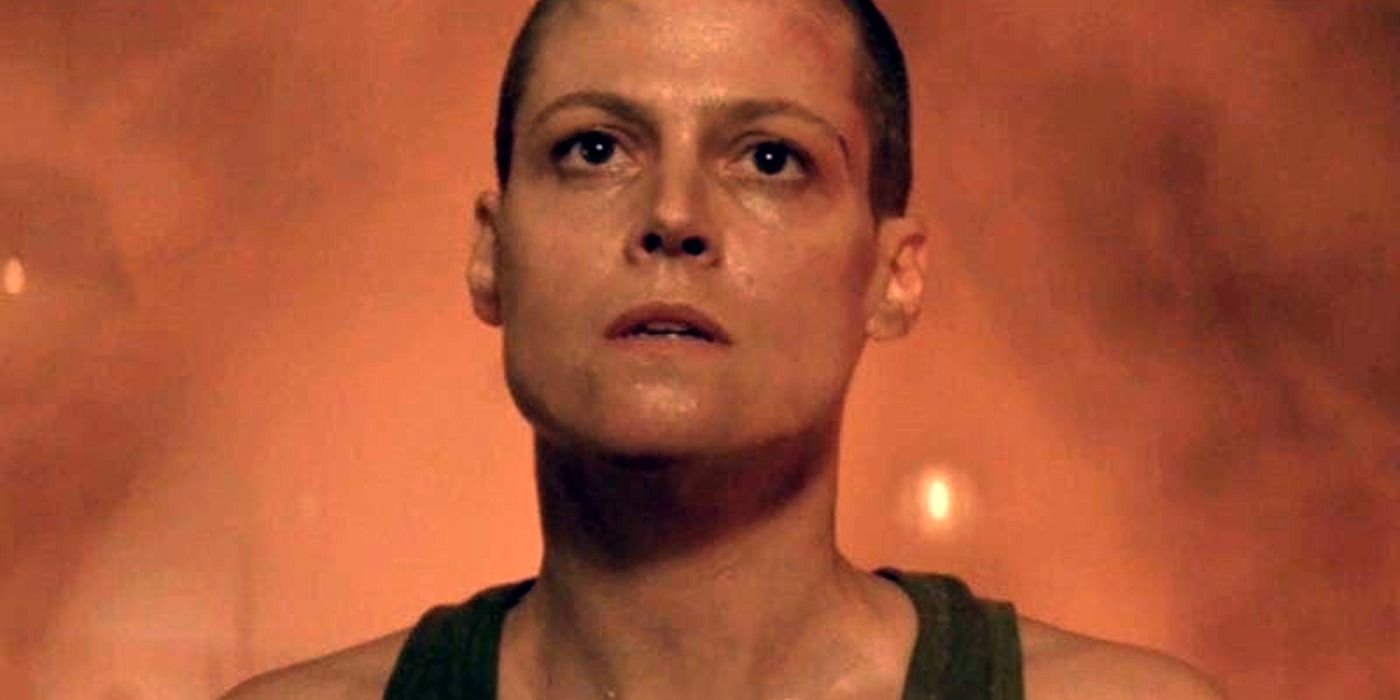
The final film in the original series, Alien Resurrection, ended with Call (Winona Ryder) and Ripley (Sigourney Weaver) floating towards a futuristic Earth after escaping the human/Alien hybrid. The poignancy of this moment should not be understated given Ripley's continued desire to return home across the entire franchise, with Ripley 8's statement to Call, "I'm a stranger here myself," confirming the arduous 257-year journey she has undergone to reach that moment. Like Ripley before it, the Alien franchise has since been in stasis, with Alien Resurrection's release almost 2 decades ago, the last of the original movie quartet.

Related: Why Alien 7 Should Bring Back Resurrection’s Hated Hybrid Villain

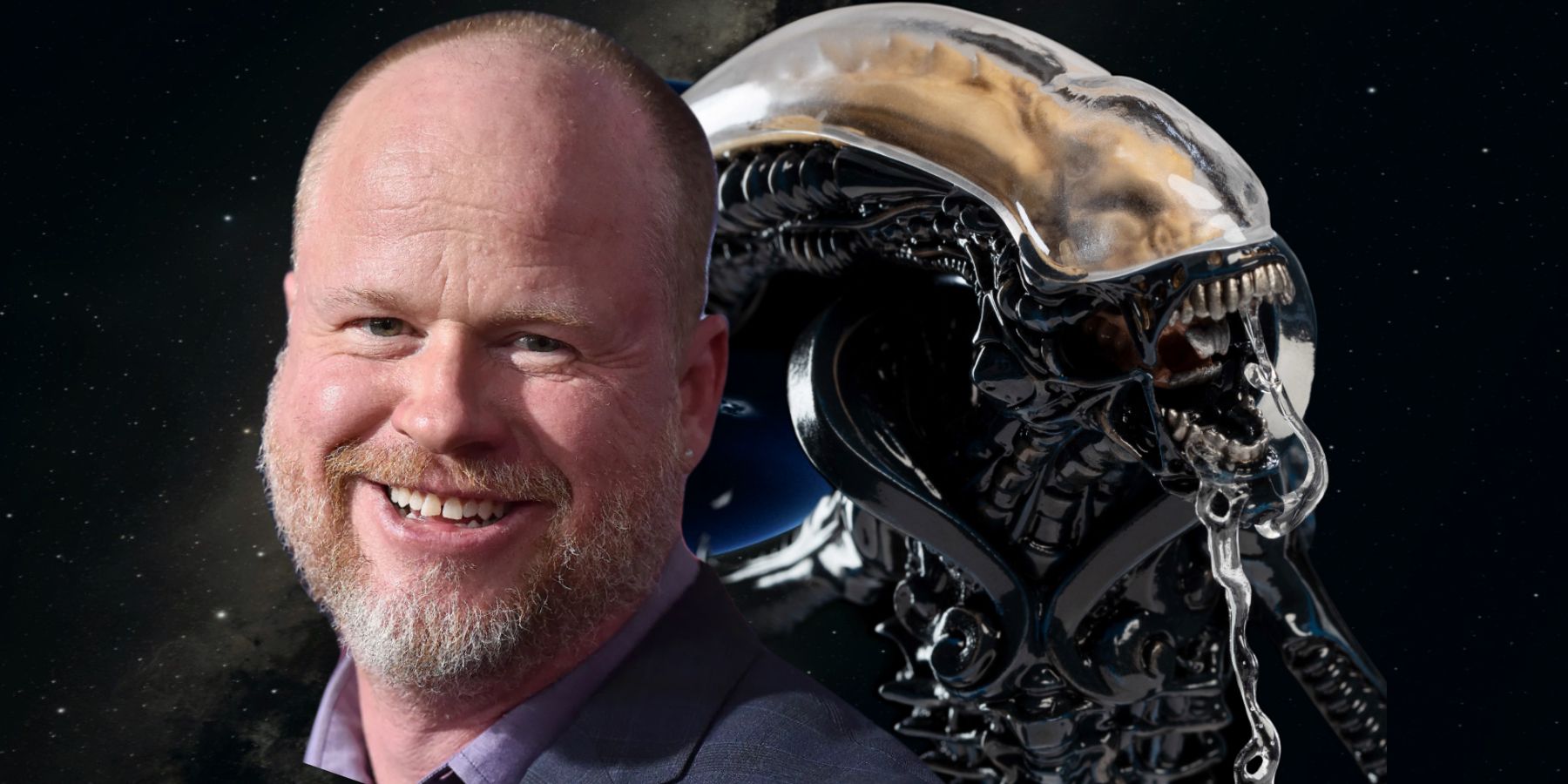
Yet, it could have been so different if the purportedly finished script of Alien 5 had come to fruition. The Avengers' Joss Whedon offered up a script designed to take the franchise back full circle, set 30 years after the Nostromo's doomed journey back to mother Earth before a raft of complications put paid to his vision. Here's why Whedon's Alien 5 never happened and what the film would have looked like if it did.

What immediately juts forward from Whedon's Alien 5 concept is his understanding of the Alien franchise and his love of it. Whedon himself penned the script for Alien: Resurrection, providing several drafts before director Jean-Pierre Jeunet settled on an entirely different climax for the 4th Alien installment, seeing the Alien-hybrid sucked through a hole into space. Whedon has personally voiced his deep regrets at the final product presented by the flawed Alien: Resurrection movie, with his designs for Alien 5 looking to right many of the prior film's wrongs.

While plot details have only been released in a piecemeal fashion for Alien 5's script, it is understood to take place on Earth in the immediate aftermath of Alien: Resurrection. Ripley and Call continue their descent to the planetoid, unaware that they are not alone following the explosion of the Auriga in typical Alien fashion. Alien 5 was designed to end the Alien narrative surrounding Sigourney Weaver's iconic Ripley, with her homecoming after 257 years away from the planet designed to offer a sense of finality to the original movie series. Whedon's decision to close Ripley's loop shows he understands the importance of returning the Alien films to the human, tension-driven settings so oft provided by Ridley Scott. Watching John Hurt's Kane choke at night in the mess hall after awakening from his ordeal delivers a visceral moment steeped in atmosphere and un-touched by complex creature-based scenes. In this way, the Alien 5 script's premise promised to bring Ripley back to the fore and shy away from the frenetic and often incomprehensible action that marred Alien 3 and Alien: Resurrection.

Several factors conspired to herald the downfall of Alien 5's incubating production, with the script unable to muster a concerted effort at truly being considered for release. Whedon's Earth-based script may have looked to usher in a return to the dazzling Ridley Scott Alien era, but its intent to close the story came at a heavy price. Sigourney Weaver's approval of the script became a key component of the pre-production ritual for all direct Alien sequels - a grace ultimately denied to Whedon by Weaver. Weaver has cited many issues with Whedon's handling of Ripley, stating that his vision of her return to Earth diluted the first Alien's impact significantly. She also stated that, based on Whedon's script, Ripley would lose her last shred of humanity and become a one-dimensional character, which ironically was something both Weaver and Whedon had wanted to avoid in Alien 5.

Related: AVP: Requiem Proved Predator Had A Clearer Movie Future Than Alien

However, Sigourney Weaver's lack of approval was not the only factor in holding Alien 5 back from the races. Even as far back as 1998, 20th Century Fox had begun work on a "Frankenstein Meets Werewolf" concept that would look to pit Ridley Scott's Alien against John McTiernan's Predator in their original forms. James Cameron, who Fox had initially asked to help pen a 5th Alien installment (akin to his Aliens success), immediately distanced himself from the project, bashing it as something that would "kill the validity of the franchise." Despite losing their man at the helm, the studio pressed on, eventually releasing Paul W.S. Anderson's AVP: Alien vs. Predator in 2004. The release of AVP was the final nail in the coffin for Whedon's shelved Alien 5 script, taking the Alien franchise on a less serious tangent and quashing Alien 5's decidedly human concept in the process.

While Joss Whedon's vision for the canceled Alien 5 is unlikely to reappear, other incarnations are well underway for a fifth Alien movie. The Alien prequel, Prometheus, initially looked to be taking the franchise in a bold new direction, receiving the best reviews for an Alien installment since Aliens. However, its follow-up, Alien: Covenant, was released in 2017 to decidedly mixed reviews, causing 20th Century Fox to reassess their position on the overarching prequel narrative. Disney's acquisition of Fox in 2019 altered the players in the Alien landscape, but perhaps not the linear franchise plan, after officially confirming at the 2019 CinemaCon that Alien sequels were in production.

Gallingly for Joss Whedon's alternate Alien 5, Sigourney Weaver's stance also seems to have softened on Ripley's potential narratives. At the 2014 Hero Complex film festival, Weaver stated, "Had we done a fifth one, I don't doubt that her humanity would have prevailed. I do feel like there is more story to tell. I feel a longing from fans for the story to be finished. I could imagine a situation where we finish telling the story." While there is no confirmed word on Weaver returning for Disney's Alien projects, it is hard to imagine a Xenomorph story untethered to the iconic Ripley. Although Joss Whedon's Alien 5 concept seems destined to gather dust somewhere, his notion of Alien 5 embracing its human element is one any future Alien franchise installments should embody.

More: Why Alien’s Best Movie Future Brings The Xenomorphs To Earth


from ScreenRant - Feed https://ift.tt/3Dljx50 https://ift.tt/3DqfpAH
09 Oct 2021

Outlander Season 6 Trailer: Revolutionary War Comes for Claire & Jamie

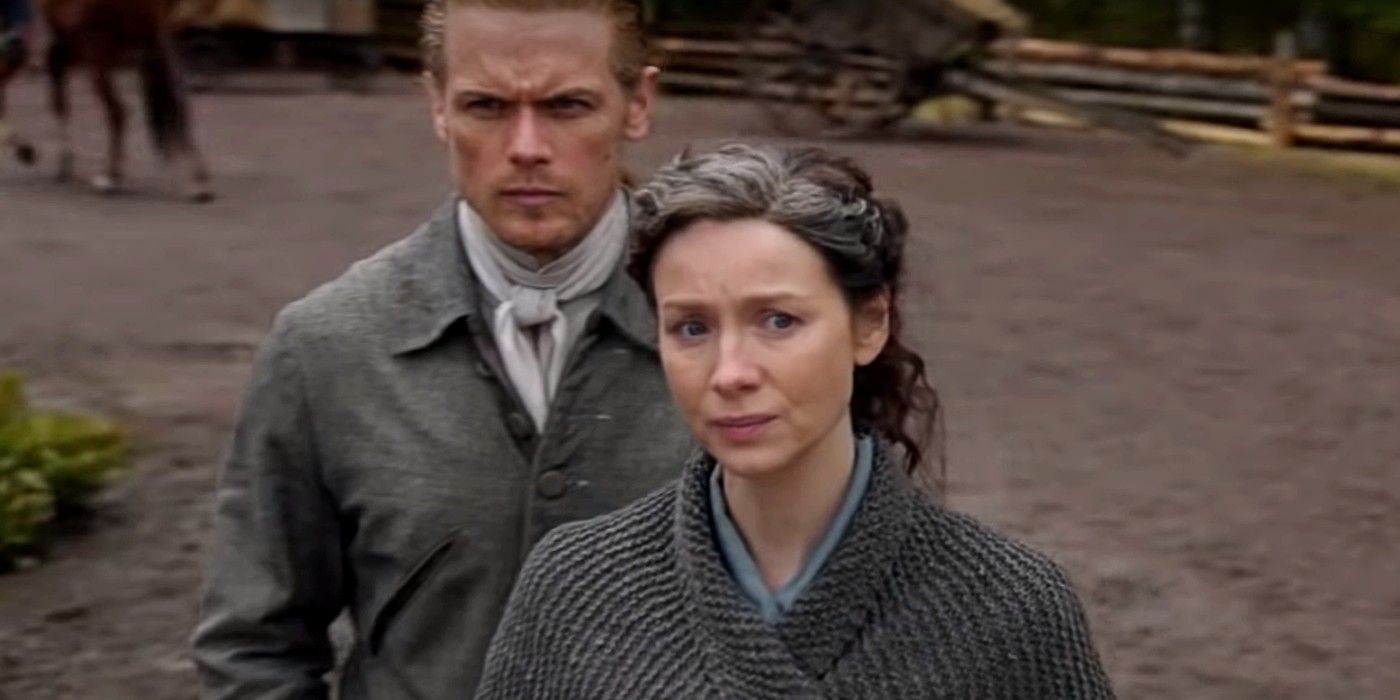
The new trailer for Outlander season 6 shows young love overshadowed by the impending American Revolutionary War. Outlander, which is based on the series of Diana Gabaldon novels of the same name, premiered on Starz in 2014. It stars Caitríona Balfe as Claire Randall, a World War II nurse who is sent back in time to 1743 Scotland, where she falls in love with Sam Heughan's Jamie Fraser, a warrior involved in the Jacobite rising. The show also stars Duncan Lacroix, Sophie Skelton, Richard Rankin, and Tobias Menzies. After being delayed by the pandemic for several months, Outlander season 6 recently wrapped production, with a season 7 already greenlit.

Previous seasons have followed Claire and Jamie's subsequent separation in time and eventual reunion. After rescuing Jamie's nephew from pirates in season 4, they wind up shipwrecked on the coast of Georgia. They end up staying in the New World and claiming land in North Carolina that they name Fraser's Ridge. Season 5 of Outlander ended with Jamie (Heughan), Claire (Balfe), and their whole clan currently at peace in Fraser's Ridge, with the threat of war looming overhead.

Related: Outlander Historical Accuracy: What The Show Gets Right (& Changes)

Starz has just debuted the new trailer for Outlander season 6, which is due to premiere in early 2022. After showing a montage of happy young lovers, the trailer shrouds them in the shadow of impending doom. The Revolutionary War that was only brewing in season 5 is now on their doorstep, and the impending battle is clearly going to weigh heavily on Jamie and Claire in Outlander season 6. Check out the trailer below:

Click here to view original video

Season 6 will be based on the sixth Outlander novel, titled A Breath of Snow and Ashes. Continuing the plotline implied by the previous season, Jamie will be pulled in two directions by his desire to continue his peaceful life in the New World and his oath to the British crown. It also seems like their new neighbors, Tom Christie (Mark Lewis Jones) and his children Allan (Alexander Vlahos) and Malva (Jessica Reynolds), will be stirring up trouble along the way. Caitríona Balfe has recently teased that this season will be "heartbreaking" and "really twisted."

Outlander has made a name for itself with twisty, complicated stories that combine history, time travel mechanics, heaving romance, and complicated heroes and villains alike. It has been some time since the American Revolutionary War has been brought to life in such a big-budget manner. Applying the show's unique, complicated perspective to the events unfolding in the colonies will hopefully breathe new life into a well-worn historical tale.

Next: What To Expect From Outlander Season 6

Source: Starz


from ScreenRant - Feed https://ift.tt/2X2Jffi https://ift.tt/3mHKKIz
09 Oct 2021

Bruce Wayne Got Batgirl Pregnant In Batman Beyond | Screen Rant

Warning! Spoilers for Batman Beyond 2.0 #28

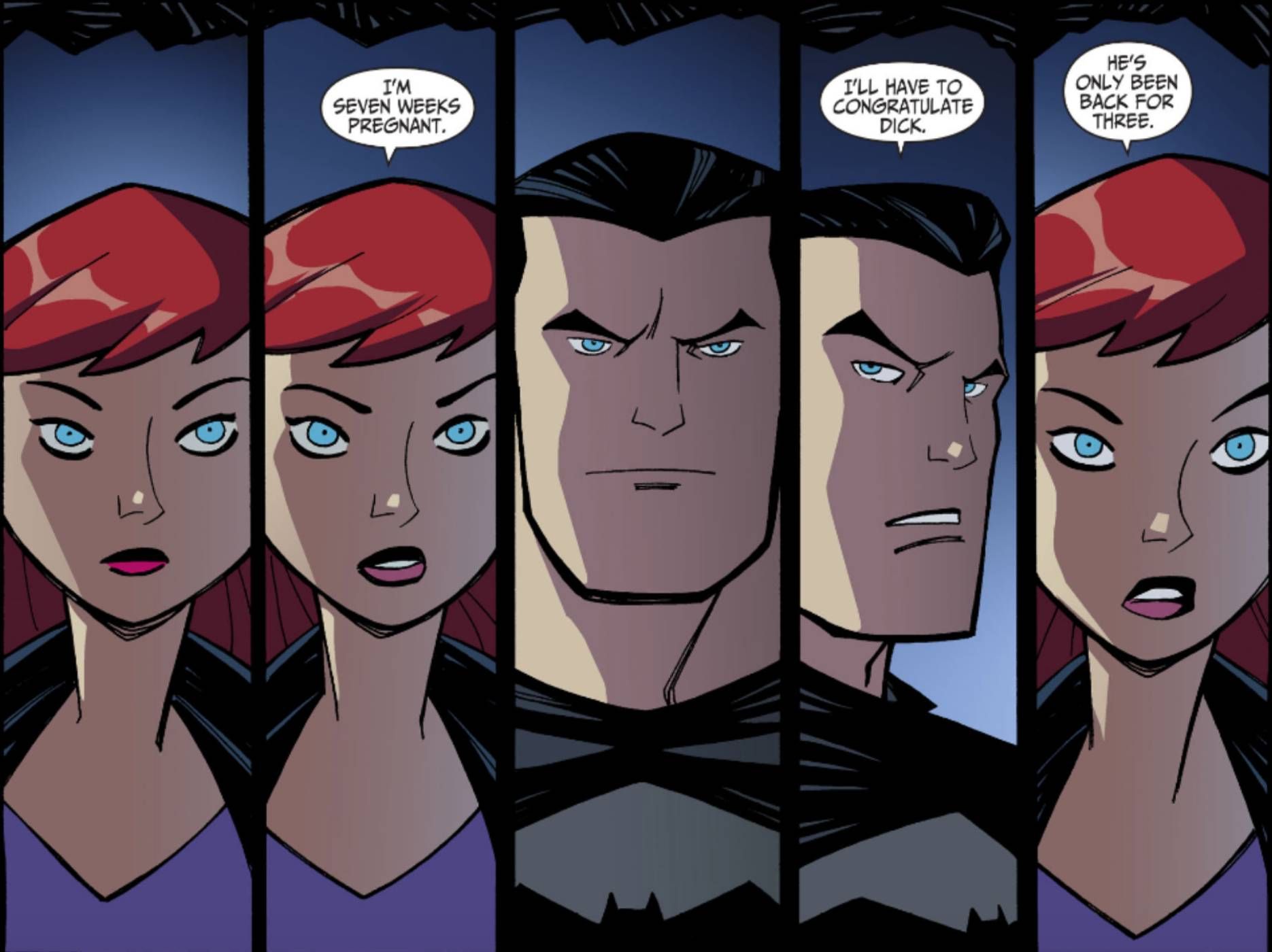
In a world inspired by the beloved DC Animated Universe, Batman once got Batgirl pregnant. Not only is their past relationship scandalous to fans— it’s also infuriating to Dick Grayson AKA Nightwing, who was Barbara Gordon’s boyfriend at the time.

Although some fans might forget that both Bruce and Dick had romantic relationships with Barbara during Batman: The New Adventures, audiences were enraged when Batman and Batgirl got together in the animated adaptation of The Killing Joke. At the time, many felt it was inappropriate for the two bat vigilantes to get together, especially when she had been long portrayed as a teenage sidekick. However, it turns out there has been an even bigger offense regarding their affair in Batman Beyond 2.0 #28, written by Kyle Higgins with art by Phil Hester and Craig Rousseau.

Related: Batman: Reptilian Artist Asks Fans Why Comic is Being Ignored

When Barbara confronts Bruce in the Batcave, she reveals that she’s been pregnant for seven weeks. Assuming that it’s Dick Grayson’s child, Bruce is congratulatory, but she goes onto explain that he hadn’t been back in Gotham at that time. While Dick was away, Bruce and Barbara’s relationship became romantic and went in a direction they hadn’t planned. The moment adds new context for why Robin and Batman initially fell apart in the DCAU, as Dick went onto become Nightwing and distance himself from his Boy Wonder image. Based on their interaction, it seems like they’ve both acknowledged the mistake and will leave it in the past.

The flashback to the New Adventures era of the timeline comes across like a deleted scene that the animation rating system wouldn’t approve to air. It almost fits in perfectly with the episode Old Wounds in which Dick Grayson disavows his Robin persona, punching Batman and abandoning the bat family for a time. However, Dick is more furious with him than fans had seen him before. After becoming aware of what had happened between Barbara and his surrogate father, he goes into a rage and overpowers Bruce. While it had been known that the bat family’s adventures ended in tragedy, as referenced throughout Batman Beyond, Barbara’s pregnancy was never an emphasized breaking point. Instead, Return of the Joker made it seem that Tim Drake’s demise brought the team to a definitive end.

If Barbara and Bruce had a child together, it would have changed the course of the DCAU, and potentially rob Batman Beyond of its premise. The son or daughter of Batman and Batgirl would be a likely candidate to take over the mantle in the future as Gotham’s guardian. Terry McGinnis would’ve been out of a job if the city already had a Dark Knight by the time he was a teenager. Similar to Damian Wayne, the son that Batman had with Talia, Barbara and Bruce would be certain to raise a strong fighter.

More: Identity Crisis: What You Need to Know About DC’s Controversial Story


from ScreenRant - Feed https://ift.tt/3mCtIvi https://ift.tt/3oMDNIJ