With Android 12 going open source on Monday, Google today detailed what’s new in the OS for enterprise admins and end-users. The latter benefits from more privacy controls, while the former can impose more measures to secure corporate data.
One particularly interesting capability lets IT admins “slice their 5G network and dedicate connectivity to all apps on a fully-managed device.” This priority cell service can also be limited to Work Profile apps, with enterprises – in partnership with carriers – having “wider control over quality of service and security of work data.”
Meanwhile, administrators can limit the USB-C port on company-owned devices so that only charging works. This reduces the risk of USB-based attacks, though not all devices support the ability to disable USB data signaling.
Companies can similarly restrict what input methods are available in personal profiles. In requiring people to use the default input (e.g. Gboard on Pixel), there’s a reduced risk of a “rogue keyboard that could capture data on the device.”
Elsewhere, Work Profile users can decide (as permitted by IT) whether those apps have access to location, camera, microphone, body sensor, or physical activity, while setting up Wi-Fi no longer requires the user location permissions thanks to a new network API.
Personal devices that feature a Work Profile will no longer report IMEI, MEID, or serial numbers to “preserve employee privacy if they leave their organization.” This is replaced by an enrollment-specific ID. On the password front, it’s easier for users to set up a separate password for their work profile.
Meanwhile, the Android Enterprise team is hosting its first-ever security and management digital event. You can register now for “The Art of Control” on October 27 to see the “latest features in Android 12 through demos and analyst briefings.”
Google has warned about 14,000 of its users about being targeted in a state-sponsored phishing campaign from APT28, a threat group that has been linked to Russia.
The campaign was detected in late September and accounts for a larger than usual batch of Government-Backed Attack notifications that Google sends to targeted users every month.
Fancy Bear phishing
Shane Huntley, who is at the helm of Google’s Threat Analysis Group (TAG) that responds to government-backed hacking, notes that the higher-than-usual number of alerts this month comes from “from a small number of widely targeted campaigns which were blocked.”
The campaign from APT28, also known as Fancy Bear, lead to a larger number of warnings for Gmail users across various industries.
In a statement sent by a Google spokesperson, Huntley says that Fancy Bear’s phishing campaign accounts for 86% of all the batch warnings delivered this month.
He explains that these notifications indicate targeting of the recipient, not a compromise of their Gmail account.
“So why do we do these government warnings then? The warning really mostly tells people you are a potential target for the next attack so, now may be a good time to take some security actions” - Shane Huntley
Huntley says that these warnings are normal for individuals such as activists, journalists, government officials, or people that work national security structures because that’s who government-backed entities are targeting.
All the phishing emails from the Fancy Bear campaign were blocked by Gmail and did not land in the users’ inboxes as they were automatically classified as spam.
“As we've previously explained, we intentionally send these notices in batches, rather than at the moment we detect the threat itself, so that attackers cannot track some of our defense strategies,” Huntley said.
APT28 has been operating since at least 2004 on behalf of Russia's General Staff Main Intelligence Directorate (GRU) 85th Main Special Service Center (GTsSS) military unit 26165.
The group is typically engaged in data theft and espionage activity. Among its more recent targets are members of the Bundestag, the German federal parliament, and of the Norwegian Parliament.
Google’s goal with these alerts is to inform individuals that they are being targeted so they can improve defenses. The company’s recommendation is to enroll in the Advanced Protection Program for work and personal email.
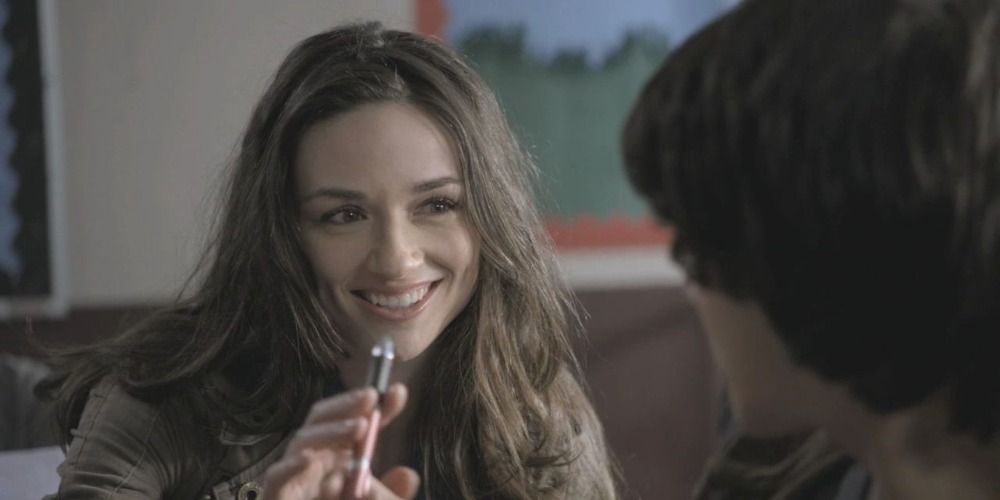
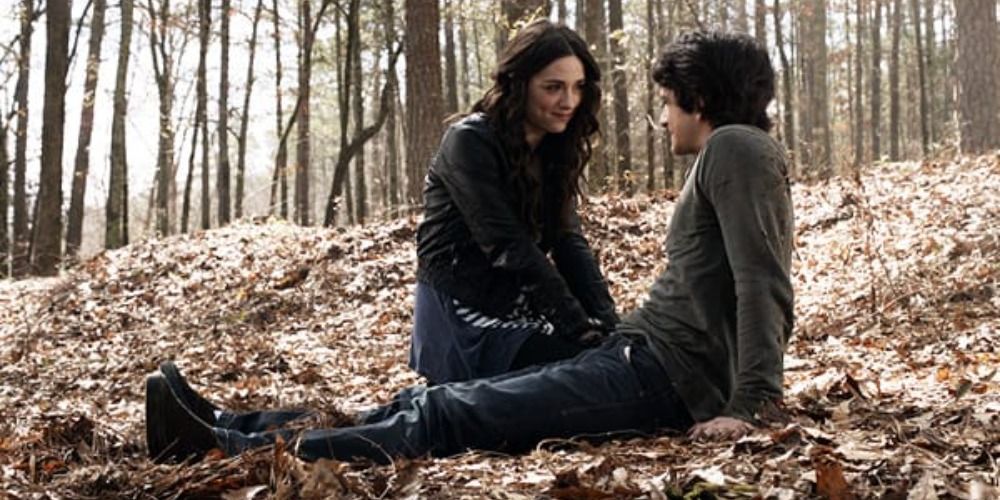
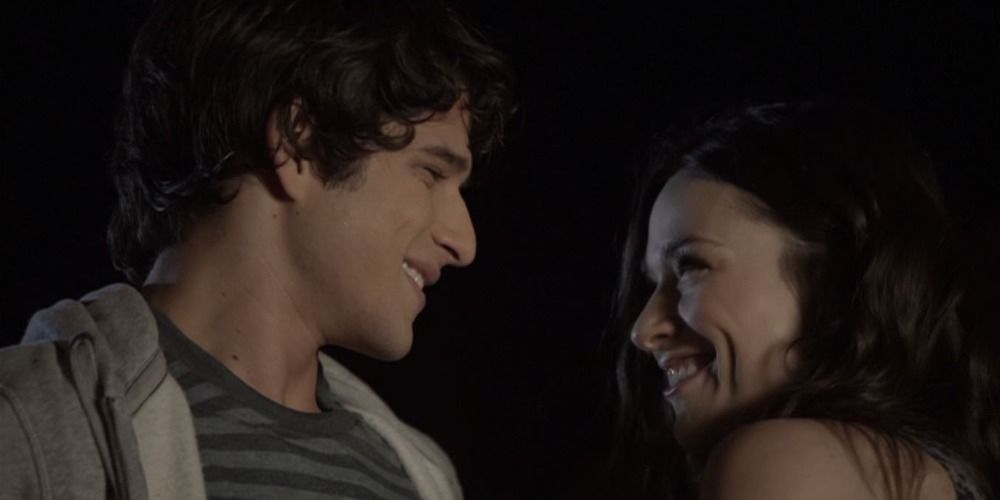
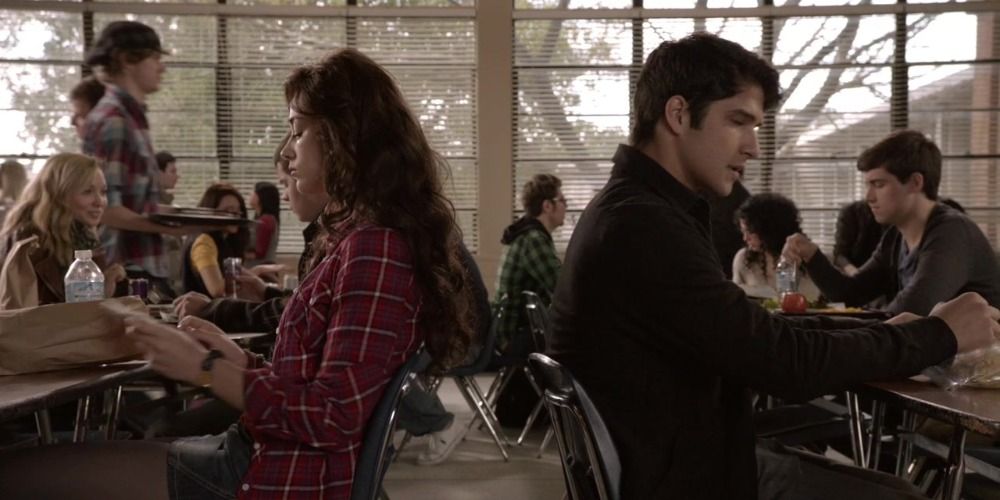
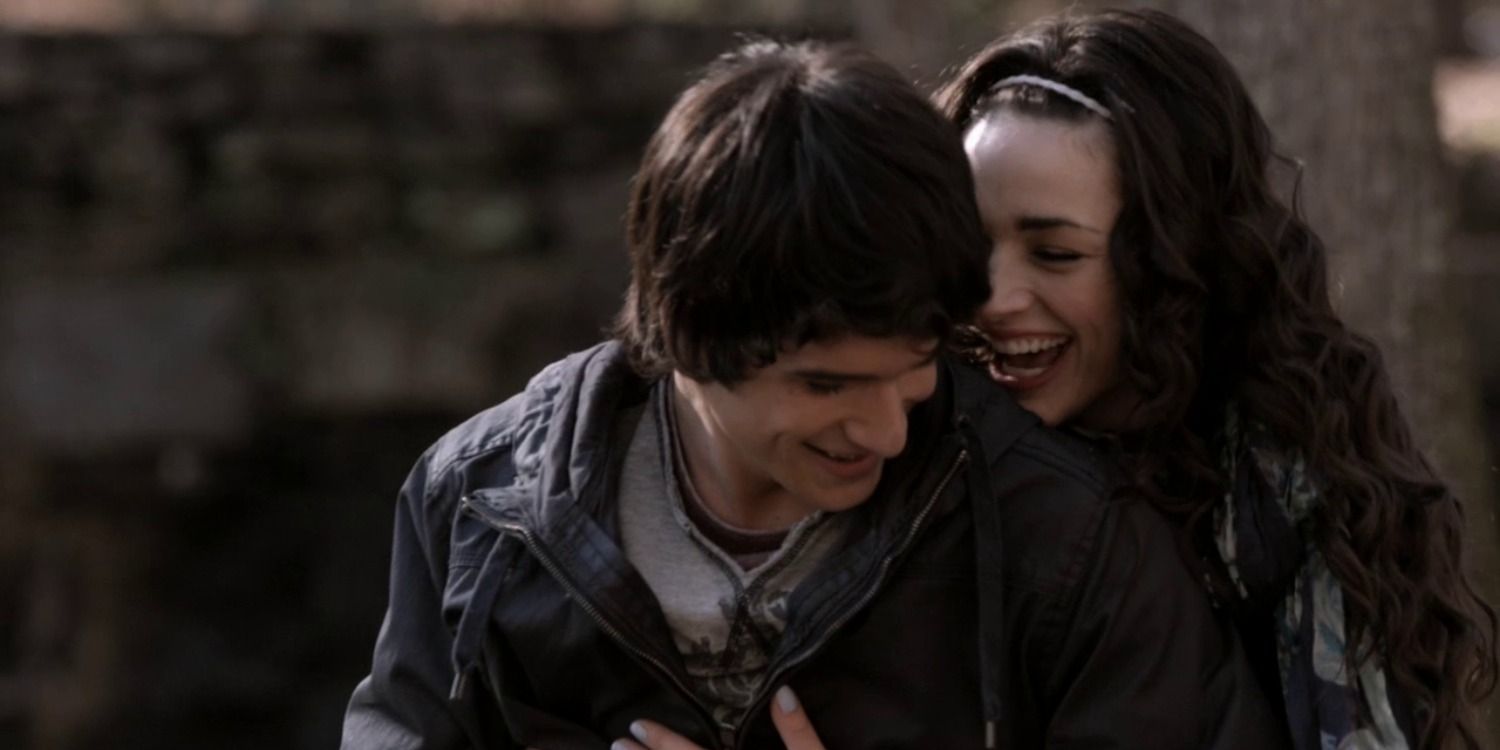
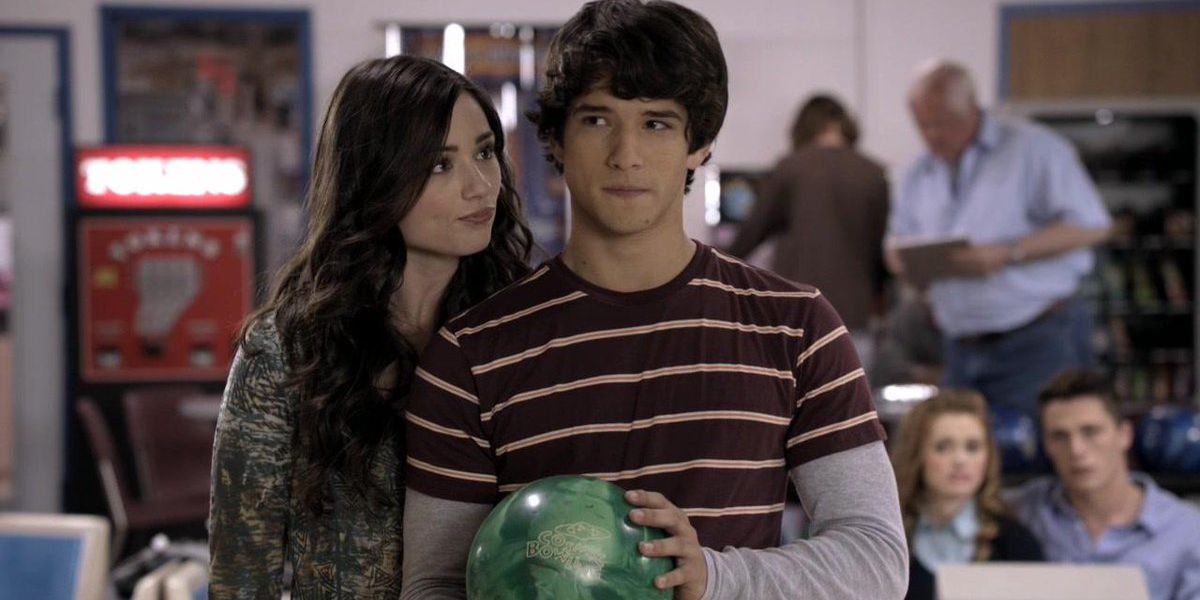
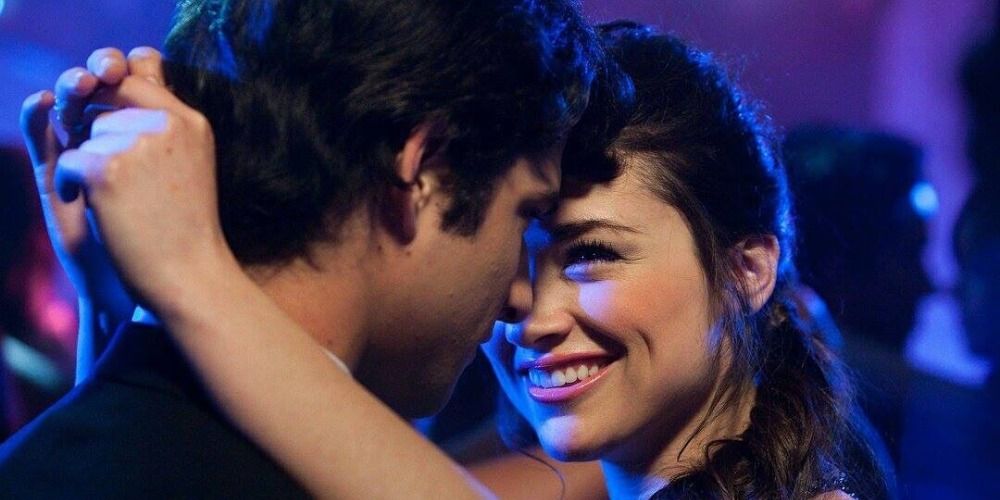
While Allison Argent (Crystal Reed) wasn't in all six seasons of Teen Wolf, she had a profound effect on the audience. Forever remaining one of the most likable characters on Teen Wolf, fans absolutely loved both watching her grow into a strong and empowered hunter and witnessing her epic, star-crossed lovers' romance with Scott McCall (Tyler Posey).
Although Allison became more closed off as her story progressed, one thing she never hid was her feelings for Scott. While they may have broken up at the end of season 2 (and Allison began other romances), it was clear that the love she had for Scott still remained as she always spoke about him with fondness and love. Maybe it's because Scott was her first love or one of her best friends, but Allison was somewhat of a romantic wordsmith when he was around.
In the initial stages of their relationship, fans get a bit of insight as to what drew Allison to Scott in the first place. In a conversation with Lydia Martin (Holland Roden), Allison reveals that she felt an instant connection to Scott different from anything she had experienced before. In fact, it was so great that it literally made Allison change all the plans and goals she had for the year.
Allison's confession is certainly relatable too as many people are often describing how love can be unpredictable and spontaneous. A person might not be able to fully comprehend what draws them to this feeling or even understand it, but that doesn't mean they're not enjoying what she is experiencing.
While Allison's loyalty was tested between her family and Scott's pack in season 2, the young hunter reassured her boyfriend that he was the person she trusted most in the world.
This was quite a big deal for Allison since the majority of her life had involved her family keeping huge secrets from her. While Scott had also kept his fair share of secrets too, what mattered most to Allison was the fact that he actually wanted to tell her the truth. Telling Scott that she trusted him more than anyone in her life was somewhat of a romantic gesture since he genuinely believed that he would have lost her because of the things he kept from her.
Although this quote came in the midst of a Scott and Allison fight, there is sort of a sweet meaning within the conversation as fans realize that Allison has started to notice some of Scott's quirks and tells.
Paralleling a similar scene from earlier in the episode, where Scott told Allison she knew when she was lying, she also told Scott that she knew when he did too. At this point in time, the pair had only been dating for two months, so for her to notice even the smallest of details was quite sweet. It showed that she really was invested in their relationship and learning everything about him.
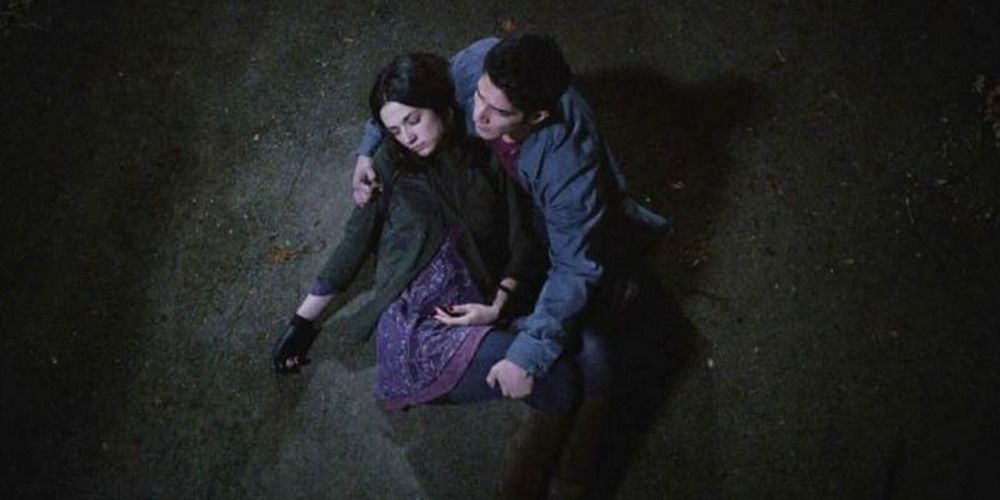
Allison ended up having one of the saddest death scenes in Teen Wolf after she was fatally wounded by the Oni. Nevertheless, just before she died, she managed to share one last emotional farewell with Scott, confessing her feelings to him for the last time.
Many fans were devastated at the loss as some were hoping the couple would have got back together down the line. However, this speech did prove one thing. Despite both characters beginning new romances with other people, Allison never stopped loving Scott; something would have always drawn her back to him, so it was fitting that he was by her side when she drew her final breaths.
With tensions between the supernatural and the hunters getting worse in season 2, Scott had a lot on his plate. As Teen Wolf fans saw Scott try to be the best leader he could be for his pack, discover the identity of the Kanima, and control his powers, he needed someone to ground him — which is where Allison came into play.
While Allison knew that Scott couldn't just sit on the sidelines while people were getting hurt, she did look out for his well-being to make sure he didn't exhaust himself. She also wanted to remind him that his actions didn't just affect him, so doing anything impulsive could have consequences for those who loved him most. For the first two seasons, Allison acted as a sort of moral compass for Scott, so her thoughts and advice would often lead to him thinking about a more practical plan. She ultimately made him a better and more mature person.
There's a reason why so many fans say that Allison and Scott's romance is the epitome of first love. From the moment they met, they were besotted with one another, refusing to separate because they believed it would be unbearable.
Allison gave everyone an insight into the depth of her feelings when she told Lydia that she couldn't stop counting down the seconds until they were together again. This was something fans found endearing and cute since it really summed up what it's like to be young and in love for the first time.
Back in season 2, Allison and Scott continued to take steps in their relationship, with the pair discussing what they would have liked their future to look like.
Not only did Allison show how much her feelings had grown since they first began dating but her confession also showed a lot more maturity too since it seemed that she was contemplating the next stages of their life.
The "Because I love you" declaration became an important staple in Scott and Allison's relationship, as they would often send notes or messages to one another containing the phrase. However, the most important one for Allison was likely the day she decided to say the words for the first time after seeing Scott in his werewolf form.
Not only does Allison use the exact same words Scott had said earlier, but her romantic profession also marks the point in which Allison fully embraces all parts of Scott, including his supernatural side. Since most people would likely be petrified if they discovered their partner was a werewolf, this was certainly a big milestone in their relationship and one of the most romantic gestures on Teen Wolf.
Marvel's Black Widow is now available on Disney+ as well as on home and digital release, and here's all you need to know about the film's 11 deleted scenes. Set during the end of Captain America: Civil War, Cate Shortland's Black Widow introduced viewers to Natasha Romanoff's first family - and set up the future of the Black Widow franchise.
While Black Widow was released on Disney+'s Premier Access model, that didn't include any deleted scenes. Marvel has saved those for the digital and home releases, which feature eight deleted scenes and an alternate ending; two more were added when Black Widow became available for general viewers on Disney+. It's always fascinating to get a look at Marvel's deleted scenes, to figure out how the story would have been subtly different had they been kept. .
In some cases, it's easy to see why Black Widow's were cut, because they don't add much to the story; others should really have been kept, while the alternate ending is far stronger than the one Marvel ultimately went with. So here's a guide to all Black Widow deleted scenes, along with an assessment of how they would have affected the film's overarching narrative.
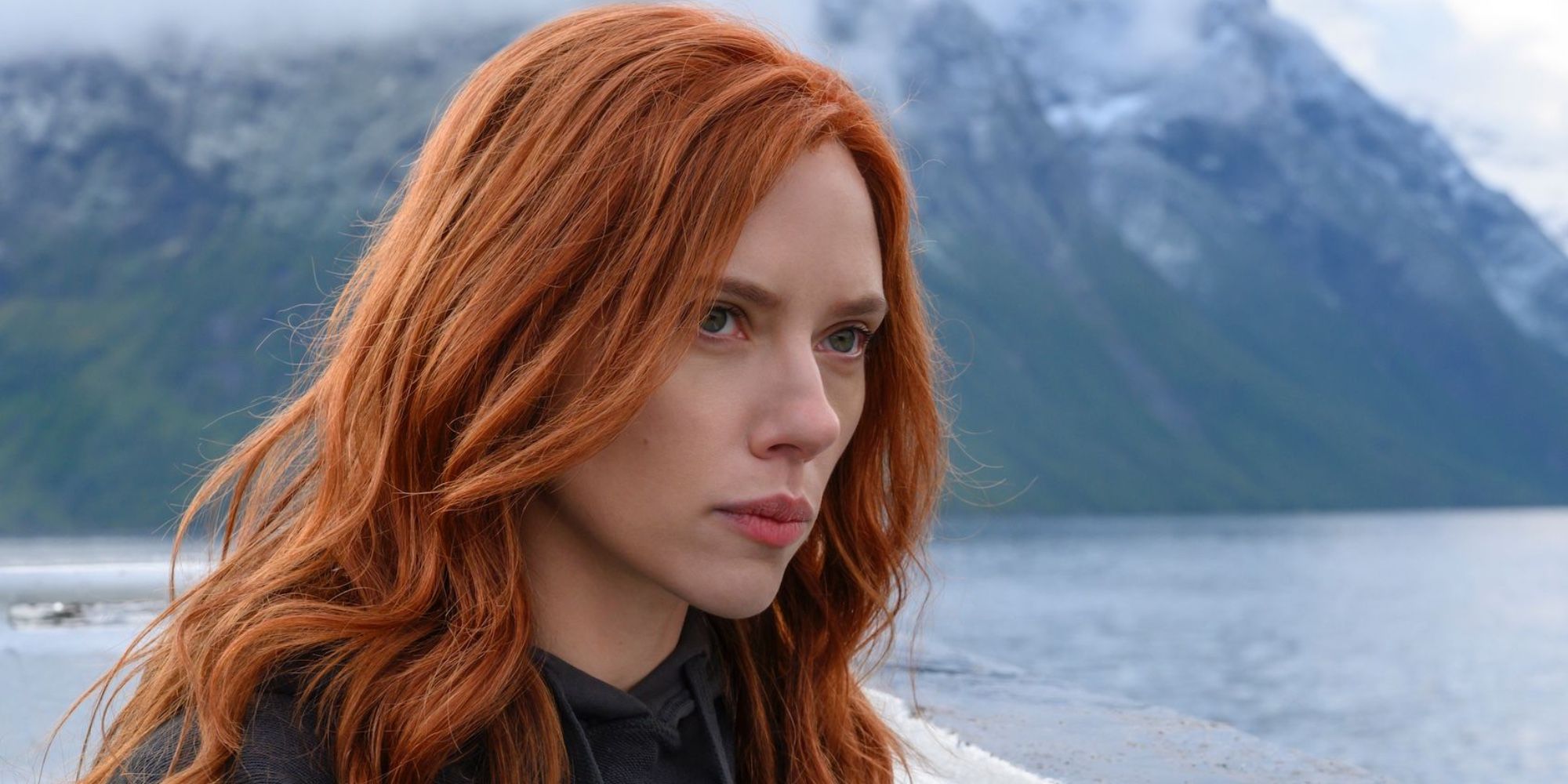
The first Black Widow deleted scene, called "Grocery Shopping," is a brief clip that shows Natasha hiding out in Norway. She pays a visit to a grocery store, before traveling back to her safe house; the store's radio happens to be running a news bulletin talking about Steve Rogers and Natasha Romanoff being on the run. It's clearly intended to serve as a reminder of just how committed the world's security forces are to tracking Black Widow down, while the shots of Norway's scenery are absolutely stunning. Ultimately, though, this doesn't add anything essential to the film's plot, and it would simply have slowed the pace down. It's easy to see why "Grocery Shopping" was cut.
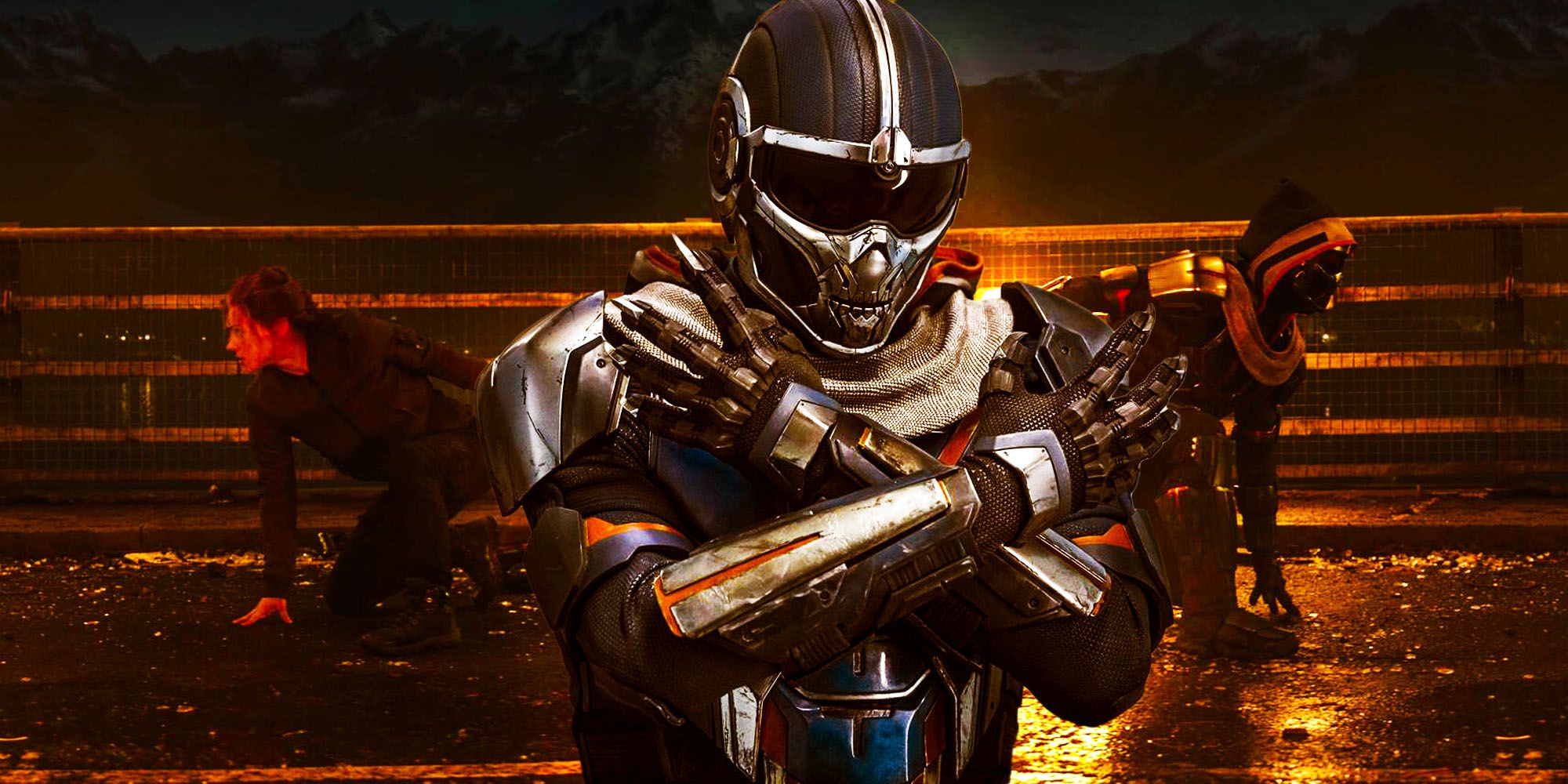
The "Smile" Black Widow deleted scene is an extended version of Taskmaster's introduction, and it serves to set up the scale of General Dreykov's ongoing Black Widow operation before showing Taskmaster studying footage from Natasha in Captain America: Civil War. It was probably intended to emphasize the idea Taskmaster has been studying the Avengers for some time, while Dreykov's access to security camera footage from the airport battle underscores his power and influence. Again, this is a sensible cut, as it doesn't add much to the story and simply slows the pace. The Black Widows would be explored far more effectively in the film's third act.
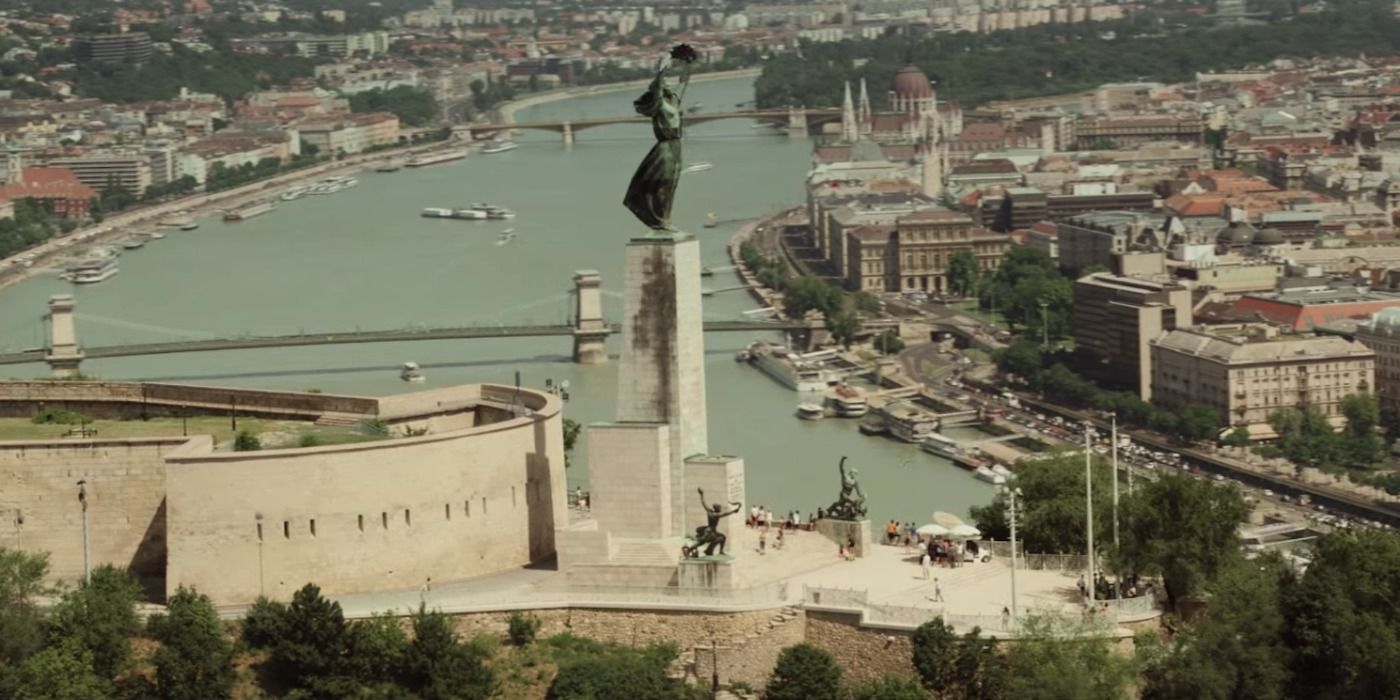
Another very short clip, "Bike Chase" is a slight extension of the scene where Natasha and Yelena attempt to escape Taskmaster and her Black Widows; Natasha drives the bike into what Yelena dubs a "cage," with the Avenger complaining the building wasn't there eight years ago when Black Widow was last in Budapest - before driving up a flight of stairs. This particular deleted scene would actually have been quite useful, in that it shows how Natasha and Yelena initially shook off Taskmaster's tank. The dialogue between the two former Black Widows provides a timeline for Natasha's previous actions in Budapest, revealing she was last in the city eight years ago. Given Black Widow is dated in 2016, that would mean Natasha joined SHIELD in 2008 - the same year Tony Stark outed himself as Iron Man, and (according to tie-in comics) T'Challa became the Black Panther in Wakanda. 2008 really was the year the MCU began. It's rather a shame this was cut.
"Gulag Fight" is a slight extension of Red Guardian's prison breakout, with Alexei attacked by Olivier Richters' Ursa Major, an inmate he humiliated a few minutes earlier. It's a shame to see Richters' Black Widow role reduced, but in truth this doesn't add anything much to the movie; it ends with Alexei on the ground looking up as Natasha leaps into the fray, meaning those 30 seconds or so could be cut without any effect on the story at all.
Set immediately after the escape from the Russian gulag, "Mason's Betrayal" sees Black Widow give her fixer Mason a call - but he swiftly tips her off that he's under observation by Ross. While this adds more depth to Mason's claim Ross was causing him trouble, in truth it really does feel superfluous, and Marvel made the right call cutting it.
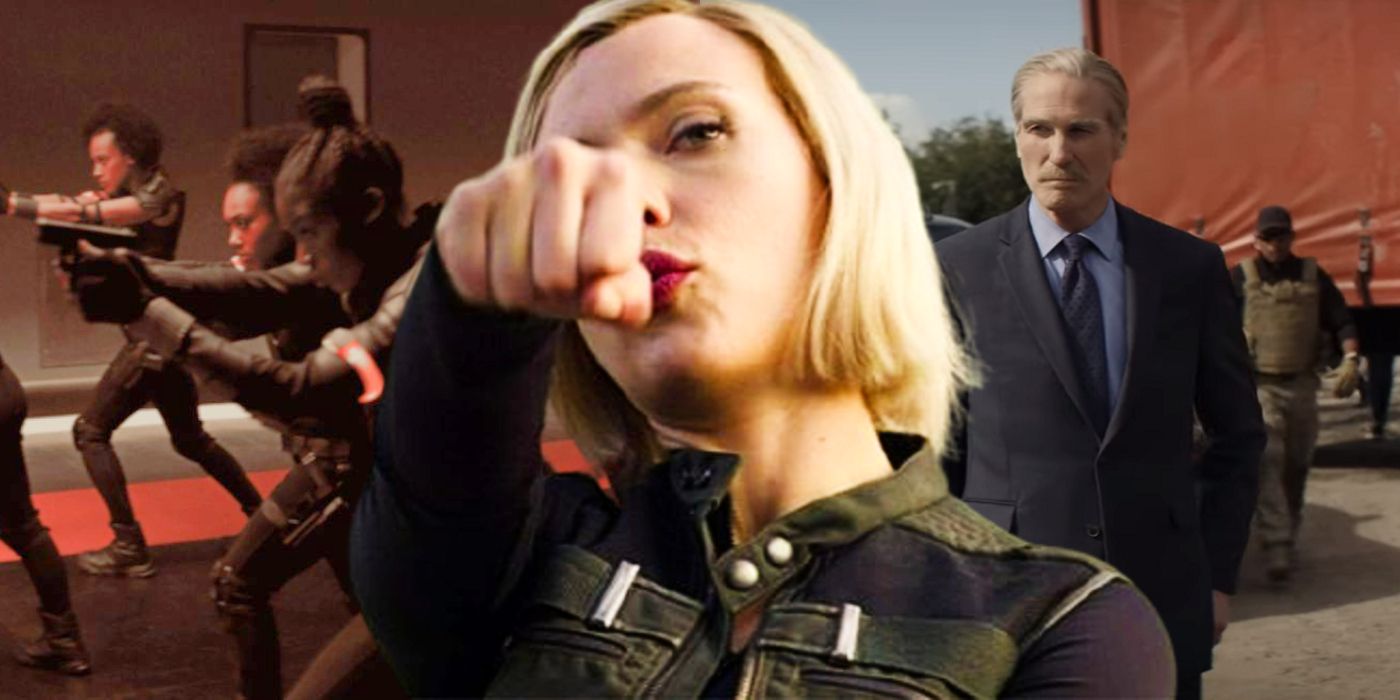
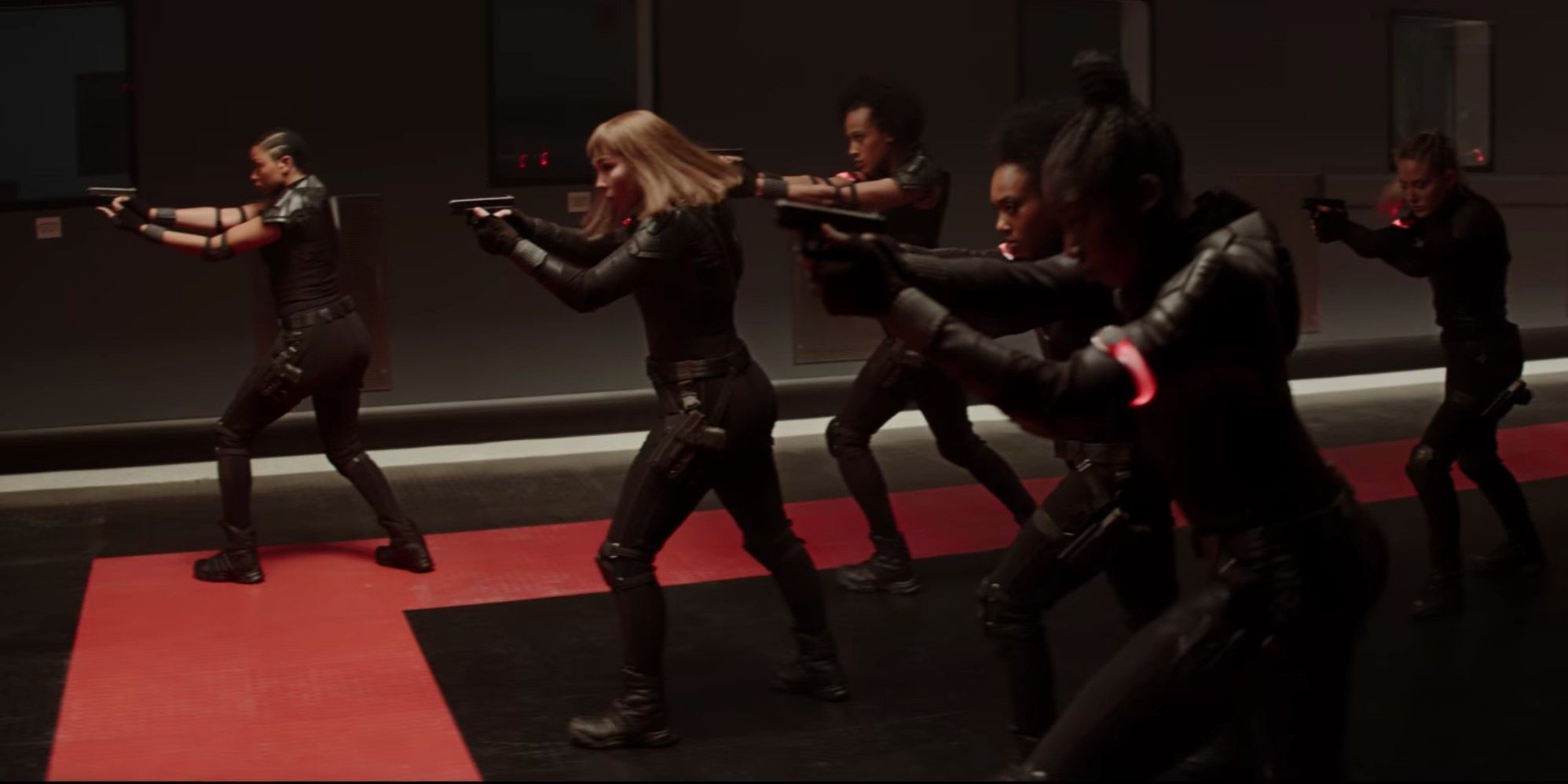
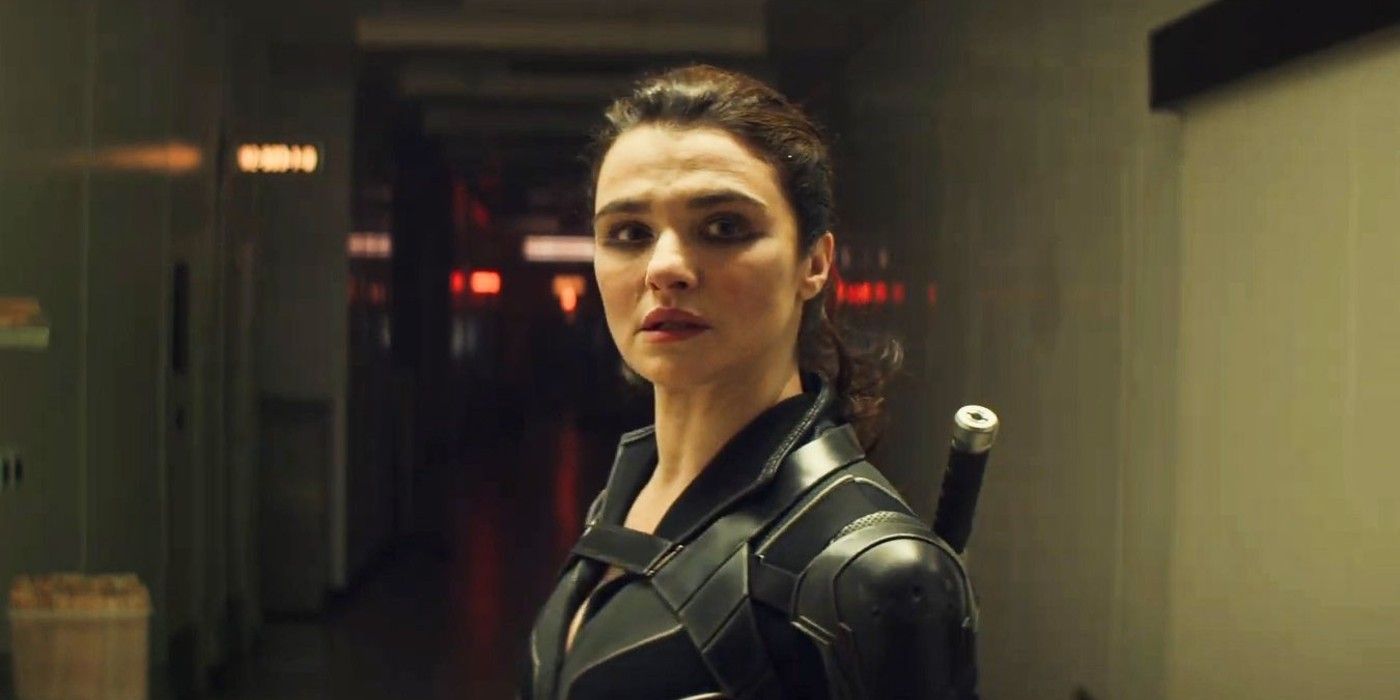
"Widows in Training" is pretty much exactly what is says on the can; it's an extended scene of "Melina" going to see the villainous Dreykov after her apparent betrayal of her family, and she stops to look in at the Black Widows as they train. In reality, of course, this is Natasha doing reconnaissance before she confronts Dreykov, trying to familiarize herself with the layout and count the number of potential adversaries. The Red Room's Black Widows are absolutely chilling, with their moves almost perfectly synchronous, stressing the extent of Dreykov's control over them. Shots from this deleted scene were included in TV spots, and - given it only adds under a minute to Black Widow's length - it should probably have been kept.
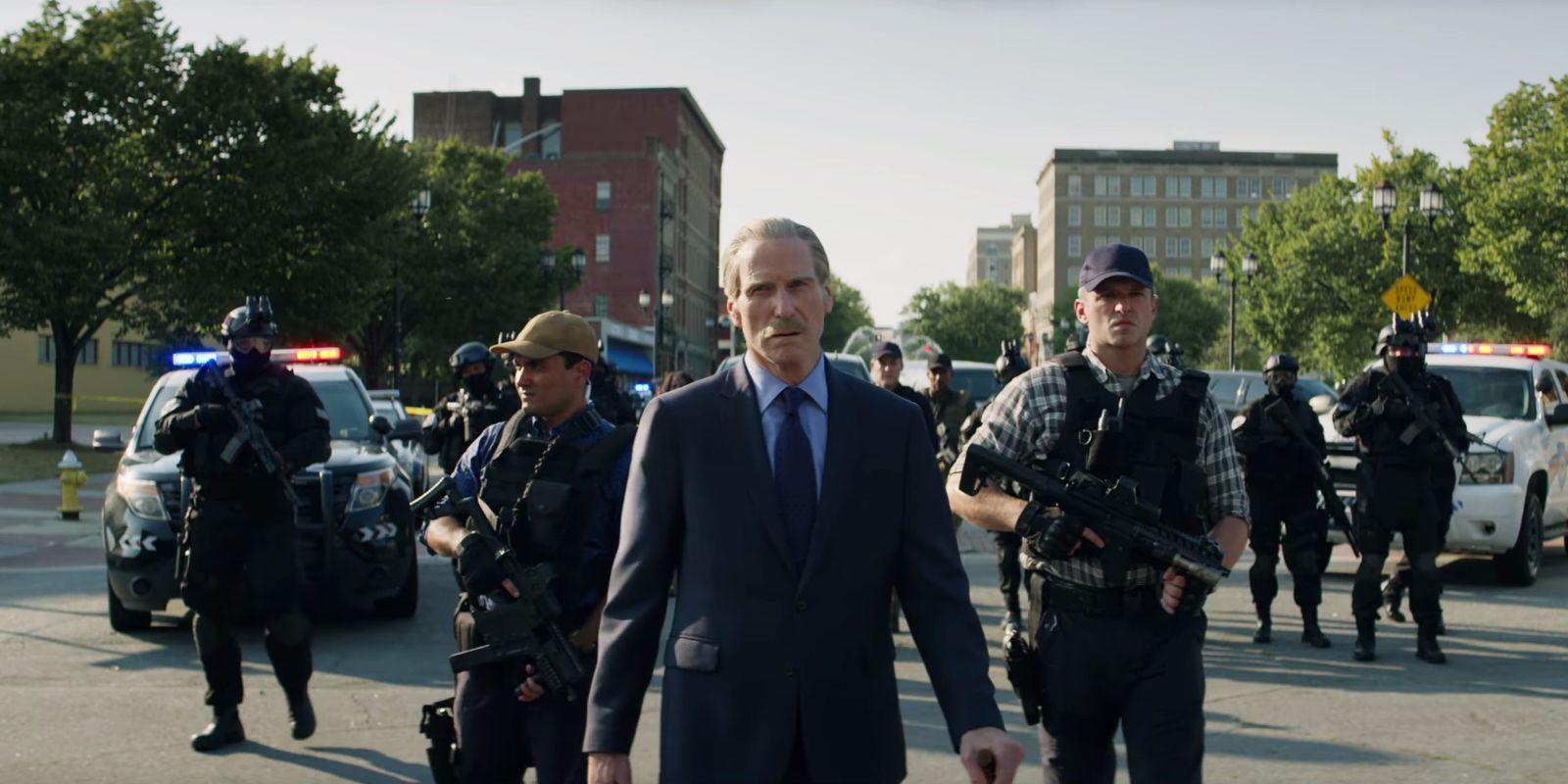
"Come After Me" was also seen in TV spots. It's set after Natasha and her family have been captured by the Red Room, and it returns to "Thunderbolt" Ross' quest to track her down. Ross has managed to locate her friend Rick Mason, who he has in custody and clearly enjoys threatening in an attempt to get him to cooperate. While it's nice to see more of General Ross and Mason, this was probably cut in order to keep an element of suspense to the third act's resolution; when Ross is given a note from Natasha reading "Come after me," viewers are prematurely clued in on the fact Natasha has a plan in the works. It would have ruined the suspense.
Set during the breakout at the Red Room, "Walk and Talk" sees Melina deliver a lecture to Red Guardian on how she's going to bring Dreykov's orbital base crashing to the ground. Rachel Weisz delivers the technobabble with impressive ease, and the scene showcases the complicated relationship between Melina and Red Guardian, but it's ultimately unnecessary. All viewers really needed to know was that Melina intended to sabotage the base, and was smart enough to do so. It would have been particularly disruptive during the climactic third act.
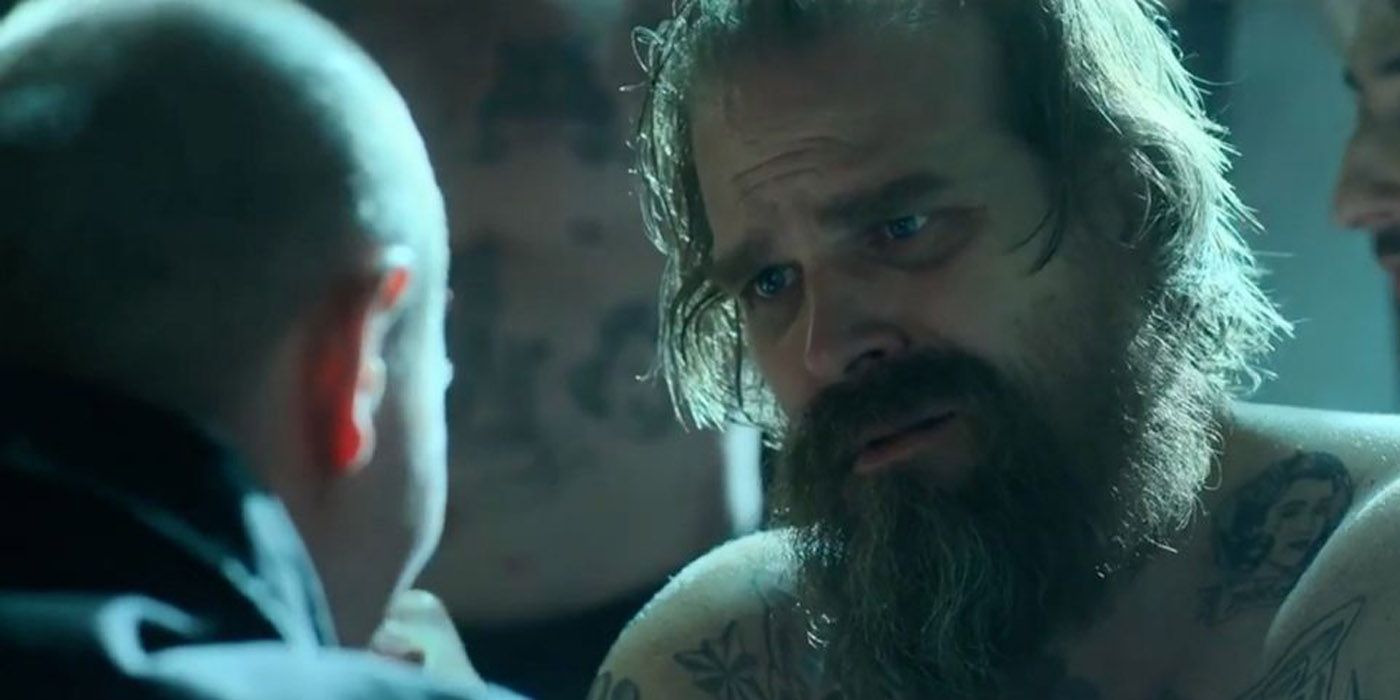
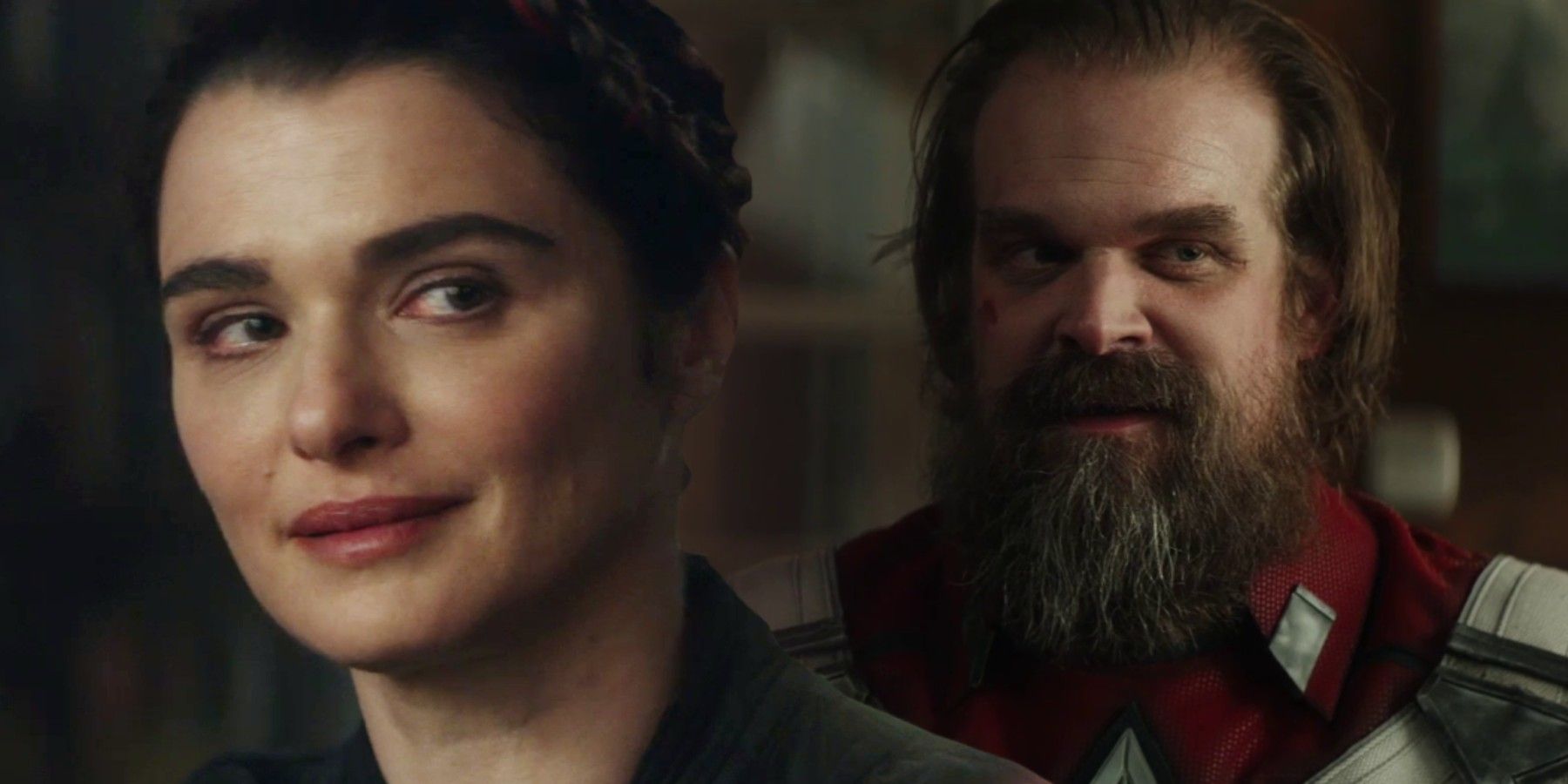
"Kiss" continues to explore the relationship between Alexei and Melina. It's a brief clip set after the Red Room has been destroyed, with the two sharing a brief kiss before they go out to meet the freed Black Widows. This particular deleted scene should really have been kept, because the dynamic between David Harbour and Rachel Weisz is tremendous, and it would have added a nice sense of closure to their respective arcs.
One of the more frustrating deleted scenes fills in a story gap in Black Widow's ending, with Natasha Romanoff captured by Ross, who's rather astounded at the amount of havoc she has caused. Black Widow tells Ross about the Red Room, forcing him to concede she's still saving the world even though she's a wanted woman, but the conversation comes to an abrupt ending when Black Widow escapes with ease. The scene is a wonderful one, the dynamic between Black Widow and Ross is enjoyable, and the escape really shouldn't have been cut. Amusingly, VFX teams clearly decided to keep some of the CGI, because elements of the crashing Red Room station still make their way into the film.
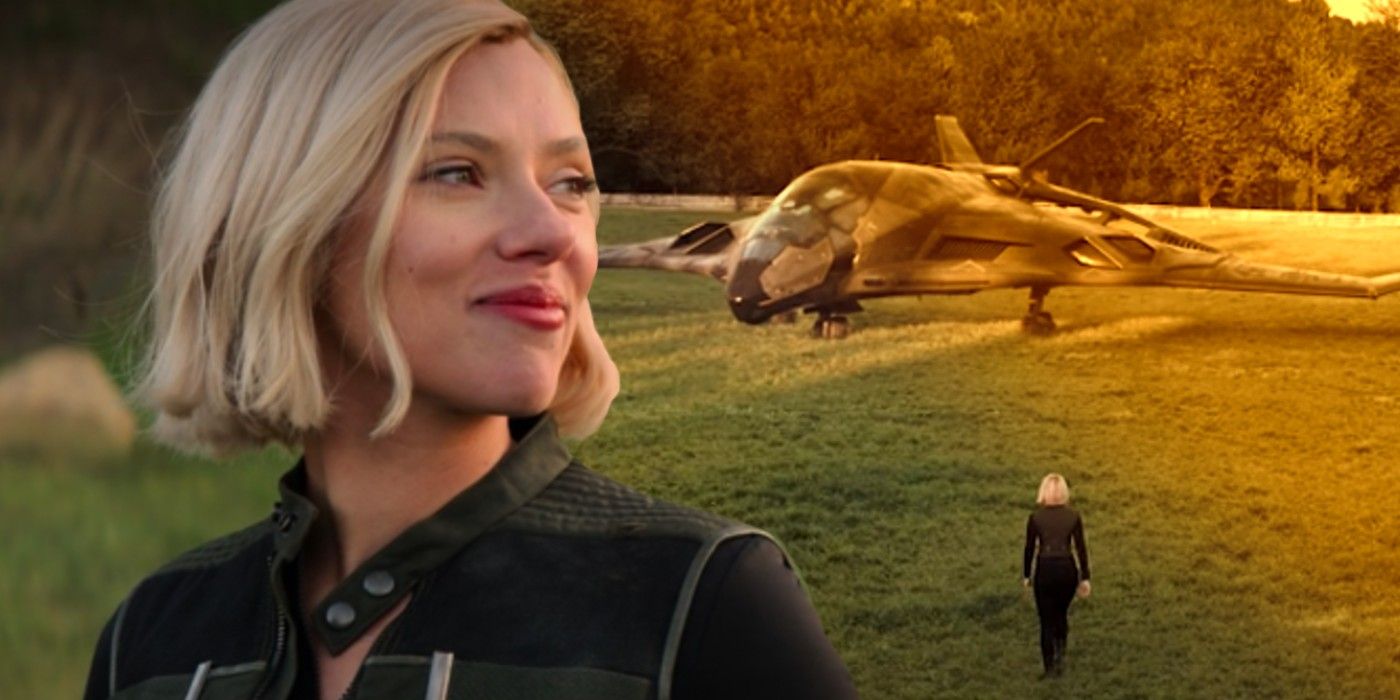
The most important Black Widow deleted scene is an alternate ending in which Natasha returns to her childhood home in Ohio, sporting the bleached-blonde hair and wearing Yelena's jacket. It's a beautiful, intimate scene that ends with Natasha being recognized by a little girl who's clearly been inspired by Black Widow's heroism. This, in truth, is the ending Marvel should have gone with; a touching character moment reminding viewers how much Black Widow matters to the people of the MCU, rather than one that focuses on establishing how it fits into the shared universe. There are times when Marvel's focus on connectivity actually damages the individual films; sadly, that's the case with Black Widow's ending, and even with the post-credit scene as well.
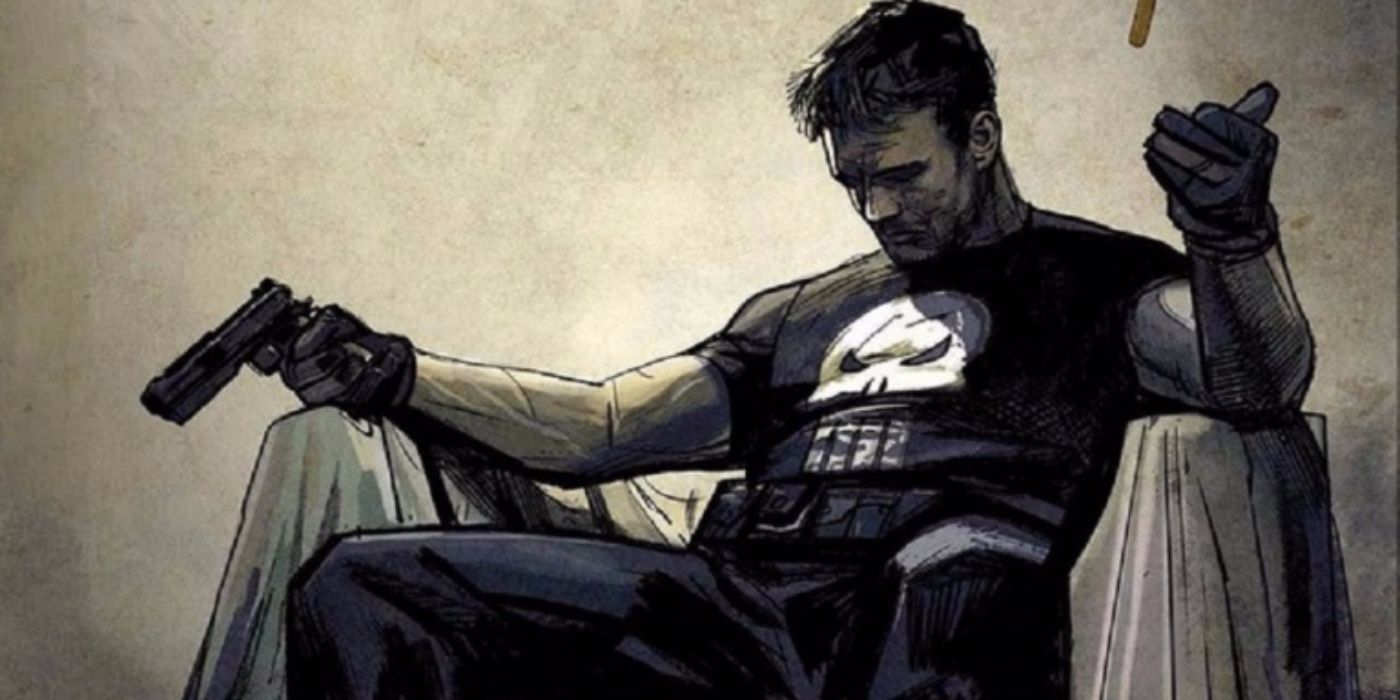
The Punisherhas become one of Marvel Comics’ most well-known antiheroesand has managed to keep fans’ attention through his brutal vigilantism and cruel delivery of justice. After his initial introduction, the Punisher landed his own series which spun off into many more after that includingPunisher: War Journaland the highly acclaimedPunisher: MAX. It is safe to say fans have had the chance to read many stories starring the Punisher, but one Marvel Comics writer just revealed that there are “mountains” of unpublished stories!
In a Tweet posted by comic writer Dan Slott, the writer reveals that he once worked with legendary Silver Age comic artist Gil Kane on aPunisherbook that never saw the light of day, a revelation which was announced while discussing an entirely different comic. Slott’s original post was about a fairly obscure Marvel Comics character named the Two-Gun Kid. Slott said that he worked with Kane on a particularly violentTwo-Gun Kidissue which was censored before publishing but was then published in its gratuitous entirety in a special Gil Kane tribute issue. The high-octane violence and his working relationship with Gil Kane naturally progressed the thread into a revelation about mysterious and unpublished Punisher books.
“I did two Punisher inventory issues for the Punisher office that were completely penciled, inked, and lettered.” wrote Slott in the Twitter thread announcing this Punisher revelation. “When the office changed hands, the new editor saw [there] were mountains of Punisher inventory stories,” Slott continued, “So the new editor made a hard choice and KILLED all of that inventory”. The writer then addressed how much of a shame it is that fans were never able to experience not just his work on thePunisherissues, but also Gil Kane’s. “So somewhere out there are unpublished Gil Kane Punisher pages. Let that sink in for a moment”.
For fans who may not be aware, or may not understand why Dan Slott would express so much remorse over the unpublishedPunisherissues, it is most likely because of the giant Gil Kane was in the industry. Gil Kane was a comic book artist whose career spanned from the 40s to the 90s. He died on January 31, 2000 but his legacy will forever live on as he was inducted into both the Will Eisner Comic Book Hall of Fame and the Harvey Award Jack Kirby Hall of Fame for his life-long accomplishments in the comic book industry.
While fans are assuredly saddened by the unpublished work by one of the industry's most popular writers and a legendary comic book artist, the mystery behind their work is undeniably exhilarating, especially given the topic of their work. The Punisher is a character that rarely sees extreme development making him something of a blank slate for comic book writers and artists, able to do with him whatever they please without impacting much of his established canon as there is so little ofPunishercanon established, to begin with. The “mountains” of unpublishedPunisherstories aren’t instrumental to the foundation of the character, and while it is undoubtedly a shame that fans aren’t able to read the never-to-be-seen pages by Dan Slott and Gil Kane, the mystery of those assuredly epic pages is almost just as good as another installment inthe Punishersaga.
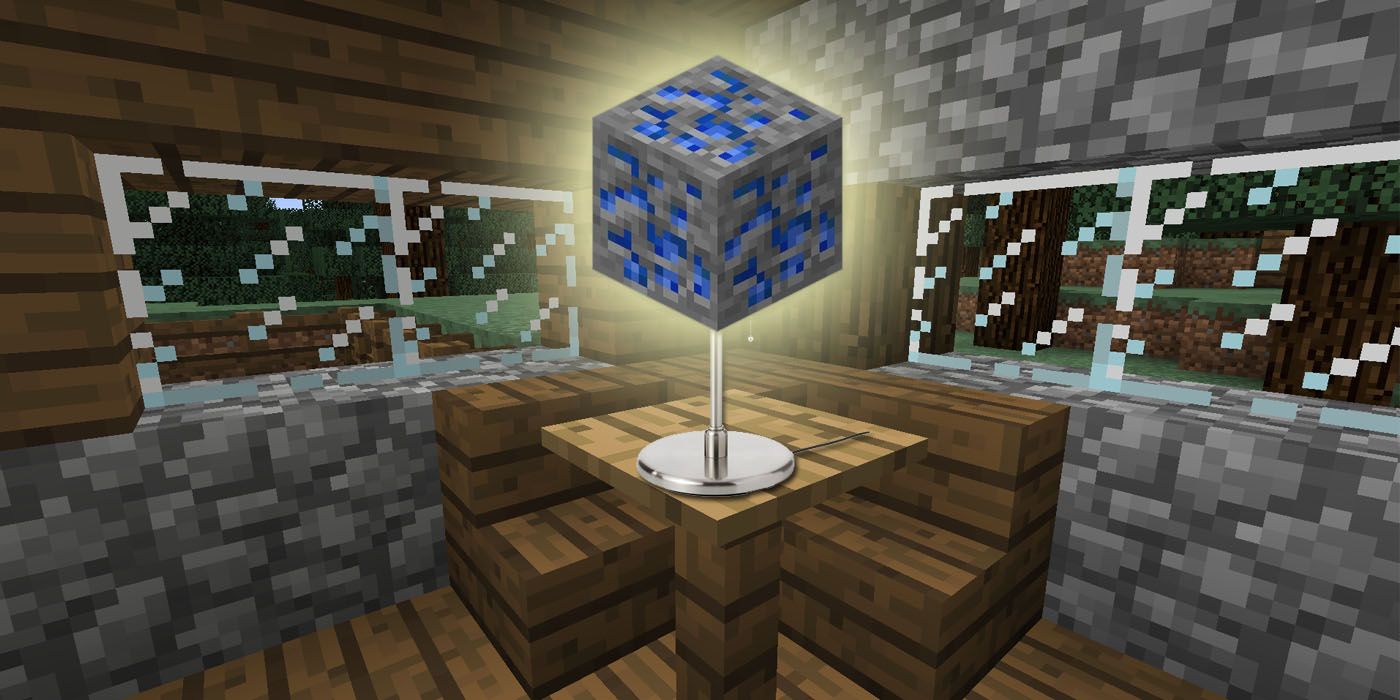
A crafty Minecraft fan recently created a homemade lamp in the shape of an ore block in real life. The popular sandbox game often inspires incredible works both in-game and in the real world, thanks to its easy-to-use creative mode, and consistent updates from Mojang that bring new content for its players.
Despite the game receiving a texture update in 2019, the look of ores in the game has largely remained unchanged until recently, when Minecraft’s Caves & Cliffs: Part 1 update provided a texture overhaul for its ore blocks. This refreshed look was aimed at providing better accessibility for color-blind players, who previously had difficulties differentiating the ore types due to their similarities in shape. Along with these changes, new blocks, mobs, and features were introduced, with more content currently in development in the form of Caves & Cliffs: Part 2.
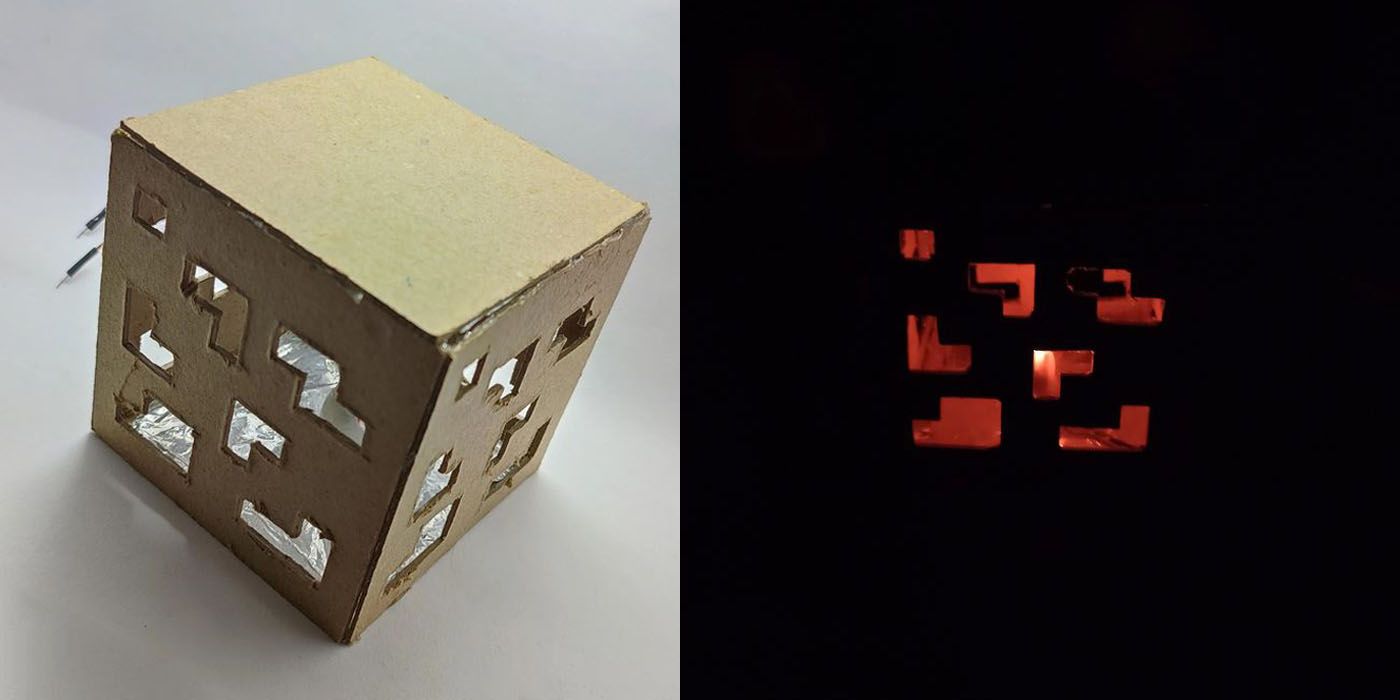
Reddit user TheRoyalEngineer shared some pictures of their recent project, where they crafted a real life Minecraft ore block lamp. The blocky lamp was made using pieces of cardboard, glued together after cutting out the ore’s shapes. The Redditor picked an RGB LED as the lamp’s light source, giving it the ability to change colors and become different ore types. Another picture of the ore lamp in action shows that it provides great ambience with its low light, which was TheRoyalEngineer’s original intention when embarking on the project. Many commenters chimed in, suggesting other Minecraft blocks that would look great as lamps, including a Jack o’Lantern block for Halloween.
Due to their simple design, blocks in Minecraft are often an excellent choice for players looking to bring some of the game into real life. In another instance of the game’s blocks coming to life, one crafty fan tried their hand at recreating Minecraft’s grass and glass blocks in real life, utilizing epoxy resin and actual soil for added realism. However, the artist decided to make a slight adjustment when creating their realistic blocks, changing it to a more manageable size that fit in the palm of their hand, rather than the block’s actual in-game size of three feet wide, or 35 cubic feet.
While Minecraft often provides an excellent canvas for players' in-game creations, it is equally exciting to see fans’ real life DIY projects inspired by the game. Although some of Minecraft’s ores are considered more valuable than others, TheRoyalEngineer’s creation finds a way to make all of the ores useful by turning them into a light source.
Apple is reportedly planning to add a ton of new features to CarPlay that would grant it more control over some core functions in a car such as controlling the climate functions, making seat adjustments, wider control over in-car audio hardware, and deeper integration with other sensors such as the speedometer and fuel instruments. The journey of CarPlay has been one of a steady rise so far when it comes to adoption by carmakers, and Apple has also added new capabilities such as digital car keys and third-party navigation app support to rope in more brands as well as users.
And even though the fate of a few features and their widespread adoption remains uncertain, Apple has been expanding the ecosystem of compatible car models steadily over the years. One might also argue that the company is speeding up the CarPlay development in anticipation of its hotly debated self-driving electric car project, but the departure of top executives from the car division and Apple’s radio silence suggests that the car project is still years away.
Bloomberg now reports that Apple is working to expand the range of CarPlay controls so that it can access more sensors and instruments inside a car for functionalities such as tweaking AC output, seat adjustments, and deeper audio hardware interaction to name a few. Internally known as the “IronHeart” project, Apple wants CarPlay to let users access the air conditioning fans and defroster systems, and take outside temperature and humidity readings by using the onboard sensors. Coming to the audio hardware part, Apple is aiming for access to speakers, equalizers, tweeters, and sub-woofers to make sound adjustments.
As part of the project, Apple also aims for CarPlay to be able to control the cluster instruments linked to the speedometer, engine, and fuel systems. And going a step further towards the goal of a comprehensive in-car remote control system, Apple is also working on functionalities that allow users to adjust their seats and armrests. To achieve such deep integration, Apple plans to take the same route as the one it follows with frameworks such as HomeKit for controlling smart home devices and HealthKit that collects health and fitness data from Apple Watch. However, it is unclear when the aforementioned CarPlay upgrades will be officially announced, assuming Apple doesn’t pull the plugs on the project in its entirety after gauging the market reception.
A lot depends on carmakers and how keen they are towards handing over more controls of their car to Apple’s in-car software. And with an approach that mirrors HealthKit and HomeKit, it will be up to carmakers to implement only those features that they like. In a nutshell, some cars might allow CarPlay to make seat adjustments, while others might only bake in support of climate control. Interestingly, with the release of iOS 15, Apple took a step back by removing certain features from the SiriKit framework linked to CarPlay, which means the voice assistant won’t have much of a role in the ‘IronHeart’ project.
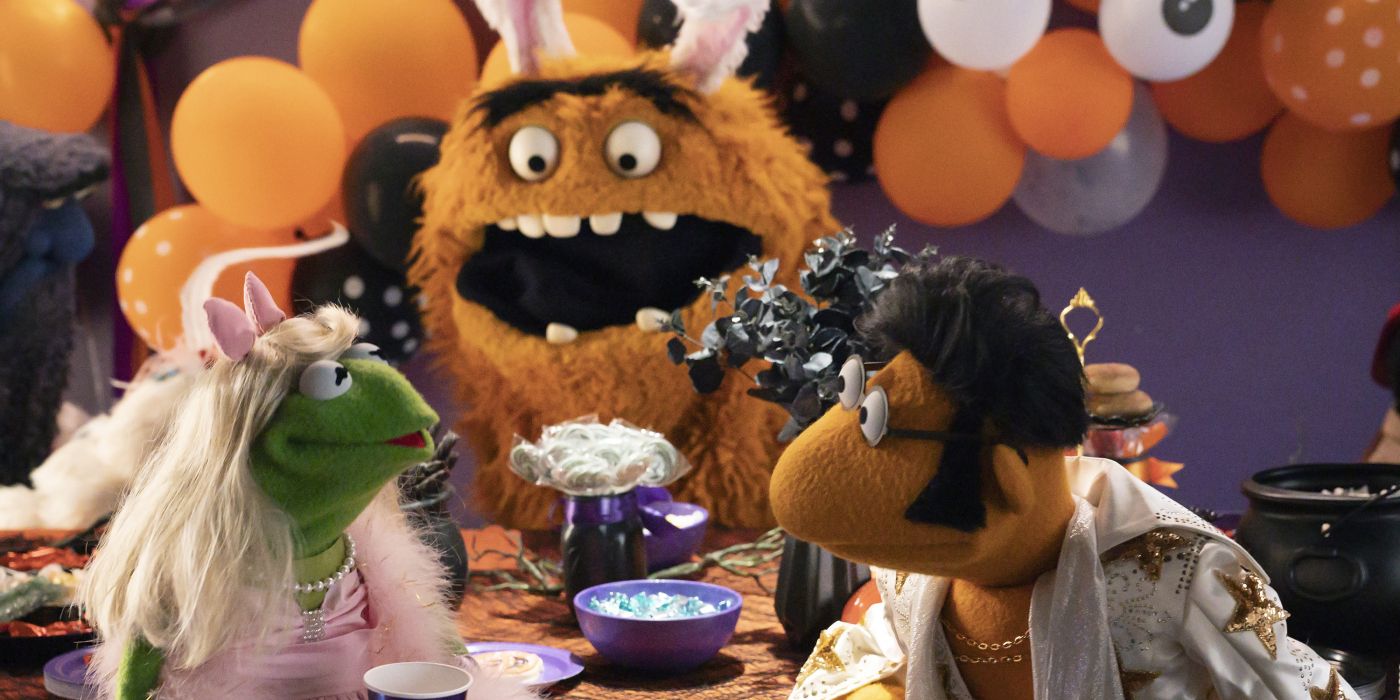
Miss Piggy and the rest of the Muppets are back in Muppets Haunted Mansion. The Disney+ Halloween special sees the Muppet gang spending the night in a Muppet-ized version of the iconic Haunted Mansion attraction alongside a cast of celebrity guests. Muppets Haunted Mansion will be available to stream on Disney+ on October 8.
Screen Rant sat down with the diva herself, Miss Piggy to talk about working with other stars and reuniting with old friends.
Screen Rant: There are so many celebrities in this movie, including yourself. Do you ever get starstruck by anyone? And who are you most starstruck by on set?
Miss Piggy: Oh, my gosh. No. No. I mean, let's get serious.
But we did have a lot of wonderful friends of mine who came to visit us. We had Taraji P. Henson, Darren Chris, Yvette Nicole Brown, Will Arnett, Danny Trejo - he’s in everything we do these days - Craig Robinson, Pat Sajak! Pat Sajak, believe it or not. So, I think, in return, he's going to have me on Wheel of Fortune and I'm going to be one of the prizes. I think that’s the plan.
Who was most starstruck by you?
Miss Piggy: Oh, that's that's a good question. It’d have to be Darren Chris. We don't actually have any scenes together in the special because he couldn't do it. He couldn't bring himself to actually be in moi’s presence. Since then, we've gotten to be very good friends and all but yeah, he couldn’t bring himself to do it.
Now, I have to ask you, and I don't mean to cross the line, but your breakup with Kermit really rocked the nation. You two did this special together. What's your current status? What's going on?
Miss Piggy: You know, not a lot is going on right now! You know, we got together, we did the special. It was really nice. It's a little kind of mini-reunion for a lot of the Muppets. We haven't seen each other in a long time. I haven't really seen much of Kermit either. It’s been hard the past year or so, I think it's been hard for a lot of people. We'll see what happens when all this craziness is over.
Are you open to rekindling?
Miss Piggy: "But for now, Miss Piggy: single, mingling.
Miss Piggy: Yup. I mean, as much as you can mingle these days.
Well, thank you so much, Miss Piggy. I'm out of time. But it's such an honor to meet you.
People for the Ethical Treatment of Animals, or PETA, has demanded the removal of a cockfighting mini-game included in Far Cry 6. Ubisoft's newly-released first-person shooter brings players to the fictional Caribbean island of Yara, which is ruled by dictator Antón Castillo. Far Cry 6 features several animal companions which serve to add variety to gameplay, but PETA is quite critical of the title's treatment of animals.
There are multiple animal Amigos for players to choose from in Far Cry 6, with each of them bringing their own strengths and weaknesses into battle. The adorable dachshund Chorizo is an amputee, but he possesses a wheelchair to help him maneuver the battlefield. Though the pup is quite small and unthreatening, his wheelchair includes a wagon which can carry additional supplies for the player. Chorizo is also breathtakingly adorable, which can distract enemies before the player takes them out. Guapo, meanwhile, is a trained crocodile who can butcher enemies just as efficiently as the player. A chicken Amigo named Chicharrón is also present in Far Cry 6, and possesses the ability to attack foes with large talons.
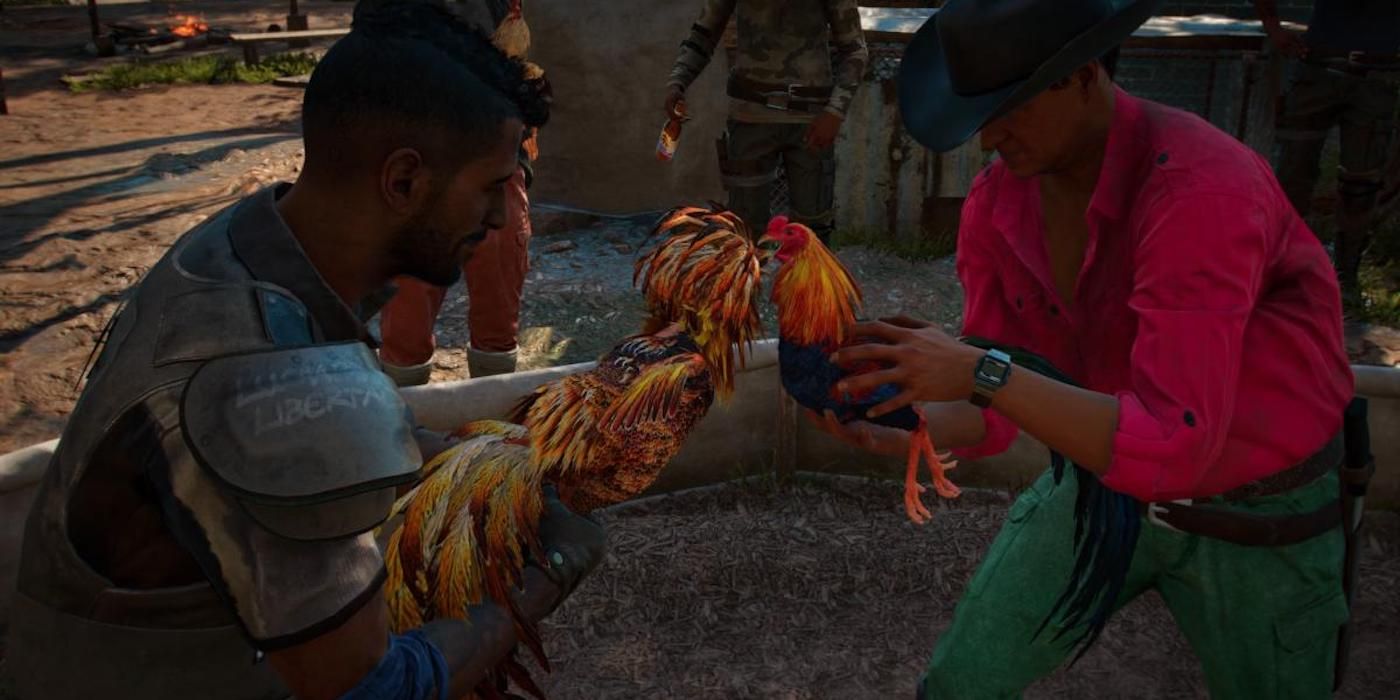
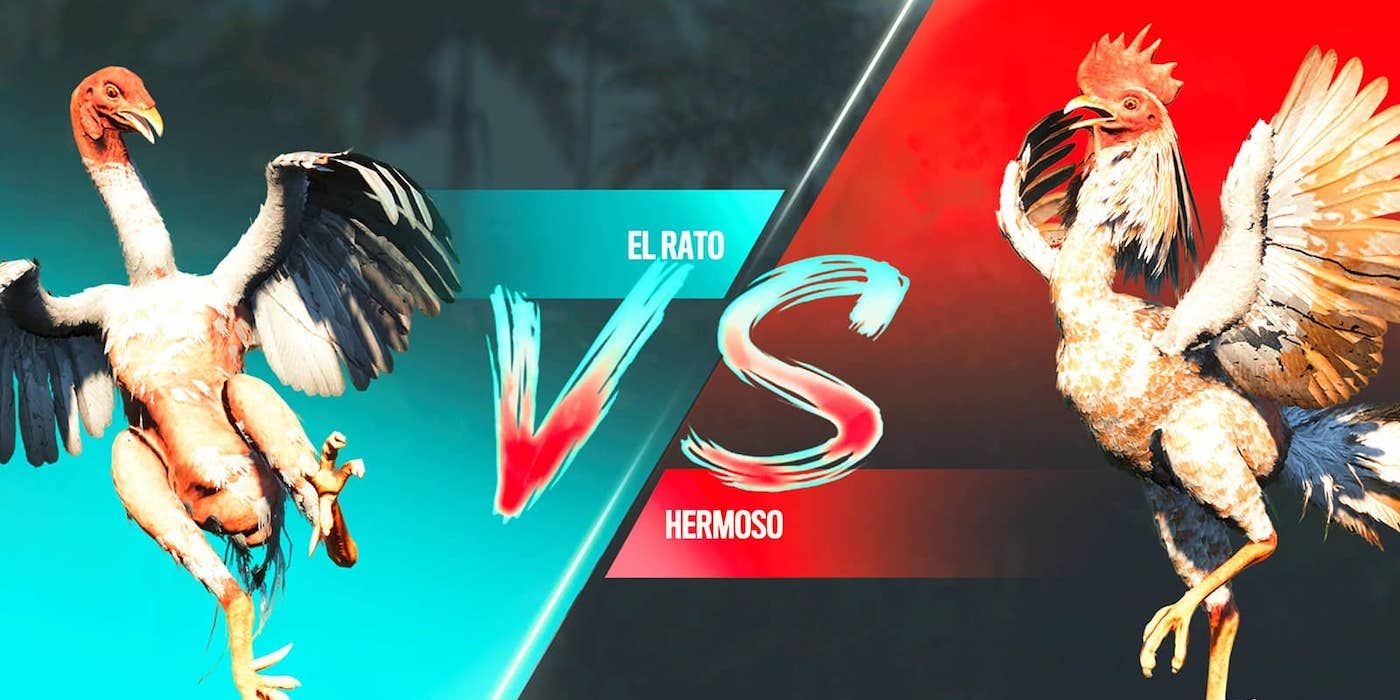
Despite the host of animal allies in Far Cry 6, a statement from PETA Latino has publicly decried a cockfighting mini-game that is present in the open-world first-person shooter title. The admittedly bizarre game mode turns the controversial act of cockfighting into a fighting game, with players choosing between a number of different chicken varieties. The cockfighting mode includes a life bar, announcer, and special moves to perform, translating the brutal pastime into something akin to Mortal Kombator Tekken. PETA's Latino branch is asking Ubisoft to replace the cockfighting mini-game with something that doesn't rely on violent conflict between animals.
Far Cry 6's lush open world of Yara features numerous animals, not just the player's Amigo companions or cockfighting contenders, and most of them can be treated with dignity. The fictional Caribbean country boasts horses, pelicans, roosters, oxen and rodents, and Far Cry 6 players can pet or feed most of these creatures. Large predators like crocodiles should be navigated with care, as they will attack the player if provoked, but they too can be fed by a friendly player. On the other hand, though, most of these animals can also be killed, either deliberately or if caught in the crossfire during an intense battle.
Far Cry 6 has seemingly made an effort to fill Yara with exotic animals, and players can have peaceful encounters with these digital creatures. This makes the title's cockfighting mini-game a bit of a tonal shift from the presentation of wildlife in the rest of the game. However, as a first-person shooter, Far Cry 6 also pushes players to gun down hordes of human beings as well. A degree of suspension of disbelief is required when players experience all of the title's violent content.
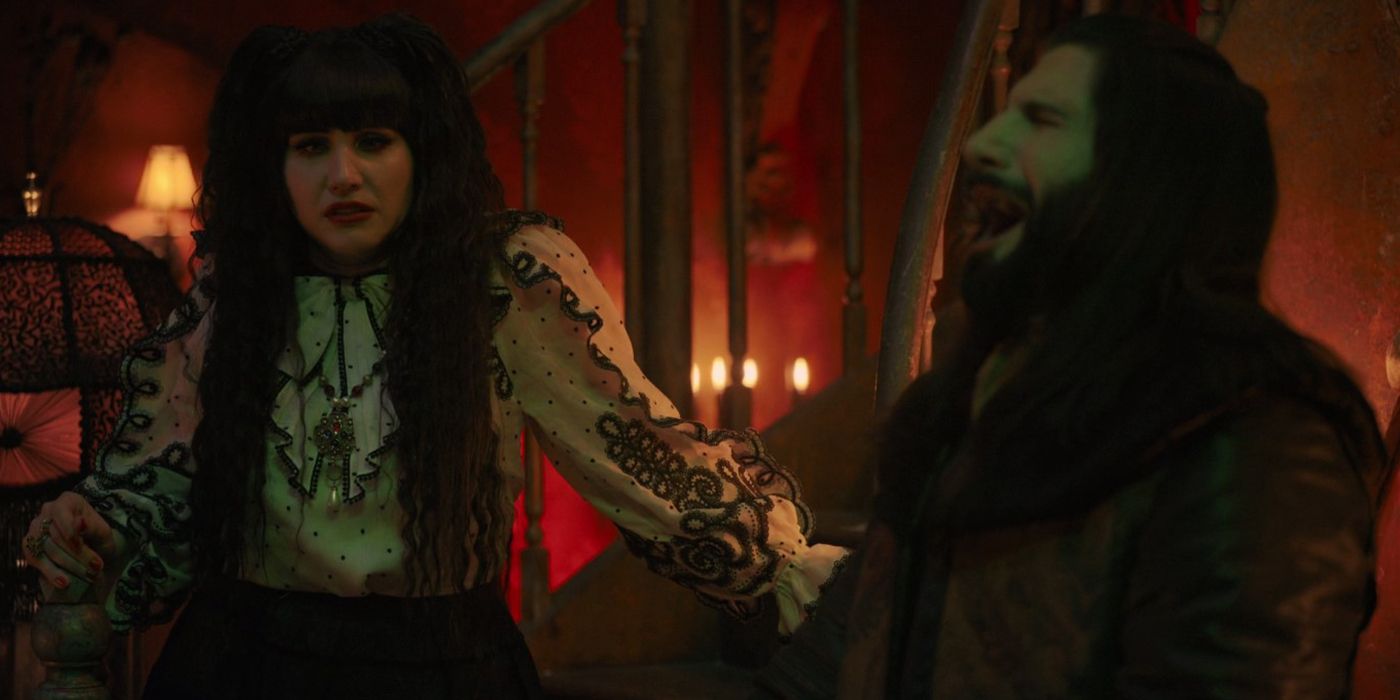
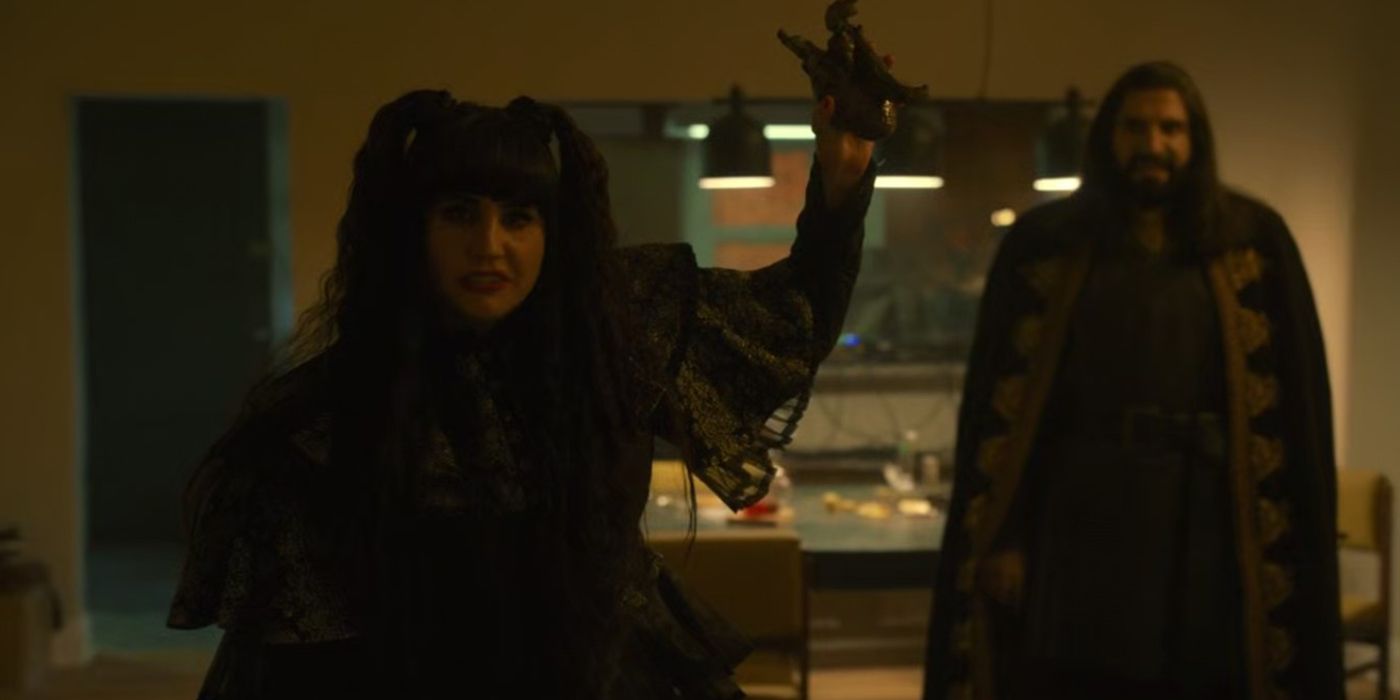
What We Do In The Shadows’ Nadja of Antipaxos (Natasia Demetriou) is bound to ascend to the Supreme Council of vampires. A 500-year-old vampire of Romani descent, Nadja had a very disadvantaged life as a human. But in What We Do In The Shadows season 3, Nadja – along with her roommates Nandor (Kayvan Novak), Laszlo (Matt Berry), and Colin (Mark Proksch) – are promoted to become the leaders of the local Vampiric Council.
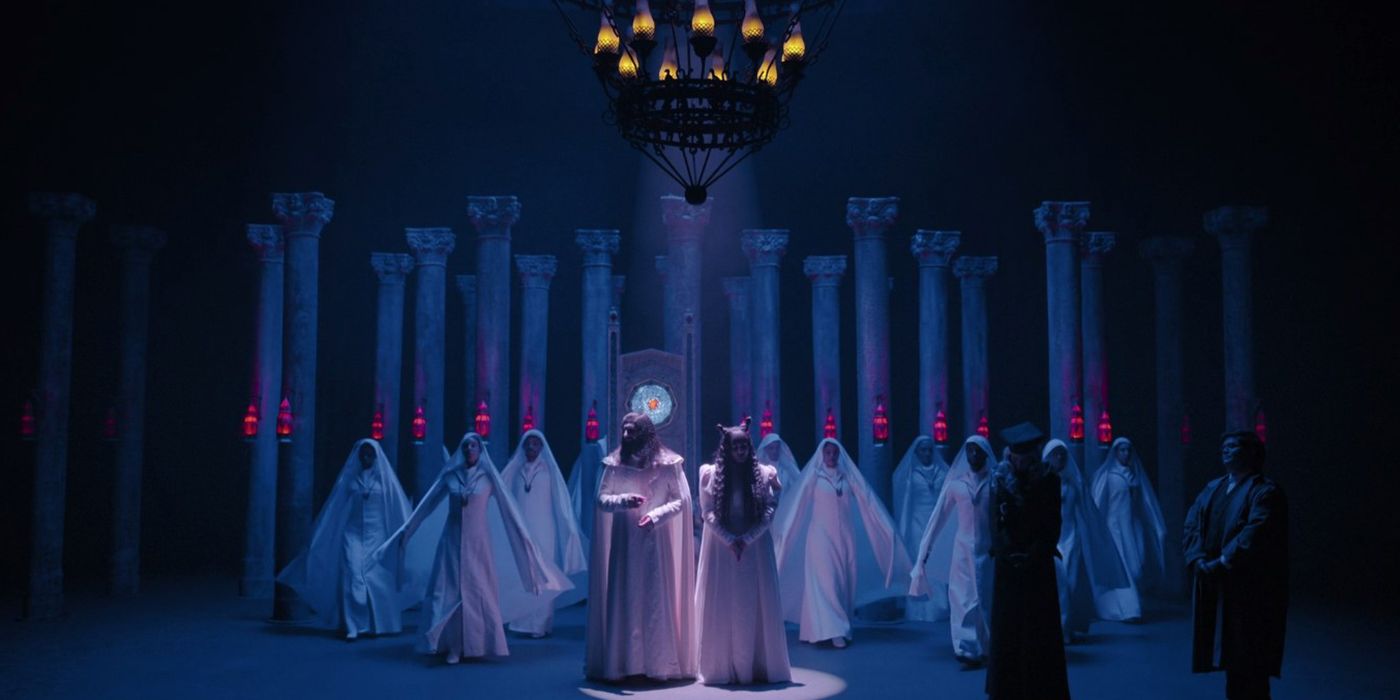
In the final episode of What We Do In The Shadows season 2, the group is summoned by the Vampiric Council to be executed for killing Baron Afanas (Doug Jones). However, Guillermo (Harvey Guillén) breaks out his masters and kills the council members in the process. While this makes the vampires fear retaliation from the other elders, the Supreme Council instead recognizes the massacre as a sign of strength. And as a result, Nadja’s group was promoted into the new leaders of the local Vampiric Council.
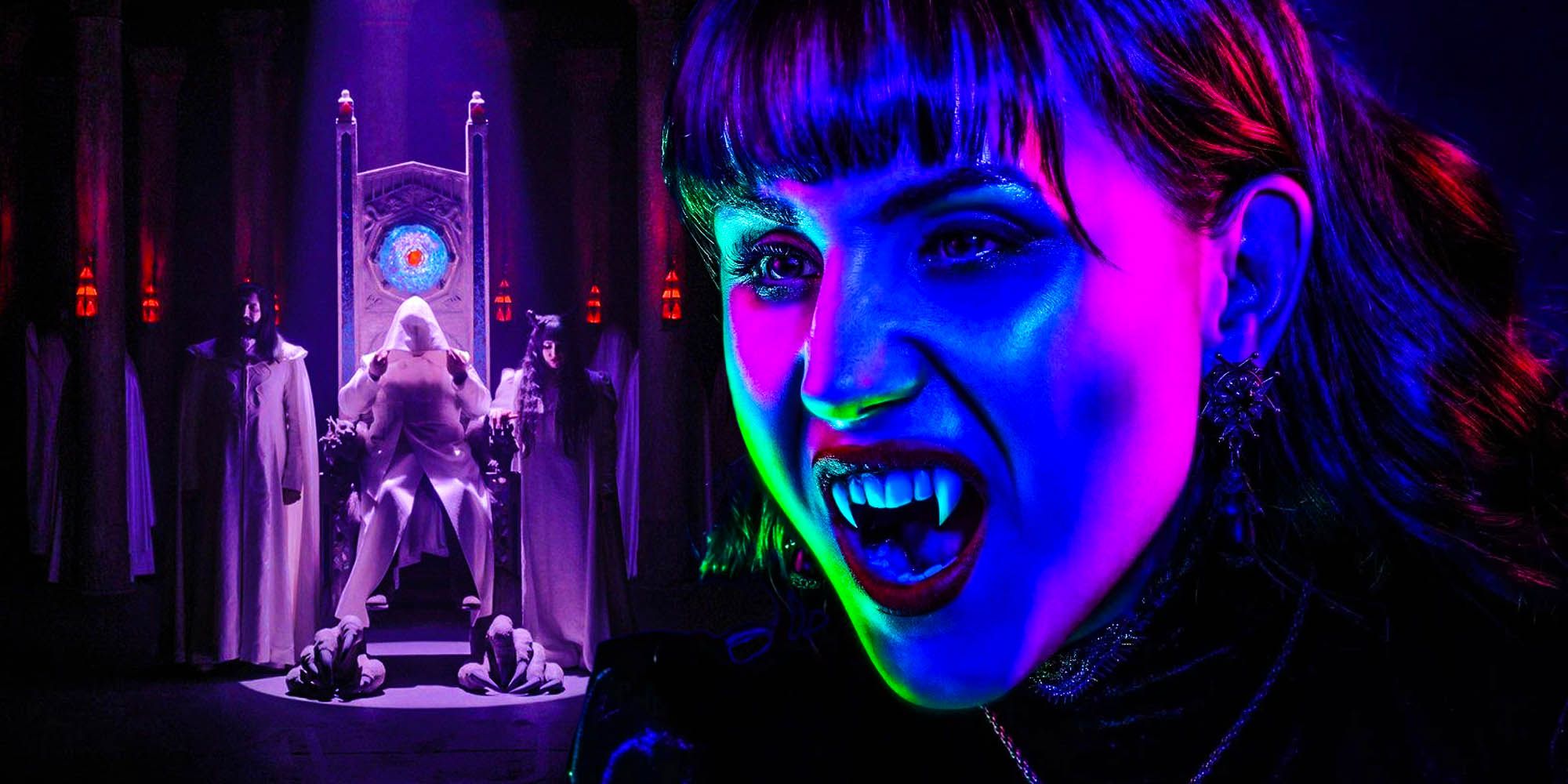
While Laszlo and Colin are uninterested in their new leadership roles, Nadja and Nandor bicker over who gets to sit on the council’s throne, much to the chagrin of the Floating Woman, also known as the vampire council Guide (Kristen Schaal). Guillermo convinces Nadja and Nandor to let him sit on the throne to keep up appearances that the council is united by a single figure. However, this is only a temporary solution to the building tensions between Nadja and Nandor. And the evidence suggests that not only will Nadja take the local Vampiric Council throne; she will also eventually ascend the ranks to become a member of the Supreme Council.
Before the four vampires ascended to become the leaders of the local Vampiric Council, it was Nandor who primarily dealt with council matters. Nandor is the de facto leader who answers emails and deals with the vampire bureaucracy. However, it is Nadja who clearly has the most natural leadership ability. Even when the energy vampire Colin Robinson, along with Laszlo and Nandor, are adamant about their opinions on vampire matters, they often end up following Nadja’s lead, as her decisions are often congruent with the traditional dominating perspective that is expected of elder vampires. For instance, it was Nadja’s violently vocal objections to Baron Afanas’ orders that eventually led them to follow with the plan to kill him, which would’ve likely still happened had Guillermo not accidentally finished the job.
Nadja was also right about Laszlo’s witch-skin hat being cursed, and the entire group would’ve avoided all the trouble with Simon the Devious (Nick Kroll) had Laszlo heeded her advice about ditching the hat. Moreover, when Nadja and Nandor are called by the Guide to perform their duties of judging erring vampires for the council, Nadja is much more decisive than Nandor, whose bureaucratic tendencies tend to get in the way of decision making. And although Guillermo’s vampire-killing abilities give him the highest kill count in What We Do In The Shadows, the show’s most brutal vocal insults undoubtedly belong to Nadja. This strong penchant for insults will come in handy when she ascends to become a Supreme Council member, as it will allow her to dominate vampires that are much more assertive than her roommates and the remaining vampires of New York.
As the group’s recent promotion shows, the Supreme Council respects brutality. There’s no question that Nadja is the most brutal and dangerous vampire in the main cast. When it comes to brutality, her roommates pale in comparison. For instance, Laszlo only kills out of necessity, like when he murdered the owner of a Pennsylvania bar in order to take it over and assume the role of beloved human bartender Jackie Daytona. Meanwhile, the energy vampire Colin has never killed anyone, although the fate of his victims may be worse than death. As for Nandor, who was a mass-murdering military and political leader based on Vlad the Impaler, he has actually shown a disdain for violence. Instead, it is always Guillermo who does all the killing for Nandor. However, Guillermo, who will likely never become a vampire, is not a real contender for the throne.
Moreover, while Guillermo’s kill count is unrivaled, the most brutal kill still belongs to Nadja, when she tore out the heart of a vampire who refused to pay council dues, essentially putting a stop to a fledgling vampire rebellion with one move. Nadja also accidentally kills Nandor’s werewolf love interest, Gail (Aida Turturro), when she kicks a ball that hits her right in the head, which happened during the Twilight parody episode, in which the vampires played kickball with the werewolves. While Nadja has only killed humans for blood during previous seasons, What We Do In The Shadows season 3 seems to be exploring her knack for decisive violence, which will garner the favor of the Supreme Council.
Despite Nandor’s past of laying waste to countless lives over several centuries, he is mostly unwilling to do any actual violence and often focuses on the bureaucratic aspects of leadership. This is why Nandor will most likely step aside for the much more decisive Nadja to take the Vampiric Council throne. With Nadja as the leader, Nandor can do what he does best and let his familiar and bodyguard, vampire hunter Guillermo, do all the dirty and violent work for the council. Moreover, Nadja had already shown how easily she could manipulate Nandor when she made him take the blame for the Sire’s escape, which was really her fault. This incident will also no doubt factor into the debate on who deserves the throne more. Meanwhile, the recently resurrected Baron Afanas, who is already vampire royalty, is unlikely to threaten Nadja’s ascension. As for the Floating Woman, aka the Guide, she likely sees Nadja as a decisive leader – someone whom she can serve with loyalty.
On the other hand, these are the paths that would make the most sense for the show’s main characters. And if there’s anything certain about What We Do In The Shadows’ main characters, it is that they are highly unpredictable. Although Nadja’s ascent to the Vampiric Throne and the Supreme Council of Vampires makes sense, it might be funnier for Nandor, Laszlo, or even Colin to get the promotion and interact with more powerful and dominating vampires. For now, it remains to be seen whether or not What We Do In The Shadows is ready to make such a huge and uncharacteristically sensible leap for the show.