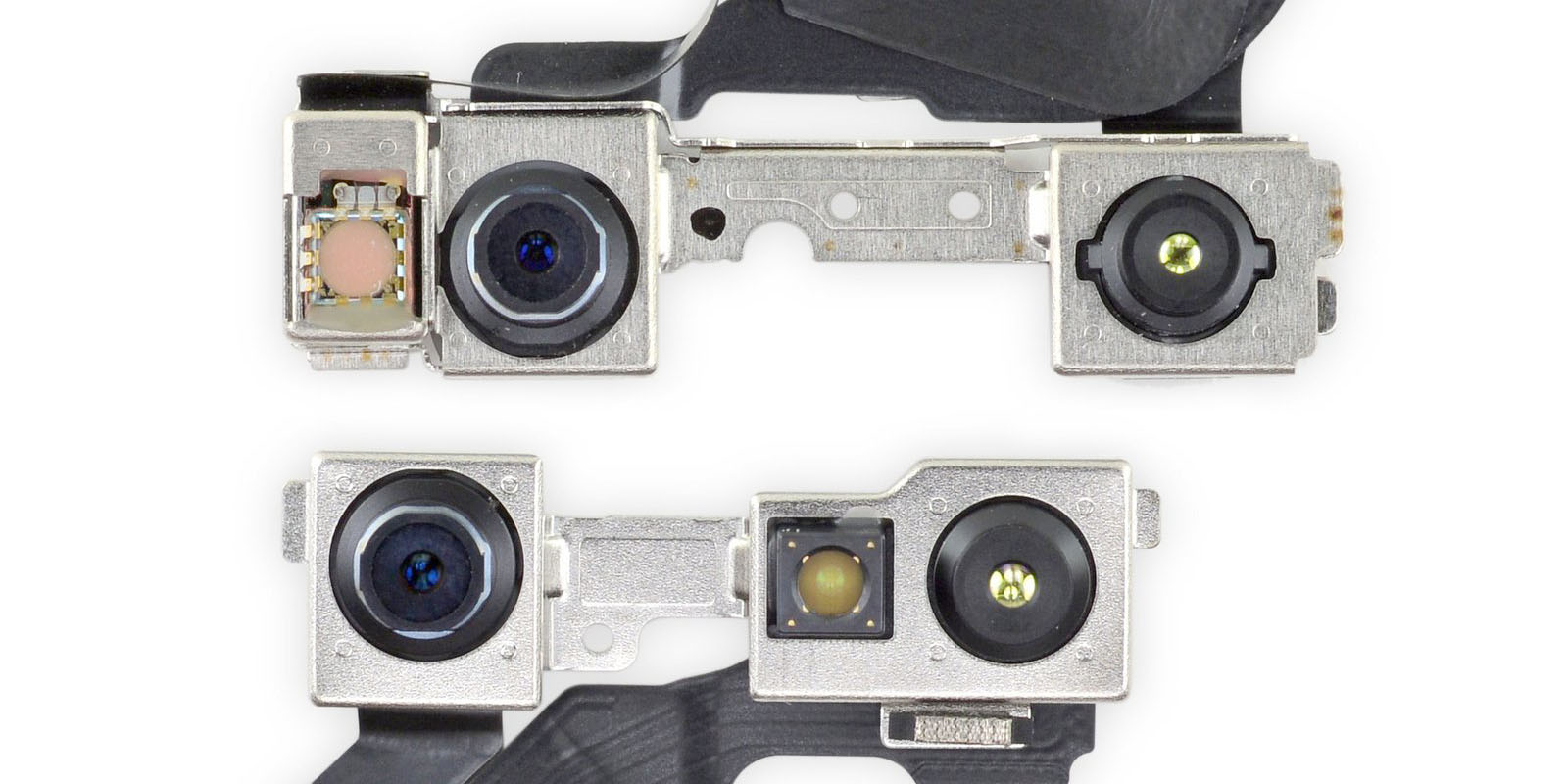
Suppliers of iPhone 13 camera parts are giving priority to Apple orders, according to supply-chain reports. Many of them supply components to a wide range of smartphone brands.
The report says there are two reasons for Apple getting more of their output …
China on Wednesday revealed a drone concept similar in mission – and appearance – to the US-made Kratos XQ-58A Valkyrie as countries race to invest in “loyal wingman” drones to help protect pricier crewed fighter jets.
The long-range FH-97 drone concept unveiled on Wednesday can carry different types of weapons, and has swarm and electronic warfare capabilities, said Wu Wei, a representative of China Aerospace Science Technology Corp’s (CASTC) Feihong product line.
He did not provide specifics in his presentation at Airshow China in Zhuhai.
The United States, Britain, Australia, India and Russia are among the countries developing “loyal wingman” drones, which are cheaper and more expendable than crewed fighters.
CASTC did not provide technical details of the FH-97 concept, nor say whether it was planned for export, though many foreign observers watched the presentation.
The FH-97’s appearance is nearly identical to the Kratos XQ-58A, which made its first flight in 2019. The XQ-58A has a maximum speed of Mach 0.85 and a range of about 2,200 nautical miles.
Zhang Zhongyang, vice president of CASTC said the plan was to turn Feihong into an “international top-notch brand… and become a major player at the centre stage of the world arena.”
China has exported military drones to countries including the United Arab Emirates, Pakistan and Serbia.
“The chief customer is certainly the PLA, but in recent years the Chinese are also aggressively marketing these systems for exports,” said Collin Koh, a defence research fellow with Singapore’s Rajaratnam School of International Studies.
China also used the country’s biggest air show to display the weapons capability of one of its most advanced stealth attack drone projects, the GJ-11.
The Global Times reported that the GJ-11 on display at the show had its two weapons bays open for the first time. Inside each were four unidentified munitions that appeared to be precision air-to-ground glide bombs.
Bradley Perrett, a specialist on Asian aerospace and defence, said the GJ-11 was designed to slip undetected through radar coverage and attack heavily defended targets.
“In doing that, it would take the place of a much larger and more expensive fighter with a pilot,” he said. “Development won’t be easy, but when it’s complete the type will present a new threat to Taiwan and potentially Japan.”
Chinese companies have 27 drone exhibits at the Zhuhai show.
It’s been a week since iOS 15 launched and it includes another tweak for 5G users. If you are a T-Mobile customer and see a new “5G UC” icon in your iPhone status bar, it’s good news for your iPhone 12 or newer, but it’s very confusing at the same time.
AAPL stock options have been declared for Tim Cook and five other Apple execs. The SEC filing shows that Cook is in line for more than half a million shares, worth $75M at current value.
Four other execs stand to receive shares worth $20M each, while another is in line for $2.25M …
Windows 11 is due to launch a week from now, on October 5 and since it’s in the final phase, the company Microsoft has rolled out a near-final version of the operating system people registered in the Windows Insider program.
Since it’s the first time a Windows 11 version has been out as a Release Preview Insider program, it is a big thing.
Insiders in the Dev and Beta channels have used test versions of the operating system but it’s the first time a Release Preview builds available. Before now there were builds of Windows 10 only that Microsoft promised shall continue to be supported through October of 2025.
Now that a build of Windows 11 has hit the Release Preview channel, it’s most likely that it is the nearest impression of the final version Microsoft will release next week.
Of the features promised to arrive in the new operating system, the retouched Start menu and better Photos app, are included in this early release but everything is not here yet.
Also, the software giant has delayed the launch of Windows 11’s Android app integration until 2022.
It’s a safe bet that the version of Windows 11 the Insiders are currently testing is a close sneak peek into the version we’ll see Microsoft release next week.
Wanna see for yourself? Enrol a PC that’s compatible with the new Microsoft’s operating system in the Release Preview channel of the Windows Insider Program.
Make sure your PC meets the requirements set by Windows 11 system, and to make it happen, run Microsoft’s PC Health Check app from the new operating system page.
Also, make sure you’ve signed up as a Windows Insider via either the Windows Insider Program website or from within Windows 10 itself.
To sign up in Windows 10, hit the Start button and type Windows Insider Program and select Windows Insider Program settings from the Start menu.
Once you’re enrolled in the Windows Insider Program, simply open Windows Update and download the optional upgrade to Windows 11 ahead of its formal engress next week.
Windows 11 is due to launch a week from now, on October 5 and since it’s in the final phase, the company Microsoft has rolled out a near-final version of the operating system people registered in the Windows Insider program.
Since it’s the first time a Windows 11 version has been out as a Release Preview Insider program, it is a big thing.
Insiders in the Dev and Beta channels have used test versions of the operating system but it’s the first time a Release Preview builds available. Before now there were builds of Windows 10 only that Microsoft promised shall continue to be supported through October of 2025.
Now that a build of Windows 11 has hit the Release Preview channel, it’s most likely that it is the nearest impression of the final version Microsoft will release next week.
Of the features promised to arrive in the new operating system, the retouched Start menu and better Photos app, are included in this early release but everything is not here yet.
Also, the software giant has delayed the launch of Windows 11’s Android app integration until 2022.
It’s a safe bet that the version of Windows 11 the Insiders are currently testing is a close sneak peek into the version we’ll see Microsoft release next week.
Wanna see for yourself? Enrol a PC that’s compatible with the new Microsoft’s operating system in the Release Preview channel of the Windows Insider Program.
Make sure your PC meets the requirements set by Windows 11 system, and to make it happen, run Microsoft’s PC Health Check app from the new operating system page.
Also, make sure you’ve signed up as a Windows Insider via either the Windows Insider Program website or from within Windows 10 itself.
To sign up in Windows 10, hit the Start button and type Windows Insider Program and select Windows Insider Program settings from the Start menu.
Once you’re enrolled in the Windows Insider Program, simply open Windows Update and download the optional upgrade to Windows 11 ahead of its formal engress next week.
Skype has some significant changes in the works. It offered a peek at what’s coming later this year, with a focus on speed, reliability and design, as well as other performance upgrades.
Microsoftannounced the addition of the latest features to Skype via a blog post on September 27. The company said that the new plans bring an “improved, faster, reliable, and super modern-looking Skype.”
The most important part of Skype, what Microsoft named the Call Stage is getting several upgrades. The grid that’s displayed during calls will soon include every attendee of the video call. The person starting the video call will have the option to include people who are sharing video in the grid and can disable the video stream. Audio-only participants can use one of the app’s background replacement images while on a call, instead of the standard grey background.
Skype is also getting new colour themes and layouts to this view to allow customisation. Users can select speaker view, grid view, large gallery, Together Mode, and even a content view. To note, Skype already offers animated backgrounds, Together Mode, call recordings, and live subtitles.
An improved side panel on mobile, fluent icons, and colourful themes are also on the way to Skype. These all will complement Name Your Call — a feature Skype introduced earlier that allows users to personalise their video calls down to the very last detail. Skype users can choose from many customised titles, emoticons, and background colours for their meeting titles.
Skype is also updating the Meet Now feature that allows people to join calls without signing up or downloading and installing the Skype app. Skype said that they are redesigning the Meet Now lobby as well to meet people online.
The invitation link on Skype is also getting an update. Soon, invitees will be able to see the name and avatar of your call. This will give confidence to the invitees when they join. Additionally, Skype confirmed that it will soon support all browsers as well.
Office Lens on Skype will allow users to capture memories, create videos, or scan documents, whiteboards, and business cards easily. TwinCam, another new feature from Microsoft will let users add a video feed from a secondary device. The user needs to just scan a QR code with the iOS or Android device to add it to the call as another camera.
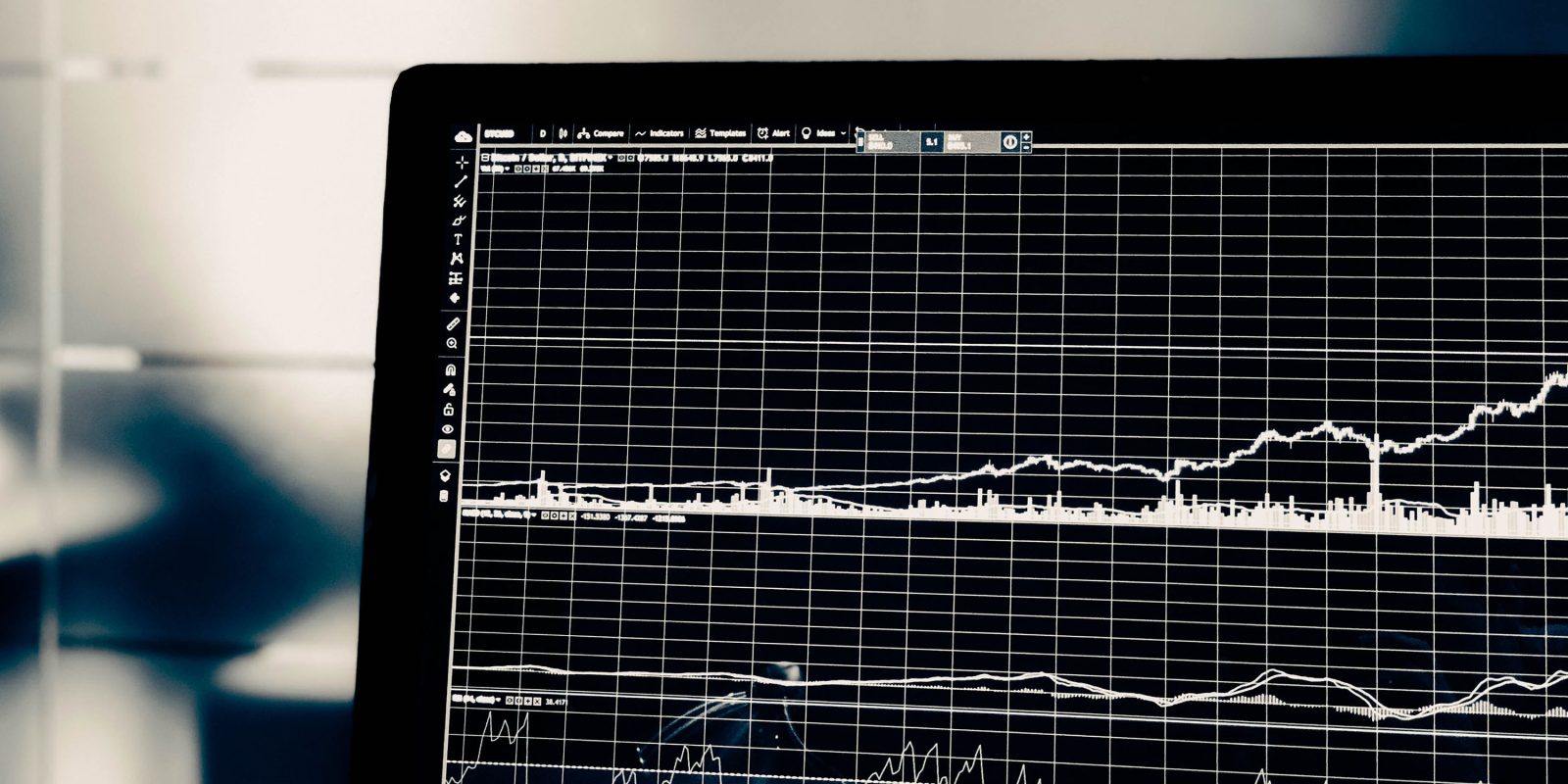
PayPal has two decades of experience in online payments and manages 403 million user accounts. So, it caused ripples when it announced on 23 August it would allow UK customers to buy and sell four cryptocurrencies: bitcoin prices rose to a three-month high. But will this – and last October’s roll-out in the US – push cryptocurrencies into the mainstream, or is it just another blip in the short but volatile history of decentralised money?
Customers in the US who have bought cryptocurrencies through Paypal log in twice as often as those who haven’t, says Jose Fernandez da Ponte at PayPal. “We expect digital currencies to play an important role in consumer payments over the longer term,” he says.
Public interest in bitcoin and other cryptocurrencies is certainly growing, but only a minority have bought in. A YouGov survey revealed that by August 2019, just 3 per cent of people in the UK owned any cryptocurrencies. By July 2021 that had risen to 8 per cent.
Giving millions of existing PayPal customers the ability to buy at the click of a button has enormous potential for increasing those numbers, but access to the currency isn’t the only limiting factor. People need a way to spend it.
A handful of large companies, such as Microsoft, have begun accepting bitcoin as payment, and others such as electric car company Tesla have done so at times too. And while several other retailers, including grocery stores, coffee shops and hardware stores, have systems to accept cryptocurrency in some countries, using only this form of payment day-to-day would be no easy task.
PayPal users in the UK won’t be able to use cryptocurrency to buy goods or services – they can only buy, hold and sell the currency. But in the US, the company offers the ability to use balances for payments anywhere that accepts PayPal. This effectively allows hundreds of thousands of retailers to accept cryptocurrencies without having to make any changes or accept any risk, and receive US dollars from PayPal as normal.
This is vital, as the risk for businesses is high, says Carol Alexander at the University of Sussex, UK. Cryptocurrencies are “dominated by huge speculation and rampant manipulation”, she says.
Organised groups are able to cause swings in cryptocurrency values with coordinated buying or selling and, unlike the traditional financial services sector, there is little regulation to stop it. So, if you take bitcoin as payment directly, it may plummet in value before you convert it.
“I can’t see this as the moment crypto goes mainstream. The widespread market abuse needs addressing first,” says Alexander.
Cryptocurrencies are decentralised systems with no official oversight, so regulation is difficult. Registered companies that deal in them are finding themselves under increasing scrutiny. In June, the UK’s Financial Conduct Authority ruled that Binance Markets Limited, one of the world’s largest cryptocurrency exchanges, had to cease regulated trading in the UK.
There are still hurdles to overcome before cryptocurrency can truly break into the mainstream, including its exorbitant energy use, volatility and complexity.
But some are still confident that the technology offers enough benefits, such as protection from inflation, a degree of anonymity and low fees for large payments, that widespread adoption is inevitable.
Nigel Green at financial services firm deVere Group is confident that cryptocurrencies will replace traditional money and, although that moment is still some way off, he says PayPal’s announcement is “yet another example that exposes cryptocurrency deniers as being on the wrong side of history”.
“This is a major step forward towards the mass adoption of digital currencies,” he says. “More and more payment companies will naturally follow their lead.”
Elon Musk has performed a sudden U-turn on bitcoin over concerns about its energy usage, and says his electric car firm Tesla will no longer accept the cryptocurrency as payment – but will his decision have an impact, and could Tesla turn to an alternative currency?
Tesla bet big on bitcoin earlier this year with a $1.5 billion investment, and it paid off: Bloomberg estimates that the company made $1 billion on its purchase in the first quarter of 2021.
At the time, Musk was criticised for investing in the cryptocurrency, with many people pointing out that the environmental damage caused by its large electricity usage was at odds with Tesla’s apparent green credentials.
Now, Musk seems to have reached the same conclusion, tweeting on 12 May that Tesla would suspend bitcoin sales because of concerns about “rapidly increasing use of fossil fuels for bitcoin mining and transactions, especially coal, which has the worst emissions of any fuel”.
“Cryptocurrency is a good idea on many levels and we believe it has a promising future, but this cannot come at great cost to the environment,” he added.
Bitcoins are created, or mined, using a concept called proof of work, which involves solving functionally useless and computationally difficult puzzles that consume a large amount of electricity. The currency’s annual electricity consumption is estimated to be 148 terawatt-hours and rising, or around the same amount as Poland’s. To make matters worse, some of this energy is coming from coal power stations.
Musk says that Tesla will neither accept nor sell-off any bitcoins for the moment, but does plan to use its reserves once mining “transitions to more sustainable energy”.
Carol Alexander at the University of Sussex, UK, says that merely holding bitcoins, rather than transacting with them, has no carbon footprint, so Musk’s move will have an effect in cutting Tesla’s future emissions.
Bitcoin isn’t the only cryptocurrency that Musk’s businesses are involved with. SpaceX, one of his other companies, is reportedly already accepting Dogecoin for satellite launches, although his reference to the currency as a “hustle” during his 8 May appearance on Saturday Night Live sent the price down by 35 per cent. On 11 May, Musk tweeted a poll asking his followers whether Tesla should accept Dogecoin as payment. Tesla didn’t respond to New Scientist’s request for comment.
Dogecoin uses less energy per transaction than bitcoin because the calculations used to mine coins are less complex, with bitcoin requiring 707 kilowatt hours for each payment and Dogecoin requiring just 0.12, so a switch could reduce Tesla’s environmental impact.
Alternatively, there are other cryptocurrencies that take different approaches to securing transactions, such as basing control of their blockchains on the number of coins or the amount of hard disc space someone owns, although Musk has made no public statement on these.
Wherever Musk’s thoughts on cryptocurrencies go next, it is clear that the billionaire’s tweets can have a substantial impact on the sector. His anti-bitcoin stance caused an immediate 15 per cent drop, but prices are rising again. Of course, given the energy use per transaction, this market frenzy has its own environmental impact.
Mastercard unveiled on Tuesday a buy now, pay later (BNPL) program that will allow consumers to pay for online and in-store purchases through equal and interest-free installments.
The Mastercard Installments program will be available in markets across the United States, the United Kingdom and Australia, the company said.
Mastercard says its Installments program builds on Mastercard’s investments in open banking that help deliver a simple and convenient experience for consumers, merchants and lenders.
As an elective option for lenders, with consumer consent, account-level transaction histories can be considered as part of the underwriting process, enabling credit to be safely extended to a greater number of shoppers. Open banking technology also facilitates the consumer’s preferred method of repayment, which may be their checking or savings account, a Mastercard debit card, or another payment product.
Key benefits of Mastercard Installments include:
Consumers: The Mastercard Installments program enables consumers to choose how and when they pay for items from a brand they can trust. Consumers enjoy a seamless experience before and after checkout through options to access BNPL offers, or secure an offer at the time of checkout, from trusted lenders for use at a variety of merchants interest-free. As consumer protection is paramount at Mastercard, Mastercard Installments provides ubiquitous acceptance backed by zero liability fraud protection, not yet available through most current BNPL offerings.
Merchants & Acquiring Banks: The Mastercard Installments program helps merchants scale BNPL offerings to consumers to turn convenience into a competitive advantage. BNPL solutions have been shown to increase average sales by 45 percent and reduce cart abandonment by 35 percent post-implementation*. Mastercard Installments provides seamless merchant integration with a streamlined process for millions of merchants who already accept Mastercard. Meanwhile, acquiring banks can offer installments capabilities to their entire merchant base with minimal, simple integration.
Lenders: Through the Mastercard Installments Program, lenders can offer a flexible, seamless BNPL experience to both existing and new customers, expanding their lending opportunities in one of the fastest growing consumer segments. Mastercard Installments provides an expedited time to market and global expansion opportunities with a responsible lending approach.
Wallets and BNPL players: Digital wallets and BNPL players can easily integrate Mastercard Installments’ APIs and deploy the solution to consumers and already integrated merchants, extending reach beyond their existing footprint. Mastercard Installments is embedded in the core Mastercard network, which means there is no longer a need for wallets and BNPL players to build direct settlement arrangements with merchants or acquirers. BNPL providers can also supplement their existing networks with additional merchant acceptance.
Fueled by changing consumer spending habits during the pandemic, BNPL adoption continues to accelerate globally. In addition to consumer demand, the momentum is being driven by issuer and merchant desire to deliver new, complementary ways for consumers to shop both in-store and online.
The company also said it will work on the BNPL program with banks and fintech firms, including Barclays’s U.S. unit, Fifth Third Bancorp, Marqeta, and SoFi Technologies, in the United States, and Qantas Loyalty and Latitude in Australia.