Author: azeeadmin

01 Oct 2018

Report: Most ICO project financing unaffected by crypto market crash

Despite a bear market that has seen the price of Ethereum drop by over 80 percent since the start of the year, most projects that raised money via an ICO remain unaffected, according to the findings of a new report.

Bitmex, best known for a crypto trading service, claims to have crunched the numbers on over 200 of the biggest ICOs and found that, on average, most projects have already converted what they had raised in crypto into fiat currency. That’s not to say that they did so immediately or that 100 percent of the proceeds have been converted — many projects didn’t, and haven’t — but the general trend is that most have reaped the paper gains of their ICO without being stung by the crash.

One Ethereum — technically an ‘Ether,’ the crypto token associated with the Ethereum Foundation and the Ethereum Blockchain — was worth nearly $1,400 in January, a then record. That valuation has plunged during 2018, to the point that the cryptocurrency ducked below $200 during September, raising alarm among some in the community over its long-term sustainability.

Ethereum’s rollercoaster ride over the last twelve months including a record valuation of nearly $1,400 in January 2018

It’s easy to assume, therefore, that ICO projects — which raise the majority of their funds in Ethereum — have been hit hard. But the Bitmex research appears to suggest that many projects managed to convert their crypto and also retain a decent amount of Ethereum, too. It’s, of course, important to remember that this is a report, not gospel truths, but there’s plenty of insight to dig into.

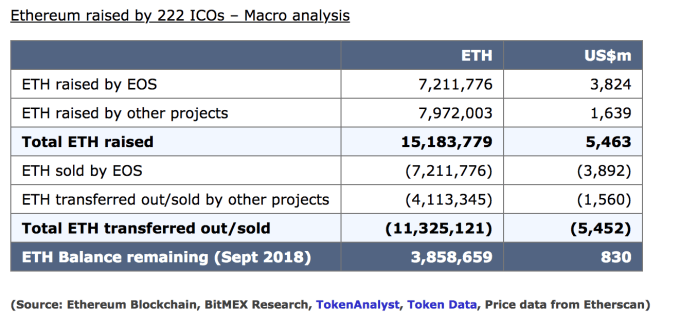
Bitmex suggests that the projects it looked at collectively still hold 3.8 million Ethereum, or around one-quarter of the crypto total that they originally raised. If that’s true — and the accuracy will vary from project to project — then it’s a big win. Not only do projects get the money they thought they’d earned from their ICO, but they also retain some ‘skin in the game’ and are thus incentivized by the future value of Ethereum.

According to Bitmex, the deficit between total Ethereum value raised and the total amount of Ethereum cashed into fiat is just $11 million. Spread across over 200 projects, that’s quite low and it leaves plenty of Ethereum for future opportunities. Estimated unrealized Ethereum gains — i.e. crypto raised that hasn’t been cashed out — stands at $93 million, and that’s based on the current ‘low’ value of Ethereum.

The Bitmex data is fairly skewed by the huge EOS ICO — which raised around $4 billion in crypto earlier this year. Not only does the EOS project inflate the numbers, but it also continuously offloaded Ethereum during its year-long token sale making it tricky to track value.

Nonetheless, even taking EOS out of the acquisition, the shortcoming between ‘paper’ ICO raises and the net conversion to fiat is $79 million and that’s padded out by the $93 million in estimated unrealized gains.

Despite the industry-wide figures, there are examples of companies who quickly cashed their crypto into fiat in order to plump for a sure thing, and others who held off converting the pile or cashed out small bits when needed. The situation is certainly more challenge for any ICOs happening right now, although — as we wrote recently — the market has shifted towards private sales which makes tracking the flow of money a great detail more challenging.

You can read the full report on the Bitmex website here.

Note: The author owns a small amount of cryptocurrency. Enough to gain an understanding, not enough to change a life.

01 Oct 2018

Vahdam Teas raises $2.5M to grow its tea-commerce business in the US

Vahdam Teas, an India-based e-commerce startup that cuts the supply chain down to sell fresh teas online, has pulled in a $2.5 million Series B investment for growth in the U.S. and other global markets.

The round comes from existing investor Fireside Ventures, a consumer brand-focused VC firm. It follows a $1.4 million Series A round that was announced at the end of 2017, and it takes two-year-old Vahdam to $5 million from investors to date. TechCrunch understands from a source with knowledge of discussions that the deal values Vahdam at the $25 million mark. Vahdam declined to discuss its valuation when asked.

Vahdam founder and CEO Bala Sarda, a 26-year-old who comes from a tea industry family, told TechCrunch that the company could have raised more money but it is aiming to be picky. There’s clearly demand. Teabox, the startup that pioneered the digital distribution model for tea sales, has raised nearly $15 million from its backers to date, for example.

“We’ve chosen to raise patient, intelligent capital from people who know this industry,” Sarda said. “We’re not profitable yet but not burning a lot of money.”

He admitted that the company could look to raise more funds next year if it sees the right growth opportunities to merit it. He expects the company to reach breakeven over that period, too.

Vahdam Teas founder and CEO Bala Sarda

Stepping back for a moment, Teabox, Vahdam and others like them are aiming to redesign the way people consume and buy tea by massively cutting the time between picking and drinking.

In traditional corporate circles, that process is something like 9-12 months as produce is kept in warehouses and supply chain takes time. Now, the new standard is freshly-kept teas that can go from plantation to home in as few as 10 days depending on harvest time. That’s thanks to temperature-controlled storage and the efficiencies of e-commerce. For consumers, these digital tea sellers offer not just fresher teas, but an easy way to buy a premium selection that is tough to find on the high street.

Vahdam recently said it had delivered its 100 millionth cup of tea — note: it sells loose leaf tea not bags — having just hit 200,000 customers to date. (Teabox said it had delivered 40 million cups in December 2017, but it hasn’t issued a new figure.) Revenue is on track to grow 2X this year, and CEO Sarda believes the company can reach 500,000 customers before the end of next year.

The company sells in over 85 countries, but it has focused on the U.S. market, which accounts for up to 75 percent of its revenue, according to Sarda.

Vahdam first entered America largely through Amazon — which sells its teas, alongside those of Teabox and others, although Vahdam was part of Amazon’ Launchpad startup accelerator program. While that relationship has helped break into the market, Sarda said that Vahdam is on track to see activity from its own website overtake that of its own Amazon store by the end of 2018. That’s important because it helps establish a direct relationship with customers, which is essential for new products, that will soon include a subscription-based service and also a ready-to-drink teabag option.

That subscription was originally going to launch this year, but Vahdam has delayed it while it set up logistics in the U.S. market. Using its previous Series A financing, the startup opened an office in New York and warehouse in New Jersey and Indianapolis — the location of Fedex’s second-largest U.S. hub and a UPS “super hub” with convenient links between east and west coast consumer markets.

Through these locations — and the use of delivery partners — Sarda said Vahdam can now deliver its product to U.S-based customers more effiently. The CEO said it managed U.S-based inventory mostly predictively, but the new locations make it much easier (and cheaper) to handle smaller packages quickly in the U.S. That’ll help with its upcoming subscription, which will include a ‘surprise box’ or regular orders that can be scheduled over variable times, such as weekly, monthly, quarterly, etc.

Vahdam Teas plans to introduce a subscription-based option for its customers

“We are targeting mainstream tea-drinking customers in the U.S, it’s a multi-billion market,” Sarda told TechCrunch. “Our focus is to disrupt the mainstream brands and we’ve been converting [consumers] because they believe it is much fresher tea that’s also easier to order.”

The company is also giving attention to its native market. Not only is it preparing to begin to sell tea in India — it has focused on global markets to date — but it has also unveiled a CSR project aimed at putting money back into the grassroots industry.

Its TEAch Me project sets aside one percent of company revenue to fund the school fees for the children of workers at its partner plantations, where the tea sold to consumers is sourced. Vahdam works with over a dozen partners which, Sarda said, should mean it covers the education costs of over 1,000 students before this year is out. A pilot with one estate saw it cover 60 students and Sarda said that already Vahdam is planning a follow-up initiative focused on health insurance.

“Education is a big part of their salaries [and it] can become a burden for their families even with the [incoming national] minimum wage. As we have more capital to infuse we’ll also look at health care options,” he said.

While it is involved with its estates through these projects, Sarda said there are no plans to own any outright. In some cases, Vahdam buys up a majority, or all, of an estate’s premium tea products but there are other goods sold on to other merchants or at auction. He did say, however, that the company would consider buying stakes where an estate needs new capital, and it is actively helping its partners to embrace technology.

01 Oct 2018

Don’t miss out on tickets to TechCrunch Startup Battlefield Africa 2018

Africa’s rapidly growing, always evolving tech scene includes more than 300 tech hubs that connect and mentor entrepreneurs across the continent. It’s an exciting time and place to be an early-stage startup — or an investor. And it’s why we’re stoked to host TechCrunch Startup Battlefield Africa 2018 in Lagos, Nigeria on December 11.

Our premier startup-pitch competition will highlight up to 15 of the best startups in Africa, and this is your chance to book your spectator ticket to an action-packed day of competition, top-notch speakers and world-class networking.

We have a limited number of tickets available. They cost 3,600 NGN, and they’re on sale here — so get yours before they’re gone.

Startup Battlefield is always thrilling to watch, and it’s certainly the main event of the day. However, we’re also building a roster of exciting speakers to discuss what it takes to succeed in Africa’s startup ecosystem — more on that in a moment.

First, a look at how Startup Battlefield works. We’ll hold three preliminary rounds with up to five startups in each round. Competing teams have just six minutes to pitch and present a live demo to a panel of judges consisting of top tech founders and VCs. Judges get six minutes to question each team thoroughly.

No more than five teams move to the finals for another round of pitches and Q&A. Then the judges will declare one startup to be TechCrunch’s Startup Battlefield Africa 2018 champion — the continent’s best startup. The winning founders receive US$25,000 in no-equity cash, plus a trip for two to compete in Startup Battlefield in San Francisco at TechCrunch Disrupt 2019 (assuming the company still qualifies to compete at the time).

It’s a nerve-wracking thrill ride and so much fun to watch what could very well be the next big thing in tech launch right before your eyes. Then, of course, there’s the speaker programming we mentioned earlier.

We’ll announce even more speakers in the weeks ahead, but we’re excited to hear what these two phenomenal women will share about local investing when they step on our stage:

  • Omobola Johnson, a senior partner at TLcom Capital and the former minister of communication technology for Nigeria. Her 25-year tenure at Accenture — as managing director — informs her expansive knowledge of startup investing.
  • Lexi Novitske, the principal investment officer for Singularity Investments, manages the firm’s Africa portfolio. She’s a proponent of understanding local complexities, modifying Western business attitudes and working with companies to ensure desired results.

The TechCrunch Startup Battlefield Africa 2018 action kicks off in Lagos, Nigeria on December 11. Tickets are limited and when they’re gone, you’re out of luck. Buy your spectator ticket today. We can’t wait to see you in Lagos!

01 Oct 2018

48 hours until Startup Battlefield MENA 2018 — buy tickets today

On October 3 — a mere 48 hours from now — the Middle East and North Africa’s startup scene is in for the ride of its life. That’s when 15 of the region’s best early-stage startup founders will gather in Beirut, Lebanon to compete in TechCrunch Startup Battlefield MENA 2018.

Join us to watch these competitors launch their startups on a global stage and hear directly from MENA’s top tech and VC leaders as they discuss the issues facing the region’s startup scene. It costs $25 + VAT to attend Startup Battlefield MENA 2018, and you can buy tickets here.

The 15 teams will each have six minutes to pitch and present a live product demo in one of three preliminary rounds. Our panel of judges consists of expert technologists and VC investors who will follow up each team’s pitch with a rigorous, six-minute Q&A.

Only five teams move to the finals to pitch again and answer more questions from a new panel of judges. One startup will emerge victorious to become the first TechCrunch Startup Battlefield MENA champion.

What’s at stake? The winning founders receive a $25,000 cash prize and a trip for two to Disrupt San Francisco in 2019 — where they get to compete in that Startup Battlefield (assuming the company still qualifies to compete at the time).

That’s a lot of action for a one-day conference, but we’re not done yet. We also have an outstanding series of speakers and workshops lined up and focused on the most pressing technology and investing trends and issues facing MENA’s startup scene.

For example, you’ll hear Mandali Khalesi, Toyota’s global head of automated driving mobility and innovation, discuss the company’s latest research findings and its plans for the region. You’ll even have a chance to offer feedback on how Toyota should develop automated driving mobility for MENA and work with entrepreneurs in the region.

You’ll also hear Paul Chucrallah (BeryTech Fund), Hussam Hammo (Tamaten) and Rami Al Qawasmi (Mawdoo3) discuss MENA’s lack of online Arabic language content for consumers — and what they’re doing to fill that void.

There’s plenty more programming on tap — check out the full agenda right here.

Only 48 hours left until TechCrunch Startup Battlefield MENA 2018 takes place in the Beirut Digital District in Lebanon on October 3. Don’t miss out on the thrilling competition, the informative discussions and the business networking opportunities. Buy your ticket today.

01 Oct 2018

Trump administration sues California over its brand-new net neutrality law

The Department of Justice announced on Sunday that it has filed a lawsuit against California to block its new net neutrality law, just hours after it was signed by governor Jerry Brown. The lawsuit was first reported by the Washington Post. Senior Justice Department officials told the newspaper it is filing the lawsuit because only the federal government can regulate net neutrality and that the Federal Communications Commission had been granted that authority by Congress to ensure states don’t write conflicting legislation.

In its announcement, the Justice Department stated that by signing California’s Senate Bill 822 into law, the state is “attempting to subvert the Federal Government’s deregulatory approach by imposing burdensome state regulations on the free Internet, which is unlawful and anti-consumer.”

Attorney General Jeff Sessions said “under the Constitution, states do not regulate interstate commerce—the federal government does. Once again the California legislature has enacted an extreme and illegal state law attempting to frustrate federal policy. The Justice Department should not have to spend valuable time and resources to file this suit today, but we have a duty to defend the prerogatives of the federal government and protect our Constitutional order.”

This is the latest of several legal showdowns between the Trump administration and California, the largest blue state.

Under Attorney General Sessions, the Justice Department has already filed separate lawsuits against California over immigrant sanctuary laws and a law meant to stop the Trump administration from selling or transferring federal land to private corporations. The Trump administration is also clashing with the state over environmental protection regulations.

Senate Bill 822 was introduced by Democratic Senator Scott Wiener to reinstate Obama-era net neutrality protections tossed out by the FCC last year.

Even though Washington and Oregon have also passed their own net neutrality laws, the outcome of the federal government’s battle with California will have ramifications throughout the country because the state’s new net neutrality law is the most stringent one so far, banning most kinds of zero-rating, which allows telecoms to offer services from certain providers for free.

As such, it has been the target of fierce lobbying by telecoms like AT&T and Comcast. While the FCC’s chairman Ajit Pai and telecoms argue that zero-rating allows them to offer better deals (Pai claimed in the Justice Department’s statement today that they have proven popular “especially among lower-income Americans,”) net neutrality advocates say it gives Internet service providers too much power by forcing users to rely on certain services, stifling consumer options and freedom of information.

01 Oct 2018

Trump administration sues California over its brand-new net neutrality law

The Department of Justice announced on Sunday that it has filed a lawsuit against California to block its new net neutrality law, just hours after it was signed by governor Jerry Brown. The lawsuit was first reported by the Washington Post. Senior Justice Department officials told the newspaper it is filing the lawsuit because only the federal government can regulate net neutrality and that the Federal Communications Commission had been granted that authority by Congress to ensure states don’t write conflicting legislation.

In its announcement, the Justice Department stated that by signing California’s Senate Bill 822 into law, the state is “attempting to subvert the Federal Government’s deregulatory approach by imposing burdensome state regulations on the free Internet, which is unlawful and anti-consumer.”

Attorney General Jeff Sessions said “under the Constitution, states do not regulate interstate commerce—the federal government does. Once again the California legislature has enacted an extreme and illegal state law attempting to frustrate federal policy. The Justice Department should not have to spend valuable time and resources to file this suit today, but we have a duty to defend the prerogatives of the federal government and protect our Constitutional order.”

This is the latest of several legal showdowns between the Trump administration and California, the largest blue state.

Under Attorney General Sessions, the Justice Department has already filed separate lawsuits against California over immigrant sanctuary laws and a law meant to stop the Trump administration from selling or transferring federal land to private corporations. The Trump administration is also clashing with the state over environmental protection regulations.

Senate Bill 822 was introduced by Democratic Senator Scott Wiener to reinstate Obama-era net neutrality protections tossed out by the FCC last year.

Even though Washington and Oregon have also passed their own net neutrality laws, the outcome of the federal government’s battle with California will have ramifications throughout the country because the state’s new net neutrality law is the most stringent one so far, banning most kinds of zero-rating, which allows telecoms to offer services from certain providers for free.

As such, it has been the target of fierce lobbying by telecoms like AT&T and Comcast. While the FCC’s chairman Ajit Pai and telecoms argue that zero-rating allows them to offer better deals (Pai claimed in the Justice Department’s statement today that they have proven popular “especially among lower-income Americans,”) net neutrality advocates say it gives Internet service providers too much power by forcing users to rely on certain services, stifling consumer options and freedom of information.

01 Oct 2018

The best gear for starting a small business

Editor’s note: This post was done in partnership with Wirecutter. When readers choose to buy Wirecutter’s independently chosen editorial picks, Wirecutter and TechCrunch may earn affiliate commissions.

When you’re ready to start a small business, having some helpful essentials will make the process a bit easier. Whether you need to print your own business cards or you’re ready to process orders on a reliable laptop, we’ve put together a few of our recommendations that will cover the basics.

Photo: Michael Hession                                                                                   

Business Card Printing Service: Vistaprint

Vistaprint has the best print quality of all the services we tested, and its website offers the best ordering and design experience. If you don’t need a large quantity of business cards, Vistaprint will allow you to order batches as small as 100. You can choose from thousands of templates and a variety of finishes. During printing testing, we were able to read small type and we found that the service’s colors and trimming were accurate.

Photo: Kyle Fitzgerald

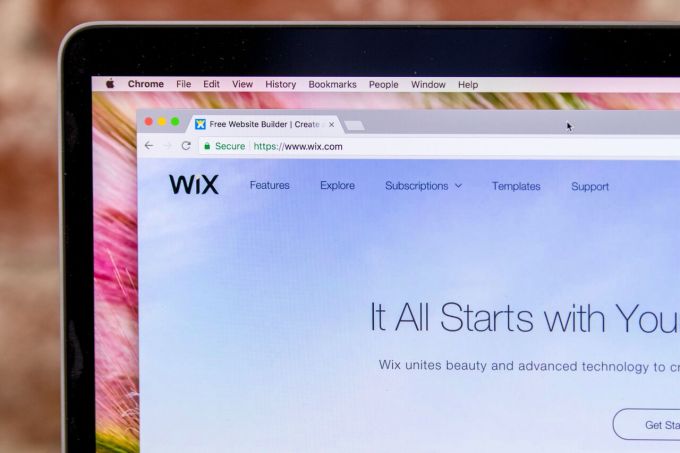
Website Builder for Small Businesses: Wix

For an easy-to-use website builder that makes editing, creating, and finding your business’ site manageable, we recommend Wix. Compared to other site builders we tested, Wix’s template-editing tools get a working site up and running fastest. The platform offers a broad range of plug-ins for integrating tools like Google Maps and OpenTable. Adding plug-ins for things like contact forms, menus and reservations is also painless. There aren’t an overwhelming number of website templates, but the ones that are available offer a good mix. Plus Wix has an intuitive editing interface and built-in SEO tools.

Photo: Kyle Fitzgerald

 Windows Ultrabook: Dell XPS 13

The Dell XPS 13 is a powerful laptop that can be used on the go or with your home office setup. It’s light, has a durable build, plus it’s equipped with an impressive 13.3-inch screen. Previous versions of the XPS 13 have been our top pick for over three years, because it offers the best balance of features and performance of any ultrabook we’ve tested. We like that it’s compact, comes with a good trackpad and keyboard, and that it has a mix of new and old ports. We recommend the configuration that has 8GB of RAM, a 256 GB PCIe solid-state drive, and an Intel Core i7-8550U processor.

Photo: Kyle Fitzgerald                                                                                                               

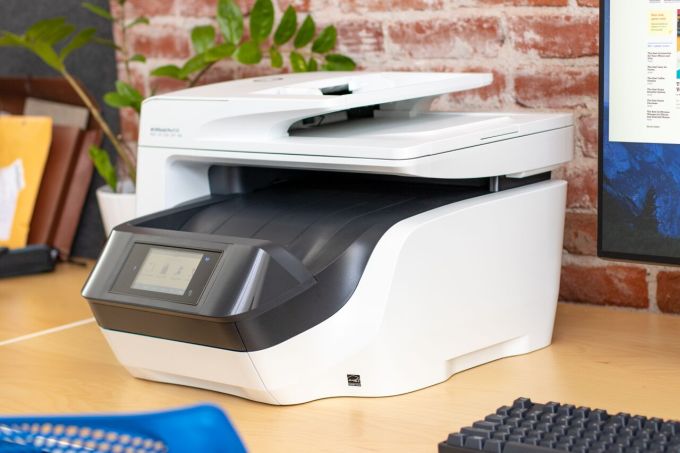
All-in-one Printer: HP OfficeJet Pro 8720

Having your own all-in-one printer will let you print and scan important documents whenever you need to. The HP OfficeJet Pro 8720 offers simple installation and it’s paired with intuitive software and ink that’s affordable. It has a durable build and a large, responsive touchscreen. In addition to handling everyday printing tasks, the OfficeJet Pro can produce colorful graphics and high-quality photos. You can connect to and operate the printer from a computer, tablet, mobile device or the printer control panel. In our tests over Wi-Fi, we didn’t experience any connectivity issues.                          

Photo: Kyle Fitzgerald

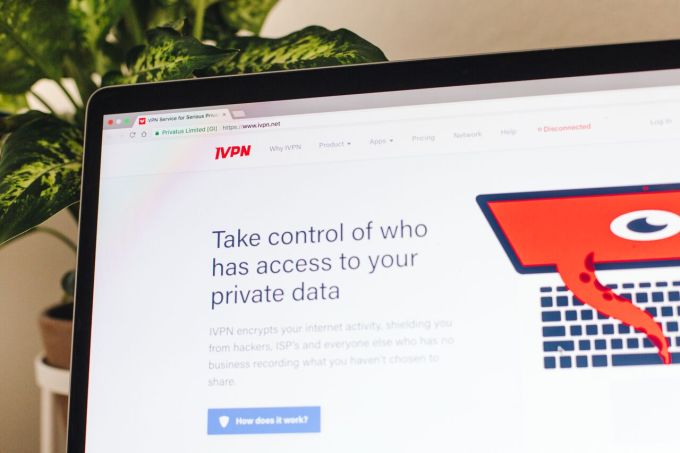
VPN Service: IVPN

A trusted virtual private network provides more online protection beyond device encryption, secure passwords and privacy plug-ins while using a home network or public Wi-Fi. After spending over 130 hours testing 32 VPN services, we chose IVPN as the best VPN provider for most people. It’s easy to set up, has easy-to-use apps, and can be used with most any device running macOS, Windows, iOS or Android. Overall, IVPN offers solid performance and doesn’t cut corners on security nor transparency. You don’t have to worry about your activity or logins being monitored. It’s pricier than competitors but worth the investment because it’s fast, stable, integrates with all major platforms, and comes with features that block data on unsecured connections.

These picks may have been updated by WirecutterWhen readers choose to buy Wirecutter’s independently chosen editorial picks, Wirecutter and TechCrunch may earn affiliate commissions.

01 Oct 2018

The best gear for starting a small business

Editor’s note: This post was done in partnership with Wirecutter. When readers choose to buy Wirecutter’s independently chosen editorial picks, Wirecutter and TechCrunch may earn affiliate commissions.

When you’re ready to start a small business, having some helpful essentials will make the process a bit easier. Whether you need to print your own business cards or you’re ready to process orders on a reliable laptop, we’ve put together a few of our recommendations that will cover the basics.

Photo: Michael Hession                                                                                   

Business Card Printing Service: Vistaprint

Vistaprint has the best print quality of all the services we tested, and its website offers the best ordering and design experience. If you don’t need a large quantity of business cards, Vistaprint will allow you to order batches as small as 100. You can choose from thousands of templates and a variety of finishes. During printing testing, we were able to read small type and we found that the service’s colors and trimming were accurate.

Photo: Kyle Fitzgerald

Website Builder for Small Businesses: Wix

For an easy-to-use website builder that makes editing, creating, and finding your business’ site manageable, we recommend Wix. Compared to other site builders we tested, Wix’s template-editing tools get a working site up and running fastest. The platform offers a broad range of plug-ins for integrating tools like Google Maps and OpenTable. Adding plug-ins for things like contact forms, menus and reservations is also painless. There aren’t an overwhelming number of website templates, but the ones that are available offer a good mix. Plus Wix has an intuitive editing interface and built-in SEO tools.

Photo: Kyle Fitzgerald

 Windows Ultrabook: Dell XPS 13

The Dell XPS 13 is a powerful laptop that can be used on the go or with your home office setup. It’s light, has a durable build, plus it’s equipped with an impressive 13.3-inch screen. Previous versions of the XPS 13 have been our top pick for over three years, because it offers the best balance of features and performance of any ultrabook we’ve tested. We like that it’s compact, comes with a good trackpad and keyboard, and that it has a mix of new and old ports. We recommend the configuration that has 8GB of RAM, a 256 GB PCIe solid-state drive, and an Intel Core i7-8550U processor.

Photo: Kyle Fitzgerald                                                                                                               

All-in-one Printer: HP OfficeJet Pro 8720

Having your own all-in-one printer will let you print and scan important documents whenever you need to. The HP OfficeJet Pro 8720 offers simple installation and it’s paired with intuitive software and ink that’s affordable. It has a durable build and a large, responsive touchscreen. In addition to handling everyday printing tasks, the OfficeJet Pro can produce colorful graphics and high-quality photos. You can connect to and operate the printer from a computer, tablet, mobile device or the printer control panel. In our tests over Wi-Fi, we didn’t experience any connectivity issues.                          

Photo: Kyle Fitzgerald

VPN Service: IVPN

A trusted virtual private network provides more online protection beyond device encryption, secure passwords and privacy plug-ins while using a home network or public Wi-Fi. After spending over 130 hours testing 32 VPN services, we chose IVPN as the best VPN provider for most people. It’s easy to set up, has easy-to-use apps, and can be used with most any device running macOS, Windows, iOS or Android. Overall, IVPN offers solid performance and doesn’t cut corners on security nor transparency. You don’t have to worry about your activity or logins being monitored. It’s pricier than competitors but worth the investment because it’s fast, stable, integrates with all major platforms, and comes with features that block data on unsecured connections.

These picks may have been updated by WirecutterWhen readers choose to buy Wirecutter’s independently chosen editorial picks, Wirecutter and TechCrunch may earn affiliate commissions.

30 Sep 2018

Unbiased algorithms can still be problematic

Creating unbiased, accurate algorithms isn’t impossible — it’s just time consuming.

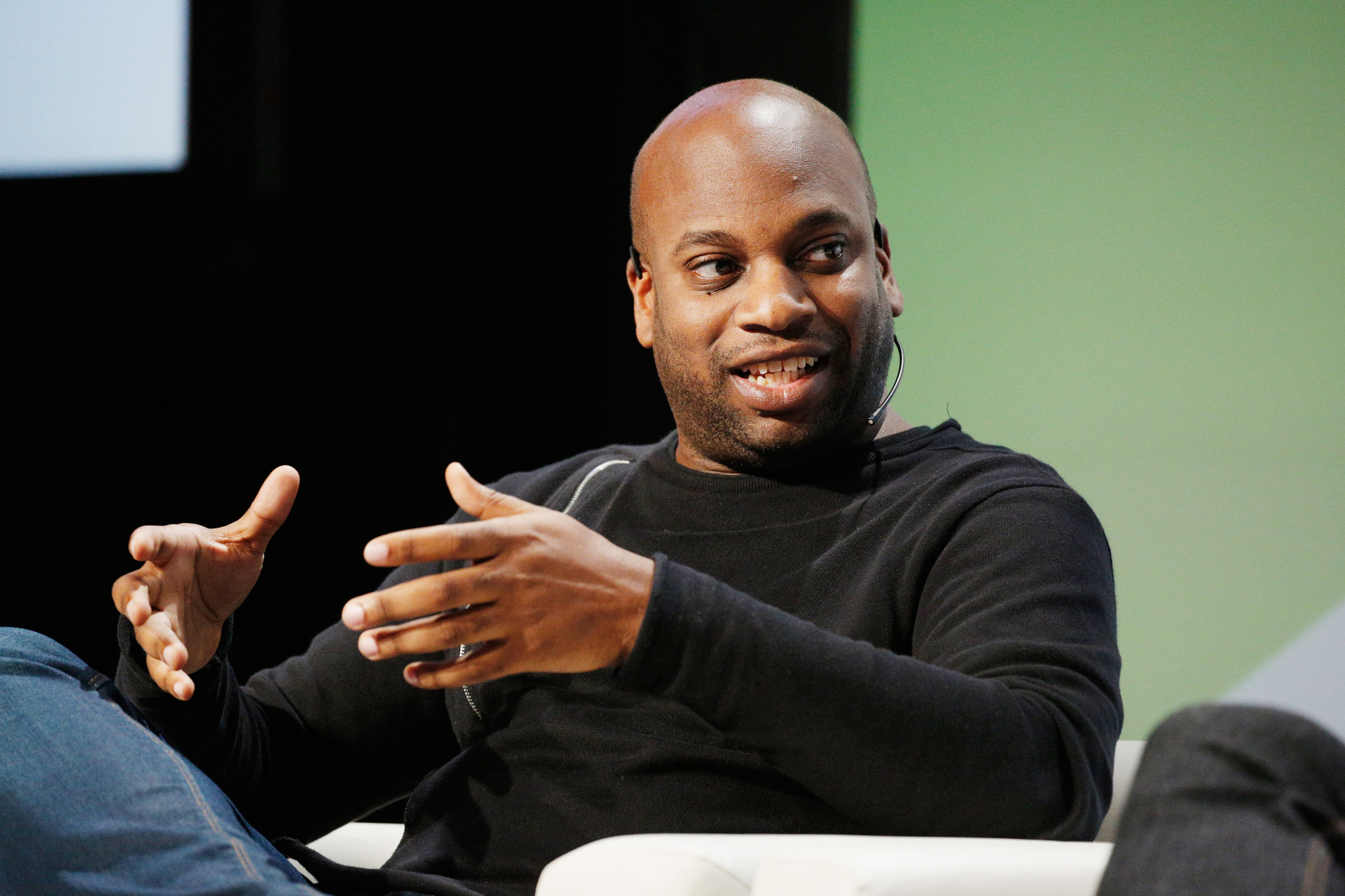
“It actually is mathematically possible,” facial recognition startup Kairos CEO Brian Brackeen told me on a panel at TechCrunch Disrupt SF.

Algorithms are sets of rules that computers follow in order to solve problems and make decisions about a particular course of action. Whether it’s the type of information we receive, the information people see about us, the jobs we get hired to do, the credit cards we get approved for, and, down the road, the driverless cars that either see us or don’t, algorithms are increasingly becoming a big part of our lives. But there is an inherent problem with algorithms that begins at the most base level and persists throughout its adaption: human bias that is baked into these machine-based decision-makers.

Creating unbiased algorithms is a matter of having enough accurate data. It’s not about just having enough “pale males” in the model, but about having enough images of people from various racial backgrounds, genders, abilities, heights, weights and so forth.

Kairos CEO Brian Brackeen

“In our world, facial recognition is all about human biases, right?” Brackeen said. “And so you think about AI, it’s learning, it’s like a child and you teach it things and then it learns more and more. What we call right down the middle, right down the fair way is ‘pale males.’ It’s very, very good. Very, very good at identifying somebody who meets that classification.”

But the further you get from pale males — adding women, people from different ethnicities, and so forth — “the harder it is for AI systems to get it right, or at least the confidence to get it right,” Brackeen said.

Still, there are cons to even a one hundred percent accurate model. On the pro side, a good facial recognition use case for a completely accurate algorithm would be in a convention center, where you use the system to quickly identity and verify people are who they say they are. That’s one type of use case Kairos, which works with corporate businesses around authentication, addresses.

“So if we’re wrong, at worst case, maybe you have to do a transfer again to your bank account,” he said. “If we’re wrong, maybe you don’t see a picture accrued during a cruise liner. But when the government is wrong about facial recognition, and someone’s life or liberty is at stake, they can be putting you in a lineup that you shouldn’t be in. They could be saying that this person is a criminal when they’re not.”

But in the case of law enforcement, no matter how accurate and unbiased these algorithms are, facial recognition software has no business in law enforcement, Brackeen said. That’s because of the potential for unlawful, excessive surveillance of citizens.

Given the government already has our passport photos and identification photos, “they could put a camera on Main Street and know every single person driving by,” Brackeen said.

And that’s a real possibility. In the last month, Brackeen said Kairos turned down a government request from Homeland Security, seeking facial recognition software for people behind moving cars.

“For us, that’s completely unacceptable,” Brackeen said.

Another issue with 100 percent perfect mathematical predictions is that it comes down to what the model is predicting, Human Rights Data Analysis Group lead statistician Kristian Lum said on the panel.

Human Rights Data Analysis Group lead statistician Kristian Lum

“Usually, the thing you’re trying to predict in a lot of these cases is something like rearrest,” Lum said. “So even if we are perfectly able to predict that, we’re still left with the problem that the human or systemic or institutional biases are generating biased arrests. And so, you still have to contextualize even your 100 percent accuracy with is the data really measuring what you think it’s measuring? Is the data itself generated by a fair process?”

HRDAG Director of Research Patrick Ball, in agreement with Lum, argued that it’s perhaps more practical to move it away from bias at the individual level and instead call it bias at the institutional or structural level. If a police department, for example, is convinced it needs to police one neighborhood more than another, it’s not as relevant if that officer is a racist individual, he said.

HRDAG Director of Research Patrick Ball

“What’s relevant is that the police department has made an institutional decision to over-police that neighborhood, thereby generating more police interactions in that neighborhood, thereby making people with that ZIP code more likely to be classified as dangerous if they are classified by risk assessment algorithms,” Ball said.

And even if the police were to have perfect information about every crime committed, in order to build a fair machine learning system, “we would need to live in a society of perfect surveillance so that there is absolute police knowledge about every single crime so that nothing is excluded,” he said. “So that there would be no bias. Let me suggest to you that that’s way worse even than a bunch of crimes going free. So maybe we should just work on reforming police practice and forget about all of the machine learning distractions because they’re really making things worse, not better.”

He added, “For fair predictions, you first need a fair criminal justice system. And we have a ways to go.”

30 Sep 2018

The war over music copyrights

VC firms haven’t been the only ones raising hundreds of millions of dollars to invest in a booming market. After 15+ years of being the last industry anyone wanted to invest in, the music industry is coming back, and money is flooding in to buy up the rights to popular songs.

As paid streaming subscriptions get mainstream adoption, the big music streaming services – namely Spotify, Apple Music, and Tencent Music, but also Pandora, Amazon Music, YouTube Music, Deezer, and others – have entered their prime. There are now over 51 million paid subscription accounts among music streaming services in the US. The music industry grew 8% last year globally to $17.3 billion, driven by a 41% increase in streaming revenue and 45% increase in paid streaming revenue.

The surge in music streaming means a surge in income for those who own the copyrights to songs, and the growth of entertainment in emerging markets, growing use in digital videos, and potential use of music in new content formats like VR only expand this further. Unsurprisingly, private equity firms, family offices, corporates, and pension funds want a piece of the action.

There are two general types of copyrights for a song: the publishing rights and the master rights. The musical composition of a song – the lyrics, melodies, etc. – comes from songwriters who own the publishing right (though generally they sign a publishing deal and their publisher gets ownership of it in addition to half the royalties). Meanwhile, the version of a song being performed comes from the recording artist who owns the master right (though usually they sign a record deal and the record label gets ownership of the masters and most of the royalties).

Popular songs are valuable to own because of all the royalties they collect: whenever the song is played on a streaming service, downloaded from iTunes, or covered on YouTube (a mechanical license), played over radio or in a grocery store (a performance license), played as soundtrack over a movie or TV show (a sync license), and for other uses. More royalty income from a song goes to the master owner since they took on more financial risk marketing it, but publishers collect royalties from some channels that master owners don’t (like radio play, for instance).

For a songwriter behind popular songs, these royalties form a predictable revenue stream that can amount to tens of thousands, hundreds of thousands, or even millions of dollars per year. Of course, most songs that are written or recorded don’t make any money: creating a track that breaks out in a crowded industry is hard. This scarcity – there are only so many thousands of popular musicians and a limited number of legendary artists whose music stays relevant for decades – means copyrights for successful musicians command a premium when they or their publisher decide to sell them.

Investing in streaming economics

In 2017, revenue from streaming services accounted for 38% of worldwide music industry revenue, finally overtaking revenue from traditional album sales and song downloads. Subscription streaming services hit a pivot point in gaining mainstream adoption, but they still have far to go. Goldman Sachs media sector analyst Lisa Yang predicted that by 2030, the global music industry will reach $41 billion in market size as the global streaming market multiplies in size to $34 billion (nearly all of it from paid subscriptions).
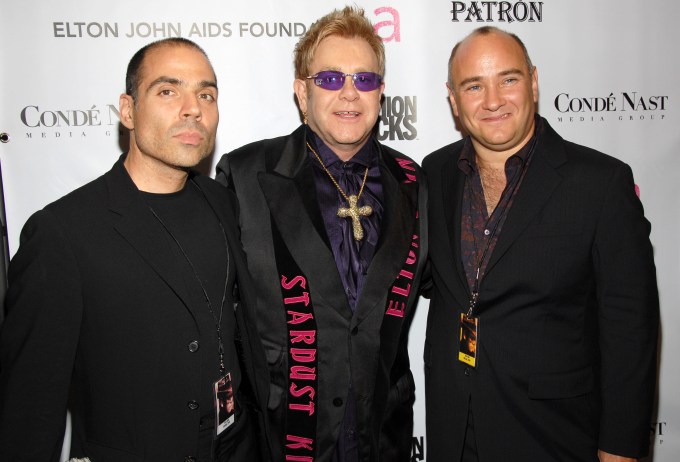
Merck Mercuriadis is seen on the left. (Photo by KMazur/WireImage for Conde Nast media group)

Earlier this week, I spoke with Merck Mercuriadis who has managed icons like Elton John, Guns N’ Roses, and Beyoncé and raised £200 million ($260 million) on the London Stock Exchange in June for an investment vehicle (Hipgnosis Songs) to acquire the catalogues of top songwriters. His plan is to raise and invest £1 billion over the next three to five years, arguing that the shift to passive consumers paying for music will take the industry to heights it has never seen before.

Indeed, streaming music is a paradigm shift from the past. With all the world’s music available in one interface for free (with ads) or for an affordable subscription (without ads), consumers no longer have to actively choose which specific songs to buy (or even which to download illegally).

With it all in front of them and all included in the price, people are listening to a broader range of music: they’re exploring more genres, discovering more musicians who aren’t stars on traditional radio, and going back to music from past decades. Consumers who weren’t previously buying a lot of music are now subscribing for $120 per year and spreading it across more artists.

Retail businesses are doing the same: through streaming offerings like Soundtrack Your Brand (which spun out of Spotify), they’re using commercial licenses – which are more expensive – to stream a broader array of music in stores rather than putting on the radio or playing the same few CDs.

Much of the music industry’s market growth is happening in China, India, Latin America, and emerging markets like Nigeria where subscription apps are replacing widespread music piracy or non-consumption. Tencent Music Entertainment, whose three streaming services have roughly 75% market share in China (a music market that expanded by 34% last year), is preparing for an IPO that could give it roughly the same $29 billion valuation Spotify received in its IPO in April. Meanwhile, music industry revenue from Latin America grew 18% last year.

Western music is infused in pop culture worldwide, so as these countries enter the streaming era they are monetizing hundreds of millions of additional listeners, through ad revenue at a minimum but increasingly through paid subscriptions as well.

At the talent management, publishing, and production firm Primary Wave, founder Larry Mestel is seeing emerging markets drive more revenue to his clients (like Smokey Robinson, Alice Cooper, Melissa Etheridge, and the estate of Bob Marley) as new fan bases engage with their music online. He raised a new $300 million fund (backed by Blackrock and other institutions) in 2016 to acquire rights in music catalogues amid a market he says has improved substantially due to growth opportunities stemming from the streaming model.

It’s not just streaming music platforms that are driving growth either. Streaming video has exploded, whether it’s from short YouTube videos or the growing number of shows on platforms like Hulu and Amazon Prime Video, and with that comes growing sync licensing of songs for their soundtracks; global sync licensing revenue was up 10% year-over-year in 2017 alone. Over the last year, Facebook signed licenses with every large publisher to cover use of song clips by its users in Instagram Stories and Facebook videos as well.

The inflating valuations of songs catalogues

Catalogues are commonly valued based on the “net publisher’s share,” which is the average amount of annual royalty money left over after paying out any percentages owed to others (like a partial stake in the royalties still held by the artist).

When Round Hill Music acquired Carlin for $245 million in January to gain ownership in the catalogues of Elvis Presley, James Brown, AC/DC, and others, it paid a 16x multiple on net publisher share, which is high but not uncommon in the current market when trading catalogues of legendary artists. Just three years ago, multiples anchored in the 10-12 range (or less for newer or smaller artists whose music has not yet shown the same longevity).

Avid Larizadeh Duggan left her role as a general partner at GV to become Chief Strategy & Business Officer of Kobalt

Kobalt, which raised $205 million from VC firms like GV and Balderton Capital to become a technology-centric publisher and label services powerhouse, has also become an active player in the space. Aside from its core operating business (where it stands out from traditional publishers and labels for not taking control of clients’ copyrights), it has raised two funds ($600M for the most recent one) to help institutional investors like the Railpen pension fund in the UK gain exposure to music copyrights as an asset class. In December, their fund acquired the catalogue of publisher SONGS Music Publishing for a reported $160M in a sale process against 13 other bidders looking to buy ownership in songs by Lorde, The Weeknd, and other young pop and hip-hop artists.

Too high a price?

The natural question to ask when there’s a rapid surge of money (and a corresponding surge in prices) in an asset class is whether there’s a bubble. After all, last year’s industry revenues were still only 68% of those in 1999 and the rate of growth will inevitably slow once streaming has captured the early majority of consumers.

But the fundamentals driving this capital are in line with a secular shift – it’s evident that music streaming still has a lot of room to grow in a few short years, especially as a large portion of the human population is just coming online (and doing so over mobile first). Plus as new content formats like augmented and virtual reality come to fruition, new categories of music sync licensing will inevitably accompany them for their soundtracks.

Each catalogue is its own case, of course. As Shamrock Capital managing director Jason Sklar emphasized to me, the rising tide isn’t lifting all boats equally. The streaming revolution appears to be disproportionately benefiting hip-hop, rap, and pop given the youth skew of streaming service users and the digital-native social media engagement of the artists in those genres.

Beyond the purchase price, the critical variable for evaluating a deal in this market is also the operational value a potential buyer can provide to the catalogue: their ability to actively promote songs from the past by pitching them to new TV shows, ad campaigns, and any number of other projects that will keep them culturally relevant. This is where strategic investors have an advantage over purely financial investors in publishing rights, especially when it comes to the longer tail of middle-tier artist’s whose music doesn’t naturally get the inbound demand that the Beatles or Prince catalogues do.

With strong long-term market growth and a wide range of possible niches and strategies, music copyrights are an asset class where we’ll see a number of major new players develop.