Category: UNCATEGORIZED

17 Oct 2019

MIT develops a way for robots to grasp and manipulate objects much faster

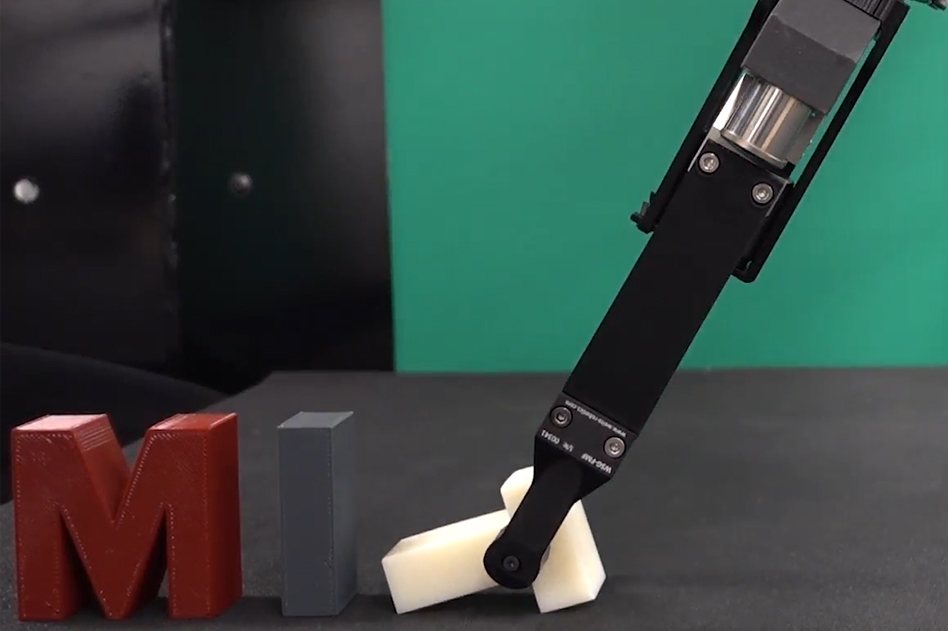
MIT Robot Gripper 0Picking stuff up seems easy, right? It is – for humans with powerful brain computers that instantly and intuitively figure out everything needed to get the job done. But for robots, even advanced robots, the compute required is surprisingly complex, especially if you want the robot to not, you know, break the thing it’s grabbing.

MIT has developed a new way to speed up the planning involved in a robot grasping an object, making it “significantly” faster – reducing the total time from as much as ten or more minutes, to under a second. That’s many orders of magnitude better, bringing it closer to the realm of human reaction and response time.

This could have big practical benefits to setting where robotics are already in use, including in industrial environments. The research team’s method involves having the robot push the object against a surface that doesn’t move, which allows it to shortcut a bunch of the decision-making process about how to manipulate it. That could be applied in picking and sorting applications, which is a common enough use for robots on factory floors and in warehouses.

MIT says this could even be used to improve robotic manipulation of “intricate tools,” and that it can be applied even in the case of simple robotic grippers, rather than just being useful for advanced, highly articulated robotic manipulators.

To prove the validity of its model, the team built an experiment in which a robot gripper held a t-shaped block and pushed it against a fixed, vertically oriented bar. The results mirrored what happened in their virtual models, with the robot being able to plan out control of the gripped block through a maneuver to place it upright on the tablet’s surface in less than a second, whereas it had taken over 500 seconds using traditional methods.

17 Oct 2019

Venmo to launch its first credit card in 2020

Venmo announced today its plans to launch its first-ever credit card. The card is being issued partnership with Synchrony, already the issuer behind Venmo parent company PayPal’s Extras Mastercard and Cashback Mastercard, in an expanded relationship. The move is meant to help Venmo, a still unprofitable arm of PayPal’s larger business, generate more revenue.

PayPal’s plans in this space were reported in April of this year by The WSJ, which said the company had been taking meetings with various banks since late 2018 to discuss a Venmo-branded credit card. The report said PayPal was then close to selecting Synchrony as its issuer and would likley announce the card sometime later in 2019, as it now has.

Synchrony is known for powering a number of store cards, including those from Amazon, eBay, JCPenney, TJX, Stein Mart, American Eagle, Gap, Old Navy, Rooms to Go, Lowe’s, and many others — around 100 cards, in total. The company says it has financed over $140 billion in sales and has 80.3 million active accounts.

While this is Venmo’s first credit card, it’s not its first physical card.

The company also offers a Mastercard-branded debit card, launched in July 2018, which lets users tap into their Venmo account balance out in the real world, where you can’t pay digitally.

This launch allowed Venmo to generate revenue from interchange fees, in addition to its investments made with customer balances, as is typical in this space.

Venmo had also looked to better monetize its sizable user base of 40 million+ with other small fees — like the 1% fee to move Venmo balances instantly to a user’s bank account, for example. But Venmo has yet to turn a profit, despite its widespread adoption.

Once the new card is available, Venmo credit cardholders will be able to both apply for the card in the Venmo app and then manage their account from there, if approved. They’ll also receive real-time alerts, and will be able to split purchases using the card.

“For 15 years, Synchrony has been a strategic partner in offering credit cards that enable greater purchasing power and rewards for PayPal consumers,” said Dan Schulman, CEO, PayPal, in a statement. “We are pleased to deepen our relationship with Synchrony to bring groundbreaking new credit experiences to the Venmo community through a desirable credit card and a seamless in-app experience,” he said.

The launch follows the much-anticipated launch of Apple Card as well as a larger shift in how younger consumers are using payment cards and banking services. They’re often opting to forgo traditional brick-and-mortar banks to instead use modern banking apps, where the focus is on providing mobile-friendly tools and reduced fees.

If Venmo further moves into this space, it will have competition from the likes of Varo, Simple, Chime, Current, Cleo, N26, Step, Stash, and others.

The new co-branded credit card will be launched to U.S. Venmo users in the second half of 2020, the company says. More details about the card, including other perks it may offer, will be available later on.

PayPal is set to announce its Q3 2019 earnings on Oct. 23. Wall St. is expecting it will announce growth, with EPS of $0.69, a year-over-year change of +19%.

17 Oct 2019

Latest IBM partnership looks to improve seafood safety with blockchain

IBM has been working with a number of different industries to help improve food safety with the help of blockchain technology. Today it announced its latest effort, a partnership with Massachusetts firm, Raw Seafoods, Inc, to bring this approach to seafood starting with scallops.

While business blockchain buzz has quieted recently, the supply chain still seems like a solid use case, allowing various stakeholders to trace a shipment from farm, factory or fishing boat to market. The challenge has been getting suppliers to participate, especially when there is such a wide range of technological abilities along the chain.

In this case, IBM is working with a fleet of scallop boats out of New Bedford, MA, which will be sharing data about their catches, enabling all the stakeholders in the supply chain to know where and when the catch happened. As IBM describes it, “The platform will also track when the boat landed portside, and when each scallop lot was hand graded, selected, packed and shipped to its final destination.” It will also include pictures and video before the boat reaches the dock.

Anyone with permission will be able to access the information on the blockchain by simply clicking a node to see where the scallops were at any given point in its journey from boat to market. Without digitization, tracking any food has been a time-consuming process. With blockchain, tracking happens instantly.

“Traditionally, tracing the origin of a given food product could take days, if it was possible at all, especially for wild caught sea scallops. By reducing that time frame to a matter of seconds, we’re able to solve three of the core consumer concerns that deter them from enjoying seafood: safety, sustainability and authenticity,” Rajendra Rao, General Manager of IBM Food Trust.

Raw Seafood, Inc. also plans to build an app, connected to the platform, that would allow consumers at a restaurant to scan a QR code on the menu to get detailed information about the scallops before they order it.

Last year, IBM announced a similar partnership with Walmart to track leafy green vegetables from farm to shelf.

17 Oct 2019

Popular app Snaptube caught serving invisible ads and charging users for premium purchases they haven’t made

A popular video downloader app for Android has been found generating fake ad clicks and unauthorized premium purchases from its users, according to a security firm.

Snaptube, which boasts some 40 million users, allows users to download videos and music from YouTube, Facebook, and other major video sites. The app, developed in China, is not on Google Play because the app maker claims Google will not allow video downloader apps on the store. Some third-party app stores estimate Snaptube has been downloaded over a billion times to date. The app’s developer says that the app is “safe” to use.

But researchers at London-based security firm Upstream, which shared its findings exclusively with TechCrunch, said the free app ends up costing consumers.

Upstream’s chief executive Guy Krief said users are served invisible ads without their knowledge that run silently on the device, allowing the app maker to generate ad revenue at the expense of churning up a user’s mobile data and battery power. The app also uses the same background click technique to rack up premium purchases charges that the user never asked for.

Krief said the only indication that a user’s device might be used in this way is if their mobile data usage increases, their device gets warm, and the battery runs out faster than usual.

The company pinned the blame on a third-party software development kit (SDK) code, known as Mango, embedded inside Snaptube’s app. Mango was also used in Vidmate, a similar video downloader app also accused of ad fraud behavior; as well as 4shared, a cloud storage app.

According to Uptream, this third-party code kit downloads additional components from a central server in order to engage in this fraudulent ad activity, and uses chains of redirection and obfuscation to hide its activity.

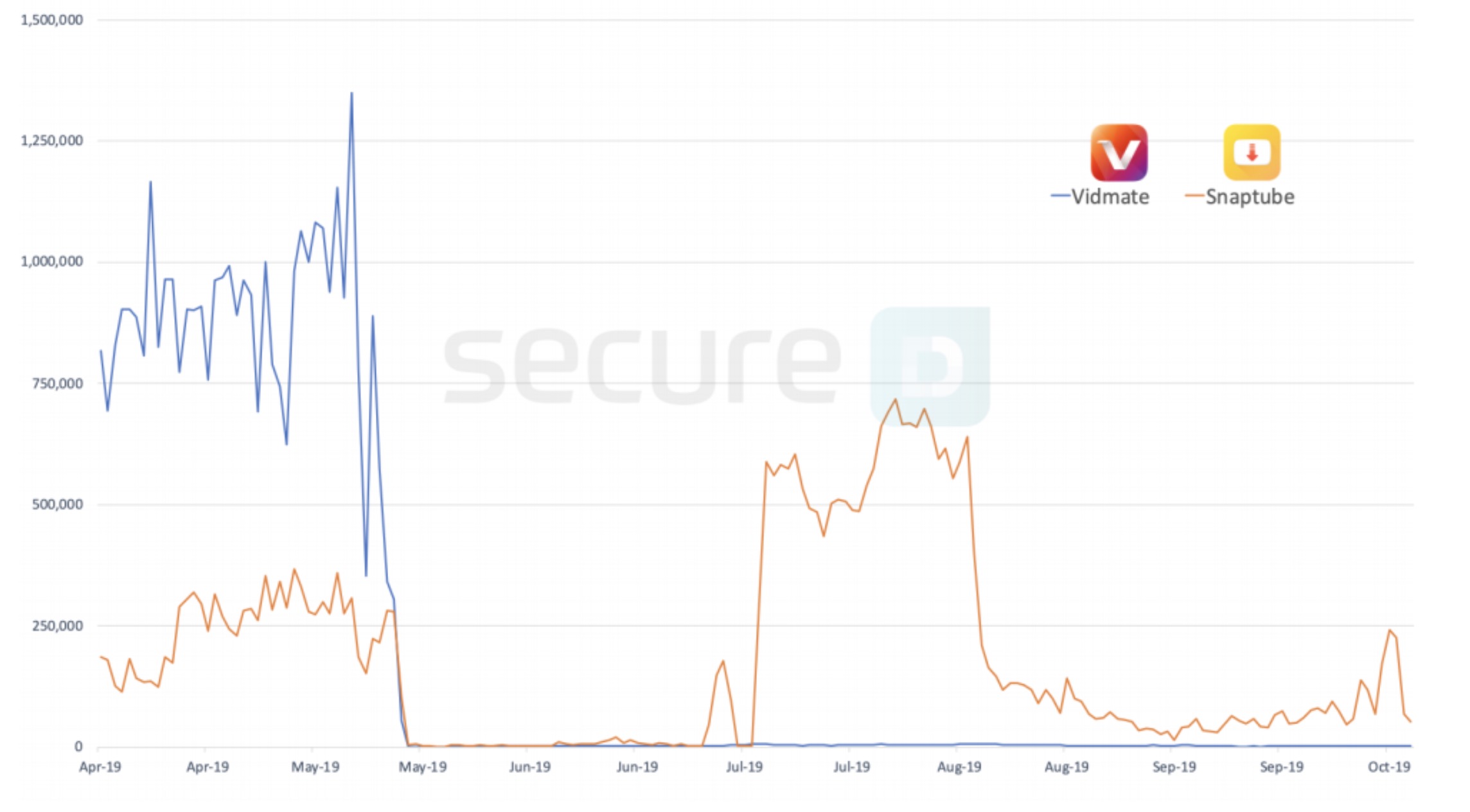
Mango is particularly sneaky, said Krief. Within hours of the news breaking that Vidmate’s app was engaged in similar suspicious behavior, his company saw a Snaptube’s suspicious activity drop almost immediately. “Our assumption back then was they’re probably also using similar code and they went silent because of all the publicity,” he said in a phone call.

Two months later, the same suspicious activity in Snaptube’s app resumed.

A graph showing Snaptube’s suspicious activity dropping as soon as the Vidmate story is published. (Image: Upstream)

Krief said it was “very common” to see apps engaging in ad fraud to go through bursts of high levels of activity, followed by periods of quiet.

In recent weeks Upstream said it’s blocked more than 70 million suspicious transactions originating from four million devices, according to data from its proprietary security platform. The company said consumers could have been charged tens of millions of dollars in unwanted premium charges had those clicks not been blocked.

Snaptube said in a statement: “We didn’t realize the Mango SDK was exercising advertising fraud activities, which brought us major loss in brand reputation.”

“After the user complained about the malicious behavior of the Mango SDK, we quickly responded and terminated all cooperations with them,” a spokesperson said. “The versions on our official site as well as our maintained distribution channels are free of this issue already.”

Snaptube said it was “considering” legal action against the Mango developers.

It’s not the first time Snaptube has been caught out engaging in potentially fraudulent activity. In February, security firm Sophos found the app engaging in similar fraudulent behavior — generating and reporting fake ad clicks and racking up costs for the user. Later in the year, Snaptube responded to reports that Android devices were warning users that the app contained the suspicious third-party code, noting that it would “terminate” using the code “as soon as possible.”

That promise was made in August. Yet, some three months later, the code remains in the app.

17 Oct 2019

Logitech’s MX Master 3 mouse and MX Keys keyboard should be your setup of choice

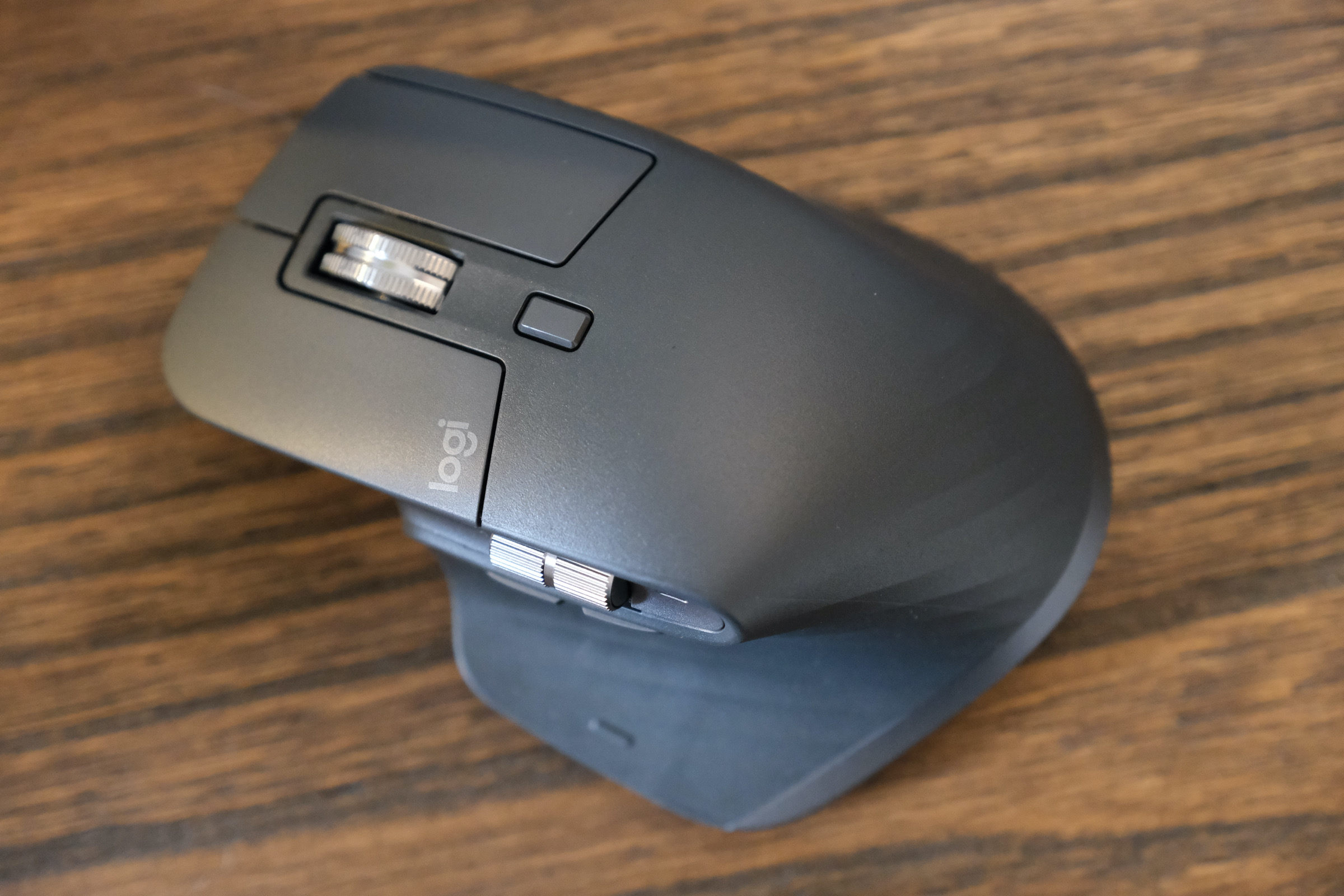
Logitech recently introduced a new mouse and keyboard, the MX Master 3 ($99.99) and MX Keys ($99.99) respectively. Both devices borrow a lot from other, older hardware in Logitech’s lineup – but they build on what the company has gotten really right with input devices, and add some great new features to make these easily the best option out there when it comes to this category of peripherals.

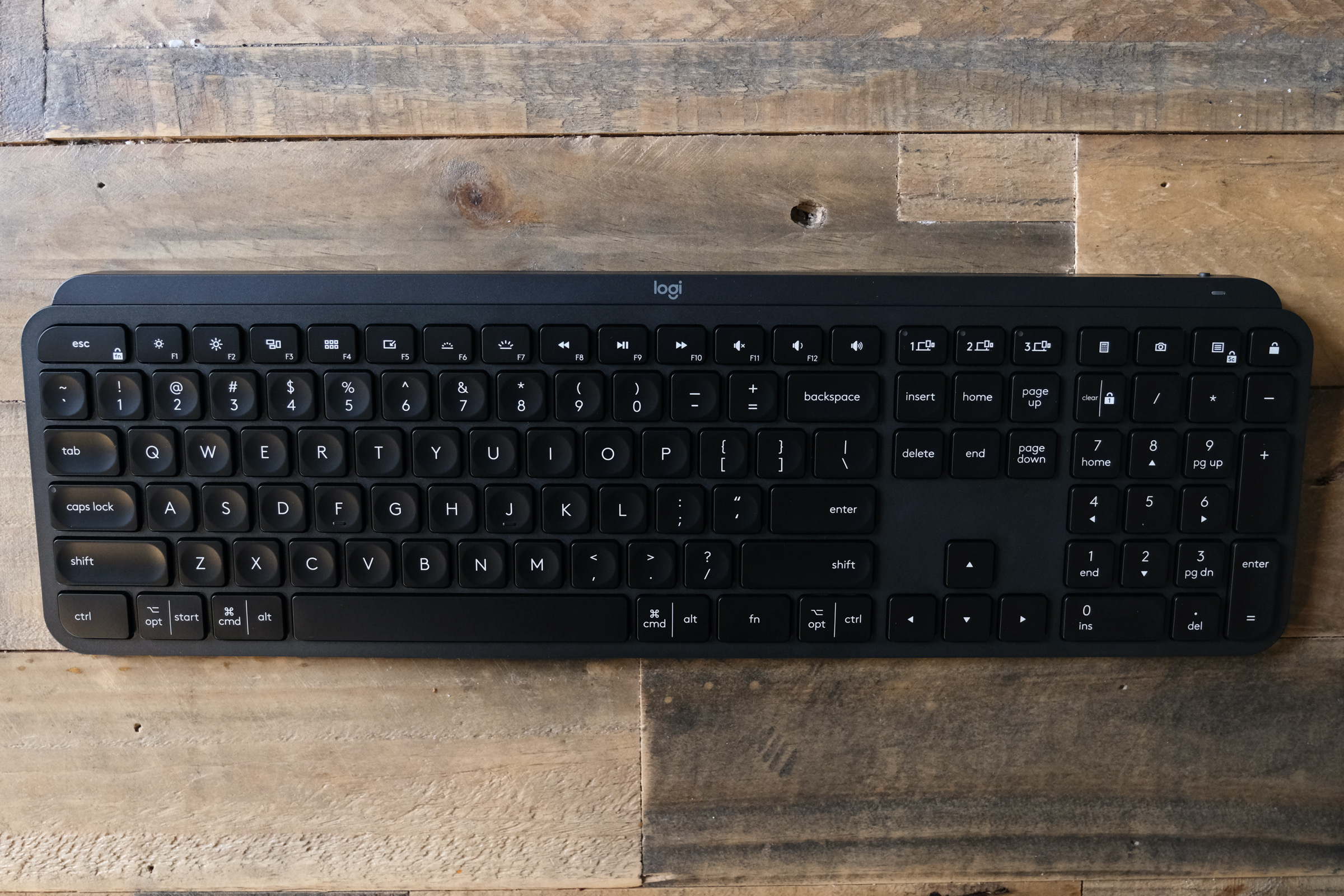
Logitech MX Keys

This new keyboard from Logitech inherits a lot from the company’s previous top-of-the-line keyboard aimed at creatives, the Logitech Craft keyboard. It looks and feels a lot like the premium Craft – minus the dial that Logitech placed at the top of that keyboard, which worked with companion software to offer a variety of different controls for a number of different applications.

The Craft’s dial was always a bit of a curiosity, and while probably extremely useful for certain creative workflows where having a tactile dial control makes a lot of sense (for scrubbing a video timeline during editing, for instance), in general the average user probably isn’t going to need or use it much.

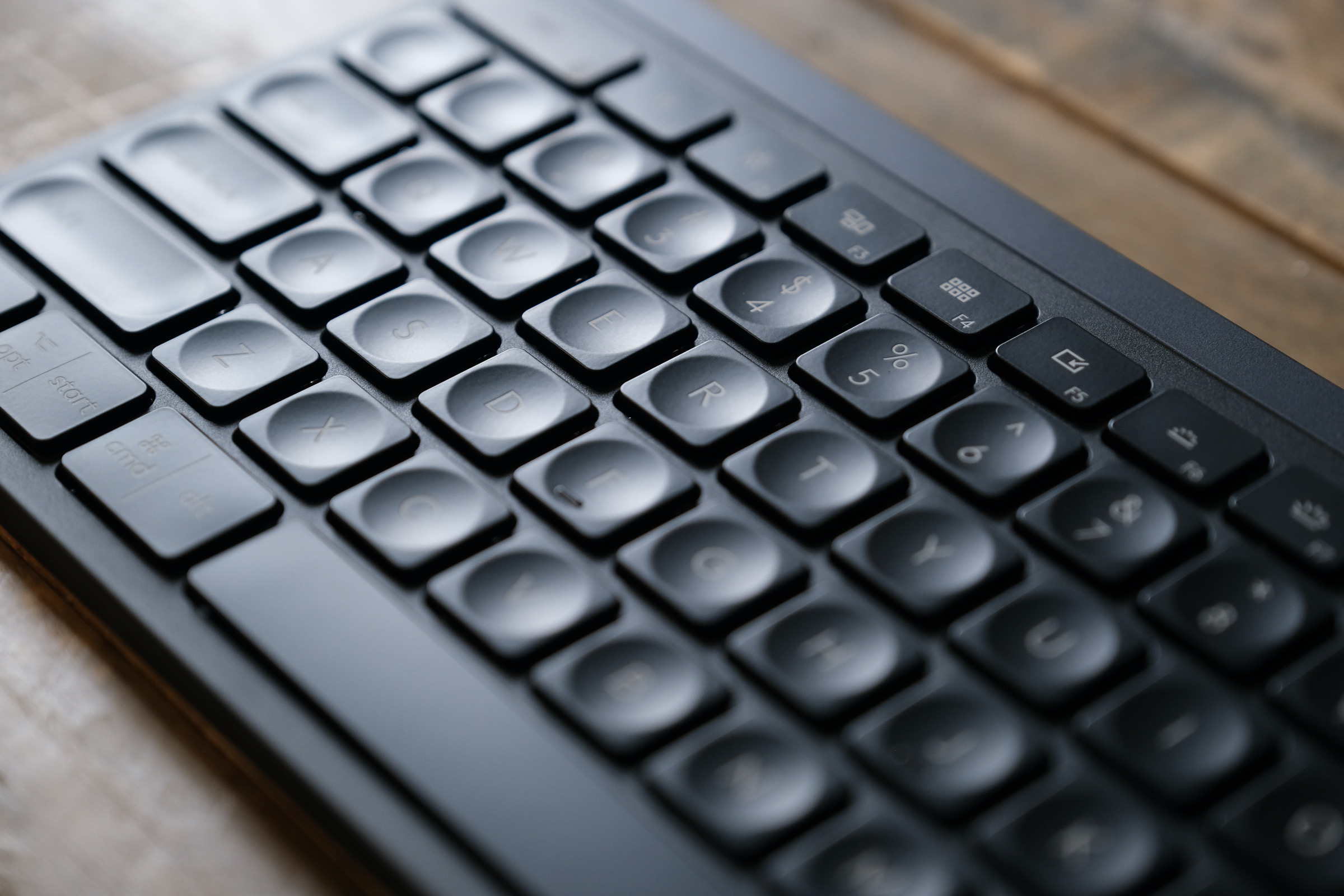
Logitech MX Keys MX Master 3 5The MX Keys doesn’t have the Craft’s dial, and it takes up less space on your desk as a result. It also costs $70 less than the Craft, which is probably something most people would rather have than the unique controller. The MX Keys still have excellent key travel and typing feel, like its bigger sibling, and it also has smart backlighting that turns on automatically when your hand approaches the keys – and which you can adjust or turn off to suit your preference, and extend battery life.

MX Keys has a built-in battery that chargers via USB-C, and provides up to 10 days of use on a full charge when using the backlight, or for up to 5 months if you disable the backlight entirely. For connectivity, you get both Bluetooth and Logitech’s USB receiver, which can also connect to other Logitech devices like the MX Master series of mice.

Logitech MX Keys MX Master 3 3The keyboard can connect to up to three devices at once, with dedicated buttons to switch between them. It supports Windows, Mac, Linux, Android and iOS out of the box, and has multi-marked keys to make it easier to transition between operating systems. Plus, when you’re using the MX Keys in tandem with the MX Master 3 or other Logitech mice that support its Flow software, you can transition seamlessly between computers and even operating systems, for doing things like copying and pasting files.

AT $99.99, the MX Keys feels like an incredible value, since it offers very premium-feeling hardware in an attractive package, with a suite of features that’s hard to match in a keyboard from anyone else – including first-party peripherals from Microsoft and Apple .

Logitech MX Master 3

When it comes to mice, there are few companies that can match Logitech’s reputation or record. The MX Master series in particular has won plenty of fans – and for good reason.

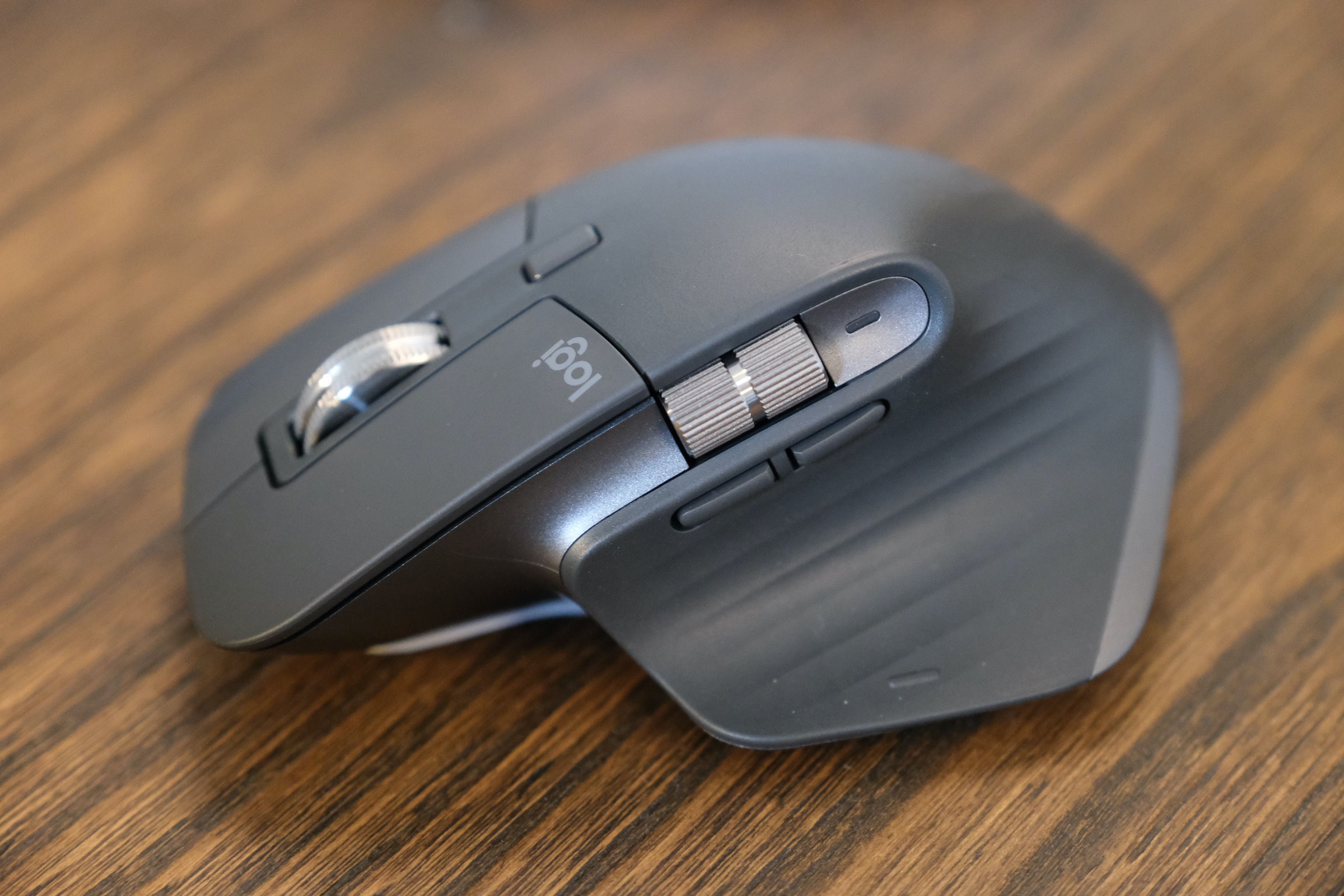
Logitech MX Keys MX Master 3 9The MX Master 3 doesn’t re-invent the wheel – except that it literally does, in the case of the scroll wheel. Logitech has introduced a new school wheel with ‘MagSpeed’ technology, that switches automatically between fluid scrolling and more fine-grained, pixel-precise control. The company claims the new design is 90 percent faster and 87 percent more precise than its previous scroll wheel, which is pretty much an impossible claim to verify through standard use. That said, it does feel like a better overall scrolling experience, and the claim that it’s now ‘ultra quiet’ is easy to confirm.

Logitech has also tweaked the shape of the mouse, with a new silhouette it says is better suited to matching the shape of your palm. That new shape is complimented with a new thumb scroll wheel, which has always been a stellar feature of the Master series and which again, does feel better in actual use though it’s difficult to put your finger on exactly why. Regardless, it feels better than the Master 2S, and that’s all that really matters.

Logitech MX Keys MX Master 3 10In terms of tracking, Logitech’s Darkfield technology is here to provide effective tracking on virtually all surfaces. It tracks at 4,000 DPI, which is industry-leading for accuracy, and you can adjust sensitivity, scroll direction and other features in Logitech’s desktop software. The MX Master 3 also supports up to three devices at once, and works with Flow to copy and past between different operating systems.

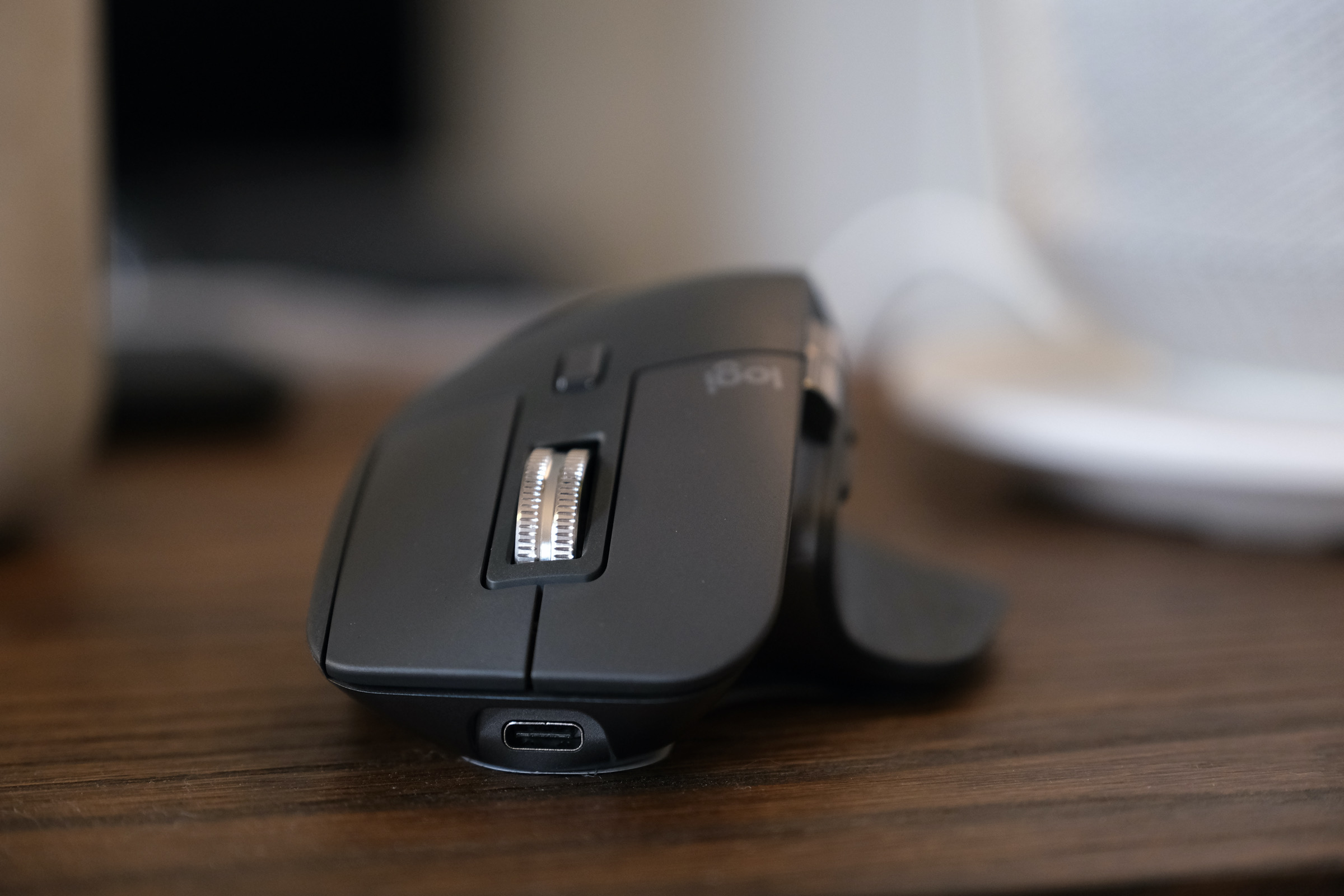
One of the most noteworthy changes on the MX Master 3 is that it gains USB-C for charging, replacing Micro USB, which is fantastic news for owners of modern Macs who want to simplify their cable lives and just stick with one standard where possible. Since that matches up with the USB-C used on the MX Keys, that means you can just use one cable for charging both when needed. The MX Master 3 gets up to 70 days on a full charge, and you can gain 3 hours of use from a fully exhausted battery with just one minute of charging.

Logitech MX Keys MX Master 3 7Bottom line

Logitech has long been a leader in keyboard and mice for very good reason, and the company’s ability to iterate on its existing successes with improvements that are smart and make sense is impressive. The MX Keys is probably the best keyboard within its price range that you can get right now – and better than a lot of more premium-priced hardware. The MX Master 3 is without a doubt the only mouse I’d recommend for most people, especially now that it offers USB-C charging alongside its terrific feature set. Combined, they’re a powerful desktop pair for work, creative and general use.

17 Oct 2019

Farewell, Google Clips

Amid a slew of updated hardware, Clips has gone missing from Google’s online store. Odds are you probably don’t remember what Clips is. If you do, odds are you’re not surprised by this turn of events.

We’ve reached out to company to confirm whether this is, indeed, definitively the end for the niche device. All I can say for now is that the future doesn’t look bright for a product neither reviewers, consumers nor Google itself figured out. One the company knew for sure what that the Clips was unequivocally not a life-logging camera. The answer of what it was, however, was a far more difficult one.

The device was a kind of showcase for the company’s AI technologies, designed to capture candid life moments, so users weren’t stuck behind their cameras. I reviewed it and if nothing else got this fun Gif of my rabbit, Lucy:

unnamed 1

So not a total loss, I guess. Certainly not enough to justify paying $249, however. One colleague jokingly asking me ahead of this week’s Pixel event whether a Clips 2 was on the way. I suppose we know the answer now.

The discovery follows news that the company has discontinued its Daydream View, VR headset. Such is the Google circle of life. The lukewarmly reviewed first-gen Pixel Buds have been pulled from the store, as well. That line, at least, still has a future

17 Oct 2019

Snapchat goes after retailers and DTC brands with new Dynamic Ads

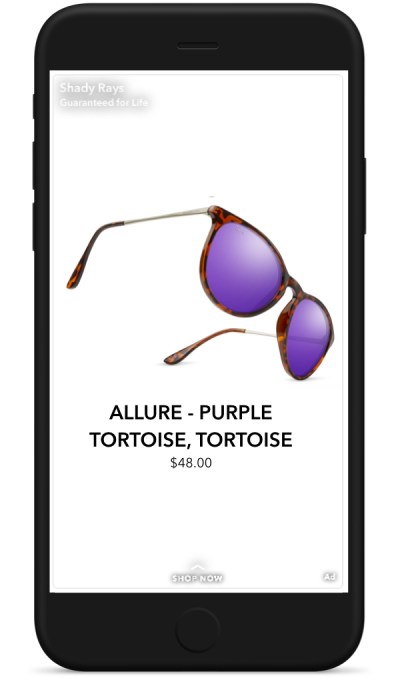
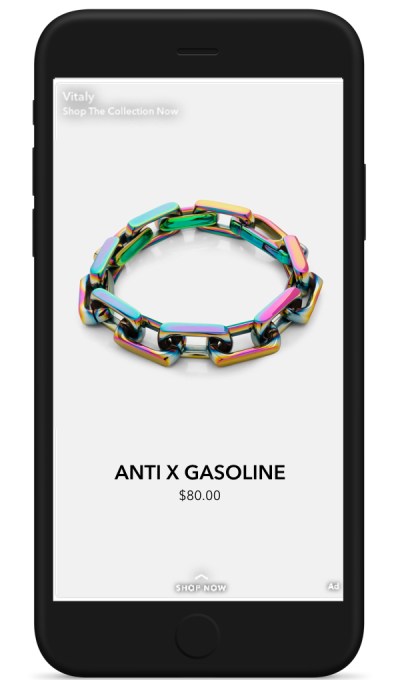
Snap today is announcing a new kind of advertising product, Dynamic Ads, that will help it to better attract ad dollars from retail, e-commerce, and other direct-to-consumer brands — a group that today thrives on Instagram. With Dynamic Ads, advertisers can now automatically create ads in real-time based on extensive product catalogs that may contain hundreds of thousands of products. These ads are then served to Snapchat users based on their interests using a variety of templates provided by Snap.

These templates have been designed for mobile, Snap says, and will help the advertiser save time as they won’t have to manually create their ads. Instead, they just sync their product catalog and allow Snap’s system to build the ad in real-time. As product availability or prices change, the ads will also adjust.

The move to better serve advertisers in the retail and direct-to-consumer (DTC) space comes at a time when many DTC brands have been increasingly turning to Snapchat as Instagram has grown too crowded. Advertisers have complained about saturation and higher ad prices there. Snap, meanwhile, targeted this category of advertisers with a growing number of tools. The result, according to some DTC brands were ads that were 8 times cheaper than Instagram.

ShadyRays DPA 2

The Dynamic Ads are the latest in a long line of new ad products and tools. Since Snap launched its Ads Manager two years ago, it has rolled out new ad types, integrations, buying types, and more, including Snap Pixel, Product Ads, advanced optimization, reach & frequency buying, quick Instant Create ads, Shopify integrations, and others aimed at video marketers. like the premium Snap Select program, the non-skip, six-second video Commercials.

More recently, it’s been focused on making ad creation easier. In July, Snap launched an “instant” tool called Instant Create that would help advertisers who were not used to creating ads for the smartphone-friendly vertical format. This ad tool would generate an ad from a brand’s existing assets, like an e-commerce storefront, in just three steps.

Vitaly DPA 2

The new Dynamic Ads will be even simpler, in a way, as advertisers will be able to build “always-on” campaigns that don’t need constant updating.

That being said, the ads risk being a little more generic. Once these templated ads spread across Snapchat, it may be harder for the products being sold to stand out from others. After all, Instagram DTC ads often succeed because of the creative ad collateral involved, or the storytelling, which goes beyond just showcasing product photos. Instagram also allows brands to connect with a wide variety of influencers to promote the products.

Snapchat, however, believes it can do well in this space, because it can better deliver the millennial audience. The company claims that 38% of Snapchat users 16 and up can’t be reached on Instagram daily, followed by 49% on Facebook. Snapchat, meanwhile, reaches over 90% of 13 to 24-year olds in the U.S. And its user base is highly engaged with the app, which gives advertisers more opportunity to reach them.

DPA Template example

“Snapchat has become a go-to destination to reach the largest and most economically influential generations in history, Millennials and Gen Z. Snapchat Dynamic Ads now allow brands to create real-time optimized mobile ads quickly and at scale, with products showcased in visually-appealing templates that feel native to the app,” said Snap’s Kathleen Gambarelli, Group Product Marketing Manager, Direct Response, in a statement.

“More than 75% of the 13-34-year-old U.S. population is active on Snapchat, and daily Snapchat users open the app over 20 times each day, offering brands major opportunities to reach the right person with the right message at the right time,” she added.

Interested advertisers will be able to start setting up their campaigns today in an open beta test, and these will begin running in one or two weeks’ time. Dynamic Ads will be available worldwide for all Snapchat advertisers, but campaigns will only reach U.S. users to start. Snap says global markets will begin in the coming months.

[gallery ids="1898904,1898902,1898901,1898903,1898899,1898905,1898900"]

17 Oct 2019

Sentons launches SurfaceWave, a processor and tech to create software-defined surfaces that supercharge touch and gesture

As handset makers continue to work on ways of making smartphones more streamlined and sleek, while at the same time introducing new features that will get people buying more devices, a startup that is pioneering something called “software-defined” surfaces — essentially, using ultrasound and AI to turn any kind of material, and any kind of surface, into one that will respond to gestures, touch and other forces — is setting out its stall to help them and other hardware makers change up the game.

Sentons, the startup out of Silicon Valley that is building software-defined surface technology, is today announcing the launch of SurfaceWave, a processor and accompanying gesture engine that can be used in smartphones and other hardware to create virtual wheels and buttons to control and navigate apps and features on the devices themselves. The SurfaceWave processor and engine are available to “any mobile manufacturer.”

Before this, Sentons had actually already inked direct deals to test out market interest in its technology. There were actually already three smartphones released — two of which were only sold in Asia (models and customer names undisclosed by Sentons) and one of which is made by Asus in partnership with Tencent, the Republic of Gamers phone (the Air Triggers are powered by Sentons). Jess Lee, the company’s CEO, told me in an interview that there are another 10-12 devices “in process” right now due to be released in coming cycles. He would not comment on whether his former employer is one of them.

Sentons has actually been around since 2011 but very much under the radar until this year, when it announced that Lee — who had been at Apple, after his previous company, the cutting-edge imaging startup InVisage, was acquired by the iPhone maker — was coming on as CEO.

The company has quietly raised about $35 million from two investors, NEA and Lee confirmed to me that it’s currently raising another, probably larger, round. (Given the company’s partnership with Tencent and Asus, those are two companies I would think are candidates as strategic investors.)

The sound of silence

Sentons’ core idea is focused around sound — specifically ultra sound.

posterImage 4813Its system is based around a processor that emits ultrasonic “pings” (similar to sonar array, the company says, which is used for example on submarines to navigate and communicate) to detect physical movement and force on the surface of an object. The company says that this technique is much more sophisticated than capacitive touch that has been used on smartphones up to now, since combined with Sentons’ algorithms it can measure force and intent as well as touch.

Combined with the processor that emits the pings and houses the gesture engine, Sentons also uses “sensor modules” around the perimeter of a device to detect when those pings are interrupted. The system trains itself and can adjust both to temporal “buttons” and also other unintended things like when a screen cracks and your gestures move over to a different area of the phone.

Asus ROG 350x176Gaming — the main use case for Asus’s ROG phone — is an obvious category ripe for software-defined surfaces. The medium always strives for more immersive experiences, and as more games are either natively made for phones, or ported there because of the popularity of mobile gaming, handset makers and publishers are always trying to come up with ways to enhance what is, ultimately, very limited real estate (even with larger screens). Using any and all parts of a device to experience motion and other physical responses, and to control the game, is a natural fit for what Sentons has built.

But the bigger picture and longer term goal is to apply Sentons’ technology for other uses on devices — photography and building enhanced camera tools is one obvious example — and on other “hardware,” like connected cars, clothes and even the human body, since Sentons’ technology can also work on and through human tissue.

“Every surface is an opportunity,” Lee said, noting that conversations around health and medical technology are still very early, while other areas like wearables and automotive are seeing “engagement” already. “In the cabin of a vehicle, you have a wealth of tactile materials, whether it’s leather dashboards or metal buttons, and all of those are extremely interesting to us,” he added.

At the same time, the more immediate opportunity for Sentons is the mobile industry.

Smartphone sales have slowed down, and for some vendors declined, in recent years; and while some of that might have to do with premium device prices continuing to climb, and much higher smartphone penetration globally, some have laid the blame in part on a lack of innovation. Specifically, newer phones are just not providing enough “must have” new features to merit making a purchase of a new device if you already have one.

You could argue that making a technology like this widely available and open to all comers might make those who are trying to make their devices stand out with special features less inclined to jump on the bandwagon.

“Yes, you could say there is more value in scarcity, an approach we took in the last company,” Lee said, referring to InVisage and how very under the radar it was before being snapped up by Apple.

However, he thinks a different approach is needed here. “Whether we launched this platform to everyone or not, the gates have opened, the piñata has broken, and we see a lot more opportunities and want to go for them,” he said.

“You can call it a multi-pronged approach,” he continued, “but ensuring the adoption of software-defined interactions [by trying to work with as many companies as possible] gets the technology or use out there quickly.” He noted that when a new gesture is introduced on devices, it can take time for the world to absorb it, “and we are positive there will be followers, perhaps with different technology, that will compete with us, so a broad launch is what we are going for.”


17 Oct 2019

Samsung confirms glaring S10 fingerprint reader flaw, promises fix

Galaxy S10 users should be turn on some alternative security features as Samsung works to address a major flaw with the device’s in-screen fingerprint sensor. The consumer electronics giant noted the issue today after a British user reported the ability to unlock her device with unregistered fingerprints.

The flaw was discovered after placing a $3.50 screen protector on the device, confirming earlier reports that adding one could introduce an air gap that interfered with the ultrasonic scanner. The company noted the issue in a statement, telling the press that it was, “aware of the case of S10’s malfunctioning fingerprint recognition and will soon issue a software patch.”

Third party companies including Korean bank KaKaoBank have suggested users turn off the reader until the issue is addressed. That certainly appears to be the most logical course of action until the next software update.

When it hit the market back in March, the company touted the technology as one of the industry’s most secure biometric features, noting that it was, “engineered to be more secure than a traditional 2D optical scanner, the industry-first Ultrasonic Fingerprint ID, with sensors embedded in the display, reads the 3D contours of your physical fingerprint to keep your phone and data safe. This advanced biometric security technology earned the Galaxy S10 the world’s first FIDO Alliance Biometric Component certification.”

Samsung has warned against the use of screen protectors previously, but the ability to fool the product with a cheap off the shelf mobile accessory clearly presents a major and unexpected security concern for Galaxy users. We’ve reached out to Samsung for further comment.

17 Oct 2019

ArsenalBio emerges from stealth with $85 million and a dream team to fight cancer

The story behind ArsenalBio begins with Sean Parker’s Institute for Cancer Immunotherapy.

Founded in 2016, the Institute has been instrumental in providing a space for the top researchers into cancer across different fields to collaborate and communicate on the latest breakthroughs in settings that range from formal meetings to informal retreats.

It was at one of these informal retreats that luminaries like: Dr. Bradley Bernstein, a professor of pathology and researcher at the Broad Institute; W. Nicholas Haining, vice president of discovery oncology at Merck Research Laboratories; Dr. Alexander Mason, an associate professor of immunology at the University of California San Francisco; and E. John Wherry, a professor of systems immunology at the University of Pennsylvania, began to talk about the current state of the art in cancer diagnostics and therapies and the technologies powering cell-based therapies to potentially cure cancer.

Parker suggested that rather than have each of these researchers spin their technologies out into separate companies that would develop one discrete innovation that would be needed to get to a cell-based therapy for solid tumors, the researchers should combine forces and build an arsenal of tools for the discovery and development of potential cures.

I look at this as a tour de force of a combination of bringing academics together who typically would start separate companies and get them working together with a dream team management team,” says Beth Seidenberg, the founder of Westlake Village BioPartners and an investor in ArsenalBio. 

Indeed, the management team is just as impressive as the researchers behind the project. Kleiner Perkins founding partner, Brooke Byers recruited Dr. Ken Drazan to serve as a consultant to the company as it was getitng off the ground Drazan, now the company’s chief executive, was the former President of the cancer research and diagnostics startup Grail has served as an executive and founder at a number of healthcare startups and large medical companies.

DrazanK Headshot

Ken Drazan, chief executive ArsenalBio

With Drazan on board, the company quickly recruited the rest of the management team. Jane Grogan, the former principal scientist in charge of adaptive tumor and cell therapy at Genentech; Michael Kalos, the former vice president of immuno-oncology and cell therapies at Janssen Oncology; and Tarjei Mikkelsen, the former vice president of biology at 10x Genomics.

ArsenalBio initially formed as a shell company with seed financing from investors in 2018, basically on the back of its technical team and nascent executive staff.

Alongside the powerhouse executive team and scientific founders, ArsenalBio has now raked in $85 million in financing from investors including Westlake Village, the PICI, Kleiner Perkins, the Unversity of California, San Francisco Foundation Investment Company, Euclidean Capital and Osage Venture Partners.

The idea is to improve the ability of T cell therapies to fight a broader range of cancers more effectively. T cell treatments have already shown amazing promise with certain types of cancer, but have not been able to effectively treat the solid tumors that represent the deadliest manifestation of the disease.

To tackle solid tumors like sarcomas, carcinomas, and lymphomas doctors need to figure out how to deliver the T cells first to the area around the tumor and then to the right tissues where the tumor is spreading. That requires a set of biological instructions which in many cases have yet to be discovered.

“We need to get the cells to deal with the tumor microenvironment,” says Seidenberg.

T cells are the human body’s natural response to fighting off infections and disease. Cancers essentially turn off that natural immune response by signaling to the cells that a tumor is actually something they should ignore rather than attack.

“Our goal is to program [cells] by delivering additional  instructions to tell the T cell to ignore the instructions from the tumor… to ignore the signals,” says Drazan. 

The company is still developing its first product strategies now, Drazan says. But ArsenalBio will be selling two different types of technologies. The first will be the medicines themselves that will be used to cure certain types of cancer. The second will be the sequences of genes that can be used to counteract or override the signals that are coming from different types of tumors which prohibit T cells from performing their normal functions.

Drazan compared those sequences to programs on Github that other researchers, clinicians and companies could use to develop their own therapies.

“ArsenalBio allows us to rewrite vast stretches of code to give T cells dramatic new functions–that means they can be made to be more effective at killing cancer and a broad spectrum of other diseases,” said Sean Parker, founder and Chairman of PICI and ArsenalBio director, in a statement. “It’s also very rewarding to see ArsenalBio born from the deep collaboration of PICI investigators—who worked together across research centers, hospitals and universities on the science behind these technologies. The company’s very existence demonstrates how much faster and better we can get therapies from bench to bedside when we collaborate and put patients first.”