Category: UNCATEGORIZED

26 Sep 2019

Gatsby raises $15M Series A for its modern web development platform

Gatsby, a platform that uses modern web technologies like React and GraphQL to help developers build better sites faster, today announced that it has raised a $15 million Series A round led by CRV. Previous investors Trinity Ventures, Mango Capital, Fathom Capital and Dig Ventures also participated, as did Kong CEO Augusto Marietti and Adobe CPO Scott Belsky. The company previously raised a $3.8 million seed round.

While Gatsby may not be a household name yet, it has grown quickly since its launch in 2015. Its users today include the likes of IBM, PayPal, Braun, Airbnb and Impossible Burger. The company argues that about 1 percent of the top 10,000 websites have now been built on top of the platform, which promises that it allows these companies to do away with their old LAMP stack and move to a more modern stack, based on modern open-source tools and engineering practices. Gatsby also does away with a monolithic CMS system and instead brings together a variety of tools that still allow content creators to use platforms like WordPress or Drupal to create what’s essentially a headless CMS system. In that case, Gatsby simply becomes the presentation layer for the CMS.

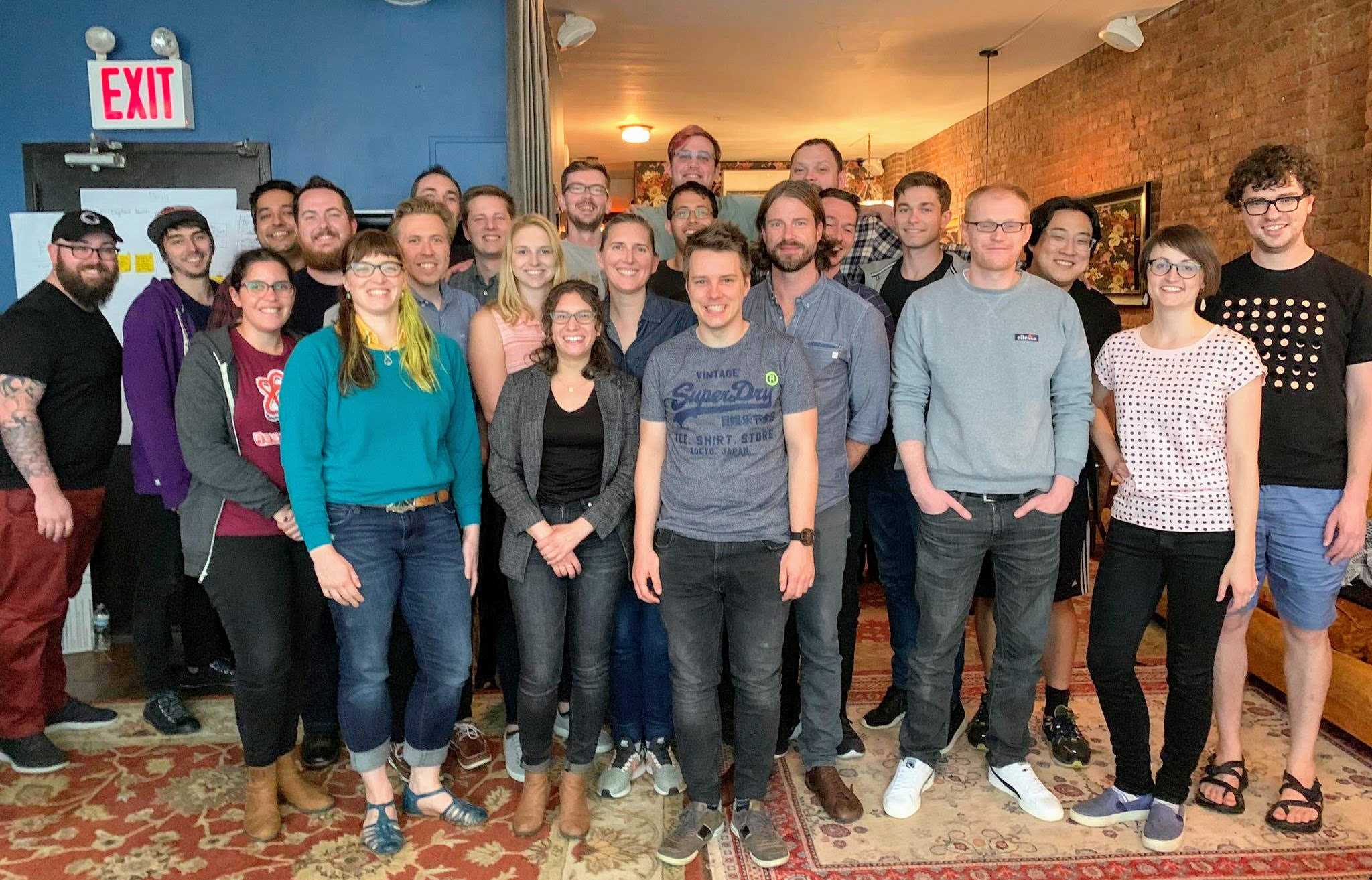
gatsby team

“We’ve spent four years building Gatsby to be the most comprehensive platform for building a modern website,” writes Gatsby founder and CEO Kyle Matthews. “What would take companies months or even years to implement with a cutting edge web stack is trivial to start with, build with, and deploy on Gatsby.”

Gatsby itself is based on the GatsbyJS open source project. The company says over 2,500 people have contributed since that project started. Matthews says Gatsby (the company) is now contributing about $3 million per year to open source projects that include the core Gatsby tools and the plugin ecosystem around it.

Like similar open source projects, Gatsby monetizes its tools by offering a hosted service that helps teams of developers stand up a new site quickly, with prices starting at $50/month for one site.

Screen Shot 2019 09 26 at 9.39.40 AM


26 Sep 2019

Israeli VC Pico Venture Partners closes on $80M

Pico Venture Partners, an early-stage investment firm headquartered in Jerusalem, has raised $80 million for its second flagship fund following a $35 million debut effort.

The four-year-old firm is not industry specific; rather, the outfit seeks “values-based, execution-driven Israeli entrepreneurs who leverage technology to modernize processes and unlock greater efficiency in the marketplace.” In other words, Pico is an opportunistic firm, looking for local founders with potential to bring big returns.

Pico has previously invested in Vroom, an online used-car marketplace that’s raised nearly $500 million in funding. Other portfolio companies include cloud automation business Spotinst, AI-enabled career development tool Gloat and business management tool Arbox.

Led by co-founding partners Elie Wurtman — a former general partner at Benchmark Capital Israel — Todd Kesselman and Gina LaVersa — former investment bankers — Pico operates offices in Tel Aviv and New York, in addition to Jerusalem.

“At PICO, we put an emphasis on impact,” Wurtman said in a statement provided to TechCrunch. “With this fund, we’re looking to partner with Israeli founders who want to use new technologies to make an impact on industries that need to be looked at from a refreshed perspective. While we’re looking for early-stage companies with significant growth potential, we also want to ensure we’re investing in entrepreneurs who have a clear vision about how they can make a real impact on markets, people and society.”

26 Sep 2019

Uber Incubator launches to develop new products and services

Uber today announced Uber Incubator, an initiative open to both Uber employees and those outside the Uber organization to develop products and services on top of Uber’s platform.

“Our process follows lean startup methodologies,” Uber wrote in a blog post. “We provide support and resources to teams with a compelling opportunity, so they can rapidly pressure test the business model and iterate their idea towards product-market fit. Once the business is proven sustainable, it receives funding consistent with disciplined business-building best practices to scale to the next stage and merge into the overall Uber platform.”

The idea for Transit, for example, came out of the Uber Incubator, the company said, and there’s already another project underway called New Mobility Robotics. That includes sensing and robotics for light electric vehicles, like bikes and scooters, on Uber’s platform. Details are scarce, but Uber has previously talked about exploring autonomous bikes and scooters that would be able to drive themselves to charging areas or other locations.

At an event today in San Francisco, Uber also showed off its swappable batteries for JUMP bikes, as well as kiosks, which it plans to deploy next year. The idea is for riders to be able swap out the batteries themselves.

JUMP also plans to bring these swappable batteries to its scooters. This comes shortly after Uber’s JUMP received a one-year permit to operate its shared electric scooters in San Francisco.

As part of the incubator, Uber also launched a six-month entrepreneur in residence program, open to both Uber employees and external people. Those participating in the EIR program will work closely with members from the incubator.

Meanwhile, Uber’s corporate team is working to ensure its drivers remain independent contractors. As Uber outlined last month, the company is pushing for a framework that would establish a guaranteed earnings minimum while on a trip, offer portable benefits and enable drivers to “have a collective voice.”

On a press call following the passage of gig worker protections bill AB5, Uber Chief Legal Officer Tony West said Uber is continuing to explore several legal and political options to lay the groundwork for a statewide ballot initiative in 2020. Uber and Lyft announced a $60 million joint initiative last month, and West said Uber is open to investing even more money in that committee account.

At the event today, Uber also announced the addition of a driver earnings estimate tool.

26 Sep 2019

Uber is adding the ability to text 911 in-app

Sexual assaults and other safety-related issues are unfortunately a reality in the ride-hailing business. Uber, which has been the subject of some of these allegations, just announced the ability for riders to text 911 from within the app.

During a ride, riders can access Uber’s safety toolkit to text 911 a prepopulated message of all the pertinent information, like the car license plate, where they’re going and their exact location.

“We know that in an emergency, every second counts,” Uber Senior Director of Product Management Sachin Kansal said at an Uber event today. “The combination of being able to text 911 through the app and being able to send the exact location through the Uber app is an absolute game changer, and law enforcement professionals tell us that this can potentially save lives.”

This comes shortly after the Washington Post reported how Uber’s investigations team works to limit the company’s liability. Between 2014-2018, CNN found 103 Uber drivers who had been accused of sexual assault or abuse of passengers.

Uber first added 911 assistance to its app in May 2018 in partnership with RapidSOS. Uber will launch this 911 text feature next month in Los Angeles in partnership with local law enforcement. Down the road, Uber hopes to launch the feature in additional markets throughout the U.S.

26 Sep 2019

My Galaxy Fold display is damaged after a day

Samsung’s new rebooted Galaxy arrives this week with one job: it just needs to not break. I’d already spent thousands of words breaking down the ins and outs of the product the first time around. This round, on the other hand, was more about making sure everything worked.

Back in April, I was among the reviewers whose device worked perfectly well. I toted the original Fold around the Bay Area without a problem, much to the amusement of curious co-workers. Samsung collected the devices soon after, as it went back to the drawing board due to issues with other units, but mine remained fully in tact.

This time out, however, I wasn’t so lucky. I pulled the Fold from my pocket while standing in line at CVS after work the other day. I opened it up and spotted something new nestled between the lock screen’s flapping butterfly wings. There was a brightly colored, amorphous blob. You can see it there in the photo at the top of the story (as well as a zoomed-in version below). It’s not huge. It’s maybe just under a centimeter across — and it’s a bit tricky to photograph.

close fold

In the grand scheme of first-gen foldable display problems, this isn’t a huge one, judging by photos from those who’ve had issues with the first model. In that case, devices were sent back with an entire side blacked out (in many cases the result of peeling back a laminate that resembled the protective layer devices ship with). Still, it’s not a great look after about 27 hours with the device, considering that it wasn’t dropped on concrete, dunked in water or stepped on. And the placement smack dab in the center dampens the effect of a 7.3-inch screen.

If I had to guess, I’d say it was pressing the display to close the device that did it. Samsung has since collected the device and will be taking it apart (likely in Korea) to find out what went wrong. We’ll update accordingly.

We can’t say the company didn’t warn us. As I noted the other day, Samsung issued a video prior to launch, advising users to “Just use a light touch,” B/W the footnote, “Do not apply excessive pressure to it.” The Fold itself came with ample paperwork warning against:

  • Excessive pressure
  • Placing objects like keys on the screen before folding
  • Exposing the Fold to water or dust
  • Adding your own screen protector to the existing screen protector
  • Keeping the device next to easily deactivated objects like credit cards and implanted medical devices

There was nothing inside the device while folded. I didn’t get it wet or feed it after midnight, and there’s no visible damage to the laminate layer, so I can’t really say definitively what happened here. And while the screen is certainly still usable, I think I’d probably be…irked if I had just paid $2,000 for a handset and had to deal with a large, rainbow colored blob in the exact center of the screen.

Part of the white-glove service Samsung is rolling out here is a $149 screen replacement. We got a comment from Samsung on the matter, and it sounds like this particular issue might fall within normal use that wouldn’t require an additional fee. Here’s what the company has to say on the matter:

We have seen an enthusiastic response to the launch of the Galaxy Fold in several markets over the past few weeks, with thousands of consumers enjoying the unique experience it offers.

The Galaxy Fold is a first-of-its-kind device, made with new materials and technologies that allow it to open and close just like a book.

We encourage Galaxy Fold owners to read the care instructions included in the box and in the product manual available online. Products used within these guidelines are covered under warranty. If they have any questions, Galaxy Fold owners can consult with Samsung product specialists through the Galaxy Fold Premier Service any time, any day.

The “products used within these guidelines are covered under warranty” appears to be the pertinent bit here.

It’s hard to say how widespread these issues are. When the device officially goes on sale in North America on Friday, there will be significantly more of these in the wild, at which point we’ll know more definitively whether this was a very specific anomaly.

Anyone who reviews products for a living knows that these things can happen. I’ve had review headphones that sounded like electrified tin cans, only to swap them with the company for the real deal. Manufacturing defects can occur with review units and commercial products, alike. Generally, such things aren’t cause for concern (and manufacturing issues are usually covered by warranties), but in this case it’s certainly worth highlighting, given the first-gen product’s history with display issues.

We’ll certainly let you know how this shakes out and whether whatever conclusion Samsung ultimately reaches would fall under the warranty of the Fold’s fine print or whether users might want to budget an additional $149, just in case.

26 Sep 2019

App Annie acquires analytics firm Libring, bringing ad tech-related insights to its platform

App Annie, a go-to source for mobile app market data and analytics, is expanding its platform with the acquisition of mobile analytics provider Libring. The deal will allow App Annie to present its mobile app market data side by side with advertising analytics data, in order to paint a more complete picture of an app’s performance and revenue.

Already, App Annie customers leverage its platform to track key metrics related to their app’s growth and usage, like downloads, active users, retention numbers, demographics, rankings, reviews, competitive analysis, and more. But the company said it heard from publishers and brands how it’s still difficult to analyze their user acquisition efforts, including their ad spend and related costs.
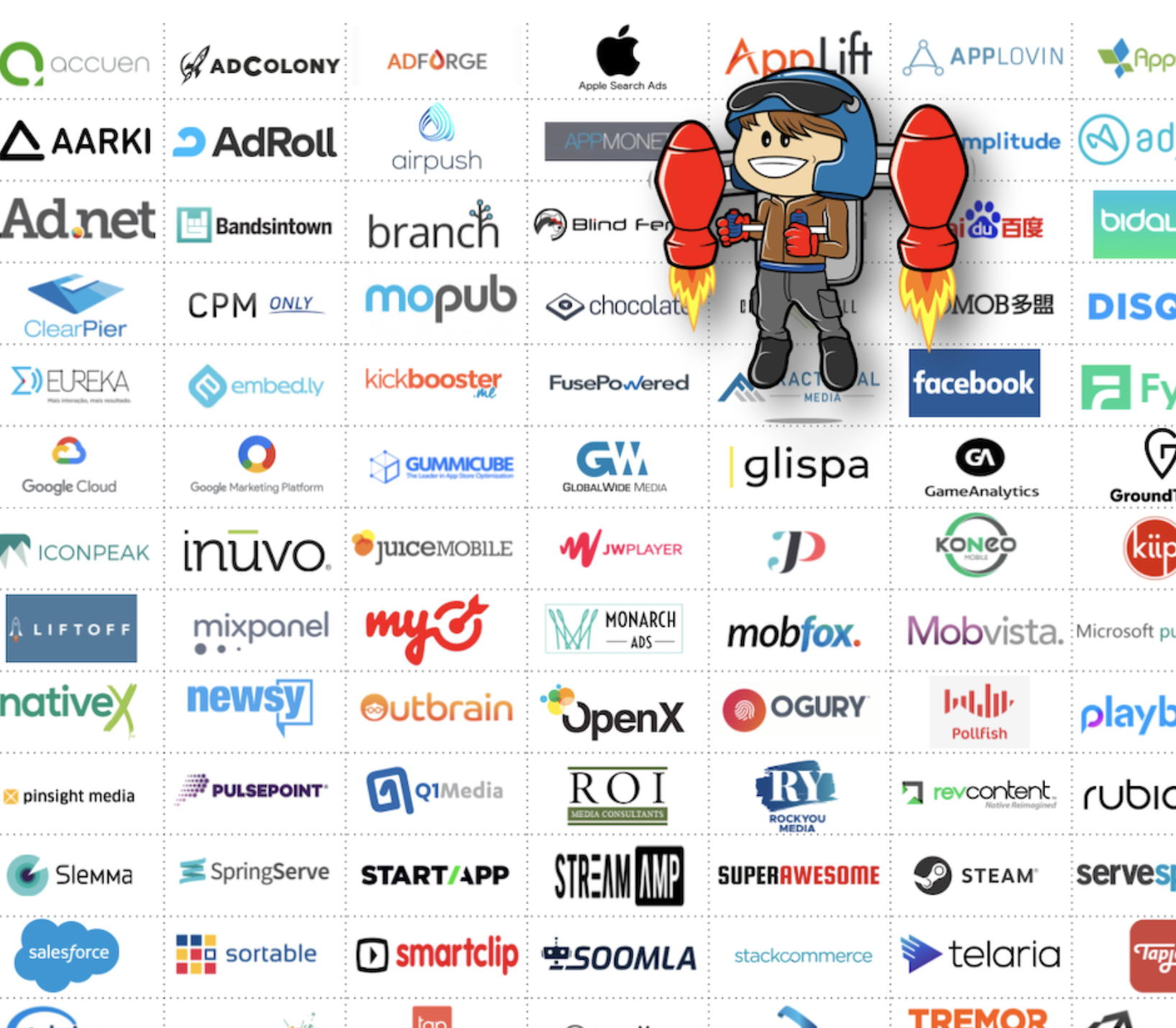
Screen Shot 2019 09 26 at 12.42.07 PMWith the addition of Libring, App Annie is integrating ad tech insights into its platform.

This includes the ability to combine the ad spend and monetization insights from over 325 data sources including Supply Side Platforms (SSPs), Demand Side Platforms (DSPs), app stores, and analytics platforms.

This data is then presented in a single dashboard so it’s easier to understand critical metrics — like the customer acquisition cost, the lifetime value, the return on ad spend, and the return on investment.

It’s ideal for larger organizations who have outgrown the spreadsheet, as it’s been sort of the App Annie of revenue aggregation, so to speak.

“The most successful companies find a way to capitalize on mobile, yet they have been struggling to maximize its value to their business,” explained App Annie CEO Ted Krantz, in a statement about the acquisition. “Today, this requires custom work to stitch together multiple point solutions, spreadsheets, business intelligence teams, agencies, and consultants. We are committed to solving this by applying data science and machine learning to automate these composite metrics for brands and publishers,” he said.

The deal comes at a time when mobile ad spend is continuing to grow rapidly — it’s expected to double to $375 billion globally by 2022, the company noted. It’s now a massive part of the overall app industry, at triple the amount of consumer spending on the app stores.

As a result of the deal, Libring’s 30-plus employees are joining App Annie.

In the near-term, Libring’s current customers will continue to use its product as they do today.

But App Annie tells us there’s only some overlap between the two companies’ respective customer bases. For now, App Annie will work with its customers who want to purchase the new analytics service and find out what sort of enhancements they are looking for in an analytics solution. Libring’s customers can also choose to buy App Annie’s analytics, if they choose.

Later, App Annie will migrate the Libring backend to the same infrastructure provider the rest of App Annie uses, and will then integrate the front-end so customers can log in and visualize the new analytics and other market data together. More information about how this will all work will be shared when those tools are closer to being available, which is still several months from now.

Going forward, App Annie says its data science team will also offer predictive and prescriptive insights based on the new data.

According to Libring’s website, its customers included SEGA, Slickdeals, Reddit, Jam City, Wooga, EA, Zynga, Next Games, Meet Me, GameInsight, Deviant Art, Webedia, Ubisoft, theChive, saambaa, badoo, textnow, and others.

App Annie declined to disclose the deal terms.

Related to the changes and expansion, App Annie also today introduced a new brand which features a gem logomark. The gem is meant to be a tribute to mobile gaming and the idea of “leveling up” while also a reflection of the value of actionable data, the company says.

AppAnnie Rebrand Logo Lockups DARKBLUE 1

The acquisition comes on the heels of several notable milestones for App Annie, including the launch of a product development testing ground, App Annie Labs; plus the addition of mobile web analytics in March — the same time when App Annie passed $100 million in annual recurring revenue.

The company is soliciting feedback about its plans for Libring and will post updates about the project on App Annie Labs, it says.


26 Sep 2019

The future of Uber is promoting Eats

Uber’s best bet is to use its ubiquity and product breadth to beat rivals in ride hailing, scooters, and food delivery. It’s the only US company doing all three, but competition threatens to eat away at its margins on each. But if it can become your one-stop-shop for getting yourself or a meal from point A to point B, it might be able to salvage its share price and survive until self-driving cars change its economics.

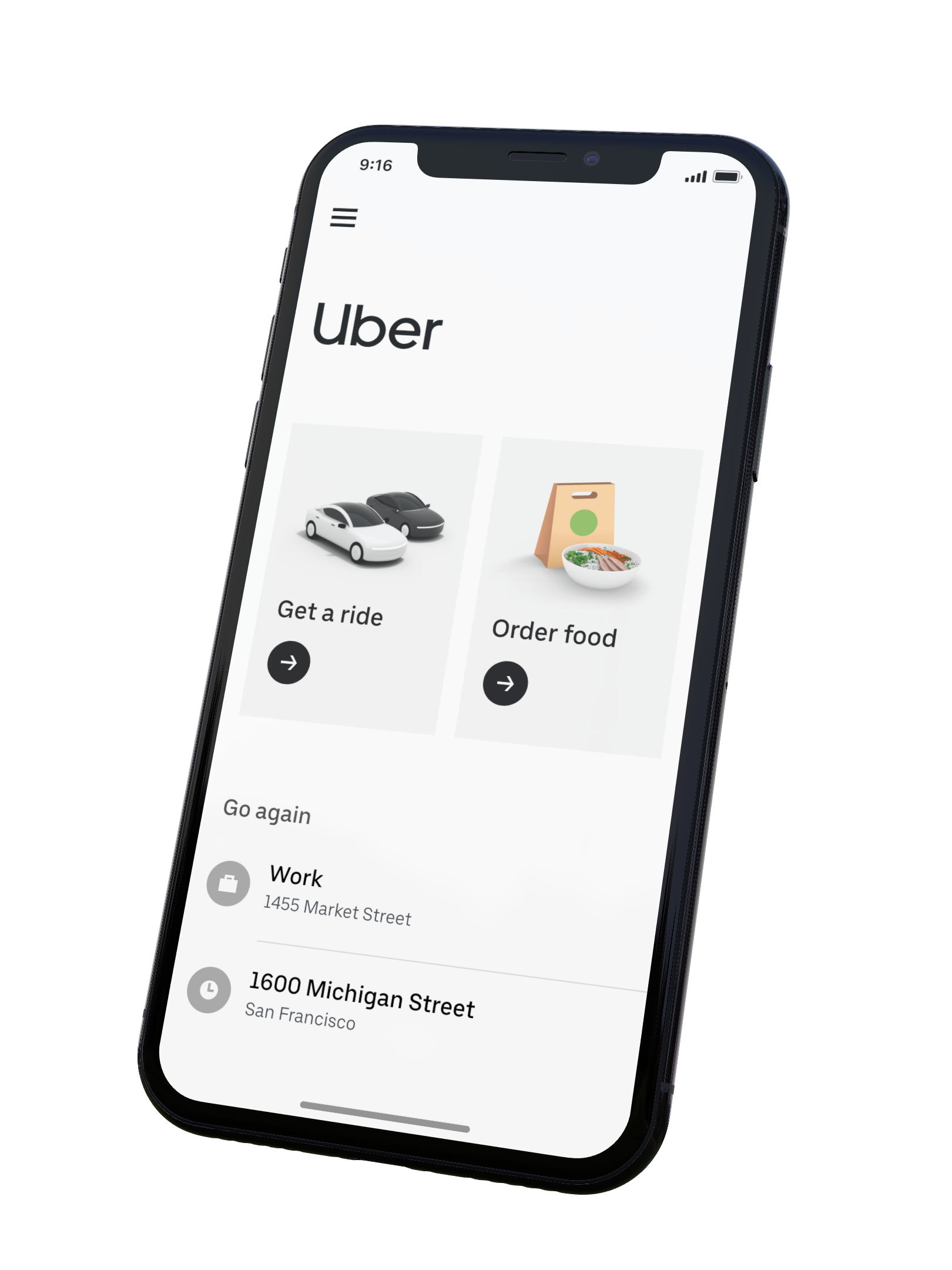
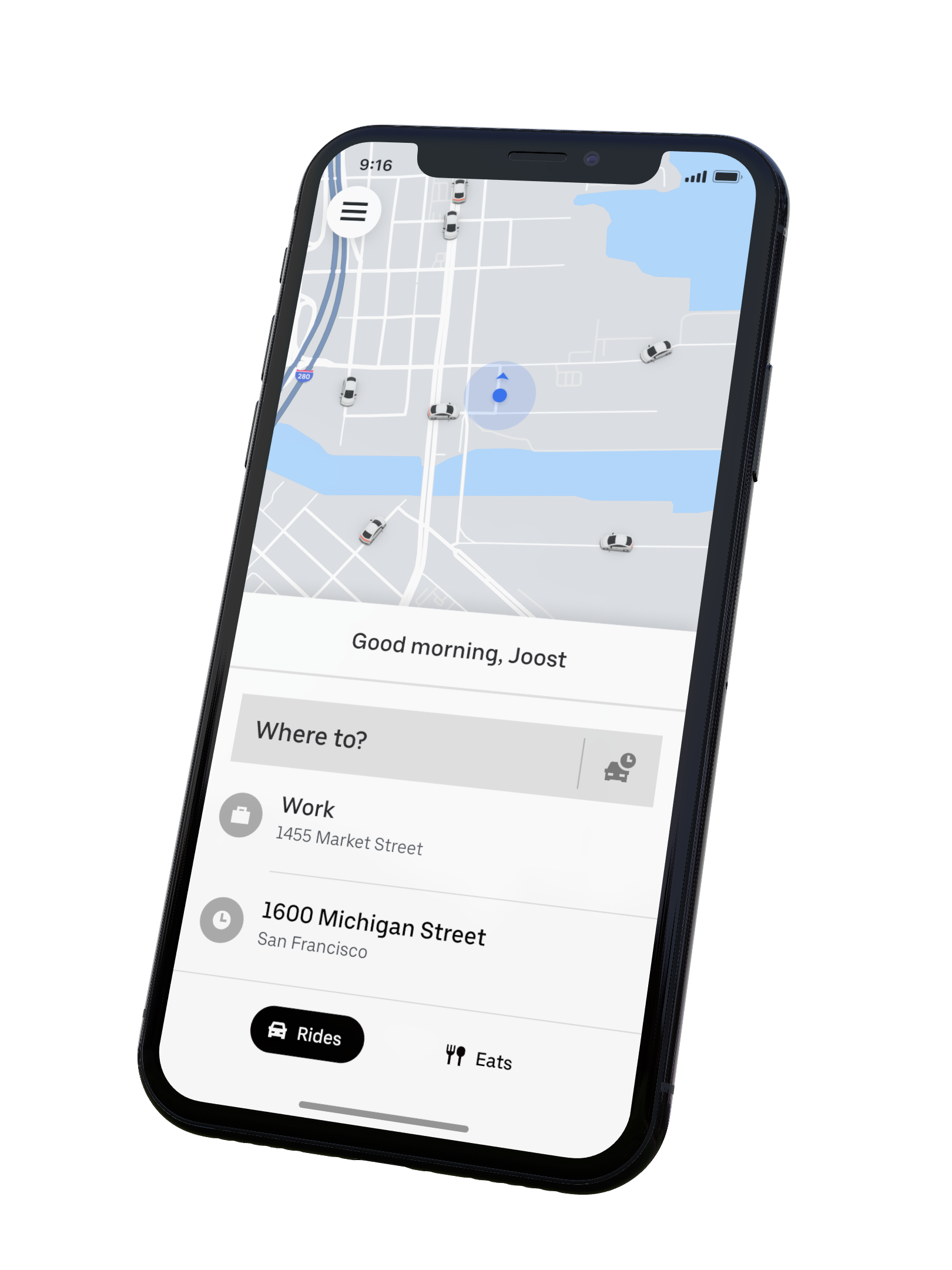
So today at Uber’s own launch event it unveiled two visions for the future of Uber’s home screen. One test adds a prominent Uber Eats button to the bottom of the screen, and it’s already reaching some users in US, Canada, Europe, and Australian cities. An even more aggressive version replaces the hallmark map with two big buttons in the screen’s center: one for ride hailing, one for Uber Eats. Clearly it’s imperative to Uber to can get more of its nearly 100 million users Eating. This version is now testing in 9 markets.

Uber App V2

Uber’s new V2 test that highlights Uber Eats that’s now running in 9 markets

“We want to be the operating system for your every day life” says CEO Dara Khosrowshahi. “A one-click gateway to everything that Uber can offer you.”

Additional launches announced today include:

-The expansion of its rider loyalty Rewards program to its first international markets starting with Brazil and Mexico

-Flexibility in how your Rewards are applied so instead of always getting $5 in Uber cash, you could get 25% off your next UberX or 10% off your next Uber Eats

-Allergy-friendly filters in Uber Eats search and easy ways to communicate allergies and dietary restrictions to restaurants

-To reduce waste, Uber Eats will now default to not including utensils and straws unless you request them

-A partnership with Feeding America will allow restaurants that use Uber Eats to easily donate excess food, and see Uber Freight moving food donations between the non-profit’s 200 food banks and 60,000 pantries

-Uber Copter will be available for all New York City users offering 8 minute rides to JFK airport

Uber App V1 1

Uber’s V1 test makes Uber Eats slightly more prominent with a tab button at the bottom

26 Sep 2019

The time is right for Apple to buy Sonos

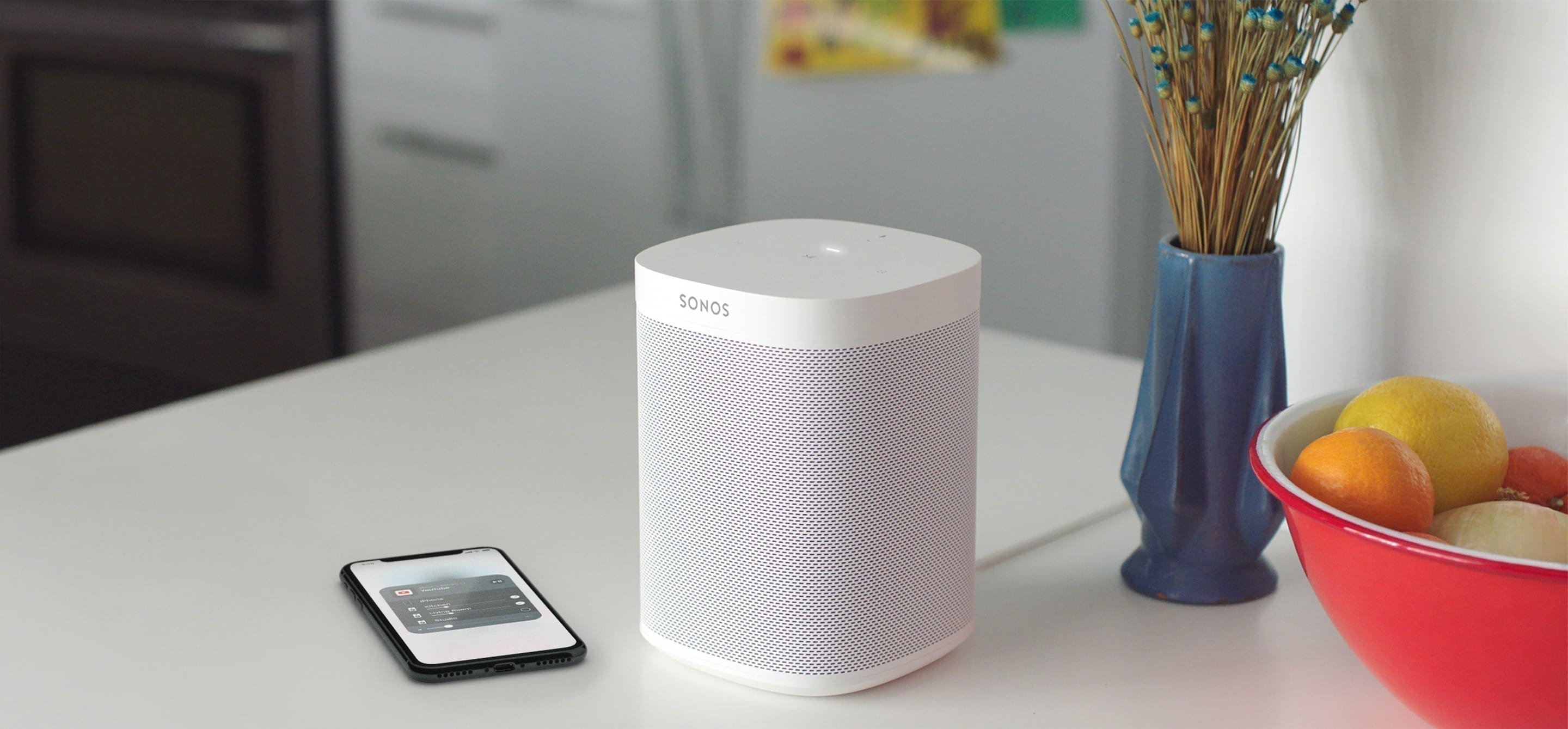
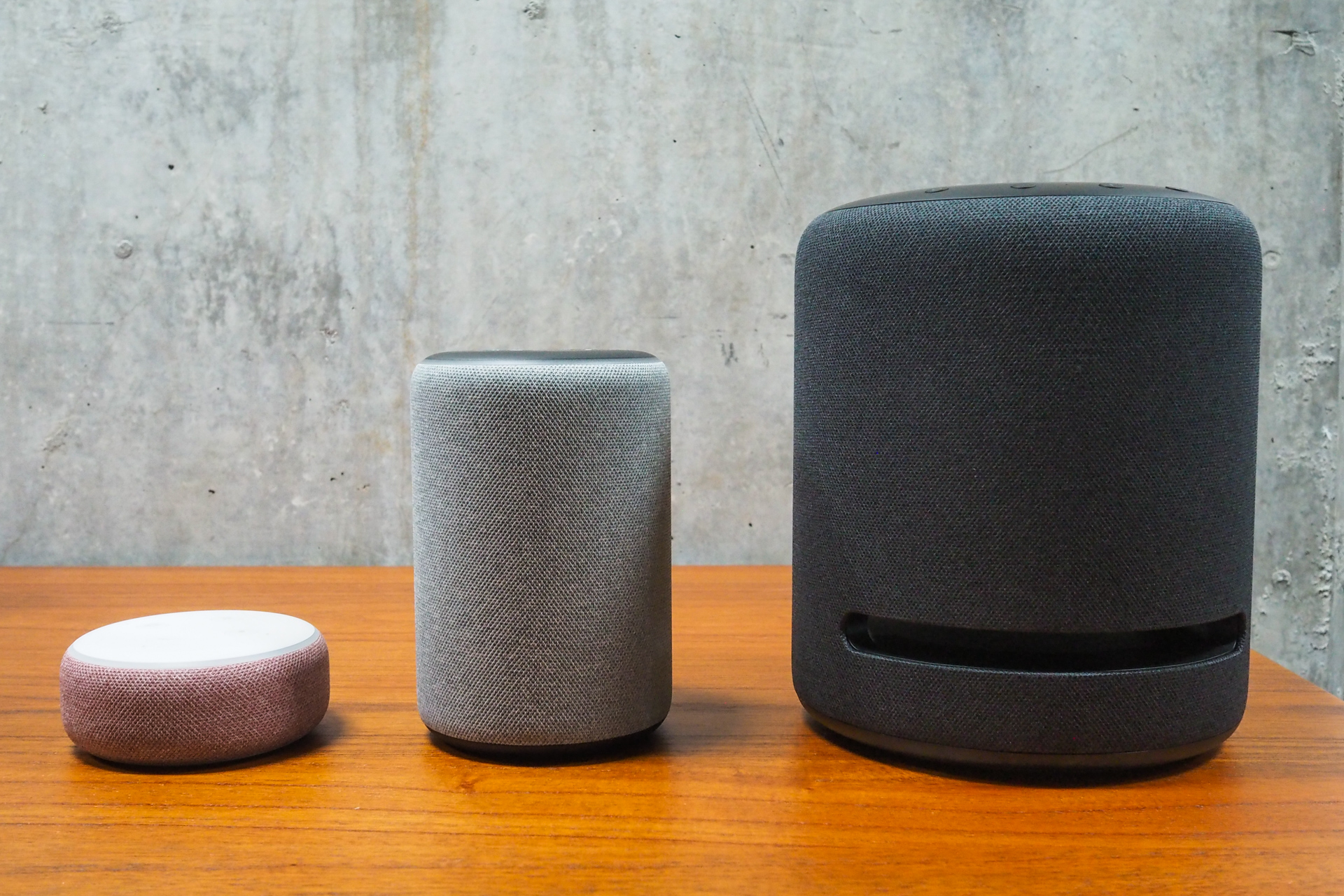
It’s been a busy couple of months for smart speakers – Amazon released a bunch just this week, including updated versions of its existing Echo hardware and a new Echo Studio with premium sound. Sonos also introduced its first portable speaker with Bluetooth support, the Sonos Move, and in August launched its collaboration collection with Ikea. Meanwhile, Apple didn’t say anything about the HomePod at its latest big product event – an omission that makes it all the more obvious the smart move would be for Apple to acquire someone who knows what they’re doing in this category: Sonos.

Highly aligned

From an outsider perspective, it’s hard to find two companies who seem more philosophically aligned than Sonos and Apple when it comes to product design and business model. Both are clearly focused on delivering premium hardware (at a price point that’s generally at the higher end of the mass market) and both use services to augment and complement the appeal of their hardware, even if Apple’s been shifting that mix a bit with a fast-growing services business.

Sonos, like Apple, clearly has a strong focus and deep investment in industrial design, and puts a lot of effort into truly distinctive product look and feel that stands out from the crowd and is instantly identifiable once you know what to look for. Even the company’s preference for a mostly black and white palette feels distinctly Apple – at least Apple leading up to the prior renaissance of multicolour palettes for some of its more popular devices, including the iPhone.

airplay2 headerThen from a technical perspective, Apple and Sonos seem keen to work together – and the results of their collaboration has been great for consumers who use both ecosystems. AirPlay 2 support is effectively standard on all modern Sonos hardware, and really Sonos is essentially the default choice already for anyone looking to do AirPlay 2-based multiform audio, thanks to the wide range of options available in different form factors and at different price points. Sonos and Apple also offer an Apple Music integration for Sonos’ controller app, and now you can use voice control via Alexa to play Apple Music, too.

Competitive moves

The main issue that an Apple-owned Sonos hasn’t made much sense before now, at least from Sonos’ perspective, is that the speaker maker has reaped the benefits of being a platform that plays nice with all the major streaming service providers and virtual assistants. Recent Sonos speakers offer both Amazon Alexa and Google Assistant support, for instance, and Sonos’ software has connections with virtually every major music and audio streaming service available.

What’s changed, especially in light of Amazon’s slew of announcements this week, is that competitors like Amazon are looking more like they want to own more of the business that currently falls within Sonos’ domain. Amazon’s Echo Studio is a new premium speaker that directly competes with Sonos in a way that previous Echos really haven’t, and the company has consistently been releasing better-sounding versions of its other, more affordable Echos. It’s also been rolling out more feature-rich multi-room audio features, including wireless surround support for home theater use – all things squarely in the Sonos wheelhouse.

alexa echo amazon 9250064

For now, Sonos and Amazon seem to be comfortably in ‘frenemy’ territory, but increasingly, it doesn’t seem like Amazon is content to leave them their higher-end market segment when it comes to the speaker hardware category. Amazon still probably will do whatever it can to maximize use of Alexa, on both its own and third-party devices, but it also seems to be intent on strengthening and expanding its own first-party device lineup, with speakers as low-hanging fruit.

Other competitors, including Google and Apple, don’t seem to have had as much success with their products that line up as direct competitors to Sonos, but the speaker-maker also faces perennial challenges from hi-fi and audio industry stalwarts, and also seems likely to go up against newer device makers with audio ambitions and clear cost advantages like Anker, too.

Missing ingredients/work to be done

Of course, there are some big challenges and potential red flags that stand in the way of Apple ever buying Sonos, or of that resulting union working out well for consumers. Sonos works so well because it’s service-agnostic, for instance, and they key to its success with recent products seems to also be integration with the smart home assistants that people seem to actually want to use most – namely Alexa and Google Assistant.

Under Apple ownership, it’s highly possible that Apple Music would at least get preferential treatment, if not become the lone streaming service on offer. It’s probable that Siri would replace Alexa and Assistant as the only virtual voice service available, and almost unthinkable that Apple would continue to support competing services if it did make this buy.

That said, there’s probably significant overlap between Apple and Sonos customers already, and as long as there was some service flexibility (in the same way there is for streaming competitors on iOS devices, including Spotify) then being locked into Siri probably wouldn’t sting as much. And it would serve to give Siri the foothold at home that the HomePod hasn’t managed to provide. Apple would also be better incentivized to work on improving Siri’s performance as a general home-based assistant, which would ultimately be good for Apple ecosystem customers.

Another smart adjacency

Apple’s bigger acquisitions are few and for between, but the ones it does make are typically obviously adjacent to its core business. A Sonos acquisition has a pretty strong precedent in the Beats purchase Apple made in 2014, albeit without the strong motivator of providing the underlying product and relationship basis for launching a streaming service.

What Sonos is, however, is an inversion of the historical Apple model of using great services to sell hardware. The Sonos ecosystem is a great, easy to use, premium-feel means of making the most of Apple’s music and video streaming services (and brand new games subscription offering), all of which are more important than ever to the company as it diversifies from its monolithic iPhone business.

I’m hardly the first to suggest an Apple-Sonos deal makes sense: J.P. Morgan analyst Samik Chatterjee suggested it earlier this year, in fact. From my perspective, however, the timing has never been better for this acquisition to take place, and the motivations never stronger for either party involved.

Disclosure: I worked briefly for Apple in its communications department in 2015-2016, but the above analysis is based entirely on publicly available information, and I hold no stock in either company.

26 Sep 2019

Kobalt’s edge in changing the music industry

Kobalt Music Group is driving the music industry to provide more transparency and faster royalty payments to musicians and challenging the traditional record labels and publishers with its own alternative service offerings that don’t take ownership of copyrights. Competition and market size are headwinds in its future growth, however, and the incumbents are thriving not dying. As I’ll outline in this final post of the Kobalt EC-1, its competitive edge rests in its administrative infrastructure and services for songwriters built on top of it.

This is Part IV of the Kobalt Music Group EC-1. Catch up on the prior posts in the series: Part I (founding story and overview), Part II (an operating system for the music industry), and Part III (music’s middle class and DIY stars).

Kobalt’s alternative to a record label, AWAL, is targeting a small but growing “middle class” of recording artists earning tens of thousands of dollars per year in royalties. But as I outlined in my last article, this business is sandwiched between the countless artists who make very little money, and the global superstars who are all owned by the big three labels. Revenue growth may be slow.

Kobalt’s publishing division, Kobalt Music Publishing, is in a stronger competitive position by comparison. Unlike recording artists, songwriters aren’t concerned with building fan followings and marketing themselves to consumers. Since the high end of the earning spectrum is lower for songwriters and the dynamics of fame on social media aren’t relevant to their careers, professional songwriters can be categorized in just the two camps of middle class and stars.

In each case, their core needs are:

  1. Administration of their royalties
  2. Matchmaking to find the right co-writers and to find the right recording artist to actually record (or “cut”) their song
  3. Pitching their songs for use in films, commercials, games, etc. (called sync licensing).

Here’s a closer look at this market opportunity — perhaps one of the most interesting areas of growth in the music industry today.

Songwriting’s middle class

GettyImages 680618218

Image via Getty Images / NoSystem images

26 Sep 2019

The Google Assistant can now control your Xbox One

It wasn’t so long ago that Microsoft was betting heavily on its Cortana digital assistant. That’s a bet that didn’t pay off. But since this is the new Microsoft, the company is instead betting on integrating its products with those services that its users do actually use and today, the company announced that you will now be able to control your Xbox One from the Google Assistant. For now, this feature is in beta, but you can expect a full launch later this fall.

To be clear, this doesn’t mean the Google Assistant is now available on your Xbox One and you can’t ask it for the weather. What it does mean is that you’ll be able to ask the Assistant to launch games on the Xbox, pause them, turn up the volume, etc. (Hey Google, turn off Xbox.”).

You can find a full list of supported commands here.

a9nfhgsxpxo31

This will work with virtually every Assistant-enabled device, including your iOS and Android phones. To get started, you set up the Xbox like any other third-party Assistant device in the Google Home app on Android or iOS — and that’s essentially what the Xbox One then becomes in the Assistant ecosystem: just another device you can control with it.

It’s worth noting that Microsoft, which has basically given up on Cortana for the consumer market, is also working with Amazon to bring Alexa to your PC. Microsoft doesn’t really care what you use to control your Microsoft devices, as long as you use a Microsoft or Windows 10 device. Now it’s probably just a matter of time before you can control your PC with the Assistant — or even get full Assistant support in Windows 10.