This month marked the 10th annual VidCon, a digital content conference in Anaheim. VidCon is catered toward online creators, their fans and the brand marketers & entertainment companies that want to leverage their influence. The conference drew 75,000+ attendees last year (we’d guess it was even bigger this year!) with teens and tweens flying in from around the globe to meet their favorite online stars.
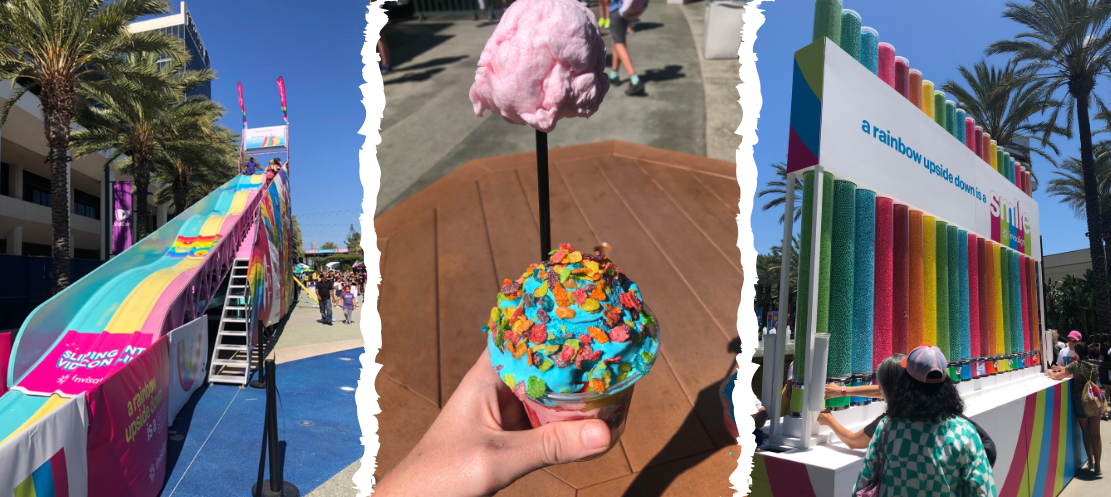
This was our second year at VidCon (read our recap of VidCon 2018 here). We’ve found there’s nothing quite like it if you want to understand teen culture, influencer marketing, and the future of social platforms, and are excited to share five of our key takeaways from the event. We’d love to hear from you about anything we missed — and subscribe to our weekly newsletter for more millennial and Gen Z insights.
TL;DR — here were our five main takeaways!
- TikTok is blowing up among Gen Z, and features much more diverse and “real” creators than other platforms. Brand marketers are still figuring out their place in the TikTok ecosystem, but some early adopters (like Chipotle) have had extremely strong results.
- Top creators are now talking openly about mental health, and how exhausting it is to constantly churn out unique and high-quality content. They’re encouraging new creators to seek more “stable” platforms (less algorithm-dependent) and try not to measure their self-worth in metrics.
- Creators are increasingly careful about brand partnerships, and many are choosing to launch their own products. Many creators have business managers to handle production, or can do it online reasonably easily. If done right, this yields higher revenue and a warmer reception from fans.
- Five years ago, digital creators aspired to be celebrities. Now celebrities aspire to be digital creators. Actors and athletes may soon be more famous among Gen Z for their digital work than for their “real jobs.”
- With new tech that democratizes content creation, everyone wants to be an influencer. VidCon has shifted from a pure fan event towards more of a strategic business conference, with aspiring influencers seeking tactical tips and new connections to grow their careers.
TikTok and a New Wave of “Authentic” Creators
Short-form video app TikTok, which hosts 15-second clips, was undoubtedly the star of VidCon — almost every TikTok panel was standing room only. Since launching in 2016, the app has grown to 500M monthly active users globally, far surpassing its predecessor, Musical.ly (which maxed out at 100M).
In contrast to perfectly curated Instagram feeds, the content on TikTok can be best described as “weird.” Videos are intended to induce a quick laugh or smile, often via comedy skits, dances, or odd skills that come in handy in TikTok’s “challenges.” At events like VidCon, where YouTubers travel with security and interact with fans through paid meet-and-greets, high-profile TikTokers are more accessible. They are also more diverse in apperance — many TikTokers look more like Billie Eilish than an Instagram model.
TikTok differentiates itself through a focus on authenticity — one of the company’s promo videos boldly claimed they want activists, not influencers. While YouTubers spend dozens of hours filming and editing, TikTokers say their work is more spontaneous. According to Chris Kerr of dance duo OurFire, “TikTok is all about living in the moment. Since it’s only 15 seconds, you just do it and put it up right away.” TikToker Andrea Okeke (“dreaknowsbest”) likes TikTok because she “doesn’t feel the need to fit in a box like I do on other platforms. I can just be Drea and they love me like that.” She purposefully keeps flaws in her TikTok videos for fans to find and share.
“People don’t realize the incredible diversity of the platform — all races, ages, careers. Firefighters, grandmas, nurses, 12 year olds. We see a lot of people who don’t have voices on other platforms.” — Vanessa Pappas, TikTok GM
The authenticity of TikTok also appeals to many brands trying to reach Gen Z. Chipotle senior digital manager Candice Beck said that when the company decided to incorporate more “relatable” content into their marketing strategy, they partnered with influencer David Dobrik on a TikTok #LidFlipChallenge that amassed 200M+ views. Chipotle had its top digital sales day ever after creating a “Dobrik” burrito. Other brands to check out on TikTok? Jimmy Fallon, the NBA, and the Washington Post.
Reaching a Breaking Point on Mental Health
The floodgates have opened for creators to talk about burnout and their struggles with mental health. In a panel on this topic, five creators swapped stories about having mental breakdowns after making it big on YouTube. Gabbie Hanna spoke about having panic attacks between takes of her videos, and collapsing in tears when she thought she wouldn’t meet her regular Wednesday upload timeline. Elle Mills said a frenetic schedule of constant tours and videos caused a “very public mental breakdown” less than a year after her ascent to stardom.
“It was hard for me because I felt like no one was going to watch, that everything I worked for was going to be taken away from me. That’s why a lot of YouTubers have breakdowns, they have that mentality.” — Elle Mills
Being a YouTuber may look easy and fun, but top creators have grueling schedules. Natalie Alzate, who has nearly 8M subscribers on her channel Natalies Outlet, works 18 hours a day to produce two videos every week. She warned aspiring creators that it’s “very taxing on your body,” and said that she eventually wants YouTube to be a hobby instead of her full-time job. Mikey Murphy, who started on YouTube at age 11, said that at 21 he is “out of ideas.” He referred to the YouTube standard of weekly videos as “unhealthy,” and advised young creators to ignore analytics because “it will crush you.”
Beyond the typical mean comments, creators who speak openly about mental health also feel pressure in representing a community of fans who face the same struggles. YouTuber Natalie Wynn (ContraPoints), who makes videos about topics like gender, race, and politics, said that her most angry comments come from fellow trans people — which is “really hard” to deal with. Because YouTube’s algorithms distribute her videos far beyond her own fans, she also feels a responsibility to make content that appeals to viewers with negative views of trans people — which means she has to adopt a playful and “non-threatening” tone even when discussing serious issues.
Creators Rethink #SponCon, Build Their Own Brands
Sponsored content has long been a tricky subject for creators — when they get big enough to start signing brand deals, many are accused of “selling out” or being “inauthentic.” Fans complain that they can’t trust a creator’s product recommendations or reviews if they’re being paid by the brand, leading some creators to disguise the fact that a post is sponsored (which is illegal).
We noticed a shift this year in how creators are thinking about sponsorships — many said they no longer consider a brand’s proposal unless they are already a genuine fan of the brand and their viewers know it. Sierra Schultzzie, a fashion YouTuber with 580k subscribers, said that her fans often tagged American Eagle in her posts because she talked about their jeans so frequently. When she signed a deal with the company, her viewers celebrated the fact that the brand “finally” sponsored her.

Marketers have also had to get comfortable with giving up creative control of their campaigns. Creators know what kind of content will resonate, and don’t want to read a list of corporate talking points. Matt Nelson, the human behind WeRateDogs, did a Twitter campaign with Disney to promote the new Dumbo movie. He credits the campaign’s success to the fact that “Disney respected me as a creator enough to let me do my own posts with what I knew my audience wanted” — he “obsesses” over his analytics and knows what will perform well. He ended up getting 22k comments and nearly 70k likes on a post seeking dogs with ears like Dumbo.
Many creators are taking it a step further by launching their own brands. With new services that help anyone spin up a product line, this option is no longer limited to YouTube’s mega stars. 15-year-old Fiona Frills, who has 800k YouTube subscribers, said it was an easy decision to launch her own skincare line when she couldn’t find clean products on Sephora or Ulta for her acne. Shaun McKnight, whose wife runs the Cute Girls HairstyleYouTube channel (5.6M subscribers), said the family turned down lucrative hair brand deals for almost ten years because they eventually planned to launch their own brand.
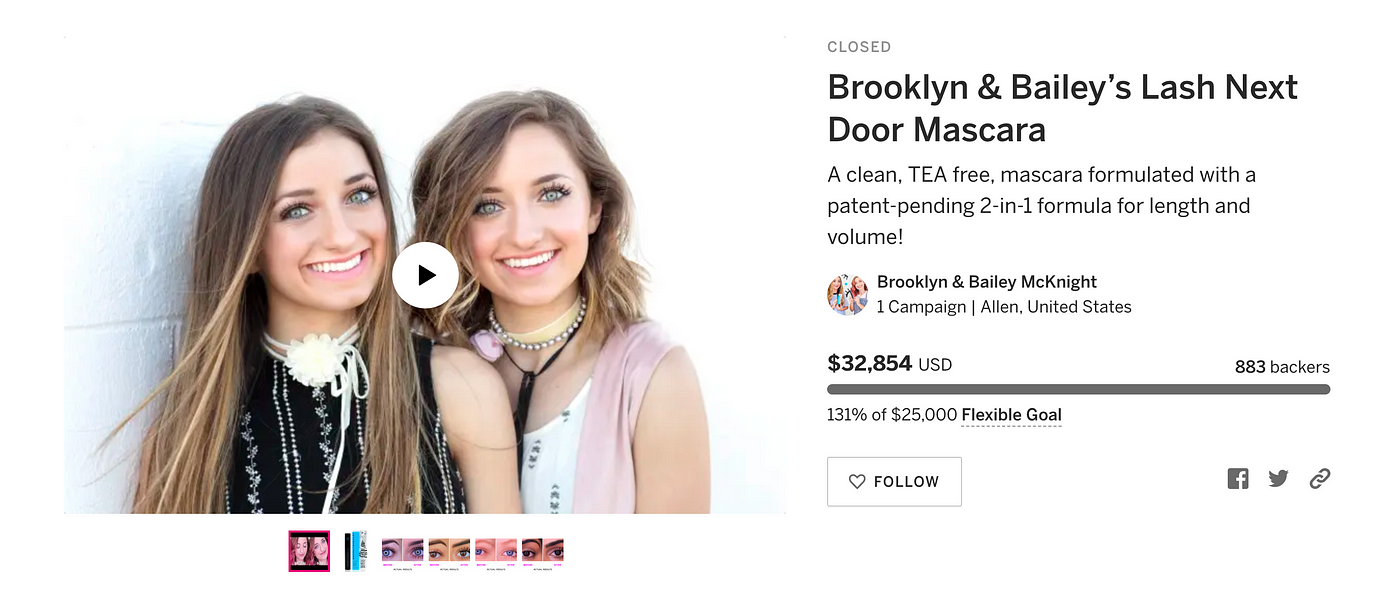
McKnight’s twin daughters Brooklyn and Bailey (6.2M subscribers) also launched their own mascara brand — which was developed in-house and partially funded on Indiegogo. They have since extended their brand to other beauty and accessory products, and have sold more than 250,000 sets of scrunchies. If an influencer can launch their own products, why would they take a partnership deal where they get a smaller cut of the revenue, have limited creative control, and get accused of “selling out”?
Celebrities Now Aspire to be Creators
Over the past five years, we’ve seen influencers replace “traditional” celebrities for Gen Z. This generation is watching significantly less linear TV than older generations and spending more time on their phones — the average Gen Zer watches 3.4 hours of online video every day. It’s not surprising that Gen Z’s biggest stars are more likely to emerge on YouTube, Instagram, or TikTok than on Disney or Nick. And we’re now seeing mainstream celebrities become digital creators to make themselves more Gen Z-friendly.
Will Smith is a perfect example of this — he created an Instagram account in late 2017 and a YouTube channel last year. He’s now a prolific poster, participating in viral teen challenges and earning the title “King of Instagram.” Professional athletes are also making use of social media to grow their younger fan base. Asani Swann, who leads Carmelo Anthony’s business strategy team, said that Anthony spends time on YouTube watching “a lot of things that kids watch.” He’s constantly asking himself, “How are the kids consuming content? He wants to figure out what the next move is.”
In Will’s Instagram post celebrating 10M followers, he noted that he avoided social media for most of his career because “in the past, to be a movie star you needed mystery and separation.”
YouTuber Kristopher London, who has nearly 3M followers across two accounts, has become famous on the platform for his basketball content. Though he’s never played professionally, he’s often more popular than NBA players at events like the NBA Summer League. He noted that it’s always strange to him when “kids are coming to take photos with me and not acknowledging the NBA players,” and he gets inbounds from the biggest names in the NBA about appearing in his videos.
From Idolizing Creators to Empowering a New Generation
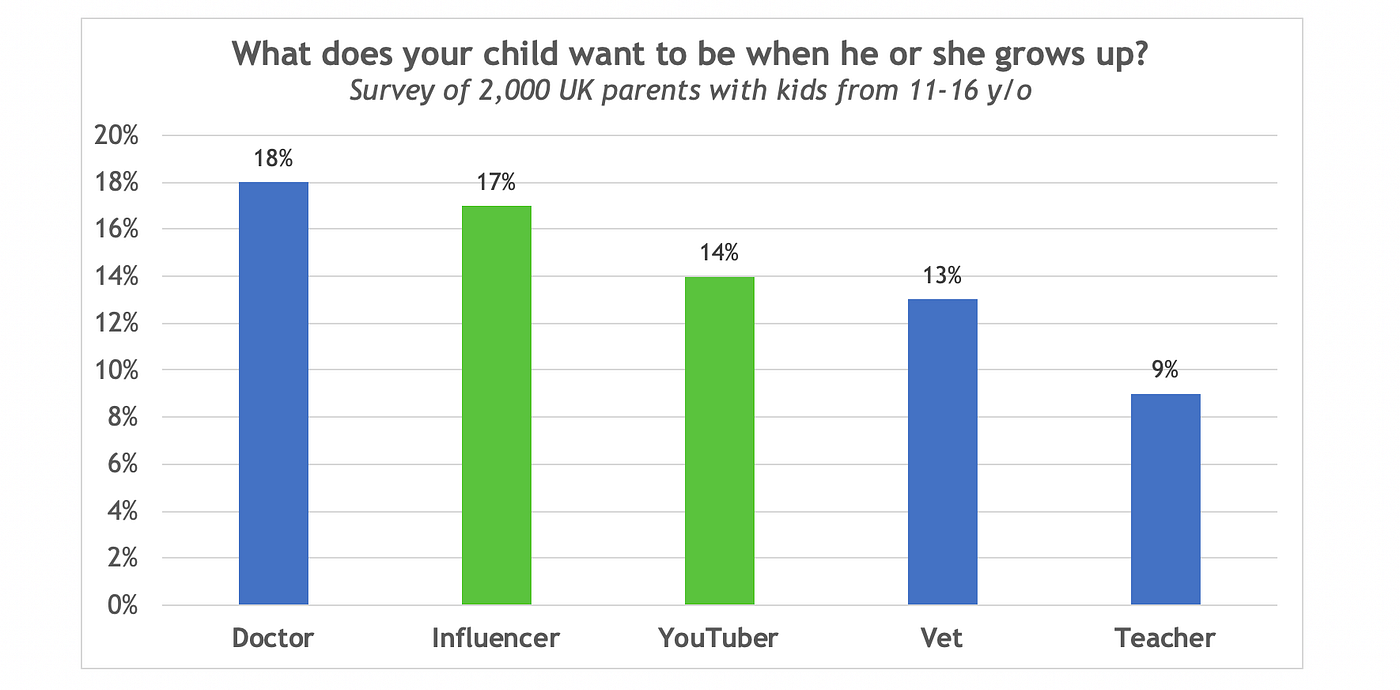
In years past, VidCon was mostly a fan fest, an opportunity for viewers to interact with their favorite creators. There’s still a lot of that behavior, but now many of these fans are aspiring creators themselves. VidCon’s young attendees seem to be increasingly focused on learning how to build a career online — one recent study found that “influencer” is now the #2 dream job for 11–16 year olds in the UK.
This shift was reflected in the setup of VidCon itself — the “creator” sessions, largely focused on practical advice for making content and building an audience, were moved to larger venues. At a creator session on live-streaming featuring model/IRL streamer Bri Teresi, attendees skipped past the typical “fan” questions and instead quizzed Bri on what tech she uses for overlays in her streams, what platform is the most friendly to new streamers, and how to avoid doxxing.
Brands have caught on to the fact that lifting up aspiring creators will increase engagement on their own content. Michelle D’Antonio, a senior manager at e-sports media platform Super League Gaming, said that encouraging young gamers has been key to growing the brand. Super League now hosts a daily show called Spawn Point that curates the best user-submitted plays: “[Kids now] are like, ‘Ninja’s great, but I want this to be about me.’ ”
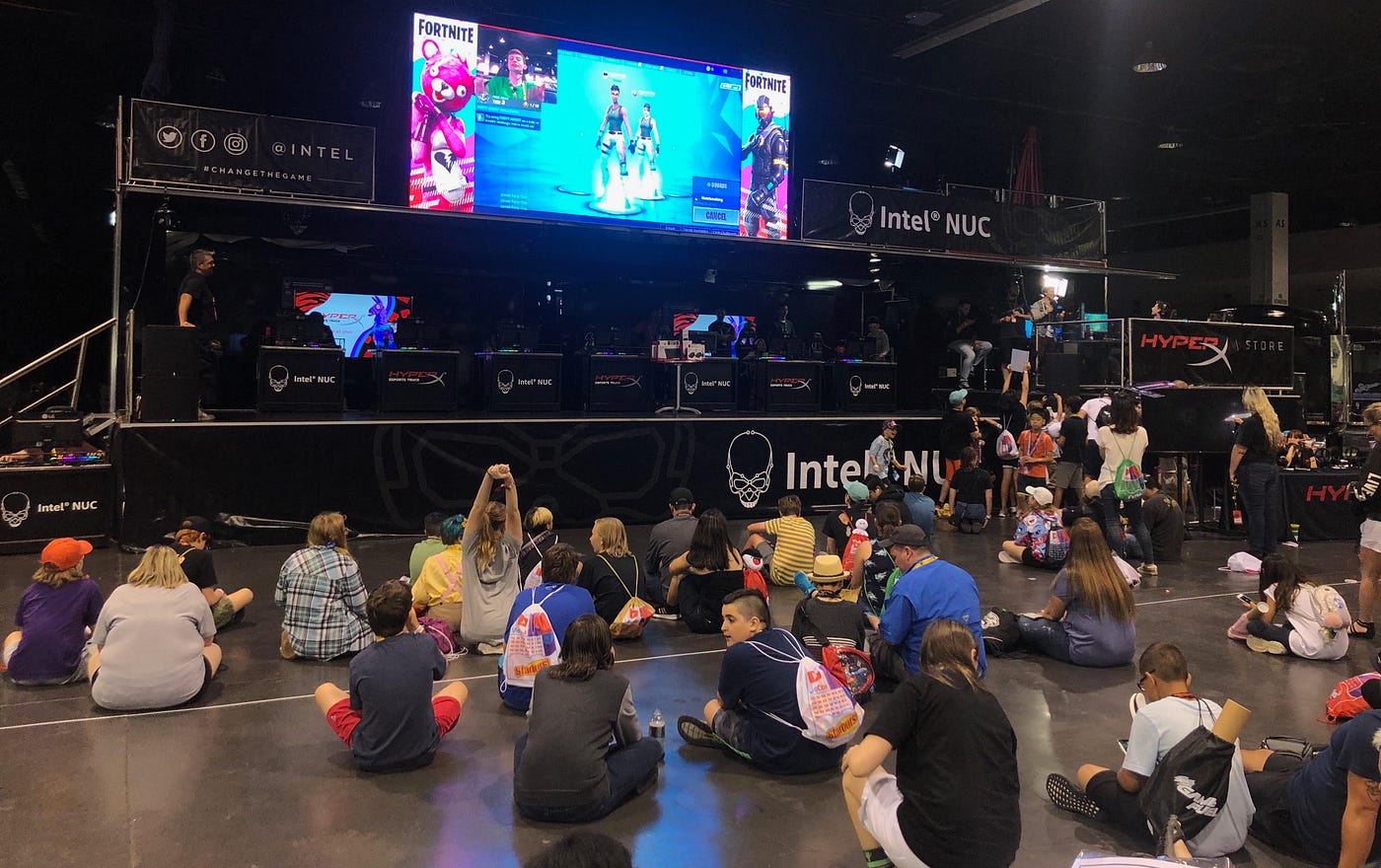
This shift was also apparent in VidCon’s giant Expo Hall, where brands set up booths to draw in young consumers. Most of the influencer merch booths were surprisingly empty, except for the hour or so when the influencer themselves stopped by. The more popular booths allowed visitors to record their own content and potentially draw an audience — brands from Barbie to Best Buy created pseudo-studios to put attendees in the creator seat. These booths often had lines with dozens or even hundreds of people waiting in line for their chance in the spotlight. We expect this trend to accelerate, and are therefore particularly excited about new tech that helps consumers create content and grow businesses around it (we call this “creator infrastructure”).
And finally, we wanted to wrap up with a few of the more surface-level trends we noticed at the VidCon expo hall and in the “community” sessions:
- Twins
 — especially on TikTok (no joke!). There’s something weirdly fascinating about watching two people who look identical doing exactly the same dance moves.
 - ASMR
 — there was only one panel featuring ASMRtists, but one panelist said the audience was 4x larger than 2018. All of the creators agreed that ASMR has become much more mainstream in the past year.
 - Glitter
 — tattoos were all the rage at VidCon last year, but were replaced this year with glitter and other sparkly or holographic swag. Blinger, Holo Taco, and Lemonhead LA were particularly popular.
 - Facebook Watch/IGTV
 — both platforms are trying to make it work with younger audiences, but Gen Z eyes are on IG, Snap, and TikTok. Most FB Watch and IGTV creators either catered to an older audience, or were incentivized to post on the platforms (but not particularly happyabout it).


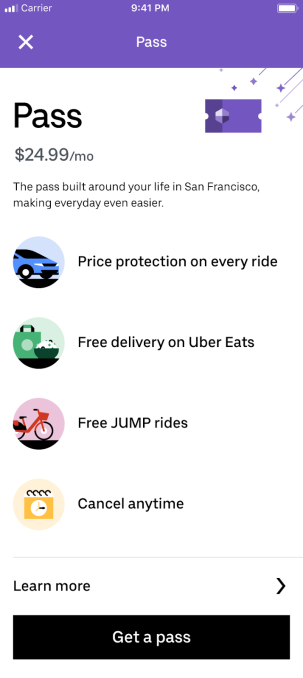 In other cities, Uber is testing lower-priced passes that offer discounted rides and free delivery on Eats orders above a certain amount.