5G is increasingly coming into focus as a set of technologies that has the potential to dramatically expand the quality, bandwidth, and range of wireless connectivity. One of the major blocks to actually rolling out these technologies though is simply spectrum: there just isn’t enough of it available for private use. 5G needs spectrum at very low frequencies to penetrate buildings and increase range, and it also needs high frequencies to support the huge bandwidth that future applications will require.
The crux though is in the midband — frequencies that can support a mix of range, latency and bandwidth that could become a mainstay of 5G technologies, particularly as a bridge for legacy infrastructure and devices.
Today, the midband of U.S. spectrum is heavily utilized by government services like the military, which uses the spectrum for everything from conflict operations to satellite connectivity. That has prevented commercial operators from accessing that spectrum and moving forward with wider 5G deployments.
That’s why it is notable today that the White House announced that the 3450Mhz to 3550 Mhz spectrum will officially be handed off to the FCC for an auction that will allow private operators to access midband spectrum. Given the legal process involved, that auction is expected to take place in December 2021, with private operation of services likely beginning in 2022. Usage of the band is expected to follow the spectrum sharing rules of AWS-3, according to a senior Trump administration official.
According to the White House, a committee of 180 experts was assembled from all the armed services and the Defense Secretary’s office to look at where a segment of the DoD’s spectrum could be freed up and moved to private usage to back 5G.
Such efforts are in line with the MOBILE NOW Act of 2017, which Congress passed in order to spur government agencies to speed up the process of allocating spectrum for 5G uses. That act encouraged NTIA, an agency which advises on telecom issues for the U.S. government, to identify the 3450Mhz to 3550Mhz band as a major area of study back in 2018, and earlier this year in January the agency found “viable options” for converting the band to private use.
It’s the latest positive step in the long transition of wireless to 5G services, which demands changes in technology (such as the wireless chips in cell phones), spectrum allocation, policy development, and infrastructure buildout in order to come to fruition.
Ted S. Rappaport, a professor of electrical engineering and the founding director of NYU WIRELESS, an academic research center focused on advanced wireless technologies, said that “It’s great news for America … and a terrific move for U.S. consumers and for the U.S. wireless industry.”
He noted that the particular frequency was valuable given existing knowledge and research in the industry. “It’s not that far from existing 4G spectrum where engineers and technicians already have good understanding of the propagation. And it’s also at a spectrum where the electronics are very low cost and very easy to make.”
There has been growing pressure on U.S. government leaders in recent years over the plodding 5G transition, which has fallen behind peer countries like China and South Korea. Korea in particular has been a world leader, with more than two million 5G subscribers already in the country thanks to an aggressive industrial policy by Seoul to invest in the country’s telecommunications infrastructure and take a lead in this new wireless transition.
The U.S. has been faster at moving ahead in millimeter (high frequency) spectrum for 5G that will have the greatest bandwidth, but it has lagged in midband spectrum allocation. While the announcements today is notable, there will also be concerns whether 100Mhz of spectrum is sufficient to support the widest variety of 5G devices, and thus, this allocation may well be just the first in a series.
Nonetheless, additional midband spectrum for 5G will help move the transition forward, and will also help device and chip manufacturers begin to focus their efforts on the specific bands they need to support in their products. While it may be a couple of more years until 5G devices are widely available (and useful) in the United States, spectrum has been a key gating factor to reaching the next-generation of wireless, and a gate that is finally opening up.
It wasn’t the busiest week in space tech news – much like a lot of the industry, it feels like we’re entering into a bit of a summer doldrums period where things slow down considerably. That’s probably especially true right now, with a lot of companies coming off some Herculean efforts and big successes.
This down time will lead to big developments to come, including the first official International Space Station crew mission for SpaceX’s Dragon capsule, which is scheduled to take place towards the end of September. We might also see Blue Origin’s first sub-orbital launch of the year in the same month.
SpaceX had a successful launch of a batch of 57 more Stalrink satellites for its broadband internet satellite constellation, which is coming together nicely ahead of the planned beta launch this summer. SpaceX has been gearing up for that, and the details we’ve found reveal that it should be getting underway anytime – though we’re unlikely to hear much about how the actual service works since participation includes agreeing to an NDA.
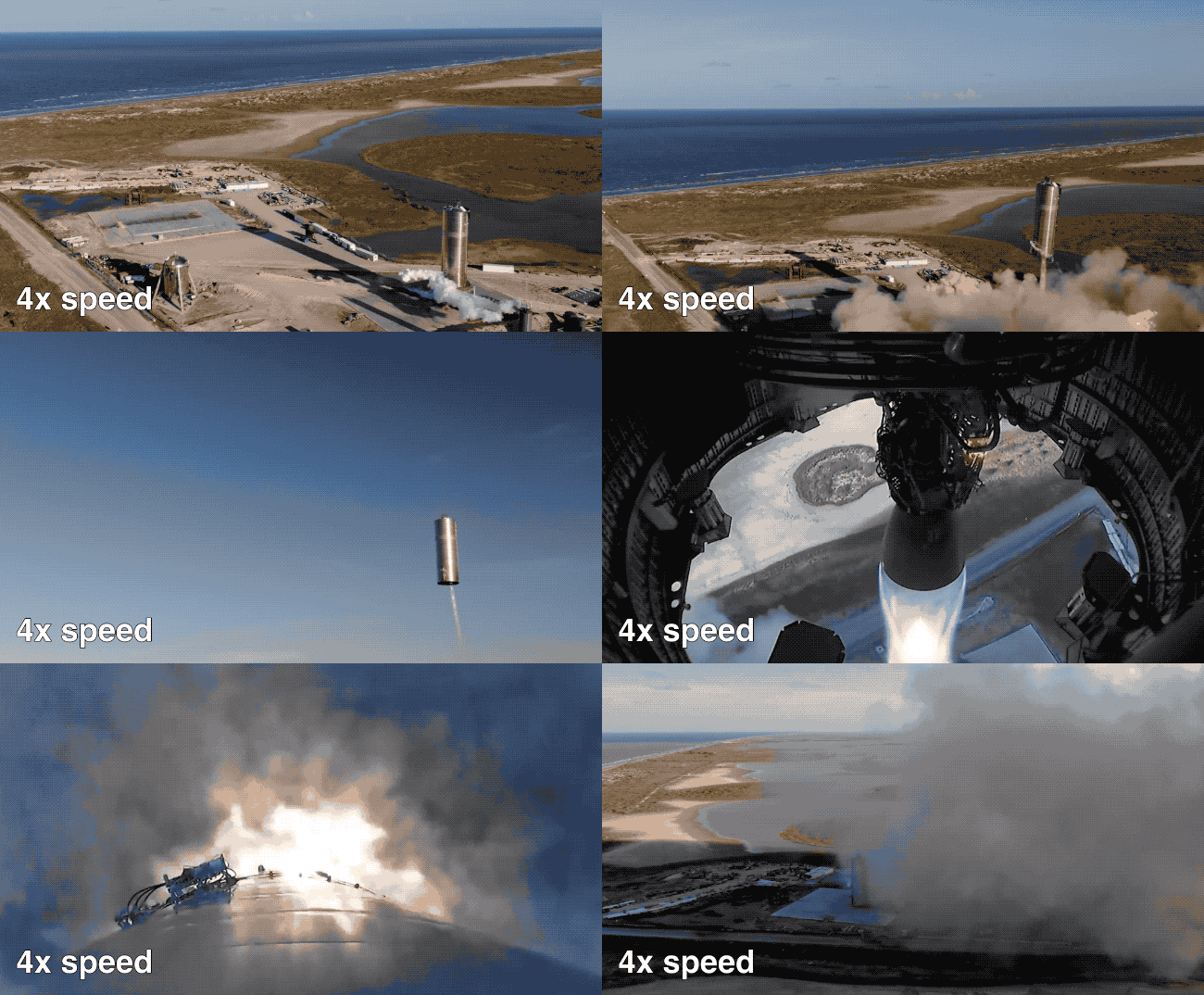
SpaceX has flown a full-scale prototype of its Starship for the first time, hopping a long fuselage (with a simulated weight instead of its eventual dome cap, and temp legs) to a height of around 500 feet. The hop included a flight up and then a controlled descent and landing, all of which appeared to have gone very smoothly. This is the first significant forward progress the Starship development program has had this year, really, after a series of (likely very educational) failures.
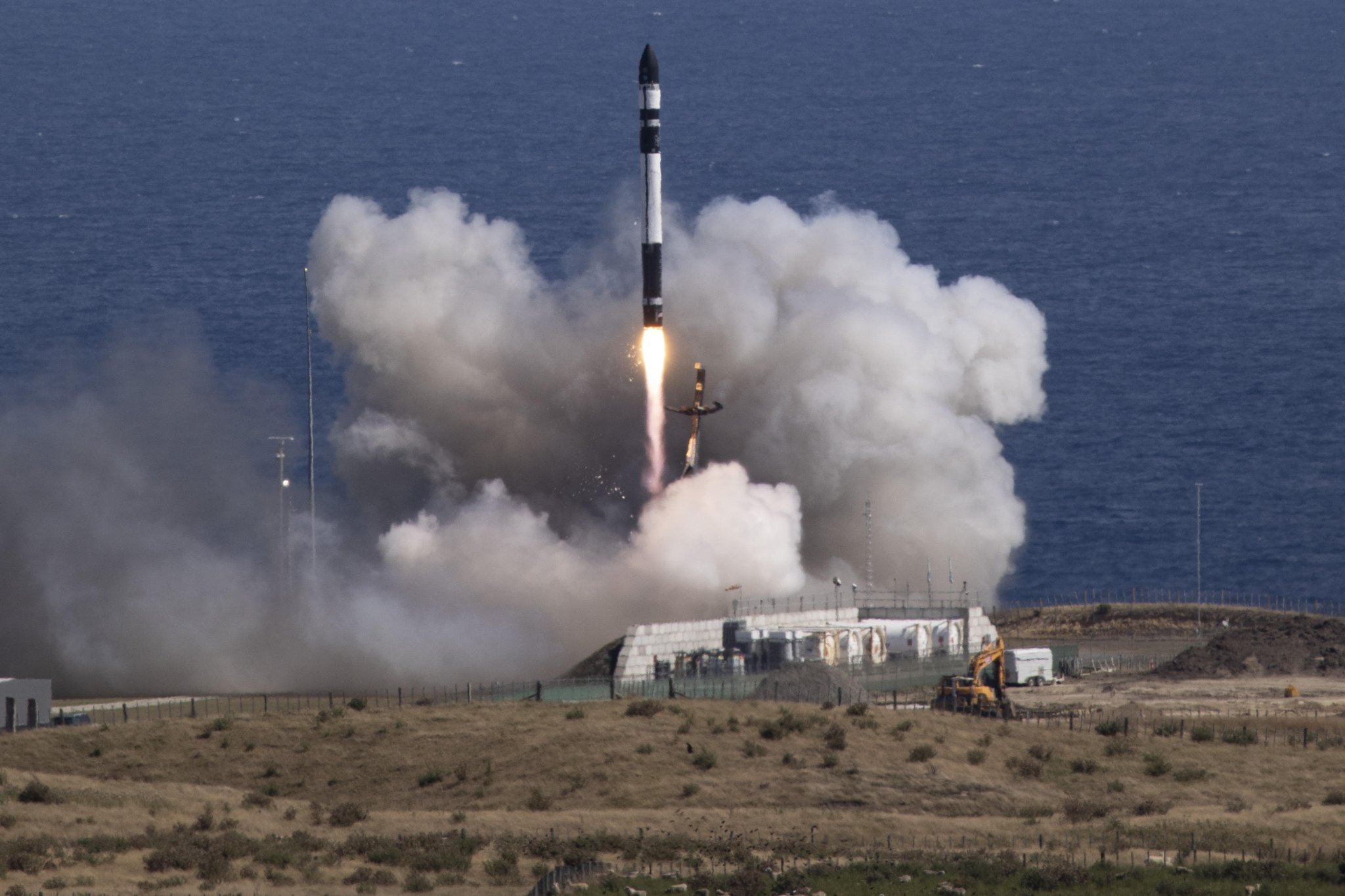
Rocket Lab has increased the payload capacity of its Electron launch vehicle by a third, bumping the total weight it can carry to orbit up to 660 lbs. That should open up a lot of new potential market for the company, and make it possible for small satellite makers to build additional functionality into the spacecraft they’re putting up with the rocket. The company did this mid-product generation thanks to optimizations of the battery tech that powers some of its thrusters, along with some other tweaks.
Netflix’s new show Away stars Hilary Swank as an astronaut on a mission to Mars, and seems to focus on the family challenges she encounters between her crucial mission, and the people she left behind back on Earth. Looks like more ‘This is Us’ and less ‘The Martian,’ but it could be great.
Amazon has amassed at least 1 million subscribers for its Prime loyalty service in India, the e-commerce giant revealed today in a long rundown of how its platform fared during last week’s Prime Day in the world’s second largest internet market.
More than a million Prime subscribers in India shopped from small businesses in the two weeks leading up to 48-hour Prime Day event last week, the company said in a blog post. Factoring in the ongoing global pandemic, Amazon last month chose India as the first market for Prime Day this year.
This is the first time Amazon has even vaguely disclosed how many of its users have signed up for Prime service in India, where the subscription costs $13.3 a year and bundles Prime Video and Prime Music services. Globally, Amazon has over 150 million Prime subscribers.
More than 91,000 small businesses (sellers) in India — a record for the company — participated in the local Prime Day, and sold to customers living in 5,900 zip codes (covering more than 97% of the country). Over 4,000 of these businesses clocked sales of more than $13,350 (slightly below 4,500 businesses during last year’s Prime Day), and overall 31,000 sellers reported the two-day period last week as their best selling on the platform.
Chinese firms continued to command sales in the smartphone category, one of the top three selling categories on Amazon, and also attracted customers to their accessories, laptops, and television sets, Amazon disclosed. The reception stands in contrast with the all-time high anti-China sentiments swirling across India in recent months.
Amit Agarwal, SVP and Country Manager of Amazon India, said in a televised interview that last week’s Prime Day also illustrated an “increasing trend of local Indian sellers use Amazon as a starting point to launch products and reach customers globally” but he declined to share any figures.
“This Prime Day was dedicated to our small business (SMB) partners, who have been increasingly looking to Amazon to keep their businesses running. We are humbled that we were able to help as this was our biggest Prime Day ever for small businesses,” he said in a statement.
Prime Day is one of the biggest sales events for Amazon globally. In India, the e-commerce giant has historically sold more goods during sales events scheduled around the festival of Diwali, which is when local residents peak their spendings.
But the participation of 91,000 sellers in last week’s Prime Day is the highest Amazon has ever witnessed during any sales period in India. During the sale around Diwali last year, the company had reported the participation of 65,000 sellers, for instance.
Amazon, which competes with Walmart’s Flipkart in India, has visibly shifted its attention to winning the trust of more sellers in the country in recent quarters. Earlier this year, Amazon founder and chief executive Jeff Bezos said the company would invest $1 billion in India to help digitize local small businesses and increase their cumulative exports on Amazon to $10 billion by 2025.
The company revealed today that it has amassed 650,000 sellers in India, up from 500,000 it disclosed in January this year.
Amazon has also been focusing on tie-ups with neighborhood stores across the country, leveraging their vast reach to drive more people to shop online. The company said over a thousand such shops from more than 100 cities made their debut on Prime Day last week.
Amazon also claimed that during Prime Day, the number of requests people made to Alexa exceeded one million. The company also shared a wide-range of other stats such as a claim that twice as many customers signed up for a Prime membership during last week’s Prime Day compared to last year’s. But without any concrete figures, these numbers are bereft of meaning.
Apple’s still-in-beta operating systems will automatically redirect News+ subscribers to the Apple News app when they click on links from a News+ publisher.
In other words, if you click or tap on a link to a paywalled story published by a News+ partner — including stories from our own Extra Crunch membership program — iOS 14, iPadOS 14 and macOS Big Sur will take you straight to the article page in the News+ app, even when the link ostensibly points to the publisher’s own website.
The experience should be familiar to (for example) New York Times app readers who, when they click on a web link, are taken straight to the article page in the NY Times app. (In TechCrunch’s case, I noticed that Apple even prompts users to open the News app when they click on stories that aren’t paywalled.)
Woah, I wonder how many publishers in Apple News+ realize that the new iOS14 and MacOS Big Sur are by default intercepting traffic to their sites and sending it to the Apple News app instead. pic.twitter.com/k4PQG9mE7M
This addresses one of the more frustrating elements of being a News+ subscriber: Although your $9.99 monthly subscription gets you access to paywalled stories from publishers like The New Yorker and the Wall Street Journal, you only get access via the News app — not the publishers’ websites. So I’ve often seen something I want to read on Google or Twitter, but instead of clicking the link, I have to open the News app and track down the story.
So this seems like it should significantly improve the reader experience, even if it might be a little disconcerting at first. And it only applies to News+ subscribers, who are opted-in but will have the option to turn off the “Open Web Links in News” feature in their News settings.
But as Haile noted, publishers may be less excited about the change: “Any strategic rationale that Apple News+ represents a separate channel/audience is now gone. This directly cannibalizes a publishers’ core subscription audience.”
Although Apple has not released News+ subscriber numbers, there have been several reports — including a November 2019 story from CNBC —suggesting that the service has struggled to attract new subscribers after signing on 200,000 users in the first 48 hours after launch. And Digiday reported that publishers have been underwhelmed with revenue.
Angel funding, seed investing and generally focusing on earlier stage investing is a huge business in the world of startups these days — it helps investors get in early to the most promising companies, and (because of the smaller size of the checks) allows for even the less prolific to spread their bets.
There was a time when it was immensely difficult for a founder to get a first check, not least because there were fewer people writing them. However, Jeff Clavier was an exception to that rule.
As the founder of Uncork Capital (formerly known as SoftTech VC), he has been in the business of angel and seed investing for 16 years, popularizing the opportunity and highlighting the need for more support at this stage — well before it was cool. You could say he was early to early stage.
Clavier said that at the end of 2019, it was estimated that there were more than 1,000 firms focusing on seed investing in the market, but by the end of this year, there will be about 2,000. “Don’t ask me whether it makes any sense because when I started 16 years ago, I didn’t think would be a big deal,” he said. “But certainly that creates a bit of a conundrum for founders to try and understand.”
As of now, Clavier has made nearly 230 investments and counting.
TechCrunch Early Stage, our virtual conference highlighting that stage of startup life, was the perfect venue to hear from him on all things seed investing and building startups today. Below are some highlights, a link to the video and a pitch deck he put together for the chat. Questions were edited for space and clarity.
Not all VCs are created equal (so know who you are pitching)
First thing to understand is that not all VCs are created equal. There are a bunch of different firms, tons of them out there, and you as a founder need to understand what are the specifics of your pitch opportunity, how to match with the right firm, and to figure out what stage of “early” you happen to be.
Startups can be super early, or mid-stage, which is typically what we refer to as pre-seed. Then there’s the seed stage, where you have developed a product, with a demo. And there is post-seed, where you have product but are not quite ready to raise a Series A. So who are the firms that can actually be the right fit for me at those different stages? The qualification part of the targeting is really important. Especially in a COVID environment when you can’t spend the same kind of time with each other.
It’s useful for founders to try and understand investors better, maybe asking a couple of questions like, “When is the last time you made a brand new investment at seed stage?” And “How has your investment process changed as a result of COVID?”
For investors, you want to understand how you’re going to evolve your process to cope with the fact that you don’t spend time with those founders face-to-face. Some firms are still struggling with that.
At Uncork, we’re now past the point of portfolio triage that we had in the first few weeks of of the pandemic. What was surprising to me was the speed and velocity at which some deals actually.
Find an investment lead
Another thing that is important at seed stage is to understand the difference between the leaders and followers in the investment. Unfortunately for founders, you’re going to have a lot of people trying to very quickly come to a decision and say, “Oh, I’m gonna invest $100,000, $200,000, whatever,” in your round. But unfortunately, it’s really not useful at all to have a bunch of followers and no leads. And so as part of your targeting, you really want to think about which firms are going to write the larger check, set the terms and help me, the entrepreneur, put the round together.
If you work with a lead investor that has a very strong brand, then that will make your life much easier.
You want tohave everything lined up: pitch deck, the backup slides, the references that investors will ask you for, which allow them to try and figure out who you are and how you work, with input from people that you’ve worked with. I won’t go too much into detail of the pitch deck because this is something that has been written about a lot but those are typically the questions that you want to highlight in the deck. You want to have clear answers around how much you would like to raise.
Prepare for your remote pitch
Having a remote pitch is a new thing, but we’re all doing it, via Zoom.
Even though there are many solutions, my advice is use Zoom because everybody uses Zoom. Everybody’s used to Zoom, people have Zoom installed… Don’t try and pitch from your phone — that’s horrible. Use a computer and if you can, have a fixed connection because Wi-Fi is the enemy. Make sure that you have a proper light environment, and turn off all notifications so that you don’t have Slack notifications coming in the middle of the conversation.
If you have it, go through the deck, but then some VCs prefer stories. In any case, don’t have them browse your deck, share your screen and take control of the conversation. It’s very hard, but try and make eye contact through the camera.
Don’t do what someone did to me a couple of weeks ago: They literally opened and shared the screen and so the calendar and their inbox with some emails from other VCs [were visible] … And if you’re pitching as a team, which you should because we’re trying to get to know the founders, try and figure out either the way you’re going to pitch or the cues you’re going to use to have the conversation involve everyone because you don’t want to have someone not being involved at all. So rehearsing is very important.
Practice the pitch to previous investors, friends who have been on the entrepreneurial side, friends who are on the investor side and try and get all their feedback together and rehearse until it feels right. Do this in the same environment where you’ll do the actual pitch.
Introductions matter more than cold emails
Introductions are also very important. Sometimes people will say, “Well, I’m just getting going and I don’t know how to get introduced.” The introduction is typically an important step for founders. It’s figuring out who is someone in their network who knows me, who can vouch for them with me and essentially, use the credibility I have for the person, and introduce them on their behalf.
As for email, I do read every single one I get. But to date, there’s only two cold emails that have led to an investment at Uncork. So just think about two investments out of 227 were cold emails and the rest was introduction. So it’s worth trying to figure out who knows people who know the VCs you want to try and connect to are so you can get those intros working.
Run fundraising like you might run your sales or CRM
Fundraising is basically a sales job. So like any CRM, you want to be able to track that figure out, who has said what, what the pushback was, what the questions were, so you can really be on point with your follow-ups.
And be quick. If someone says, “Oh, send me this information, send me your references, send me your deck.” Literally, you should send that within a couple of hours of the meeting so that you can show that you’re on top of the ball, and that you’re good at following up because what we’re trying to assess when you pitch us is how good are you at selling your product?
Make sure you track everything … [and] update the pitch as you get feedback from people.
What if we do all of this, and it still doesn’t work?
If it never works, and nobody bites maybe you want to rework the pitch entirely.
Maybe you want to think about what you should be doing. Some companies will pitch to a few firms and get three term sheets and they will say, “Oh, this fundraising thing was easy,” but, they’re really the exception.
Most companies will pitch 50 firms and get one yes. And that’s what matters: to get one VC saying yes, to get to the next stage. It really only takes one investor to give you the push and the runway to get to the next round.
I still remember Udemy pitching a bunch of people at seed stage many years ago and no one would bite. Then one, Keith Rabois, said yes, and suddenly the company was funded because everyone followed Keith’s lead. The other day I saw that they were raising $3 billion. So it just took one person, Keith, to give them the momentum.
What is the impact on future fundraising if we received funds from either a crowdfunding site or an accelerator?
It’s good if it’s an incubator that we have respect for in the sector that the company’s involved in, that’s the difference. The days of, “Oh, I have raised $5 million on whatever crowdfunding site for my product,” used to be exciting until a lot of the companies that were doing that failed. So these days it is, like, whatever. But I think it’s part of the funding ecosystem. So we’re more interested in the reasons why you picked doing YC or TechStars or others. Consumer hardware has become a very, very challenging category to get financed. Because there’s been so many failures, and also, we’ve had a hard time translating traction through crowdfunding to actually building big companies.
What kind of diligence questions do startups need to be prepared to answer?
Since it’s early stage, you don’t have much around customers and customer attraction and customer numbers. But if you have we’ll try and understand both the financial side. So unit economics, how much you spent to get those customers, how much you’re spending to service them. And have you lost customers or, why are they using this product? Things like that. What’s the competitive environment?
Has the shift to virtual pitching increased or decreased your due diligence?
Probably [increased]. I’ve been doing this for 20 years. So after awhile you develop some kind of a feel for things. It’s really hard to get the feel for things to translate online, right? So spending a bit more time on reference checks and trying to essentially use people we know, who know those founders, as proxies for us to figure out how they’re gonna behave and what if something challenging happens because it does. At the same time, because the velocity of deals has increased, it’s been challenging to take more time where there’s pressure to take less.
How do you feel about pitching with materials other than slide decks?
I think everything works, it’s really up to you. I like decks. I never take notes. So I always listen to the founder telling me the story and giving you a pitch deck. So the pitch deck is really useful to just get key data points and make sure everything is covered because then I can get back to it. If everything is just a story I can live with it. I would say be good at both is probably the way to think about it.
How much typically do you give up in equity if you’re taking a $2 million seed round?
It really depends, [but] I would say the standard these days is … $2 million [at] 20% dilution plus the option pool would be kind of a standard deal. But if you’re earlier than that, then maybe 25% two on six. If ever you’re a repeat founder with a track record or a very impressive founding team, you may be able dilute less, but what most founders will do is typically choose to dilute 20-ish percent and increase the size of the round if they can get a higher valuation.
What is the best way to get an introduction to an investor?
Just mind your network, LinkedIn is your best friend. I have a large, extensive network. So do most VCs. And so there’s always a bunch of people who are connecting you and us, right? The key challenge is to understand who knows us really well. So you have to make some kind of a bottom up and top-bottom approach. The bottom up is who is in your network who could know me and the top to bottom is who are the founders I work with who may be reachable to you. Because for us, strong signals are founders because our founders know us the best and if ever, they say, “Oh, you have to spend time with that person” then we will. [Also] co-investors, people wetrust who we’ve co-invested with a lot. The problem is that there are a lot of people who know us. And I’m pretty good at only accepting LinkedIn invitations from people I actually have met face-to-face. I may have to revise that now because people are online, but you need to assess who’s out there who will vouch for you with me, and that I will pay attention to. And that takes a bit of time.
What’s your view on markets like Africa, now that we’re in this virtual world. Are you casting the net wider?
We are really looking at the U.S. market at Uncork. It is a messy market, and you can build a multibillion dollar company on the U.S. market. Eventually they will open up to other geographies. We used to focus on founders in Silicon Valley, New York, Boston. But a couple of years ago, we started telling our entrepreneurs, it’s so expensive to build a startup in Silicon Valley. Just think about building remote-friendly companies. Think about hiring talent wherever it is, so it doesn’t have the same cost. San Francisco is incredibly expensive, and people just leave companies after a year or two. So think about cost of hiring and cost of retention.
We have recently invested in a company called neo.tax where one of the founders is actually in Egypt. So we’re thinking much more broadly about geographies. But in terms of focus, our market focus is on the U.S.
What is the likelihood of getting pre-seed funding without a technical co-founder, but a very well-thought through idea or pitch?
That’s where figuring out the firm’s service is important. Some people will say I really want to see someone who can build that and will try and assess execution capabilities. But I’ve recently done a pre-seed investment with a repeat founder [where] he doesn’t really have a technical co-founder yet, but I know we can hire because he’s done it four times. So it’s a massive idea, I’m super excited, and I know we will be able to attract the talent he needs because he’s done it before.
I funded my startup myself and proceeded to launch a minimal viable product. What optics does that send to an investor?
That’s a massive commitment, right? You put your own time and money behind it. I invested some of my own money for three years before launching SoftTech and that was my commitment to the world that I was going to do it no matter what, and so, it sends a very strong message.
In the last four investments you made during the COVID-19 period, how long did it take you to get comfortable?
We always have a very large funnel, so we typically fund like 1% of what we see. I don’t remember the number of meetings but probably four to six, with the founders or about the founders. Because there’s multiple people on the team as well. It’s a bunch of hours spent during a very short period of time, because they were all compressed decision times, like a few days compared to a couple of weeks maximum. Those were pretty intense days where we just spent all our time focusing on those companies.
We all just need to be comfortable with the process that we follow to assess those opportunities online. And if I can’t get comfortable, then I will pass.
For a machine-learning healthcare SaaS startup still developing its prototype, do you suggest we pitch for seed money?
Well, then you just go back to why is thisrelevant? What’s going to be the return on investment for the target users or customers of that startup? What are they replacing? Why is it 100x better and make the make the argument and the pitch of why this makes a ton of sense. And then we’ll assess it. And we’ll either say yes, because we trust the founders or no, because we don’t agree with their assessment.
How long on average is an initial pitch?
Oh, it’s 10, 12, 15 slides. I always allocate 50 minutes. So 50 minutes to an hour, I would say think about 25 to 30 minutes and then a bunch of questions, and I always ask a bunch of questions along the way. And the hour has gone by very quickly.
What are you doing to overcome challenges for minority founders?
We welcome minority founders and 30% of our portfolio is women. We’re working very, very hard on getting people of color in the portfolio. We will work very hard to figure out how to stretch the network. It’s harder, but that doesn’t mean that it’s an excuse for us not to do those.
Hyundai has launched a dedicated EV brand called Ioniq with plans to bring three all-electric vehicles to market over the next four years. The Ioniq brand is part of the Korean automaker’s broader strategy to sell 1 million battery electric vehicles — and take a 10% share of the EV market — by 2025.
If the Ioniq name sounds familiar, it’s because it already exists. In 2016, Hyundai introduced the Ioniq, a hatchback that came in hybrid, plug-in hybrid and electric versions. The Korean automaker is using that vehicle as the jumping off point for its new EV brand.
All of the vehicles under the Ioniq brand will have Hyundai’s underlying electric modular platform called E-GMP.
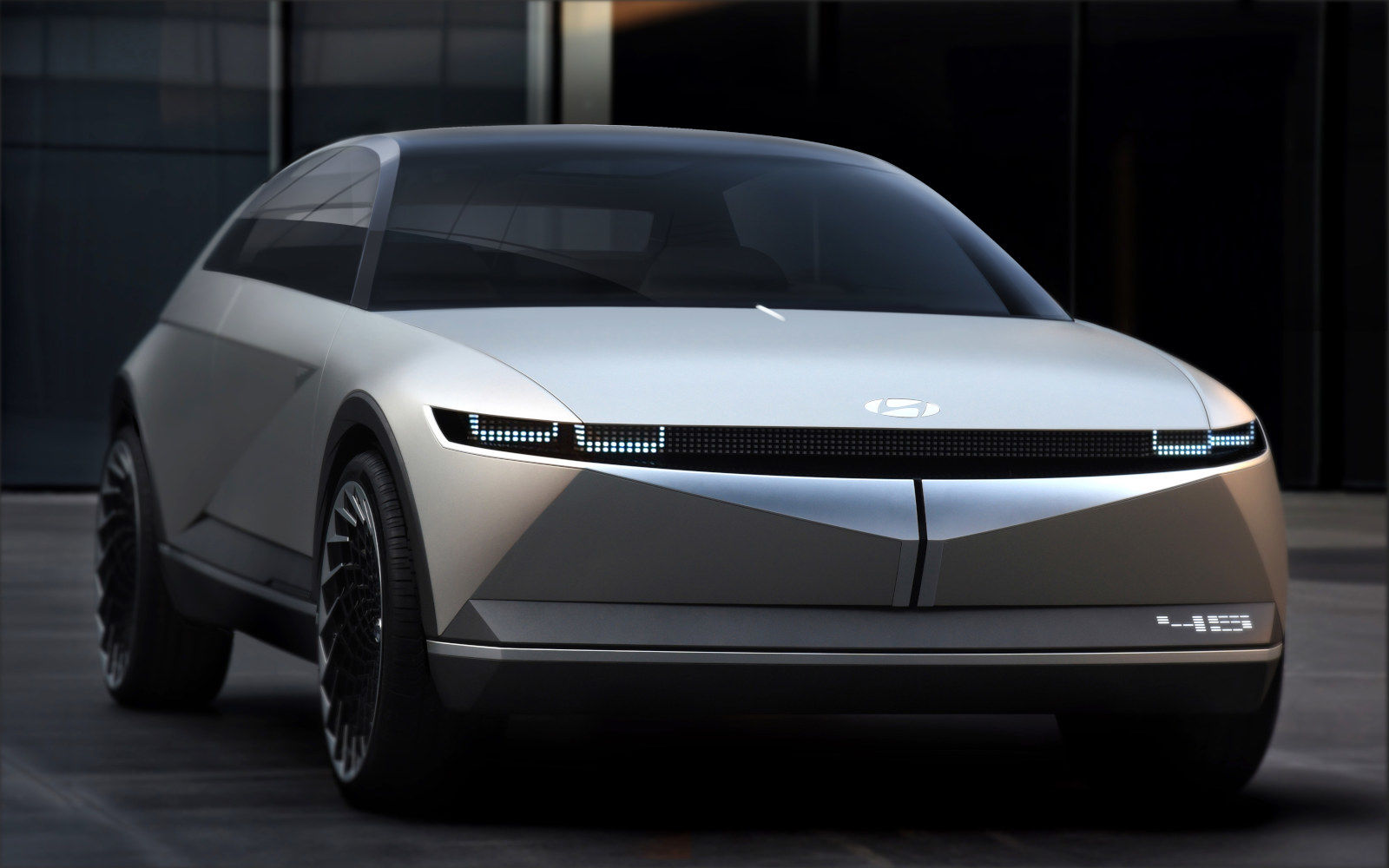
Hyundai said the new EV brand will begin with the Ioniq 5, a mid-size crossover that will launch in early 2021. The Ioniq 5 will be based on Hyundai’s Concept 45, a monocoque-style body crossover that the company unveiled in 2019 at the International Motor Show in Frankfurt. Designers of the Concept 45 leaned on some of the lines and characteristics from Hyundai’s first concept, the 1974 Pony Coupe. The “45” name comes, in part, from the 45-degree angles at the front and rear of the vehicle.
Image Credits: Hyundai
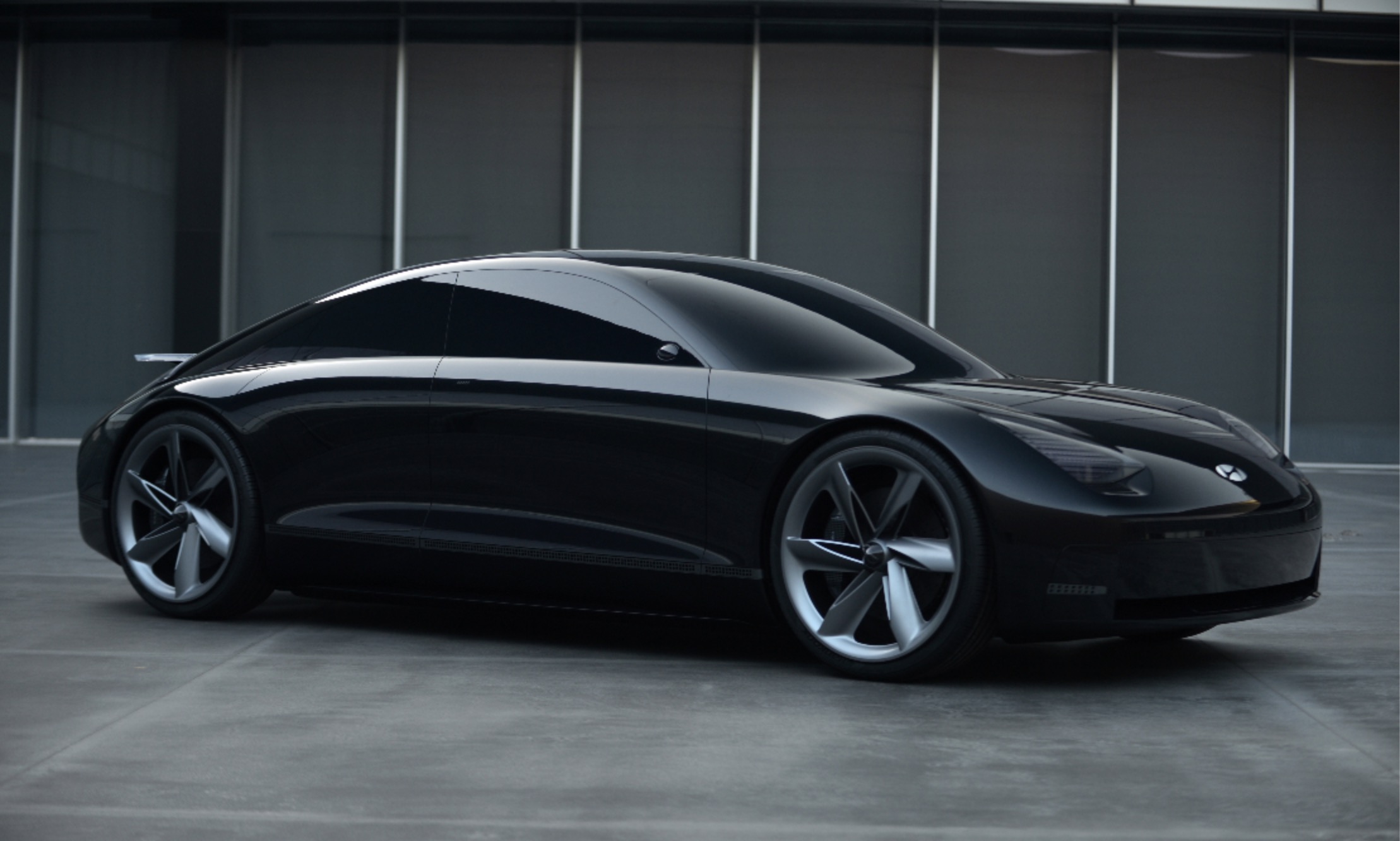
The Ioniq 6 sedan will follow in 2022 and will be based on Hyundai’s Prophecy concept that was unveiled in March. The Prophecy (pictured below) is a sleek, aerodynamic sedan with a long wheelbase and short overhangs that is reminiscent of a Porsche.
Image Credits: Hyundai
Finally, Hyundai said it will release its large SUV, the Ioniq 7, in early 2024.
The numeric number might be uninspired, but there is a formula worth noting. The Ioniq vehicles with even numbers will be used for sedans and the odd numbers will be for SUVs.
Hyundai has launched a dedicated EV brand called Ioniq with plans to bring three all-electric vehicles to market over the next four years. The Ioniq brand is part of the Korean automaker’s broader strategy to sell 1 million battery electric vehicles — and take a 10% share of the EV market — by 2025.
If the Ioniq name sounds familiar, it’s because it already exists. In 2016, Hyundai introduced the Ioniq, a hatchback that came in hybrid, plug-in hybrid and electric versions. The Korean automaker is using that vehicle as the jumping off point for its new EV brand.
All of the vehicles under the Ioniq brand will have Hyundai’s underlying electric modular platform called E-GMP.
Hyundai said the new EV brand will begin with the Ioniq 5, a mid-size crossover that will launch in early 2021. The Ioniq 5 will be based on Hyundai’s Concept 45, a monocoque-style body crossover that the company unveiled in 2019 at the International Motor Show in Frankfurt. Designers of the Concept 45 leaned on some of the lines and characteristics from Hyundai’s first concept, the 1974 Pony Coupe. The “45” name comes, in part, from the 45-degree angles at the front and rear of the vehicle.
Image Credits: Hyundai
The Ioniq 6 sedan will follow in 2022 and will be based on Hyundai’s Prophecy concept that was unveiled in March. The Prophecy (pictured below) is a sleek, aerodynamic sedan with a long wheelbase and short overhangs that is reminiscent of a Porsche.
Image Credits: Hyundai
Finally, Hyundai said it will release its large SUV, the Ioniq 7, in early 2024.
The numeric number might be uninspired, but there is a formula worth noting. The Ioniq vehicles with even numbers will be used for sedans and the odd numbers will be for SUVs.
Of the big three Apple operating systems, watchOS arguably gets the least love. That goes double in a year that sees macOS getting its biggest overhaul in recent memory. On the whole, the Apple Watch’s software is often overlooked, as smartwatch users tend to focus attention on the addition of new hardware sensors and the like. Still, watchOS 7, out today in public beta, brings a number of key additions, as Apple looks to keep from getting too complacent in its spot high atop the list of smartwatch manufacturers.
After all, the company has seen increased competition, particularly overseas from the likes of Huawei and Samsung. Likely software updates alone aren’t enough to drive the smartwatch skeptics to finally take the dive, but coupled with hardware updates and a focus on keeping lower-cost models on the market, it should help the company maintain comfortable positioning.
Updates include the new hand-washing featuring, cycling directions, new workouts and, most importantly, a number of sleep-tracking features. The last bit is, without question, the most requested addition to the watch — and equally important to Apple’s bottom line, a category the company had fallen behind on relative to the competition. That’s not for lack of available technology, however. The sleep tracking here works with the sensors already on-board existing devices and joins a number of third-party solutions.
Image Credits: Brian Heater
That’s not to say that the company won’t be introducing additional sleep-tracking hardware on the Watch 6 later this year (in fact, that seems fairly likely), but it does mean that the much-requested feature will be available for the Watch Series 5, 4 and 3, which debuted back in late-2017 and is still kicking around the market, priced at $200.
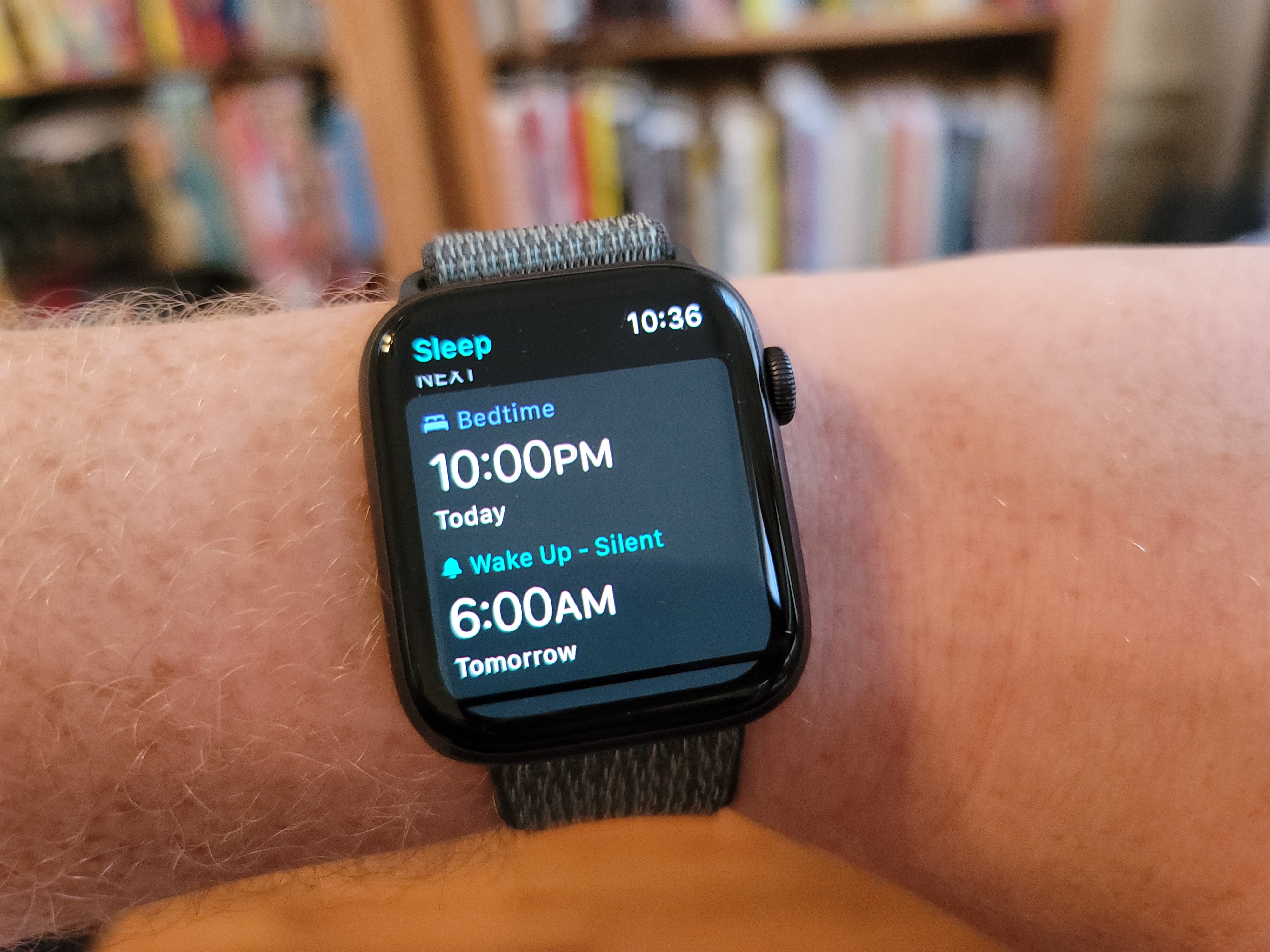
The Sleep feature is multi-faceted. At its core, of course, is standard tracking, using the accelerometer to determine when you’ve fallen asleep, based on movement, including subtler cues like changes in breathing rate, which slows down as you enter non-REM sleep. Stats aren’t super deep yet, but do include key information like sleep times and heart rate, all saved in Apple’s Health app.
One of the more salient pieces of the puzzle is Sleep Mode, in which the watch enters Do Not Disturb, shutting off all notification and pausing the wake function when the wrist is lifted. You can turn it off by turning the digital crown and it will re-enter the mode when you fall back asleep.
Among other things, it should help save on battery life — that’s going to be a key issue as the company gets serious about sleep. The Watch is currently rated at 18 hours, by Apple’s account, which is an issue if you plan to use it for tracking both day and night. Extended battery is another feature to keep an eye out for with the arrival of the Series 6, but in the meantime, a new Charging reminder will pop up when you wake up, reminding you to charge the watch before you get going. It will also alert you if the level falls below 30% prior to sleeping.
The other big element is Sleep Schedule, which sets a goal and a sleep and wake time. By default, it’s set to eight hours — which feels overly optimistic in my own experience, but that’s the point of goals, I guess. Wind Down creates a window of time for pre-sleep activities, like meditation apps and soundscapes, designed to get you off your devices and ready for bed. Wake Up, meanwhile, borrows sounds from iOS’s Bedtime app and uses haptic feedback as an alarm. If you’re moving half-an-hour before your set wake time (the worst), it will ask you if you’d like to shut off the alarm and just start your day.
Image Credits: Brian Heater
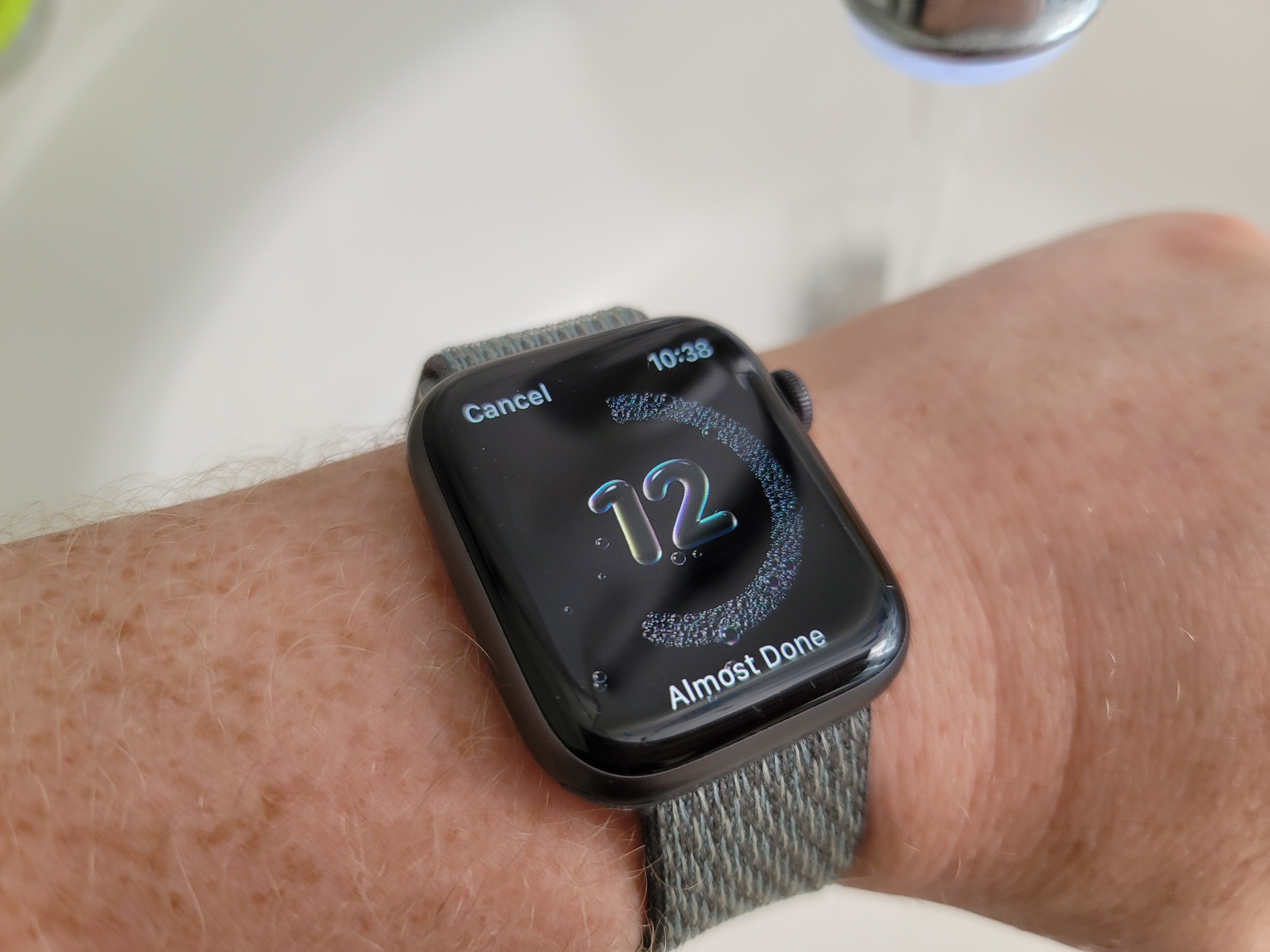
Hand washing is a serendipitous addition here. As I noted in an earlier feature, it’s something the company has been working on for years now, and happened to arrive when everyone is hyper-focused on keeping their hands clean. The feature is off by default and needs to be enabled by the user. Once on, it starts a 20-second count with animated bubble numbers and gives you a little congratulatory buzz when you’ve washed them the whole time.
It’s designed to automatically trigger when hand washing is detected through a combination of movement sensed by the accelerometer and the on-board microphone, which is listening for the sound of running water and soap. Apparently detecting hand washing is surprisingly complicated, but the feature does a pretty decent job in this version of the beta — though I did still get a few false positives while washing the dishes.
The other key addition is hand-washing reminders, which can be set to pop up when you arrive at home. Again, a nice addition in an error with a super contagious, air and surface-borne virus currently rampaging across the globe. Hand washing doesn’t have its own standalone app at the moment, but metrics for the feature are built directly into the health app, showing your activity over time.
There are four new workout types now tracked by the OS: dance, core training, functional strength training and cool down, which involves stretches and other post-workout activities. The additions are a bit more in the weeds than early tracking features, as Apple works to position the wearable as a more complete fitness tracker. The accompanying iOS app also gets a redesign, consolidating all of the activities into a single view.
As ever, there are a couple of new watch faces. Chronograph Pro adopts a design inspired by a distance-measuring tachymeter. It’s a bit busy for my tastes, but it’s not a bad-looking design. The X-Large takes things in the opposite direction, with just a large digital time and a massive complication right in the center of the screen. Also new on the face front is the ability to share Watch Faces with friends via text message.
Image Credits: Brian Heater
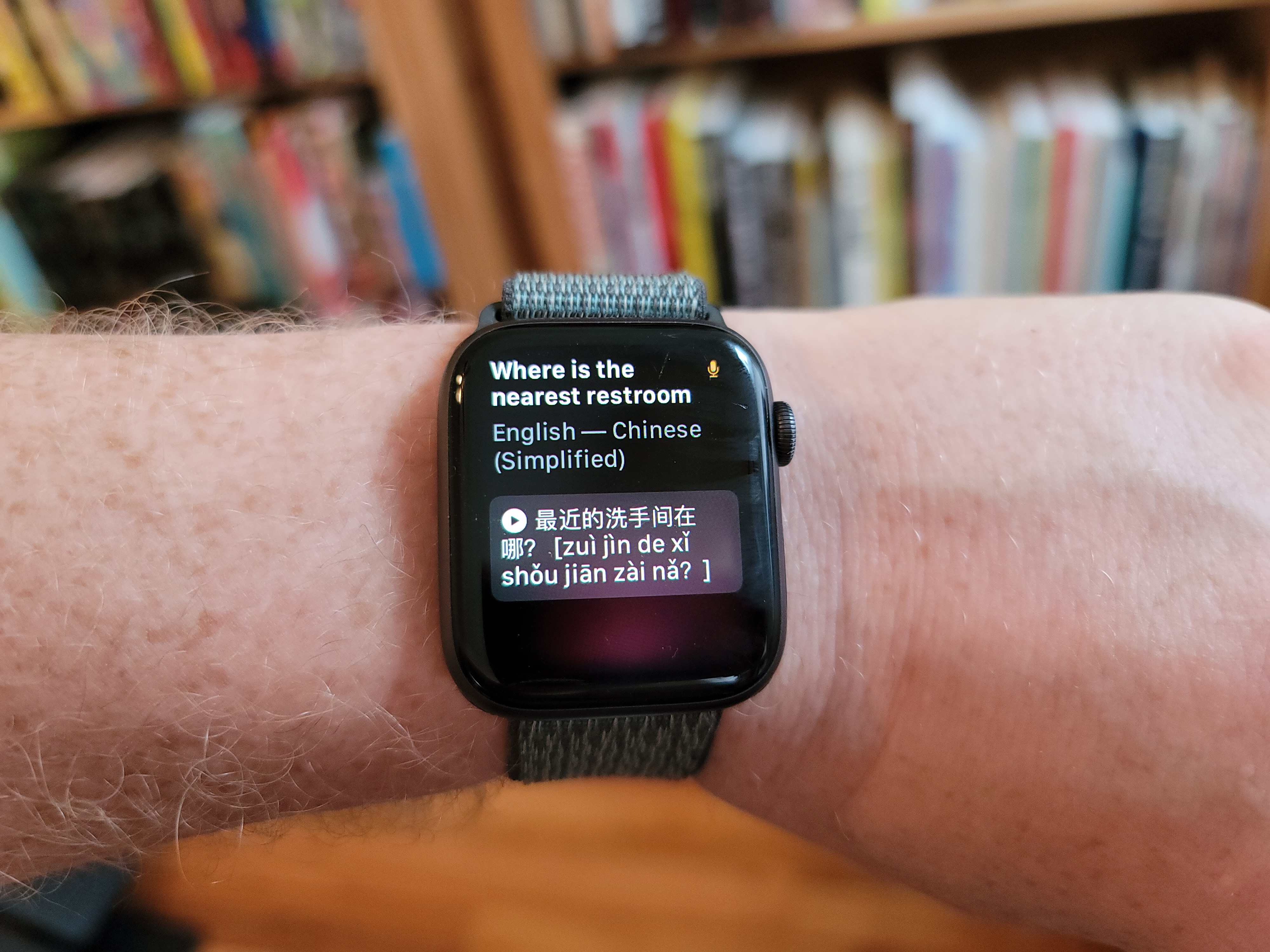
The coolest addition here might very well be one that didn’t get a lot of stage time. Along with the other operating systems, watchOS gets a translate feature. Click into Siri, ask for a translation and then pick from one of the following: Arabic, German, Spanish, French, Italian, Japanese, Korean, Brazilian Portuguese, Russian and Chinese (Mandarin). Speak the words and it will read aloud the translation and show it on the screen. In case of a language like Chinese with a distinct alphabet, the text will be displayed in both Chinese and an English transliteration.
The process requires a few steps, but as someone who spent a lot of time handing his phone back and forth to people during a trip to Asia last year, this could be really useful. Especially during a time when I really have no desire to hand my phone to anyone.
A handful of other features warrant a quick mention:
Cycling directions for Apple Maps
Increased Hearing Health/Noise metrics and the ability to control maximum volume on headphones
Siri Shortcuts imported from the iPhone
The final version of watchOS 7 is due out this fall.
We’re excited to announce an update to an existing Partner Perk from design platform Canva . Starting today, annual and two-year members of Extra Crunch can receive 20% off an annual plan for Canva Pro.
Canva empowers users to create social media graphics, presentations, posters and other visual content. Featuring a simple drag-and-drop user interface and a vast library of templates and design ingredients such as fonts, illustrations, stock photography, video and audio content, and the power to include content from the web such as Giphy and Google Maps, anyone can take an idea and create something beautiful. Canva is available on the web, iOS and Android. Learn more about your secret design weapon for social media, print materials and beyond with Canva.
The offer is only valid for new subscribers of Canva Pro who do not have an existing Canva subscription. The offer is also restricted to countries where Extra Crunch is currently available.
Extra Crunch is a membership program from TechCrunch that features how-tos and interviews on company building, weekly investor surveys, private market analysis, discounts on TechCrunch events and several partner perks like the one mentioned in this article.
Faraday Future has yet to produce a production vehicle. The company burst out of nowhere in 2015 with wild claims of upsetting the electric vehicle market ruled by Tesla. That hasn’t happened yet, either. Instead, the company has fallen flat with its founder declaring personal bankruptcy, the company losing most of its founding team, and has yet to secure enough capital to produce production vehicles.
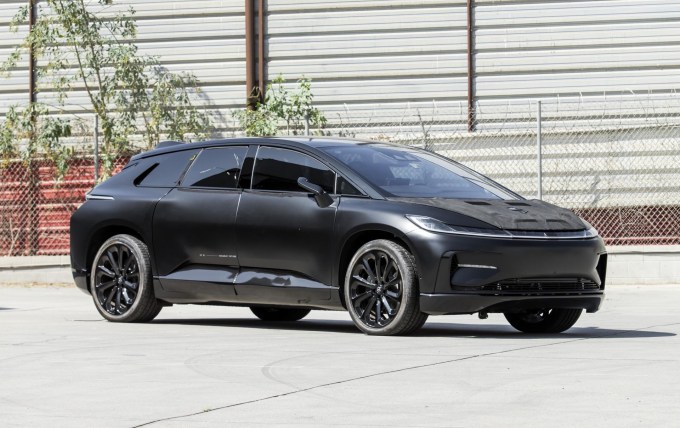
Along the way, Faraday Future managed to produce several prototypes and one of them is available for sale soon through an auction. It’s said that the example up for auction is the same one that Faraday Future speed tested to run to 60 mph in 2.3 seconds. It’s also the same vehicle that the company used to race in the challenging Pike’s Peak race. The auction listing also says that, at one time, the EPA rated the vehicle of a 378 mile range.
The prototype’s interior is bare with limited fit and finish. The seats are bolted to the floorboards and the door panels are covered in the same material as used on the floor. But that said, there’s a steering wheel and a large screen, but it’s unclear if the screen works.
Obviously this is not a car someone should buy for use as a daily driver. Or to drive at all. There’s no warranty.
Early prototypes are often highly-coveted by vehicle collectors. They tell stories and carry different provenance than production vehicles. At one time Faraday Future was the loudest rival of Tesla. The California-based startup made wild claims, which never seemed to materialize in a substantial fashion and that seems to be the case still in 2020. Because of that, this prototype will likely become an interesting footnote in the history of electric vehicles rather a priceless vehicle akin to the first Model T.