Year: 2020

09 Jul 2020

FitXR wants to turn the VR headset into the next Peloton

Funding for virtual reality startups has grown more sparse over the past couple years, as investors have grappled with extended timelines for mainstream adoption. Meanwhile, connected fitness has exploded, gaining attention amid shelter-in-place as companies like Peloton have seen huge user gains with Mirror recently selling to Lululemon for $500 million.

FitXR wants the virtual reality headset to become the next hot-seller in the connected fitness space.

The startup, which develops the popular VR exercise app BoxVR, tells TechCrunch it has just closed $7.5 million in Series A funding led by Hiro Capital. The funding was structured with $6.3 million in equity investment alongside a $1.2 million loan from Innovate UK, a UK government org. Other investors include Adam Draper’s BoostVC, Maveron and TenOneTen Ventures.

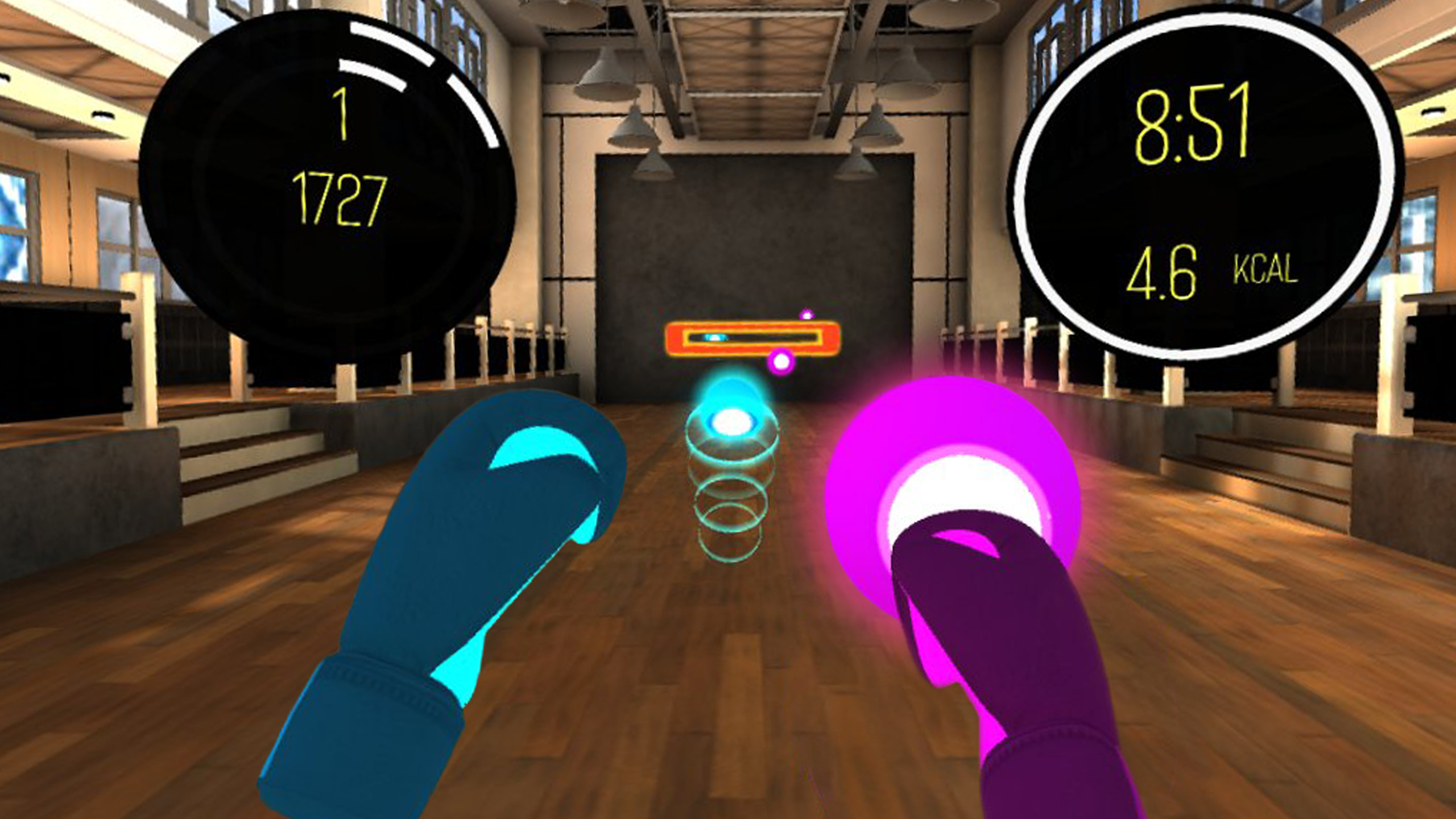
FitXR’s game BoxVR, has become one of the better-known purpose-built exercise apps available for VR devices. The boxing title adopts a Guitar Hero-esque interface influenced by Beat Saber but focuses on more physically-demanding movements like quick uppercuts and jabs. The startup sells the app, which is available in the Oculus Store, PlayStation Store and Steam, for $29.99, with additional content packs going for $9.99.

screenshot of BoxVR, via FitXR

Working out in VR has slowly grown into a common use case for headsets thanks to the physical movement required for some of the more frantic titles. Beat Saber, which Facebook acquired last year for an undisclosed amount, was one of the first titles to fully realize the opportunity. Earlier this year, a16z-backed VR studio Within launched a subscription exercise app called Supernatural. Late last year, SF-based YUR raised $1.1M in pre-seed funding for their VR exercise software.

The virtual reality market has had a lot to gain from shelter-in-place, but supply chain problems with the industry’s top backer, Oculus, left VR studios with plenty of missed opportunities. All of Oculus’s headsets, including their $399 standalone Quest headset, have been sold out or in low-supply since the beginning of the year, a development that has negatively impacted the growth of an industry that is increasingly reliant on Facebook.

VR headset don’t have heart rate monitors or other fitness tracking capabilities, but VR developers do have access to plenty of motion data from how much and how quickly a user’s headset and controllers are moving. FitXR uses this data to calculate calories burned and lets users set personal goals for how many calories they’d like to burn in-app on a daily basis.

For now, FitXR’s products sits solely inside the VR headset, but as the company looks to scale its team of 20 further with this funding, the company’s leadership is teasing an interest in having its world grow beyond the headset.

“We look at our own usage of the product and we don’t think it should be constrained to virtual reality,” FitXR CEO Sam Cole told TechCrunch in an interview. “But I think the sticking point for us is that we believe the most fun way to work out is in a VR headset. And therefore the strong focus from us as a company is to continue to to build and innovate in that space.”

09 Jul 2020

FitXR wants to turn the VR headset into the next Peloton

Funding for virtual reality startups has grown more sparse over the past couple years, as investors have grappled with extended timelines for mainstream adoption. Meanwhile, connected fitness has exploded, gaining attention amid shelter-in-place as companies like Peloton have seen huge user gains with Mirror recently selling to Lululemon for $500 million.

FitXR wants the virtual reality headset to become the next hot-seller in the connected fitness space.

The startup, which develops the popular VR exercise app BoxVR, tells TechCrunch it has just closed $7.5 million in Series A funding led by Hiro Capital. The funding was structured with $6.3 million in equity investment alongside a $1.2 million loan from Innovate UK, a UK government org. Other investors include Adam Draper’s BoostVC, Maveron and TenOneTen Ventures.

FitXR’s game BoxVR, has become one of the better-known purpose-built exercise apps available for VR devices. The boxing title adopts a Guitar Hero-esque interface influenced by Beat Saber but focuses on more physically-demanding movements like quick uppercuts and jabs. The startup sells the app, which is available in the Oculus Store, PlayStation Store and Steam, for $29.99, with additional content packs going for $9.99.

screenshot of BoxVR, via FitXR

Working out in VR has slowly grown into a common use case for headsets thanks to the physical movement required for some of the more frantic titles. Beat Saber, which Facebook acquired last year for an undisclosed amount, was one of the first titles to fully realize the opportunity. Earlier this year, a16z-backed VR studio Within launched a subscription exercise app called Supernatural. Late last year, SF-based YUR raised $1.1M in pre-seed funding for their VR exercise software.

The virtual reality market has had a lot to gain from shelter-in-place, but supply chain problems with the industry’s top backer, Oculus, left VR studios with plenty of missed opportunities. All of Oculus’s headsets, including their $399 standalone Quest headset, have been sold out or in low-supply since the beginning of the year, a development that has negatively impacted the growth of an industry that is increasingly reliant on Facebook.

VR headset don’t have heart rate monitors or other fitness tracking capabilities, but VR developers do have access to plenty of motion data from how much and how quickly a user’s headset and controllers are moving. FitXR uses this data to calculate calories burned and lets users set personal goals for how many calories they’d like to burn in-app on a daily basis.

For now, FitXR’s products sits solely inside the VR headset, but as the company looks to scale its team of 20 further with this funding, the company’s leadership is teasing an interest in having its world grow beyond the headset.

“We look at our own usage of the product and we don’t think it should be constrained to virtual reality,” FitXR CEO Sam Cole told TechCrunch in an interview. “But I think the sticking point for us is that we believe the most fun way to work out is in a VR headset. And therefore the strong focus from us as a company is to continue to to build and innovate in that space.”

09 Jul 2020

Founding partner Hjalmar Winbladh is leaving EQT Ventures

EQT Ventures, the Stockholm-headquartered venture capital firm that invests in Europe and the U.S., is losing founding partner Hjalmar Winbladh, TechCrunch has learned.

Rumours that he was leaving the “multi-stage, sector-agnostic” VC fund that he helped launch in 2016, begun circulating within the European startup ecosystem last week, with multiple sources telling TechCrunch that Winbladh has his heart set on starting something new.

A serial entrepreneur, in the real sense, Winbladh is a seven-time founder, having previously built and managed global technology companies such as Wrapp, Rebtel and Sendit. Described as the world’s first mobile Internet company, Sendit was acquired by Microsoft in 1999.

He joined EQT a decade ago to help establish its venture arm, when Europe barely had a venture capital ecosystem and was dwarfed by the U.S. in terms of available capital. In late 2019, EQT Ventures raised its second fund, with commitments totalling €660 million, making it one of the largest VC funds in Europe.

One of the firm’s investments, Small Giant Games, was acquired by Zynga in 2018 in a deal valued at $700 million. Other portfolio companies include 3D Hubs, Varjo, Natural Cycles, Permutive, Codacy, Peakon and Tinyclues.

Confirming Winbladh’s departure, EQT’s Head of Communications, Nina Nornholm, provided the following statement:

“Hjalmar has been with EQT for almost 10 year and has played an instrumental role on our digital transformation journey. Over the last five years, he has also built and led the Ventures team into a very successful business and with a strong portfolio and dedicated team. He is now longing to get back to his entrepreneurial roots and has decided to leave his role within EQT Ventures. He remains on the boards of EQT Ventures’ portfolio companies Banking Circle, Wolt and Peltarion so we are not separating ways entirely”.

In a brief call with Winbladh — interrupting his vacation, no less — he said he was excited to take some time to figure out what’s next, although he stressed that it was too early to go into any detail and that he was leaving EQT Ventures in very good hands.

Painting broad brush strokes, Winbladh told me he wants to continue giving back to the European ecosystem but that the challenges it faces today are very different to ten years ago. With the tech landscape more competitive than ever, he wants to create a way for seasoned entrepreneurs and investors like himself to better support the next generation of founders, hinting at something earlier stage than EQT Ventures’ Series A, B and C focus. However, he said he wasn’t currently raising a fund of his own.

As always, watch this space.

09 Jul 2020

iOS 14 gets rid of the app grid to help you find the app you’re looking for

Apple unveiled the next major version iOS a few weeks ago. I’ve been playing around with beta versions of iOS 14 and here’s what you should expect when you update your iPhone to the final release of iOS 14 this fall.

The most interesting change is something you’re not going to notice at first. The home screen has been rethought. In some ways, the iPhone now works more like Android devices. You can add widgets to the home screen and there’s a new app launcher called the App Library.

If you’ve been using a smartphone for many years, chances are your device is cluttered with a dozen apps you frequently use, some of apps you only need a few times a year and a ton of apps that are no longer useful.

Maybe your home screen is perfectly organized and you’re thinking that this doesn’t apply to you. Arguably, you’re part of the minority. Many people tell me they don’t even know where app icons are located anymore and they just pull down to use the search feature.

With iOS 14, changes are not immediately visible. If you want to keep using your phone just like before, nobody is stopping you. But the home screen is now more customizable.
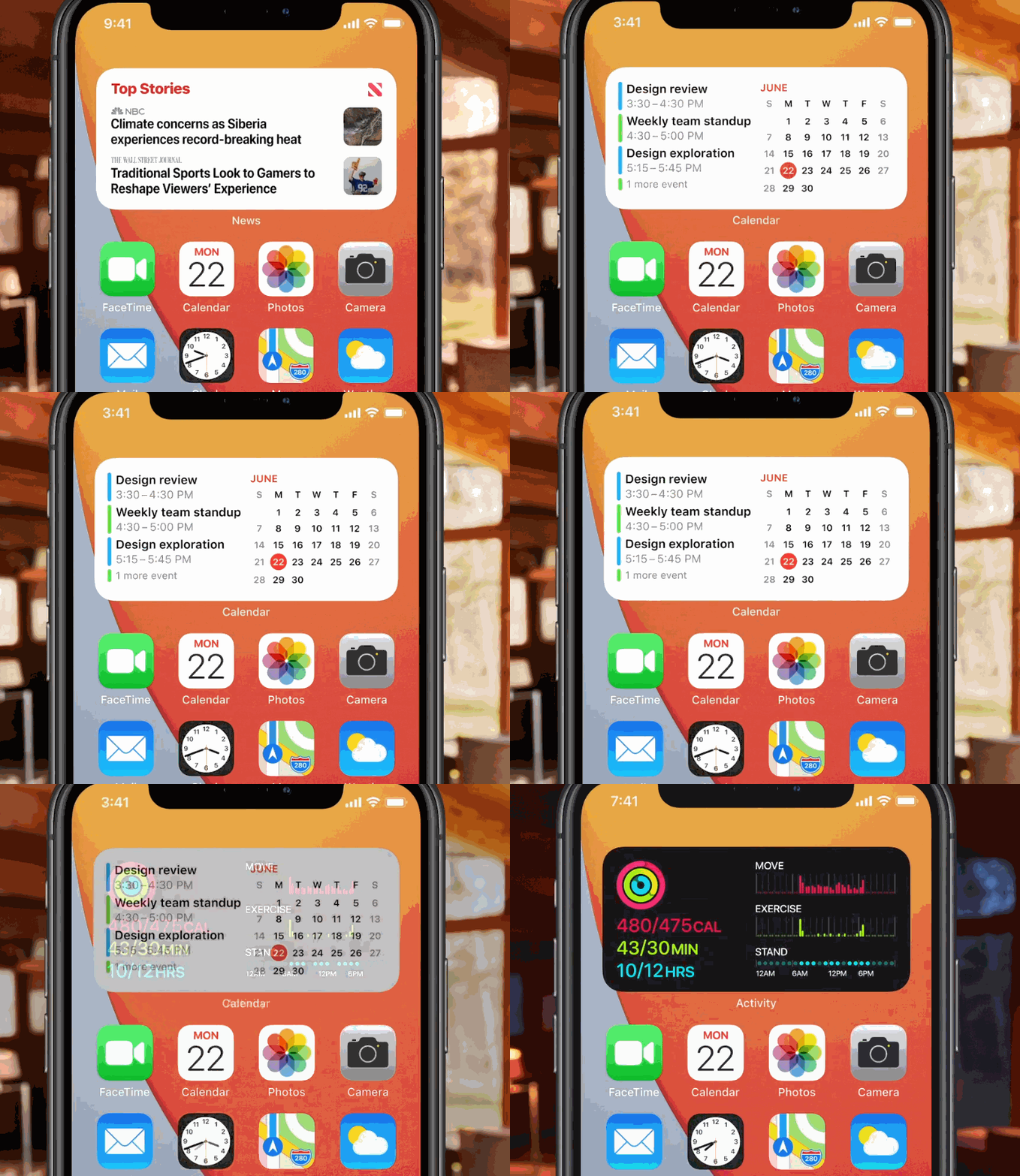
When you tap and hold on a home screen icon, there’s a new menu that lists all the widgets you can install on your home screen. Many default apps already support widgets, such as Reminders, Calendar, Stock, Weather, Music etc. And each widget comes in multiple sizes if you want to see more or less info.

The most interesting thing about widgets is that you can stack them and flip through them. Otherwise, they’d quickly take over your entire home screen. Apple also tries to surface the widget that is more relevant to the time of the day and what you’re doing.

The second big change with the home screen is that there’s a new page at the right of your last page. The App Library groups all your apps on your phone by category. Some icons are bigger than others as Apple tries once again to surface the most important apps to you.

In my experience, categories don’t work that well as they’re based on the broad categories of the App Store. But you can always tap on the search bar at the top to display an alphabetical list of your apps. It could be useful if you can’t remember the name of an app for instance.
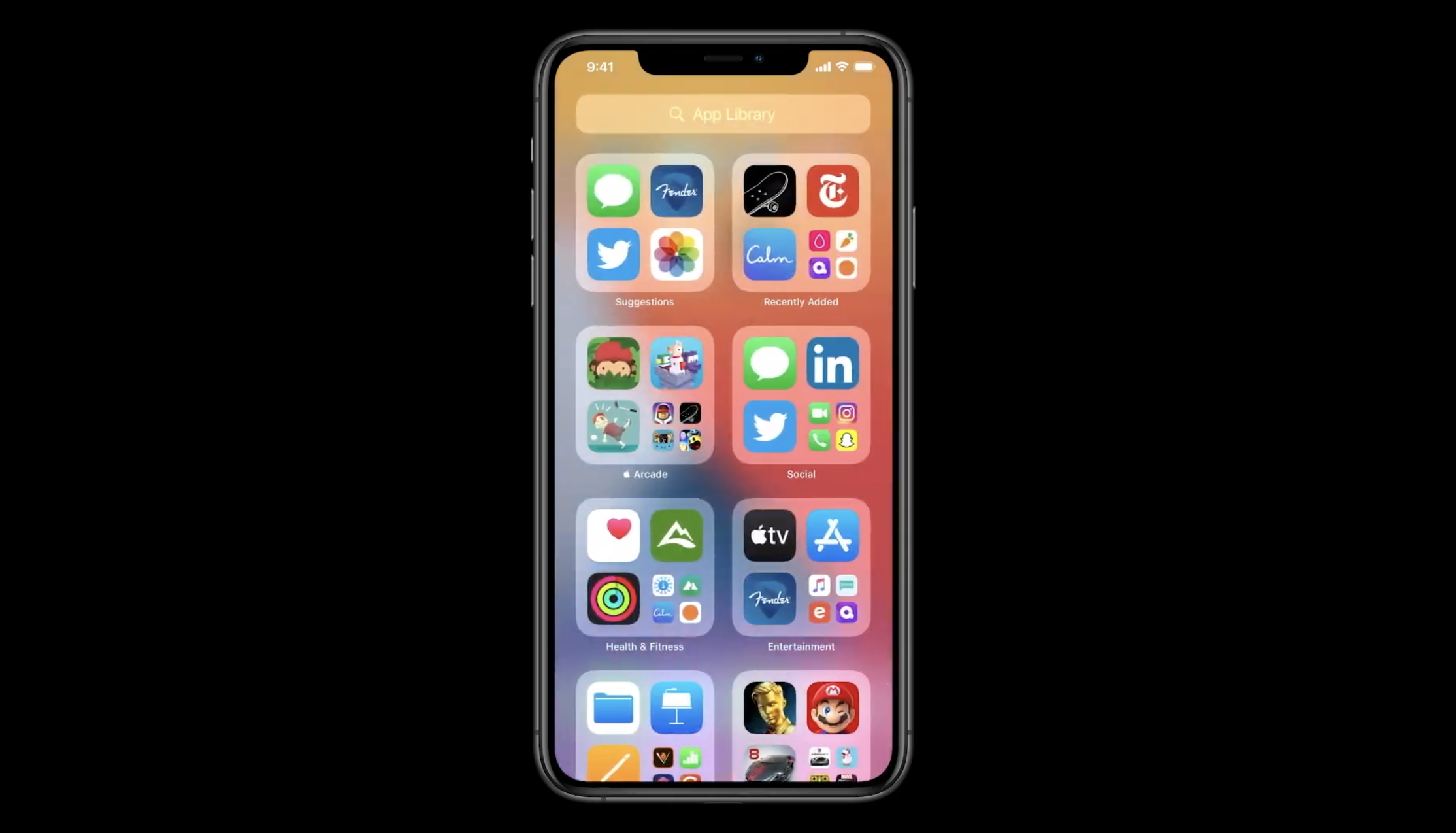
Image Credits: Apple

Fighting app fatigue

Those changes for the home screen might seem minor, but they are important to change the current app paradigm. People simply don’t want to download new apps. They don’t want to create a new account and they don’t want to have another icon.

Now that you can hide pages of apps and that there’s the App Library, downloading new apps has become less intimidating. If you combine that with Sign in with Apple, you can go from no app to interacting with content in no time.

In addition to that, Apple is introducing App Clips. They are sort of mini apps that you can launch without installing an app. It’s a small part of an app that you can easily share. I haven’t had the chance to try it out yet as third-party developers have yet to take advantage of App Clips.

There are many ways to share App Clips. You can launch those apps from the web, from Messages, from Maps, from NFC tags or from QR codes. Get ready to see stickers at cafés, on scooters or in museums. Scan a code or tap your phone on it and you get an app-like experience. If you want to dive deeper, you can download the full app from the App Library.

But it’s also going to have some major impacts on utility apps, apps that you don’t use that often or travel apps for instance. Sure, you may keep your favorite social app on your home screen. But you’re going to forget about apps that only live in the App Library.

Developers will be happy that downloading apps is easier. And yet, it is going to be harder to make people come back to your app after the first launch.
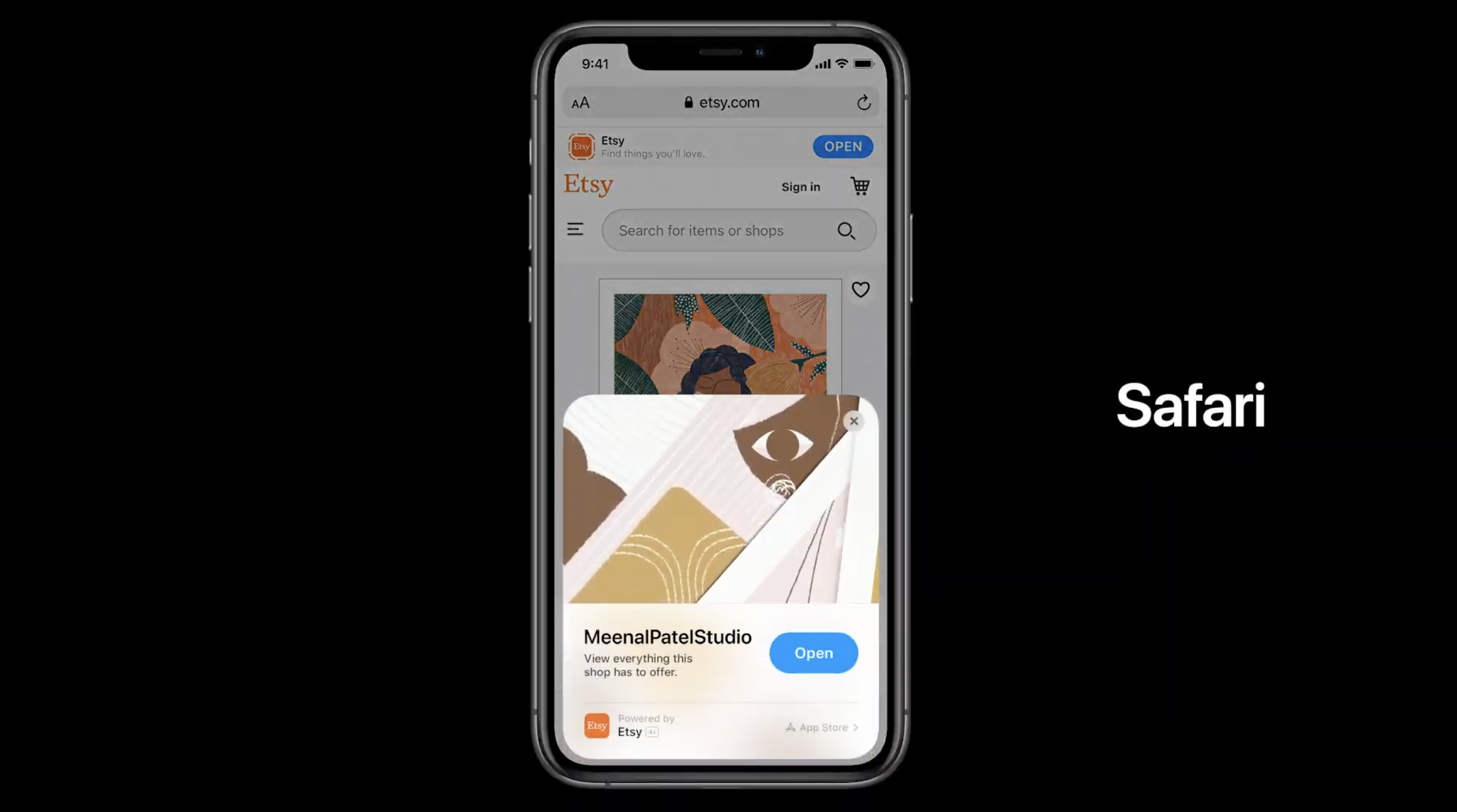
Image Credits: Apple

Some app refinements

Let me list some quality-of-life improvements that are going to make your phone works better. In Messages, you can now pin conversations to the top. Group conversations are also receiving a major update with the ability to @-mention people, reply to specific messages and set a group of photos. Once again, Apple is bringing Messages closer to WhatsApp and Telegram. But it’s not a bad thing.

In Maps, there are many new features that I already detailed in a separate post. I encourage you to read it if you want to learn more about guides, electric vehicle routing, cycling directions and more.

The Home app has been improved with a new row of icons that describe the status of your home. For instance, you can see the temperature, see if a door is open, see if lights are on, etc.

Like every year, Notes and Reminders are getting some small improvements. For instance, document scanning has been improved, search has been improved, you can assign reminders to others and more. Those apps have become really powerful with these small incremental updates.
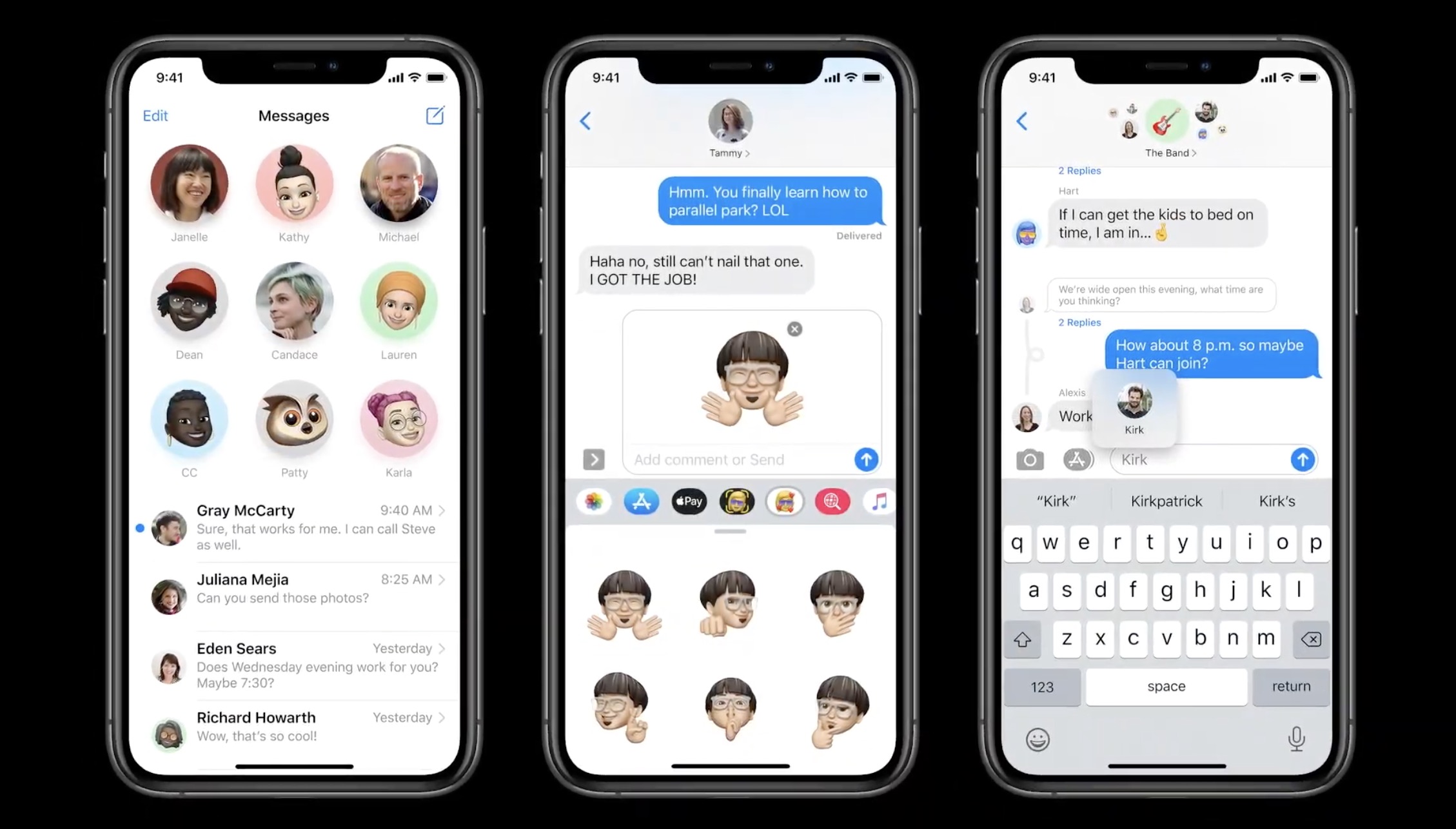
Image Credits: Apple

All the rest

There are many things that I haven’t mentioned yet or that I haven’t tried because I can’t use those features yet. Similarly, it’ll take some time before developers start adopting those features. Here’s a quick rundown:

  • Incoming calls don’t take over the entire screen anymore. You get a notification at the top of the screen, which is so much better if you don’t want to answer a call.
  • Similarly, Siri doesn’t overtake the screen. Your display fades out. I think more people are going to use Siri because of this as it doesn’t feel as invasive.
  • Your AirPods will automatically switch between your iPhone, iPad, Mac, etc.
  • When you’re on a FaceTime call or watching a video, you can switch to another app and keep the video in a corner. There’s not much else to say other than it’s nice.
  • Cycling directions in Apple Maps: I’m a bike lover but the feature isn’t available in Paris. It’s hard to know whether directions make sense in San Francisco or New York as I don’t know cycling infrastructure that well in those cities.
  • When you pull down to search for something, iOS now automatically highlights the first result. You can tap Go on the keyboard to hit the first result. It’s so much better.
  • HomeKit-compatible security cameras can now recognize faces based on tags in Photos.
  • You can unlock cars with your phone using NFC if you have a compatible car.
  • Following the acquisition of Dark Sky, you’ll be able to see next-hour precipitation in Apple’s Weather app.
  • You’ll be able to choose a different web browser and email client as default apps with iOS 14.

What about stability?

The big issue of iOS 13 was that it was quite buggy when it launched in September 2019. It’s hard to know whether iOS 13 is going to perform better on this front as it’s still a beta.

But, as you can see, Apple didn’t try to reinvent the wheel with default apps. There are a ton of improvements across the board, but no big redesign of Photos or Messages for instance. And I think it’s a good thing.

Changes on the home screen as well as App Clips could have wider implications for developers. It could change the way you discover and install apps today. So it’s going to be interesting to see if the developer community embraces App Clips.


09 Jul 2020

Apple just released the first iOS 14 beta to everyone

This is your opportunity to get a glimpse of the future of iOS — and iPadOS. Apple just released the first public beta of iOS 14 and iPadOS 14, the next major version of the operating systems for the iPhone and iPad. Unlike developer betas, everyone can download those betas without a $99 developer account. But don’t forget, it’s a beta.

The company still plans to release the final version of iOS and iPadOS 14.0 this fall. But Apple is going to release betas every few weeks over the summer. It’s a good way to fix as many bugs as possible and gather data from a large group of users.

As always, Apple’s public betas closely follow the release cycle of developer betas. And Apple released the second developer beta of iOS and iPadOS 14 earlier this week. So it sounds like the first public beta is more or less the same build as the second developer build.

But remember, you shouldn’t install an iOS beta on your primary iPhone or iPad. The issue is not just bugs — some apps and features won’t work at all. In some rare cases, beta software can also brick your device and make it unusable. You may even lose data on iCloud. Proceed with extreme caution.

But if you have an iPad or iPhone you don’t need, here’s how to download it. Head over to Apple’s beta website and download the configuration profile. It’s a tiny file that tells your iPhone or iPad to update to public betas like it’s a normal software update.

You can either download the configuration profile from Safari on your iOS device directly, or transfer it to your device using AirDrop, for instance. Reboot your device, then head over to the Settings app. In September, your device should automatically update to the final version of iOS and iPadOS 13 and you’ll be able to delete the configuration profile.

The biggest change of iOS 14 is the introduction of widgets on the home screen, a new App Library to browse all your apps and the ability to run App Clips — those are mini apps that feature a small part of an app and that you can run without installing anything.

There are also many refinements across the board, such as new features for Messages with a big focus on groups with @-mentions and replies, a new Translate app that works on your device, cycling directions in Apple Maps in some cities and various improvements in Notes, Reminders, Weather, Home and more.

If you want to learn more about iOS 14, I looked at some of the features in the new version:

09 Jul 2020

The coronavirus pandemic is expanding California’s digital divide

If every California student without an adequate internet connection got together and formed a state, it would contain more residents than Idaho or Hawaii.

A total of 1,529,000 K-12 students in California don’t have the connectivity required for adequate distance learning.

Analysis from Common Sense Media also revealed that students lacking adequate connection commonly lack an adequate device as well. The homework gap that separates those with strong connections from those on the wrong side of the digital divide will become a homework chasm without drastic and immediate intervention.

To raise awareness of the enormity and immediacy of the digital divide, I started No One Left Offline (NOLO) in San Francisco. It’s an all-volunteer nonprofit that’s creating a coalition of Bay Area organizations focused on giving students, seniors and individuals with disabilities access to high-speed, affordable Internet.

During the week of July 27, the NOLO coalition will launch the Bridge the Divide campaign to raise $50,000 in funds that will be used to directly cover broadband bills for families on the edge of the digital divide.

At this point in our response to COVID-19, emergency measures have only stopped the homework gap from growing rather than actually shrinking it. That’s precisely why we need a new form of addressing students’ lack of adequate internet and devices. The digital “haves” should embrace directly covering the broadband bills and upgrades required by the “have nots.” This form of direct giving is both the most effective and efficient means of giving every student high-speed internet and a device to make the most of that connection.

But too few people are aware of just how dire life can be on the wrong side of the digital divide. That’s why I’m hoping you — as a fellow member of the digital “haves” — will join me in taking a day off(line) on July 17. I’m convinced that it will take a day (if not more) in the digital dark for more Americans to recognize just how difficult it is to thrive, let alone survive, without stable internet, a device and a sufficient level of digital literacy.

The increased attention to the digital divide generated by this day off(line) will spur a more collective and significant response to stopping the formation of a homework chasm.

Current efforts to close the homework gap have at once been laudable and limited. For example, internet service providers (ISPs) deserve praise for taking a voluntary pledge to limit fees, forgive fines and remove data caps. But that pledge expired at the end of June, months before school starts and in the middle of an expanding economic calamity.

It’s true that many ISPs are still going to extraordinary lengths to help those in need — look no further than Verizon donating phones to Miracle Messages to help individuals experiencing homelessness connect with loved ones. However, even these extraordinary measures will not fully make up for the fact that hundreds of thousands of Californians are experiencing greater financial insecurity than ever before. They want and require a long-term solution to their digital needs — not just voluntary pledges that end in the middle of a pandemic.

In the same way, many school districts in the Bay Area have rapidly loaned hotspots and devices to students and families in need. In fact, even before COVID-19, the Oakland Unified School District and the 1Million Project were providing hotspots to students in need. These sorts of interventions, though, do not afford students on the wrong side of the homework gap the same opportunity to fully develop their digital literacy as those that have devices to call their own and internet connections sufficient to do more than just homework.

Every student deserves a device to call their own and a connection that allows them to become experts in safely and smoothly navigating the internet.

Direct giving is the solution. Financially secure individuals across the Bay Area can and should “sponsor” internet plans and devices for families in need. By sponsoring a family’s high-speed internet plan for a year or more, donors will provide students and parents alike with the security they need to focus on all of the other challenges associated with life in a pandemic. What’s more, sponsored devices would come without strings attached or “used” labels.

Students would have a fully equipped laptop to call their own as well as one that didn’t lack key functionalities, which is common among donated devices.

Because access to the internet is a human right, the government should be solving the homework gap. So far, it hasn’t been up to the task. So, in the interim, we’ll need a private sector solution. The good news is that we collectively seem up for the task. According to Fidelity, most charitable donors plan to maintain or increase their giving this year.

Consider that even 46% of millennials plan to increase their philanthropy. Unfortunately, one inhibitor to giving is the fact that “many donors don’t feel that they have the information they need to effectively support efforts” to address the ramifications of COVID-19.

That’s where NOLO and other digital inclusion coalitions step in. We’re sounding the bell: The public sector isn’t closing the homework gap; it’s on us to make sure kids have the connections and devices they need to thrive. NOLO is also providing the means to act on this information — during its Bridge the Divide campaign, donors will have a chance to sponsor broadband bills for community members served by organizations across the Bay Area including the SF Tech Council, BMAGIC and the Mission Merchants Association.

Our collective assignment is making the homework gap a priority. Our due date is nearing. The first task is taking a day off(line) on July 17. The next is donating to the Bridge the Divide campaign during the week of the 27th.

Let’s get to work.

09 Jul 2020

Gaming network Venn will launch with 20 hours of live programming on August 5, 2020

Venn, the company looking to be gaming’s answer to 80s era MTV, has revealed the first slate of shows to premier on the network when it launches August 5th, 2020.

Working out of studios in Playa Vista in Los Angeles and New York’s World Trade Center (coming in 2021), Venn intends to use 1,000 square feet and 30 million pixels of LED walls and floors to create its interactive shows and narratives.

The company is planning a slate of news and talk shows, game shows and documentaries, accoring to a statement.

“From conception, VENN has been laser-focused on elevating the creators of this generation with production leadership, a chance to flex new creative muscles and grow their audiences via our broad distribution” said Ariel Horn, co-chief executive of VENN. “As we close in on our August launch, we’re thrilled to pull back the curtain on the first wave of programming – and the unique blend of talent curated from the worlds of gaming and cutting edge digital storytelling.”

The first slate of shows from the company include:

  • VENN ARCADE LIVE – A daily variety show centered on gaming themes (and unfortunately not inspired by the seminal Hüsker Dü album, “Zen Arcade”) to be hosted by James ‘Dash’ Patterson, Venn Arcade will feature guest appearances, live performances, interactive gameplay and audience participation from the hottest gamers, streamers, celebrities, athletes, musicians and rising stars.
  • DARE PACKAGE – An extreme challenge version of unboxing where loot crates filled with mystery challenges are delivered to streamers’ homes hosted by @AustinOnTwitter.
  • GUEST HOUSE – On weekday afternoons celebrity guests will take over the Venn studios to craft their own streaming show for live audiences..
  • THE SUSHIDRAGON SHOW – Hosted by the eclectic and eccentric performance artist and streamer, The SushiDragon Show will feature interviews, performances, and entertainers alongside SushiDragon’s own signature dancing set against digital backdrops and avatars.
  • LOOKING FOR GAINS – Hosted by the entertainer known as CashNasty this show will be an interactive fitness show designed to showcase guest’s ultimate quarantine workout.

“We’re disrupting the traditional television business model and giving birth to a powerful voice in GenZ and Millennial entertainment. We identify and curate fan favorite talent, develop and elevate their content with a world class TV production infrastructure, then rapidly scale it all via our universally distributed network”, said Ben Kusin, Venn’s other co-chief executive, in a statement. “There’s a currency in generational talents and a currency in generational movements, and that timeliness can’t wait for traditional TV to adapt. The time for VENN is now.”

09 Jul 2020

Hear from James Alonso and Adam Zagaris how to draw up your first contracts at Early Stage

You just got your first customer! You just hired your first employee! You just got your first VC investor! These are huge milestones in the life of a startup and are extraordinarily exciting, that is, until that first draft of the contract arrives in your inbox and you suddenly realize you are 30 pages of legalese away from getting your deal done.

Contracts are the foundation for any business, and getting good at negotiating and understanding these instruments is critical for any startup founder. Asking the right questions at just the right moment can be the difference between signing a deal today (and saving those legal fees!) and losing a deal and ending up in a courtroom in the Eastern District of Texas.

Adam ZagarisGiven how critical this skill is, we’re excited to bring two seasoned and complementary attorneys to TC Early Stage on July 21 & 22 who are experts at the legal issues facing startups to offer their advice and answer your questions about how to think about business law and how to balance getting the right advice with the financial constraints of early-stage startups.

James Alonso is founder and partner at Magnolia Law where he specializes in company formation, venture financing, and the law around scaling startups. Meanwhile, Adam Zagaris is the founder and partner of Moonshot Legal, where he specializes in startup laws around areas like commercial transactions, intellectual property, and human resources.

James AlonsoTogether, the two will go into all the different facets of the modern legal environment for startups, and help founders understand their role in the legal process. If you can save even 15 minutes of your lawyer’s time in the future from their combined advice, you will already have paid for the entire entry fee for TC Early Stage in the first place. So come join us and become an interested party.
TC Early Stage (July 21 and 22) has so much to offer. The show will bring together 50+ experts across startup core competencies, such as fundraising, operations and marketing. Cyan Bannister is set to explain how to get an investor to say yes to your startup. Asher Abramson will be sharing how to create growth assets for paid channels, lawyers James Alonso and Adam Zagaris will share how to draw up your first contracts, and Priti Choksi is hosting a session on how to get a company acquired rather than selling.

The two-day show features more than 50 sessions, but don’t worry; attendees will get access to the videos on demand for all of them. What’s more, most of the speakers, who happen to be investors, are participating in TechCrunch’s CrunchMatch, our platform that connects founders to investors based on shared interests. 

Here’s the fine print. Each of the 50+ breakout sessions is limited to around 100 attendees. We expect a lot more attendees, of course, so signups for each session are on a first-come, first-serve basis.

Buy your ticket today, and you can sign up for the breakouts we are announcing today, as well as those already published. Pass holders will also receive 24-hour advance notice before we announce the next batch. (And yes, you can “drop” a breakout session in favor of a new one, in the event there is a schedule conflict.)

Get your TC Early Stage pass today and jump into the inside track on the sessions we announced so far, as well as the ones to be published in the coming weeks.


09 Jul 2020

K Fund’s Jaime Novoa discusses early-stage firm’s focus on Spanish startups

Earlier this month, Spanish early-stage venture capital firm K Fund officially launched its second fund, which sits at €70 million, up from €50 million the first time around.

Targeting Spanish startups with an international outlook, the seed-stage firm plans to invest from €200,000 to €2 million, writing first checks in 25-30 companies. Meanwhile, a portion of the fund will also be set aside for follow-on funding for the most promising of its portfolio.

Described as business model- and sector-agnostic, K Fund currently has a mix of B2B and B2C companies in its portfolio across a wide variety of sectors, such as travel, fintech, insurtech and others. They include online travel agency Exoticca, HR software Factorial, insurtech startup Bdeo and Hubtype, a conversational messaging tech provider.

I caught up with K Fund’s Jaime Novoa to delve deeper into the firm’s investment remit, how the Spanish startup and tech ecosystem has developed over the last few years and to learn more about “K Founders,” the VC’s new pre-seed funding program.

TechCrunch: K Fund’s first fund was announced in late 2016 to back startups in Spain with an international outlook at seed and Series A. At €70 million, this second fund is €20 million larger but I gather the remit remains broadly the same. Can you be more specific with regards to cheque size, geography, sector and the types of startups you look for?

Jaime Novoa: We’re both agnostic in terms of business models and industries. Since our focus is, for the most part, Spain, we do not believe that the Spanish market is big enough to build a vertically focused fund, either in terms of business model or sector.

With our first fund we invested in 28 companies, with a slightly larger number of B2B SaaS companies than B2C ones, and across a wide variety of sectors. We do have a bit of exposure to travel and fintech/insurtech, but that’s because we’ve found several interesting companies in those spaces, not because we proactively said, “let’s invest in fintech/travel.”

In terms of check sizes, the core of the fund will be to make the same type of investments as in our first fund: first cheques from €200k to €2m and then sufficient capital for follow-on rounds. We’ll probably do a similar number of deals compared to the previous fund, but we want to have additional capital for follow-on purposes.

09 Jul 2020

Docker partners with AWS to improve container workflows

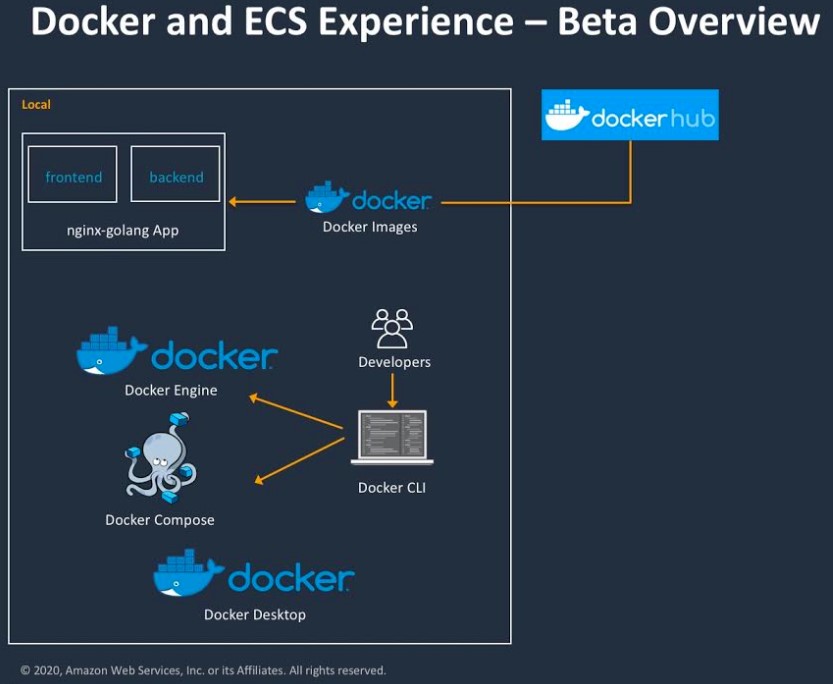
Docker and AWS today announced a new collaboration that introduces a deep integration between Docker’s Compose and Desktop developer tools and AWS’s Elastic Container Service (ECS) and ECS on AWS Fargate. Previously, the two companies note, the workflow to take Compose files and run them on ECS was often challenging for developers. Now, the two companies simplified this process to make switching between running containers locally and on ECS far easier .

docker/AWS architecture overview“With a large number of containers being built using Docker, we’re very excited to work with Docker to simplify the developer’s experience of building and deploying containerized applications to AWS,” said Deepak Singh, the VP for Compute Services at AWS. “Now customers can easily deploy their containerized applications from their local Docker environment straight to Amazon ECS. This accelerated path to modern application development and deployment allows customers to focus more effort on the unique value of their applications, and less time on figuring out how to deploy to the cloud.”

In a bit of a surprise move, Docker last year sold off its enterprise business to Mirantis to solely focus on cloud-native developer experiences.

“In November, we separated the enterprise business, which was very much focused on operations, CXOs and a direct sales model, and we sold that business to Mirantis,” Docker CEO Scott Johnston told TechCrunch’s Ron Miller earlier this year. “At that point, we decided to focus the remaining business back on developers, which was really Docker’s purpose back in 2013 and 2014.”

Today’s move is an example of this new focus, given that the workflow issues this partnership addresses had been around for quite a while already.

It’s worth noting that Docker also recently engaged in a strategic partnership with Microsoft to integrate the Docker developer experience with Azure’s Container Instances.