Year: 2021

15 Jul 2021

The road to a cheaper prosthetic hand

Alt-Bionics made waves back in late 2019 when the brand new startup competed at the University of Texas at San Antonio (UTSA) Tech Symposium. The company finished second to 3BM’s infrared paint-curing system, but Alt went on to capture national and international headlines on the strength of promising technology and a great story.

A writeup on the school’s site noted that, at $700, its prosthetic hand cost a mere fraction of the cost of standard systems. Most of the subsequent coverage has focused on the story of the team’s journey from good idea to marketable product, with CEO/co-founder (and USTA engineering grad) Ryan Saavedra noting that these sorts of products can range from $10,000-$150,000 a pop. The company is working to a price point around $3,500.

In the meantime, the Alt-Bionics team has been chronicling product development on social media. Before we get this roundup stared in earnest, we wanted to check in with Saavedra about how the past three years have gone and what the future holds for the company. And bonus: We’ve got a couple of unreleased renderings that Alt notes are “not indicative of our final product. Just merely a celebratory rendering our team put together to announce the completion of our patent” — so take that as you will.

Image Credits: Alt-Bionics

Why are prosthetics prohibitively expensive?

I’ll start by saying that they aren’t expensive to manufacture and they do not need to be so expensive to the user. At all. There is no one answer for this, but I will do my best to summarize the multiple reasons behind the exorbitant prices surrounding bionic hands. We have found that there are two parts to the end price/cost of prosthetic devices. A third (but secondary reason) will also be discussed.

The manufacturer. The manufacturer develops and creates these bionic devices and then sells them to prosthetic and orthotic clinics (one of the few places you can be fitted for and purchase these devices). The most affordable bionic prosthetic hand sold to P&O clinics starts at about $10,000 and can go up to hundreds of thousands of dollars. Oddly enough, this cost doesn’t always reflect the functionality or performance of the devices. These manufacturers ultimately determine the prices of their devices. The larger among them cite overhead costs as the primary reason they cannot lower their price tags.

The prosthetic & orthotic clinic. We are still learning more about the specifics, but these clinics handle the medical insurance side of things. This means that they submit LCodes (insurance codes for bionic hands, suggested by the manufacturer) to the medical insurance company for reimbursement. These LCodes have floor and ceiling reimbursement amounts that the prosthetist can select. The reimbursement amount is commonly more than what they paid for the hand, and covers the time and effort the clinic and clinician put into procurement, fitting, testing, assembly and patient care. While normally a reasonable margin is obtained (through reimbursement amounts closer to the floor), we have seen reimbursement amounts exceed $124,000 for a $10,000 hand (from a 2018 patient receipt).

Technological stagnation. The technology for bionic hands has been stagnant for almost 15 years, with companies only just now emerging as competitors in this space. Larger companies in this space are tackling more than the one area of transradial (below elbow) bionic prosthetic devices. This means that their attention is not solely focused on the development and affordability aspects of upper extremity prostheses. The stagnation has meant that there are no external factors or forces being pressed on the existing devices and their manufacturers. Essentially, they have no reason to lower the prices, so they remain the same. This is more of an affirmation that reason No. 1 is a larger problem.

How has the reception been from the broader medical community?

Wonderful! Clinics, clinicians, patients, potential users and other competing companies have all been incredibly supportive of our mission. The space and companies, while competitive, are all aiming for the same thing: using technological advancements to give people a better quality of life.

There is obviously some skepticism at first at how we are able to achieve our much lower price point ($3,500), but it is quickly assuaged when we talk with them about our technologies and processes. We are currently discussing partnerships with prosthetic and orthotic clinics to help develop devices that not only help patients, but also lessen the burden of prosthetists in the repair and maintenance of these devices.

How far along is the project? What’s the current timeline for bringing it to market?

The project is just emerging from its infancy and is about 42% complete. Some notable achievements are as follows:

  • Successful proof of concept with Army Ranger, Ryan Davis. December, 2019.
  • Alt-Bionics was formed. May 2020.
  • $42,000 SolidWorks grant from D’Assault Systems. July, 2020.
  • Provisional patent filed. June, 2021.
  • $50,000 investment from the city of San Antonio’s SAMMI Fund. July 2021.

The current timeline to bring our device to market is one year from the closing of our seed round of financing. We have, to date, raised $142,000 of our $200,000 goal and are looking to close out this round by September.

What have the biggest challenges been so far?

Navigating the FDA regulatory space and raising capital. It is no secret that the FDA regulatory process is a fearsome beast. There are even companies dedicated to assisting those looking to bring medical devices to market, navigate the process and all its intricacies. Alt-Bionics was recently accepted into a biomedical accelerator program based out of San Antonio, Texas, and will be working with regulatory experts to ensure we have a smooth rest of the ride to market. While our mission is noble and our business plan sound, COVID has brought about many worries and fears from investors. The inability to pitch to a live audience has hindered us from being able to appear in front of investors and has made raising capital a little more difficult than it normally is for a company like ours.

What is your funding status? How much have you raised thus far and are you looking to raise more?

To date, Alt-Bionics has raised a total of $142,000 from a handful of investors and has received a $50,000 investment from the city of San Antonio’s SAMMI fund. We are looking for an additional $58,000 from accredited investors to help fill out our seed round. From there our timeline of one year to market begins (though we have a hefty head start) and Alt-Bionics will push into its Series A, which will allow us to bring on additional engineers, develop the technology further and expand into international markets.

 Are developing markets going to be a key target? 

Developing countries will be a key market for Alt-Bionics, particularly through NGOs, and will play an important part in our international expansion. We see a large opportunity to provide our medical devices to these markets. Affordability is critical to our mission to provide access to these devices and therefore we believe we will be successful with this expansion.

And now back to your regularly scheduled roundup.
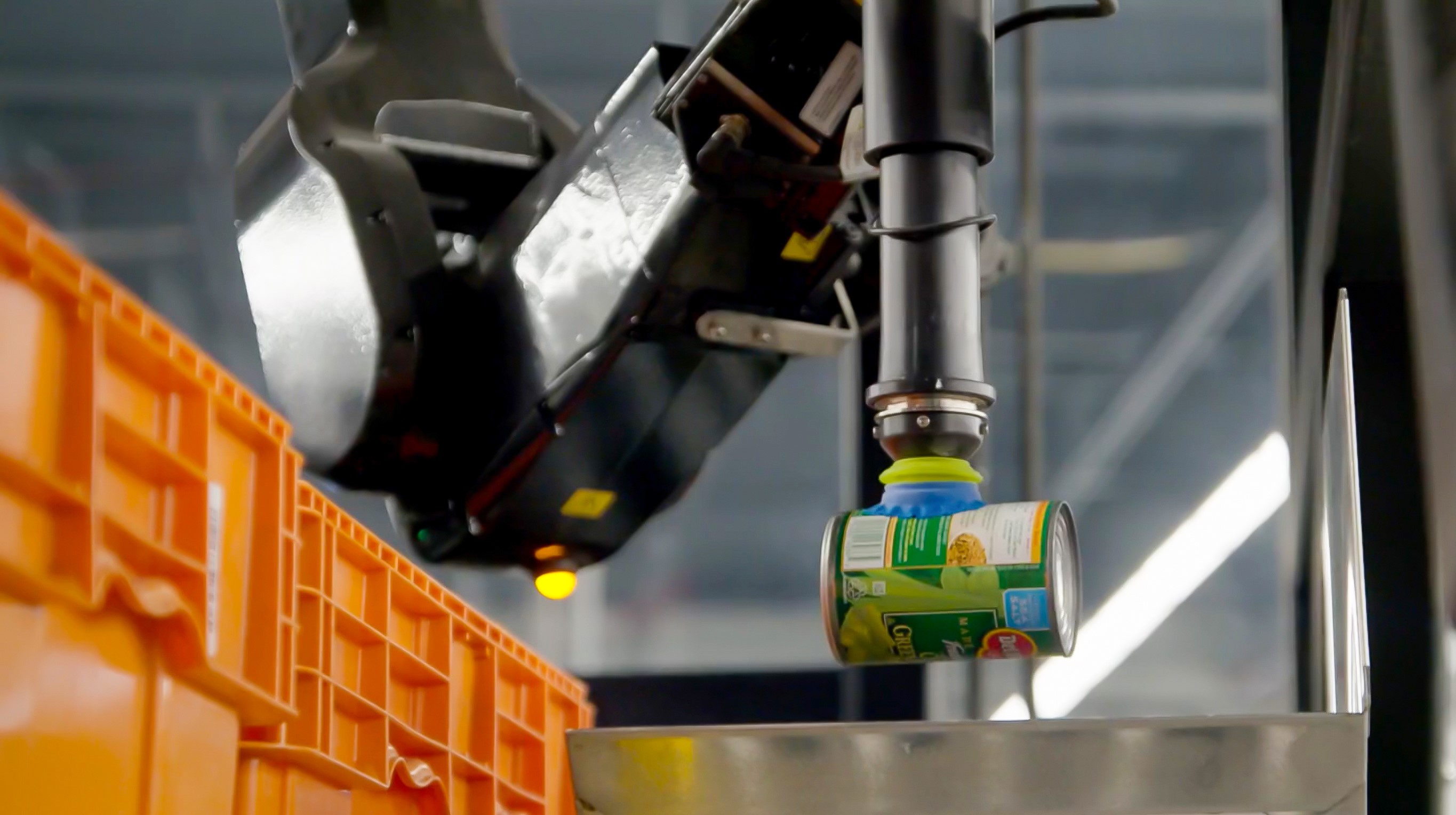
Image Credits: Berkshire Grey

I’ll cop to the fact that when Berkshire Grey announced a “$23+” million deal for grocery picking robots, I had one name in mind: Walmart. After talking a bit about Walmart’s mixed robotics play in this panel a couple of weeks back, I’d heard rumblings the company was getting set for a big new play in the category.

Granted, the Symbotic deal doesn’t necessarily mean BG isn’t teaming with Walmart on this one, but it’s worth noting that the mega-retailer loves talking about its big spending on automation. From the outside, looking in, at least, it seems like these deals are often as much about the PR of looking like it’s ready to compete with Amazon as they are about actually competing with Amazon (win-win, I guess).
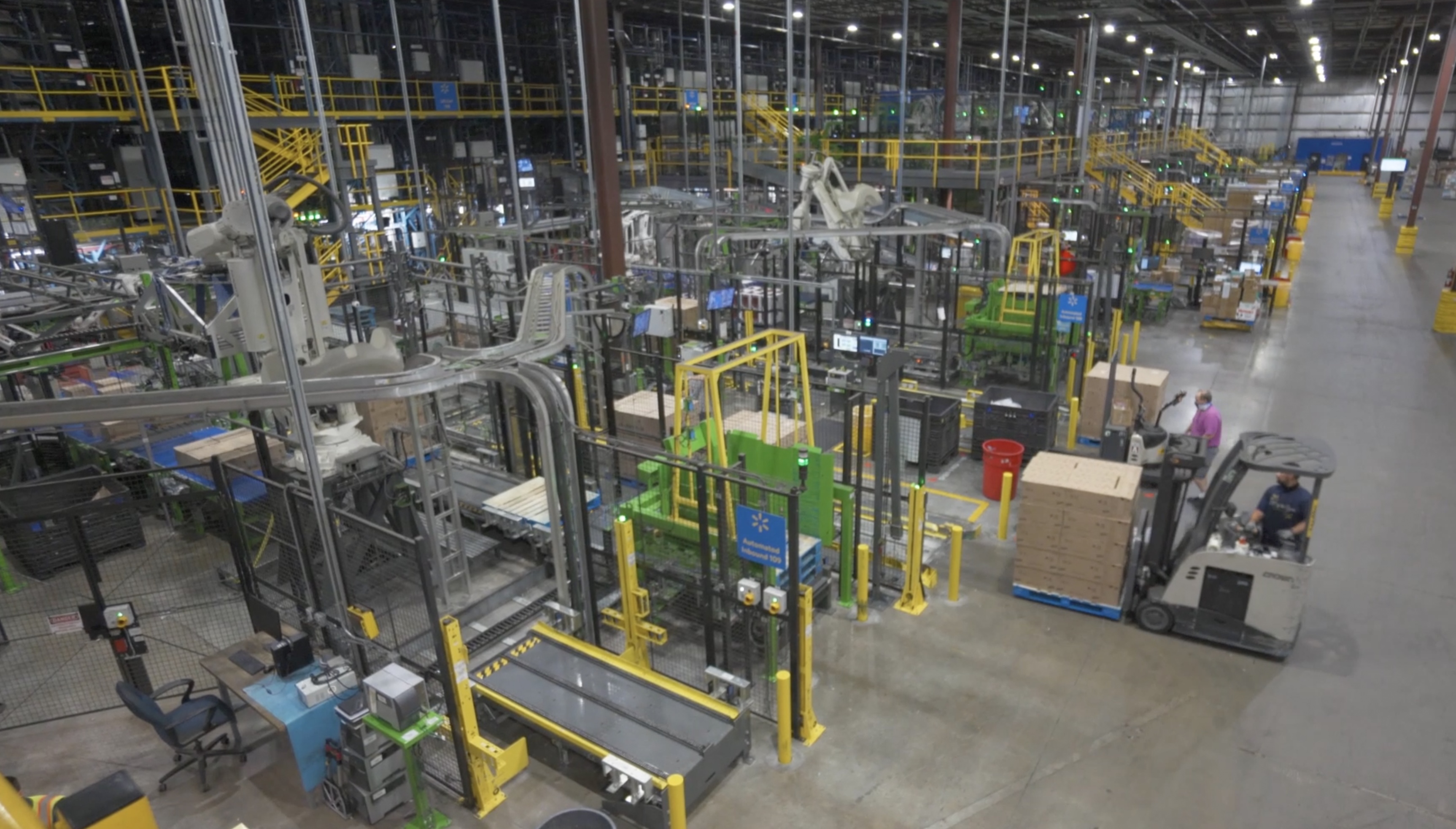
Image Credits: Walmart

The deal will bring Symbotic’s tech to 25 additional Walmart distribution centers (the two have been running pilots since 2017) in a rollout that will take “several years,” per Walmart. I’ve speculated before (and will happily continue to do so) that one or several of these robotic fulfillment companies are a no-brainer acquisition for Walmart, though Symbotic is probably a bit tougher, given existing ties with competitors like Target.

Berkshire Grey, meanwhile, continues to go the public route. Revolution Acceleration Acquisition Corp. (RAAC) shareholders are set to vote on the SPAC deal on July 20. Newly soon to be acquired Fetch, meanwhile, announced a deal with supply chain logistics company Korber for a new pallet robot designed to replace forklifts.

Footage of the robot not falling as it traverses various tough surfaces.

Image Credits: Facebook AI

A pair of cool research projects this week. Devin wrote about a team from Facebook AI, UC Berkeley and Carnegie Mellon University that is exploring Rapid Motor Adaptation, a method that allows quadrupedal robots to adapt to uneven terrain on the fly. This quote from one of the Berkley researchers gets to the heart of the matter: “We do not learn about sand, we learn about feet sinking.”
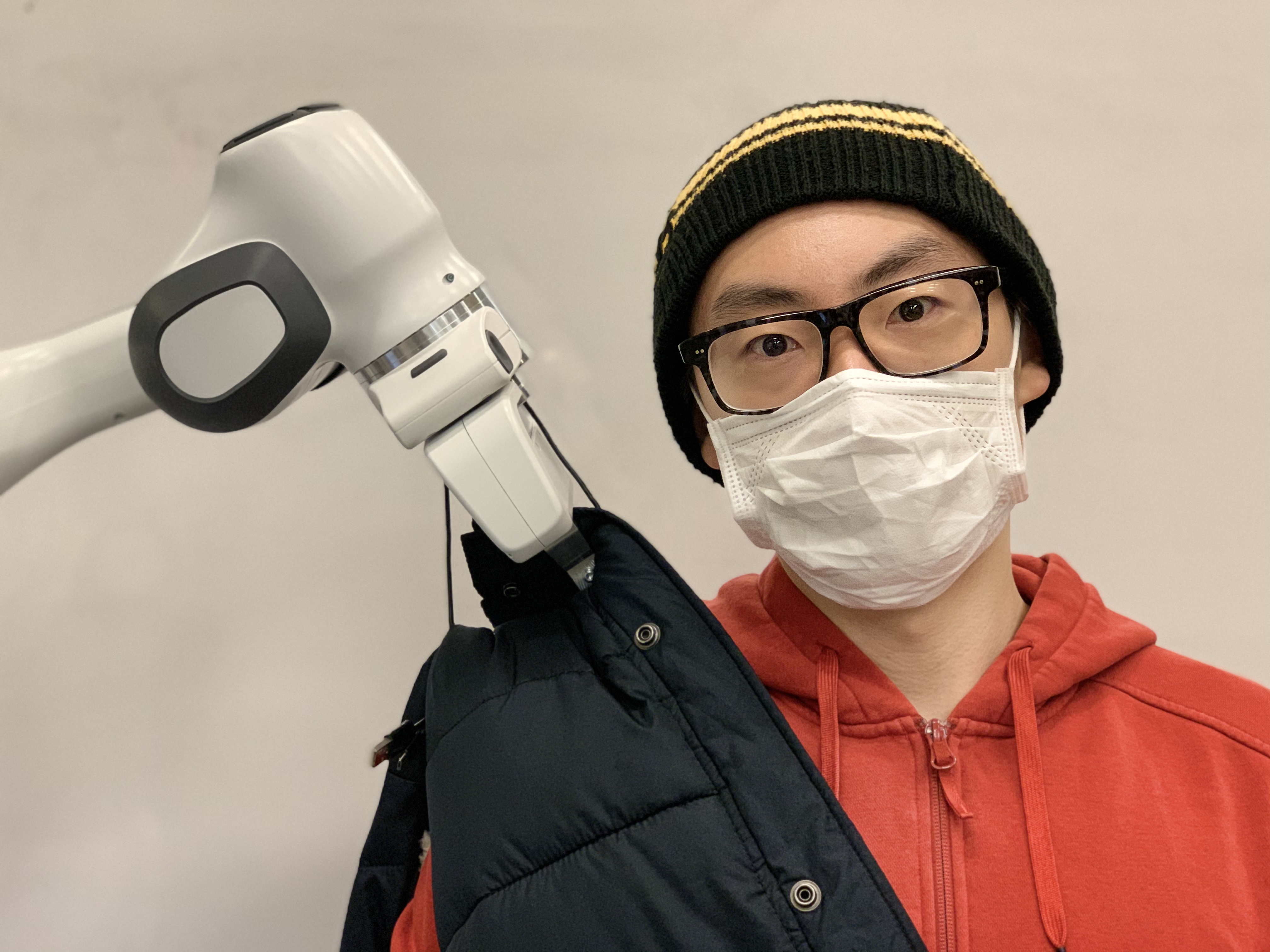
Image Credits: MIT CSAIL

Meanwhile, I wrote about research at MIT’s CSAIL that involves using robotic arms to get people dressed. It’s a promising bit of functionality for eldercare robotics and technology that could assist people with mobility issues.
15 Jul 2021

The CockroachDB EC-1

Every application is a palimpsest of technologies, each layer forming a base that enables the next layer to function. Web front ends rely on JavaScript and browser DOM, which rely on back-end APIs, which themselves rely on databases.

As one goes deeper down the stack, engineering decisions become ever more conservative — changing the location of a button in a web app is an inconvenience; changing a database engine can radically upend an entire project.

It’s little surprise then that database technologies are among the longest-lasting engineering projects in the modern software developer toolkit. MySQL, which remains one of the most popular database engines in the world, was first released in the mid-1990s, and Oracle Database, launched more than four decades ago, is still widely used in high-performance corporate environments.

Database technology can change the world, but the world in these parts changes very, very slowly. That’s made building a startup in the sector a tough equation: Sales cycles can be painfully slow, even when new features can dramatically expand a developer’s capabilities. Competition is stiff and comes from some of the largest and most entrenched tech companies in the world. Exits have also been few and far between.

That challenge — and opportunity — is what makes studying Cockroach Labs so interesting. The company behind CockroachDB attempts to solve a long-standing problem in large-scale, distributed database architecture: How to make it so that data created in one place on the planet is always available for consumption by applications that are thousands of miles away, immediately and accurately. Making global data always available immediately and accurately might sound like a simple use case, but in reality it’s quite the herculean task. Cockroach Labs’ story is one of an uphill struggle, but one that saw it turn into a next-generation, $2-billion-valued database contender.

The lead writer of this EC-1 is Bob Reselman. Reselman has been writing about the enterprise software market for more than two decades, with a particular emphasis on teaching and educating engineers on technology. The lead editor for this package was Danny Crichton, the assistant editor was Ram Iyer, the copy editor was Richard Dal Porto, figures were designed by Bob Reselman and stylized by Bryce Durbin, and illustrations were drawn by Nigel Sussman.

CockroachDB had no say in the content of this analysis and did not get advance access to it. Reselman has no financial ties to CockroachDB or other conflicts of interest to disclose.

The CockroachDB EC-1 comprises four main articles numbering 9,100 words and a reading time of 37 minutes. Here’s what we’ll be crawling over:

We’re always iterating on the EC-1 format. If you have questions, comments or ideas, please send an email to TechCrunch Managing Editor Danny Crichton at danny@techcrunch.com.

15 Jul 2021

CockroachDB, the database that just won’t die

There is an art to engineering, and sometimes engineering can transform art. For Spencer Kimball and Peter Mattis, those two worlds collided when they created the widely successful open-source graphics program, GIMP, as college students at Berkeley.

That project was so successful that when the two joined Google in 2002, Sergey Brin and Larry Page personally stopped by to tell the new hires how much they liked it and explained how they used the program to create the first Google logo.

Cockroach Labs was started by developers and stays true to its roots to this day.

In terms of good fortune in the corporate hierarchy, when you get this type of recognition in a company such as Google, there’s only one way you can go — up. They went from rising stars to stars at Google, becoming the go-to guys on the Infrastructure Team. They could easily have looked forward to a lifetime of lucrative employment.

But Kimball, Mattis and another Google employee, Ben Darnell, wanted more — a company of their own. To realize their ambitions, they created Cockroach Labs, the business entity behind their ambitious open-source database CockroachDB. Can some of the smartest former engineers in Google’s arsenal upend the world of databases in a market spotted with the gravesites of storage dreams past? That’s what we are here to find out.

Berkeley software distribution

Mattis and Kimball were roommates at Berkeley majoring in computer science in the early-to-mid-1990s. In addition to their usual studies, they also became involved with the eXperimental Computing Facility (XCF), an organization of undergraduates who have a keen, almost obsessive interest in CS.

15 Jul 2021

How engineers fought the CAP theorem in the global war on latency

CockroachDB was intended to be a global database from the beginning. The founders of Cockroach Labs wanted to ensure that data written in one location would be viewable immediately in another location 10,000 miles away. The use case was simple, but the work needed to make it happen was herculean.

The company is betting the farm that it can solve one of the largest challenges for web-scale applications. The approach it’s taking is clever, but it’s a bit complicated, particularly for the non-technical reader. Given its history and engineering talent, the company is in the process of pulling it off and making a big impact on the database market, making it a technology well worth understanding. In short, there’s value in digging into the details.

Using CockroachDB’s multiregion feature to segment data according to geographic proximity fulfills Cockroach Labs’ primary directive: To get data as close to the user as possible.

In part 1 of this EC-1, I provided a general overview and a look at the origins of Cockroach Labs. In this installment, I’m going to cover the technical details of the technology with an eye to the non-technical reader. I’m going to describe the CockroachDB technology through three questions:

  1. What makes reading and writing data over a global geography so hard?
  2. How does CockroachDB address the problem?
  3. What does it all mean for those using CockroachDB?

What makes reading and writing data over a global geography so hard?

Spencer Kimball, CEO and co-founder of Cockroach Labs, describes the situation this way:

There’s lots of other stuff you need to consider when building global applications, particularly around data management. Take, for example, the question and answer website Quora. Let’s say you live in Australia. You have an account and you store the particulars of your Quora user identity on a database partition in Australia.

But when you post a question, you actually don’t want that data to just be posted in Australia. You want that data to be posted everywhere so that all the answers to all the questions are the same for everybody, anywhere. You don’t want to have a situation where you answer a question in Sydney and then you can see it in Hong Kong, but you can’t see it in the EU. When that’s the case, you end up getting different answers depending where you are. That’s a huge problem.

Reading and writing data over a global geography is challenging for pretty much the same reason that it’s faster to get a pizza delivered from across the street than from across the city. The essential constraints of time and space apply. Whether it’s digital data or a pepperoni pizza, the further away you are from the source, the longer stuff takes to get to you.

15 Jul 2021

Streamlabs launches Crossclip, a new tool for sharing Twitch clips to TikTok, Instagram and YouTube

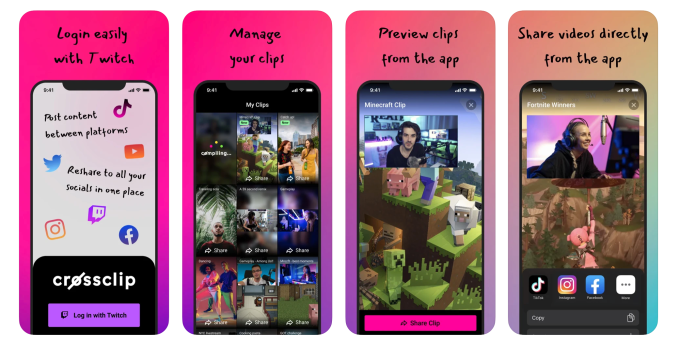
The company behind ubiquitous livestreaming software Streamlabs is introducing a new way for streamers to share their gaming highlights to platforms well beyond Twitch. Streamlabs calls the new tool Crossclip, and it’s available now as an iOS app and as a lightweight web tool.

With Crossclip, creators can easily convert Twitch clips into a format friendly to TikTok, Instagram Reels, YouTube Shorts and Facebook videos. Adapting a snippet from Twitch that you’d like to share is as simple as putting in the clip’s URL and choosing an output format (landscape, vertical or square) and a pre-loaded layout.

Crossclip iOS app

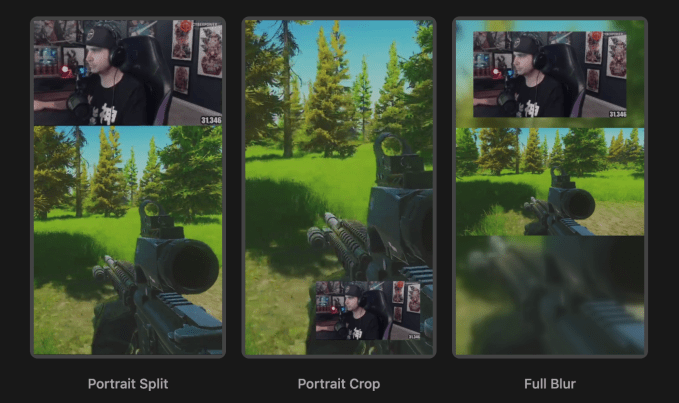
You can crop the clip’s length within Crossclip, blur part of the background and choose from a handful of layouts that let you place the frames in different places (to show the camera view and the livestream view together in vertical orientation, for example).

Crossclip’s core functionality is free, but a premium subscription version ($4.99/month or $49.99/year) removes a branded watermark and unlocks exports in 1080/60fps, larger uploads, added layers and pushes your edits to the front of the processing queue.

Discovery on Twitch is tough. Established streamers grow their audiences easily but anybody just getting started usually has to slog through long stretches of lonely Stardew Valley sessions with only the occasional viewer popping in to say hi. The idea behind Crossclip is to make it easier for streamers to build audiences on other social networks that have better discoverability features, subcommunities and tags to make that process less grueling.

“For a creator, making your content more discoverable is a huge advantage,” Streamlabs Head of Product Ashray Urs told TechCrunch. “When you consider the most popular Twitch streamers, you will notice that they have extremely popular YouTube channels and actively post on Twitter, Instagram, TikTok. If you aren’t sharing content and building your audience with different platforms, you’re making things more difficult for yourself.”
Urs notes that creators are increasingly using TikTok’s algorithmic discovery abilities to grow their audiences. TikTok’s recent addition of longer, three-minute videos is a boon for many kinds of creators interested in leveraging the platform, including gamers and other Twitch streamers.
Anyone with an established audience will find Crossclip a breeze to use too, making it dead-simple to share gaming highlights or Just Chatting clips wherever they’re trying to build up a following. The average clip conversation takes two to three minutes and is a simple one-click process.

Streamlabs, now owned by Logitech, has released a few useful products in recent months. In February, the company launched Willow, its own link-in-bio tool with built-in tipping. In May, Streamlabs deepened its relationship with TikTok — an emerging hub for all kinds of gaming content — adding the ability to “go live” on TikTok into its core livestreaming platform, Streamlabs OBS.

15 Jul 2021

“Developers, as you know, do not like to pay for things”

In the previous part of this EC-1, we looked at the technical details of CockroachDB and how it provides accurate data instantaneously anywhere on the planet. In this installment, we’re going to take a look at the product side of Cockroach, with a particular focus on developer relations.

As a business, Cockroach Labs has many things going for it. The company’s approach to distributed database technology is novel. And, as more companies operate on a global level, CockroachDB has the potential to gain some significant market share internationally. The company is seven years into a typical 10-year maturity model for databases, has raised $355 million, and holds a $2 billion market value. It’s considered a double unicorn. Few database companies can say this.

The company is now aggressively expanding into the database-as-a-service space, offering its own technology in a fully managed package, expanding the spectrum of clients who can take immediate advantage of its products.

But its growth depends upon securing the love of developers while also making its product easier to use for new customers. To that end, I’m going to analyze the company’s pivot to the cloud as well as its extensive outreach to developers as it works to set itself up for long-term, sustainable success.

Cockroach Labs looks to the cloud

These days, just about any company of consequence provides services via the internet, and a growing number of these services are powered by products and services from native cloud providers. Gartner forecasted in 2019 that cloud services are growing at an annual rate of 17.5%, and there’s no sign that the growth has abated at all.

Its founders’ history with Google back in the mid-2000s has meant that Cockroach Labs has always been aware of the impact of cloud services on the commercial web. Unsurprisingly, CockroachDB could run cloud native right from its first release, given that its architecture presupposes the cloud in its operation — as we saw in part 2 of this EC-1.

15 Jul 2021

Scaling CockroachDB in the red ocean of relational databases

Most database startups avoid building relational databases, since that market is dominated by a few goliaths. Oracle, MySQL and Microsoft SQL Server have embedded themselves into the technical fabric of large- and medium-size companies going back decades. These established companies have a lot of market share and a lot of money to quash the competition.

So rather than trying to compete in the relational database market, over the past decade, many database startups focused on alternative architectures such as document-centric databases (like MongoDB), key-value stores (like Redis) and graph databases (like Neo4J). But Cockroach Labs went against conventional wisdom with CockroachDB: It intentionally competed in the relational database market with its relational database product.

While it did face an uphill battle to penetrate the market, Cockroach Labs saw a surprising benefit: It didn’t have to invent a market. All it needed to do was grab a share of a market that also happened to be growing rapidly.

Cockroach Labs has a bright future, compelling technology, a lot of money in the bank and has an experienced, technically astute executive team.

In previous parts of this EC-1, I looked at the origins of CockroachDB, presented an in-depth technical description of its product as well as an analysis of the company’s developer relations and cloud service, CockroachCloud. In this final installment, we’ll look at the future of the company, the competitive landscape within the relational database market, its ability to retain talent as it looks toward a potential IPO or acquisition, and the risks it faces.

CockroachDB’s success is not guaranteed. It has to overcome significant hurdles to secure a profitable place for itself among a set of well-established database technologies that are owned by companies with very deep pockets.

It’s not impossible, though. We’ll first look at MongoDB as an example of how a company can break through the barriers for database startups competing with incumbents.

When life gives you Mongos, make MongoDB

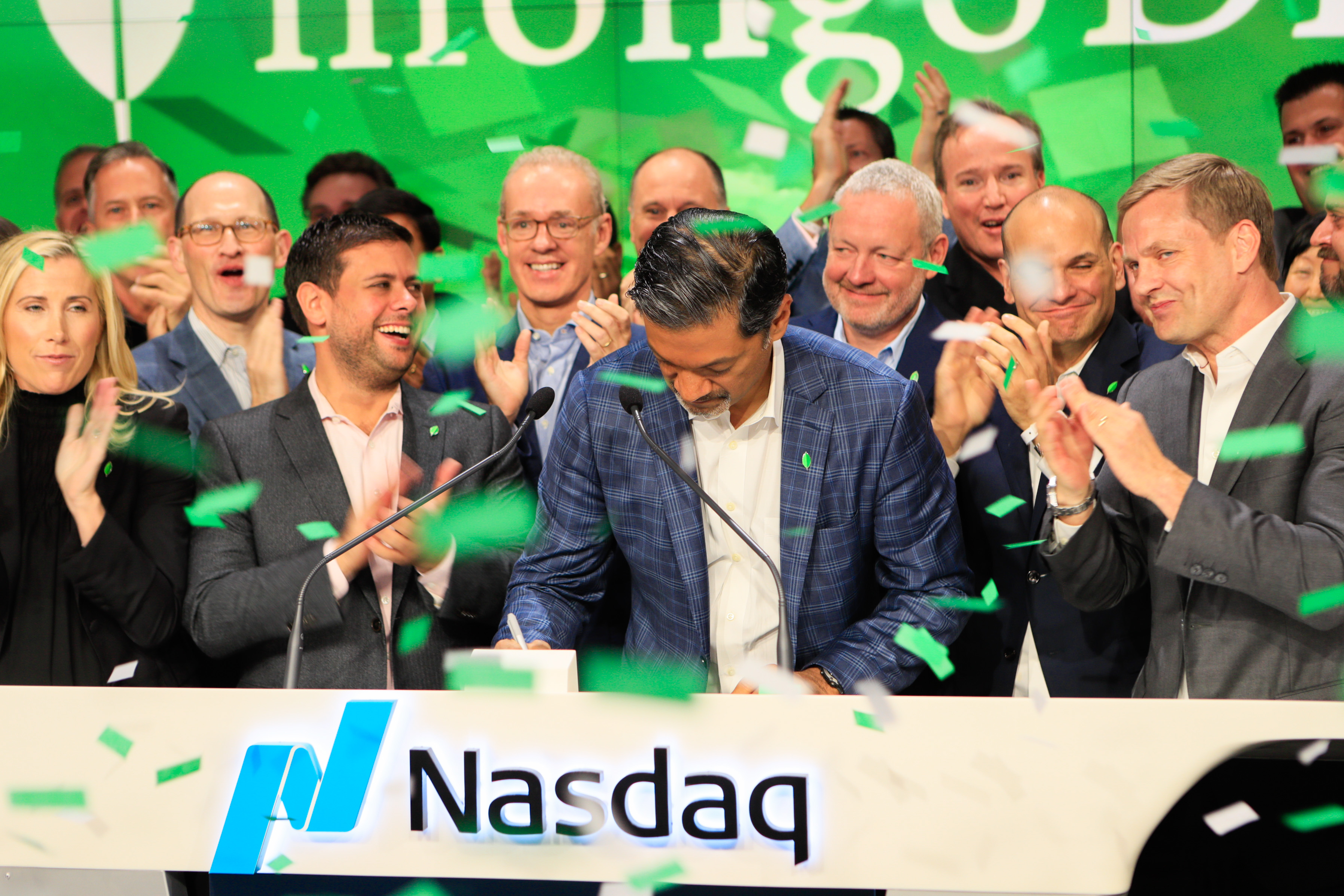
Dev Ittycheria, MongoDB CEO, rings the Nasdaq Stock Market Opening Bell. Image Credits: Nasdaq, Inc

MongoDB is a good example of the risks that come with trying to invent a new database market. The company started out as a purely document-centric database at a time when that approach was the exception rather than the rule.

Web developers like document-centric databases because they address a number of common use cases in their work. For example, a document-centric database works well for storing comments to a blog post or a customer’s entire order history and profile.

15 Jul 2021

What impact will Apple’s buy now, pay later push have on startups?

Bloomberg broke news earlier this week that Apple, the consumer hardware giant with a rising services focus, is building a buy now, pay later (BNPL) service that will integrate with its Apple Pay system. The news sent shares of Affirm down just over 10% by the end of the day, and it shed 2.5% of its value yesterday. It’s off a little more than 61% from the highs it set after debuting earlier this year.

In light of information that Apple could cut into Affirm’s business, investors decided the former consumer fintech unicorn and present-day public BNPL company was worth less. Why? Because rising competition from a player like Apple may limit its growth over time, impacting later profitability. Or more simply, public-market investors decided that the present value of its future cash flows had declined.

It’s not fair to focus on Affirm, of course. Afterpay is also a public BNPL firm; its shares also fell this week, slipping a similar 10% since its close on July 12, the day before the Apple news broke.


The Exchange explores startups, markets and money. 

Read it every morning on Extra Crunch or get The Exchange newsletter every Saturday.


Those are just two names. There are a host of rival BNPL concerns in the world, from small startups to private-market giants like Klarna. Affirm and Afterpay, however, as focused companies in the space that also float, make for a useful window into how investors’ views on the sector are changing in light of the recent Apple announcement.

Our question is what impact the Apple news item may have on startups, given that Apple Pay itself already accounts for about 5% of global card transactions (according to one analysis at least). The answer, I think, is that it will vary a lot based on the focus of the BNPL startup in question. The more specialized the BNPL provider, the less likely that Apple’s eventual foray into the BNPL space may prove combative; the more general the BNPL player, the more likely that Apple could cut into its business.

Why? Distribution and customer expertise.

This isn’t to say that Affirm, Afterpay and other BNPL players are set to follow the dodo; far from it. But if Apple wades into the BNPL market as anticipated, its Apple Pay service could provide a strong distribution network that may ease consumer onboarding. That Apple has also launched a credit card tied to its Apple Pay efforts and offers a lightweight cash-management solution in the United States could also lower the threshold for uptake of the product because consumers are already becoming comfortable with Apple as a banking player of sorts.

Apple also controls massive digital marketplaces, albeit places where BNPL services may prove less pertinent. But it controls brick-and-mortar stores for its own goods around the world, and a global e-commerce operation via its own websites that could provide extra distribution for BNPL services from the company. Simply: Apple sells a lot of pricey products that would be good candidates for BNPL purchases.

All of that will hit some startups. Let’s talk about which are going to dodge the incoming competitive bullet.

15 Jul 2021

Lightyear nabs $13M Series A as online network procurement takes shape

It seems like everything is being pushed online now, but network procurement stubbornly has remained an in-person or phone-based negotiation. Lightyear, an early stage New York City startup decided to change that last year, and the company announced a $13.1 million Series A today.

The round was led by Ridge Ventures with participation from Zigg Capital and a slew of individual investors. Today’s investment comes on the heels of a $3.7 million seed round last October, bringing the total raised to $16.8 million.

CEO and co-founder Dennis Thankachan says that the company has been able to gain customers by offering a new way to procure network resources, which was a great improvement over manual negotiating.

“Last year we launched Lightyear, which was the first tool for buying your telecom infrastructure on the web. And although changing behaviors and the way that enterprises have done things for years is difficult, the status quo in telecom has been zero transparency, no web-based ways to do things, and oftentimes interfacing with really, really large vendors where you have no negotiating leverage even if you’re a big enterprise. That experience was so poor that a lot of enterprises were extremely happy to see what we put in the market,” he said.

What Lightyear offers is an online marketplace where companies can interact with vendors and get a range of price quotes to make a more informed buying decision. The company spent a lot of time improving the product since last October when you could configure some basic stuff, get a price quote, and Lightyear would help you buy it.

Now Thankachan says that the solution covers the full lifecycle of services including configuring a bigger array of services, helping manage the installation of the services and helping reduce the amount of delays and errors in installs. Finally, they help track and manage network inventory and can automate renewal for a whole group of services,

That has resulted in 4X growth in just 9 months since the last round. In addition, the company had relationships with 400 vendors in October and has grown that to mid-500 vendors today. The startup has also doubled the number of employees to around 20.

Thankachan says that as a person of color he is particularly cognizant about building a diverse and inclusive culture. “I’m a person of color, who has been a minority in different work environments in the past, and I know how that feels and how frustrating that can be for a person who feels like their voice is not heard. […] So I think we can start to build a culture that is not necessarily the norm in [the telecommunications industry] by trying to give opportunities to [underrepresented] people,” he said.

Yousuf Khan, a partner at Ridge Ventures, who is leading the round and will be joining the board under the terms of the deal, says that as a former CIO he found Lightyear’s approach quite appealing.

“As a former CIO and someone who has led global technology operations, it’s refreshing to see Lightyear transforming the way business infrastructure gets bought…I wish Lightyear existed during my years as a CIO,” Khan said in a statement.


15 Jul 2021

Blue Origin’s final passenger for its first human spaceflight will be 18-year-old Oliver Daemen

The mystery of who will occupy the final seat on Blue Origin’s debut human spaceflight next week is a mystery no longer: The company revealed today that the winning bidder who forked over $28 million for the privilege is actually going to fly on a later mission, and instead the final seat on the debut flight will go to Oliver Daeman, an 18-year-old high school graduate bound for the University of Utrecht. He’ll be the youngest person to travel to space, which means this launch will include both the youngest and the oldest people ever to make the trip.

Blue Origin is planning to fly its founder Jeff Bezos to space in just a few days on July 20, on its debut human spaceflight. That spacecraft will also be carrying Bezos’ brother, along with 82-year old aerospace pioneer Wally Funk, on the trip to suborbital space for a few minutes of weightlessness and unparalleled views before coming back down for a controlled landing in West Texas.

The final seat was auctioned off via a multi-stage process that culminated in a live online bidding rally, which brought the final total paid for the ticket to that whopping $28 million, which is much more than the regular price of the average seat will be during regular commercial flight of the New Shepard spacecraft. That winner, who remains anonymous for now, has declined to go on this one due to “scheduling conflicts.” The funds from the ticket auction are actually being donated to charity, however, rather than acting as revenue for Blue Origin in a commercial sense, going instead to its registered non-profit Club for the Future, which is dedicated to furthering STEM education.

Blue Origin’s New Shepard launch vehicle is designed for suborbital commercial human spaceflight, including both tourism and research uses. The fully reusable system consists of a booster and an upper stage that includes a crew capsule, and after a series of test flights that began in 2015, Blue Origin is now ready to fly it with people on board for the first time, as a final set of