Immersive Labs, a platform which teaches cyber security skills corporate employees by using real, up-to-date threat intelligence in a “gamified” way, has closed a $75 million Series C funding round led by new investors Insight Partners alongside Menlo Ventures, Citi Ventures and existing investor Goldman Sachs Asset Management.
The investment will be used to scale Immersive’s offering in the US and take advantage of the new wave of interest in cyber threats caused by so many people working remotely, post-pandemic. Founded in 2017, Immersive Labs now has 200 people, with joint operations HQs in Bristol, UK, and Boston, US. It plans to raise headcount to over 600 in the next two years and establish operations in new regions throughout APAC and Europe. Immersive’s ‘Cyber Workforce Optimization’ platform claims to offer board-level metrics and benchmarking to gauge how the skills inside organizations are coping.
Immersive has now raised a total of $123m in venture funding and counts HSBC, Vodafone, and the NHS as customers. The company says it is growing at “over 100% year-on-year”.
James Hadley, CEO and founder of Immersive Labs, said: “With cyber risk becoming a problem for a growing number of business functions, cybersecurity knowledge and skills should no longer be the preserve of a few technical people hidden away in a back office. Everyone from the teams who build software, to the CEO, now need to play their part in addressing a pervasive company issue. This requires unlocking and evidencing skills in a much broader group of people.”
Ryan Hinkle, managing director at Insight Partners, said: “With significant global customer and revenue growth over the last few years, Immersive Labs has established a strong position in the fast-developing cyber skills space. With influential leadership, an innovative product in a growing market, and strong user engagement, the company is in a position to continue to lead the cyber readiness market.”
Speaking to me over an interview, Hadley added: “We chose Insight Partners because they’ve got a real strength in enterprise B2B which is where we sell to CIOs and CEOs… We want to be the next Darktrace in terms of a successful UK cybersecurity company.”
The comparison might not be that fanciful. Immersive Labs came out of the CYLON cyber accelerator, similar to Darktrace, has the same investors as Darktrace, but has in fact attracted $75m for its Series C, whereas Darktrace didn’t manage that level until Series D. Darktrace has now IPO’d in the London for £1.7bn.
Hadley, a former GCHQ security researcher and trainer, came up with the idea for the cyber skills platform while leading cyber training himself. I asked him why he thinks Immersive has managed to come up with a ‘flywheel effect’ with its platform.
“People always talk about all the cyber threats getting worse, but it really is now and it’s in the public domain. We’ve got a strong belief that cybersecurity is no longer the responsibility of the geeks in the basement. Actually, it’s business-wide. And now the tidal wave is coming. Cybercrime is going to go off the scale this year and next because companies are paying the ransoms. And as a result of that, we’re putting in analytics to measure decision-making in a crisis. It’s just resonating really well with every company regardless of CIO or vertical,” he told me.
The Gang or a subset did a Clubhouse, longer than a regular show by a good third. The audio only structure lacked the visual cues that distinguish between irony and bad manners, but otherwise it felt familiar if not comfortable. I can’t remember what we talked about, only that I seemed a little more emphatic about my opinions than usual. We recorded the meeting, which is close to what it was. Not really a show, more a rally of a political platform with no policies. A few friends joined in, several listeners drifted in and out. All in all, about what I expected.
The following day, I called around to get others’ reactions. Also about what I expected. That evening, someone hosted a Twitter Spaces event that apparently peaked at 22,000 listeners. The subject matter was crypto. I remember walking around below the stage at Woodstock early on the first afternoon of the festival. The fences were down; the concert was declared free, and the crowds began to build. The sense of something big filled the air, but I was more concerned with the foreboding storm clouds gathering at the top of the hill. At some point as the thunder began to roll in, I left and headed back to the safety of the town of Woodstock 40 miles away.
I grew up part time in Woodstock, the other part in the city at my father’s apartment in Greenwich Village. From as early as I remember, the conversation around the coffee table in the kitchen was all about the issues of the day, the music and media of the time, the patterns of a family marked by divorce, liberalism, and the key notion that age had little to do with one’s standing around the table. It always felt profound to me that I could be heard and listen to any subject or feeling, across the multigenerational patchwork of step and half siblings, and in both the Village and Woodstock, a steady stream of artists, musicians, and filmmakers engaged intimately in the moment of the 60’s and on and on to this day. My point is that Clubhouse and Twitter and a flattened hierarchy of intention and opinion is a constant in my life, not a new freedom or problem to be overcome. It’s the old normal, for me.
On this edition of the Gang, the subject of Amazon’s Sidewalk mesh network arises. Suffice it to say, there are security implications. What happens when a company whose scale has captured a significant percentage of the world economy in the pandemic offers an opt out service sharing its customers’ broadband internet access with other Amazon customers? The potential arrogance of providing an opt out date after which you have agreed to this plan by not saying no is, well, breathtaking. Forget that the algorithm uses a very small part of your bandwidth cap and would be unlikely to affect your access to or price of the subscription to the network. In some way, that makes the grab seem even more Machiavellian than it really is. But even more egregious is the suggestion that such a mesh network gives potential access not only to the bandwidth but what you and everybody else in the neighborhood does with it. Wherever you go, there you are indeed. Or, there goes the neighborhood.
For now, the fences are down in the new Woodstock. Washington is coming for its cut of the pie, and the new rules of post-cookie and privacy v. economy are being debated. Apple is challenging the newsletter and its rationale creator economy by breaking access to the open and click rates that drive analytics. Tracking pixels will now open en masse before the beginning of the viewing process rather than firing off as clicks are generated. Substack and Revue tools to track these indications of user preference will have to be replaced by direct appeals for information about preferences, which to me suggests a kind of horse trade in terms of subscriber cost versus user-provided data. By the way, I very much appreciate new subscribers to the Gang newsletter feed, even though we’ve moved off Substack to Revue and don’t know why people are subscribing to an empty stream. Come to think of it, the sound of silence may be worth it.
As Professor Corey used to say, “No, no, I really mean that.” What is said may not be the most important part of the transaction. Instead, how trust is established and maintained is a core value. The newsletter proposition is to cut to the chase, whether by overt messages or the avoidance of wasted time spent on concerns or attitudes that have already been understood by the nature of the subscribed relationship. As the cost of creator production approaches zero, tools are needed to evaluate the credibility and utility of all these new voices. Where magazines and publishers used to provide a screening process, now the methodology for measuring trust becomes business critical. How many are watching or reading what is still important, but who those people are and how they relate to each other in a retweet/like social culture is more so.
Something akin to this is going on with live audio, where the conversation is a representative democratic process where listeners can evaluate not just what is said but how it is absorbed by the others “on stage.” These little signals of discovery between speakers are amplified by the audience reaction and, painfully, their withdrawal from the room via Leave Quietly. You can hear the moderator(s) quickly responding to such attrition with pivots to more viable subject matter or new speakers, but in aggregate these adjustments form a roadmap for future participation by “subscribers.” In this structure, the subscription is less about the price and more about the trust the group ascribes to the producers and speakers.
At Woodstock, the downed fences, traffic jams, and general chaos of creating a half-a-million population city in a heartbeat produced a difficult management situation where the very acts promoted by the organizers were unable to reach the stage. Instead, artists like John Sebastian of the Lovin’ Spoonful (attending but not performing) were thrust into the spotlight for iconic performances that changed not only their careers but the rhythm and drama of the film that resulted. Joni Mitchell was convinced by her manager to skip the event in favor of an appearance on the Dick Cavett show, but her boyfriend of the time, Graham Nash, was there as part of CSN&Y and relayed his impressions of the event as Mitchell sat in her hotel room. The result was the song she wrote, as recorded by CSNY, became the lead single from the band’s next record Déjà Vu, and played over the end credits of the film.
“We are stardust… golden… got to get back to the garden.” Joni Mitchell’s invisible pixels sprinkled over the massive economic disaster known as the Woodstock festival captured the top of the hit parade, and with it the moment we remember in history. Altamont, assassinations, pandemics, Nixon bombing in Ohio were soon to replace the aura of the hippie trek, but we still celebrate the idea of what we call Woodstock. The cryptos may be right, and translucent pixels may be suppressed, but I’ll still take CSNY’s glowing harmonies any day on my morning Wheaties. I’ll take shows about nothing for 40, Bob.
Tristan Abbey is President of Comarus Analytics LLC. He served as senior policy advisor at the U.S. Senate Committee on Energy and Natural Resources and as director for strategic planning at the National Security Council.
No single question bedevils American energy and environmental policy more than nuclear waste. No, not even a changing climate, which may be a wicked problem but nonetheless receives a great deal of counter-bedeviling attention.
It’s difficult to paint the picture with a straight face. Let’s start with three main elements of the story.
First, nuclear power plants in the United States generate about 2,000 metric tons of nuclear waste (or “spent fuel”) per year. Due to its inherent radioactivity, it is carefully stored at various sites around the country.
Second, the federal government is in charge of figuring out what to do with it. In fact, power plant operators have paid over $40 billion into the Nuclear Waste Fund so that the government can handle it. The idea was to bury it in the “deep geological repository” embodied by Yucca Mountain, Nevada, but this has proved politically impossible. Nevertheless, $15 billion was spent on the scoping.
Third, due to the Energy Department’s inability to manage this waste, it simply accumulates. According to that agency’s most recent data release, some 80,000 metric tons of spent fuel—hundreds of thousands of fuel assemblies containing millions of fuel rods—is waiting for a final destination.
And here’s the twist ending: those nuclear plant operators sued the government for breach of contract and, in 2013, they won. Several hundred million dollars is now paid out to them each year by the U.S. Treasury, as part of a series of settlements and judgments. The running total is over $8 billion.
I realize this story sounds a little crazy. Am I really saying that the U.S. government collected billions of dollars to manage nuclear waste, then spent billions of dollars on a feasibility study only to stick it on the shelf, and now is paying even more billions of dollars for this failure? Yes, I am.
Fortunately, all of the aggregated waste occupies a relatively small area and temporary storage exists. Without an urgent reason to act, policymakers generally will not.
While attempts to find long-term storage will continue, policymakers should look towards recycling some of this “waste” into usable fuel. This is actuallyanoldidea. Only a small fraction of nuclear fuel is consumed to generate electricity.
Proponents of recycling envision reactors that use “reprocessed” spent fuel, extracting energy from the 90% of it leftover after burn-up. Even its critics admit that the underlying chemistry, physics, and engineering of recycling are technically feasible, and instead assail the disputable economics and perceived security risks.
So-called Generation IV reactors come in all shapes and sizes. The designs have been around for years—in some respects, all the way back to the dawn of nuclear energy—but light-water reactors have dominated the field for a variety of political, economic, and strategic reasons. For example, Southern Company’s twin conventional pressurized water reactors under construction in Georgia each boast a capacity of just over 1,000-megawatt (or 1 gigawatt), standard for Westinghouse’s AP 1000 design.
In contrast, next-generation plant designs are a fraction of the size and capacity, and also may use different cooling systems: Oregon-based NuScale Power’s 77-megawatt small modular reactor, San Diego-based General Atomics’ 50-megawatt helium-cooled fast modular reactor, Alameda-based Kairos Power’s 140-megawatt molten fluoride salt reactor, and so on all have different configurations that can fit different business and policy objectives.
Many Gen-IV designs can either explicitly recycle used fuel or be configured to do so. On June 3, TerraPower (backed by Bill Gates), GE Hitachi, and the State of Wyoming announced an agreement to build a demonstration of the 345-megawatt Natrium design, a sodium-cooled fast reactor.
Natrium is technically capable of recycling fuel for generation. California-based Oklo has already reached an agreement with Idaho National Laboratory to operate its 1.5-megawatt “microreactor” off of used-fuel supplies. In fact, the self-professed “preferred fuel” for New York-based Elysium Industries’ molten salt reactor design is spent nuclear fuel and Alabama-based Flibe Energy advertises the waste-burning capability of its thorium reactor design.
Whether advanced reactors rise or fall does not depend on resolving the nuclear waste deadlock. Though such reactors may be able to consume spent fuel, they don’t necessarily have to. Nonetheless, incentivizing waste recycling would improve their economics.
“Incentivize” here is code for “pay.” Policymakers should consider ways that Washington can make it more profitable for a power plant to recycle fuel than to import it—from Canada, Kazakhstan, Australia, Russia, and other countries.
Political support for advanced nuclear technology, including recycling, is deeper than might be expected. In 2019, the Senate confirmed Dr. Rita Baranwal as the Assistant Secretary for Nuclear Energy at the Department of Energy (DOE). A materials scientist by training, she emergedasachampion of recycling.
The new Biden administration has continued broadly bipartisan support for advanced nuclear reactors in proposing in its Fiscal Year 2022 Budget Request to increase funding for the DOE’s Office of Nuclear Energy by nearly $350 million. The proposal includes specific funding increases for researching and developing reactor concepts (plus $32 million), fuel cycle R&D (plus $59 million), and advanced reactor demonstration (plus $120 million), and tripling funding for the Versatile Test Reactor (from $45 million to $145 million, year over year).
In May, the DOE’s Advanced Research Projects Agency-Energy (ARPA-E) announced a new $40 million program to support research in “optimizing” waste and disposal from advanced reactors, including through waste recycling. Importantly, the announcement explicitly states that the lack of a solution to nuclear waste today “poses a challenge” to the future of Gen-IV reactors.
The debate is a reminder that recycling in general is a very messy process. It is chemical-, machine-, and energy-intensive. Recycling of all kinds, from critical minerals to plastic bottles, produces new waste, too. Today, federal and state governments are quite active in recycling these other waste streams, and they should be equally involved in nuclear waste.
Blue Origin has its winning bidder for its first ever human spaceflight, and the winner will pay $28 million for the privilege of flying aboard the company’s debut private astronaut mission. The winning bid came in today during a live auction, which saw 7,600 registered bidders, from 159 countries compete for the spot.
This was the culmination of Blue Origin’s three part bidding process for the ticket, which included a blind auction first, followed by an open, asynchronous auction with the highest bid posted to the company’s website whenever it changed. This last live auction greatly ramped up the value of the winning bid, which was at just under $5 million prior to the event.
This first seat up for sale went for a lot more than what an actual, commercial spot is likely to cost on Blue Origin’s New Shepard capsule, which flies to suborbital space and only spends a few minutes there before returning to Earth. Estimates put the cost of a typical launch at someone under $1 million, likely closer to $500,000 or so. But this is the first, which is obviously a special distinction, and it’s also a trip that will allow the winning bidder to pretty much literally rub elbows with Blue Origin founder Jeff Bezos, who is going to be on the flight as well, along with his brother Mark, and a fourth passenger that Blue Origin says it will be announcing sometime in the coming “weeks,” ahead of the July 20 target flight date.
As for who won the auction, we’ll also have to wait to find that out, since the winner’s identity is also going to be “released in the weeks following” the end of today’s live bidding. And in case you thought that $28 million might represent a big revenue windfall for Blue Origin, which has spent years developing its human spaceflight capability, think again: The company is donating it to its Club for the Future non-profit foundation, which is focused on encouraging kids to pursue careers in STEM in a long-term bid to help Bezos’ larger goals of making humanity a spacefaring civilization.
You can re-watch the entire live bidding portion of the auction via the stream below.
In a world of talking points and corporate jargon, opinions are refreshing — and Expensify CEO and founder David Barrett is full of them. One of his earliest lessons in life, for example, was that basically everyone is wrong about basically everything. If instilling that at a young age doesn’t force you to become an entrepreneur, I don’t know what does.
Barrett’s ethos has, as reporter Anna Heim puts, led to Expensify having “its own take on almost everything” from hiring without job titles and resumes, to going distributed before it was cool, to having an almost non-existent sales team.
And before you roll your eyes at the unconventional, here’s a factoid for you: Today, the 130-person expense management business has reached more than 10 million users and hit $100 million in annual revenue.
Heim has spent months working on the Expensify EC-1 to connect dots and give us a full picture into an anything-but-conventional company as it heads toward an IPO. The final installment published this week so you can read the whole series in one straight shot:
In the rest of this newsletter, I’ll walk you through a refresh of some new investment vehicles and two fintech mega-rounds to know. I also want to give a shout out to our mobility team, with transportation editor Kirsten Korosec and reporters Aria Alamalhodaei and Rebecca Bellan, who led efforts to put on a fantastic event at TC Sessions: Mobility this week.
Ok, into the news!
More money, more representation?
Image Credits: Black_Kira / Getty Images
As I discussed last month, venture capital is going through yet another unbundling process. But, for every savvy fintech syndicate out there, I don’t see the same level of explicitness when it comes to the tools that help the communityless, undernetworked and underestimated access opportunities.
Here’s what to know: Two new efforts this week give me hope. Ten venture capitalists teamed up to launch Screendoor, which Forbes reports is a $50 million fund-of-funds to back emerging fund managers from diverse backgrounds. The partners, which include Charles Hudson, Kirsten Green, Aileen Lee and Hunter Walk, will not take any fee or carry in the fund.
Speaking of cross-fund collaboration, Utah-based startup incubator Altitude Lab had similar news to share. The incubator, which spun out of Recursion and the University of Utah, has launched a 13-investor coalition to back underrepresented health tech founders. This week, it announced a $50 million commitment in funding and mentorship.
Three is a trend, but two means twins, and that matters too! Riddles aside, we saw two fintech giants raise massive tranches of capital within days of each other.
Here’s what to know: Klarna raised $639 million at a $45.6 billion valuation, and Nubank raised $750 million at a $30 billion valuation. Both fintech companies are based outside of the United States, but Klarna attests some of its rapid growth to a growing consumer base in the United States. More than 18 million American consumers are now using Klarna, which is up from 10 million at the end of last year’s third quarter. Meanwhile, Nubank is staying focused on its primary market of Brazil, with some expansion in Colombia and Mexico.
Another week, another spicy Equity episode for you. And this week, we mean it literally: Simulate, the company behind those sometimes spicy fake chicken nuggets, raised a ton of money.
Here’s what to know: Beyond fake meat, topics in this week’s episode include worker empowerment, culture in startups, eldercare and a $900 million exit.
Around TC
A big theme of this year in tech? Figuring out how to break through the noise. Sure, there are millions of marketers out there, but only a slice of those have actually had experience helping grow startups to success. So, TechCrunch is here to help! We’re making a list of the best growth marketers for startups. You can help us by nominating your favorites into this survey.
Welcome back to The TechCrunch Exchange, a weekly startups-and-markets newsletter. It’s broadly based on the daily column that appears on Extra Crunch, but free, and made for your weekend reading. Want it in your inbox every Saturday? Sign up here.
Ready? Let’s talk money, startups and spicy IPO rumors.
A small programming note: The Exchange column and newsletter are off next week (6/14-6/19), returning to regular service 6/21 after I get some sleep and come up with some new ideas! — Alex
The Exchange dug into the mostly bullish IPO market earlier this week, noting that Monday.com and Marqeta put up some pretty big points over the last few days. The unicorn market is looking reasonably healthy, in other words, which itself bodes well for Q3 liquidity.
But today, instead of taking a broader view, I want to niche down to just the Marqeta offering. For fintech companies, the company’s successful pricing and strong share-price performance is a welcome result. But how does the company itself feel about its debut?
To get a handle on just that, The Exchange chatted with the company’s founder and CEO Jason Gardner after his company priced its IPO and started to trade. To annoy my dear friend and TechCrunch superior Henry Pickavet, we’ll proceed in bullet points so that we can cover lots of ground and stay within word count:
Gardner said that he spent 34 hours doing Q&A during the Marqeta roadshow. And that he loved it. This detail has little to do with the company’s IPO but does provide a little perspective on the CEO himself. That’s a lot of hours of answering the same 13 questions. I would have gone insane.
Marqeta priced above-range, raising more money than it might have anticipated. Per Gardner, the company will pursue inorganic growth (acquisitions) especially in markets outside the United States as they make sense, with the caveat that he has a high bar for technology quality; Gardner said that he won’t buy companies with lesser tech, as you’d just have to rebuild them after buying them. Shade.
Marqeta started talking internally about its IPO 18 months before it occurred, which made the transition to being a public company easier. I suppose Gardner’s point here that going public is a cultural lift as well as an accounting job. Which makes SPACs appear slightly cavalier, if I can take the point one step further.
What’s changed for Gardner as his company has matured and now gone public? His perspective has pushed farther out, from months to years; I presume that this will continue as Marqeta expands even more.
Shares of Marqeta are up another 6% as I write to you Friday afternoon.
Embroker is a San Francisco-based insurtech company that sells business insurance. Its products include cyber coverage, business-owner coverage, professional liability and the like. It’s perhaps related to Next Insurance, another insurtech provider with a business focus that recently raised a huge round.
The Exchange crew, fascinated as we are by insurtech as a larger category, wanted to get some questions in front of the Embroker crew. Here’s a Q&A that was conducted via email. Bolding via TechCrunch. Questions have been gently edited for clarity:
From a high level, are the loss ratios that the business insurance products that Embroker offers better/worse/comparable to those that we are familiar with in, say, consumer auto insurance?
Yes, our loss ratios are substantially better than other insurance products like consumer auto or homeowners insurance. And our loss ratios thus far compare favorably to other established small business commercial carriers.
When the company was negotiating valuation for the new round, did recent insurtech IPOs come into the pricing discussion?
The recent insurtech IPOs have provided valuation benchmarks in the public market, which is great for the space overall. But we didn’t use them as direct comps because our loss ratio, retention, and sales and marketing efficiency are all substantially better than other insurtechs currently in the public markets.
We found it interesting that Embroker offers “cyber risk insurance.” Given growth in market concerns regarding ransomware, is that product in higher demand than before? And is it as economically lucrative as other insurance lines at the company?
Given the recent number of high profile cyber claims we expect cyber to be a rapidly growing line of insurance both in terms of demand and in terms of pricing. While claims activity will likely continue to rise, our models for cyber have been effective at pricing the risk appropriately and we expect that the investments we’re making in our platform will allow us to continue to do so.
For startups specifically, we also currently bundle tech E&O and cyber insurance as many founders were under covered by stand alone E&O or cyber policies when it came to these emerging threats.
Finally, we’re curious what the company’s marketing spend has looked like over time — are you finding similarly efficient S&M avenues as you did when Embroker was smaller?
While we’ve been growing our marketing spend materially each year, it has actually been decreasing as a percentage of revenue consistently as we get to larger market share within the verticals we target, as that drives significant organic growth for us. For example, we currently insure a large enough percentage of all active U.S. venture-backed companies that so many companies just know to come to us for insurance when they raise funding.
Sure, that’s a lot of words. But inside of the bloc are key nuggets. That Embroker considers its economics better than what we can see in most public comps is notable; the fact implies that there is a wider economic spread amongst insurtech companies than we have been led to believe by the few IPOs we’ve seen.
And that Embroker has operating leverage, at least regarding its S&M spend. That could indicate that the insurtech marketplace is not so crowded as to make intelligent business operations impossible. Surely that terrible turn of events can be solved with a few hundred million more from Tiger and its rivals.
Closing today, on the OKR software beat — more here — Koan reported 82% customer growth this week. For a scrappy player in a crowded market, that’s a great result. A startup to watch, I reckon.
The announcement of new iPad software at this year’s WWDC conference had an abnormally large expectation hung on it. The iPad lineup, especially the larger iPad Pro, has kept up an impressively frantic pace of hardware innovation over the past few years. In that same time frame, the software of the iPad, especially its ability to allow users to use multiple apps at once and in its onramps for professional software makers, has come under scrutiny for an apparently slower pace.
This year’s announcements about iOS 15 and iPadOS 15 seemed designed to counter that narrative with the introduction of a broad number of quality of life improvements to multitasking as well as a suite of system-wide features that nearly all come complete with their own developer-facing APIs to build on. I had the chance to speak to Bob Borchers, Apple’s VP of Worldwide Product Marketing, and Sebastien (Seb) Mariners-Mes, VP, Intelligent System Experience at Apple about the release of iPadOS 15 to discuss a variety of these improvements.
Mariners-Mes works on the team of Apple software SVP Craig Federighi and was pivotal in the development of this new version.
iPad has a bunch of new core features including SharePlay, Live Text, Focuses, Universal Control, on-device Siri processing and a new edition of Swift Playgrounds designed to be a prototyping tool. Among the most hotly anticipated for iPad Pro users, however, are improvements to Apple’s multitasking system.
If you’ve been following along, you’ll know that the gesture-focused multitasking interface of iPadOS has had its share of critics, including me. Though it can be useful in the right circumstances, the un-discoverable gesture system and confusing hierarchy of the different kinds of combinations of apps made it a sort of floppy affair to utilize correctly for an apt user much less a beginner.
Since the iPad stands alone as pretty much the only successful tablet device on the market, Apple has a unique position in the industry to determine what kinds of paradigms are established as standard. It’s a very unique opportunity to say, hey, this is what working on a device like this feels like; looks like; should be.
So I ask Borchers and Mariners-Mes to talk a little bit about multitasking. Specifically Apple’s philosophy in the design of multitasking on iPadOS 15 and the update from the old version, which required a lot of acrobatics of the finger and a strong sense of spatial awareness of objects hovering out off the edges of the screen.
“I think you’ve got it,” Borchers says when I mention the spatial gymnastics, “but the way that we think about this is that the step forward and multitasking makes it easier discover, easier to use even more powerful. And, while pros I think were the ones who were using multitasking in the past, we really want to take it more broadly because we think there’s applicability to many, many folks. And that’s why the, the discovery and the ease of use I think were critical.”
“You had a great point there when you talked about the spatial model and one of our goals was to actually make the spatial model more explicit in the experience,” says Mariners-Mes, “where, for example, if you’ve got a split view, and you’re replacing one of the windows, we kind of open the curtain and tuck the other app to the side, you can see it — it’s not a hidden hidden mental model, it’s one that’s very explicit.
Another great example of it is when you go into the app, switcher to reconfigure your windows, you’re actually doing drag and drop as you rearrange your new split views, or you dismiss apps and so on. So it’s not a hidden model, it’s one where we really try to reinforce a spatial model with an explicit one for the user through all of the animations and all of the kinds of affordances.”
Apple’s goal this time around, he says, was to add affordances for the user to understand that multitasking was even an option — like the small series of dots at the top of every app and window that now allows you to explicitly choose an available configuration, rather than the app-and-dock-juggling method of the past. He goes on to say that consistency was a key metric for them on this version of the OS. The appearance of Slide Over apps in the same switcher view as all other apps, for instance. Or the way that you can choose configurations of apps via the button, by drag and drop in the switcher and get the same results.
In the dashboard, Mariners-Mes says, “you get an at a glance view of all of the apps that you’re running and a full model of how you’re navigating that through the iPad’s interface.”
This ‘at a glance’ map of the system should be very welcome by advanced users. Even as a very aggressive Pro user myself, Slide Over apps became more of a nuisance than anything because I couldn’t keep track of how many were open and when to use them. The ability to combine them on the switcher itself is one of those things that Apple has wanted to get into the OS for years but is just now making its way onto iPads. Persistence of organization, really, was the critical problem to tackle.
“I think we believe strongly in building a mental model where people know where things are [on iPad],” says Mariners-Mes. “And I think you’re right when it comes persistence I think it also applies to, for example, home screen. People have a very strong mental model of where things are in the home screen as well as all of the apps that they’ve configured. And so we try to maintain a well maintained that mental model, and also allow people to reorganize again in the switcher.”
He goes on to explain the new ‘shelf’ feature that displays every instance or window that an app has open within itself. They implemented this as a per-app feature rather than a system-wide feature, he says, because the association of that shelf with a particular app fit the overall mental model that they’re trying to build. The value of this shelf may jump into higher relief when more professional apps that may have a dozen documents or windows open at once and active during a project ship later this year.
Another nod to advanced users in iPadOS 15 is the rich keyboard shortcut set offered across the system. The interface can be navigated by arrow keys now, many advanced commands are there and you can even move around on an iPad using a game controller.
“One of the key goals this year was to make basically everything in the system navigable from the keyboard,” says Mariners-Mes, “so that if you don’t want to, you don’t have to take your hands off the keyboard. All of the new multitasking affordances and features, you can do through the keyboard shortcuts. You’ve got the new keyboard shortcut menu bar where you can see all the shortcuts that are available. It’s great for discoverability. You can search them and we even, you know, and this is a subtle point, but we even made a very conscious effort to rationalize the shortcuts across Mac and iPadOS. So that if you’re using universal control, for example, you’re going to go from one environment to the other seamlessly. You want to ensure that consistency as you go across.”
The gestures, however, are staying as a nod to consistency for existing users that may be used to those.
To me, one of the more interesting and potentially powerful developments is the introduction of the Center Window and its accompanying API. A handful of Apple apps like Mail, Notes and Messages now allow items to pop out into an overlapping window.
“It was a very deliberate decision on our part,” says Mariners-Mes about adding this new element. “This really brings a new level of productivity where you can have, you know, this floating window. You can have content behind it. You can seamlessly cut and paste. And that’s something that’s just not possible with the traditional [iPadOS] model. And we also really strive to make it consistent with the rest of multitasking where that center window can also become one of the windows in your split view, or full size, and then go back to to being a center window. We think it’s a cool addition to the model and we look really look forward to 3rd parties embracing it.”
Early reception of the loop Apple gave at iPadOS 15 has an element of reservation about it still given that many of the most powerful creative apps are made by third parties that must adopt these technologies in order for them to be truly useful. But Apple, Borchers says, is working hard to make sure that pro apps adopt as many of these new paradigms and technologies as possible, so that come fall, the iPad will feel like a more hospitable host for the kinds of advanced work pros want to do there.
One of the nods to this multi-modal universe that the iPad exists in is Universal Control. This new feature uses Bluetooth beaconing, peer-to-peer WiFi and the iPad’s touchpad support to allow you to place your devices close to one another and — in a clever use of reading user intent — slide your mouse to the edge of a screen and onto your Mac or iPad seamlessly.
CUPERTINO, CALIFORNIA – June 7, 2021: Apple’s senior vice president of Software Engineering Craig Federighi showcases the ease of Universal Control, as seen in this still image from the keynote video of AppleÕs Worldwide Developers Conference at Apple Park. (Photo Credit: Apple Inc.)Ê
“I think what we have seen and observed from our users, both pro and and otherwise, is that we have lots of people who have Macs and they have iPads, and they have other iPhones and and we believe in making these things work together in ways that are that are powerful,” says Borchers. “And it just felt like a natural place to be able to go and extend our Continuity model so that you could make use of this incredible platform that is iPadOS while working with your Mac, right next to it. And I think the big challenge was, how do you do that in kind of a magical, simple way. And that’s what Seb and his team and been able to accomplish.
“It really builds on the foundation we made with Continuity and Sidecar,” adds Mariners-Mes. “We really thought a lot about how do you make the experience — the set up experience — as seamless as possible. How do you discover that you’ve got devices side by side.?
The other thing we thought about was what are the workflows that people want to have and what capabilities that will be essential for that. That’s where thinks like the ability to seamlessly drag content across the platforms or cut and paste was we felt to be really, really important. Because I think that’s really what brings to the magic to the experience.”
Borchers adds that it makes all the continuity features that much more discoverable. Continuity’s shared clipboard, for instance, is an always on but invisible presence. Expanding that to visual and mouse-driven models made some natural sense.
“It’s just like, oh, of course, I can drag that all the way across all the way across here,” he says.
“Bob, you say, of course,” Mariners-Mes laughs. “And yet for those of us working in platforms for a long time, the ‘of course’, is technically very, very challenging. Totally non obvious.”
Another area where iPadOS 15 is showing some promising expansionary behavior is in system-wide activities that allow you to break out of the box of in-app thinking. These include embedded recommendations that seed themselves into various apps, Shareplay, which makes an appearance wherever video calls are found and Live Text, which turns all of your photos into indexed archives searchable with a keyboard.
Another is Quick Note, a system extension that lets you swipe from the bottom corner of your screen wherever you are in the system.
“There are, I think a few interesting things that we did with with Quick Note,” says Mariners-Mes. “One is this idea of linking. So, that if I’m working in Safari or Yelp or another app, I can quickly insert a link to whatever content I’m viewing. I don’t know about you, but it’s something that I certainly do a lot when I do research.
“The old way was, like, cut and paste and maybe take a screenshot, create a note and jot down some notes. And now we’ve made that very, very seamless and fluid across the whole system. It even works the other way where, if I’m now in Safari and I have a note that refers to that page in Safari, you’ll see it revealed as a thumbnail at the bottom of the screen’s right hand side. So, we’ve really tried to bring the notes experience to be something that just permeates the system and is easily accessible from, from everywhere.”
Many of the system-wide capabilities that Apple is introducing in iPadOS 15 and iOS 15 have an API that developers can tap into. That is not always the case with Apple’s newest toys, which in years past have often been left to linger in the private section of its list of frameworks rather than be offered to developers as a way to enhance their apps. Borchers says that this is an intentional move that offers a ‘broader foundation of intelligence’ across the entire system.
This broader intelligence includes Siri moving a ton of commands to its local scope. This involved having to move a big chunk of Apple’s speech recognition to an on-device configuration in the new OS as well. The results, says Borchers, are a vastly improved day-to-day Siri experience, with many common commands executing immediately upon request — something that was a bit of a dice roll in days of Siri past. The removal of the reputational hit that Siri was taking from commands that went up to the cloud never to return could be the beginning of a turnaround for the public perception of Siri’s usefulness.
The on-device weaving of the intelligence provided by the Apple Neural Engine (ANE) also includes the indexing of text across photos in the entire system, past, present and in-the-moment.
“We could have done live text only in camera and photos, but we wanted it to apply to anywhere we’ve got images, whether it be in in Safari or quick look or wherever,” says Mariners-Mes. “One of my favorite demos of live text is actually when you’ve got that long complicated field for a password for a Wi-Fi network. You can just actually bring it up within the keyboard and take a picture of it, get the text in it and copy and paste it into into the field. It’s one of those things that’s just kind of magical.”
On the developer service front of iPadOS 15, I ask specifically about Swift Playgrounds, which add the ability to write, compile and ship apps on the App Store for the first time completely on iPad. It’s not the native Xcode some developers were hoping for, but, Borchers says, Playgrounds has moved beyond just ‘teaching people how to code’ and into a real part of many developer pipelines.
“ think one of the big insights here was that we also saw a number of kind of pro developers using it as a prototyping platform, and a way to be able to be on the bus, or in the park, or wherever if you wanted to get in and give something a try, this was super accessible and easy way to get there and could be a nice adjunct to hey, I want to learn to code.”
“If you’re a developer,” adds Mariners-Mes, “it’s actually more productive to be able to run that app on the device that you’re working on because you really get great fidelity. And with the open project format, you can go back and forth between Xcode and Playgrounds. So, as Bob said, we can really envision people using this for a lot of rapid prototyping on the go without having to bring along the rest of their development environment so we think it’s a really, really powerful addition to our development development tools this year.”
I can’t be the only developer wondering just how much of my apps I could shoehorn into Swift Playgrounds now that it can build apps, just so I can tweak them on the go Especially since it supports UIKit development, not just SwiftUI, and Swift packages pic.twitter.com/vpsEMlVigs
— Steve Troughton-Smith (@stroughtonsmith) June 12, 2021
Way back in 2018 I profiled a new team at Apple that was building out a testing apparatus that would help them to make sure they were addressing real-world use cases for flows of process that included machines like the (at the time un-revealed) new Mac Pro, iMacs, MacBooks and iPads. One of the demos that stood out at the time was a deep integration with music apps like Logic that would allow the input models of iPad to complement the core app. Tapping out a rhythm on a pad, brightening or adjusting sound more intuitively with the touch interface. More of Apple’s work these days seems to be aimed at allowing users to move seamlessly back and forth between its various computing platforms, taking advantage of the strengths of each (raw power, portability, touch, etc) to complement a workflow. A lot of iPadOS 15 appears to be geared this way.
Whether it will be enough to turn the corner on the perception of iPad as a work device that is being held back by software, I’ll reserve judgement until it ships later this year. But, in the near term, I am cautiously optimistic that this set of enhancements that break out of the ‘app box’, the clearer affordances for multitasking both in and out of single apps and the dedication to API support are pointing towards an expansionist mentality on the iPad software team. A good sign in general.
Apple went big on privacy during its Worldwide Developer Conference (WWDC) keynote this week, showcasing features from on-device Siri audio processing to a new privacy dashboard for iOS that makes it easier than ever to see which apps are collecting your data and when.
While typically vocal about security during the Memoji-filled, two-hour-long(!) keynote, the company also quietly introduced several new security and privacy-focused features during its WWDC developer sessions. We’ve rounded up some of the most interesting — and important.
Passwordless login with iCloud Keychain
Apple is the latest tech company taking steps to ditch the password. During its “Move beyond passwords” developer session, it previewed Passkeys in iCloud Keychain, a method of passwordless authentication powered by WebAuthn, and Face ID and Touch ID.
The feature, which will ultimately be available in both iOS 15 and macOS Monterey, means you no longer have to set a password when creating an account or a website or app. Instead, you’ll simply pick a username, and then use Face ID or Touch ID to confirm it’s you. The passkey is then stored in your keychain and then synced across your Apple devices using iCloud — so you don’t have to remember it, nor do you have to carry around a hardware authenticator key.
“Because it’s just a single tap to sign in, it’s simultaneously easier, faster and more secure than almost all common forms of authentication today,” said Garrett Davidson, an Apple authentication experience engineer.
While it’s unlikely to be available on your iPhone or Mac any time soon — Apple says the feature is still in its ‘early stages’ and it’s currently disabled by default — the move is another sign of the growing momentum behind eliminating passwords, which are prone to being forgotten, reused across multiple services, and — ultimately — phishing attacks. Microsoft previously announced plans to make Windows 10 password-free, and Google recently confirmed that it’s working towards “creating a future where one day you won’t need a password at all”.
Microphone indicator in macOS
macOS has a new indicator to tell you when the microhpone is on. (Image: Apple)
Since the introduction of iOS 14, iPhone users have been able to keep an eye on which apps are accessing their microphone via a green or orange dot in the status bar. Now it’s coming to the desktop too.
In macOS Monterey, users will be able to see which apps are accessing their Mac’s microphone in Control Center, MacRumors reports, which will complement the existing hardware-based green light that appears next to a Mac’s webcam when the camera is in use.
Secure paste
iOS 15, which will include a bunch of privacy-bolstering tools from Mail Privacy Protection to App Privacy Reports, is also getting a feature called Secure Paste that will help to shield your clipboard data from other apps.
This feature will enable users to paste content from one app to another, without the second app being able to access the information on the clipboard until you paste it. This is a significant improvement over iOS 14, which would notify when an app took data from the clipboard but did nothing to prevent it from happening.
“With secure paste, developers can let users paste from a different app without having access to what was copied until the user takes action to paste it into their app,” Apple explains. “When developers use secure paste, users will be able to paste without being alerted via the [clipboard] transparency notification, helping give them peace of mind.”
While this feature sounds somewhat insignificant, it’s being introduced following a major privacy issue that came to light last year. In March 2020, security researchers revealed that dozens of popular iOS apps — including TikTok — were “snooping” on users’ clipboard without their consent, potentially accessing highly sensitive data.
Payments fraud is more prevalent than ever as a result of the pandemic, and Apple is looking to do something about it. As first reported by 9to5Mac, the company has previewed Advanced Fraud Protection, a feature that will let Apple Card users generate new card numbers in the Wallet app.
While details remain thin — the feature isn’t live in the first iOS 15 developer beta — Apple’s explanation suggests that Advanced Fraud Protection will make it possible to generate new security codes — the three-digit number you enter at checkout – when making online purchases.
“With Advanced Fraud Protection, Apple Card users can have a security code that changes regularly to make online Card Number transactions even more secure,” the brief explainer reads. We’ve asked Apple for some more information.
‘Unlock with Apple Watch’ for Siri requests
As a result of the widespread mask-wearing necessitated by the pandemic, Apple introduced an ‘Unlock with Apple Watch’ in iOS 14.5 that let enabled users to unlock their iPhone and authenticate Apple Pay payments using an Apple Watch instead of Face ID.
The scope of this feature is expanding with iOS 15, as the company has confirmed that users will soon be able to use this alternative authentication method for Siri requests, such as adjusting phone settings or reading messages. Currently, users have to enter a PIN, password or use Face ID to do so.
“Use the secure connection to your Apple Watch for Siri requests or to unlock your iPhone when an obstruction, like a mask, prevents Face ID from recognizing your Face,” Apple explains. Your watch must be passcode protected, unlocked, and on your wrist close by.”
To ensure iPhone users who don’t want to upgrade to iOS 15 straight away are up to date with security updates, Apple is going to start decoupling patches from feature updates. When iOS 15 lands later this year, users will be given the option to update to the latest version of iOS or to stick with iOS 14 and simply install the latest security fixes.
“iOS now offers a choice between two software update versions in the Settings app,” Apple explains (via MacRumors). “You can update to the latest version of iOS 15 as soon as it’s released for the latest features and most complete set of security updates. Or continue on iOS 14 and still get important security updates until you’re ready to upgrade to the next major version.”
This feature sees Apple following in the footsteps of Google, which has long rolled out monthly security patches to Android users.
‘Erase all contents and settings’ for Mac
Wiping a Mac has been a laborious task that has required you to erase your device completely then reinstall macOS. Thankfully, that’s going to change. Apple is bringing the “erase all contents and settings” option that’s been on iPhones and iPads for years to macOS Monterey.
The option will let you factory reset your MacBook with just a click. “System Preferences now offers an option to erase all user data and user-installed apps from the system, while maintaining the operating system currently installed,” Apple says. “Because storage is always encrypted on Mac systems with Apple Silicon or the T2 chip, the system is instantly and securely ‘erased’ by destroying the encryption keys.”
Welcome back to This Week in Apps, the weekly TechCrunch series that recaps the latest in mobile OS news, mobile applications and the overall app economy.
The app industry continues to grow, with a record 218 billion downloads and $143 billion in global consumer spend in 2020. Consumers last year also spent 3.5 trillion minutes using apps on Android devices alone. And in the U.S., app usage surged ahead of the time spent watching live TV. Currently, the average American watches 3.7 hours of live TV per day, but now spends four hours per day on their mobile devices.
Apps aren’t just a way to pass idle hours — they’re also a big business. In 2019, mobile-first companies had a combined $544 billion valuation, 6.5x higher than those without a mobile focus. In 2020, investors poured $73 billion in capital into mobile companies — a figure that’s up 27% year-over-year.
This week, our series will take a dive into the key announcements impacting app developers from WWDC 21.
Apple’s WWDC went virtual again this year, but it didn’t slow down the pace of announcements. This week, Apple introduced a slate of new developer tools and frameworks, changes to iOS that will impact how consumers use their devices and new rules for publishing on its App Store, among other things. We don’t have the bandwidth to dig into every dev update — and truly, there are better places to learn about, say, the new concurrency capabilities of Swift 5.5 or what’s new with SwiftUI.
But after a few days of processing everything new, here’s what’s jumping out as the bigger takeaways and updates.
Xcode Cloud
Apple’s development IDE, Xcode 13, now includes Xcode Cloud, a built-in continuous integration and delivery service hosted on Apple’s cloud infrastructure. Apple says the service, birthed out of its 2018 Buddybuild acquisition, will help to speed up the pace of development by combining cloud-based tools for building apps along with tools to run automated tests in parallel, deliver apps to testers via TestFlight and view tester feedback through the web-based App Store Connect dashboard. Beyond the immediate improvements to the development process (which developers are incredibly excited about based on #WWDC21 tweets) Xcode Cloud represents a big step by Apple further into the cloud services space, where Amazon (AWS), Google and Microsoft have dominated. While Xcode Cloud may not replace solutions designed for larger teams with more diverse needs, it’s poised to make app development easier — and deliver a new revenue stream to Apple. If only Apple had announced the pricing!
— Alphonso Sensley II (@AlphonsoSensley) June 7, 2021
Swift Playgrounds 4
Image Credits: Apple
Swift Playgrounds got a notable update in iPadOS 15, as it will now allow developers to build iPhone and iPad apps right on their iPad and submit them to the App Store. In Swift Playgrounds 4, coming later this year, Apple says developers will be able to create the visual design of an app using SwiftUI, see the live preview of their app’s code while building and can run their apps full-screen to test them out. App projects can also be opened and edited with either Swift Playgrounds or Xcode.
While it’s not the Xcode on iPad system some developers have been requesting, it will make app building more accessible because of iPad’s lower price point compared with Mac. It could also encourage more people to try app development, as Swift Playgrounds helps student coders learn the basics then move up to more challenging lessons over time. Now, they can actually build real apps and hit the publish button, too.
I had to save for a couple of months – 8-10 months before buying my first Mac. Swift playgrounds on iPad is a very welcome move!
Antitrust pressure swirling around Apple has contributed to a growing sentiment among some developers that Apple doesn’t do enough to help them grow their businesses — and therefore, is undeserving of a 15%-30% cut of the revenues the developers themselves worked to gain. The new App Store updates may start to chip away at that perception.
Soon, developers will be able to create up to 35 custom product pages targeted toward different users, each with their unique URL for sharing and analytics for measuring performance. The pages can include different preview videos, screenshots and text.
Image Credits: Apple
Apple will also allow developers to split traffic between three treatments of the app’s default page to measure which ones convert best, then choose the percentage of the App Store audience that will see one of the three treatments.
Meanwhile, the App Store will begin to show to customers in-app events taking place inside developers’ apps — like game competitions, fitness challenges, film premieres and more — effectively driving traffic to apps and re-engaging users. Combined, Apple is making the case that its App Store can drive discovery beyond just offering an app listing page.
Beyond the App Store product itself, Apple overhauled its App Store policies to address the growing problem of scam apps. The changes give Apple permission to crack down on scammers by removing offenders from its Developer Program. The new guidelines also allow developers to report spam directly to Apple, instead of, you know, relying on tweets and press.
Apple has historically downplayed the scam problem. It noted how the App Store stopped over $1.5 billion in fraudulent transactions in 2020, for example. Even if it’s a small percentage of the App Store, scam apps with fake ratings not only can cheat users out of millions of dollars, they reduce consumer trust in the App Store and Apple itself, which has longer-term consequences for the ecosystem health. What’s unclear, however, is why Apple is seemingly trying to solve the App Review issues using forms — to report fraud (and now, to appeal rulings, too) when it’s becoming apparent that Apple needs a more systematic way of keeping tabs on the app ecosystem beyond the initial review process.
The App Store discovery updates mentioned above also matter more because developers may need to reduce their reliance on notifications to send users back into their apps. Indeed, iOS 15 users will be able to choose which apps they don’t need to hear from right away — these will be rounded up into a new Notification Summary that arrives on a schedule they configure, where Siri intelligence helps determine which apps get a top spot. If an app was already struggling to re-engage users through push notifications, getting relegated to the end of a summary is not going to help matters.
And users can “Send to Summary” right from the Lock Screen notification itself in addition to the existing options to “Deliver Quietly” or be turned off. That means any ill-timed push could be an app developer’s last.
Image Credits: Apple
Meanwhile, the clever new “Focus” modes let iOS users configure different quiet modes for work, play, sleeping and more, each with their own set of rules and even their own home screens. But making this work across the app ecosystem will require developer adoption of four “interruption levels,” ranging from passive to critical. A new episode of a fav show should be a “passive” notification, for example. “Active” is the default setting — which doesn’t get to break into Focus. “Time sensitive” notifications should be reserved for alerting to more urgent matters, like a delivery that’s arrived on your doorstep or an account security update. These may be able to break through Focus, if allowed.
Image Credits: Apple
“Critical” notifications would be reserved for emergencies, like severe weather alerts or local safety updates. While there is a chance developers may abuse the new system to get their alert through, they risk users silencing their notifications entirely or deleting the app. Focus mode users will be power users and more technically savvy, so they’ll understand that an errant notification here was a choice and not a mistake on the developer’s part.
Image Credits: Apple
Augmented Reality
Apple has been steadily pushing out more tools for building augmented reality apps, but this WWDC it just introduced a huge update that will make it easier for developers getting started with AR. With the launch of RealityKit 2, Apple’s new Object Capture API will allow developers to create 3D models in minutes using only an iPhone or iPad (or a DSLR or drone if they choose).
Explains Apple this will address one of the most difficult parts of making great AR apps, which was the process of creating 3D models. Before, this could take hours and cost thousands of dollars — now, developers with just an iPhone and Mac can participate. The impacts of this update will be seen in the months and years ahead, as developers adopt the new tools for things like AR shopping, games and other AR experiences — including ones we may not have seen yet, but are enabled by more accessible AR technology tools and frameworks.
SharePlay
This update is unexpected and interesting, despite missing what would have been an ideal launch window: mid-pandemic back in 2020. With SharePlay, developers can bring their apps into what Apple is calling “Group Activities” — or shared experiences that take place right inside FaceTime.
If you were co-watching Hulu with friends during the pandemic, you get the idea. But Apple isn’t tacking on some co-viewing system here. Instead, it’s introducing new APIs that let users listen to music, stream video or screen share with friends, in a way that feels organic to FaceTime. There was a hint of serving the locked-down COVID-19 pandemic crowd with this update, as Apple talks about making people feel as if they’re “in the same room” — a nod to those many months where that was not possible. And that may have inspired the changes, to be sure. Similarly, FaceTime’s support for Android and scheduled calls — a clear case of Zoom envy — feels like a case of playing catch-up on Apple’s part.
Image Credits: Apple
The immediate demand for these sorts of experiences may be dulled by a population that’s starting to recover from the pandemic — people are now going out and seeing others in person again thanks to vaccines. But the ability to use apps while FaceTime’ing has a lifespan that extends beyond the COVID era, particularly among iPhone’s youngest users. The demographic growing up with smartphones at ever-younger ages don’t place phone calls — they text and FaceTime. Some argue Gen Z even prefers the latter.
Image Credits: Apple
With its immediate support for Apple services like Apple Music and Apple TV+, SharePlay will hit the ground running — but it will only fully realize its vision with developer adoption. But such a system seems possibly only because of Apple’s tight control over its platform. It also gives a default iOS app a big advantage over third-parties.
Not to be outdone by WWDC (ha), Google this week launched Android 12, beta 2. This release brings more of the new features and design changes to users that weren’t yet available in the first beta which debuted at Google I/O. This includes the new privacy dashboard; the addition of the mic and camera indicators that show when an app is using those features; an indication when an app is reading from the clipboard; and a new panel that makes it easier to switch between internet providers or Wi-Fi networks.
Google also this week released its next Pixel feature drop which brought new camera and photo features, privacy features, Google Assistant improvements and more. Highlights included a way to create stargazing videos, a car crash detection feature and a way to answer or reject calls hands-free.
E-commerce
Pinterest wants to get more users clicking “buy.” The company this week added a new Shopping List feature which automatically organizes your saved Product Pins for easier access.
Augmented Reality
Google discontinued its AR-based app Measure, which had allowed users to measure things in the real world using the phone’s camera. The app had seen some stability and accuracy issues in the past.
Fintech
Facebook’s Messenger app added Venmo-like QR codes for person-to-person payments inside its app in the U.S. Users can scan the codes to send or request a payment, even if they’re not Facebook friends with the other party. Payments are sent over Facebook Pay, which is backed by a users’ credit card, debit card or a PayPal account.
Downloads of fintech apps are up 132%globally YoY according to an AppsFlyer marketing report.
Twitter and Square CEO Jack Dorsey said Square is thinking about adding a bitcoin hardware wallet to its product lineup. The exec detailed some of the thinking behind the plan in a Twitter thread.
Square is considering making a hardware wallet for #bitcoin. If we do it, we would build it entirely in the open, from software to hardware design, and in collaboration with the community. We want to kick off this thinking the right way: by sharing some of our guiding principles.
Instagram head Adam Mosseri said Facebook will help creators get around Apple’s 30% cut. While any transactions that take place in iOS will follow Apple’s rules, Mosseri said Facebook will look for other ways to help creators make a living where they don’t have to give up a portion of their revenue — like by connecting brands and creators offline or affiliate deals.
Related to this, Instagram announced during its Creator Week event it will start testing a native affiliate tool that will allow creators to recommend products and then earn commissions on those sales. Creators can also now link their merch shops to personal profiles instead of just business profiles, and by year-end, will be able to partner on merch and drops with companies like Bravado/UMG, Fanjoy, Represent and Spring.
Image Credits: Instagram
Instagram also rolled out a new “badge” for live videos which lets viewers tip creators, similar to Facebook’s Stars. Facebook also said paid online events, fan subscriptions, badges and its upcoming news products will remain free through 2023. And it rolled out new features and challenges to help creators earn additional payouts for hitting certain milestones.
Finally, Instagram in a blog post explained how its algorithm works. The post details how the app decides what to show users first, why some posts get more views than others, how Explore works and other topics.
Messaging
Giphy’s Clips (GIFs with sound) are now available in the Giphy iMessage app, instead of only on the web and in its iOS app. That means you can send the…uh, videos (??)…right from your keyboard.
Dating
Image Credits: Tinder
Match-owned dating app Tinder added a way for users to block contacts. The feature requires users grant the app permission to access the phone’s contacts database, which is a bit privacy-invasive. But then users can go through their contacts and check those they want to block on Tinder. The benefit is this would allow people to block exes and abusers. But on the downside, it permits cheating as users can block partners and those who might see them and report back.
Streaming & Entertainment
YouTube will allow creators to repurpose audio from existing YouTube videos as its “Shorts” product — basically, its TikTok competitor — rolls out to more global markets.
Roblox is generating estimated revenue of $3.01 million daily on iPhone, according to data from Finbold. Clash of Clans, Candy Crush Saga, Pokémon GO and others follow. Good thing if they have to pay up over that music usage lawsuit.
Image Credits: Finbold
Utilities
Apple-owned weather app Dark Sky, whose technology just powered a big iOS 15 revamp of Apple’s stock weather app, is not shutting down just yet. The company announced its iOS app, web app and API will remain online through the end of 2022, instead of 2021 as planned.
Productivity
Microsoft’s Outlook email app for iOS now lets you use your voice to write emails and schedule meetings. The feature leverages Cortana, and follows the launch of a Play My Emails feature inside Outlook Mobile.
Government & Policy
President Biden revoked and replaced Trump’s actions which had targeted Chinese apps, like TikTok and WeChat. The president signed a new executive order that requires the Commerce Dept. to review apps with ties to “foreign adversaries” that may pose national security risks. Trump had previously tried to ban the apps outright, but his order was blocked by federal courts.
Google has agreed to show more mobile search apps for users to choose from on new Android phones following feedback from the European Commission. The company had been showing a choice screen where app providers bid against each other for the slot, and pay only if users download apps. DuckDuckGo and others complained the solution has not been working.
Security & Privacy
Security flaws were found in Samsung’s stock mobile apps impacting some Galaxy devices. One could have allowed for data theft through the Secure Folder app. Samsung Knox security software could have been used to install malicious apps. And a bug in Samsung Dex could have scraped data from notifications. There are no indications users were impacted and the flaws were fixed.
An App Store analysis published by The Washington Post claims nearly 2% of the top grossing apps on one day were scam apps, which cost people $48 million. They included several VPN apps that told users their iPhones were infected with viruses, a QR code reader that tricked customers into a subscription for functionality that comes with an iPhone, and apps that pretend to be from big-name brands, like Amazon and Samsung.
Multiple apps were removed from the Chinese app store for violating data collection rules, Reuters reported. The apps hailed from Sogou, iFlytek and others, and included virtual keyboards.
Funding and M&A
Mexican payments app Clip raised $250 million from SoftBank’s Latin American Fund and Viking Global Investors, valuing the business at $2 billion. The app offers a Square-like credit card reader device and others, and has begun to offer cash advances to clients.
Shopify acqui-hires the team from the augmented reality home design app Primer. The app, which will be shut down, had allowed users to visualize what tile, wallpaper or paint will look like on surfaces inside their home.
Singapore-based corporate services “super app” Osome raised $16 million in Series A funding. The app offers online accounting and other business services for SMBs. Investors include Target Global, AltaIR Capital, Phystech Ventures, S16VC and VC Peng T. Ong.
Chinese grocery delivery app Dingdong Maicai, backed by Sequoia and Tiger Global, has filed for a U.S. IPO. To date, the company has raised $1 billion.
San Francisco-based MaintainX raised $39 millionin Series B funding led by Bessemer Venture Partners for its mobile-first platform for industrial and frontline workers to help track maintenance, safety and operations.
Berlin’s Ada Health raised $90 millionin Series B funding in a round led by Leaps by Bayer, the impact investment arm of Bayer AG. The app lets users monitor their symptoms and track their health and clinical data.
Photo app Dispo confirmed its previously leaked Series A funding, which earlier reports had pegged as being around $20 million. The app had been rebranded from David’s Disposable and dropped its association with YouTuber David Dobrik, following sexual assault allegations regarding a member of the Vlog Squad. Spark Capital severed ties with Dispo as a result. Seven Seven Six and Unshackled Ventures remained listed as investors, per Dispo’s press release, but the company didn’t confirm the size of the round.
Brazilian fintech Nubank raised a $750 million extension to its Series G (which was $400 million last year) led by Berkshire Hathaway. The company offers a digital bank account accessible from an app, debit card, payments, loans, insurance and more. The funding brings the company to a $1.15 billion valuation.
Seattle-based tutoring app Kadama raised $1.7 million in seed funding led by Grishin Robotics. The app, which offering an online tutoring marketplace aimed at Gen Z, rode the remote learning wave to No. 2 in the Education category on the App Store.
Mark Cuban-based banking app Dave, which helps Americans build financial stability, is planning to go public via a SPAC launched by Chicago-based Victory Park Capital called VPC Impact Acquisition Holdings III. It also includes a $210 million private investment from Tiger Global Management.
Mobile game publisher Voodoo acquired Tel Aviv-based marketing automation platform Bidshake for an undisclosed sum. Launched in January 2020, Bidshake combines data aggregation and analytics with campaign and creative management. It will continue to operate independently.
Downloads
Turntable — tt.fm
Image Credits: tt.fm on iPhone/Brian Heater
Newly launched music social network tt.fm is a Turntable.fm rival that lets you virtually hang out with friends while listening to music. To be clear, the app is not the same as Turntable.fm, which shut down in 2013 but then returned during the pandemic as people looked to connect online. While that Turntable was rebirthed by its founder Billy Chasen, Turntable – tt.fm hails from early Turntable.fm employee, now tt.fm CEO Joseph Perla. But as live events are coming back, the question now may be not which Turntable app to choose, but whether the Turnable.fm experience has missed the correct launch window…again.
SketchAR
SketchAR
The art app SketchAR previously offered artists tools to draw with AR, turn photos into AR, create AR masks for Snapchat, play games and more. With its latest update, artists can now turn their work into NFTs directly inside the app and sell it. The app, now used by nearly 500,000 users, will select a “Creator of the Week” to NFT on OpenSea. Others can create and auction their art as NFTs on-demand.
Tweets
Today is Launch Day
Introducing OldOS — iOS 4 beautifully rebuilt in SwiftUI.
* Designed to be as close to pixel-perfect as possible. * Fully functional, perhaps even usable as a second OS. * Fully open source for all to learn, modify, and build on. pic.twitter.com/K0JOE2fEKM
Garrett Winther is a partner and program director at HAX, SOSV’s venture program for hard tech. An engineer by training, venture builder by trade, he is bringing hard-tech ventures to life at SOSV, IDEO and MIT.
When I joined the team at SOSV’s HAX, a venture program designed to help early-stage hardware founders, my friends in tech shook their heads. Hadn’t I learned yet that hardware is too hard? What they didn’t see was a hardware scene evolving rapidly in contrast to its glacial reputation. The old hard-knocks hardware playbook has given way to a new, vastly more exciting one; emerging to meet civilization-level opportunities, like climate, that software can resolve alone.
Today when I work with with founders in the HAX program, it is normal to build incredible (but feasible) plans to “reduce the world’s energy consumption by 10%” from Seppure, “eliminate all waste in the apparel supply chain” at Unspun or “make global battery recycling 5x more profitable” with Green Li-ion.
Ambitions like those reflect emerging mega-trends in the global economy centered around demands to decarbonize, modernize infrastructure, secure supply chains and fully digitize traditional industries.
The tools and technology to move forward — from machine learning to sensors to nano materials — are more powerful and affordable than ever, which allows for higher ambition and far faster time to market. Visionaries like Bill Gates and Elon Musk have taken note, institutional giants like Blackrock are piling pressure on climate negligence and we witnessed the rise of HAX’s like-minded communities The Engine, New Lab and Greentown Labs.
The scope of this new world is so broad, in fact, that we no longer define HAX’s thesis around “hardware”; we call it Hard Tech, both because it’s hard, as in difficult, as well as moving far beyond the initial scope of early 2010s personal hardware devices and around-the-home IoT.
What’s emerging all around us is a new generation of hard-tech founders, investors and technologywith a few early signals for the hard-tech tidal wave coming.
If “software eats the world,” hard tech gives it teeth
The last three decades have been defined by “software eating the world,” and it’s been feasting on the lowest hanging fruit. But our screen-based, server-based digital world is increasingly limited to marginal gains in niche markets. As our friends at Ubiquity Ventures say, it’s time for “Software Beyond the Screen”.
Affordable robotics, AI-driven sensor fusion, uninterrupted connectivity and super materials are merging into the technology stack to unlock massive new tranches of value for customers. Many HAX companies are operating 80%+ gross margin businesses that not long ago industry experts said only SaaS companies could achieve. Even more, the hardware + software combination can tackle more significant problems across industries than software alone ever could.
Learn from Tesla: Take big shots at big industries
When industry experts look to explain the unexpected rise of Tesla in the past 10 years to become a mass production automaker, they point to Tesla’s “software-led” approach. The truth is Tesla’s ascent centered on intense hardware innovation in batteries, motors, manufacturing and distribution models.
This same equation is playing out in dominant, multitrillion-dollar industries such as energy, construction and agriculture. Investors on the hunt for opportunities in these categories will need to be bold, but will find disproportionate returns if they include hard tech. To move the world forward, we will need to take big shots like Commonwealth’s Fusion Energy nuclear fusion reactors, Boston Metal’s emissions free steel or Deepspin’s low-cost MRIs. Just as with Tesla and transportation, software may kick off opportunities, but industrial revolutions come from innovation in the physical world.
New doors open for B2B sales
Addressing these massive opportunities requires partners and customers at industrial scale. Startups can’t afford to go it alone. The traditional advice for startups is to avoid corporate partners because they are scary, slow moving beasts that can’t work at startup pace. The reality is that large corporations have noticeably increased their appetite for emerging hard-tech startups and many have set up pipelines to engage with higher risk, more complex technology. In the last few years the number of corporations doing venture deals has more than doubled and many more are priming for the industry-wide upheavals already in motion.
This enables startups to get inside corporate, B2B markets more quickly, which accounts for many B2B hard-tech startups scaling to millions in revenue at a pace once formerly limited to their software-only peers. It also accounts for the surge in VC capital to those same firms as well as the shift in HAX’s own make-up. Since our start in 2012, the HAX B2B portfolio has grown from 10% to 70% of our total investments, and that includes a majority of fastest growing early-stage companies.
Tooling hard-tech companies is easier and cheaper
The technologies and strategies for spinning up early-stage, hard-tech startups have advanced by orders of magnitude in less than a decade. The price of 3D printers had dropped from $20,000 to $200. Printed circuit boards ship around the world in just days (even amongst wild supply chains shortages). Hundreds of thousands of suppliers exist online ready to make and ship components overnight. It’s reasonable for an early-stage founder on a slim budget to build an impressive and revenue-generating prototype. As a result, hard-tech founders can zero in on their core technology development and take for granted many things formerly considered really “hard.” Similar to the rise of APIs, AWS and “no-code” that unleashed new applications for software, similar revolutions are the backbone of the new hard tech world.
PhDs are the future icons
Because hard-tech commercialization is no longer a Quixotic quest, more PhDs and post-docs are signing up to start companies. It’s routine for a HAX startup to have a PhD founder, or one that spent years working on a doctoral thesis (more than 40% SOSV Climate 100 companies have at least one PhD founder). They are responding to more entrepreneurial nudges directly from universities, but also are inspired by the call for big, civilization-level technology challenges, like climate.
It’s not an easy road for investors because, almost by definition, the work that comes off a university lab bench is going to be very advanced, somewhat speculative and lacking a proven market. In other words, hard-tech startups are usually in very deep waters, and expert leadership and insight are at a premium. As a result, many VCs are picking up scientists and engineers for their investment teams lest they risk missing out on the next generation of great founders and industry-shifting startups. We are at the start of a golden era of opportunity for our best minds in science and technology.
These highlights from HAX’s emerging Hard Tech rise are not a prediction of years to come, but a reflection of what the HAX team sees happening in our portfolio every day. We are stunned by the quality of ideas, ambition of the founders and the speed of execution against projects that not many years ago were written off as impossible. Sure, it’s still hard, but more entrepreneurs and investors are moving into hard tech as it becomes an inevitable force for the coming decades.
Disclosure: Former TechCrunch COO Ned Desmond is now senior operating partner at SOSV.







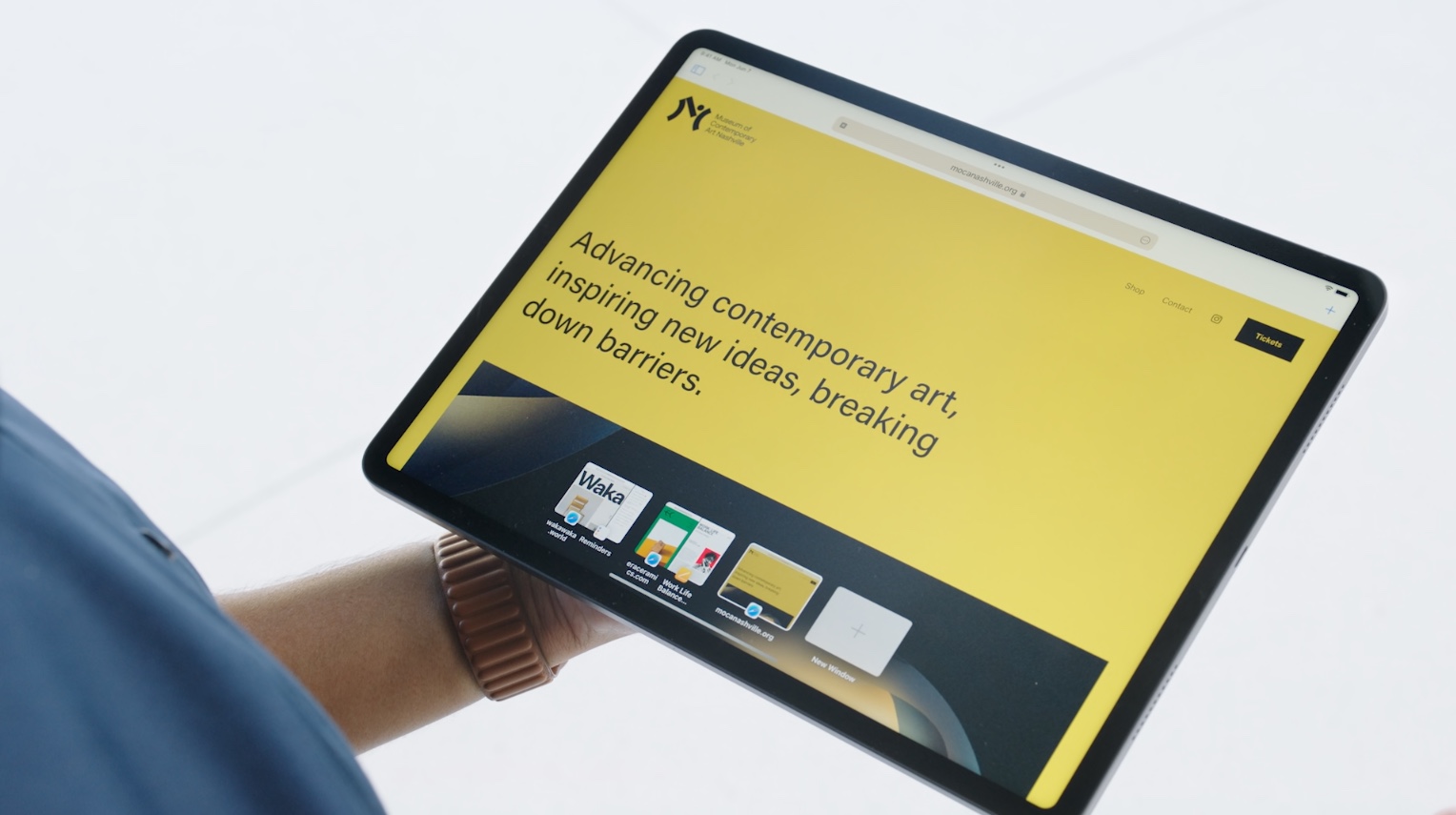
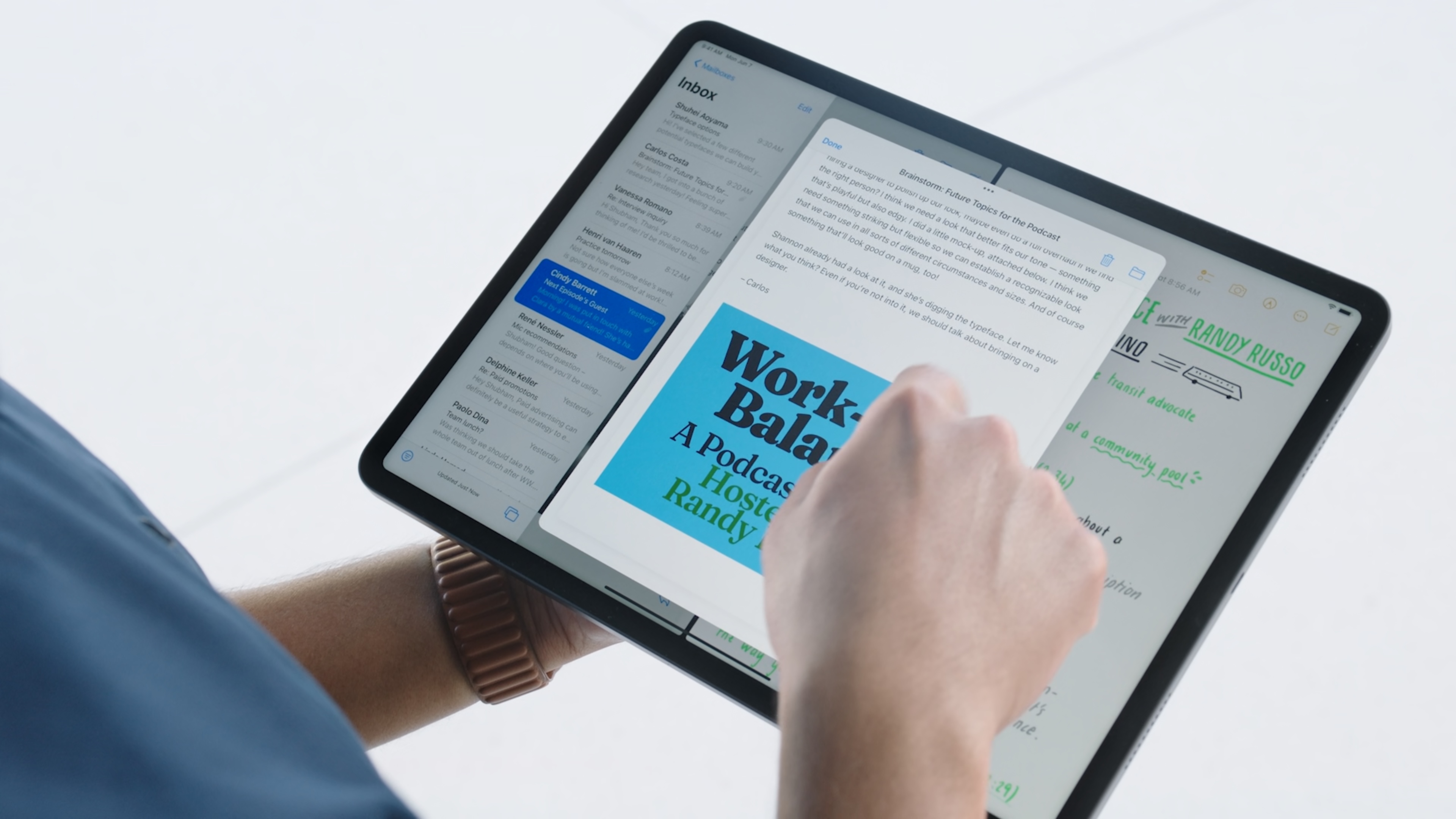
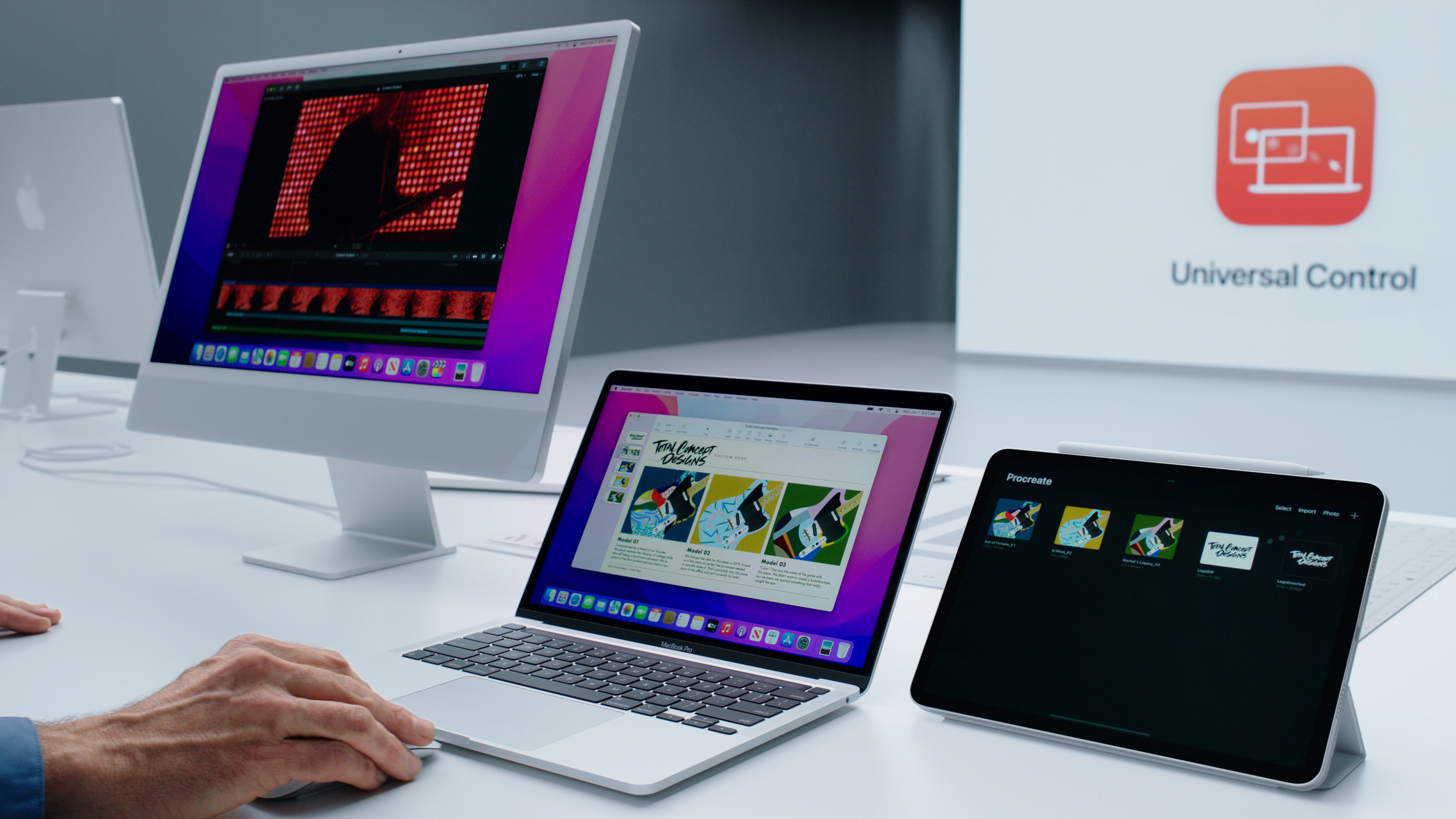

 Especially since it supports UIKit development, not just SwiftUI, and Swift packages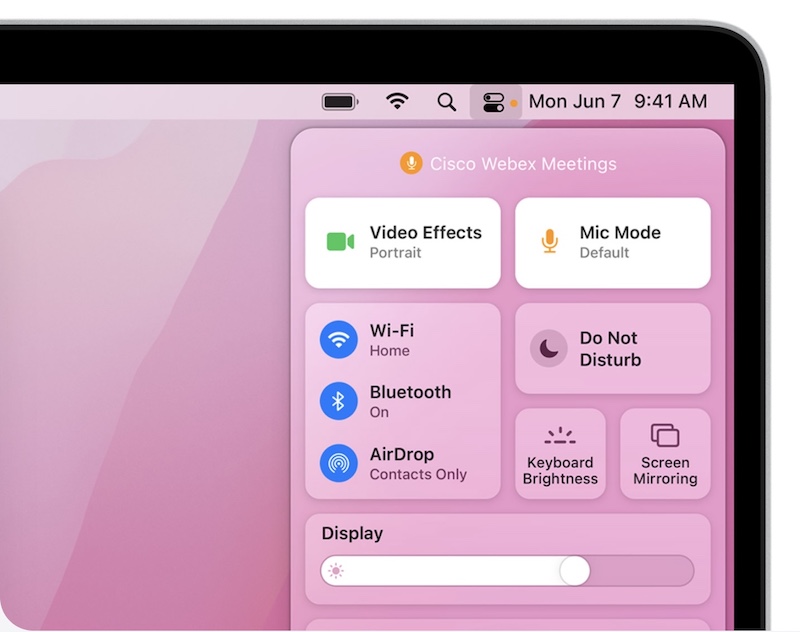

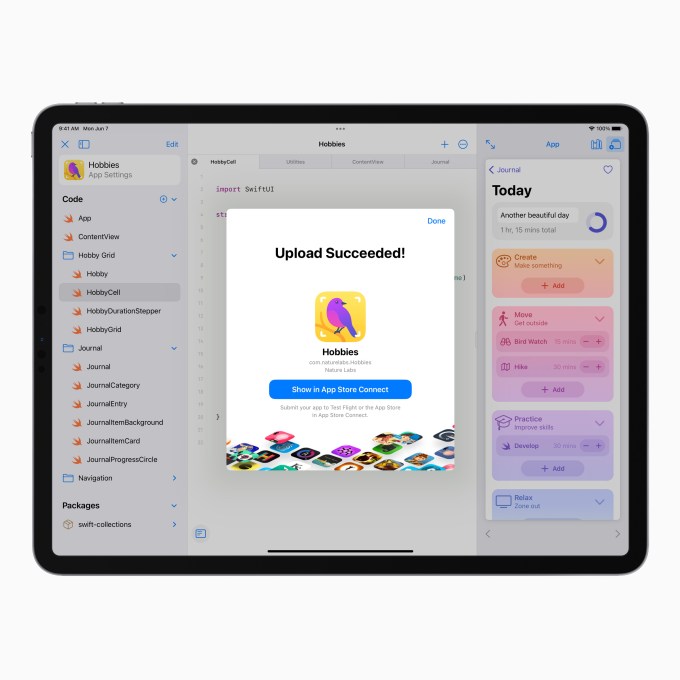
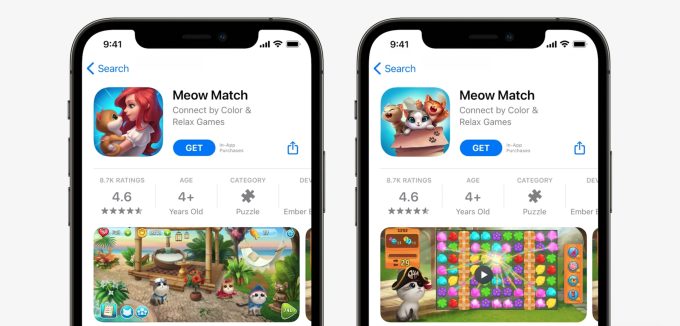
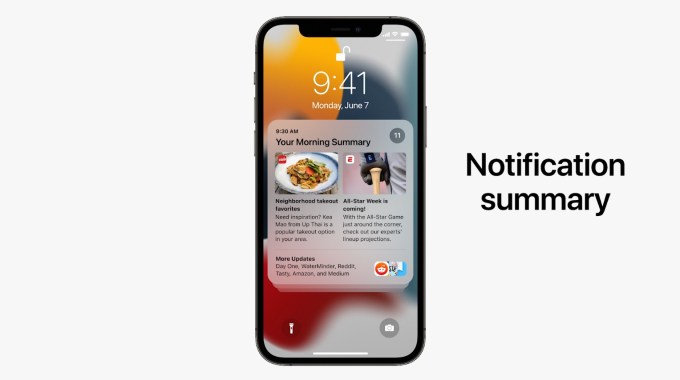
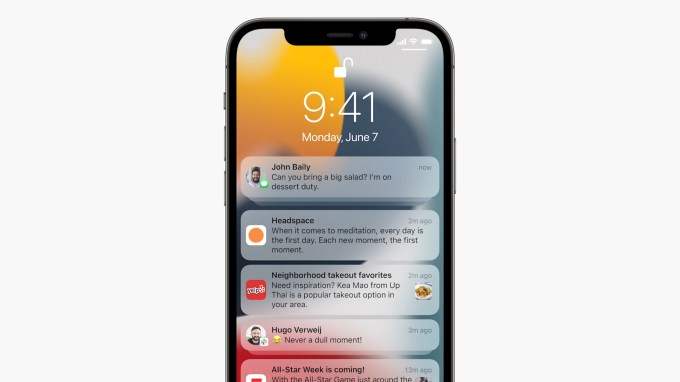

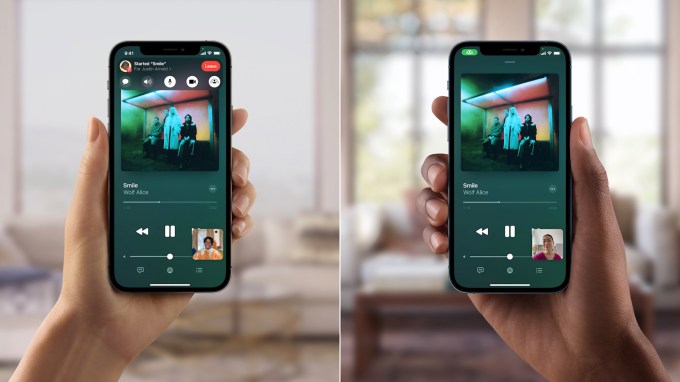

 Not to be outdone by WWDC (ha), Google this week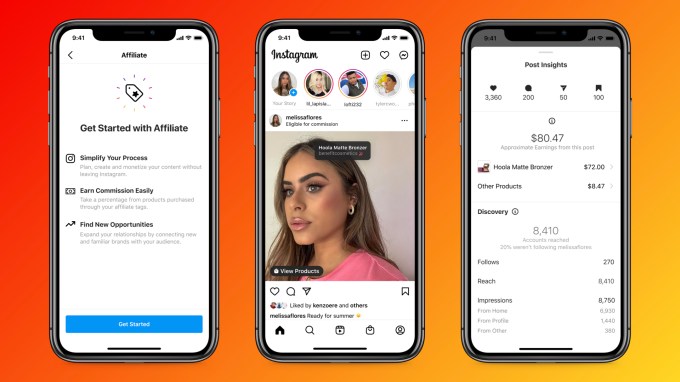
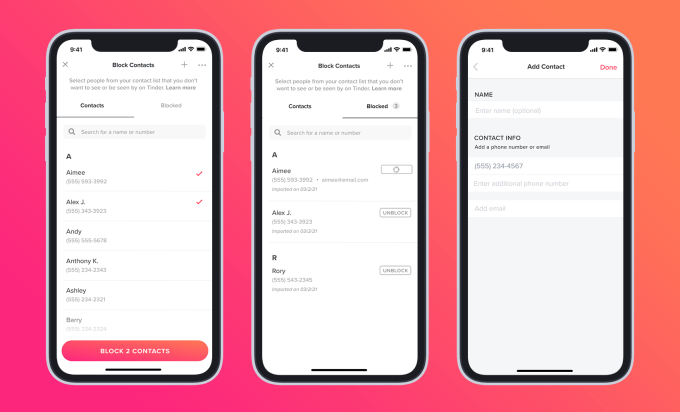
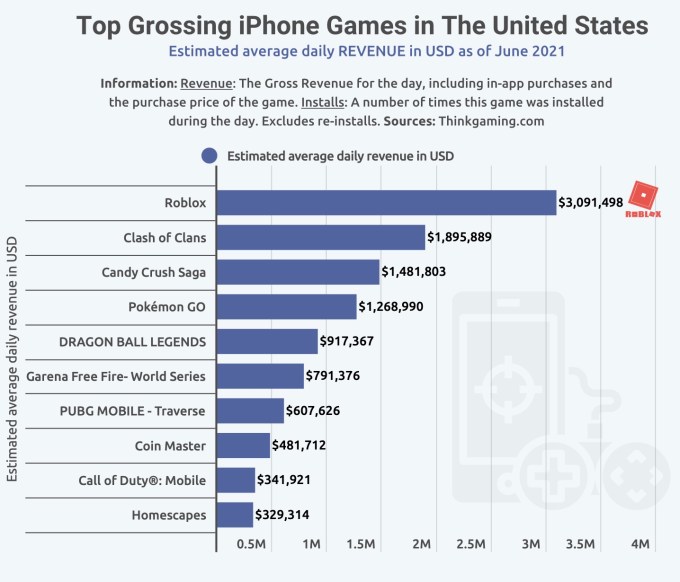
 Mexican payments app Clip
  Shopify
  Chinese grocery delivery app Dingdong Maicai, backed by Sequoia and Tiger Global,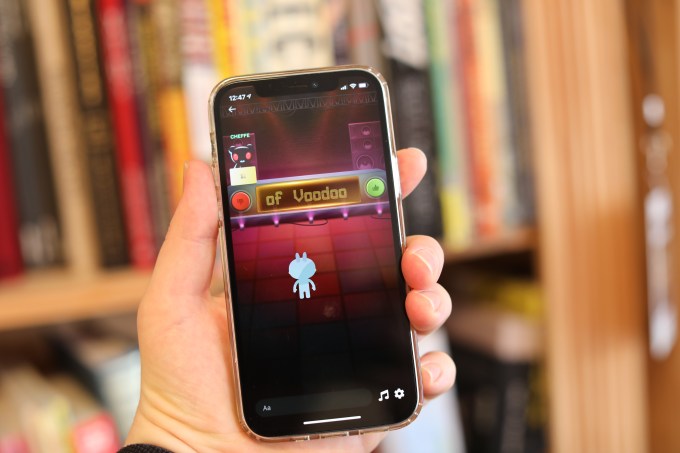


 Designed to be as close to pixel-perfect as possible.
 Fully functional, perhaps even usable as a second OS.
 Fully open source for all to learn, modify, and build on.
