Year: 2021

21 Sep 2021

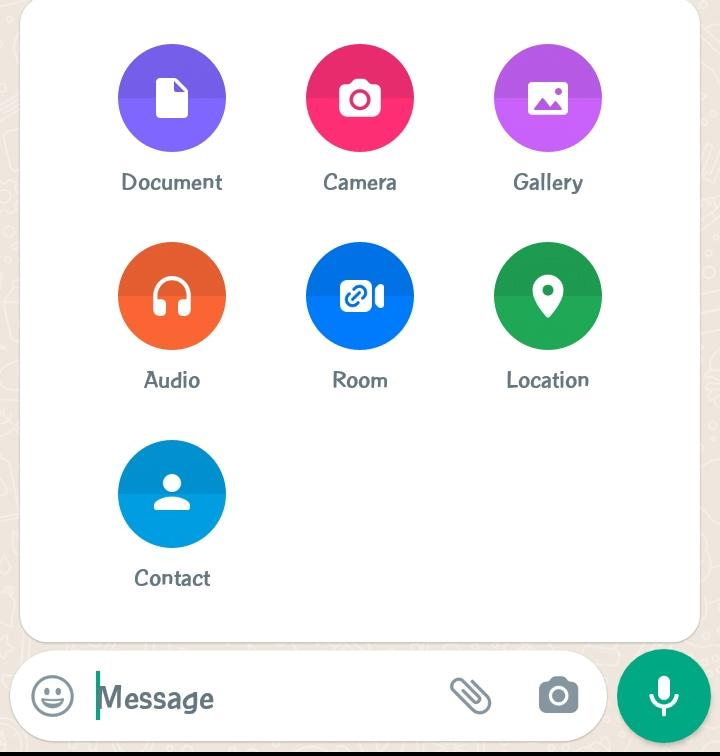
Your WhatsApp to soon lose shortcut to Messenger Rooms

It has been revealed that the Facebook-owned messaging app, WhatsApp, is removing a feature that it designed into the chats about a year ago using which you could conduct a chat room.

According to a WABetaInfo report, WhatsApp has removed the Messenger Rooms shortcut from the chat share sheet for both WhatsApp iOS and Android versions.

This shortcut was introduced in May 2020 to allow users to create a group of about 50 participants on Facebook Messenger.

WhatsApp is finally deleting that useless option from the chate share sheet, the WABetaInfo said in a tweet.

With the removal of the Messenger Rooms shortcut on the in-chat menu, users will now see the Document, Camera, Gallery, Audio, Location and Contact shortcuts in the share option. Thus everything will remain the same barring the Messenger Rooms option.

Meanwhile, WhatsApp recently introduced a new feature on the latest iOS beta version, that will allow them to quickly change the group icon or display picture by picking an emoji or a sticker – which can come in handy when creating a temporary group, for example, planning a birthday party or an event.

21 Sep 2021

Your WhatsApp to soon lose shortcut to Messenger Rooms

It has been revealed that the Facebook-owned messaging app, WhatsApp, is removing a feature that it designed into the chats about a year ago using which you could conduct a chat room.

According to a WABetaInfo report, WhatsApp has removed the Messenger Rooms shortcut from the chat share sheet for both WhatsApp iOS and Android versions.

This shortcut was introduced in May 2020 to allow users to create a group of about 50 participants on Facebook Messenger.

WhatsApp is finally deleting that useless option from the chate share sheet, the WABetaInfo said in a tweet.

With the removal of the Messenger Rooms shortcut on the in-chat menu, users will now see the Document, Camera, Gallery, Audio, Location and Contact shortcuts in the share option. Thus everything will remain the same barring the Messenger Rooms option.

Meanwhile, WhatsApp recently introduced a new feature on the latest iOS beta version, that will allow them to quickly change the group icon or display picture by picking an emoji or a sticker – which can come in handy when creating a temporary group, for example, planning a birthday party or an event.

21 Sep 2021

Cartona gets $4.5M pre-Series A to connect retailers with suppliers in Egypt

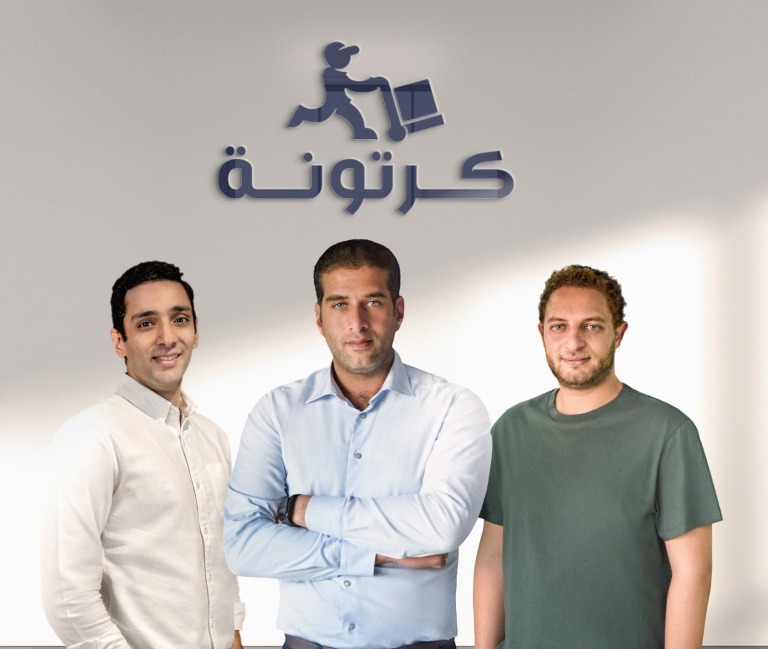
Cartona

image Credit: Cartona

Year-old startup Capiter announced last week that it raised a $33 million Series A to digitize Egypt’s traditional offline retail market.

It’s looking to take a large pie in the budding e-commerce and retail play, where multiple startups are pulling their weight including Cartona, also a year-old startup out of Egypt.

Today, Cartona is announcing that it has raised a $4.5 million pre-Series A funding round to connect retailers and manufacturers via an application.

The company confirmed that Dubai-based venture capital firm Global Ventures led the round, with Pan-African firm Kepple Africa, T5 Capital and angel investors also participating.

Cairo-based Cartona, founded in August 2020, focuses on solving the supply-chain and operational challenges of players in the fast-moving consumer goods (FMCG) industry by helping buyers access products from sellers on a single platform.

Buyers, in this case, are retailers, while sellers are FMCG companies, distributors and wholesalers.

The problem retailers in Egypt and most of Africa face mainly revolves around limited access to suppliers. There are also issues around transparency in market prices, which are dependent on traditional logistical capabilities.

For suppliers, the lack of data and inability to make data-backed decisions to improve margins and aid growth add up to unoptimized warehouses. 

“The trade market is completely inefficient and it’s not good for the supplier nor the manufacturers, and it’s definitely not good for retailers,” CEO Mahmoud Talaat told TechCrunch in an interview. “So we came up with the idea of Cartona, which is basically a fully light-asset model that connects manufacturers and wholesalers to retailers.”

Talaat founded the company alongside Mahmoud Abdel-Fattah. Before Cartona, Abdel-Fattah founded Speakol, a MENA-focused adtech platform serving 60 million monthly users, while Talaat was the chief commercial officer of agriculture company Lamar Egypt.

Cartona works as an asset-light marketplace. On the platform, grocery retailers can get orders from a curated network of sellers. The company says this way, it can provide visibility through real-time price comparisons and clarity on delivery times.

Also, FMCGs and suppliers can optimize their go-to-market execution through the use of data and analytics. Cartona tops it off by providing embedded finance and access to credit to retailers and suppliers.

Cartona makes money through all these processes. It takes a commission on orders made, charges suppliers for running advertising to merchants (since they compete for the latter’s attention), and provides market insights on buyer behavior, price competition and market share.

“It is time to capitalize on technology beyond warehouses and trucks. Data and technology will transform traditional retail to a digitally native one, which in return will drastically improve the supply chain efficiency,” Abdel-Fattah said about how the company sells information to retailers and suppliers.

Cartona has over 30,000 merchants on its platform. Together, they have processed more than 400,000 orders with an annualized gross merchandise value of EGP 1 billion (~$64 million). Cartona also works with more than 1,000 distributors, wholesalers and 100 FMCG companies, offering consumers more than 10,000 products, including dry, fresh and frozen food.

The company’s business and revenue model is similar to other companies in this space, but the main difference lies in whether they own assets or not.

Taking a look at the players in Egypt, for instance, MaxAB operates its warehouses and fleets; Capiter uses a hybrid model in which it rents these assets and owns inventory when dealing with high-turnover products. But Cartona solely manages an asset-light model.

The CEO tells me that he thinks this model works best for all the stakeholders involved in the retail market. He argues that not owning assets and leasing the ones on the ground shows that the company is trying to improve the operations of existing suppliers and merchants instead of displacing them.

I believe that the infrastructure already exists. We already have many warehouses, many small and medium-sized entrepreneurs, and wholesalers and distributors and companies that have a lot of assets. If you want to fix the problem, we think one should enable the people who are strategically located in small streets all over Egypt and have the infrastructure but don’t have the technology needed to optimize their warehouses and carts.”

The current margins for suppliers with warehouses are slim, and Cartona provides the technology — an inventory and ordering system — to provide efficiency in its supply chain.

The general partner at lead investor Global Ventures, Basil Moftah, said in a statement that Cartona’s technology and not owning inventory proved critical in the firm’s decision to back the company.

“The trade market is one of the most sophisticated, yet [it is] characterized by multiple critical inefficiencies across the value chain,” he said. Cartona’s asset-light approach tackles those inefficiencies by optimizing the trade process in unique ways and does so with minimal capital spent.”

Proceeds of the investment focus on improving this technology, Talaat said. In addition, Cartona is expanding its team and operations beyond two cities in Egypt — Cairo and Alexandria — to other parts.

A longer-term plan might include horizontal and vertical product expansion into pharmaceuticals, electronics and fashion.


21 Sep 2021

Cartona gets $4.5M pre-Series A to connect retailers with suppliers in Egypt

Cartona

image Credit: Cartona

Year-old startup Capiter announced last week that it raised a $33 million Series A to digitize Egypt’s traditional offline retail market.

It’s looking to take a large pie in the budding e-commerce and retail play, where multiple startups are pulling their weight including Cartona, also a year-old startup out of Egypt.

Today, Cartona is announcing that it has raised a $4.5 million pre-Series A funding round to connect retailers and manufacturers via an application.

The company confirmed that Dubai-based venture capital firm Global Ventures led the round, with Pan-African firm Kepple Africa, T5 Capital and angel investors also participating.

Cairo-based Cartona, founded in August 2020, focuses on solving the supply-chain and operational challenges of players in the fast-moving consumer goods (FMCG) industry by helping buyers access products from sellers on a single platform.

Buyers, in this case, are retailers, while sellers are FMCG companies, distributors and wholesalers.

The problem retailers in Egypt and most of Africa face mainly revolves around limited access to suppliers. There are also issues around transparency in market prices, which are dependent on traditional logistical capabilities.

For suppliers, the lack of data and inability to make data-backed decisions to improve margins and aid growth add up to unoptimized warehouses. 

“The trade market is completely inefficient and it’s not good for the supplier nor the manufacturers, and it’s definitely not good for retailers,” CEO Mahmoud Talaat told TechCrunch in an interview. “So we came up with the idea of Cartona, which is basically a fully light-asset model that connects manufacturers and wholesalers to retailers.”

Talaat founded the company alongside Mahmoud Abdel-Fattah. Before Cartona, Abdel-Fattah founded Speakol, a MENA-focused adtech platform serving 60 million monthly users, while Talaat was the chief commercial officer of agriculture company Lamar Egypt.

Cartona works as an asset-light marketplace. On the platform, grocery retailers can get orders from a curated network of sellers. The company says this way, it can provide visibility through real-time price comparisons and clarity on delivery times.

Also, FMCGs and suppliers can optimize their go-to-market execution through the use of data and analytics. Cartona tops it off by providing embedded finance and access to credit to retailers and suppliers.

Cartona makes money through all these processes. It takes a commission on orders made, charges suppliers for running advertising to merchants (since they compete for the latter’s attention), and provides market insights on buyer behavior, price competition and market share.

“It is time to capitalize on technology beyond warehouses and trucks. Data and technology will transform traditional retail to a digitally native one, which in return will drastically improve the supply chain efficiency,” Abdel-Fattah said about how the company sells information to retailers and suppliers.

Cartona has over 30,000 merchants on its platform. Together, they have processed more than 400,000 orders with an annualized gross merchandise value of EGP 1 billion (~$64 million). Cartona also works with more than 1,000 distributors, wholesalers and 100 FMCG companies, offering consumers more than 10,000 products, including dry, fresh and frozen food.

The company’s business and revenue model is similar to other companies in this space, but the main difference lies in whether they own assets or not.

Taking a look at the players in Egypt, for instance, MaxAB operates its warehouses and fleets; Capiter uses a hybrid model in which it rents these assets and owns inventory when dealing with high-turnover products. But Cartona solely manages an asset-light model.

The CEO tells me that he thinks this model works best for all the stakeholders involved in the retail market. He argues that not owning assets and leasing the ones on the ground shows that the company is trying to improve the operations of existing suppliers and merchants instead of displacing them.

I believe that the infrastructure already exists. We already have many warehouses, many small and medium-sized entrepreneurs, and wholesalers and distributors and companies that have a lot of assets. If you want to fix the problem, we think one should enable the people who are strategically located in small streets all over Egypt and have the infrastructure but don’t have the technology needed to optimize their warehouses and carts.”

The current margins for suppliers with warehouses are slim, and Cartona provides the technology — an inventory and ordering system — to provide efficiency in its supply chain.

The general partner at lead investor Global Ventures, Basil Moftah, said in a statement that Cartona’s technology and not owning inventory proved critical in the firm’s decision to back the company.

“The trade market is one of the most sophisticated, yet [it is] characterized by multiple critical inefficiencies across the value chain,” he said. Cartona’s asset-light approach tackles those inefficiencies by optimizing the trade process in unique ways and does so with minimal capital spent.”

Proceeds of the investment focus on improving this technology, Talaat said. In addition, Cartona is expanding its team and operations beyond two cities in Egypt — Cairo and Alexandria — to other parts.

A longer-term plan might include horizontal and vertical product expansion into pharmaceuticals, electronics and fashion.
21 Sep 2021

Alternative financing startup Pipe snaps up Stripe and HubSpot execs, expands to UK

Pipe, a two-year-old startup that aims to be the “Nasdaq for revenue,” announced today it has snagged former Stripe EIC Sid Orlando and HubSpot’s ex-Chief Strategy Officer Brad Coffey to serve on its executive team.

The Miami-based fintech also revealed today its first expansion outside of the United States with its entry into the U.K. market.

It’s been a good year for Pipe. The buzzy startup has raised $300 million in equity financing this year from a slew of investors, such as Shopify, Slack, Okta, HubSpot, Marc Benioff’s TIME Ventures, Alexis Ohanian’s Seven Seven Six, Chamath Palihapitiya, MaC Ventures, Fin VC, Greenspring Associates and Counterpoint Global (Morgan Stanley), among others.

Since its public launch in June 2020, over 8,000 companies have signed up on the Pipe trading platform. That’s double from the reported “over 4,000” that had signed up at the time of the company’s last raise in May — a $250 million round that valued the company at $2 billion.

Orlando has left her role as editor-in-chief of fintech giant Stripe, where she has worked for over four years, to head up content for Pipe. She was also previously manager of curation and content at Kickstarter. Coffey left HubSpot — where he worked for over 13 years and most recently served as chief strategy officer for nearly 5 — to serve as Pipe’s chief customer officer, where he will be responsible for driving continued growth and expansion of verticals beyond Pipe’s initial launch market of SaaS. Coffey was one of HubSpot’s first employees and witnessed the progression of the company from a startup with $1 million in ARR to a publicly traded company with $1 billion in annual recurring revenue. 

CEO Harry Hurst, Josh Mangel and Zain Allarakhia founded Pipe in September 2019 with the mission of giving SaaS companies a way to get their revenue upfront, by pairing them with investors on a marketplace that pays a discounted rate for the annual value of those contracts. (Pipe describes its buy-side participants as “a vetted group of financial institutions and banks.”)

The goal of the platform is to offer companies with recurring revenue streams access to capital so they don’t dilute their ownership by accepting external capital or get forced to take out loans.

Pipe’s platform has evolved to offer non-dilutive capital to non-SaaS companies as well. In fact, today over 50% of the companies using its platform are non-SaaS companies, compared to 25% in May.

Notably, Coffey led HubSpot’s investment into Pipe last spring and that’s how he first became familiar with the company.

“When I first came across Pipe, I realized they had the opportunity to be a company that not only transforms but also helps a generation of founders get access to the growth capital they’ve never had access to at scale before,” he wrote in an email to TechCrunch. “This was even more obvious when I led HubSpot’s investment in Pipe…where HubSpot provides the software and education, and Pipe can provide the capital. As I got to know the founders and the team through that process, I realized it was an opportunity I didn’t want to miss and had to be a part of.”

Orlando expressed similar sentiments around her decision to join the company.

“Pipe has such an intriguing opportunity to recontour aspects of the funding landscape, providing alternative financing option to founders looking to grow and scale companies on their own terms,” she wrote via email. “Being a part of the early team to build such an impactful product in the market was no doubt a compelling mandate! I’m also struck by Pipe’s team and mission, of pursuing the ambitious vision for leveraging a new asset class with both humility and immense motivation, in service of greater flexibility, agency, equitability and growth opportunities for founders and their teams.”

For Pipe’s Hurst, the new hires signal a new chapter for the company, which continues to grow at a rapid rate.

“There are lots of days on Pipe where tens of millions [of dollars] are traded in a single day. Tens of millions of dollars were being traded every month last time we spoke [in May], he told TechCrunch. “And it’s across a diversified set of customers and different verticals. We are even increasingly helping finance M&As. Growth has been explosive.” 

Tradable annual recurring revenue (ARR) on the Pipe platform is in excess of $2 billion and trending toward $3 billion, according to Hurst.

The company’s expansion into the United Kingdom is significant because while the region has a growing venture ecosystem, capital is not nearly as available to founders as it is in the U.S. Pipe’s availability in the region will give those founders an alternative means of financing, Hurst believes.

“There are a lot of fundamentally healthy companies that don’t have access to financing, period,” he told TechCrunch. “So we believe in the U.K., Pipe will be incredibly impactful and that is evidenced from what we’ve seen already.”

The move also represents a return to the CEO’s roots. 

“I left the U.K. for the United States seven years ago as it provided the best funding environment to build my first technology company, and it is enormously gratifying to bring those same opportunities to the burgeoning ecosystem of technology companies in the U.K.,” he said. “If Pipe existed a decade ago and offered company friendly financing options, I might never have left the U.K. … Now, I’m bringing it home and really excited to be launching in the U.K.” 

With the move, Pipe has opened a microhub in London and 10% of its 55-person team will be based there.

21 Sep 2021

Cartona gets $4.5M pre-Series A to connect retailers with suppliers in Egypt

Year-old startup Capiter announced last week that it raised a $33 million Series A to digitize Egypt’s traditional offline retail market.

It’s looking to take a large pie in the budding e-commerce and retail play, where multiple startups are pulling their weight including Cartona, also a year-old startup out of Egypt.

Today, Cartona is announcing that it has raised a $4.5 million pre-Series A funding round to connect retailers and manufacturers via an application.

The company confirmed that Dubai-based venture capital firm Global Ventures led the round, with Pan-African firm Kepple Africa, T5 Capital and angel investors also participating.

Cairo-based Cartona, founded in August 2020, focuses on solving the supply-chain and operational challenges of players in the fast-moving consumer goods (FMCG) industry by helping buyers access products from sellers on a single platform.

Buyers, in this case, are retailers, while sellers are FMCG companies, distributors and wholesalers.

The problem retailers in Egypt and most of Africa face mainly revolves around limited access to suppliers. There are also issues around transparency in market prices, which are dependent on traditional logistical capabilities.

For suppliers, the lack of data and inability to make data-backed decisions to improve margins and aid growth add up to unoptimized warehouses. 

“The trade market is completely inefficient and it’s not good for the supplier nor the manufacturers, and it’s definitely not good for retailers,” CEO Mahmoud Talaat told TechCrunch in an interview. “So we came up with the idea of Cartona, which is basically a fully light-asset model that connects manufacturers and wholesalers to retailers.”

Talaat founded the company alongside Mahmoud Abdel-Fattah. Before Cartona, Abdel-Fattah founded Speakol, a MENA-focused adtech platform serving 60 million monthly users, while Talaat was the chief commercial officer of agriculture company Lamar Egypt.

Cartona works as an asset-light marketplace. On the platform, grocery retailers can get orders from a curated network of sellers. The company says this way, it can provide visibility through real-time price comparisons and clarity on delivery times.

Also, FMCGs and suppliers can optimize their go-to-market execution through the use of data and analytics. Cartona tops it off by providing embedded finance and access to credit to retailers and suppliers.

Cartona makes money through all these processes. It takes a commission on orders made, charges suppliers for running advertising to merchants (since they compete for the latter’s attention), and provides market insights on buyer behavior, price competition and market share.

“It is time to capitalize on technology beyond warehouses and trucks. Data and technology will transform traditional retail to a digitally native one, which in return will drastically improve the supply chain efficiency,” Abdel-Fattah said about how the company sells information to retailers and suppliers.

Cartona has over 30,000 merchants on its platform. Together, they have processed more than 400,000 orders with an annualized gross merchandise value of EGP 1 billion (~$64 million). Cartona also works with more than 1,000 distributors, wholesalers and 100 FMCG companies, offering consumers more than 10,000 products, including dry, fresh and frozen food.

The company’s business and revenue model is similar to other companies in this space, but the main difference lies in whether they own assets or not.

Taking a look at the players in Egypt, for instance, MaxAB operates its warehouses and fleets; Capiter uses a hybrid model in which it rents these assets and owns inventory when dealing with high-turnover products. But Cartona solely manages an asset-light model.

The CEO tells me that he thinks this model works best for all the stakeholders involved in the retail market. He argues that not owning assets and leasing the ones on the ground shows that the company is trying to improve the operations of existing suppliers and merchants instead of displacing them.

I believe that the infrastructure already exists. We already have many warehouses, many small and medium-sized entrepreneurs, and wholesalers and distributors and companies that have a lot of assets. If you want to fix the problem, we think one should enable the people who are strategically located in small streets all over Egypt and have the infrastructure but don’t have the technology needed to optimize their warehouses and carts.”

The current margins for suppliers with warehouses are slim, and Cartona provides the technology — an inventory and ordering system — to provide efficiency in its supply chain.

The general partner at lead investor Global Ventures, Basil Moftah, said in a statement that Cartona’s technology and not owning inventory proved critical in the firm’s decision to back the company.

“The trade market is one of the most sophisticated, yet [it is] characterized by multiple critical inefficiencies across the value chain,” he said.Cartona’s asset-light approach tackles those inefficiencies by optimizing the trade process in unique ways and does so with minimal capital spent.”

Proceeds of the investment focus on improving this technology, Talaat said. In addition, Cartona is expanding its team and operations beyond two cities in Egypt — Cairo and Alexandria — to other parts.

A longer-term plan might include horizontal and vertical product expansion into pharmaceuticals, electronics and fashion.

21 Sep 2021

Paralympians bring home gold medals, but we’re failing them on web accessibility

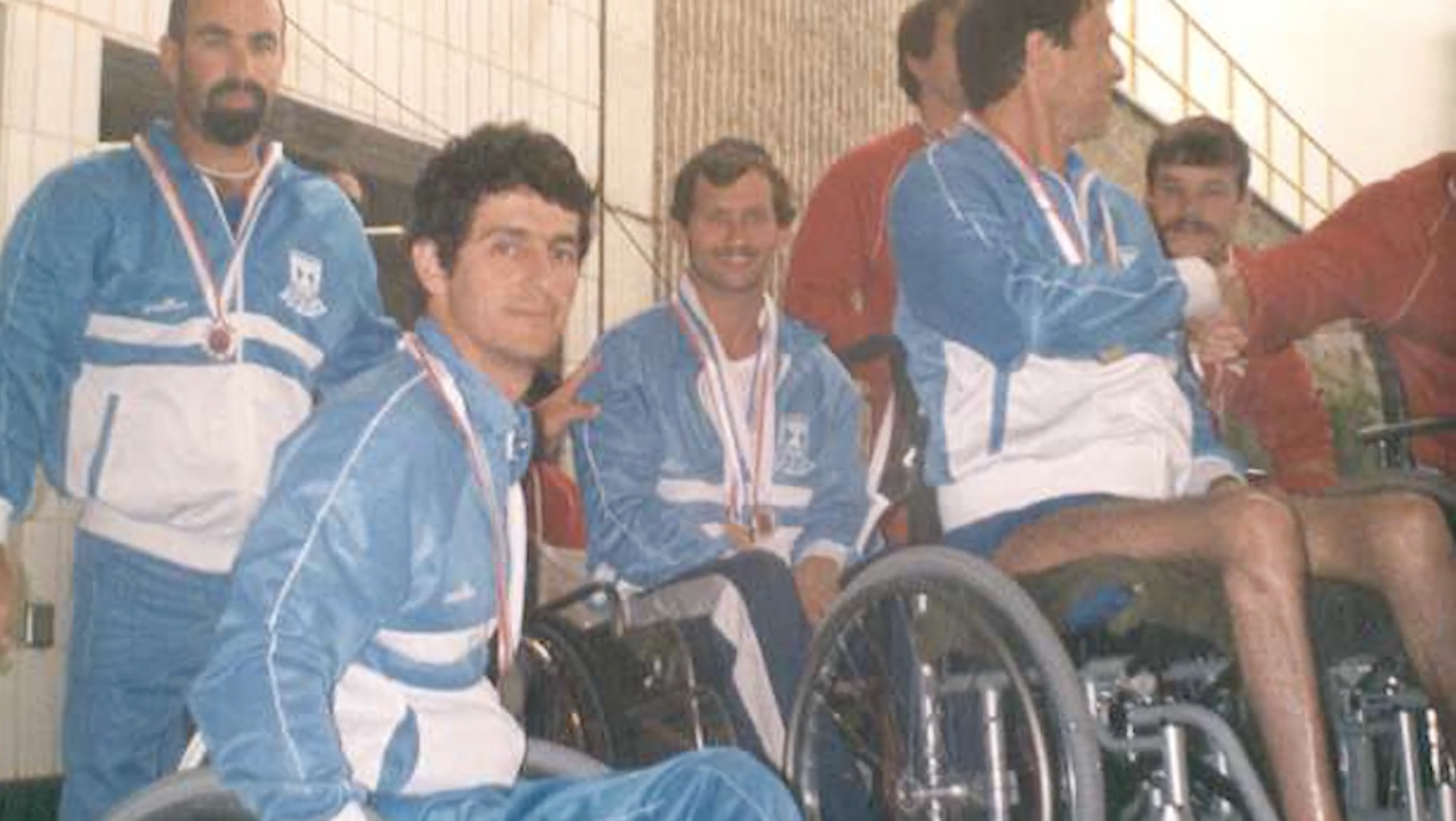
After winning my first gold medal in the 1972 Paralympics, I went out with the swim team for a celebratory dinner. I’ll never forget the paradoxical sight of my teammates — all world-class athletes — being carried in their wheelchairs up the few steps into an inaccessible restaurant. While far from a rare occurrence at the time, the stark contrast between that moment and our victory in the pool earlier that day made it stand out.

As I strapped on my braces and slowly made my way up the stairs, I reflected on the irony of the situation. As Paralympic champions, we were sources of inspiration to millions. We were breaking down stereotypes and changing perceptions about what disabled people could accomplish. Yet while we were celebrated by society, we were not accommodated by it.

Accessing many basic goods and services required herculean feats of strength and agility. Attempts at participating fully in the physical world were met with hurdles and obstacles. At that time, it was clear that for the Paralympic movement, which strived to promote disability rights through Paralympic sport, the work was not yet done. In fact, it was just beginning.

Over the subsequent four Paralympic games that I participated in, we began to see the gradual shift toward more accessible cities. The Paralympic movement played no small part in that advancement. By putting a wide range of disabled people on TV around the world, it brought the need for equal access from the shadows into the spotlight.

Joseph Wengier and his teammates at the 1980 Paralympics. Wengier is second from left. Image Credits: Joseph Wengier.

The Paralympics also demanded host cities do better, requiring meaningful and lasting improvements to the accessibility of cities’ infrastructure. Today, while there is certainly still much room for improvement, disabled people have found solutions for most problems and are able to participate in society more than ever before.

Yet with the internet taking an increasingly central part in our daily lives, we are seeing the same exclusionary practices that we experienced — and fought against — all those years ago reappearing in a new form. A recent study reviewed the world’s top 1 million websites and found accessibility issues on the homepages of more than 97% of them.

A restaurant website that lacks support for keyboard navigation or does not work properly with screen readers can prevent a person who relies on these technologies from ordering food, similar to the way that lack of wheelchair access can prevent them from entering the establishment.

Now, with COVID-19 upending our daily routines, the shift online has accelerated. More and more businesses are going digital, with their website being the only way to schedule an appointment, buy groceries or apply for a job. This makes the need for accessible websites more critical than ever. It is not a matter of a minor inconvenience or an inability to access a new technology or service. We are seeing basic day-to-day needs moving online and becoming less accessible in the process. It is this slide backward that has compelled me to speak up and share my story.

As we go online to watch the highlight clips of our favorite athletes’ performances in Tokyo, take to social media to congratulate them, or visit our favorite sports site to read the coverage of the events, let’s demand that these businesses make their websites accessible so that Paralympic champions can do the same.

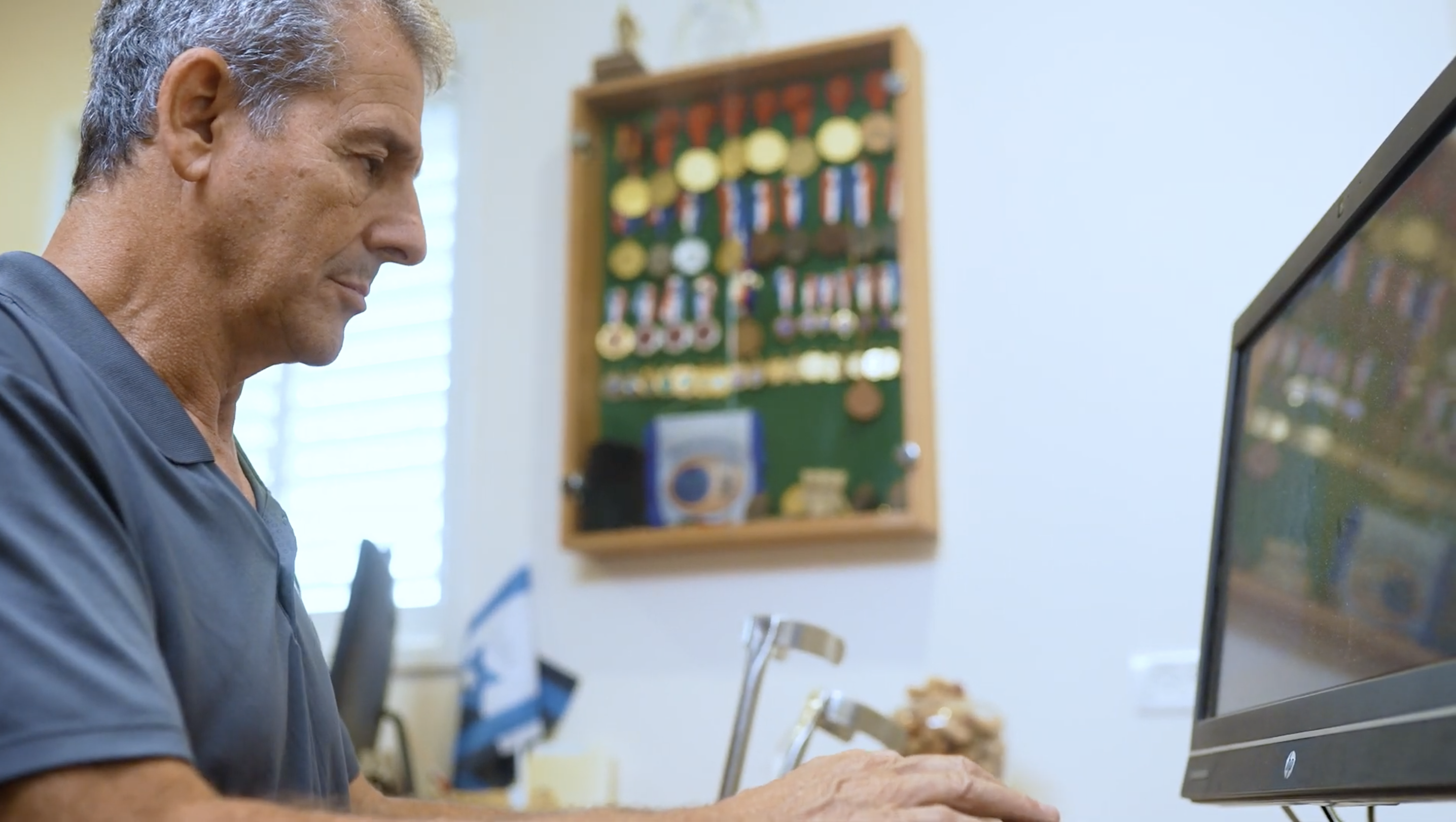
A recent image of Joseph Wengier at his computer with his medals in the background. Image Credits: Joseph Wengier.


from TechCrunch https://ift.tt/3AuCZLx
https://ift.tt/3AxIJ7q
21 Sep 2021

Netflix launches free plan in Kenya to boost growth

netflix-kenya-free plan-gettyimage
Image Credits: Krisztian Bocsi / Bloomberg / Getty Images

Netflix said on Monday it is launching a free mobile plan in Kenya as the global streaming giant looks to tap the East African nation that is home to over 20 million internet users.

The free plan, which will be rolled out to all users in Kenya in the coming weeks, won’t require them to provide any payment information during the sign-up, the company said. The new plan is available to any user aged 18 or above with an Android phone, the company said. It will also not include ads.

Netflix, available in over 190 countries, has experimented with a range of plans in recent years to lure customers in developing markets. For instance, it began testing a $3 mobile-only plan in India in 2018 — before expanding it to users in several other countries.

This is also not the first time Netflix is offering its service for free — or at little to no price. The company has previously supported free trials in many markets, offered a tiny portion of its original movies and shows to non-subscribers, and has run at least one campaign in India when the service was available at no charge over the course of a weekend.

But its latest offering in Kenya is still remarkable. The company told Reuters that it is making about one quarter of its movies and television shows catalog available to users in the free plan in the East African nation.

“If you’ve never watched Netflix before — and many people in Kenya haven’t — this is a great way to experience our service,” Cathy Conk, Director of Product Innovation at Netflix, wrote in a blog post.

“And if you like what you see, it’s easy to upgrade to one of our paid plans so you can enjoy our full catalog on your TV or laptop as well.”

The company didn’t disclose how long it plans to offer this free tier in Kenya — and whether it is considering expanding this offering to other markets.

On its past earnings calls, Netflix executives have insisted that they study each market and explore ways to make their service more compelling to all. The ability to sign up without a payment information lends credibility to such claims. Many individuals in developed countries don’t have a credit or debit card, which renders services requiring such payment instruments at the sign-up inaccessible to them.

The new push to win customers comes as the company, which is also planning to add mobile games to its offering, added only 1.5 million net paying subscribers in the quarter that ended in June this year, lower than what it had forecast. Netflix, which has amassed over 209 million subscribers, as well as Amazon Prime Video and other streaming services are increasingly trying to win customers outside of the U.S. to maintain faster growth rates.

Earlier this year, Amazon introduced a free and ad-supported video streaming service within its shopping app in India to tap more customers.

21 Sep 2021

Sorare raises $680 million for its fantasy sports NFT game

Sorare

image credit:Sorare

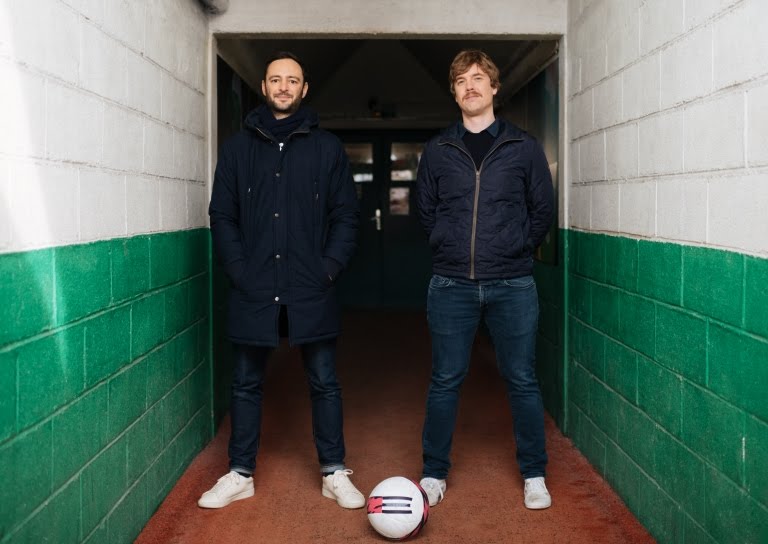
French startup Sorare has announced that it has raised a significant funding round. SoftBank's Vision Fund 2 has led a $680 million Series B round, which values the company at $4.3 billion.

Sorare has built a fantasty football (soccer) platform based on NFTs, or non-fungible tokens. Each digital card is registered as a unique token on the Ethereum blockchain. Players can buy and sell cards from other players. Transactions are all recorded on the Ethereum blockchain.

What makes Sorare unique is that it has partnered with 180 football organizations, including some of the most famous clubs in Europe, such as Real Madrid, Liverpool and Juventus. It creates a barrier to entry for other companies in the space.

With today’s funding round, the company plans to expand to new sports, open an office in the U.S., hire more people and invest in marketing campaigns. You can expect more partnership announcements with professional sports organizations in the future.

In addition to SoftBank's Vision Fund team, Atomico, Bessemer Ventures, D1 Capital, Eurazeo, IVP and Liontree are also participating in the round. Some of the startup’s existing investors are also investing once again, such as Benchmark, Accel, Headline and various business angels.

Sorare generates revenue by issuing new cards on the platform. Players can then buy those new cards and add them to their collection. They can also manage a squad of players and earn points based on real-life performances.

Over time, the value of a card can go up or down. That’s why players often buy and sell cards from other players — there are even third-party websites that help you track auctions. $150 million worth of cards have been traded on the platform since January. Sorare doesn’t take a cut on player-to-player transactions right now.

While the volume of transaction is quite big, there is still a lot of potential for user growth. There are currently 600,000 registered users and 150,000 users who are buying a card or composing a team every month. Sales have grown by 51x between the second quarter of 2020 and the second quarter of 2021.

“We saw the immense potential that blockchain and NFTs brought to unlock a new way for football clubs, footballers, and their fans to experience a deeper connection with each other. We are thrilled by the success we have seen so far, but this is just the beginning. We believe this is a huge opportunity to create the next sports entertainment giant, bringing Sorare to more football fans and organisations, and to introduce the same proven model to other sports and sports fans worldwide,” Sorare co-founder and CEO Nicolas Julia said.

Sorare’s Series B is a huge funding round, especially for a French startup. Fantasy sports games are one of the best way to expose new people to the world of NFTs. That’s probably why NBA Top Shot is also incredibly popular for NBA fans.

And those platforms have become a great on-ramp to get started in cryptocurrencies. It’s going to be interesting to see whether it becomes more regulated in the future as more people start playing on Sorare.

21 Sep 2021

Paralympians bring home gold medals, but we’re failing them on web accessibility

After winning my first gold medal in the 1972 Paralympics, I went out with the swim team for a celebratory dinner. I’ll never forget the paradoxical sight of my teammates — all world-class athletes — being carried in their wheelchairs up the few steps into an inaccessible restaurant. While far from a rare occurrence at the time, the stark contrast between that moment and our victory in the pool earlier that day made it stand out.

As I strapped on my braces and slowly made my way up the stairs, I reflected on the irony of the situation. As Paralympic champions, we were sources of inspiration to millions. We were breaking down stereotypes and changing perceptions about what disabled people could accomplish. Yet while we were celebrated by society, we were not accommodated by it.

Accessing many basic goods and services required herculean feats of strength and agility. Attempts at participating fully in the physical world were met with hurdles and obstacles. At that time, it was clear that for the Paralympic movement, which strived to promote disability rights through Paralympic sport, the work was not yet done. In fact, it was just beginning.

Over the subsequent four Paralympic games that I participated in, we began to see the gradual shift toward more accessible cities. The Paralympic movement played no small part in that advancement. By putting a wide range of disabled people on TV around the world, it brought the need for equal access from the shadows into the spotlight.

Joseph Wengier and his teammates at the 1980 Paralympics. Wengier is second from left. Image Credits: Joseph Wengier.

The Paralympics also demanded host cities do better, requiring meaningful and lasting improvements to the accessibility of cities’ infrastructure. Today, while there is certainly still much room for improvement, disabled people have found solutions for most problems and are able to participate in society more than ever before.

Yet with the internet taking an increasingly central part in our daily lives, we are seeing the same exclusionary practices that we experienced — and fought against — all those years ago reappearing in a new form. A recent study reviewed the world’s top 1 million websites and found accessibility issues on the homepages of more than 97% of them.

A restaurant website that lacks support for keyboard navigation or does not work properly with screen readers can prevent a person who relies on these technologies from ordering food, similar to the way that lack of wheelchair access can prevent them from entering the establishment.

Now, with COVID-19 upending our daily routines, the shift online has accelerated. More and more businesses are going digital, with their website being the only way to schedule an appointment, buy groceries or apply for a job. This makes the need for accessible websites more critical than ever. It is not a matter of a minor inconvenience or an inability to access a new technology or service. We are seeing basic day-to-day needs moving online and becoming less accessible in the process. It is this slide backward that has compelled me to speak up and share my story.

As we go online to watch the highlight clips of our favorite athletes’ performances in Tokyo, take to social media to congratulate them, or visit our favorite sports site to read the coverage of the events, let’s demand that these businesses make their websites accessible so that Paralympic champions can do the same.

A recent image of Joseph Wengier at his computer with his medals in the background. Image Credits: Joseph Wengier.