Year: 2019

05 Nov 2019

Daily Crunch: Google announces open-source chip project

The Daily Crunch is TechCrunch’s roundup of our biggest and most important stories. If you’d like to get this delivered to your inbox every day at around 9am Pacific, you can subscribe here.

1. Google launches OpenTitan, an open-source secure chip design project

The aim of the new coalition is to build trustworthy chip designs for use in data centers, storage and computer peripherals.

The project will allow anyone to inspect the hardware for security vulnerabilities and backdoors. It comes at a time where tech giants and governments alike are increasingly aware that hostile nation states are trying to infiltrate and compromise supply chains in an effort to carry out long-term surveillance or espionage.

2. UPS and CVS deliver prescription medicine via drone to US residential customers for the first time

UPS is rolling along with its drone delivery program, working with partner CVS Pharmacy to deliver prescription drugs to customer doorsteps via its newly deployed commercial drones. In fact, UPS delivered medications to two paying customers on November 1.

3. Xiaomi launches Mi Watch, its $185 Apple Watch clone

Xiaomi, which competes with Apple for the top position in the wearable market, today made the competition a little more interesting. The Chinese electronics giant has launched its first smartwatch, called the Mi Watch, which looks strikingly similar to the Apple Watch.

4. Ebury nabs £350M for foreign exchange and currency services for SMEs, Santander takes 50.1% stake

Ebury provides foreign exchange, money transfer and other currency services to small and medium businesses and their banking partners. With the deal, Madrid-based Santander will become a majority shareholder at 50.1%, but it says Ebury will continue to operate as an independent entity.

5. Where VCs are looking for voice startup investments

If voice is a new operating system, where are the opportunities to build giant companies on top of it? (Extra Crunch membership required.)

6. Medopad raises $25M led by Bayer to develop biomarkers tracked via apps and wearables

The U.K. startup has been working with Tencent to develop AI-based methods for building and tracking “digital” biomarkers — measurable indicators of the progression of illnesses and diseases that are picked up not with blood samples or in-doctor visits but using apps and wearables.

7. Learn how to win customers and influence consumers at Disrupt Berlin

On the Extra Crunch Stage at Disrupt Berlin, three of the finest practitioners of the dark arts of branding, public relations, marketing and communications will share their tips and tricks on how to get coverage for a company and how to use that coverage to achieve your strategic objectives.

05 Nov 2019

FCC approves T-Mobile/Sprint merger despite serious concerns

The FCC has given its stamp of approval to T-Mobile and Sprint’s proposed merger, saying the deal will “enhance competition” and hasten 5G deployment. Those opposed say the merger defies common sense, creating a triumvirate of mobile giants that will “divide up the market, increase prices, and compete only for the most lucrative customers.”

The two mobile companies have been attempting to merge for years, ostensibly in order to compete with the considerably larger AT&T and Verizon. (Disclosure: TechCrunch is owned by Verizon Media, but this does not affect our coverage in the slightest.)

Previous attempts at deals were blocked more or less on the grounds that while a consolidated market might make the new T-Mobile/Sprint entity more competitive, it would be a net negative for consumers, who would have less choice than ever.

This latest foray has met with more success, and the Department of Justice approved it in July. The DoJ’s proposed remedies for competition problems created by the merge apparently gave the FCC “further confidence” in its approval, which Chairman Ajit Pai signaled earlier this year — interestingly, before those remedies were proposed.

Among other things, Sprint must sell its Boost Mobile brand, and T-Mobile must sell its interest in Dish Network. The hope is that Dish, Boost, and a few other players will somehow band together to form a new insurgent wireless network that will rise to compete with its former masters.

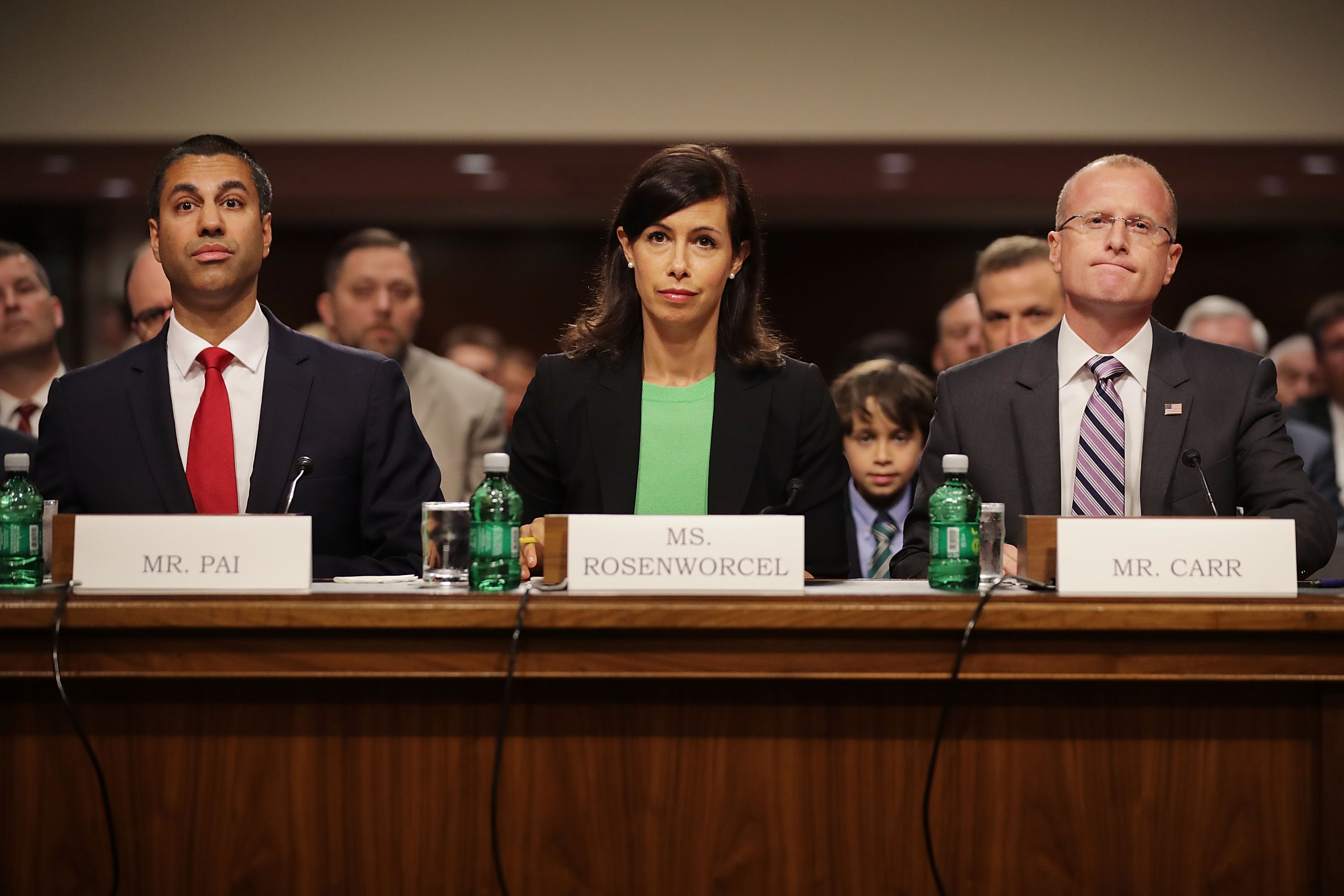
Sound a bit far-fetched? FCC Commissioner Rosenworcel thinks so as well.

Commissioner Rosenworcel at her confirmation hearing.

“Instead of promoting vigorous competition among providers, today’s order justifies increased concentration by jerry-rigging a new provider dependent on the government dictating who sells what to whom and when,” she said in a statement.”

Commissioner Starks indicated his dissent on other grounds as well, specifically recent charges that Sprint has been irresponsibly deploying funds from the Commission’s Lifeline program for low-income mobile subscribers.

“Sprint may be responsible for the most egregious violations of our Lifeline rules in FCC history,” Starks wrote in a statement. “Our review should have been held in abeyance following the Chairman’s recent announcement of an investigation into Sprint’s alleged misappropriation of Lifeline support for 885,000 ineligible accounts. If substantiated, this would represent the misuse of nearly 10 percent of the funds for the entire program.”

More than anything else, though, critics remain skeptical of the basic idea that consolidation will produce increased competition. In fact the Justice Department even thinks that may happen, which is why it is requiring the carriers to hastily assemble a new competitor out of whatever parts are left laying around, including some still being used by T-Mobile and others.

“The proposed transaction is exactly the type of merger that the Justice Department and the Commission have discouraged and rejected in the past: one that would harm competition and result in higher prices and poorer service, particularly for the most vulnerable consumers,” wrote Starks.

Others are concerned that the deal seemed to be a done deal even before Justice handed down its recommendations to improve competition following the merger.

“The FCC majority prejudged the merits of this merger two months before the Justice Department found the combination of T-Mobile and Sprint to be anticompetitive and required the creation of a new fourth competitor to pass legal muster. Despite this radical change in the merger, Chairman Pai has refused to put the new arrangement out for public comment,” noted Gigi Sohn, former general counsel for the FCC.

“Three of my colleagues agreed to this transaction months ago without having any legal, engineering, or economic analysis from the agency before us,” wrote Rosenworcel. “The procedural irregularities that have plagued the FCC’s review of this transaction make it difficult to ensure this agency’s findings are credible—especially when in so many key respects they are at odds with the findings of the Department of Justice.”

Proponents of the deal lean heavily on promises being made that “New T-Mobile,” as it is referred to in the decision, will use its new position to quickly and efficiently deploy 5G to many markets it might not otherwise have reached.

“This transaction will provide New T-Mobile with the scale and spectrum resources necessary to deploy a robust 5G network across the United States,” said Chairman Pai in his statement regarding the decision. “New T-Mobile will make the mobile broadband market more competitive in large swaths of rural America where neither Sprint nor T-Mobile is currently a strong competitor to AT&T and Verizon.”

Pai says that the idea that reducing the number of major carriers from four to three will be harmful to competition is a “simplistic, backward-looking claim.” The truth, he says, is that in many places this merger will increase the number of competitors from two (Verizon and AT&T) to three as T-Mobile enters the market. That’s fair speculation to be sure, but as Commissioner Starks points out, that idea too is simplistic. The truth is that reducing the number of major carriers will likely have serious and immediate negative effects as well as well as Pai’s imagined long-term benefits.

“In the short term, this merger will result in the loss of potentially thousands of jobs. In the long term, it will establish a market of three giant wireless carriers with every incentive to divide up the market, increase prices, and compete only for the most lucrative customers,” Starks writes.

While Justice and FCC approval were the largest obstacles to the proposed merger, much still has to occur before Sprint customers find their phones switching over to the T-Mobile network. More than a dozen states have opposed the merger and filed lawsuits, though those might be mooted under the new proposed scheme. Still, state-level challenges are no joke and may further delay the merger, especially if they are elevated to the federal level.

05 Nov 2019

Where top VCs are investing in fintech

Over the past several years, ‘fintech’ has quietly become the unsung darling of venture.

A rapidly swelling pool of new startups is taking aim at the large incumbent institutions, complex processes and outdated unfriendly interfaces that mar billion dollar financial services verticals, such as insurtech, consumer lending, personal finance, or otherwise.  

In just the past summer, the startup community saw a multitude of hundred-million dollar fintech fundraises. In 2018, fintech companies were the source of close to 1,300 venture deals worth over $15 billion in North America and Europe alone according to data from Pitchbook. Over the same period, KPMG estimates that over $52 billion in investment pour into fintech initiatives globally. 

With the non-stop stream of venture capital flowing into the never-ending list of spaces that fall under the ‘fintech’ umbrella, we asked 12 leading fintech VCs who work at firms that span early to growth stages to share where they see the most opportunity and how they see the market evolving over the long-term.

The participants touched on a number of key trends in the space, including rapid innovation in fintech infrastructure, fintech companies embedding themselves in specific verticals and platforms, rebundling and unbundling of financial services offerings, the rise of challenger banks and the state of fintech valuations into 2020.

Charles Birnbaum, Partner, Bessemer Venture Partners

The great ‘rebundling’ of fintech innovation is in full swing. The emerging consumer leaders in fintech — Chime, SoFi, Robinhood, Credit Karma, and Bessemer portfolio company Betterment — are moving quickly to increase their share of wallet with their valuable customers and become a one-stop-shop for people’s financial lives.

In 2020, we anticipate continued entrepreneurial activity and investor enthusiasm around the infrastructure and middleware layers within the fintech ecosystem that are enabling further rebundling and a rapid convergence of product themes and business models across the consumer fintech landscape.

Many players now look like potential challenger bank models more akin to what we have seen unfold in Europe the past few years. Within consumer fintech, we at Bessemer are more focused on demographically-specific product offerings that tap into underserved themes, whether that be the financial problems facing the aging population in the US or new models to serve the underbanked or underserved population of consumers and small businesses.

Ian Sigalow, Co-founder & Partner, Greycroft

What trends are you most excited in fintech from an investing perspective? 

I suspect that many enterprise software companies become fintech companies over time — collecting payments on behalf of customers and growing revenues as your customers grow. We have seen this trend in many industries over the past few years. Business owners generally prefer a model that moves IT expenditures from Operating Expenses into Cost of Goods Sold, because they can increase prices and pass their entire budget onto the customer.

On the consumer side, we have already made investments in branchless banking, insurance (auto, home, health, workers comp), cross-border payments, alternative investments, loyalty cards/services, and roboadvisor services. The companies we funded are already a few years old, and I think we will have some interesting follow-on activity there over the next few years. We have been picking spots where we think we have an unfair competitive advantage.

Our fintech portfolio is also more global than other sectors we invest in. This is because there are opportunities to achieve billion dollar outcomes in fintech, even in countries that are much smaller than the United States. That is not true in many other sectors.

We have also seen trends emerge in the US and move abroad. As an example we seeded Flutterwave, which is similar to Stripe, and they have expanded across Africa. We were also the lead investor in Yeahka, which is similar to Square in China. These products are heavily localized —tin for instance Yeahka is the largest processor of QR code payments in the world, but QR code payments are not popular in the US yet.

How much time are you spending on fintech right now? Is the market under-heated, over-heated, or just right?

Fintech is about a quarter of my time right now. We continue to see interesting new ideas and the valuations have been more or less consistent over time. The broader market doesn’t impact us very much because we tend to have a 10 year holding period.

Are there startups that you wish you would see in the industry but don’t?

05 Nov 2019

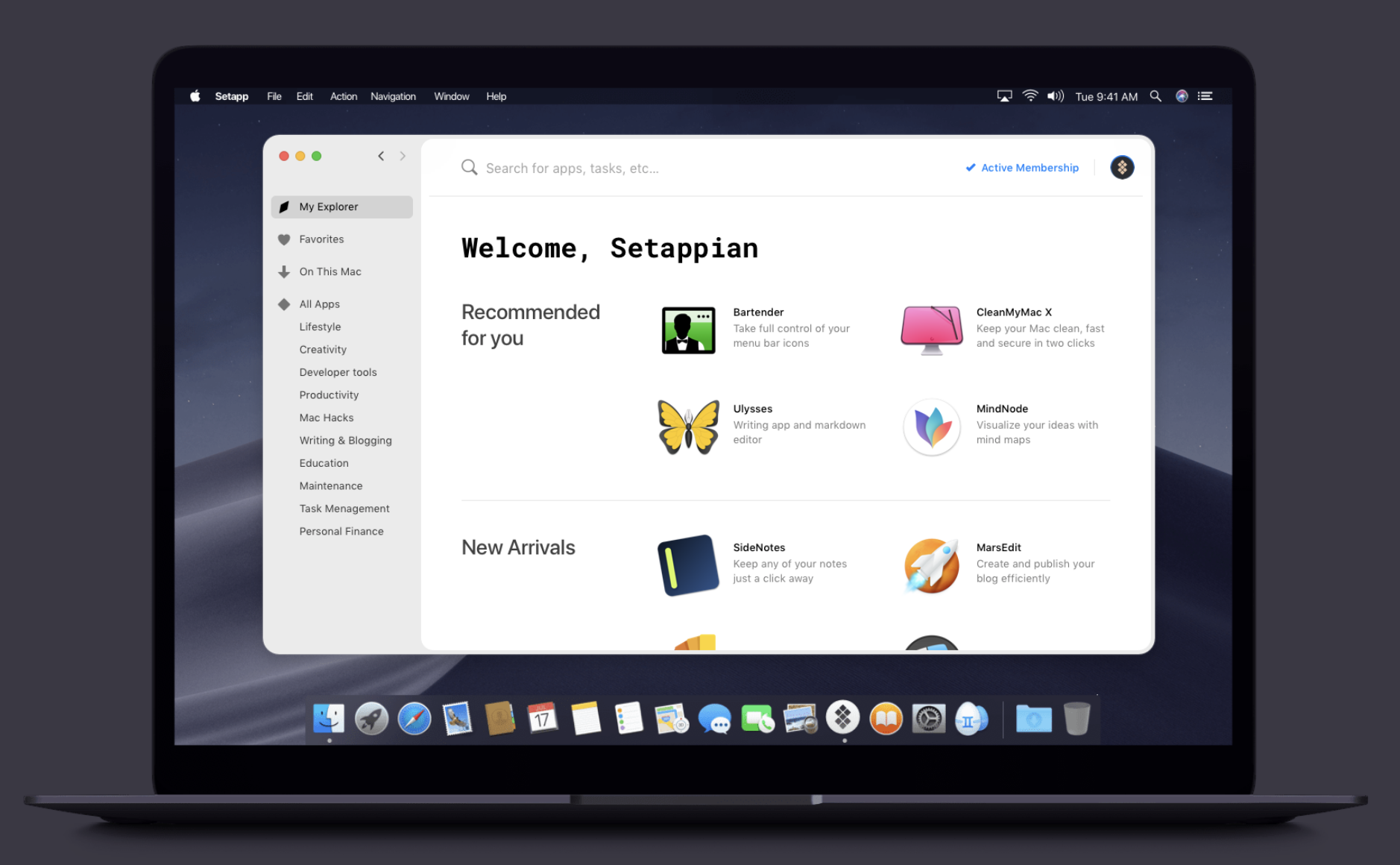
Subscription service for Mac apps Setapp extends to teams

Setapp, the Spotify of Mac apps, is launching a new subscription plan specifically designed for teams. It is currently available as a public beta. As a reminder, Setapp lets you download and use 160 apps for a flat subscription fee. You don’t need to pay for major updates and there’s no in-app purchase.

Anybody can sign up to a Setapp account for $9.99 per month, or $8.99 per month with annual subscriptions. There are also family plans for three users and five Macs for $19.99 per month.

As the name suggests, Setapp for teams is a new offering specifically designed for companies. It costs $8.99 per user per month. You’ll find the same app library whether you have an individual Setapp account or a business account.

The new offering makes it easier to manage software licenses. There’s a unified billing and administration panel that lets you add and remove users over time.

Apps include Ulysses, PDFpen, ForkLift, Mindnode, iStat Menus, etc. It has become a sort of mini Mac App Store without any paid download. Every time you need a new app to achieve a specific task, you can open Setapp and search the app library to see if there’s an app that can do that for you.

05 Nov 2019

NBA TV goes over-the-top to offer live games and original programming to cord cutters

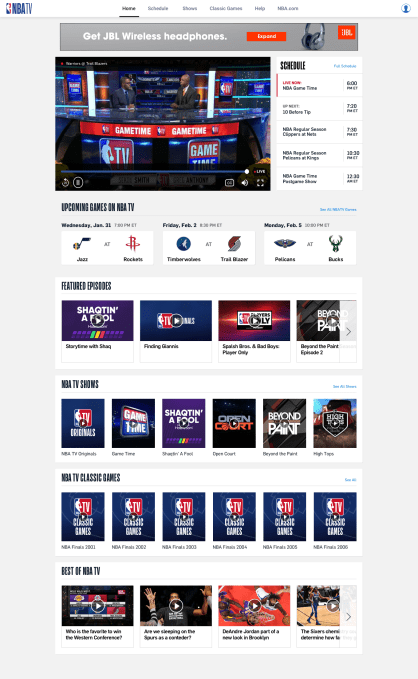
Cord-cutting basketball fans now have a new option for their non-stop hoops coverage. NBA TV is officially launching a direct-to-consumer subscription service today, making it the first linear TV sports league network to go over the top. The service, which will be available both on the web at NBA.com and through the NBA app, will include more than 100 exclusive, out-of-market live games, original programming, and on-demand video for $6.99 per month.

You can also pay the annual price of $59.99 for a small discount.

The launch won’t impact customers with pay-TV subscriptions, as they’ll still be able to watch NBA TV by authenticating with their TV provider.

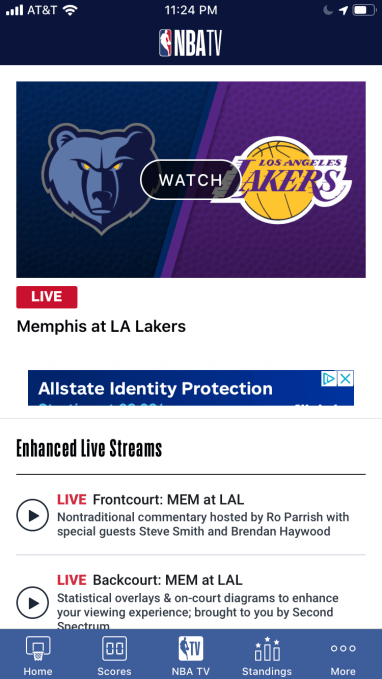
NBA Digital, which is managed jointly by the NBA and Turner Sports, recently announced a new franchise called “Center Court” where it will experiment with viewing enhancements including new camera angles, live on-screen group chats with celeb influencers, in-depth analytics and statistical graphics, and more.

These games (a list is here) will also be featured on NBA TV through the main Center Court broadcast as well as on the web and mobile where fans can find the enhanced “frontcourt” and “backcourt” streams. The “frontcourt” streams will incorporate the alternative audio options with rotating groups of NBA influencers, while the “backcourt” streams will feature the Second Spectrum technology, including the statistical overlays.

Center Court coverage will be available through the 2019-2020 season.

In addition to the enhanced games, NBA TV promises over 100 nationally televised out-of-market games, plus other live games from the WNBA, NBA G League, and NBA Summer League. The service also has original programming that includes studio shows and reporting, magazine-style shows like “Beyond the Point,” talent franchises like “Shaqtin’ A Fool,” a pregrame show “The Warm Up,” and nightly shows like “NBA Crunchtime” and “NBA Game Time.”

New shows that focus on social conversations, legends, and current players include “The List,” “#Handles,” “Say What,” “High Tops,” and “Basketball Stories.” And the service includes 24/7 access to classic games, the NBA Finals from 2000-2019, and other archival content.

NBA TV subscribers will also be able to buy an NBA League Pass, the premium subscription to all NBA games, from the same NBA app and website where they can buy or add on NBA TV, starting today.

Once subscribed, NBA TV can be watched via the web, mobile, or through connected TV devices and game consoles.

“Innovation has always been at the core of our NBA Digital partnership and the launch of this direct to consumer product, paired with new content initiatives, will provide NBA fans even greater opportunities to engage with NBA TV and our collective portfolio of brands,” said Tina Shah, Executive Vice President and General Manager, Turner Sports, in a statement. “As sports consumption continues to evolve, we will continue to develop new opportunities for fans to access and engage with premium NBA content.”

Access to live sports is one of the areas that stop fans from fully cutting the cord with traditional pay TV. But a variety of resources have cropped up over the years to make that transition easier, including those dedicated to particular sports — like the MLB’s over-the-top offering MLB.TV — or live-streamed games across social media and elsewhere, as with the NFL’s games on Amazon Prime Video. There are also entire services, like fuboTV that grew out of sports’ fans needs more a more comprehensive live sports offering.

But even with new ways to watch, blackout restrictions often keep fans tied to pay TV, perhaps using a friend’s account to log in and authenticate…or even turning to VPNs. NBA TV won’t solve this problem, either, but it can help fans view more games and NBA content.

05 Nov 2019

AT&T will pay $60 million over fake unlimited data ‘bait and switch scam’

AT&T is being punished at last for its shady claims of plans with “unlimited data” but were in reality nothing of the kind: The company has agreed to a $60 million settlement with the FTC, which has pursued the case for years. Some 3.5 affected customers can expect partial refunds — little more than pocket money, but it’s something.

The complaint was filed almost exactly five years ago, after customer complaints from previous years had piled up. AT&T, after offering truly unlimited data plans for a few years, made changes to how the plans worked but not to how they were advertising. Starting in 2011, the company began throttling customers with “unlimited data” who hit data caps to a fraction of the speed they normally got. We’re talking kilobits here.

Naturally that’s not quite in line with the “unlimited” claims, and some people took AT&T and others to court early on over it. But the FTC’s 2014 complaint indicated that the feds were taking this seriously.

Since the complaint was so obviously true, AT&T attempted to thwart it via process, claiming that the net neutrality rules adopted in 2015 moved the authority to regulate mobile carriers from the FTC to the FCC, retroactively mooting the case. They pursued this ridiculous argument until last year, when a federal court slapped it down and the FTC’s process was allowed to continue unimpeded. And here we are 18 months later with a $60 million settlement.

“AT&T’s bait-and-switch scam is a good window into the many harms that result from dominant companies operating without the discipline of meaningful competition,” said FTC Chairman Rohit Chopra in a spicy statement accompanying the announcement. “Their market power, financial resources, and one-sided information gives them license to ignore their own contractual obligations while aggressively enforcing every little clause in the fine print. Consumers can accept the bad deal, walk away, or fight it, but each choice carries a cost, with dominant firms prevailing almost every time.”

$60 million is a drop in the bucket for a company the size of AT&T, but the FTC action and other pressure also put executives on warning for prioritizing profits over customers with scams like this one.

“The company could have upheld its obligations to its customers by making the right infrastructure investments,” Chopra continued. “It certainly had the money to do so. In 2012, as the company boasted to investors that customers were fleeing its unlimited plan for tiered plans, it spent more on share buybacks than it invested in its wireless network. The bottom line is that AT&T fleeced its customers to enrich its executives and its investors.”

Unfortunately those customers will remain fleeced, as there are some 3.5 million of them and only $60 million to distribute. This will be divided between current and former AT&T customers as follows according to the proposed settlement:

  • $7.5 million to be split by current AT&T customers who experienced throttling to 128 kbps
  • $29.7 million to be split by current AT&T customers who experienced throttling to 256 or 512 kbps
  • $6.3 million to be split by former AT&T customers who experienced throttling to 128kbps
  • $16.5 million to be split by former AT&T customers who experienced throttling to 256 or 512 kbps

All this will be done “pro rata,” so if you were an early adopter who got throttled every month of your year-long contract to 128 kbps, you’ll get a bigger share than someone who only went over once and got throttled to 512 kbps.

There’s no need to fill anything out or submit a claim; If you’re currently an AT&T customer, you’ll get a bill credit, and if you’re a former customer you should get a check in the mail.

Naturally AT&T is barred from pulling anything like this again: The company can’t claim something is “unlimited” without prominent disclosure of the actual limitations on the service.

05 Nov 2019

Walmart reaches settlement with Tesla over solar panel fires, drops lawsuit

Walmart has dropped a lawsuit that accused Tesla of breach of contract and gross negligence after rooftop solar panel systems on seven of the retailer’s stores allegedly caught fire.

A settlement has been reached and stipulation of dismissal has been filed with the court, a Walmart spokesperson said in an email. It is unclear what the settlement entails. TechCrunch has requested more information and will update the article if new details emerge.

The two companies issued a joint release Tuesday announcing that the issues raised by Walmart have been resolved.

“Safety is a top priority for each company and with the concerns being addressed, we both look forward to a safe re-energization of our sustainable energy systems,” the emailed statement reads.

The resolution comes just three months after Walmart filed the lawsuit in New York state court. Thje lawsuit was aimed at Tesla Energy Operations, a division within the clean energy and electric vehicle automaker that was formerly known as SolarCity.

Days after the lawsuit was filed, the two companies announced efforts were underway to try to reach an agreement that would keep the solar installations in place and put them back in service, according to a joint statement issued at the time.

While the announcement signaled progress, the specter of a lawsuit still loomed. Until now.

Walmart said it sued Tesla after years of gross negligence and failure to live up to industry standards by Tesla, according to court documents. Walmart asked Tesla to remove solar panels from all 240 locations where they have been installed as well as pay for damages related to fires that the retailer alleges stem from the panels. The lawsuit points to several fires on the retailer’s rooftops that allegedly stem from Tesla solar panels.

05 Nov 2019

Arweave’s Permaweb blockchain can host sites & apps forever

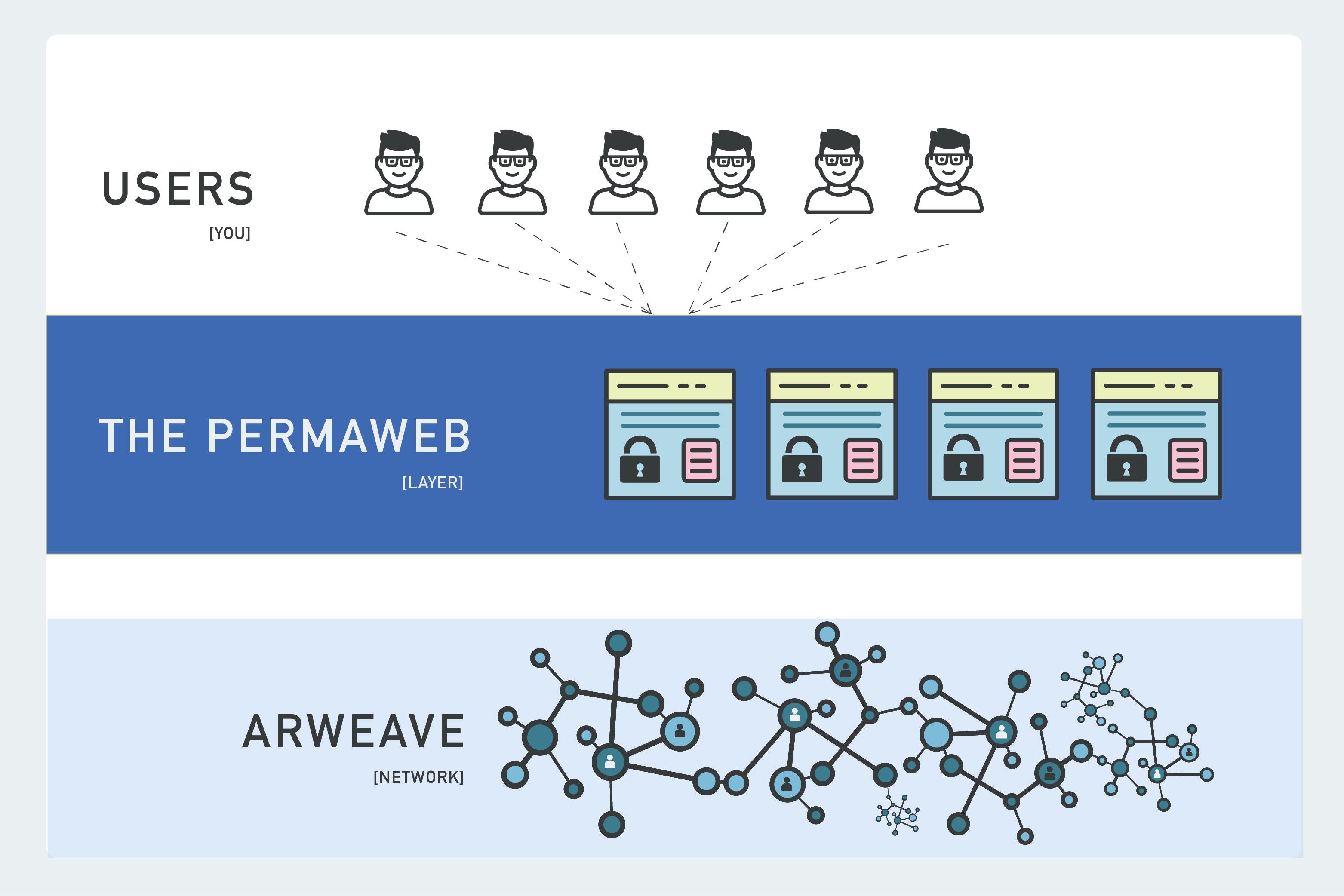
What if you could pay now to store something online permanently? You could preserve a website against censorship, save legal contracts, or offer an app even after your company fails. That’s the promise of Arweave‘s Permaweb.

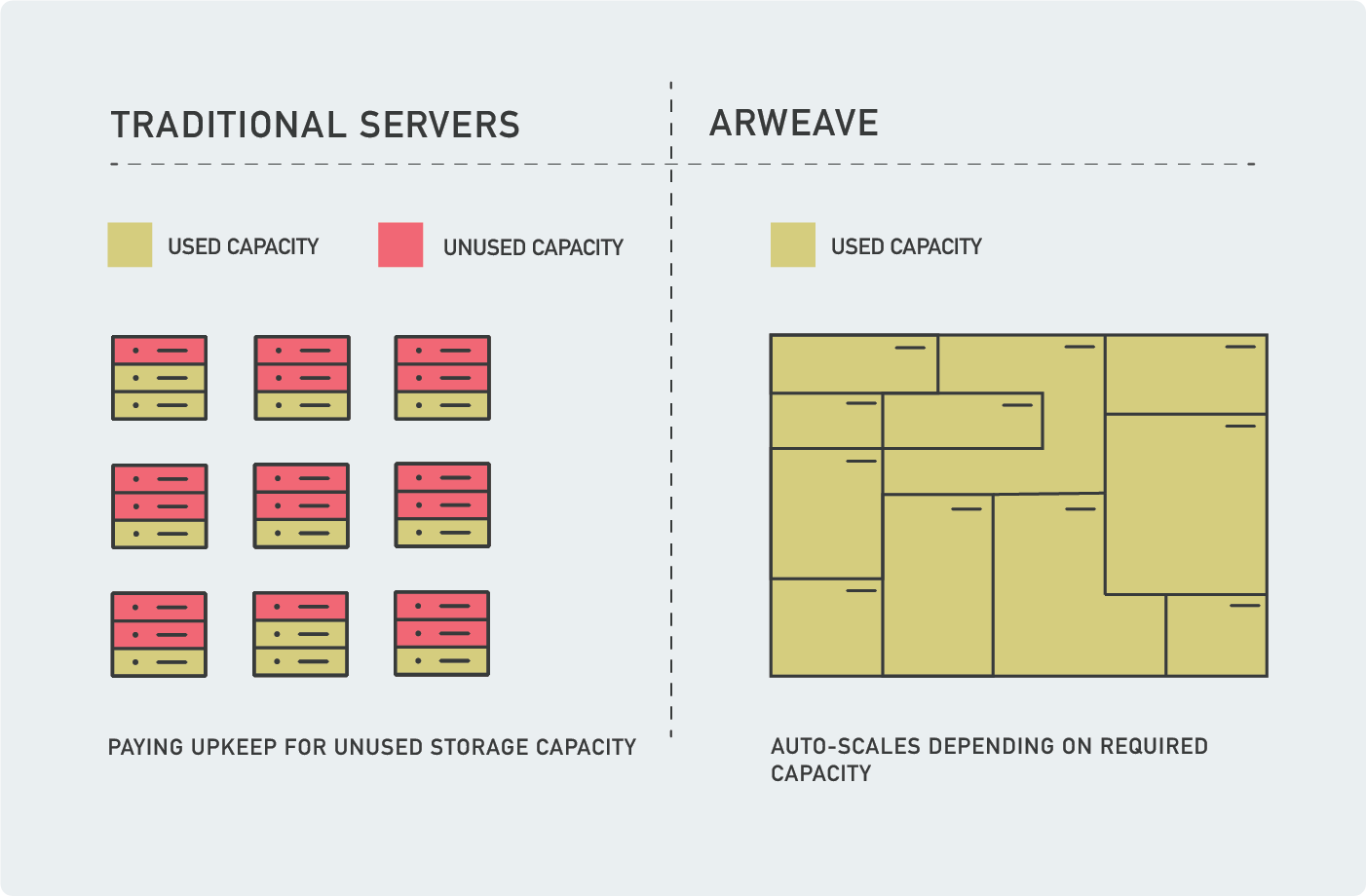
The startup has built a new type of blockchain that relies on Moore’s Law-style declining data storage costs. Users pay a few hundred dollars upfront (about half a cent per megabyte), and the interest accrued by the excess payment will perpetually cover the costs of shrinking storage prices.

The Permaweb quietly launched last June. Over 100 permanent apps have been built on Arweave’s infrastructure including an email client in the last six months, while 50,000 objects were stored on the Permaweb in October alone. As long as some node operators keep hosting the data on unused hard drive space, they keep getting paid, and the sites, apps, or files remain available. Instead of needing some special blockchain browser to access what’s stored, the Permaweb can be accessed through traditional web browsers and URLs.

Arweave founder Sam Williams

The potential of the Permaweb has attracted $5 million in funding led by Andreessen Horowitz’s a16z Crypto, and joined by other top blockchain investors Union Square Ventures and Multicoin Capital who’ve exchanged the cash for tokens from Arweave. Those tokens, and the rest Arweave is sitting on, could become increasingly valuable if the Permaweb becomes popular.

“Arweave’s mission is to become the new Library of Alexandria” Arweave founder Sam Williams writes, “but invulnerable to the pitfalls of centralised points of failure, ensuring that humanity’s shared knowledge and history is available to all future generations.”

Filling Orwell’s Memory Hole

The idea spawned from a slew of PhDs dropouts trying to address the fake news problem. They figured if sites or articles could be stored permanently in their original form, they couldn’t be changed or eradicated by a future despot.

The team discovered blockchains could handle this at small scale. But to decentralize large amounts of data, they developed a special kind of blockchain where miners are rewarded for storing a random old block from the chain, not just the most recent one. That meant the more of the total blocks they stored, the more they’d stand to earn.

After going through TechStars Berlin and recruiting some of their accelerator-mates, Arweave launched the Permaweb mid last year. Those who want to store something download a free Chrome, Firefox, or Brave browser extension, fund their wallet, and make a one-time payment. For example, here’s a permanently hosted forum that won’t disappear like many online communities have over the years.

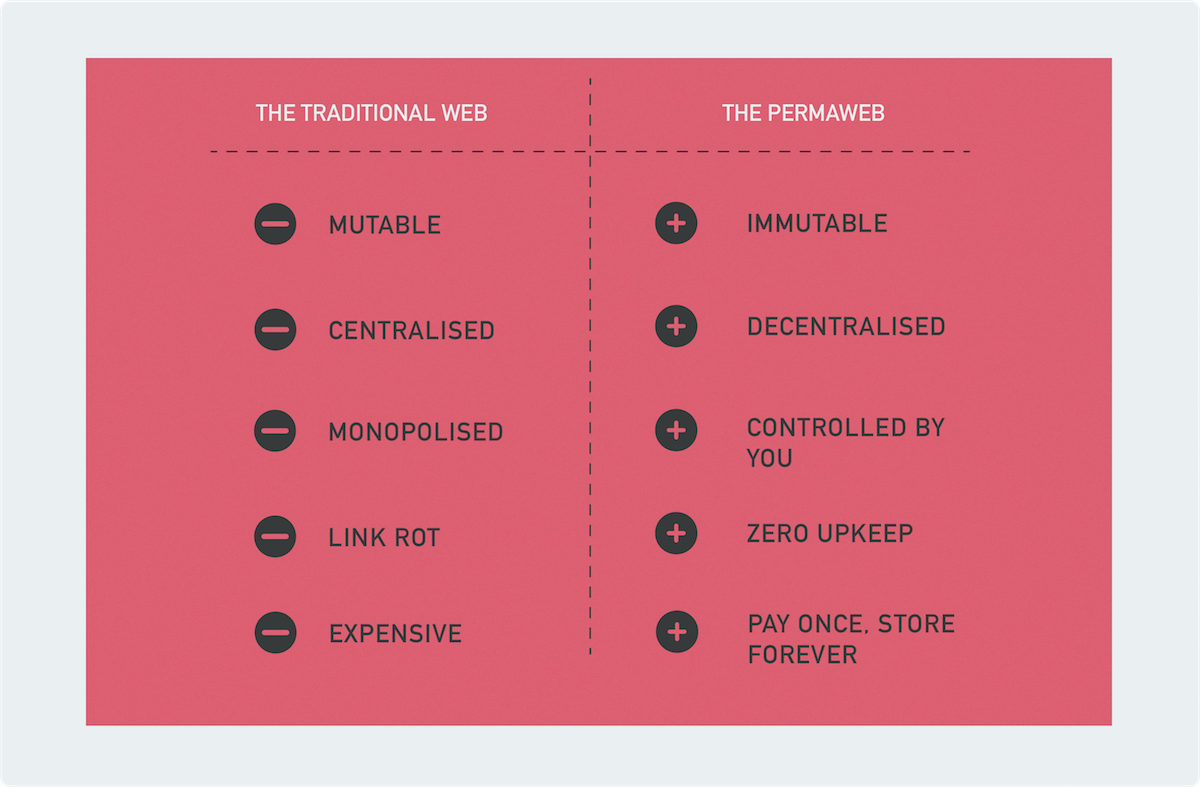
While pricier than alternatives like AWS in the short-term, the Permaweb could theoretically keep files alive forever. Williams says that data storage costs have declined around 30% per year for a while, but the decentralized network would still be able to cover costs as long as that rate doesn’t fall lower than 0.5%. “If we dropped below 0.5% storage cost decline, then really, really bad things will have happened to humans.” And even then, today’s payments would cover 200 years of storage.

Another benefit is that users of applications can choose to use the original version of a Perma app instead of an updated one. That way if a developer polluted later versions with ads or privacy invasions, users could rely on the old one.

An important concern is that the Permaweb could be used to enable piracy. But Williams tells me the majority of node operators have to vote to approve hosting a file, so they could refuse copyrighted music or revenge porn. And anyways, torrenting is a free and so likely more appealing to pirates. We’ll see if other players try to crash into the market with a similar concept and trigger a perma pricing war.

Arweave likens itself to an Uber for storage, matching users needing to save files with those with excess storage capacity. But it acts as if there’s no middleman like Uber taking a cut. Instead the startup will sell tokens as necessary to stay funded until the network is sufficiently decentralized and runs itself.

“A lot of crypto projects are long on white papers but short on code. Arweave was the opposite” says Union Square Ventures partner Albert Wenger. His fund tried out the Permaweb by storing the National Oceanic and Atmospheric Administration’s ongoing measurements of carbon dioxide — something climate change deniers might want to suppress.

The goal was always to stop misinformation. Williams concludes “We think that we’re closing what Orwell called the memory hole so people can’t change what was said, so everyone can see it that way in the future without the possibility of redaction or censorship.”

05 Nov 2019

Valence launches a social network for black professionals

Over the past two years, as technology companies continued to struggle with diversifying their work forces, Los Angeles-based venture capitalist Kobie Fuller wrestled with how to solve the problem.

As a black professional himself, Fuller had experienced the frustrations and isolation that can sometimes come with being the only person in the room who looked the way he did. He also dealt with being the go-to person for any startup company looking to hire from a diverse pool of candidates.

“For years, companies and venture capitalists have asked me for advice about where they can find amazing Black talent and I had my standard answers — which were basically limited to people in my network, [historically black colleges and universities], and a few niche associations,” said Fuller in a statement. “As a Black VC, I also wanted better visibility into my own community and couldn’t believe that a centralized network of Black professionals didn’t exist yet.”

Sitting in his office at the venture firm Upfront Ventures, overlooking Santa Monica beach and the Pacific Ocean, Fuller says he was a bit puzzled by the fact that no one had come up with the solution to the problem. If the issue was finding talent, why not create a place that could collect those talented individuals in one place and encourage their professional development.

People would come to me and say ‘I want to hire more black talent’…. And I just didn’t have that magical database in my head. But I thought, wouldn’t it be cool if I did have that magic database of talent,” says Fuller. 

That’s how Valence was born. The company, which launches today with $2.5 million from Upfront Ventures, alongside Sinai Ventures, Human Ventures, High Alpha and angel investors like Paul Judge, Peggy Alford and Willie Alford, is the fruit of two years of labor from Fuller and his co-founders La Mer Walker and Emily Slade.
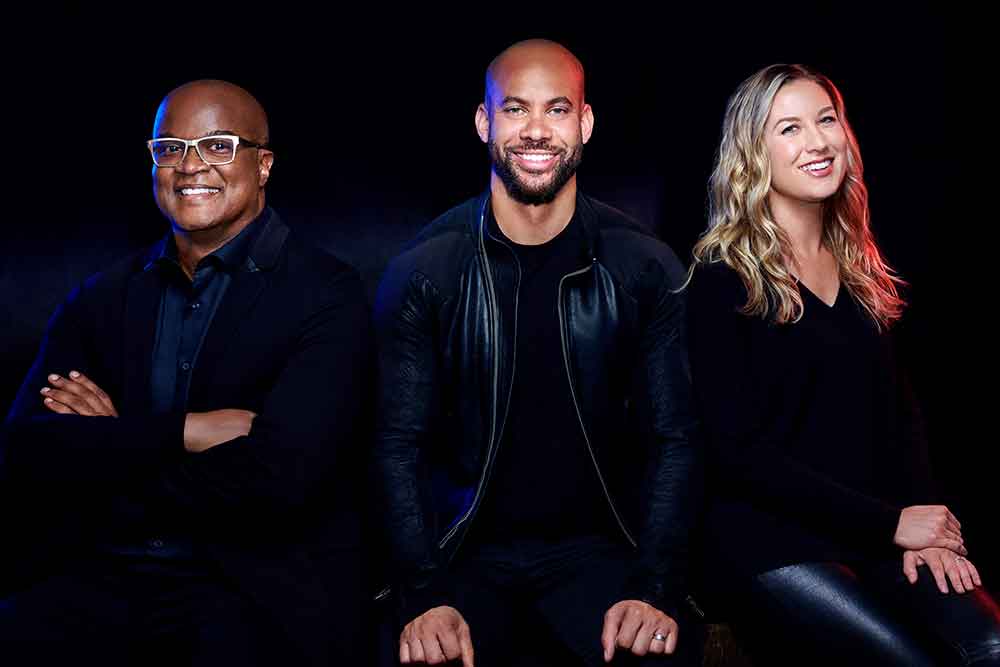
Valence founder La Mer Walker, Kobie Fuller and Emily Slade

“This goes back to when I met Paul Judge for the first time,” says Fuller. “He and I were expecting each other not to be black… It’s like the X-Men, where you think you’re the only mutant and then… “Oh shit! There are all of these other mutants out there! And I thought… Why don’t I just create Cerebro?”

Frankly, corporate America could use a Cerebro to solve its diversity problem, which remains acute not just in the technology industry but across American industry.

Currently only 3% of Silicon Valley’s workforce is black; there are only three black chief executives in the Fortune 500, and only 0.0006% of venture capital funding goes to black female founders. Finally, black people make up 13% of the nation’s population, but only hold 3% of the nation’s wealth, the company said.

Valence’s founders hope to help change that narrative in two ways. The first is simply through the creation of the network, which can serve as a single source for companies looking to hire black candidates into positions at their firms. In a way, it’s similar to how GirlBoss is creating a network for professional women that companies can access for recruiting.

But Valence wants to go beyond simply creating a LinkedIn for black talent, according to Fuller. The company wants to celebrate the stories of those business executives and professionals who have already achieved a level of success that anyone would admire or envy.

“When the spotlight is on Black success, it’s typically on athletes and entertainers — and while we love these superheroes, Valence is putting a third spotlight on Black professionals,” said Walker, a former creative director at the Boston Consulting Group’s Digital Ventures division. “The network effects within the platform will increase the transfer of knowledge and professional advancement, which we think can have a profound impact on the racial wealth gap.” 

The social network is open to anyone who identifies as a black professional and anyone who would like to help those professionals as they progress through their careers. Initial candidates are vetted by members of the community, which can vouch for new applicants.
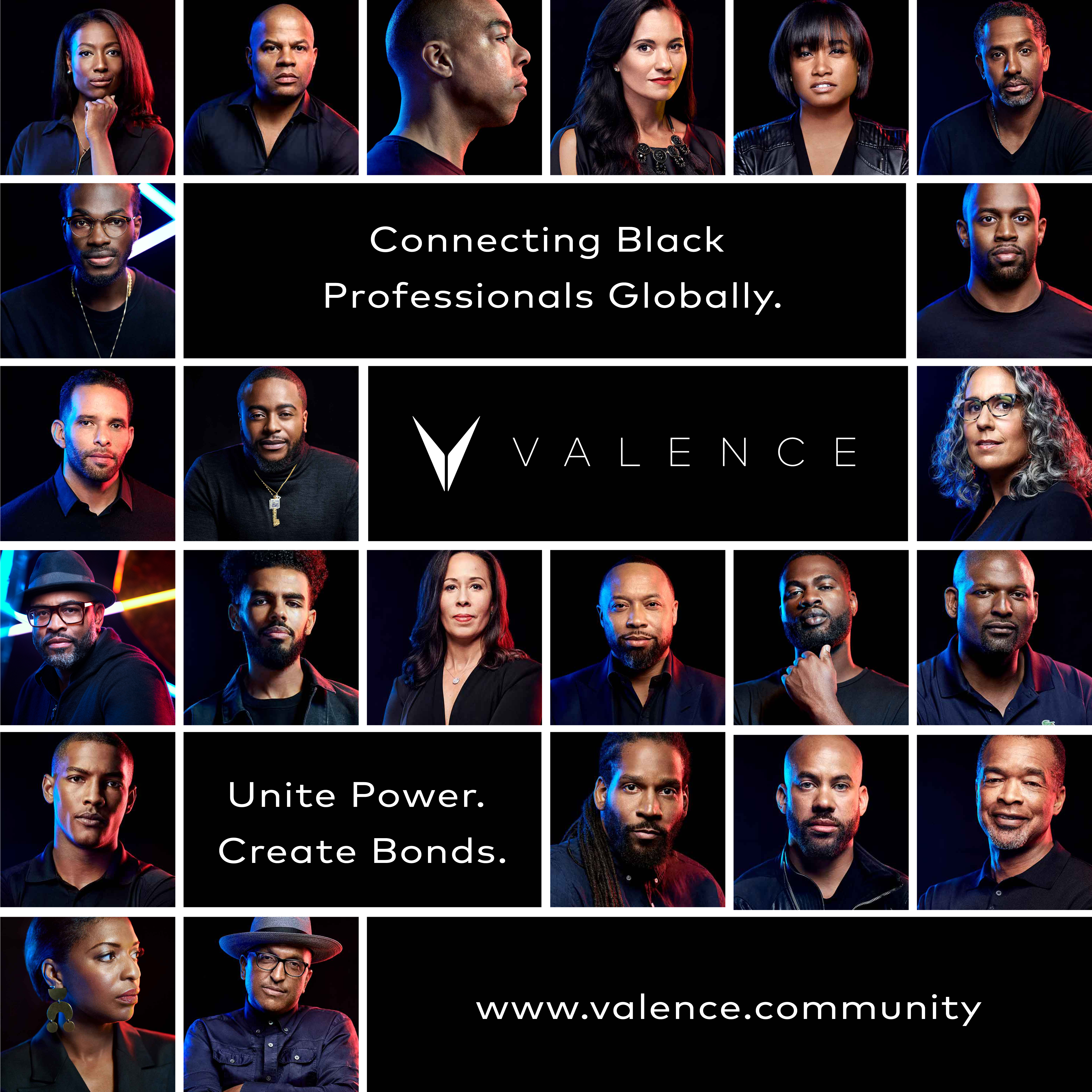
As members of the Valence community, black professionals have access to a global community of high-powered business pros like Fuller, Alford (a senior vice president at PayPal and a director on the Facebook board), Jordan Fudge, the co-founder and managing director of Sinai Ventures, Modi Oyewole, the director of marketing at Epic Records, and Christine Simmons, the chief operating officer of the Motion Picture Academy of Arts.

These members will also have access to job opportunities from top companies, networking events, advice on raising capital and entrepreneurship and a targeted mentorship program focused on providing quick bits of advice or references from direct requests posed to network members.

Companies and individuals who identify as partners can access the network to discover members, post jobs, contact members directly and provide advice, support and events for the community, according to a statement.

“We have thousands of people on our waitlist and are motivated by the massive opportunity to unite across industries and generations,” says Slade. “Doing that in a scalable way through our platform will enable significant progress.”

Valence was incubated within Upfront with an initial $1 million, and Fuller brought Slade and Walker on board as full-time executives, while he retains a director’s seat on the company’s board.

Fuller met Slade, who acknowledges she does not look like a typical candidate for Valence’s community, at a Summit Series conference in Los Angeles about a year ago. Slade, whose grandmother and grandfather couldn’t get married in the state of California because he was black and she was white, knew the problems that the community faced, and had spent her professional career building online communities.

“I had the professional experience and the personal background that aligned with what Kobie wanted to do,” she says. After their initial meeting the two began collaborating on how to bring Valence to the world.

Now, the company is live after 10 months of work and hoping to tackle a problem whose solution has eluded some of the biggest names in the technology industry.

“Google has spent over $200 million on their diversity initiatives and you see the numbers rising,” says Slade, but it’s happening too slowly.

Following the launch, the company says its next step will be to bring its footprint to an increasingly global network of professionals representing other diaspora communities.

“Next year you will see people from different regions come into the fold,” says Walker. “There will be connections to the different diasporic communities that are out there.”


05 Nov 2019

Seismic acquires Percolate to expand its marketing tools

Seismic is announcing that it’s acquiring Percolate in a deal that it says is combining “two essential pillars of the marketing technology stack.”

It sounds like the two companies aren’t direct competitors, but they offer related tools: Seismic helps companies create and manage the content they use in sales and marketing, while Percolate expanded from a social media publishing tool to a  broader suite of software for managing the marketing process.

As part of the acquisition, Percolate CEO Randy Wootton is joining the Seismic team, where he will continue to lead Percolate, and where he will report to Seismic CEO Doug Winter. The combined company will have a headcount of more than 800 people.

“Both of our companies endeavor to foster better alignment between marketing and sales and improve the buyer/seller interaction, resulting in accelerated deals and pipeline for our customers,” Wootton said in a statement. “Combining with Seismic allows Percolate to provide even more capability to our customer base and more value to the marketing ecosystem.”

The financial terms of the acquisition were not disclosed. Percolate raised a total of $106.5 million from investors including GGV Capital, Sequoia Capital, Lightspeed, Slow Ventures, Lerer Hippeau and First Round Capital, according to Crunchbase.

Seismic, meanwhile, raised a $100 million investment at a $1 billion valuation last year.