Year: 2019

02 Oct 2019

Microsoft introduces Windows 10X for dual-screen devices

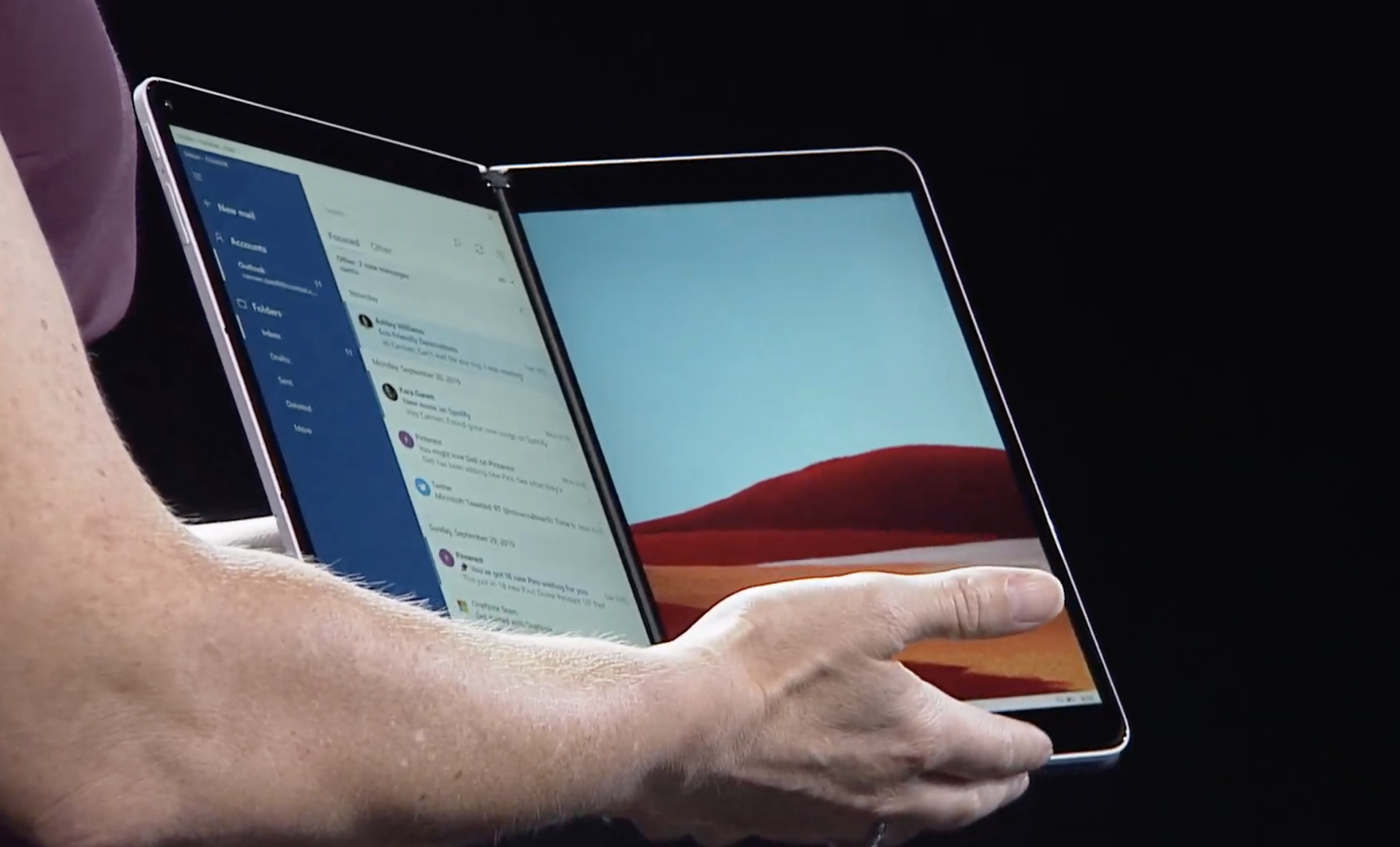
At its annual Surface hardware event in New York, Microsoft announced the expected set of updates to its existing hardware lineup. The biggest surprise, though, was surely the announcement of the company’s dual-screen Surface Neo, which will go on sale before the 2020 holiday season. To make this kind of dual-screen device possible, Microsoft also built a new version of Windows 10: Windows 10X.

Microsoft says it’s announcing the hardware and software today in order to get it into the hands of developers ahead of the launch.

Just like the HoloLens, Surface Hub and Xbox use the core technologies of Windows 10, the dual-screen Surface, too, will run this new version, as will dual-screen devices from Dell, HP, Lenovo and other partners. Unsurprisingly, these devices — and Windows 10X — will feature improved pen support (and a virtual keyboard).

Windows 10X is the result of Microsoft’s work on making Windows 10 more modular so that it can take pieces of the operating system and use them as needed. As Microsoft told us ahead of today’s announcement, Windows 10X is essentially the continuation of the architecture changes it made to Windows 10 that allowed it to make the HoloLens, Surface Hub and Xbox versions possible.

The company stresses that this is not a new operating system but takes Windows 10 as you know it today and makes it more adaptable to other form factors. This also means that you won’t be able to buy yourself a stand-alone copy of Windows 10X. The only way to get it is on these new dual-screen devices.
Screen Shot 2019 10 02 at 8.16.10 AM

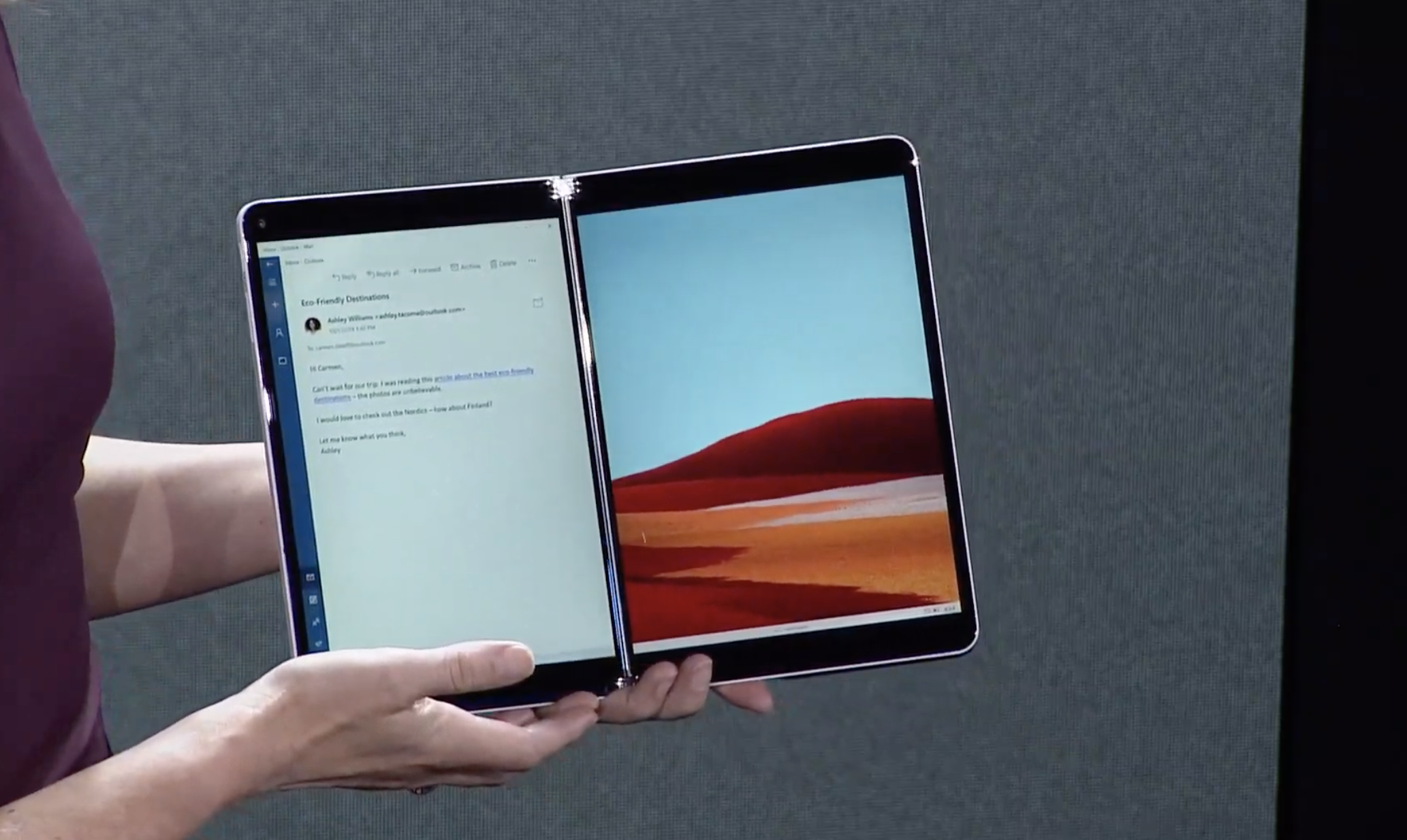
By modularizing the Windows 10 core technology, including the user interface, Microsoft can do things like taking the Start menu and display that in HoloLens. Windows 10X does similar things and will allow you to put the taskbar or start menu on either panel as needed. Similarly, you’ll be able to use the Start menu on either panel, depending on what’s happening on the other panel.

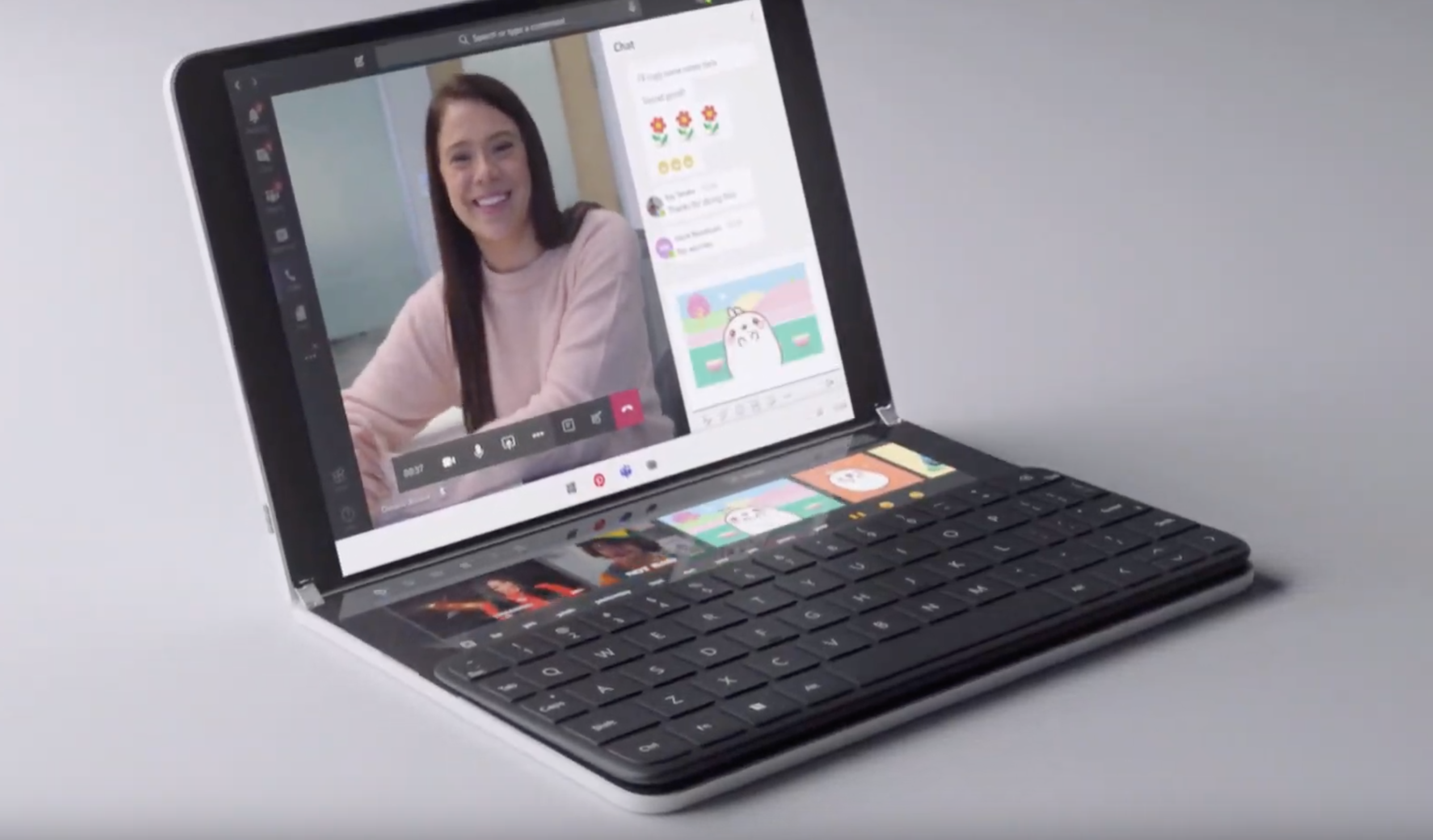
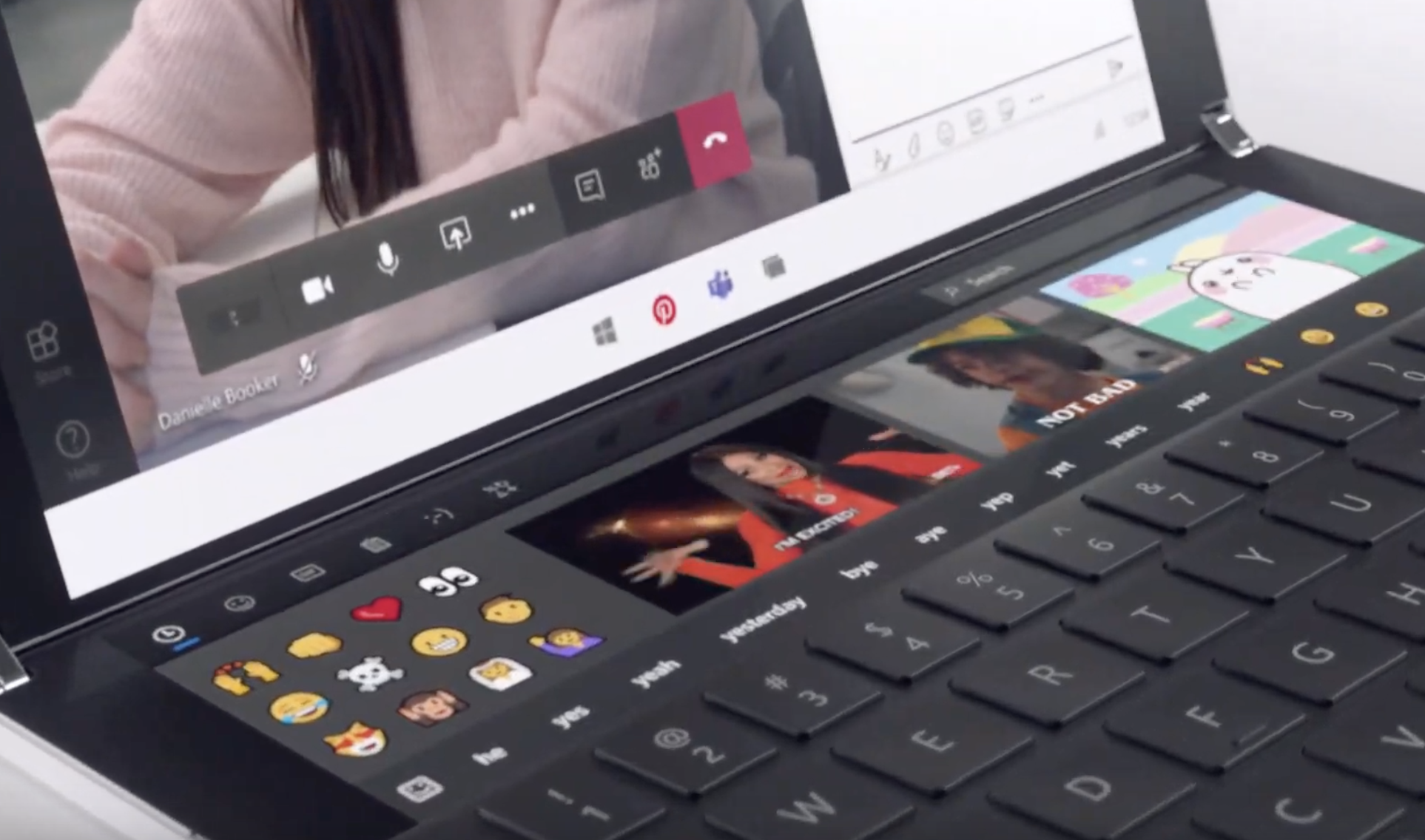
The overall design doesn’t look all that different from the Windows 10 you are probably familiar with already, but it obviously has all of the functionality to move applications between devices — or span them across screens. The device reflows it automatically, no matter how you hold the device. Windows 10X also makes affordances for the Neo’s keyboard cover, which covers about half of the screen and then reveals what Microsoft, for some reason, calls the ‘WonderBar,’ with a virtual trackpad.

But this modularization effort also allows Microsoft to do some smart things under the hood. So while a regular PC will boot up and immediately run all of the services necessary to run a Win32 application, for example, Windows 10X won’t load this subsystem until it’s needed. This, the company argues, allows it to be very efficient with the resources available on the machine and extend its battery life significantly.
Screen Shot 2019 10 02 at 8.11.55 AM

Unlike efforts like Windows 10 S, which took Windows 10 and only allowed you to run a small set of applications, Windows 10X will let you run any application you want, no matter whether that’s a web app, UWP or Win32 application. Microsoft says that developers won’t have to do anything specific to make their applications ready for Windows 10X. Windows 10X will do that for them.

Some of this work will surely flow back into the mainstream PC version of Windows 10. In some way, this has already happened with some of the work Microsoft did on the graphics capabilities of Windows 10 for Xbox flowing back to the PC.
02 Oct 2019

Microsoft teases Neo dual-screen Surface, set to debut holiday 2020

Rumored in 2008 and officially canceled two years later, Courier is one of the great “what ifs” of the consumer hardware space. Somewhere out there is an alternative timeline where the dual screen booklet PC preempted the whole two-in-one tablet/PC boom.

In this universe, however, the dual screen PC has been more of a curiosity. A smatter of companies like Lenovo have experimented with the form factor to limited success. At this morning’s Surface event in New York City, however, Microsoft finally got around to planting its flag.

Screen Shot 2019 10 02 at 8.15.21 AM 1

The software giant teased a long-rumored dual-screen upcoming Surface device at the event. The good news is that it’s real and it’s actually coming to market. The bad news is that, after years of anticipation, it’s still taking its time. The device isn’t slated to arrive until sometime around the holiday season 2020.

Why the long lead time? Simple: the company wanted to head off any additional leaks. Microsoft’s being pretty transparent in the fact that it’s got a lot of work to do to nail down the specifics of the form factor. It knows that consumers are looking for some sort of miracle device that can offer a larger screen, slimmer footprint and longer battery life and believes that a dual screen product might crack that code.

Screen Shot 2019 10 02 at 8.11.40 AM

But much of the next year will require real world testing, and it’s essential accepting that a leak a is an inevitability, so it’s taking some of the air out of those tires by announcing its intentions on its own terms. It’s also announcing that a handful of top manufactures will be creating devices for the new form factor, including HP, Dell, Lenovo and ASUS. As with the tablet category, Microsoft will be competing with them with its own Surface hardware.

The new form factor will require a forked version of Windows 10 — specifically Windows 10 X. Like the tailored versions of the operating systems found on Hololens, Xbox and other Surface products, 10 X has the same underlying technologies as standard Windows 10 (including pen and mouse input) with some changes specifically for the new hardware. Here that means a more modular approach to things like the taskbar, which can show up on either or both displays. Microsoft is quick to point out, however, that the version with only exist on these devices.

Screen Shot 2019 10 02 at 8.14.34 AM

Expect there to be some variation between pricing on the devices, along with things like screen size. Each company will be taking unique approaches to the category. As Microsoft puts it, it will let the market place vote. In other words, the best implementation will ultimately be determined by consumer purchases.

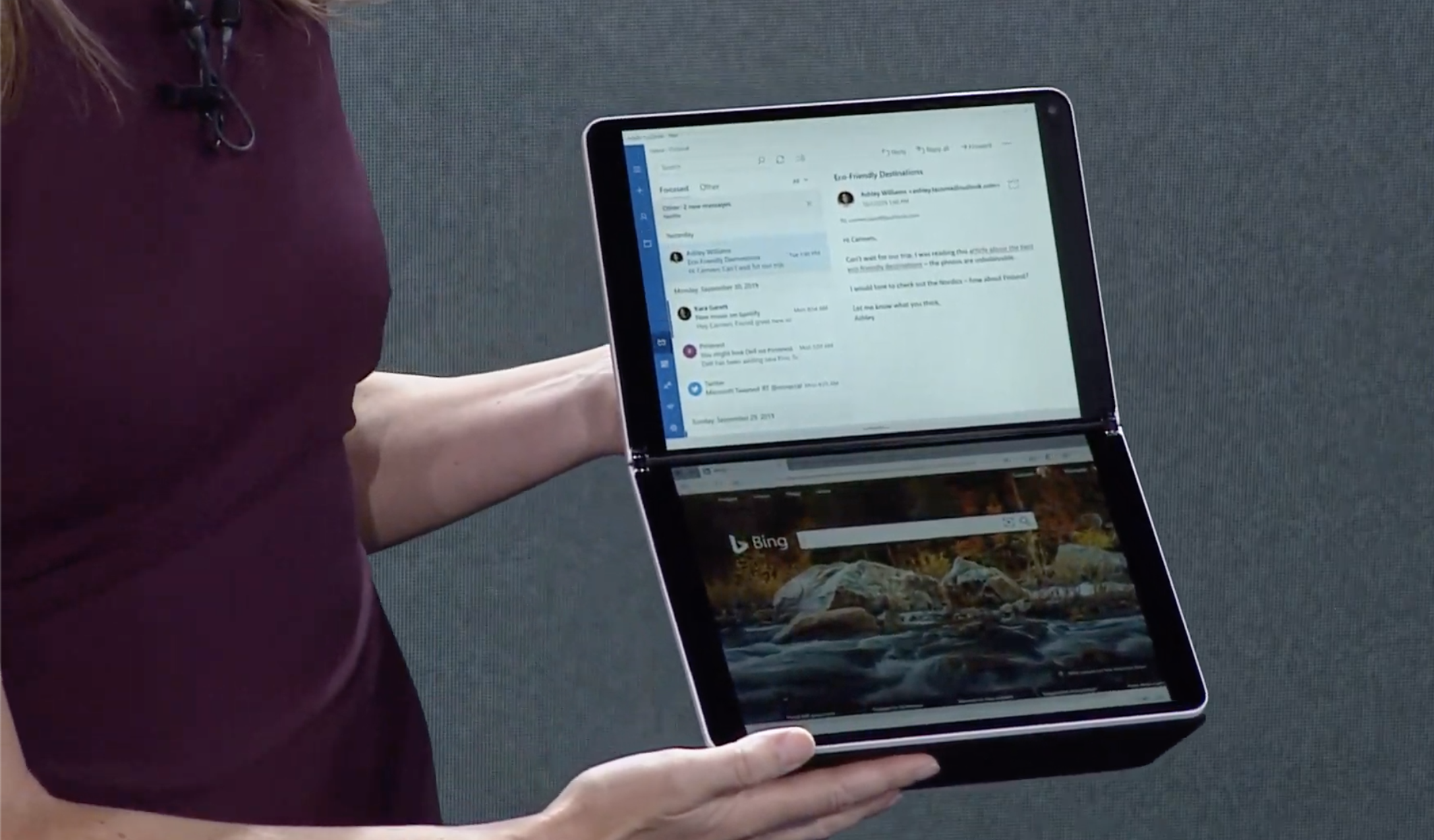
Based on the brief demo, Microsoft’s implementation is actually pretty impressive. While the second screen will almost certainly by awful to type on, there’s a flip up keyboard that overlays on top. The magnetic keyboard can slide up and down as well, with space on the bottom for a trackpad or something akin to a touchbar on the top — er, “Wonderbar.”

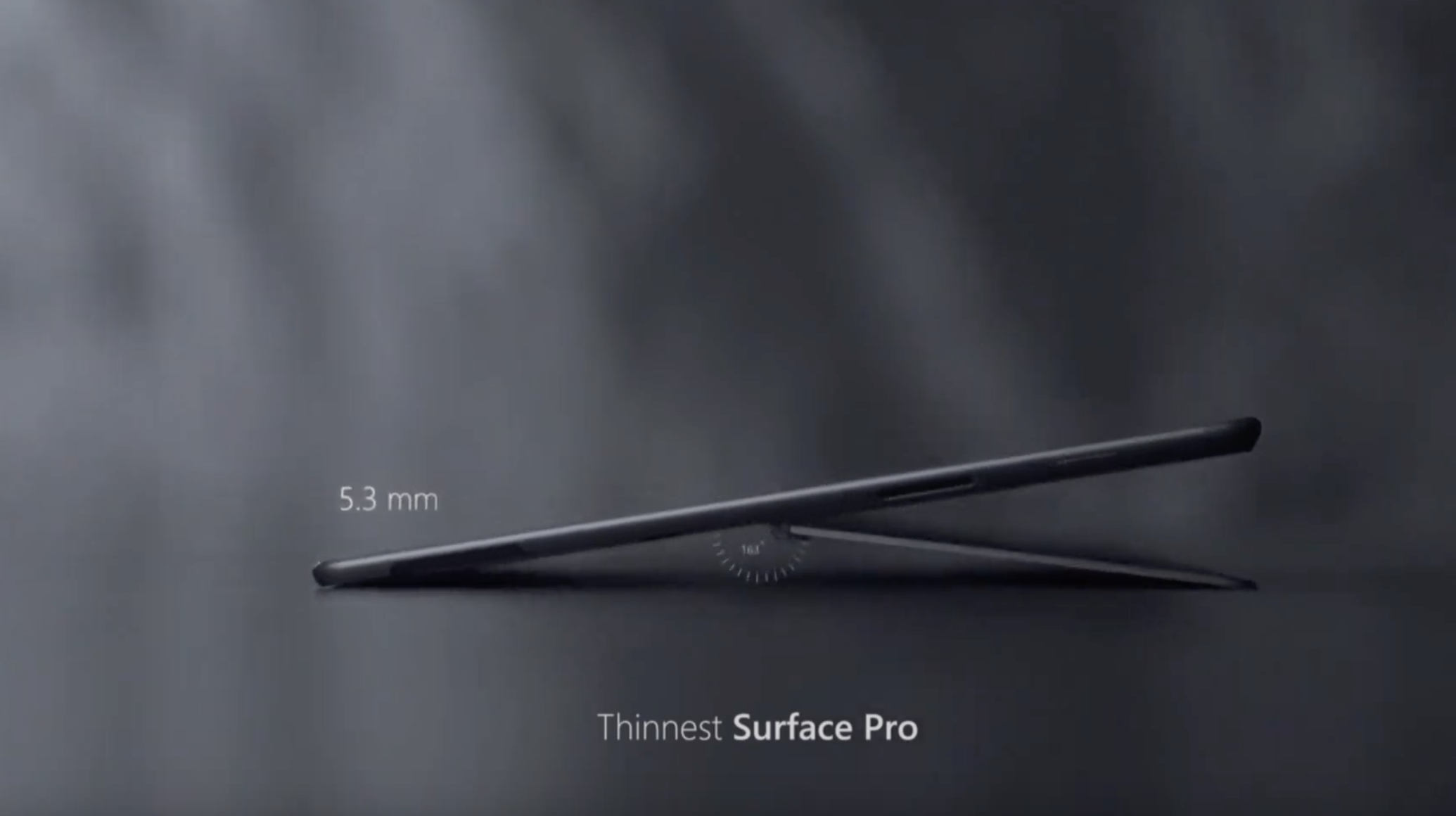
The keyboard wirelessly charges and connects via bluetooth. As a nice added feature, you can actually pull it off and use it separately from the product. Currently, the product is 5.3mm thin when open, something accomplished, in part, with the creation of some custom silicon.

Screen Shot 2019 10 02 at 8.10.55 AM

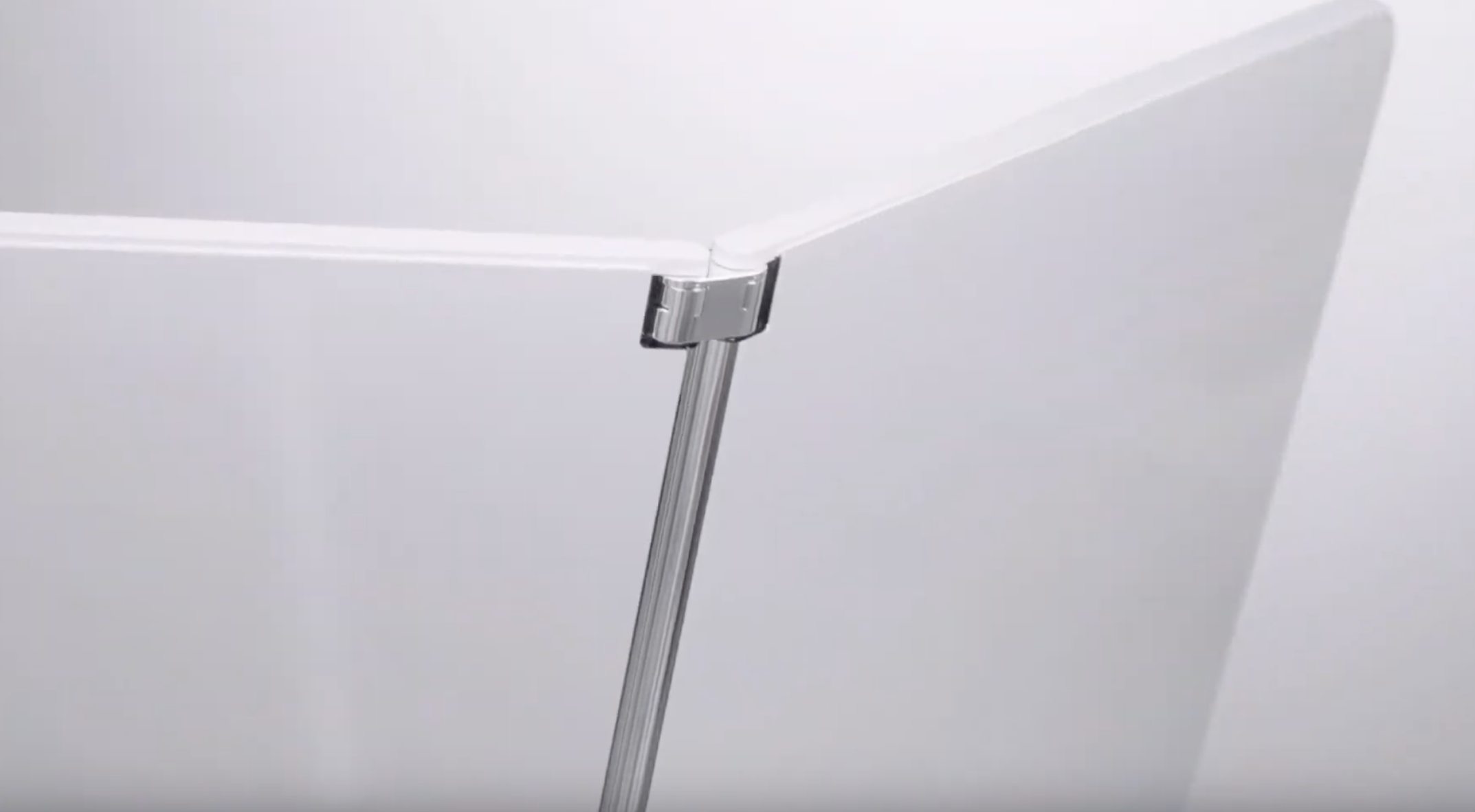
The screens are both nine inches. Obviously the company hasn’t actually introduced a foldable display a la Samsung’s device, so there’s a small bezel between the two, meaning there’s limited flow between the two. There are also fairly large bezels on the top and bottom. Of course, with this product still a year off, there’s probably plenty of changes likely to come in the next year and change.

The Matrix name, likely, will change as well. For now, Microsoft’s getting the Neo in the hands of developers to help creating customized apps for the two screen experience.


02 Oct 2019

Microsoft just announced a dual-screen Surface phone

In spite of everything else leaking out at this morning’s Surface event, Microsoft still able to save one big surprise for the end. The company’s getting back into phones. Not only that, it’s introducing a foldable. Though, as with the Neo, the Duo doesn’t actually have a foldable display like the Galaxy Fold. Instead, it’s two connected displays, more akin to the ZTE Axon M.

Interestingly (not that it’s not all interesting, of course), Microsoft is teaming with Google on this one. Rather than porting or forking Windows 10 (a la Windows 10 X introduced for the Neo), the company’s using Android here.

Developing…

02 Oct 2019

Tiny acquires Meteor

Canadian technology holding company Tiny, home to companies like Dribble, Flow and Unicorn Hunt, today announced that it has acquired Meteor, the JavaScript-centric open-source app platform.

Meteor launched back in 2011 and while it was a developer darling for a while, its momentum stalled a bit in recent years as other technologies rose to the forefront.

Meteor promises developers that they can build their applications’ front- and back-ends as JavaScript apps and also offers Galaxy, a turnkey hosting service for these apps.

Meteor founder Geoff Schmidt will continue to focus on Apollo GraphQL, a platform for making GraphQL run at scale.

“We found ourselves in an interesting situation where we had two great products, Apollo and Meteor, living under the same roof,” Schmidt told me. “Apollo started growing so quickly that the right thing always seemed to put our incremental hours or dollars toward Apollo. So over time it became clear that they needed to be under different roofs so that Meteor wouldn’t get starved for resources and would have the room it needed to grow.”

Tiny promises that it will continue to invest in Meteor, Galaxy and their developer communities. Tiny and Apollo also say they’ll work closely during the transition and “pair their deep knowledge of the platform with Tiny’s ambitious plans.”

What exactly that’ll look like remains to be seen, of course, but Tiny has a relatively good track record of keeping the companies it acquires afloat. Schmidt also notes that users shouldn’t expect any major changes to Meteor or Galaxy in the near future.

“We talked to a lot of more conventional acquirers but ended up working with Tiny because of their strong values in design and community,” Schmidt explained. “At the core, I think Meteor is about developer experience, community, and empowering people to do things that they thought were out of their reach. Tiny is the group that we think is best equipped to carry that mission forward.”

02 Oct 2019

Microsoft launches the ARM-based Surface Pro X

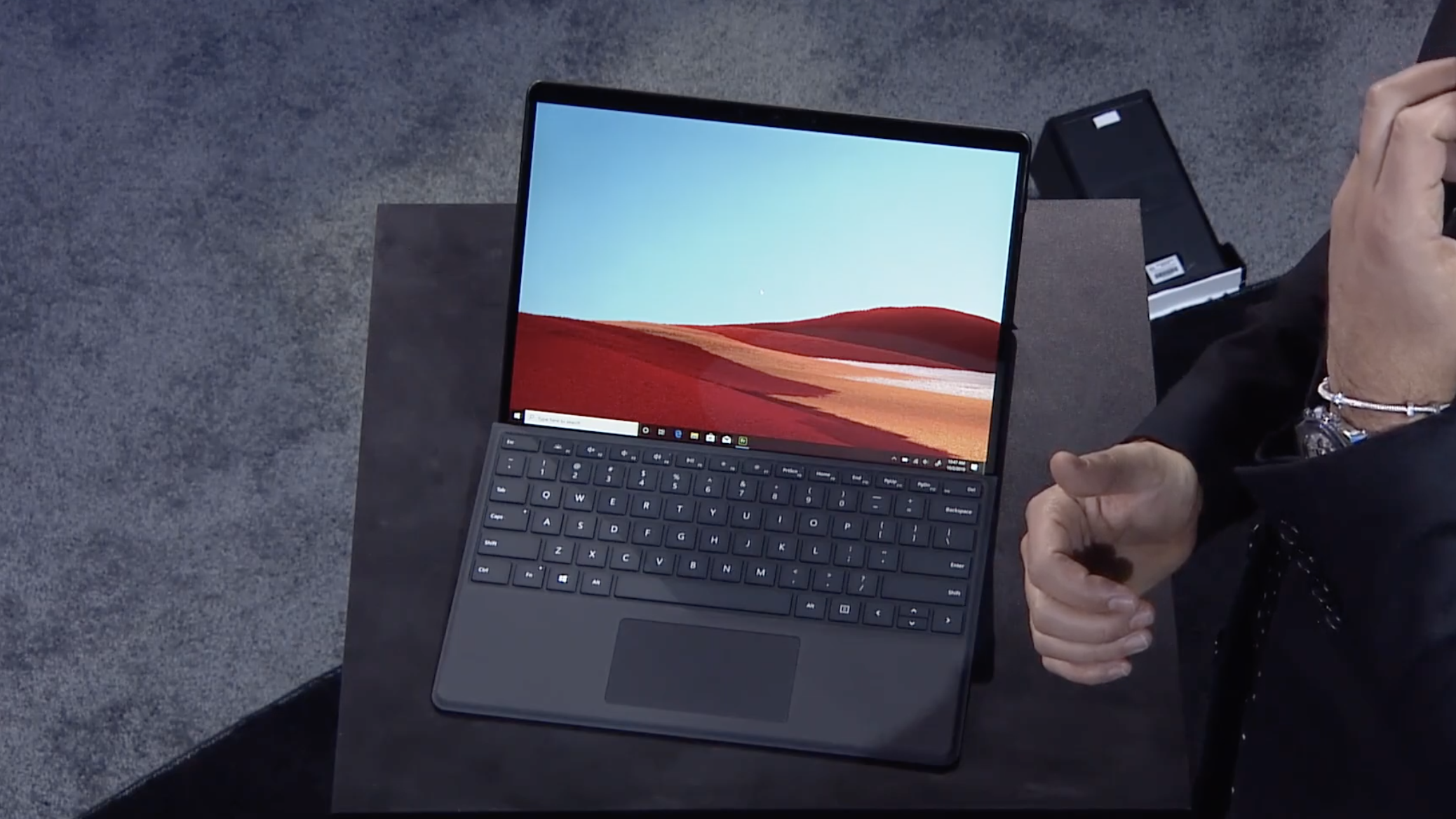
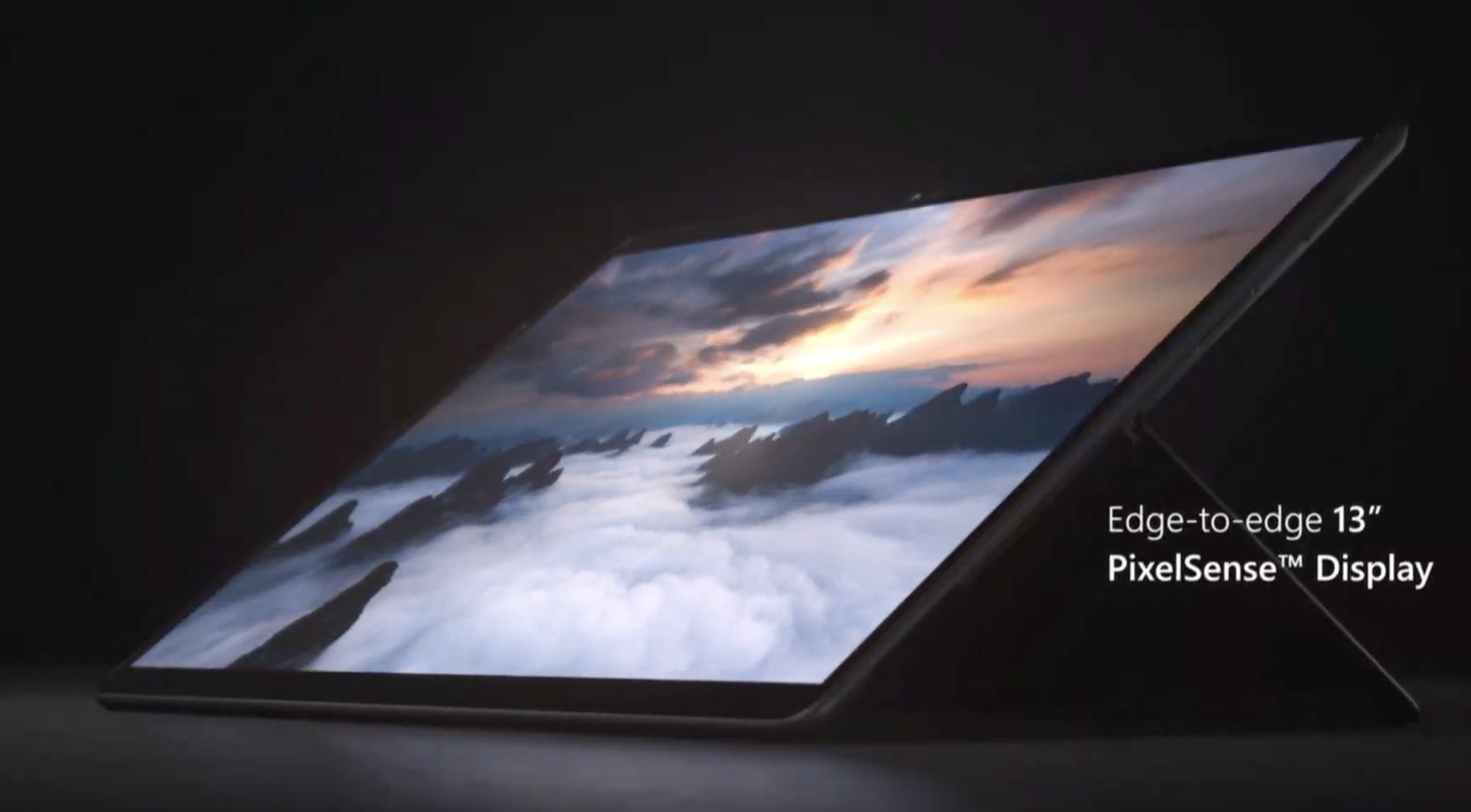
At its annual Surface hardware event, Microsoft today announced the long-rumored ARM-based Surface, the first time Microsoft itself has launched a device with an ARM-based processor inside. The 13-inch device will use Microsoft’s own custom SQ1 chip, based on Qualcomm’s Snapdragon and an AI accelerator, making it the first Surface with an integrated AI engine. Microsoft and Qualcomm also worked on building custom-designed GPU cores for the Pro X, which will run Microsoft’s version of Windows 10 for ARM.

Screen Shot 2019 10 02 at 7.47.57 AM

Microsoft started its flirtation with ARM-based devices a few years ago and that work culminated in the launch of a number of ARM-powered devices from HP, Asus and others, promising all-day battery life, the ability to still run almost every Windows application, and performance comparable to a lower-end Intel chip. To do this, Microsoft is using a binary translator that converts X86 instructions into ARM64 as necessary, while still compiling almost all of the native Windows 10 libraries for the ARM architecture.

Screen Shot 2019 10 02 at 7.43.20 AM

Like Microsoft’s other new Surface devices, the 13-inch ARM-based Pro X will feature USB-C ports. The screen features a 1400:1 contrast ratio and a 2880×1920 resolution and can be extended to a 4k screen. At its thinnest point, the Pro x is 5.3mm thin and weighs 1.68 pounds. There’s also a removable hard-drive, a first for the Surface line.

Together with Qualcomm, Microsoft designed its own custom processor for this, the SQ1. Microsoft stressed the work the team did on building an AI engine into the chipset.

Microsoft also launched a new, slimmer Surface pen for the Pro X, which will feature its own storage space on the new Type Cover for the device.

It’s no secret that ARM itself has worked hard to bring its chip designed to laptops, desktops and servers. With every new generation of its design, the company talks about how it wants to get more of its chips into these machines, especially now that their performance is often more than adequate for many use cases. With this Microsoft partnership, it’s definitely getting a bit closer to this.

Screen Shot 2019 10 02 at 7.40.51 AM

02 Oct 2019

Microsoft’s new wireless earbuds work with Office — no, seriously

Microsoft just introduced the followup to its good Surface headphones — and get this, they’re designed specifically to work with Office. Priced at lofty $249, the wireless earbuds have a number of onboard productivity features, including Powerpoint slide forwarding, voice transcription and live translation (in 60 languages).

The earbuds are, in a word, huge. They look big in the sizzle reel and downright huge when demoed on stage. You can’t say Microsoft didn’t at least try something new — while the charging case looks almost identical to Samsung’s earbuds, the Surface are big and perfectly round.

Like other first-party earbuds, there’s easy one click pairing with Microsoft devices. Along with productivity features, they also work with your standard music streaming apps, including, most notably, Spotify.


02 Oct 2019

Bad news: Facebook leads social feeds in news consumption, but most don’t trust it, says Pew

As Facebook prepares to launch a “news tab” this month featuring news stories curated by humans to complement the headlines that appear in your social feed generated by your friends’ shares, paid promotions and algorithms, a new report paints a damning picture of how social media is viewed as a news platform today.

Screenshot 2019 10 02 at 07.29.54

Pew social media news consumption

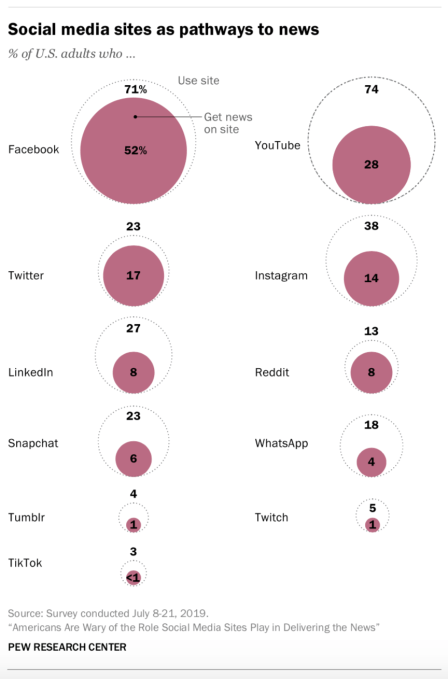
A survey from the Pew Research Center found that more than half of the US adults surveyed by the group this past July — some 52% — already get their news from Facebook, making it the most popular social platform for news sourcing, with YouTube and Twitter respectively the second- and third-most popular at 28% and 17%, and a variety of other platforms like Instagram, LinkedIn, Reddit and Snapchat also making smaller but notable appearances.

Overall, a full 88% of all those surveyed believed that social media has “at least some control” over the news people see.

But sentiments about that control are poor.

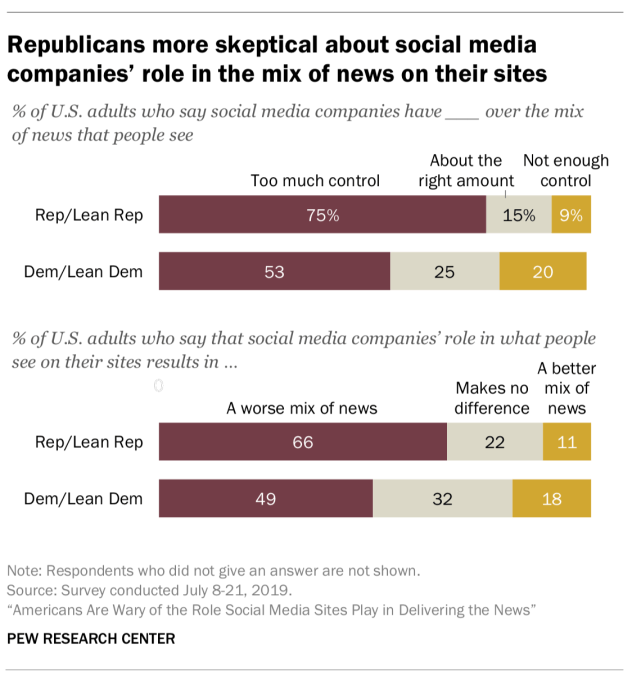
A majority — 62% — of respondents believe social media has “too much control” over the mix of news we see on their platforms, and 55% said they believed that this results in a worse mix of news. A full 53% identified one-sided news and 51% named inaccurate news as “very big problems” on social media.

The findings are unsettling: they underscore an already-huge amount of power that the likes of Facebook have when it comes to news consumption, but they also underscore how people seem to have already determined that the effect of that has been bad.

They also come on the heels of disturbing stories about how much those platforms get manipulated by bad actors. The stories of how political groups and state actors hiding their identities have promoted misleading stories on social platforms stretch back years at this point, but even as the platforms work to try identify and take down these accounts, other misuse that is less hidden continues to arise.

Just last month, it was found that those promoting stories through paid channels (advertising, that is) can rewrite news headlines to fit their own political agendas, shifting the tone of the news for the vast majority of people who never click through to stories and only read the summary headlines as they scroll to see the latest pictures of their friends’ kids.

And it’s not just bad news for consumers. Publishers have long lamented that they don’t get a cut of any kind on the revenues that social platforms make from sharing their stories and turning them into monetizing traffic, and there have been some thinking that this would soon change as a result of increased regulatory scrutiny. However, a report in the WSJ this week implies that this might not be changing anytime soon. It claims that Facebook will only be paying a small handful of the publishers whose content will get shared in its human-curated news tab.

Drilling into some of the more interesting details, Pew found that Republicans are more cynical about the effect of social media on news than Democrats, with 75% of those on the right believing that social media has too much control, versus 53% of those on the left. Ironically, these numbers appear to run counter to the assumption that social media is an echo chamber of your own opinions.

Screenshot 2019 10 02 at 07.32.02

Pew also notes that 48% of social media news consumers — recall that more Republicans than Democrats believe social media sites have too much control — believe the news they see is “liberal or very liberal.” That compares to 14% believing news is conservative or very conservative. This would support the feeling among many on the right that the media is too liberal, but also that they are being fed news that is not in keeping with their own political leanings.

The survey also puts paid to the recent report about how only a handful of publishers will get paid by Facebook: 82% of respondents feel that not all news sources are treated equally by social media now — meaning some get more circulation than others. Some 88% believe that those publishing “attention-grabbing” articles, otherwise known as “click bait”, are more likely to appear in feed. 84% believe that social media following plays an important role, and 79% believe that the political leaning of the story affects how much it appears in your feeds.

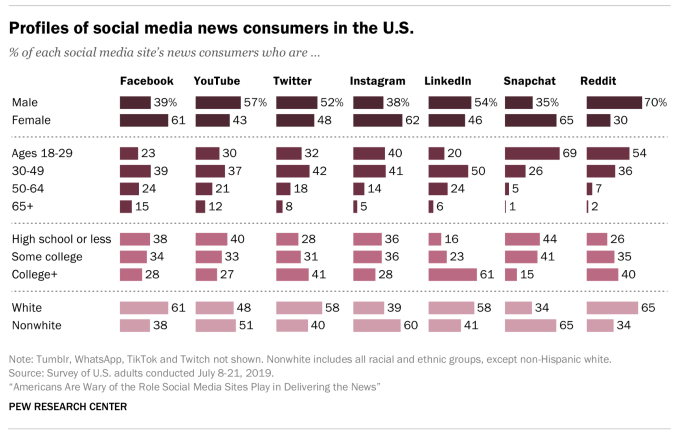
On the division between male and female readers, the report’s findings are not unsurprising and follow much of the same lines we’ve seen in other social media surveys: the likes of Reddit lean heavily to male readers, while Facebook leans female.

Screenshot 2019 10 02 at 07.43.45

Lastly, while the report is more about bias in news and sentiment around that, it’s interesting also to note which platforms are appearing here and in what concentration. TikTok — which many think could be the next big juggernaut in social — is at less than one percent when it comes to being a platform for getting news. Snapchat, meanwhile, also is languishing at a mere 6% for news delivery.

Given their heavy concentration on younger users, this points to the fact that younger people are not really using any social channels to get news, but also that they are not particularly interested in reading news. Social platforms may currently be positioned as pariahs in the news landscape, but they don’t have to be: these could also be opportunities to change the conversation, bringing in more people who traditionally are not being cut in.

Pew surveyed 5,107 respondents from its American Trends research panel from July 8 to July 21.

02 Oct 2019

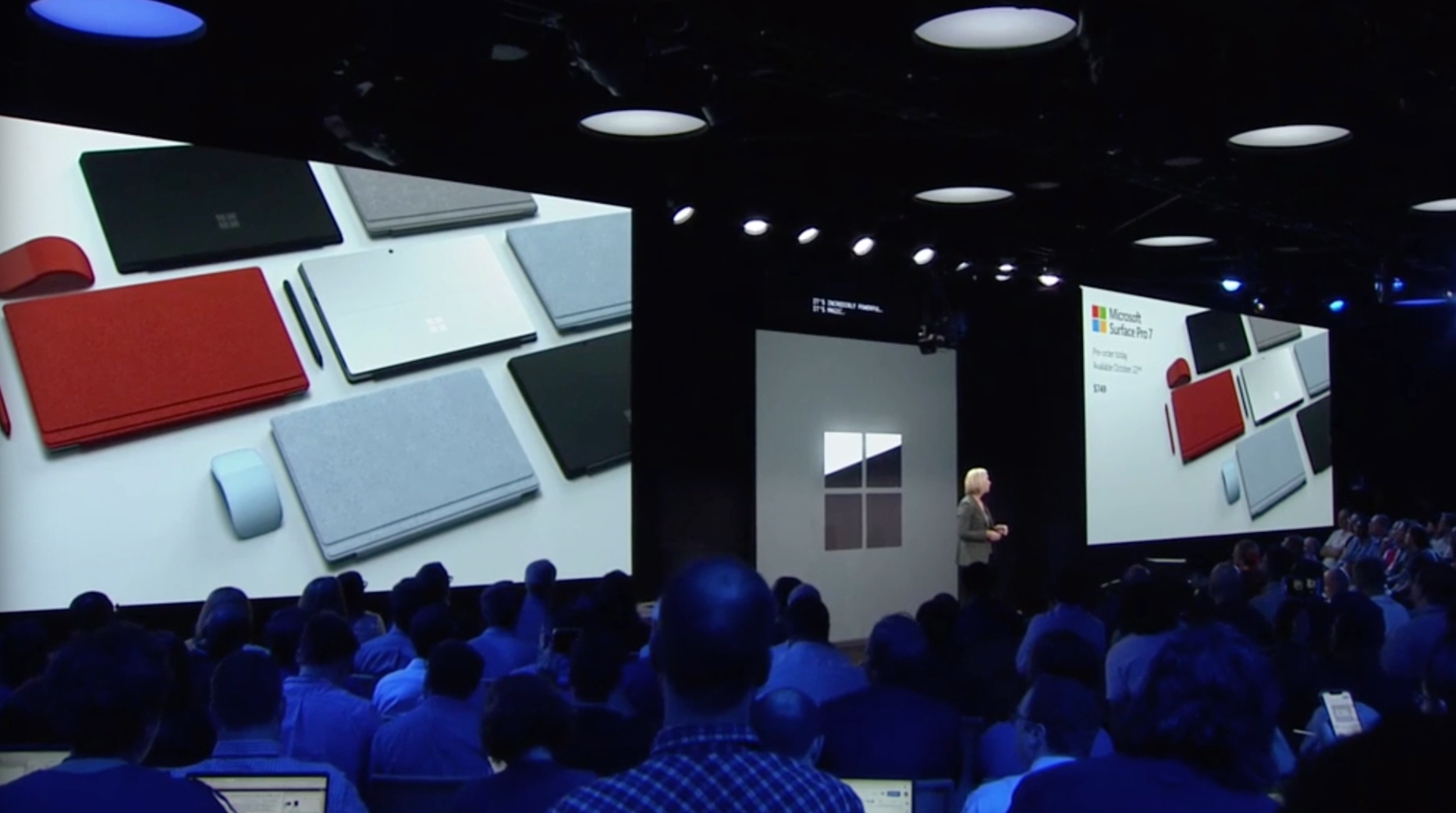
Microsoft’s new Surface Pro 7 finally has USB-C, ships on October 22

Today at its special hardware event, Microsoft unveiled the new Surface Pro 7. The new Surface Pro finally brings USB-C to the convertible laptop category of Microsoft hardware, which will be a welcome addition for fans who’ve been waiting for the company to adopt this now-prevalent connection technology.

The latest generation Surface Pro starts at $749, preorders start today, and it’s available on October 22.

Like its predecessors, the Surface consists of a 12-inch tablet component with a folding kickstand for adjustable angle viewing. There’s also a detachable keyboard cover accessory, and a Surface Pen stylus that allows for writing, drawing, note-taking and more.

The Surface Pro also features ‘studio mics,’ new microphone array builds into the new Surface Laptop as well.

Screen Shot 2019 10 02 at 7.38.29 AM

“Studio mics are optimized for your voice their place perfectly tuned, so that we capture what’s coming from your mouth rather than all the background sounds around you,” said Robin Seiler, Microsoft’s Corporate Vice President of Devices who presented the new device on stage at the event. They’ll also be used for Microsoft’s Your Phone app, which is a recently released Windows feature that connects your smartphone to your computer for calls, messaging and more.

Surface Pro is the most popular two-in-one on the market, according to Microsoft, with over 75% of Fortune 500 companies purchasing Surface devices, according to Seiler.

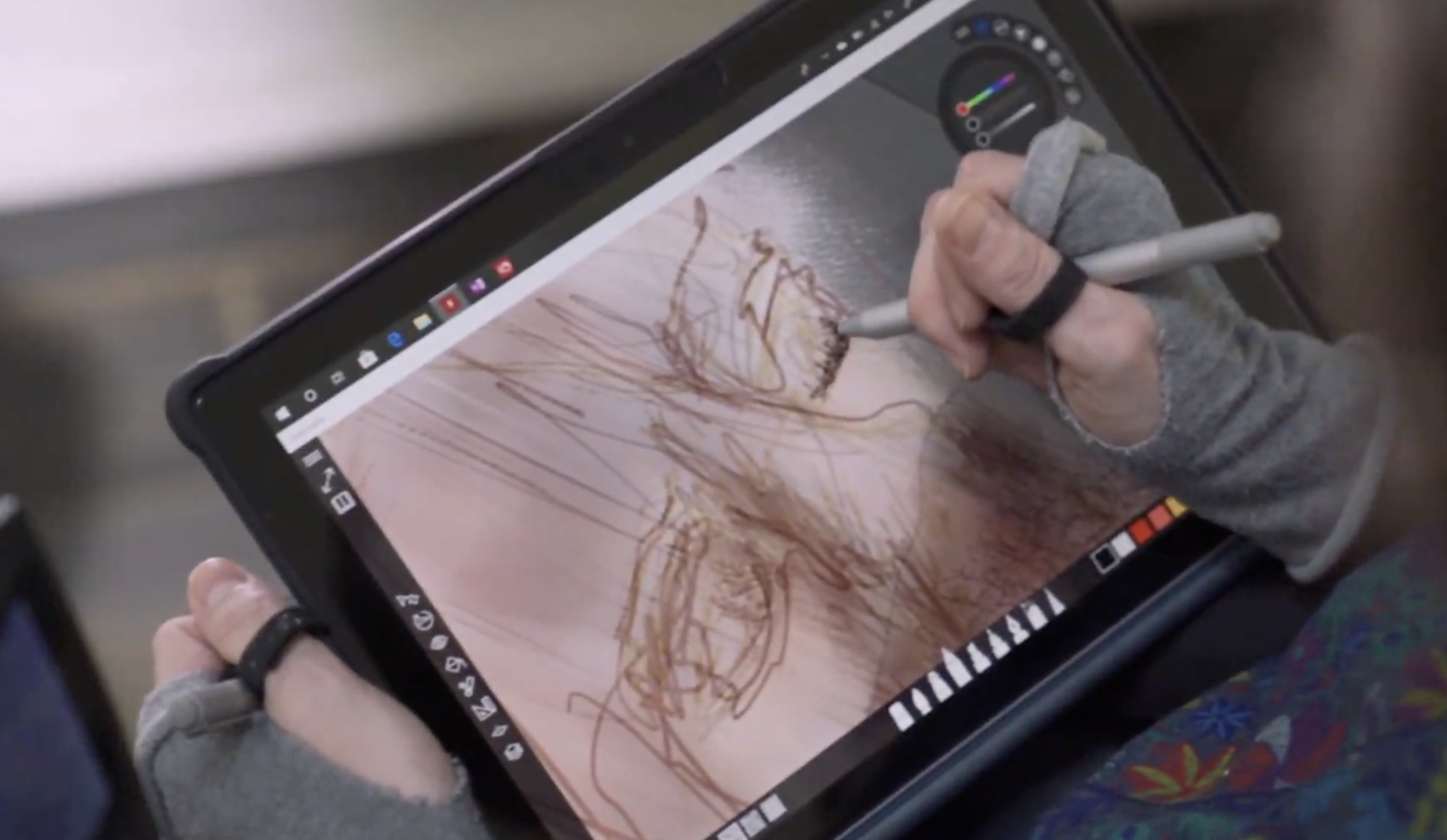
Microsoft emphasized the creative potential of the Surface Pro in a video featuring an artist named Connie using the Pen for digital painting, and Seiler showed off the productivity angle via a live demo of various features of Office on the two-in-one.

Screen Shot 2019 10 02 at 7.26.23 AM


02 Oct 2019

UK privacy ‘class action’ complaint against Google gets unblocked

The UK Court of Appeal has unanimously overturned a block on a class-action style lawsuit brought on behalf of four million iPhone users against Google — meaning the case can now proceed to be heard.

The High Court tossed the suit a year ago on legal grounds. However the claimants sought permission to appeal — and today that’s been granted.

The case pertains to allegations Google used tracking cookies to override iPhone users’ privacy settings in Apple’s Safari browser between 2011 and 2012. Specifically that Google developed a workaround for browser settings that allowed it to set its DoubleClick Ad cookie without iPhone users’ knowledge or consent.

In 2012 the tech giant settled with the FTC over the same issue — agreeing to pay $22.5M to resolve the charge that it bypassed Safari’s privacy settings to serve targeted ads to consumers. Although Google’s settlement with the FTC did not include an admission of any legal wrongdoing.

Several class action lawsuits were also filed in the US and later consolidated. And in 2016 Google agreed to settle those by paying $5.5M to educational institutions or non-profits that campaign to raise public awareness of online security and privacy. Though terms of the settlement remain under legal challenge.

UK law does not have a direct equivalent to a US style class action. But in 2017 a veteran consumer rights campaigner, Richard Lloyd, filed a collective lawsuit over the Safari workaround, seeking to represent millions of UK iPhone users whose browser settings his complaint alleges were ignored by Google’s tracking technologies.

The decision a High Court judge last year to block the action boiled down to the judge not being convinced claimants could demonstrate a basis for bringing a compensation claim. Historically there’s been a high legal bar for that as UK law has required that claimants are able to demonstrate they suffered damage as a result of data protection violation.

The High Court judge was also not persuaded the complaint met the requirements for a representative action.

However the Appeals Court has taken a different view.

The three legal questions it considered were whether a claimant could recover damages for loss of control of their data under section 13 of the UK’s Data Protection Act 1998 “without proving pecuniary loss or distress”; whether the members of the class had the same interest as one another and were identifiable; and whether the judge ought to have exercised discretion to allow the case to proceed.

The court rejected Google’s main argument that UK and EU law require “proof of causation and consequential damage”.

It also took the view that the claim can stand as a representative procedure.

In concluding the judgment, the chancellor of the High Court writes:

… the judge ought to have held: (a) that a claimant can recover damages for loss of control of their data under section 13 of DPA, without proving pecuniary loss or distress, and (b) that the members of the class that Mr Lloyd seeks to represent did have the same interest under CPR Part 19.6(1) and were identifiable.

The judge exercised his discretion as to whether the action should proceed as a representative action on the wrong basis and this court can exercise it afresh. If the other members of the court agree, I would exercise our discretion so as to allow the action to proceed.

I would, therefore, allow the appeal, and make an order granting Mr Lloyd permission to serve the proceedings on Google outside the jurisdiction of the court.

Mishcon de Reya, the law firm representing Lloyd, has described the decision as “groundbreaking” — saying it could establish “a new procedural framework for the conduct of mass data breach claims” under UK civil procedure rules governing group litigations.

In a statement, partner and case lead, James Oldnall, said: This decision is significant not only for the millions of consumers affected by Google’s activity but also for the collective action landscape more broadly. The Court of Appeal has confirmed our view that representative actions are essential for holding corporate giants to account. In doing so it has established an avenue to redress for consumers.”

Mishcon de Reya argues that the decision has confirmed a number of key legal principles around UK data protection law and representative actions, including that:

  • An individual’s personal data has an economic value and loss of control of that data is a violation of their right to privacy which can, in principle, constitute damage under s.13 of the DPA, without the need to demonstrate pecuniary loss or distress. The Court, can therefore, award a uniform per capita sum to members of the class in representative actions for the loss of control of their personal data
  • That individuals who have lost control of their personal data have suffered the same loss and therefore share the “same interest” under CPR 19.6
  • That representative actions are, in practice, the only way that claims such as this can be pursued

Responding to the judgement, a Google spokesperson told us: “Protecting the privacy and security of our users has always been our number one priority. This case relates to events that took place nearly a decade ago and that we addressed at the time. We believe it has no merit and should be dismissed.”

02 Oct 2019

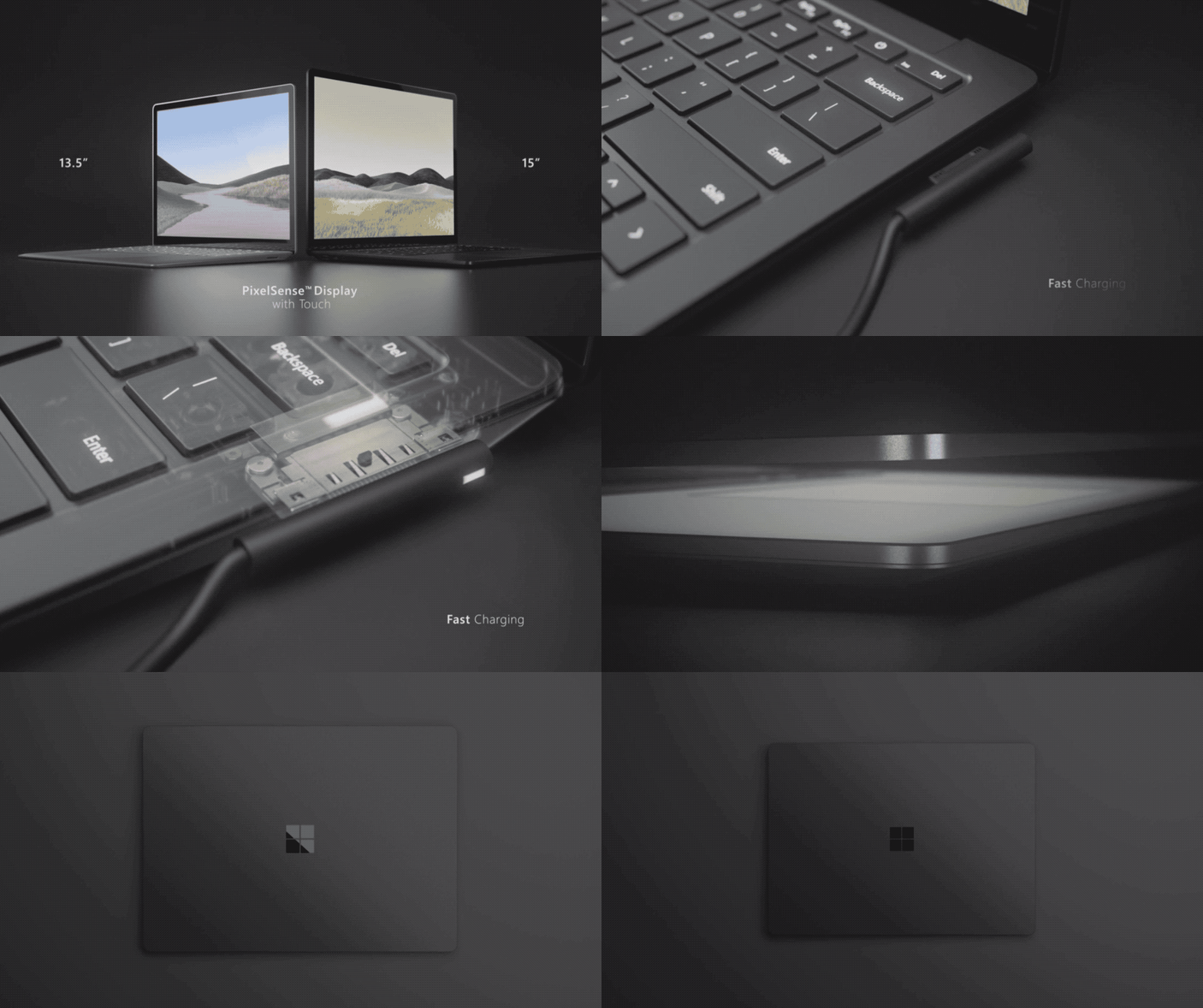
Microsoft’s latest Surface Laptop arrives in 13- and 15-inch models

The rumors for this morning’s Microsoft event are one-for-one. The first piece of hardware shown off this morning in New York is the latest version of the company’s very good Surface Laptop — arguably the strongest entry in the line.

As per earlier leaks, the Surface Laptop 3 arrives in 13.5 and 15 inch versions. Interestingly, Chief Product Officer Panos Panay spent much of the preamble discussing the product’s keyboard — seemingly a dig a Apple’s recent issues with MacBook Hardware. The top of the keyboard is easily removable, as well, for quick repair and access to the device’s components.

surface laptop 3

Inside, you’ll find a 10th gen quad-core Intel processor — which Panay claims is three times more powerful than the latest version of the MacBook Air. There’s also an AMD Ryzen GPU inside. 

[gallery ids="1890113,1890112,1890107,1890102,1890100,1890096,1890094,1890093"]

The Surface Laptop 3 arrives October 22, priced at $999 for the 13-inch and $1,199 for the 15 inch.