Year: 2019

24 Sep 2019

iOS, iPadOS and tvOS 13.1 updates are now available

Apple has just released iOS 13.1. This updated brings everything new in iOS 13 in case you haven’t updated yet, as well as many bug fixes. I would recommend updating to iOS 13.1 to get a more stable phone.

But that’s not all. iPadOS and tvOS are finally making the jump to version 13 with iPadOS 13.1 and tvOS 13.1 also available today.

The update is currently rolling out and is available in the Settings app on your device. iOS 13.1 is compatible with the iPhone 6s or later, the iPhone SE or the 7th-generation iPod touch. iPadOS is compatible with any iPad, iPad mini and iPad Pro that was released in 2014 or later. tvOS 13.1 is compatible with any Apple TV that can run tvOS 12.

It’s also worth noting that today’s release of iPadOS and tvOS marks the launch of Apple Arcade on the iPad and Apple TV. For a $4.99 monthly subscription fee, you can access dozens of games across your Apple devices. You can also pair a PlayStation 4 or Xbox One controller with your Apple devices to play those games.

But first, backup your device. Make sure your iCloud backup is up to date by opening the Settings app on your iPhone or iPad and tapping on your account information at the top and then on your device name. Additionally, you can also plug your iOS device into your computer to do a manual backup in iTunes (or do both, really).

Don’t forget to encrypt your backup in iTunes. It is much safer if somebody hacks your computer. And encrypted backups include saved passwords and health data. This way, you don’t have to reconnect to all your online accounts.

Once this is done, you should go to the Settings app as soon as possible to get in the queue. Navigate to ‘Settings,’ then ‘General’ and then ‘Software Update.’ Then you should see ‘Update Requested…’ It will then automatically start downloading once the download is available.

Here’s a quick rundown of what’s new in iOS 13. This year, in addition to dark mode, it feels like every single app has been improved with some quality-of-life updates. The Photos app features a brand new gallery view with autoplaying live photos and videos, smart curation and a more immersive design.

This version has a big emphasis on privacy as well, thanks to a new signup option called “Sign in with Apple” and a bunch of privacy popups for Bluetooth and Wi-Fi consent, and background location tracking. Apple Maps now features an impressive Google Street View-like feature called Look Around. It’s only available in a handful of cities, but I recommend… looking around, as everything is in 3D.

Many apps have been updated, such as Reminders with a brand new version, Messages with the ability to set a profile picture shared with your contacts, Mail with better text formatting options, Health with menstrual cycle tracking, Files with desktop-like features, Safari with a new website settings menu, etc.

24 Sep 2019

Windows 10 now runs on over 900M devices

So you thought there were 800 million Windows 10 Devices that will get Microsoft’s most recent out-of-band emergency patch? Think again. As the company announced on Twitter today, Windows 10 now runs on over 900M devices.

That’s a bit of bad timing, but current security issues aside, the momentum for Windows 10 clearly remains steady. Last September, Microsoft said Windows 10 was running on 700 million devices and by March of this year, that number had gone up to 800 million. That number includes standard Windows 10 desktops and laptops, as well as the Xbox and niche devices like the Surface Hub and Microsoft’s HoloLens.

As Yusuf Mehdi, Microsoft’s Corporate Vice President of its ‘Modern Life, Search and Devices’ group, also noted, the company added more Windows 10 devices in the last twelve months than ever before.

Come January 2020, Windows 7 is hitting the end of its (supported) life, which is likely pushing at least some users to move over to a more modern (and supported) operating system.

While those numbers for Windows 10 are clearly ticking up, Microsoft itself famously thought that Windows 10 would get to 1 billion devices by the middle of 2018. At this rate, Windows 10 will likely hit 1 billion sometime in 2020.

24 Sep 2019

Cute Little Fuckers gets Kickstarter’s seal of approval for sex toy project

Running a sex tech company is hard, so it’s worth calling out when companies overcome the many barriers to running one. Cute Little Fuckers, a gender-inclusive sex toy company, just launched a $13,500 campaign on Kickstarter.

“This is the first one that has been approved for a while,” Kickstarter Senior Outreach Lead of Design & Technology Beau Ambur told TechCrunch. “A large part of that was because of the type of project and the values it’s representing — specifically the inclusivity and sex-positive aspects are what we felt fit really well with our values.”

Sex toys are oftentimes geared toward cisgender and heteronormative people. Cute Little Fuckers aims to do away with that and instead focuses on sex toys that are gender-inclusive. That means these toys are for everyone, including folks who are transgender, queer, intersex, non-binary, genderqueer, cisgender, male, female and more.

“I am gender fluid and do a lot of sex-positive and queer activism,” CLF founder Step Tranovich told TechCrunch. “I felt like there weren’t a lot of toys that felt gender-inclusive. As someone who spends a lot of time helping people feel more sexually expressive, a lot of toys felt very stiff or foreboding.”

StepLaugh

Step Tranovich, founder and creator at Cute Little Fuckers

The idea is to serve people of all gender identities, including those who may be going through gender transitions, have gender dysphoria or simply have more complex relationships with certain parts of their body.

Cute Little Fuckers started with sketches of about 60 different monsters of varying shapes and forms, Tranovich said. From there, they took those sketches to about 100 different people to see what resonated most. Tranovich said they found four monsters kept coming up, which are the four characters they landed on.

[gallery ids="1885310,1885311,1885312"]

Each monster has its own name, pronouns and likes. They live out their lives in the Cute Little Fuckers webcomic series. The toys are silicone, vibrate at five different speeds and are USB rechargeable and waterproof.

Cute Little Fuckers has produced and shipped its first batch of toys, but is looking to raise additional funding on Kickstarter to bring its second character to life.

Kickstarter does not have an explicit ban on sex toys, but does review products that fall within that category on a case by case basis. Tranovich first approached Kickstarter in January, saying they were starting to work on the project and wanted to put it on Kickstarter.

“It was a process,” Tranovich said. “In general, it was positive and it wasn’t easy. It was positive and not easy because there was a lot of support from the individuals at Kickstarter and it was a bit of a feat to turn that individual support into the company actually taking a stance.”

In Tranovich’s opinion, what got the project through the door was the social impact focus of it.

“That was the thing that had Kickstarter considering this in the first place and be willing to deal with me through the whole process,” Tranovich said. “The specific gender-inclusive nature and the fact that we have a webcomic series focused on spreading gender-inclusive information. That’s why they were willing to have the conversation.”

The goal is to start shipping its second batch before Feb. 14, 2020. Already, there are manufacturers lined up, Tranovich said, so it’s mostly a matter of getting the fund to pay them.

“We’re excited to have the project on Kickstarter and very much looking forward to the launch,” Ambur said. “At the end of the day, we want to give our creators as much freedom as possible.”

Learn how to build a sex tech startup of your very own at Disrupt SF Oct 2-4. A panel of investors and founders will discuss the opportunities — and challenges — of building a successful sex tech startup, and how to capitalize on a market that’s projected to be worth more than $123 billion by 2026. Get your tickets now. 

24 Sep 2019

MegaBots calls it a day, puts fighting robot up for sale on eBay

MegaBots is bankrupt. The Bay Area-based fighting robot startup noted in a video that “this is the end of MegaBots in its current form,” marking the occasion by selling the 15-ton Eagle Prime ‘bot on eBay. Bids started at $1, but as of this writing, a few dozen bidders have pushed it up past $50,000.

“The robot is functional, it’s just being auctioned off as the company is bankrupt,” the listing reads. What follows is actually a pretty fascinating FAQ breaking down both the idiosyncrasies of this particular robot and care instructions. Stuff like,

[I]t doesn’t handle dirt that well. It runs great on hard surfaces, but when it’s on softer dirt, the treads tend to dig down into the dirt, instead of scrub across the top. It goes forward and backward no problem through softer terrain, but really only pivots well on paved surfaces. 75% of people will ask “are you taking this to burning man?” and you will have to explain this to them. Seriously it’s the most common question we get.

MegaBots notes that around $2.5 million went into creating the robot (much of which was through crowdfunding), which could make the price a relative steal. Though the winning bidder will be required to pay for shipping, which will likely range from $4,000 for those on the West Coast to $17,000 on the East Coast.

Surely there’s a way to monetize your brand-newish giant fighting robot. MegaBots says it was able to get around $7,000 for an “at home” show. The price goes up from there.

As for what happened to the company itself, the story is probably what you’ve guessed from following MegaBots’ story over the past several years. The company was able to drum up interest among the crowdfunding crowd with its flashy fighting robots. Ultimately, however, that didn’t translate into profitably.

“We’re out of money again,” co-founder Matt Oehrlein says in the video. “I’ve not been able to make this profitable. We took out a loan about [three] years ago and we’re not able to pay the interest payments on it, anymore. So we’re selling the assets of the company to pay back the bank as much as possible, before we file the final bankruptcy paperwork.”

Oehrlein hedges his bets a bit with regard to the future of the company, but the asset sales and future bankruptcy filings don’t sound particularly promising. Co-founder Gui Cavalcanti, meanwhile, has gone on to lead soft robotics company Breeze Automation, which debuted onstage at TC Sessions: Robotics back in April.

24 Sep 2019

Watch the full trailer for Netflix’s ‘Breaking Bad’ movie ‘El Camino’

After releasing a brief “date announcement” and an equally brief commercial at the Emmys, Netflix has finally launched the full trailer “El Camino: A Breaking Bad Movie.”

The trailer shows the film following directly from the “Breaking Bad” finale, with Aaron Paul returning to the role of Jesse Pinkman, the former-student-turned-meth-cooking-partner of Bryan Cranston’s Walter White. Without getting into too many details, the end of “Breaking Bad” saw Jesse making a dramatic escape, but the new trailer makes it clear that his troubles are far from over.

“El Camino” is written and directed by series creator Vince Gilligan, while Matt Jones and Charles Baker are also reprising their roles as Badger and Skinny Pete. (No word yet on whether Gilligan managed to sneak in a Cranston cameo.)

While “Breaking Bad” first aired on AMC, Netflix is widely credited with growing the show’s audience. “El Camino” will premiere on the streaming service and in select theaters on October 11, before airing on AMC sometime next year.

24 Sep 2019

Grammarly gets a tone detector to keep you out of email trouble

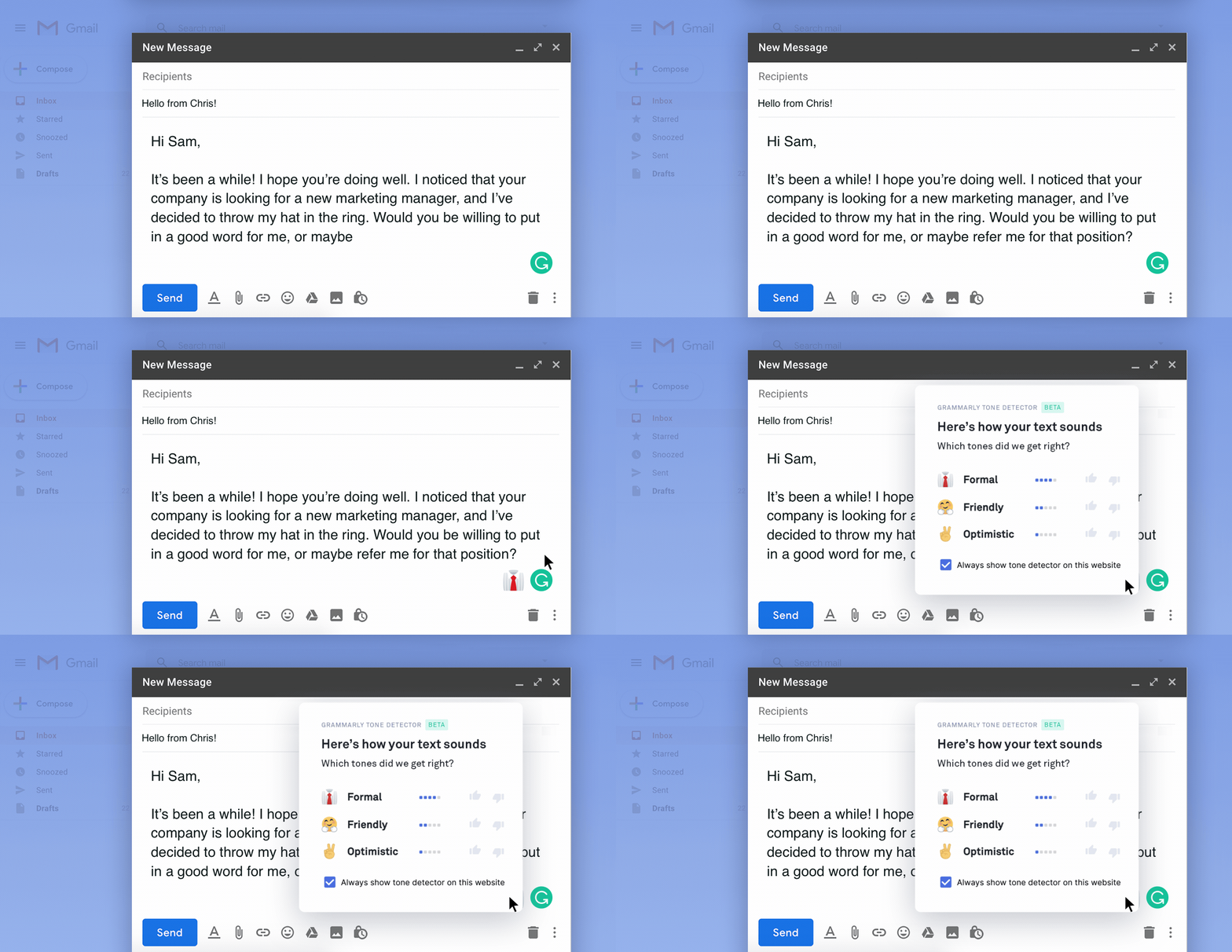
In recent months, Grammarly started expanding beyond its core grammar and spellchecking tools by adding features like a more detailed clarity score, for example. Today, it’s expanding on this work by launching the first beta of its new tone detector that makes sure your email or document sounds just like you want it to. You may want to sound friendly and approachable, for example, but not too informal.

The company says the new tone detector relies on both some set rules and a machine learning algorithm that looks for the signals in a text that contribute to its tone.

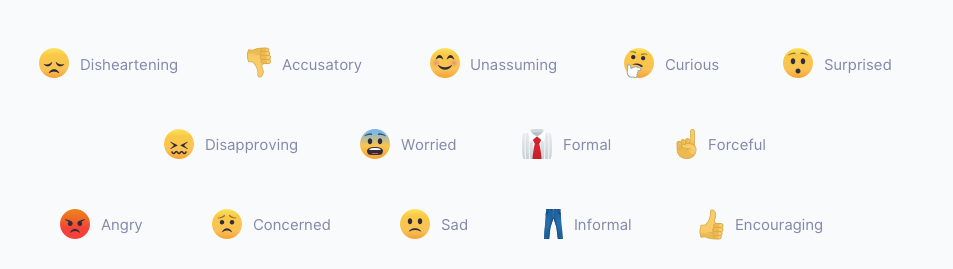
Overall, this looks to be a pretty useful feature, especially if you tend to struggle with getting the tone of your emails just right (I definitely know some people who are great in person but whose every email reads like they are accusing me of poisoning their dog). In total, the new feature can detect 40 different tones, covering a range of emotions from “appreciative” to “confident,” “formal,” “informal,” “thoughtful,” “loving” and “sad.” The feature will kick in once you write more than 120 characters.

Grammarly Tone Detector Example 2

The beta version of the tone detector is now available in Grammarly’s browser extension for Chrome, with Safari and Firefox support coming soon. Right now, this only works for emails in Gmail and Yahoo, though. Support for all text fields will roll out soon.

2019 09 24 0909

24 Sep 2019

JAXA’s HTV-8 cargo mission to the ISS successfully launches from Tanegashima, Japan

Japan’s Mitsubishi Heavy Industries (MHI) has successfully launched one of its H-IIB rockets, carrying a payload of supplies, experimental materials and new replacement batteries to help power the International Space Station. The rocket, commissioned by Japan’s Aerospace Exploration Agency, took off from Japan’s Tanegashima Space Center at its scheduled instantaneous launch window of 12:05 PM EDT (1:05 AM JST), succeeding during its second try after an initial attempt was scrubbed earlier this month.

This is the eighth launch of the H-IIB, and its H-II Transfer Vehicle (HTV), and it’s the second-to-last planned mission for the H-IIB before this series of MHI rocket is retired. It’s set to be replaced by the higher capacity, lower cost H3, which MHI hopes to fly for the first time next year.

The HTV-8 (aka ‘Kounotori-8’) mission will deliver a load of cargo to the ISS, separated across both a pressurized and an unpressurized cargo compartment on the HTV unpiloted spacecraft, which will dock with the ISS for unloading. Experiments on board include one that will help scientists study how different regoliths (terrain material from extra-terrestrial bodies, including the Moon and Mars) behave in zero gravity environments; an upgrade for the Cell Biology experiment facility on the ISS, and a new small-sat that will be used to research optical communication in space.

There’s also a new set of six lithium-ion batteries on board that will replace nickel-hydrogen power cells on the station, which will involve a number of spacewalks and use of the station’s robotic manipulation devices to install later this year. Nickel-hydrogen batteries have been popular for use in satellites and spacecraft, but lithium-ion has some advantages in terms of recharge and discharge speed, and battery memory, though they aren’t as long-lived as the exiting variety. The ISS is already operating beyond its service life, however, and NASA hopes that I’ll eventually be replaced by a commercial space station, so that’s probably not as much of a concern.

The HTV spacecraft will now continue to the ISS where it will attach to the Harmony module of the station in just a few days, where it’s set to spend about a month as its cargo is unloaded by ISS astronauts.

24 Sep 2019

Meet SoundCloud rival Audius, free & anti-takedowns

“It was SoundCloud’s opportunity to lose and now it’s ours” says Audius CEO Roneil Rumberg. Plenty of musicians and fans are sick of SoundCloud’s expensive hosting costs, haphazard content takedowns, and lagging user experience as the site’s status withers. Audius wants to be the opposite, and offer a new home for artists where they’ll eventually earn 90% of revenue earned and the startup itself can’t remove songs.

Today Audius launches its music streaming and free hosting service backed by DJs like Deadmau5 and Zed’s Dead, plus $5.5 million in A-list venture capital. Music makers can upload their songs at no cost, and users can browse, follow, and get listening recommendations. The catalog is small to start with just a few hundred artists, but Audius has big plans for how to lure artists choosing between other SoundCloud alternatives from Mixcloud to YouTube.

Audius Music Streaming

The secret sauce is that Audius isn’t just a web and mobile site, it’s an open source protocol built on the blockchain, not that users need to be versed in cryptocurrency or do anything special to signup. Audius doesn’t actually host the music, but decentralizes it across independently operated nodes, which it believes will protect it from lawsuits and record label pressure. It’s distributing its own crypto tokens to incentivize artists that join early as well as the node operators with the insinuation that these might rise in value if the service grows popular.

Audius is completely free for listening at high quality 320kbps. For now, artists can’t make money, though many still can’t on SoundCloud. But in early 2020, the startup plans to let artists opt into requiring users to occasionally listen to ads or pay a few dollars per month for an Audius subscription. 90% of revenue will go to the artists and 10% to the node operators, and their are also plans to cut in playlist curators. Audius itself hopes the value of its tokens will rise so it can sell from its stockpile to generate revenue.

Audius Featured Artists 1

“Audius’ dedication to empowering artists through supporting direct relationships with fans, censorship resistance, and fair pay is so important in a time when artists are being mistreated regularly” writes dance music superstar Deadmau5 aka Joel Zimmerman who’s on the startup’s advisory board. Other artists like Zeds Dead, Mr. Carmack, and Rezz have pledged to put some exclusive music on Audius, ranging from finished tracks to rough drafts. They were attracted by the promise of bigger and faster payouts, plus a transparent copyright takedowns process.

The biggest challenge for Audius will be playing catchup recruiting artists and listeners over a decade after SoundCloud launched and when Spotify already has 108 million paying subscribers from is 232 million users. For now there’s not much special about the user experience, where you can listen to a feed of what you follow or library of saved songs, or check out trending artists and playlists At least sign up is easier than most blockchain apps, requiring merely an email address or Twitter sign-in, though crypto kids can use MetaMask. The lack of native mobile apps won’t help, though.

Audius Screenshot

All the artists-first philosophy won’t matter if it never gains traction. But if Audius does grow, it has a savvy approach to preventing unnecessary content takedowns. Rumberg claims an estimated 80% of takedowns on apps like SoundCloud and YouTube are not actually infringing copyright, leading to great content disappearing. “Audius doesn’t have the ability to deplatform you or censor you” says Audius co-founder Forrest Browning.
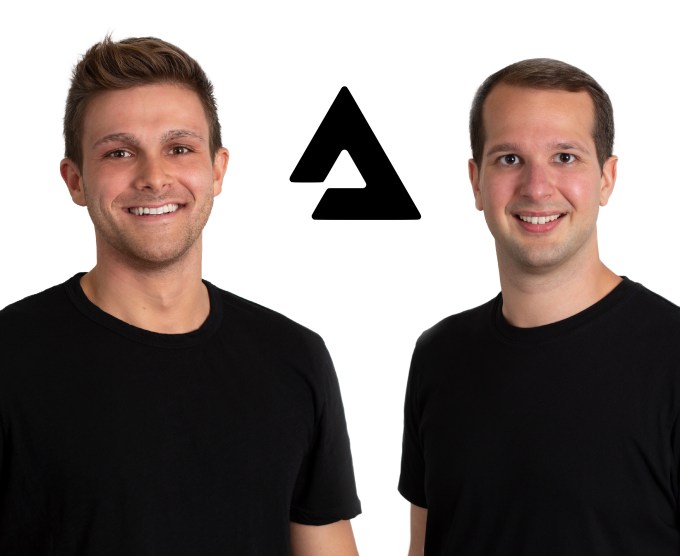
Audius Founders

Audius co-founders (from left): Forrest Browning, Roneil Rumberg

First, since it doesn’t host the songs itself, it will just pass copyright holder complaints on to the uploaders themselves. Owners can be reassigned the revenue being earned by a song rather than have it taken down. And instead of pulling down a whole DJ set, the rights holder of a 5 minute song in an hour-long mix would get 1/12 of the proceeds. Browning tells me “A lot of artists are completely fine with their content being remixed or mashed up.”

If disputes aren’t resolved, rights holders can approach the operators of nodes hosting the music and file a local equivalent of ta DMCA takedown request, though the music might still live on other nodes beyond the law. In that case, rights holders file a complaint to the Audius arbitration committee made up of users. That group can vote on whether a track legally should be removed or its revenue reattributed, and both plaintiffs and committee members must put up a small financial stake they’ll lose if their claim is frivolous or they make erroneous decisions.

We’ll see if this hands-off approach to censorship actually flies with the law. If so, it could give artists confidence in joining Audius that they lack elsewhere. Many are frustrated after constantly having to rebuild their audience on different platforms from MySpace to iTunes to Spotify to SoundCloud, especially if their tracks are disappearing. One benefit of being open sourced and decentralized is that “Let’s say our company closes up shop in 5 years? Audius and the content will live on forever, as long as folks continue to operate the nodes” Rumberg explains.

To make sure it stays in business as it stretches its venture funding from General Catalyst and Lightspeed, Audius has plans for additional tools that could make it and artists money. From being able to crowdfund future albums to selling merchandise or VIP experiences, Audius could become a gateway to spending on independent music. It could have to compete with itself, though, since Audius’ on-demand streaming site is just one client built on its Open Source protocol. The founders say they hope other people will build Pandora-style radio clients, music discovery apps, and more listening options through its APIs.

Audius Song

Rumberg and Browning met the summer after high school at a camp of Stanford admits. Throughout college, the recent graduates got deeper into dance music subgenres by devouring everything on SoundCloud. But watching their favorite artists get music kicked off that app while their DJ friends struggled to break through the algorithms, Rumberg says they wondered “how can we remove the platform from this equation?”

Music businesses aiming to free art from “the man” so often end up becoming him. But by decentralizing control and funneling money directly to creators, Audius may code its way into music culture.

Audius takedowns

24 Sep 2019

Vista Equity Partners buys Acquia for $1B

Vista Equity Partners, which likes to purchase undervalued tech companies and turn them around for a hefty profit, has purchased web content management and digital experience company, Acquia in a deal valued at $1 billion.

Robert F. Smith, who is founder and chairman of Vista Equity Partners, says that increasingly brands understand that  delivering a quality digital experience is essential to their success, and he sees Acquia  as well positioned in the market to help deliver that. “Acquia understands this and is leading the way in providing innovative solutions to its customers while, at the same time, giving back to the open source community,” Smith said in a statement.

Scott Liewehr, principal analyst at Digital Clarity Group, says Vista tends to buy companies and then centralize operations so the companies can concentrate purely on growth. “Vista, as a PE firm, tends to make money on companies by standardizing their operations to cut costs. It runs the portfolio companies more like divisions of a larger company than independent entities,” Liewehr wrote in a Tweet.

Tony Byrne, founder and principal analyst at Real Story Group, a firm that keeps a close eye on the digital experience market, points to Marketo as a prime example of how this works. Vista acquired Marketo in May, 2016 for $1.8 billion in cash. It applied the centralization formula and sold the company to Adobe last year for $4.75 billion, a tidy little profit for holding the company for two years, but he cautions there is no guarantee this is how it will play out.

“For customers it depends on whether Vista is looking for mid-term income or pump-up-and-exit a’ la Marketo. For the former it likely means some cost-cutting and potentially staff changes. For the latter, it means more acquisitions and heavy upselling of new services — likely as precursor to long-awaited IPO,” Byrne told TechCrunch. He added, “Tough to imagine any other software firm wanting to buy Acquia, though it’s always possible.”

It’s worth noting that Ping Identity, another firm Vista purchased in 2016, is set to go public soon, so that pathway to IPO is a direction that Vista has also taken.

Acquia, which is the commercial arm for the open source Drupal project, had raised $173.5 million, according to Crunchbase. The Drupal project was started by Acquia co-founder Dries Buytaert in his dorm room at the University of Antwerp in 2000. Acquia launched as the project’s commercial arm in 2007.

24 Sep 2019

Hear how to build a brand that gets attention at Disrupt SF

Branding is an essential component of every startup. It’s more than publishing a tagline or a mission statement; it’s how your company comes alive in the eyes of customers. Some companies make it look easy, but designing and successfully launching a brand can be a daunting endeavor. How do you develop a brand strategy? What’s your brand positioning? How do you know if your brand is resonating with customers? At this year’s Disrupt SF, we’re bringing together Bumble’s Chelsea Maclin, PR expert Brooke Hammerling, and creative director Ben Pham to provide tactical advice for how to help your brand cut through the competition and stand out.

Each one of our speakers has a unique perspective on how to translate your startup’s values into a compelling brand that customers can engage with and support.

Chelsea Maclin: Chelsea leads Bumble’s global marketing strategies and initiatives, focusing on international campaigns, brand marketing, experiential marketing, and integrated partnerships. Her growing team works cross-functionally to test, develop and implement innovative marketing strategies for the brand across the globe. She helped the company launch its newest vertical, Bumble Bizz.

Brooke Hammerling: Brooke is the Founder of Brew and has over 23 years of experience in technology PR, strategy and communications. She started Brew determined to bring a different style to the PR world and Brew has grown to be a company that provides a unique blend of communications that she had envisioned. Some of the companies Brooke has worked with over the years include Live Nation, Framebridge, Refinery29, Sonos, Splice, GroupMe, SmartThings, August and Oracle. Hammerling is also a successfully exited entrepreneur in her own right, having sold Brew to Freuds for a reported $15 million.

Ben Pham: As a co-founder and creative director at Character, a branding agency based in SF, Ben has worked with numerous brands including Adobe, Uber, Facebook, Google, Samsung, Nike, Fitbit and Amazon. Ben likes to draw inspiration from unexpected places, relying on his personal motto of “look in the wrong place to find the right answer.” When he’s not in the studio in search of the next big idea, he can be found advising young entrepreneurs, snowboarding in Tahoe, and cooking for friends at his home in Oakland.

We’re thrilled to have this conversation, and we can’t wait to see you there. Buy tickets to Disrupt SF here.

Did you know Extra Crunch annual members get 20% off all TechCrunch event tickets? Head over here to get your annual pass, and then email extracrunch@techcrunch.com to get your 20% discount. Please note that it can take up to 24 hours to issue the discount code.