Year: 2019

22 Aug 2019

Apple reportedly launching new iPhone Pro and iPads with better cameras, 16-inch MacBook Pro and new AirPods

Apple is getting ready for its usual fall iPhone launch event, which is rumored to be happening September 10, though the event hasn’t been officially confirmed this year. A new report from Bloomberg offers a preview of the lineup of hardware products it’s looking to debut this year. There are new iPhones, of course, including a new iPhone Pro model that replaces the XS line and adds a third, wider angle rear camera (which has been rumored previously), and a refreshed iPhone XR at the entry level that will also get a second, optical zoom camera.

These new iPhone Pros would pack a lot of other updates besides, though they’ll look visually similar beyond the changed camera module. They’ll offer wireless charging for AirPods with the Qi-enabled wireless charging case, for instance, for a quick top-up when you’re the road, and they’ll also get new matte finishes on some models vs. the glossy look common to all iPhone models today. Updated Face ID will offer unlocking at more angles, and they’ll pack “dramatically” better water resistance, as well as improved shatter resistance to shrive drops.

Also new this year, though not necessarily debuting at the same event, will be a new MacBook Pro with a display size somewhere over 16-inches, which Bloomberg reports will still manage to be similar overall in physical footprint to the current 15-inch MacBook Pros, thanks to a new bezel. There are also plans to roll out new AirPods, with a higher price tag but also added water resistance and noise cancelling features that the current AirPods lack.

On the iPad side, Apple will refresh its iPad Pro this year, with updated versions of the 11-inch and 12.9-inch models that will get spec bumps, plus better cameras, but otherwise remain the same in terms of form factor. The entry-level iPad will also get an update, with a screen size increase from 9.7-inches to 10.2-inches, which could mean that it also slims down its bezel and does away with the dedicated Home button, though the Bloomberg doesn’t make mention of how it will actually change to accommodate the larger display size.

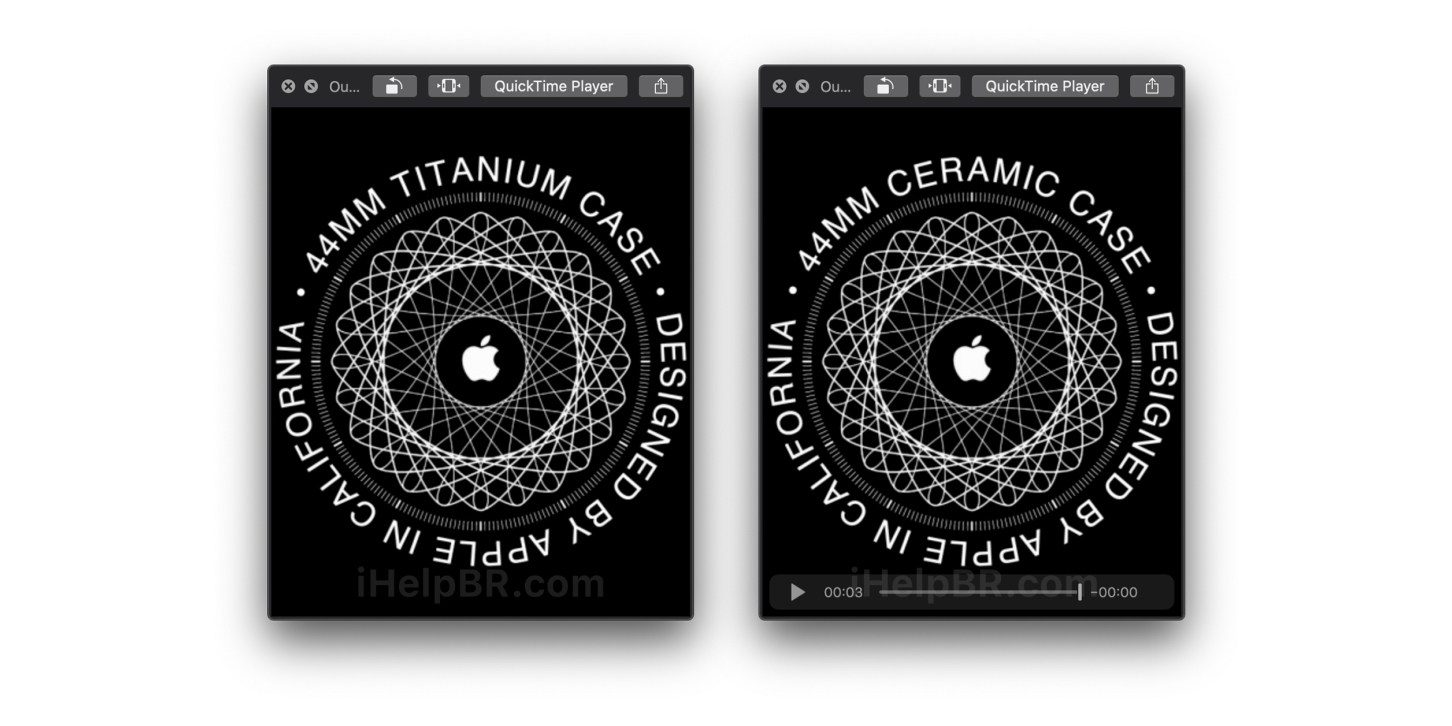
Apple Watch will also be updated, with the same case design introduced last year, but with at least new case finishes, which have leaked via the watchOS 6 update as coming in titanium and ceramic.

apple watch titanium ceramci

Other planned updates in the report include details about the iPhone to follow in 2020, which it says will a rear-facing 3D camera, as well as 5G network support. The HomePod will also apparently get a sequel next year – a smaller version that will likely be a lot more affordable vs. the current $300 speaker.

22 Aug 2019

N26 launches Shared Spaces and is now fully available in the U.S.

Challenger bank N26 is announcing two things this week. First, the company lets you share sub-accounts with other N26 users in just a few taps. Second, after a limited beta test, the company is officially launching in the U.S. with open registration.

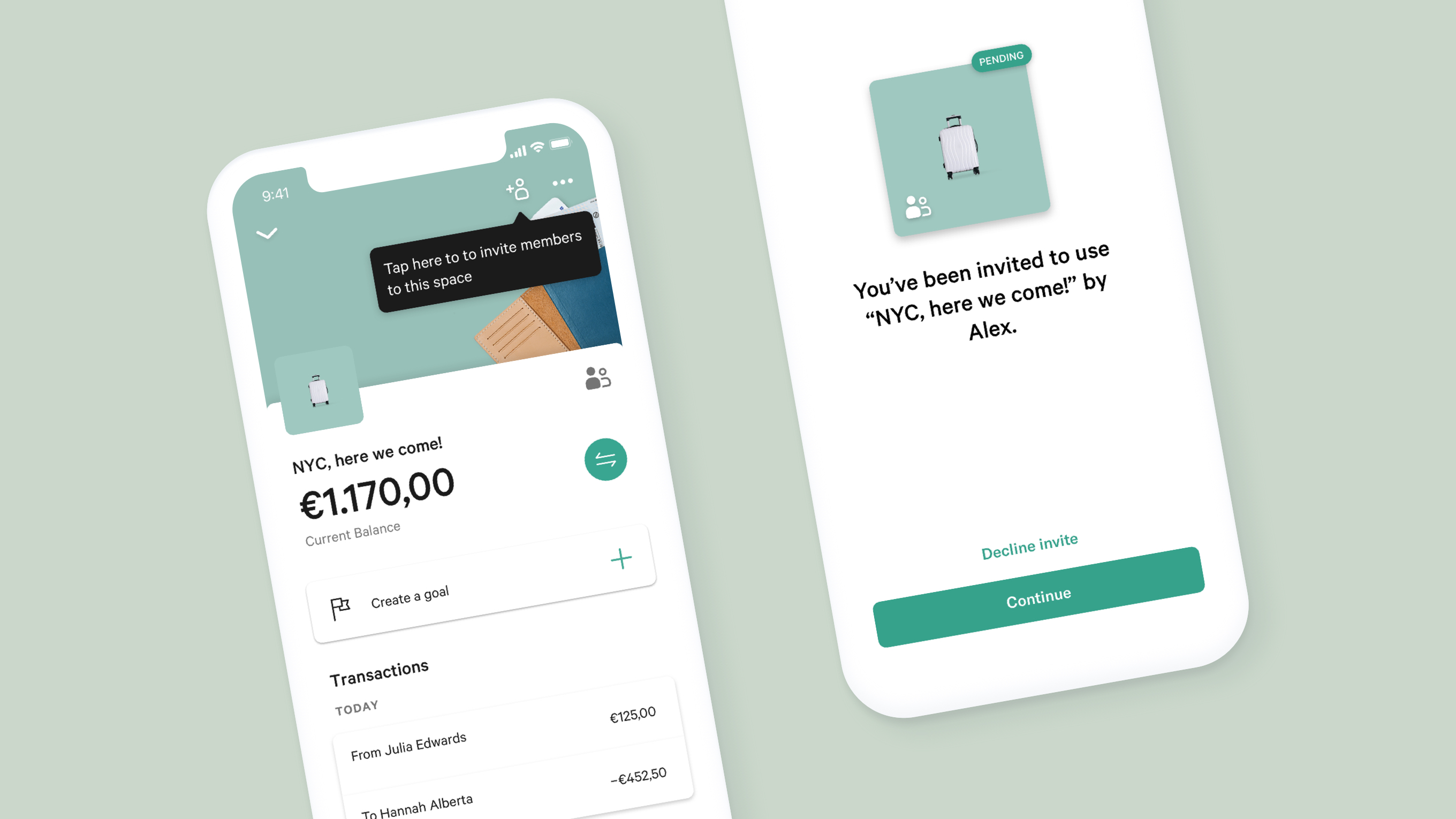
Shared Spaces could be seen as an alternative to joint accounts. The feature could be particularly useful for groups with more than 2 persons and situations that temporarily require a shared account. For instance, you could use Shared Spaces for a vacation, to split bills with your roommates, etc.

Only a small subset of the company’s user base can access the feature for now. N26 plans to gradually roll out Shared Spaces to all users.

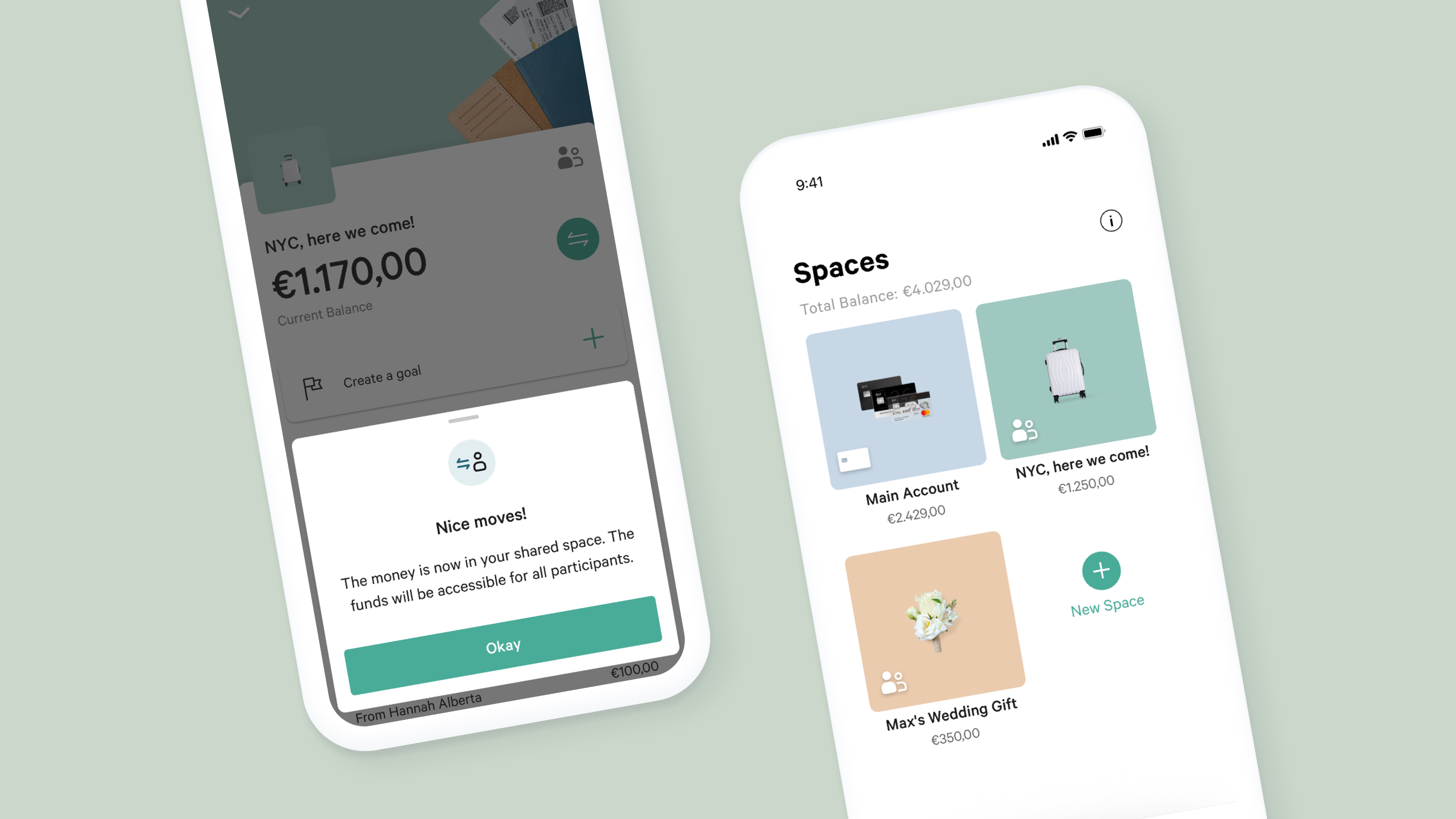
The company is building this feature on top of Spaces. This feature has been around for a while. It lets you create a sub-account and set aside some money in that separate sub-account. You can set savings goal and transfer money on a regular basis.

Shares Spaces is basically a multiplayer version of Spaces. When a user creates a Space, they can invite up to 10 other N26 users to that Space. While the original user remains the owner of the Space, other users can freely deposit and withdraw money from the shared account.

Sending an invite is the equivalent of granting a power of attorney on a Space. The admin of the Shared Space is the only person who can add and remove participant to the Shared Space. So it’s not technically a joint account as joint accounts have multiple owners.

1907 Shared spaces PR 2 EN

Interestingly, N26 is launching this as a premium feature. You need a premium N26 account in order to create a Shared Space, such as an N26 You subscription (€9.90 per month) or an N26 Metal subscription (€16.90 per month). You can invite free users, but free users are limited to two active Spaces. Those limitations will most certainly foster premium subscriptions.

Unfortunately, you can’t spend money from a Shared Space directly for now. Your card and bank transfers remain tied to your main N26 account. You have to tap on a transaction and tap on “Pay back from a space” to get your money back from a Shared Space.

N26 co-founder and CEO Valentin Stalf told me that there could be a feature that lets you attach different cards to different Spaces in the future.

1907 Shared spaces PR 3 EN

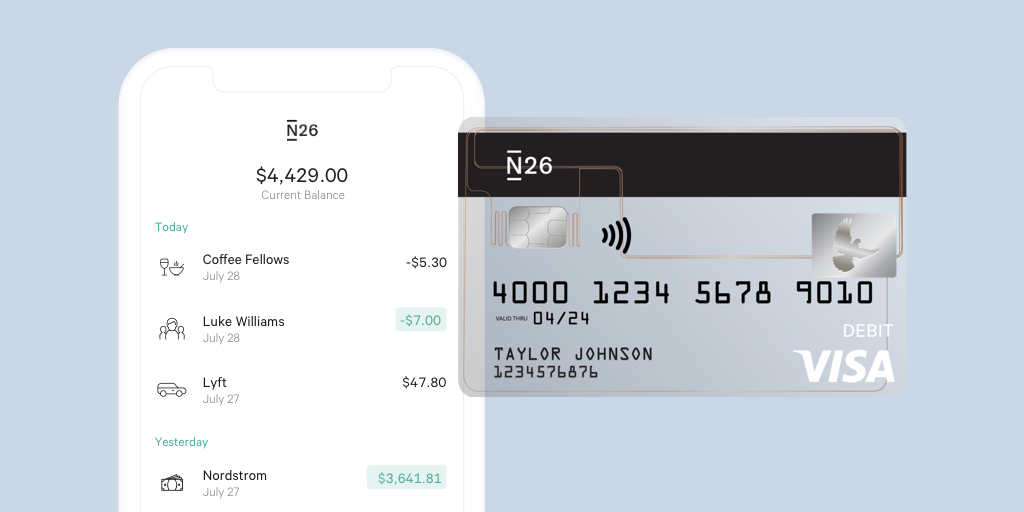
When it comes to the U.S., N26 started accepting customers in the U.S. in early July. And it looks like it’s been working well as anyone in the U.S. can now download the app and open a bank account. N26 is also launching MoneyBeam in the U.S., a Venmo-like feature that lets you instantly send money to other N26 users.

N26 is also launching perks in the U.S. You’ll get small discounts on some monthly subscriptions if you pay with your N26 card. Current partners include Aaptiv, Blinkist, Luminary and Tidal.

I already coved the U.S. launch back in July, so head over to my previous article to learn more.

N26 US App and Card

22 Aug 2019

Zomato hits roadblocks in India as restaurants lose appetite for gold

Zomato, one of India’s biggest food delivery startups, has major ambitions. It is increasingly expanding its reach in the country to serve dozens of new cities and towns every few weeks.

It is investing heavily in building cloud kitchens to quickly meet demand for certain food items. And it is internally working on “Project Kisan”, something which has not been reported earlier, to procure raw material directly from farmers and fishermen to better control the supply of items to restaurants. It also wants to deliver food by drones in the coming future.

To boost its usage, Zomato is also trying to bring Zomato Gold, a two-year-old subscription program as part of which it allows customers dining in at a restaurant to access a number of discounted deals on food and drinks, to customers who prefer to eat at home, sources familiar with the matter have told TechCrunch in recent weeks.

Zomato Gold is already a hit with a customer. The company expects Gold, which has amassed more than 800,000 customers, to bring in $20 million to $25 million in revenue by end of this year.

But before Zomato goes about extending the program, Zomato Gold’s foundations have come under severe scrutiny from a number of restaurant partners in India who say that the startup’s offering is hurting their bottom line and brand image.

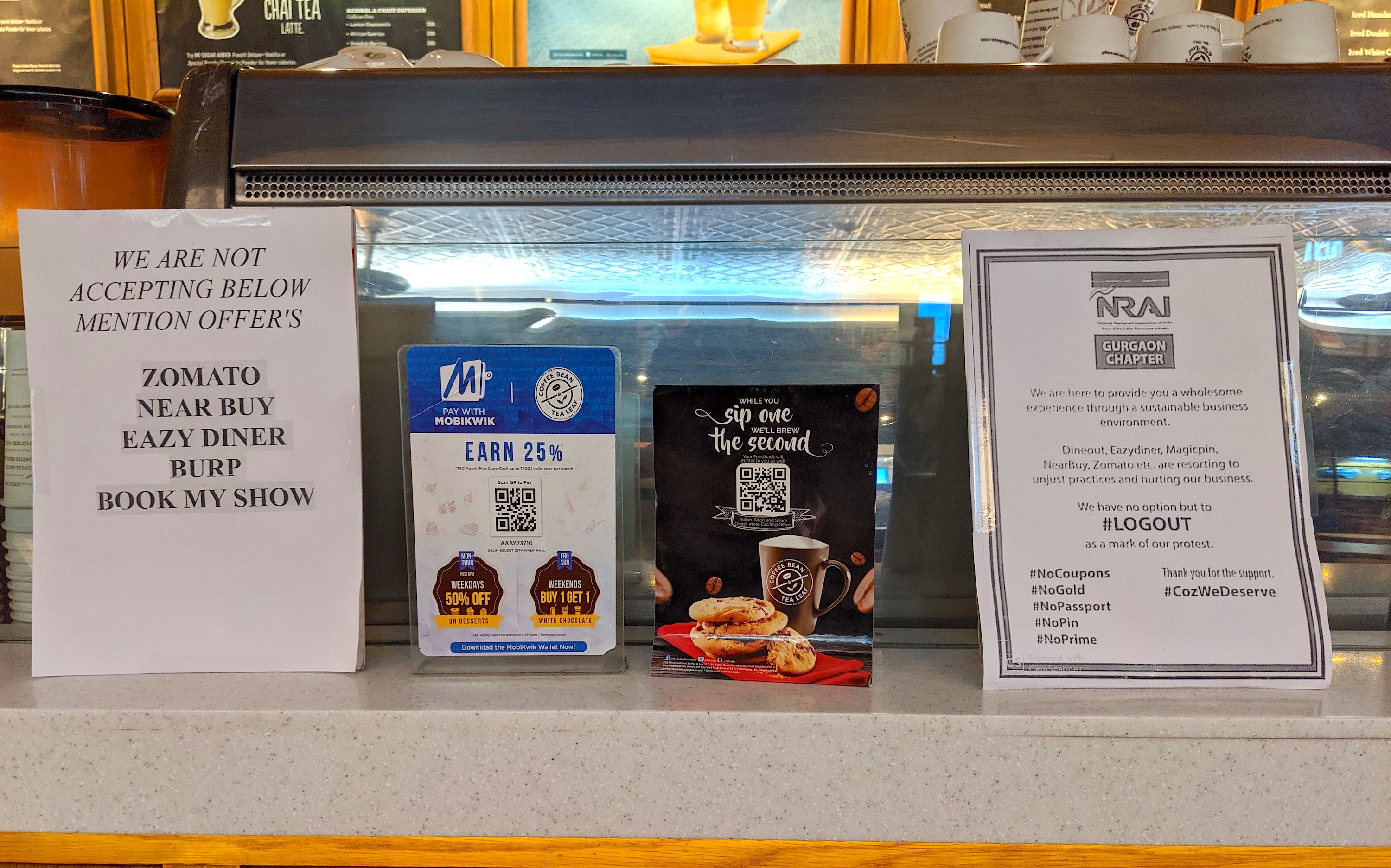
More than 2,000 of the 6,500 partners of Zomato Gold have opted out of the program in recent days. The disruption occurred over the weekend after the National Restaurant Association of India (NRAI), a trade body that represents more than 500,000 restaurants in the country, kick started a #LogOut campaign against Zomato and other dining startups such as Nearbuy, Dineout, EazyDiner, and Magicpin.

zomato nrai

Image: Manish Singh / TechCrunch

Deepinder Goyal, CEO of Zomato, quickly acknowledged the resistance and admitted that the company has made mistakes. “Somewhere, we have made mistakes and things haven’t gone as planned. This is a wake up call that we need to do 100x more for our restaurant partners than we have done before,”

Zomato, which operates in two dozen countries, and other food startups and restaurant partners met earlier this week to reach a conclusion. They could not find one.

“Over the past two days, NRAI has held extensive meetings with all restaurant aggregators and we were bemused to learn that the aggregators were promoting deep discounts to stay competitive amongst each other. While one aggregator gave 1+1 (one drink or food item free on purchase of another drink or food item), the other had to adopt a 50% discount scheme in order to stay relevant,” Rahul Singh, President of the NRAI, said in a statement.

“What hurts the most is that these deep discounts are funded by the restaurant industry and not the aggregators. Restaurants do not get any share of the proceeds that aggregators generate from guests as subscription fees,” he added.

Zomato, on its part, assured that it will bring changes to its Gold program by mid-September to introduce measures to prevent over usage by customers. But late Wednesday, NRAI rejected the proposal calling it insufficient and said restaurants will continue to stay off Zomato.

The restaurant association said the problem is deep discounting that Zomato is bandying out through its Gold program and the startup’s proposed changes don’t really address that.

“It’s a tweak in the drug, which doesn’t solve the addiction. Since the launch in November 2017, this program has been shifting goalposts. What started as an exclusive invite only privilege, became a marketplace for bargain hunters, a word admitted by the Zomato founder in recent tweets. This Gold has lost its sheen. We stand united in the cause to obviate the deep discounting phenomenon and will therefore #stayloggedout,” the NRAI said in a statement.

Restaurants have also complained that if they do not accept Zomato Gold program, customers are disappointed and leave bad ratings on the platform, which significantly hurts their sales. Zomato makes most of its revenue from promoting listings on its platform.

A Zomato spokesperson told TechCrunch that the company was committed to making some changes to its program, but declined to comment further.

22 Aug 2019

A $44m series B Drop in the bucket for millennial loyalty

Commerce and marketing are radically changing these days. Consumers are increasingly looking for brands they identify with, while at the same time, the cost of acquiring users is increasing year-over-year for marketers. For brands, that math makes marketing complicated: they want to reach the right customers with the most efficient acquisition channels in order to drive the best return.

Toronto-headquartered Drop thinks it has a formula — and one that might put some dollars (Canadian and U.S.) in consumers’ pockets. Drop is a mobile app that scans your credit card purchases and then proceeds to give you offers on things you might want to spend.

Those offers have now led to a big offer from VCs, to the tune of a $44 million series B round of capital led by Onsi Sawiris of HOF Capital . In addition, the Royal Bank of Canada joined the round as a strategic investor.

When we last caught up with CEO and founder Derrick Fung, Drop had recently raised its series A from NEA. In the interim, the startup has continued to grow rapidly, providing customers $19 million in rewards and helping to drive $350 million in sales to 300 merchant partners, according to the company.

Fung said that “our thesis … from two years ago is generally the same: consumers, especially this new generation of consumers, are all looking for new ways to save money and improve their financial health.” Meanwhile, “with retailers, they’re all hungry to find more cost-effective ways to market. And I’d say more than ever before, Facebook, Google, and the traditional platforms are just very expensive.”

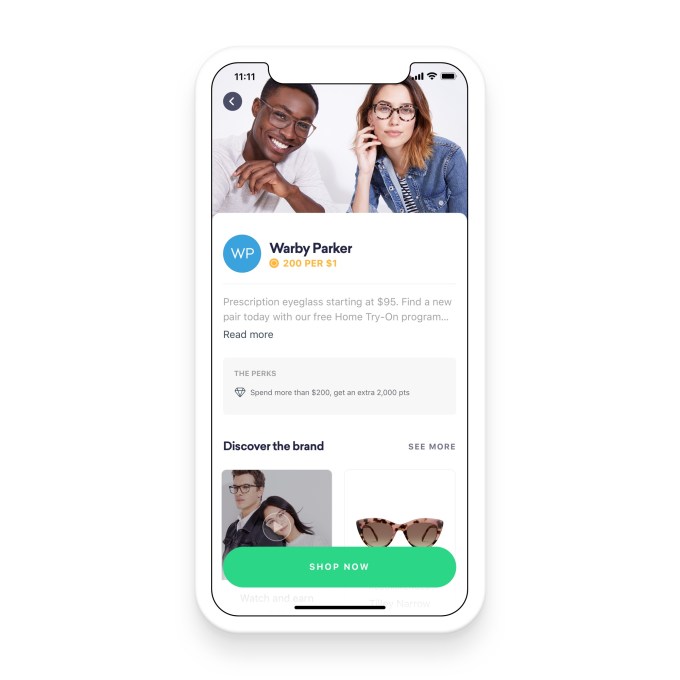
Drop App Offer@2x

Drop offers consumers ways to gain points and spend them, such as this offer from Warby Parker. (Via Drop)

Drop wants to take those digital ad dollars and turn them into much more direct engagement with actual consumers. “What we’ve introduced, which we think is very unique, is instead of displaying ads, we are essentially cutting the consumer in on the deal. […] That’s what makes our platform more cost effective, because the consumer actually gets something in return.”

While Drop is now available in the U.S. and Canada on both iOS and Android, Fung says that the company’s next two markets will be Australia and the United Kingdom.

The loyalty space has heated up in the last few years with different strategic plays. Bumped, an app that pays consumers in the stock of the companies they shop at, has raised capital from Canaan. Meanwhile, New York City-based Lolli has taken a similar approach but pays out bitcoin instead.

Despite those new entrants, Fung believes that Drop’s current focus on points is the right call. “I’d say that based on research we’ve done, points is still the most favorite reward for consumers,” he said.

Since the company’s last fundraise, it acquired YC-backed Canopy Labs, which offered a service that helped companies evaluate customer journeys on their sites. The acquisition was designed to accelerate Drop’s machine learning capabilities to better match merchants and consumers as the company expands the depth of its two-sided marketplace.

The company currently has 77 employees across its Toronto and New York offices, and expects to double that count in the next 18 to 24 months. In addition to HOF and RBC, the round was joined by previous investors NEA, Sierra, and White Star Capital.

22 Aug 2019

Compete in Startup Battlefield at Disrupt Berlin 2019

Lasst die Spiele beginnen, startup founders — let the games begin! In case you haven’t heard, the application window for the Startup Battlefield at Disrupt Berlin 2019 is wide open and waiting for you. Don’t miss the chance to launch your early-stage startup on an international stage in front of some of tech’s most influential movers and shakers. Grab this opportunity and apply to compete today.

What’s at stake? How does $50,000 sound? How does intense investor interest and global media exposure sound? Pretty darned good, amirite? Keep in mind that it won’t cost you anything to apply or to participate in the Startup Battlefield. No fees, no equity — no kidding.

All participants benefit from the exposure, and they all become part of the Startup Battlefield alumni community. Since 2007, 857 startups have launched their dreams on the Startup Battlefield stage and gone on to collectively raise $8.9 billion while producing 112 exits. Companies like Vurb, Dropbox, Mint, Yammer and many more. Is your startup the next big name?

Here’s how the world-famous pitch competition works.

The application process is simple, but very competitive. Veteran TechCrunch editors closely review every application looking for high-potential startups. They’ll select approximately 15-20 companies to compete

If your startup makes the cut, you’ll receive free pitch coaching from TechCrunch in the form of six rigorous weeks. The Battlefield team will help you fine-tune your pitch, demo and presentation skills. Come the big day, you’ll be ready to slay.

Startup Battlefield consists of two rounds. Each team has six minutes to pitch to a world-class panel of judges — followed by a six-minute Q&A session. The founders who make it through to the second round will present again to a fresh set of judges.

One remarkable startup will win the day, the Disrupt Cup, serious bragging rights and, oh yes, that $50,000 prize. All teams benefit, and we’re not just saying that to make you feel better. The event takes place in front of a huge audience filled with investors, media and tech icons — and we record and live-stream the whole shooting match around the world.

Participating in the Startup Battlefield can change the trajectory of your business. You’ll get to exhibit in Startup Alley for the entire show. Imagine starting conversations with potential investors or partners with, “We competed in TechCrunch’s Startup Battlefield.” You’ll have their attention.

The Startup Battlefield takes place at Disrupt Berlin 2019 on 11-12 December. Don’t miss out on this opportunity to debut your early-stage startup to the world and take it to new heights. Apply to Startup Battlefield today. Lasst die Spiele beginnen!

Pro Tip: You can use the same application to apply for the TC Top Picks program. If you make the cut, you’ll receive a free Startup Alley Exhibitor Package, VIP treatment and lots of media and investor exposure.

Is your company interested in sponsoring or exhibiting at Disrupt Berlin 2019? Contact our sponsorship sales team by filling out this form.

22 Aug 2019

ThredUp, whose second-hand goods will start appearing at Macy’s and JCPenney, just raised a bundle

ThredUp, the 10-year-old fashion resale marketplace, has a lot of big news to boast about lately. For starters, the company just closed on $100 million in fresh funding from an investor syndicate that includes Park West Asset Management, Irving Investors and earlier backers Goldman Sachs Investment Partners, Upfront Ventures, Highland Capital Partners and Redpoint Ventures.

The round brings ThredUP’s total capital raised to more than $300 million, including a previously undisclosed $75 million investment that it sewed up last year.

A potentially even bigger deal for the company is a new resale platform that both Macy’s and JCPenney are beginning to test out, wherein ThedUp will be sending the stores clothing that they will process through their own point-of-sale systems, while trying to up-sell customers on jewelry, shoes, and other accessories.

It says a lot that traditional retailers are coming to see gently used items as a potential revenue stream for themselves, and little wonder given the size of the resale market, estimated to be a $24 billion market currently and projected to become a $51 billion market by 2023.

We talked yesterday with ThredUp founder and CEO James Reinhart to learn more about its tie-up with the two brands and to find out what else the startup is stitching together.

TC: You’ve partnering with Macy’s and JCPenney. Did they approach you or is ThredUp out there pitching traditional retailers?

JR: I think [the two companies] have been thinking about resale for some time. They’re trying to figure out how to best serve their customers. Meanwhile, we’ve been thinking about how we power resale for a broader set of partners, and there was a meeting of the minds six months ago

We’re positioned now where we can do this really effectively in-store, so we’re starting with a pilot program in 30 to 40 stores, but we could scale to 300 or 400 stores if we wanted.

TC: How is this going to work, exactly, with these partners?

JR: We have the [software and logistics] architecture and the selection to put together carefully curated selections of clothing for particular stores, including the right assortment of brands and sizes, depending on where a Macy’s is located, for example. Macy’s then wraps a high-quality experience around [those goods]. Maybe it’s a dress, but they wrap a handbag and scarves and jewelry around the dress purchase. We feel [certain] that future consumers will buy new and used at the same time.

TC: Who is your demographic, and please don’t say everyone.

JR: It is everyone. It’s not a satisfying answer, but we sell 30,000 brands. We serve lots of luxury customers with brands like Louis Vuitton, but we also sell Old Navy. What unites customers across all brands is they want to find brands that they couldn’t have afforded new; they’re trading up to brands that, full price, would have been too much, so Old Navy shoppers are [buying] Gap [whose shopper are buying] J. Crew and Theory and all the way up. Consistently, what we hear is [our marketplace] allows customers to swap out their wardrobes at higher rates than would be possible otherwise, and it feels to them like they’re doing in a more [environmentally] responsible way.

TC: What percentage of your shoppers are also consigning goods?

JR: We don’t track that closely, but it’s typically about a third.

TC: Do you think your customers are buying higher-end goods with a mind toward selling them, to defray their overall cost? I know that’s the thinking of CEO Julie Wainwright at [rival] The RealReal. It’s all supposed to be a kind of virtuous circle of shopping.

JR:  We like to talk about buying the handbag, then selling it, but plenty of people will also buy a second-hand Banana Republic sweater because it’s a value [and because] fashion is the second-most polluting industry on the planet.

TC: How far are you going to combat that pollution? I’m just curious if you’re in any way try to bolster the sale of hemp, versus maybe nylon, clothes for example.

JR: We aren’t driving material selection. Our thesis is: we want to stay out of the fashion business and instead ensure there’s a responsible way for people to buy second hand.

TC: For people who haven’t used ThredUp, walk through the economics. How much of each sale does someone keep?

JR: On ThredUp, it isn’t a uniform payment; it depends instead on the brand. On the luxury end, we pay [sellers] more than anyone else — we pay up to 80 percent when we resell it. If it’s Gap or Banana Republic, you get maybe 10 or 15 or 20 percent based on the original price of the item.

TC: How would you describe your standards? What goes into the reject pile?

JR: We have high standards. Items have to be in like-new or gently used condition, and we reject more than half of what people send us. But i think there’s probably more leeway for the Theory’s and J.Crew’s of the world than if you’re buying a Chanel dress.

TC: Unlike some of your rivals, you don’t sell to men. Why not?

JR: Men’s is a small market in secondhand. Men wear the same four colors — blue, black, gray and brown — so it’s not a big resale market. We do sell kids’ clothing, and that’s a big part of our market.

TC: When Macy’s now sells a dress from ThredUp, how much will you see from that transaction?

JR: We can’t share the details of the economics.

TC: How many people are now working for ThredUp?

JR: We have less than 200 in our corporate office in San Francisco, and 50 in Kiev, and then across four distribution centers — in Phoenix; Mechanicsburg [Pa.]; Atlanta; and Chicago — we have another 1,200 employees.

TC: You’ve now raised a lot of money in the last year. How will it be used?

JR: On our resale platform [used by retailers like Macy’s] and on building our tech and operations and building new distribution centers to process more clothing. We can’t get people to stop sending us stuff. [Laughs.]

TC: Before you go, what’s the most under-appreciated aspect of your business?

JR: The logistics behind the scenes. I think for every great e-commerce business, there are incredible logistics [challenges to overcome] behind the scenes. People don’t appreciate how hard that piece is, alongside the data. We’re going to process our 100 millionth item by the end of this year. That’s a lot of data.


21 Aug 2019

Eminem’s publisher accuses Spotify of copyright infringement in new lawsuit

Eminem’s music publisher Eight Mile Style has filed a lawsuit against Spotify, accusing the service of “blatant copyright infringement” in streaming “Lose Yourself” and other Eminem songs.

As explained by The Hollywood Reporter, the suit is tied Spotify’s implementation the Music Modernization Act, which was signed into law last year. Under the MMA, Spotify can obtain a compulsory license to stream a song, but it would still need to file a “notice of intention” and pay rightsholders.

However, Eight Mile says, “Spotify did not have any license to reproduce or distribute the Eight Mile Compositions, either direct, affiliate, or compulsory, but acted deceptively by pretending to have compulsory and/or other licenses.”

For example, the complaint describes the service’s treatment of “Lose Yourself” as “the most egregious example of Spotify’s willful infringement,” saying that Spotify placed the song in the Copyright Control category, which is “reserved for songs for which the copyright owner is not known so the song cannot be licensed.”

Eight Mile then characterizes this position as “absurd”: “Spotify, and [the Harry Fox Agency], its agent … certainly knew (and had the easy means to know) that Eight Mile is the copyright owner of ‘Lose Yourself.'”

In addition, Eight Mile claims that even though the songs in question have been “streamed on Spotify billions of times,” the service has “not accounted to Eight Mile or paid Eight Mile for these streams but instead remitted random payments of some sort, which only purport to account for a fraction of those streams.”

The complaint also takes issue with protections that Spotify might claim under the MMA, saying that if the law limits Spotify’s liability, then it represents “an unconstitutional denial of due process (both procedural and substantive), and an unconstitutional taking of vested property rights.”

This isn’t the first time Eight Mile has challenged digital music platforms: It sued Apple over copyright issues more than a decade ago, and ultimately settled.

In an emailed statement, Eight Mile’s attorney Richard Busch described this as “a very important lawsuit for all songwriters that raises vital issues for those whose songs stream on Spotify or other Digital Music Providers.”

We’ve reached out to Spotify for comment and will update if we hear back.

21 Aug 2019

T-Mobile customers report outage, can’t make calls or send text messages

T-Mobile customers across the U.S. say they can’t make calls or send text messages — although data appears to be unaffected.

We tested with a T-Mobile phone in the office. Both calls to and from the T-Mobile phone failed. Issues appeared to begin around 3pm PT (6pm ET).

Users took to social media to complain about the outage. It’s not clear how many customers are affected, but users across the U.S. have said they are affected.

A spokesperson for T-Mobile did not immediately comment.


21 Aug 2019

Should you raise equity venture capital or revenue-based investing VC?

Most founders who are raising capital look first to traditional equity VCs. But should they? Or should they look to one of the new wave of revenue-based investors?

Revenue-based investing (“RBI”) is a new form of VC financing, distinct from the preferred equity structure most VCs use. RBI normally requires founders to pay back their investors with a fixed percentage of revenue until they have finished providing the investor with a fixed return on capital, which they agree upon in advance.

This guest post was written by David Teten, Venture Partner, HOF Capital. You can follow him at teten.com and @dteten. This is the 5th part of our series on Revenue-based investing VC that touches on:

From the founders’ point of view, the advantages of the RBI model are: