Year: 2019

18 Jul 2019

The climate is our biggest threat. Carl Pope is fighting to change our fate

Michael Bloomberg is an unrepentant capitalist who, as he says in his 2017 book A Climate of Hope, is “not exactly your stereotypical environmentalist.” Yet over the past decade, Bloomberg has become arguably the biggest environmental philanthropist in the world — especially given the $500 million investment Bloomberg announced last month that he would soon make in rapidly moving the U.S. “Beyond Carbon,” off both coal and natural gas and to a “100% clean energy economy.” How did this happen?

It turns out one of the biggest factors in Bloomberg’s green transformation has been his friendship with Carl Pope, the longtime former head of the Sierra Club, whom Bloomberg first met about a decade ago, as Mayor of New York.

Carl Pope Headshot

Pope is not exactly a household name, but nonetheless at this point can probably be called one of the most influential environmental activists in history. He wears a leather jacket and a weathered-looking sweater on the cover of Climate of Hope alongside Bloomberg’s suit, tie, and flag pin.

The two co-authored the book — and not just in the sense that Pope ghost-wrote Bloomberg’s opinions, as happens regularly when busy political and cultural celebrities take on a lesser-known co-author for some glamour project they may barely even read. A Climate of Hope is an extended dialogue between Bloomberg and Pope, with the two alternating chapters throughout and at times even disagreeing on potentially important issues.

What there’s no disagreement on, however, is that Pope “convinced” his co-author to dive into massive environmental spending (a feat accomplished in part by showing the health-conscious Bloomberg the numbers on how lethal coal can be).

Pope is no stranger to controversy — perhaps unsurprising for a nonprofit leader who has raised money well into the nine figures. He’s a “pragmatist,” as he says many times in the interview below, which depending on who you ask either means compromise to the point of being compromised, or simply that he has a knack for actually getting things done where others merely talk.

His legacy has previously been associated with taking money from natural gas executives in a fundraising bid some saw as necessary and others called ethically tainted; with overlooking people’s polluting individual choices to buy large cars and even bigger homes; and with “looking forward to an active partnership” with Republican leaders when it was obvious they weren’t completely on board with key tenets of the environmental movement.

But Pope has also been equally or better known for pushing the Clinton/Gore administration to be better on emissions; preventing neoliberal environmentalists from adopting a nativist stance on immigration; championing a more diverse and inclusive environmental movement; and now, of course, with potentially ending the use of carbon fuel in America.

Despite 30+ years in the public eye, Carl Pope is a relatively private person who doesn’t seem to like to talk much about himself. So for starters below, I wanted to see if I could figure out what makes him tick.

Because if we could get into the heads of people who persuade billionaires to act against their short-term economic interests, with the bigger human picture in mind, maybe we could do it more often.

Then our conversation moved on to NASA, Ro Khanna, Tesla, AOC and the Green New Deal, and more. And in a soon to come follow up piece, I’ll talk with Pope about the details of the Beyond Carbon plan, including how he was able to persuade Bloomberg to take it on, and some areas of controversy that could arise as the $500 million is distributed.

All of this, after all, is part of what it means to think about the ethics of technology — Pope and Bloomberg’s work, love it or not, is certainly an attempt to reform or transform some of the most influential technologies human hands have ever touched.

How do we motivate people of all backgrounds and means to help make changes for the greener? How do we know what the right changes are to make? How do we grapple with the ethical dilemmas involved and the compromises that can seem to be required?

(Oh and by the way: in the weeks since I spoke with Pope, I have mostly been skipping big evening meals and eating more healthily in the afternoon. So at least there’s that!)
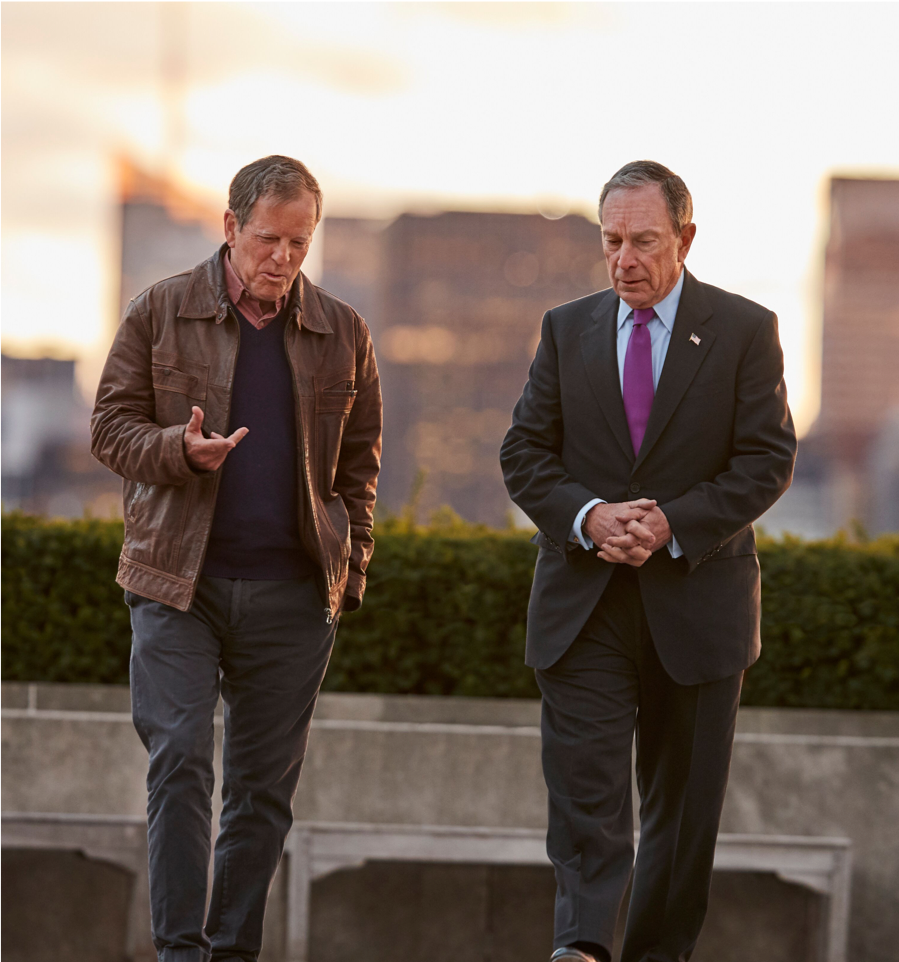
Carl Mike

Greg Epstein: I have enjoyed discovering you as —  I would even say as a historical figure, though important parts of your story are yet to be told.

I’d like to hear a bit about the key developments in your life that gave you the ethical perspective that you have.

Carl Pope: I can tell you some things about my childhood and my formation. Which particular ingredients formed my ethical perspective, I’m not sure I’ll be able to tell you, but I’ll tell you some things [that might] help.

18 Jul 2019

Blue Origin CEO Bob Smith joins Disrupt SF to talk about bringing the Moon within reach

Private spaceflight company Blue Origin has its sights set on the Moon, and in May unveiled a new lander to help it get there. This October, Blue Origin CEO Bob Smith will join us onstage at Disrupt SF 2019 to talk about how the company plans to get to the Moon, and beyond — and what the opportunities are for private space companies once it does.

Smith and the Jeff Bezos -backed Blue Origin have been busy with more than just building lunar landers: It has been testing the company’s New Shepard spacecraft since 2015 and through this year, when it plans to perform its first crewed mission. To date, its tests have largely been successful and are a strong indicator that it’s well-positioned among the various companies hoping to return the U.S. to crewed launches.

That’s a key milestone in Blue Origin’s goal of getting to the Moon by 2024, which is the timeline the company declared in May. But their plan isn’t strictly about human achievement or scientific discovery — it’s about business, and establishing a permanent presence in space to provide access to resources and help humanity expand beyond its finite, Earth-bound constraints.

We’ll talk to Smith about what it means to go from today’s launches to low Earth orbit to making the trip to the Moon in just five short years, and what Blue Origin believes the commercial spaceflight industry will look like once we’ve gotten there and established a permanent commercial presence.

Blue sky opportunity is old news — Smith will help us suss out what the blue space opportunity is for the next generation of entrepreneurs.

Disrupt SF runs October 2 to October 4 at the Moscone Center in San Francisco. Tickets are available at an early-bird rate here.

18 Jul 2019

Investor Jocelyn Goldfein to join us on AI panel at TechCrunch Sessions: Enterprise

Artificial intelligence is quickly becoming a foundational technology for enterprise software development and startups have begun addressing a variety of issues around using AI to make software and processes much more efficient.

To that end, we are delighted to announce that Jocelyn Goldfein, a Managing Director at Zetta Venture Partners will be joining on us a panel to discuss AI in the enterprise. It will take place at the TechCrunch Sessions: Enterprise show on September 5 at the Yerba Buena Center in San Francisco.

It’s not just startups that are involved in AI in the enterprise. Some of the biggest names in enterprise software including Salesforce Einstein, Adobe Sensei and IBM Watson have been addressing the need for AI to help solve the enterprise data glut.

Computers can process large amounts of information much more quickly than humans, and as enterprise companies generate increasing amounts of data, they need help understanding it all as the volume of information exceeds human capacity to sort through it.

Goldfein brings a deep engineering background to her investment work. She served as a VP of engineering at VMware and as an engineering director at Facebook, where she led the project that adopted machine learning for the News Feed ranker, launched major updates in photos and search, and helped spearhead Facebook’s pivot to mobile. Goldfein drove significant reforms in Facebook hiring practices and is a prominent evangelist for women in computer science. As an investor, she primarily is focused on startups using AI to take more efficient approaches to infrastructure, security, supply chains and worker productivity.

At TC Sessions: Enterprise, she’ll be joining Bindu Reddy from Reality Engines along with other panelists to discuss the growing role of AI in enterprise software with TechCrunch editors. You’ll learn why AI startups are attracting investor attention and how AI in general could fundamentally transform enterprise software.

Prior to joining Zetta, Goldfein had stints at Facebook and VMware, as well as startups Datify, MessageOne and Trilogy/pcOrder.

Early Bird tickets to see Joyce at TC Sessions: Enterprise are on sale for just $249 when you book here; but hurry, prices go up by $100 soon! Students, grab your discounted tickets for just $75 here.

18 Jul 2019

YouTube Music now lets you seamlessly switch between songs and music videos

Google today announced an update to YouTube Music on iOS and Android that will make it easier to seamlessly switch between merely listening to the audio and watching a song’s music video. To do so, you only have to tap a button at the top of the screen. This should work for almost every song that has a video since Google has time-matched over 5 million official music videos to their audio tracks.

You have to be a paying YouTube Premium or YouTube Music Premium subscriber to get access to this new feature, though. If you’re using a free account, you’re out of luck.

A V Switcher USA

While this is not exactly a fancy new feature, it definitely improves the user experience in YouTube Music. Google also argues that this move will make music videos more discoverable in the app.

Don’t care about music videos? Don’t worry. YouTube Music also features a “Don’t play music videos” setting.

Google’s music strategy is about as confusing as its messaging strategy, but as things stand right now, YouTube Music will replace the older Google Play Music experience at some point later this year. Or not. It’s always hard to tell with Google, given that Hangouts is still hanging in there, too. Clearly, though, the company’s music investments are now going into YouTube Music.

18 Jul 2019

YouTube Music now lets you seamlessly switch between songs and music videos

Google today announced an update to YouTube Music on iOS and Android that will make it easier to seamlessly switch between merely listening to the audio and watching a song’s music video. To do so, you only have to tap a button at the top of the screen. This should work for almost every song that has a video since Google has time-matched over 5 million official music videos to their audio tracks.

You have to be a paying YouTube Premium or YouTube Music Premium subscriber to get access to this new feature, though. If you’re using a free account, you’re out of luck.

A V Switcher USA

While this is not exactly a fancy new feature, it definitely improves the user experience in YouTube Music. Google also argues that this move will make music videos more discoverable in the app.

Don’t care about music videos? Don’t worry. YouTube Music also features a “Don’t play music videos” setting.

Google’s music strategy is about as confusing as its messaging strategy, but as things stand right now, YouTube Music will replace the older Google Play Music experience at some point later this year. Or not. It’s always hard to tell with Google, given that Hangouts is still hanging in there, too. Clearly, though, the company’s music investments are now going into YouTube Music.

18 Jul 2019

The FTC looks to change children’s privacy law following complaints about YouTube

The U.S. Federal Trade Commission is considering an update to the laws governing children’s privacy online, known as the COPPA Rule (or, the Children’s Online Privacy Protection Act). The Rule first went into effect in 2000 and was amended in 2013 to address changes in how children use mobile devices and social networking sites. Now, the FTC believes it may be due for more revisions. The organization is seeking input and comments on possible updates, some of which are specifically focused on how to address sites that aren’t necessarily aimed at children, but have large numbers of child users.

In other words, sites like YouTube .

The FTC’s announcement comes only weeks after U.S. consumer advocacy groups and Senator Ed Markey (D-Mass.) sent complaint letters to the FTC, urging the regulators to investigate YouTube for potential COPPA violations.

The advocacy groups allege that YouTube is hiding behind its terms of service which claim YouTube is “not intended for children under 13” — a statement that’s clearly no longer true. Today, the platform is filled with videos designed for viewing by kids. Google even offers a YouTube Kids app aimed at preschooler to tween-aged children.

According to the letter written by the Campaign for a Commercial-Free Childhood (CCFC) and the Center for Digital Democracy (CDD), Google has now collected personal information from nearly 25 million children in the U.S., and it used this data to engage in “very sophisticated digital marketing techniques.”

The groups want YouTube to delete the children’s data, set up an age-gate on the site, and separate out any kids content into its own app where YouTube will have to properly follow COPPA guidelines.

These demands are among those pushing the FTC to this action.

The Commission says it wants input as to whether COPPA should be updated to better address websites and online services that are not traditionally aimed at children but are used by kids, as well as whether these “general audience platforms” should have to identity and police the child-directed content that’s uploaded by third parties.

In other words, should the FTC amend COPPA so it can protect the privacy of the kids using YouTube?

“In light of rapid technological changes that impact the online children’s marketplace, we must ensure COPPA remains effective,” said FTC Chairman Joe Simons, in a published statement. “We’re committed to strong COPPA enforcement, as well as industry outreach and a COPPA business hotline to foster a high level of COPPA compliance. But we also need to regularly revisit and, if warranted, update the Rule,” he added.

While YouTube is a key focus, the FTC will also seek comment on whether there should be an exception for parental consent for the use of educational technology in schools. And it wants to better understand the implications for COPPA in terms of interactive media, like interactive TV (think Netflix’s Minecraft: Story Mode, for example), or interactive gaming.

More broadly, the FTC wants to know how COPPA has impacted the availability of sites and services aimed at children, it says.

The decision to initiate a review of COPPA was a unanimous decision from the FTC’s five commissioners, which includes three Republicans and two Democrats.

Led by Simons, the FTC in February took action against Musical.ly (now TikTok), by issuing a record $5.7 million fine for its COPPA violations. Similar to YouTube, the app was used by a number of under-13 kids without parental consent. The company knew this was the case, but continued to collect the kids’ personal information, regardless.

“This record penalty should be a reminder to all online services and websites that target children: We take enforcement of COPPA very seriously, and we will not tolerate companies that flagrantly ignore the law,” Simons had said at the time.

The settlement with TikTok required the company to delete children’s videos and data and restrict underage users from being able to film videos.

It’s unclear why the FTC can’t now require the same of YouTube, given the similarities between the two services, without amending the law.

“They absolutely can and should fine YouTube, not to mention force YouTube to make significant changes, under the current regulations,” says Josh Golin, the Executive Director for CCFC. “As for the YouTube decision – by far the most important COPPA case in the agency’s history – it’s extremely concerning that the Commission appears to be signaling they do not have the authority under the current rules to hold YouTube accountable,” he says.

“COPPA rules could use some updating but the biggest problem with the law is the FTC’s lack of enforcement, which is something the Commission could address right away without a lengthy comment period,” Golin adds.

The FTC says it will hold a public workshop on October 7, 2019 to examine the COPPA Rule.

18 Jul 2019

The FTC looks to change children’s privacy law following complaints about YouTube

The U.S. Federal Trade Commission is considering an update to the laws governing children’s privacy online, known as the COPPA Rule (or, the Children’s Online Privacy Protection Act). The Rule first went into effect in 2000 and was amended in 2013 to address changes in how children use mobile devices and social networking sites. Now, the FTC believes it may be due for more revisions. The organization is seeking input and comments on possible updates, some of which are specifically focused on how to address sites that aren’t necessarily aimed at children, but have large numbers of child users.

In other words, sites like YouTube .

The FTC’s announcement comes only weeks after U.S. consumer advocacy groups and Senator Ed Markey (D-Mass.) sent complaint letters to the FTC, urging the regulators to investigate YouTube for potential COPPA violations.

The advocacy groups allege that YouTube is hiding behind its terms of service which claim YouTube is “not intended for children under 13” — a statement that’s clearly no longer true. Today, the platform is filled with videos designed for viewing by kids. Google even offers a YouTube Kids app aimed at preschooler to tween-aged children.

According to the letter written by the Campaign for a Commercial-Free Childhood (CCFC) and the Center for Digital Democracy (CDD), Google has now collected personal information from nearly 25 million children in the U.S., and it used this data to engage in “very sophisticated digital marketing techniques.”

The groups want YouTube to delete the children’s data, set up an age-gate on the site, and separate out any kids content into its own app where YouTube will have to properly follow COPPA guidelines.

These demands are among those pushing the FTC to this action.

The Commission says it wants input as to whether COPPA should be updated to better address websites and online services that are not traditionally aimed at children but are used by kids, as well as whether these “general audience platforms” should have to identity and police the child-directed content that’s uploaded by third parties.

In other words, should the FTC amend COPPA so it can protect the privacy of the kids using YouTube?

“In light of rapid technological changes that impact the online children’s marketplace, we must ensure COPPA remains effective,” said FTC Chairman Joe Simons, in a published statement. “We’re committed to strong COPPA enforcement, as well as industry outreach and a COPPA business hotline to foster a high level of COPPA compliance. But we also need to regularly revisit and, if warranted, update the Rule,” he added.

While YouTube is a key focus, the FTC will also seek comment on whether there should be an exception for parental consent for the use of educational technology in schools. And it wants to better understand the implications for COPPA in terms of interactive media, like interactive TV (think Netflix’s Minecraft: Story Mode, for example), or interactive gaming.

More broadly, the FTC wants to know how COPPA has impacted the availability of sites and services aimed at children, it says.

The decision to initiate a review of COPPA was a unanimous decision from the FTC’s five commissioners, which includes three Republicans and two Democrats.

Led by Simons, the FTC in February took action against Musical.ly (now TikTok), by issuing a record $5.7 million fine for its COPPA violations. Similar to YouTube, the app was used by a number of under-13 kids without parental consent. The company knew this was the case, but continued to collect the kids’ personal information, regardless.

“This record penalty should be a reminder to all online services and websites that target children: We take enforcement of COPPA very seriously, and we will not tolerate companies that flagrantly ignore the law,” Simons had said at the time.

The settlement with TikTok required the company to delete children’s videos and data and restrict underage users from being able to film videos.

It’s unclear why the FTC can’t now require the same of YouTube, given the similarities between the two services, without amending the law.

“They absolutely can and should fine YouTube, not to mention force YouTube to make significant changes, under the current regulations,” says Josh Golin, the Executive Director for CCFC. “As for the YouTube decision – by far the most important COPPA case in the agency’s history – it’s extremely concerning that the Commission appears to be signaling they do not have the authority under the current rules to hold YouTube accountable,” he says.

“COPPA rules could use some updating but the biggest problem with the law is the FTC’s lack of enforcement, which is something the Commission could address right away without a lengthy comment period,” Golin adds.

The FTC says it will hold a public workshop on October 7, 2019 to examine the COPPA Rule.

18 Jul 2019

iOS 13: Here are the new security and privacy features you might’ve missed

In just a few weeks Apple’s new iOS 13, the thirteenth major iteration of its popular iPhone software, will be out — along with new iPhones and a new iPad version, the aptly named iPadOS. We’ve taken iOS 13 for a spin over the past few weeks — with a focus on the new security and privacy features — to see what’s new and how it all works.

Here’s what you need to know.

You’ll start to see reminders about apps that track your location

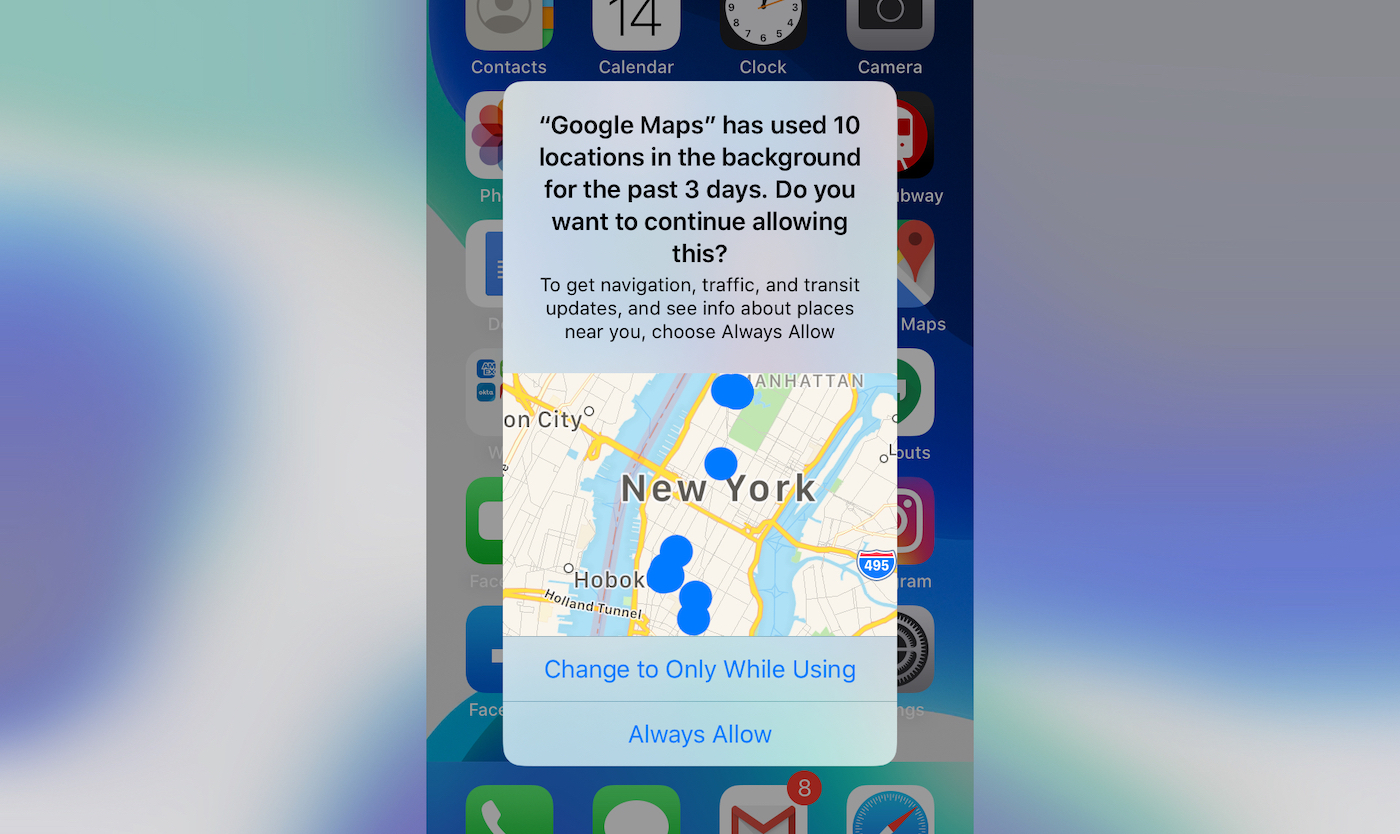
1 location track

Ever wonder which apps track your location? Wonder no more. iOS 13 will periodically remind you about apps that are tracking your location in the background. Every so often it will tell you how many times an app has tracked where you’ve been in a recent period of time, along with a small map of the location points. From this screen you can “always allow” the app to track your location or have the option to limit the tracking.

You can grant an app your location just once

2 location ask

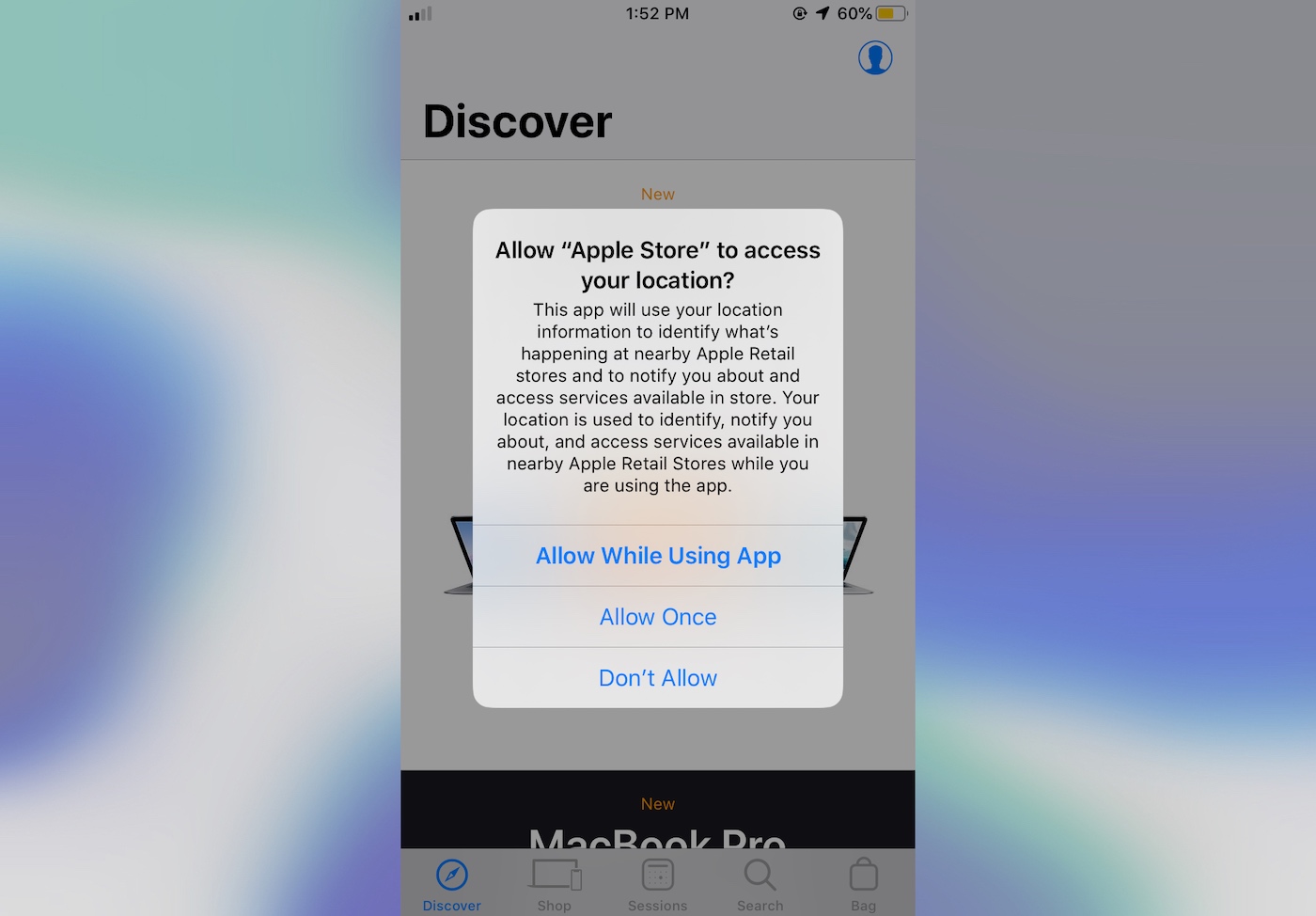
To give you more control over what data have access to, iOS 13 now lets you give apps access to your location just once. Previously there was “always,” “never” or “while using,” meaning an app could be collecting your real-time location as you’re using it. Now you can grant an app access on a per use basis — particularly helpful for the privacy-minded folks.

And apps wanting access to Bluetooth can be declined access

Screen Shot 2019 07 18 at 12.18.38 PM

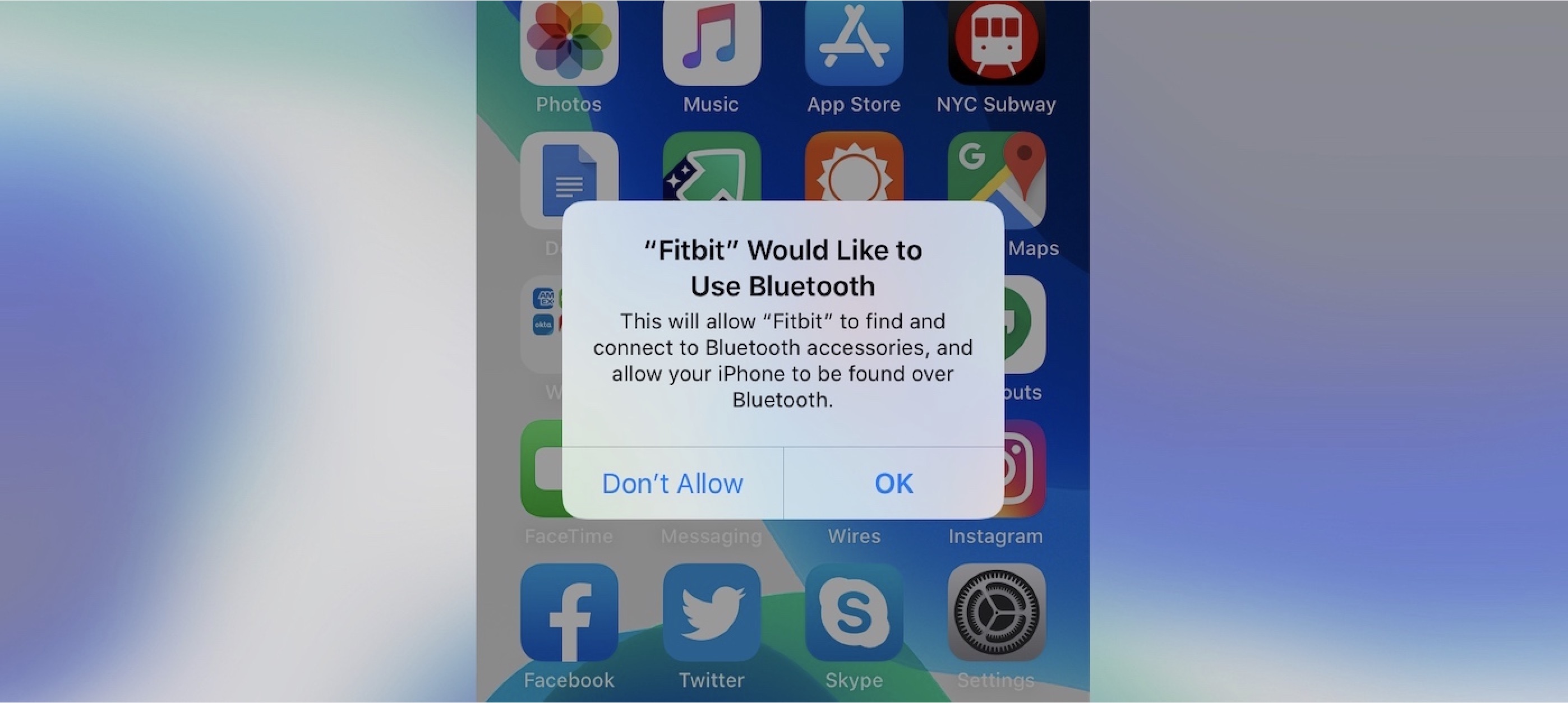
Apps wanting to access Bluetooth will also ask for your consent. Although apps can use Bluetooth to connect to gadgets, like fitness bands and watches, Bluetooth-enabled tracking devices known as beacons can be used to monitor your whereabouts. These beacons are found everywhere — from stores to shopping malls. They can grab your device’s unique Bluetooth identifier and track your physical location between places, building up a picture of where you go and what you do — often for targeting you with ads. Blocking Bluetooth connections from apps that clearly don’t need it will help protect your privacy.

Find My gets a new name — and offline tracking

5 find my

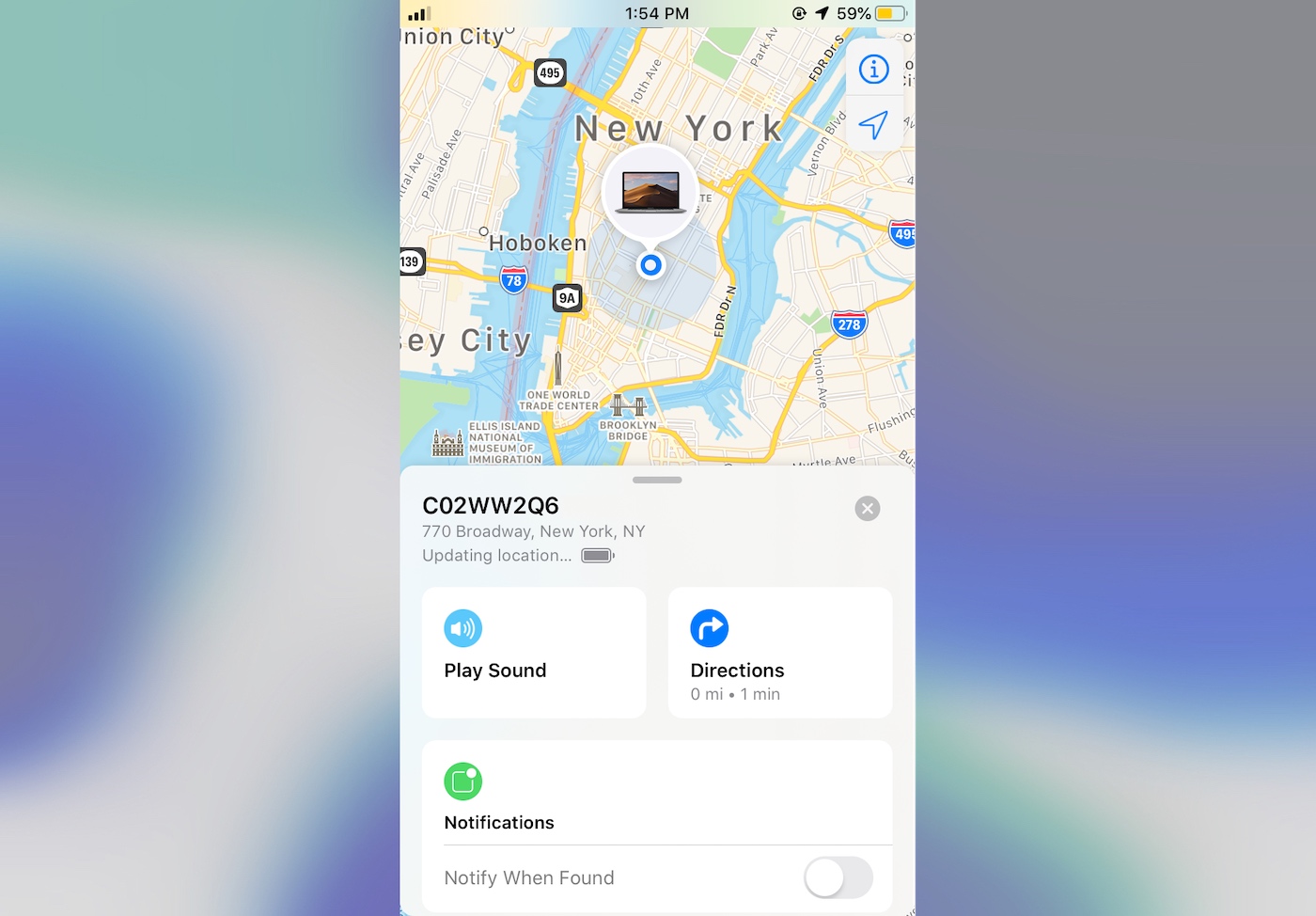
Find My, the new app name for locating your friends and lost devices, now comes with offline tracking. If you lost your laptop, you’d rely on its last Wi-Fi connected location. Now it broadcasts its location using Bluetooth, which is securely uploaded to Apple’s servers using nearby cellular-connected iPhones and other Apple devices. The location data is cryptographically scrambled and anonymized to prevent anyone other than the device owner — including Apple — from tracking your lost devices.

Your apps will no longer be able to snoop on your contacts’ notes

8 contact snoop

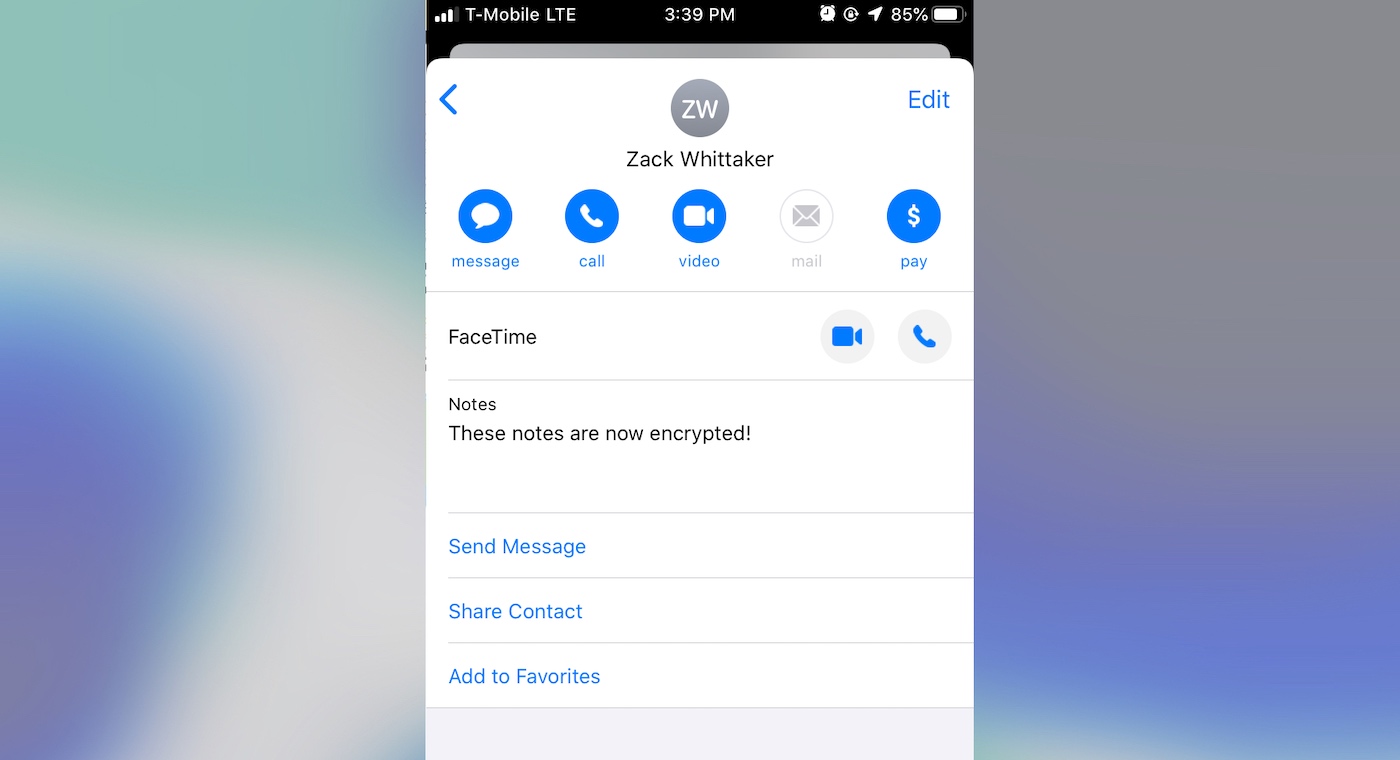
Another area that Apple is trying to button down is your contacts. Apps have to ask for your permission before they can access to your contacts. But in doing so they were also able to access the personal notes you wrote on each contact, like their home alarm code or a PIN number for phone banking, for example. Now, apps will no longer be able to see what’s in each “notes” field in a user’s contacts.

Sign In With Apple lets you use a fake relay email address

6 sign in

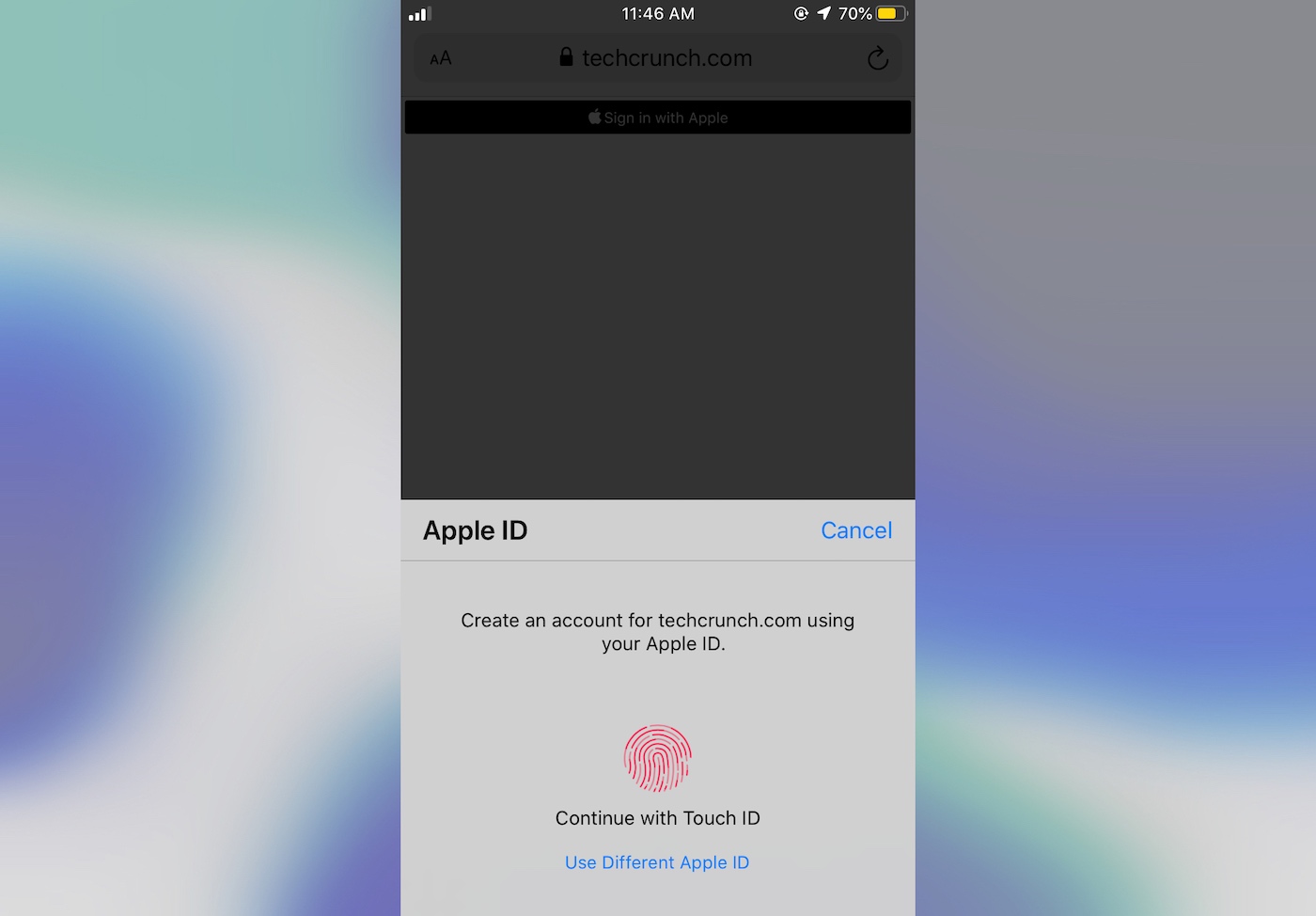
This is one of the cooler features coming soon — Apple’s new sign-in option allows users to sign in to apps and services with one tap, and without having to turn over any sensitive or private information. Any app that requires a sign-in option must use Sign In With Apple as an option. In doing so users can choose to share their email with the app maker, or choose a private “relay” email, which hides a user’s real email address so the app only sees a unique Apple-generated email instead. Apple says it doesn’t collect users’ data, making it a more privacy-minded solution. It works across all devices, including Android devices and websites.

You can silence unknown callers

4 block callers

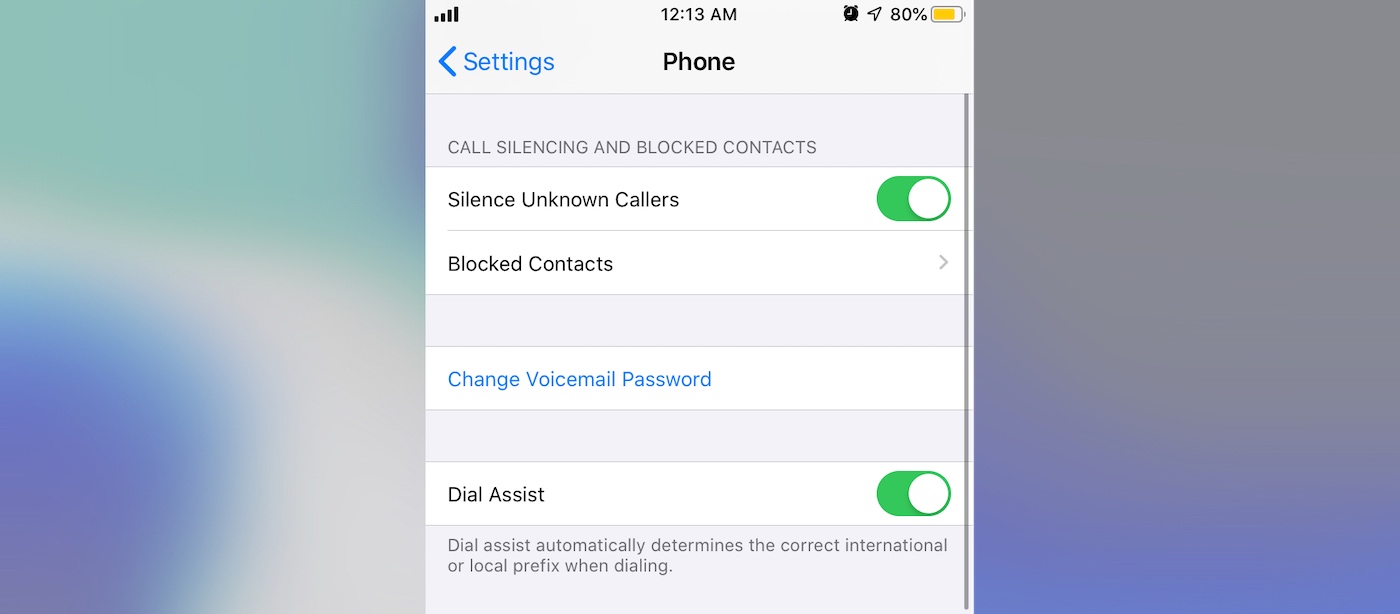
Here’s one way you can cut down on disruptive spam calls: iOS 13 will let you send unknown callers straight to voicemail. This catches anyone who’s not in your contacts list will be considered an unknown caller.

You can strip location metadata from your photos

7 strip location

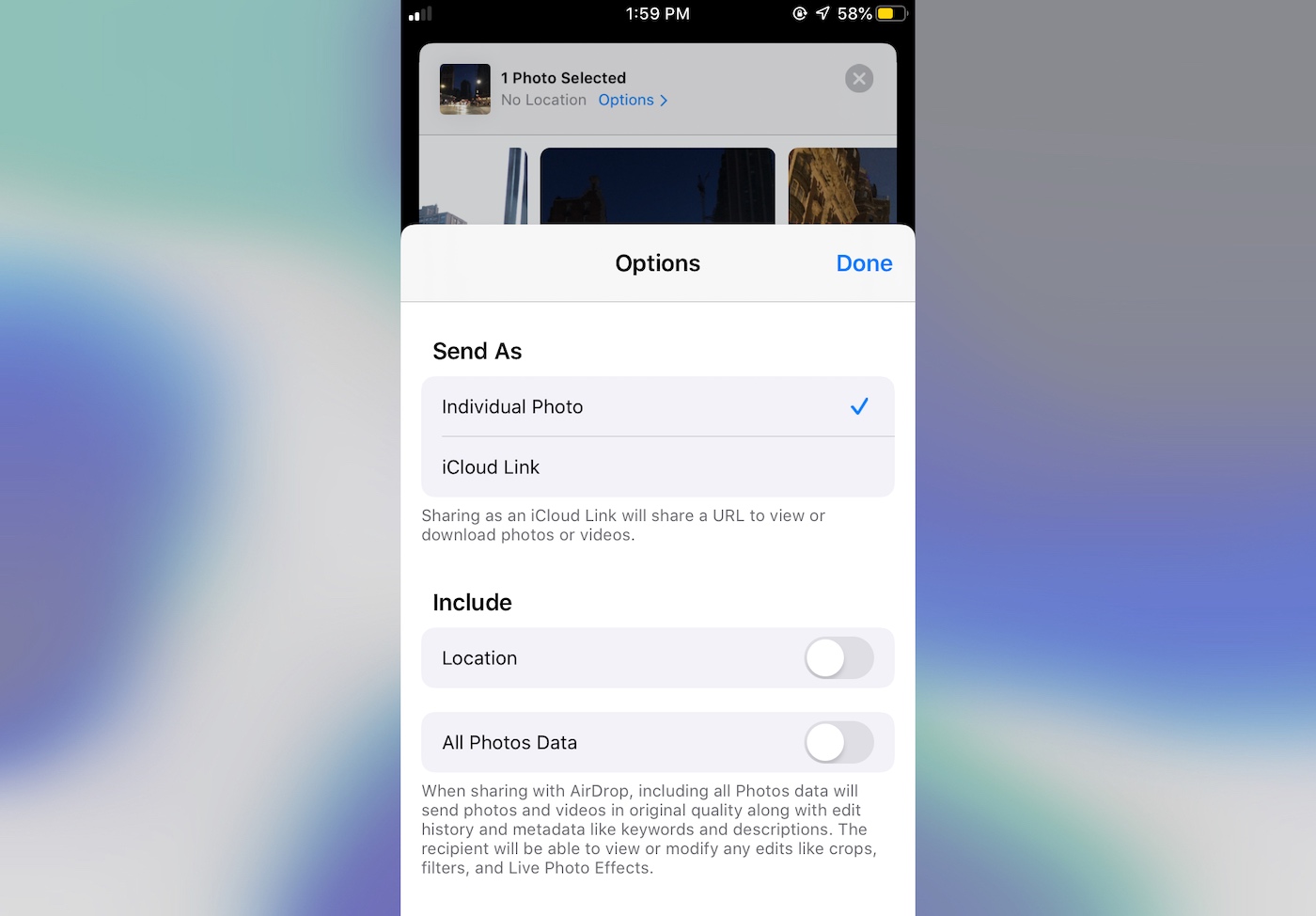
Every time you take a photo your iPhone stores the precise location of where the photo was taken as metadata in the photo file. But that can reveal sensitive or private locations — such as your home or office — if you share those photos on social media or other platforms, many of which don’t strip the data when they’re uploaded. Now you can. With a few taps, you can remove the location data from a photo before sharing it.

And Safari gets better anti-tracking features

9 safari improvements

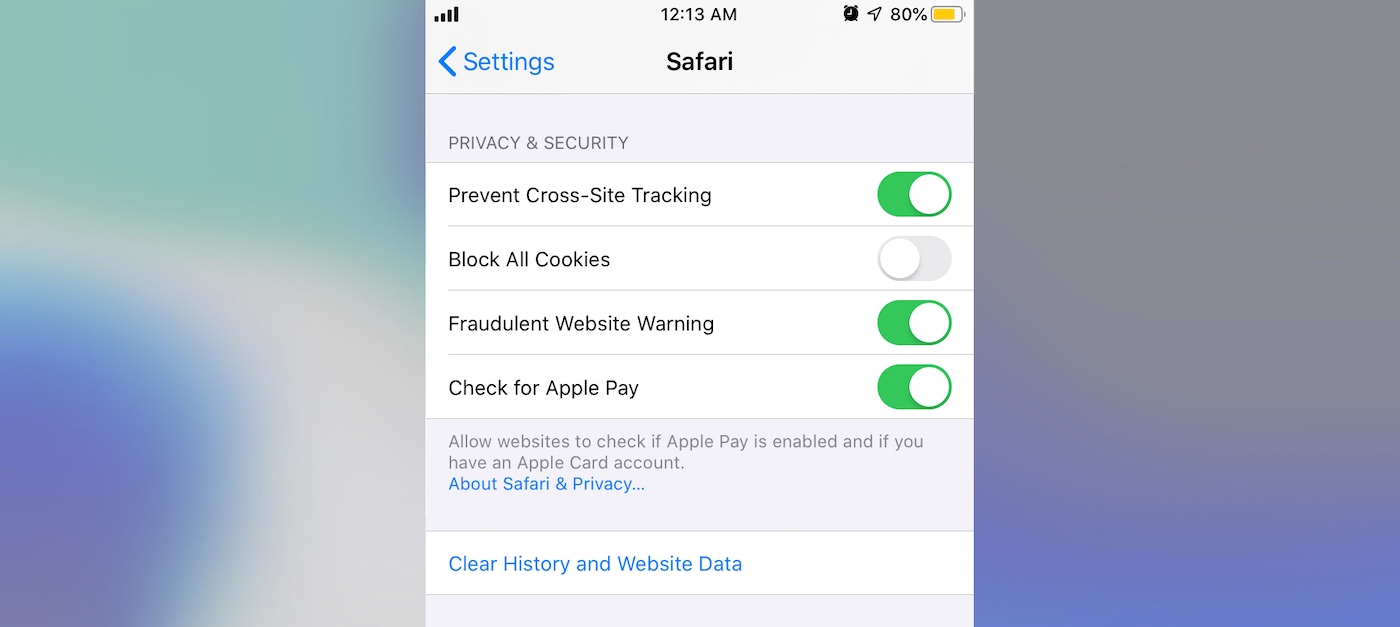
Apple continues to advance its new anti-tracking technologies in its native Safari browser, like preventing cross-site tracking and browser fingerprinting. These features make it far more difficult for ads to track users across the web. iOS 13 has its cross-site tracking technology enabled by default so users are protected from the very beginning.

Read more:

18 Jul 2019

iOS 13: Here are the new security and privacy features you might’ve missed

It’s finally here.

Apple’s new iOS 13, the thirteenth major iteration of its popular iPhone software, is out to download. We took iOS 13 for a spin with a focus on the new security and privacy features to see what’s new and how it all works.

Here’s what you need to know.

You’ll start to see reminders about apps that track your location

1 location track

Ever wonder which apps track your location? Wonder no more. iOS 13 periodically reminds you about apps that are tracking your location in the background. Every so often it will tell you how many times an app has tracked where you’ve been in a recent period of time, along with a small map of the location points. From this screen you can “always allow” the app to track your location or have the option to limit the tracking.

You can grant an app your location just once

2 location ask

To give you more control over what data have access to, iOS 13 now lets you give apps access to your location just once. Previously there was “always,” “never” or “while using,” meaning an app could be collecting your real-time location as you’re using it. Now you can grant an app access on a per use basis — particularly helpful for the privacy-minded folks.

And apps wanting access to Bluetooth can be declined access

Screen Shot 2019 07 18 at 12.18.38 PM

Apps wanting to access Bluetooth will also ask for your consent. Although apps can use Bluetooth to connect to gadgets, like fitness bands and watches, Bluetooth-enabled tracking devices known as beacons can be used to monitor your whereabouts. These beacons are found everywhere — from stores to shopping malls. They can grab your device’s unique Bluetooth identifier and track your physical location between places, building up a picture of where you go and what you do — often for targeting you with ads. Blocking Bluetooth connections from apps that clearly don’t need it will help protect your privacy.

Find My gets a new name — and offline tracking

5 find my

Find My, the new app name for locating your friends and lost devices, now comes with offline tracking. If you lost your laptop, you’d rely on its last Wi-Fi connected location. Now it broadcasts its location using Bluetooth, which is securely uploaded to Apple’s servers using nearby cellular-connected iPhones and other Apple devices. The location data is cryptographically scrambled and anonymized to prevent anyone other than the device owner — including Apple — from tracking your lost devices.

Your apps will no longer be able to snoop on your contacts’ notes

8 contact snoop

Another area that Apple is trying to button down is your contacts. Apps have to ask for your permission before they can access to your contacts. But in doing so they were also able to access the personal notes you wrote on each contact, like their home alarm code or a PIN number for phone banking, for example. Now, apps will no longer be able to see what’s in each “notes” field in a user’s contacts.

Sign In With Apple lets you use a fake relay email address

6 sign in

This is one of the cooler features coming soon — Apple’s new sign-in option allows users to sign in to apps and services with one tap, and without having to turn over any sensitive or private information. Any app that requires a sign-in option must use Sign In With Apple as an option. In doing so users can choose to share their email with the app maker, or choose a private “relay” email, which hides a user’s real email address so the app only sees a unique Apple-generated email instead. Apple says it doesn’t collect users’ data, making it a more privacy-minded solution. It works across all devices, including Android devices and websites.

You can silence unknown callers

4 block callers

Here’s one way you can cut down on disruptive spam calls: iOS 13 will let you send unknown callers straight to voicemail. This catches anyone who’s not in your contacts list will be considered an unknown caller.

You can strip location metadata from your photos

7 strip location

Every time you take a photo your iPhone stores the precise location of where the photo was taken as metadata in the photo file. But that can reveal sensitive or private locations — such as your home or office — if you share those photos on social media or other platforms, many of which don’t strip the data when they’re uploaded. Now you can. With a few taps, you can remove the location data from a photo before sharing it.

And Safari gets better anti-tracking features

9 safari improvements

Apple continues to advance its new anti-tracking technologies in its native Safari browser, like preventing cross-site tracking and browser fingerprinting. These features make it far more difficult for ads to track users across the web. iOS 13 has its cross-site tracking technology enabled by default so users are protected from the very beginning.

First published on July 19 and updated with iOS 13’s launch. 

Read more:

18 Jul 2019

InCountry raises $15M for its cloud-based private data storage-as-a-service solution

The rise of data breaches, along with an expanding raft of regulations (now numbering 80 different regional regimes, and growing) have thrust data protection — having legal and compliant ways of handling personal user information — to the top of the list of things that an organization needs to consider when building and operating their businesses. Now a startup called InCountry, which is building both the infrastructure for these companies to securely store that personal data in each jurisdiction, as well as a comprehensive policy framework for them to follow, has raised a Series A of $15 million. The funding is coming in just three months after closing its seed round — underscoring both the attention this area is getting and the opportunity ahead.

The funding is being led by three investors: Arbor Ventures of Singapore, Global Founders Capital of Berlin, and Mubadala of Abu Dhabi. Previous investors Caffeinated Capital, Felicis Ventures, Charles River Ventures, and Team Builder Ventures (along with others that are not being named) also participated. It brings the total raised to date to $21 million.

Peter Yared, the CEO and founder, pointed out in an interview the geographic diversity of the three lead backers: he described this as a strategic investment, which has resulted from InCountry already expanding its work in each region. (As one example, he pointed out a new law in the UAE requiring all health data of its citizens to be stored in the country — regardless of where it originated.)

As a result, the startup will be opening offices in each of the regions and launching a new product, InCountry Border, to focus on encryption and data handling that keep data inside specific jurisdictions. This will sit alongside the company’s compliance consultancy as well as its infrastructure business.

“We’re only 28 people and only six months old,” Yared said. “But the proposition we offer — requiring no code changes, but allowing companies to automatically pull out and store the personally identifiable information in a separate place, without anything needed on their own back end, has been a strong pull. We’re flabbergasted with the meetings we’ve been getting.” (The alternative, of companies storing this information themselves, has become massively unpalatable, given all the data breaches we’ve seen, he pointed out.)

In part because of the nature of data protection, in its short six months of life, InCountry has already come out of the gates with a global viewpoint and global remit.

It’s already active in 65 countries — which means it’s already equipped to stores, processes, and regulates profile data in the country of origin in these markets — but that is actually just the tip of the iceberg. The company points out that more than 80 countries around the world have data sovereignty regulations, and that in the US, some 25 states already have data privacy laws. Violating these can have disastrous consequences for a company’s reputation, not to mention its bottom line: In Europe, earlier this month the UK data regulator is now fining companies the equivalent of hundreds of millions of dollars when they violate GDPR rules.

This ironically is translating into a big business opportunity for startups that are building technology to help companies cope with this. Just last week, OneTrust raised a $200 million Series A to continue building out its technology and business funnel — the company is a “gateway” specialist, building the welcome screens that you encounter when you visit sites to accept or reject a set of cookies and other data requests.

Yared says that while InCountry is very young and is still working on its channel strategy — it’s mainly working directly with companies at this point — there is a clear opportunity both to partner with others within the ecosystem as well as integrators and others working on cloud services and security to build bigger customer networks.

That speaks to the complexity of the issue, and the different entry points that exist to solve it.

“The rapidly evolving and complex global regulatory landscape in our technology driven world is a growing challenge for companies,” said Melissa Guzy of Arbor Ventures, in a statement. Guzy is joining the board with this round. “InCountry is the first to provide a comprehensive solution in the cloud that enables companies to operate globally and address data sovereignty. We’re thrilled to partner and support the company’s mission to enable global data compliance for international businesses.”