Month: August 2021

31 Aug 2021

Borzo, a delivery startup which focuses on emerging economies, raises $35M

If you’re in India, the Philippines, Russia, or Vietnam, Amazon Prime and Gorillas are probably not that much use to you. Comparable to DoorDash Drive or Lalamove (Malaysia), Dostavista is a “crowdsourced” same-day delivery service. Founded in Russia, the startup initially figured out a way to appeal to gig economy workers in countries such as the ones above by creating a game where players would be asked to deliver virtual items, before pivoting to the real thing. That left-of-field thinking has seen it expand to countries not typically touched by the bigger delivery startups.

Now the Amsterdam HQ-d startup is rebranding as “Borzo” to bring its operation in 10 different countries under one. At the same time, it’s raised $35 million in a Series C funding round led by UAE-based investor Mubadala. Also participating were VNV Global, RDIF, Flashpoint Venture Capital, and others.

The demand for affordable, same-day delivery of goods was obviously accelerated by the pandemic, and no less so in developing countries as well as developed ones.

Borzo says its gig economy workforce enables delivery via any route, any transport, any weight or size. The startup says it has built algorithms to optimize numerous parallel delivery routes taking into account the geographical routes, packages’ contents, couriers, and other factors.

In a statement, Mike Alexandrovski, founder of Borzo, said: “With the new round closed we continue to move toward our goal of becoming one of the top courier delivery companies in every market we operate in. To achieve this goal we believe it’s important to ensure operational synchronicity and integrity of the company’s brand perception, and that’s why we rebranded it to Borzo.” 

Founded in 2012, Borzo says it now has a customer base of 2 million users, 2.5M couriers and operates in 10 countries including Brazil, India, Indonesia, Korea, Malaysia, Mexico, the Philippines, Russia, Turkey, and Vietnam. It claims to be fulfilling over 3M orders per month, while its annual gross revenue run rate approaches $150M, it says.

Faris Al Mazrui, Head of Russia & CIS at Mubadala, said: “The true fundamental shift in eCommerce took place with the increasing reliability and convenience of on-demand delivery services. In Borzo, we find a team with a clear vision of the opportunity in the evolving on-demand delivery space. They have succeeded in going global; becoming competitive in 10 new international markets.”.

Last year we covered Borzo’s $15 million Series B round led by Vostok New Ventures, with participation from existing investors Flashpoint and AddVenture.

31 Aug 2021

Databricks raises $1.6B at $38B valuation as it blasts past $600M ARR

Databricks this morning confirmed earlier reports that it was raising new capital at a higher valuation. The data- and AI-focused company has secured a $1.6 billion round at a $38 billion valuation, it said. Bloomberg first reported last week that Databricks was pursuing new capital at that price.

The Series H was led by Counterpoint Global, a Morgan Stanley fund. Other new investors included Baillie Gifford, UC Investments and ClearBridge. A grip of prior investors also kicked in cash to the round.

The new funding brings Databricks’ total private funding raised to $3.5 billion. Notably, its latest raise comes just seven months after the late-stage startup raised $1 billion on a $28 billion valuation. Its new valuation represents paper value creation in excess of $1 billion per month.

The company, which makes open source and commercial products for processing structured and unstructured data in one location, views its market as a new technology category. Databricks calls the technology a data “lakehouse,” a mashup of data lake and data warehouse.

Databricks CEO and co-founder Ali Ghodsi believes that its new capital will help his company secure market leadership.

For context, since the 1980s, large companies have stored massive amounts of structured data in data warehouses. More recently, companies like Snowflake and Databricks have provided a similar solution for unstructured data called a data lake.

In Ghodsi’s view, combining structured and unstructured data in a single place with the ability for customers to execute data science and business-intelligence work without moving the underlying data is a critical change in the larger data market.

“[Data lakehouses are] a new category, and we think there’s going to be lots of vendors in this data category. So it’s a land grab. We want to quickly race to build it and complete the picture,” he said in an interview with TechCrunch.

Ghodsi also pointed out that he is going up against well-capitalized competitors and that he wants the funds to compete hard with them.

“And you know, it’s not like we’re up against some tiny startups that are getting seed funding to build this. It’s all kinds of [large, established] vendors,” he said. That includes Snowflake, Amazon, Google and others who want to secure a piece of the new market category that Databricks sees emerging.

The company’s performance indicates that it’s onto something.

Growth

Databricks has reached the $600 million annual recurring revenue (ARR) milestone, it disclosed as part of its funding announcement. It closed 2020 at $425 million ARR, to better illustrate how quickly it is growing at scale.

Per the company, its new ARR figure represents 75% growth, measured on a year-over-year basis.

That’s quick for a company of its size; per the Bessemer Cloud Index, top-quartile public software companies are growing at around 44% year over year. Those companies are worth around 22x their forward revenues.

At its new valuation, Databricks is worth 63x its current ARR. So Databricks isn’t cheap, but at its current pace should be able to grow to a size that makes its most recent private valuation easily tenable when it does go public, provided that it doesn’t set a new, higher bar for its future performance by raising again before going public.

Ghodsi declined to share timing around a possible IPO, and it isn’t clear whether the company will pursue a traditional IPO or if it will continue to raise private funds so that it can direct list when it chooses to float. Regardless, Databricks is now sufficiently valuable that it can only exit to one of a handful of mega-cap technology giants or go public.

Why hasn’t the company gone public? Ghodsi is enjoying a rare position in the startup market: He has access to unlimited capital. Databricks had to open another $100 million in its latest round, which was originally set to close at just $1.5 billion. It doesn’t lack for investor interest, allowing its CEO to bring aboard the sort of shareholder he wants for his company’s post-IPO life — while enjoying limited dilution.

This also enables him to hire aggressively, possibly buy some smaller companies to fill in holes in Databricks’ product roadmap, and grow outside of the glare of Wall Street expectations from a position of capital advantage. It’s the startup equivalent of having one’s cake and eating it too.

But staying private longer isn’t without risks. If the larger market for software companies was rapidly devalued, Databricks could find itself too expensive to go public at its final private valuation. However, given the long bull market that we’ve seen in recent years for software shares, and the confidence Ghodsi has in his potential market, that doesn’t seem likely.

There’s still much about Databricks’ financial position that we don’t yet know — its gross margin profile, for example. TechCrunch is also incredibly curious what all its fundraising and ensuing spending have done to near-term Databricks operating cash flow results, as well as how long its gross-margin adjusted CAC payback has evolved since the onset of COVID-19. If we ever get an S-1, we might find out.

For now, winsome private markets are giving Ghodsi and crew space to operate an effectively public company without the annoyances that come with actually being public. Want the same thing for your company? Easy: Just reach $600 million ARR while growing 75% year over year.


31 Aug 2021

Bose’s QuietComfort 45 arrive September 23 for $330

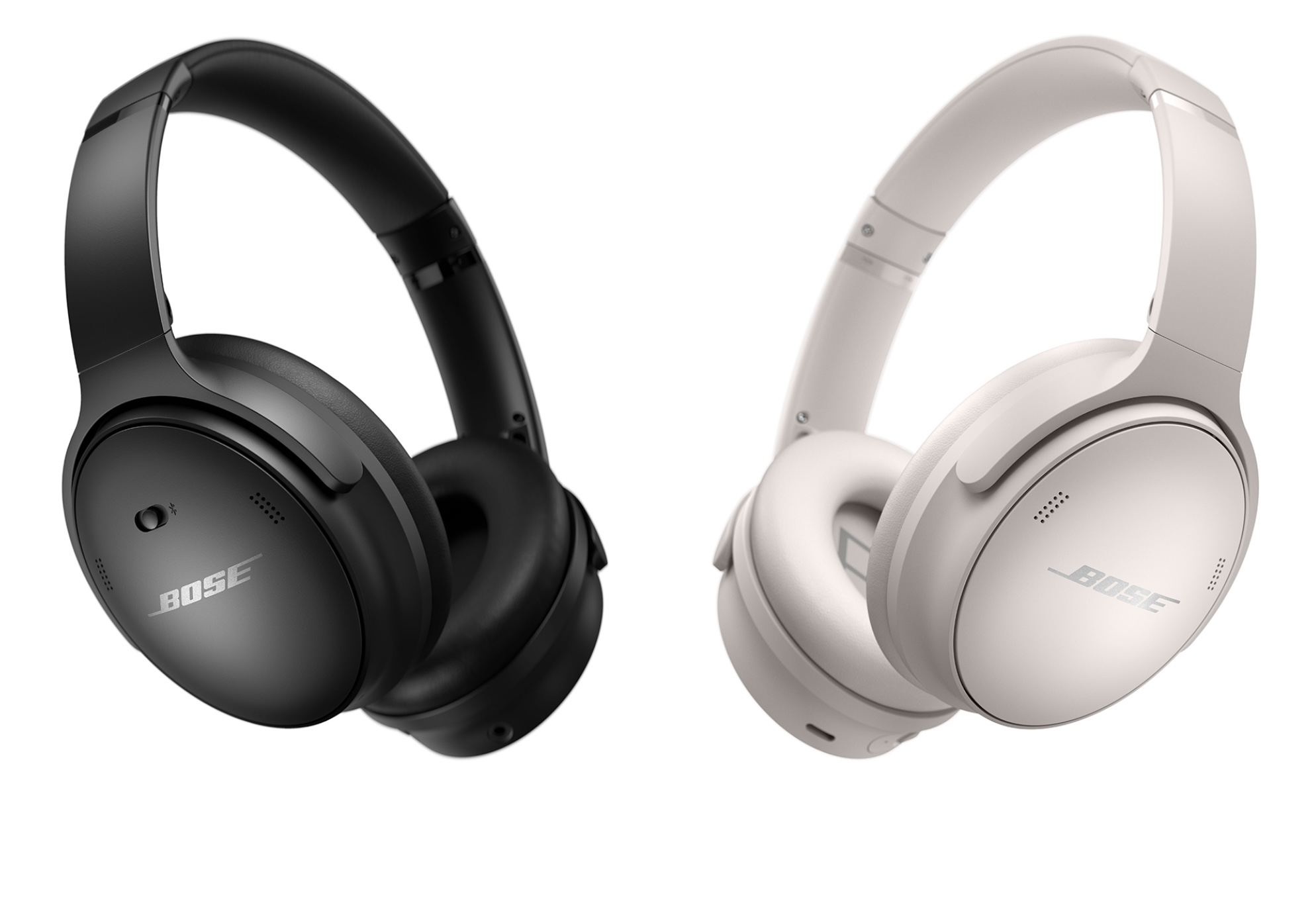
Following a spate of leaks, Bose this morning announced the latest addition to its well-loved over ear headphones. The QuietComfort 45 (which replace the 35 II) sport improved nose cancellation and 24 hours of battery on a charge, per Bose’s metrics. The air travel mainstays run $330 – coming in $20 cheaper than the QC 35’s initial asking price.

The new headphones look similar to the last few generations, mostly receiving some tweaks to make them a bit more comfortable, lighter and more compact. The headphones have two primary modes: Quiet and Aware. The former uses improved noise canceling tech to respond to ambient noise (as opposed to Bose’s older one-size-fits-all ANC). Aware, meanwhile lets sound in with a transparency mode.

Where some have switched entirely to touch panels, Bose maintains physical buttons, with four on the left ear cup for volume, power and pairing and one on the right to switch between noise canceling modes. Voice has been improved to isolate sound while using the built-in microphone for conversations.

Image Credits: Bose

The battery is rated at 24 hours of music playback, which is recharged via USB C. It takes a full two hours to go from zero to full – or you can get three hours on 15 minutes, if you’re pressed for time.

The headphone category has evolved dramatically since Bose release the first generation QuietComfort way back in 2000, It finally went fully wireless in 2016 with the QC 35. More recently, the category has gotten even more crowded courtesy of some excellent entries from the likes of Sony and Apple, but Bose remains the most iconic name in over ear headphones, particular for frequent travels.

The QC 45 maintain the company’s approach to keeping things simple. They go up for sale September 23 – perhaps we’ll all be traveling on planes again by then.

31 Aug 2021

Rattle raises $2.8M from Lightspeed and Sequoia to modernize enterprise sales stack

Tech employees build amazing consumer-facing apps for the world. But for their internal communications, they are stuck using applications that don’t play well with one another.

This is a problem since most employees at a mid-sized or large-sized firm spend a fourth or third of their days on internal communication applications.

Now a San Francisco-headquartered startup is attempting to build a software that makes it much more convenient to engage with business services.

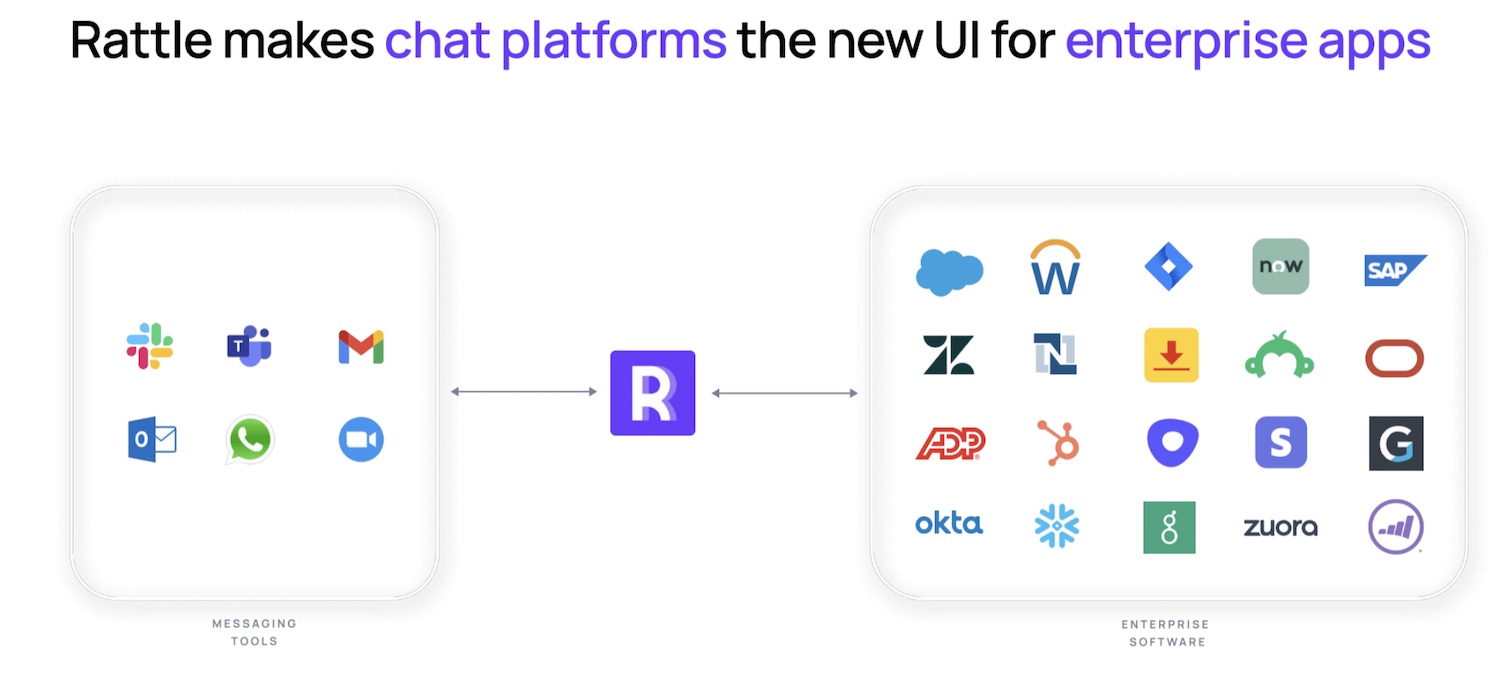
Rattle is building a real-time and collaborative “connectivity tissue” to address the siloed nature of modern record-keeping and intelligence platforms, said Sahil Aggarwal, co-founder and chief executive of the eponymous startup, in an interview with TechCrunch.

“To use Salesforce, as an example, you are using it for two things: you’re writing data into Salesforce and you’re taking data out of it,” he explained. “What Rattle does is it enables you to send all the insights from Salesforce into a messaging platform and then lets you write data from within the messaging service back into Salesforce.”

Rattle’s use case extends to even more services. It can recognize phone calls and prompt individuals to log that and pursue that opportunity on Slack.

“We started with integrating Slack and Salesforce, and now with their acquisition the idea has definitely gotten validated. It’s extremely transformational for companies,” said Aggarwal, who got the idea about this startup at his previous venture when an application he built for the internal team received great feedback.

The startup, which launched its offering in March, is already seeing over 70% conversion rate among enterprises that have given it a try. Rattle has amassed over 50 customers including Terminus, Olive, Litmus, Imply and Parsely.

After implementing Rattle “[our] lead response time has gone down by 75% and key processes have sped up from days to minutes,” said Jeff Ronaldi, GTM Ops Manager at LogDNA.

The startup announced on Tuesday that it has raised a seed round of $2.8 million from Lightspeed and Sequoia Capital India. Amy Chang (EVP at Cisco & Disney board member), Ellen Levy (early investor in Outreach), Jake Seid (early investor in Brex & Carta), and Krish & Raman (the founders of unicorn SaaS firm Chargebee) also participated in the round.

“Businesses worldwide are mired in processes – from sales to marketing, HR, IT, and more. With increased digitization and remote work, processes and adherence thereof are only going to diverge over time,” said Hemant Mohapatra, Partner at Lightspeed, in a statement. “The Rattle team impressed us by their unrelenting focus on the most important piece of this puzzle: the people caught in these processes. Rarely have we seen such intense customer love so early in a company’s life and are honored to go on this journey with Rattle together!”

The startup, which charges anywhere between $20 to $30 per user per month, plans to deploy the fresh funds to expand its product offerings including adding integration with more enterprise applications.

31 Aug 2021

NVIDIA’s latest tech makes AI voices more expressive and realistic

The voices on Amazon’s Alexa, Google Assistant and other AI assistants are far ahead of old-school GPS devices, but they still lack the rhythms, intonation and other qualities that make speech sound, well, human. NVIDIA has unveiled new research and tools that can capture those natural speech qualities by letting you train the AI system with your own voice, the company announced at the Interspeech 2021 conference.

To improve its AI voice synthesis, NVIDIA’s text-to-speech research team developed a model called RAD-TTS, a winning entry at an NAB broadcast convention competition to develop the most realistic avatar. The system allows an individual to train a text-to-speech model with their own voice, including the pacing, tonality, timbre and more.

Another RAD-TTS feature is voice conversion, which lets a user deliver one speaker’s words using another person’s voice. That interface gives fine, frame-level control over a synthesized voice’s pitch, duration and energy.

Using this technology, NVIDIA’s researchers created more conversational-sounding voice narration for its own I Am AI video series using synthesized rather than human voices. The aim was to get the narration to match the tone and style of the videos, something that hasn’t been done well in many AI narrated videos to date. The results are still a bit robotic, but better than any AI narration I’ve ever heard.

“With this interface, our video producer could record himself reading the video script, and then use the AI model to convert his speech into the female narrator’s voice. Using this baseline narration, the producer could then direct the AI like a voice actor — tweaking the synthesized speech to emphasize specific words, and modifying the pacing of the narration to better express the video’s tone,” NVIDIA wrote.

NVIDIA is distributing some of this research — optimized to run efficiently on NVIDIA GPUs, of course — to anyone who wants to try it via open source through the NVIDIA NeMo Python toolkit for GPU-accelerated conversational AI, available on the company’s NGC hub of containers and other software.

“Several of the models are trained with tens of thousands of hours of audio data on NVIDIA DGX systems. Developers can fine tune any model for their use cases, speeding up training using mixed-precision computing on NVIDIA Tensor Core GPUs,” the company wrote.

Editor’s note: This post originally appeared on Engadget.

31 Aug 2021

Octane banks $2M for flexible billing software

Software billing startup Octane announced Tuesday that it raised $2 million on a post-money valuation of $10 million to advance its pay-as-you-go billing software.

Akash Khanolkar and his co-founders met a decade ago at Carnegie Mellon University and since then went off in different directions. In Khanolkar’s case, he ran a cloud consulting business and saw how fast companies like Datadog and Snowflake were coming to market and dealing with Amazon Web Services.

He found that the commonality in all of those fast-growing companies was billing software using a pay-as-you-go business model versus the traditional flat-rate plans, Khanolkar told TechCrunch.

However, he explained that monitoring consumption means that billing becomes complicated: companies now have to track how customers are using the software per second in order to bill correctly each month.

Seeing the shift toward consumption-based billing, the co-founders came back together in June 2020 to create Octane, a metered billing system that helps vendors create a plan, monitor usage and charge in a similar way to Snowflake and AWS, Khanolkar said.

“We are API-driven, and you as a vendor will send us usage data, and on our end, we store it and then do real-time aggregations so at the end of the month, you can accordingly bill customers,” Khanolkar said. “We have seen contention between engineering and product. Engineers are there to create core plans, so we built a no-code experience for product teams to be able to create new price plans and then perform changes, like adding coupons.”

Within the global cloud billing market, which is expected to reach $6.5 billion by 2025, there are a set of Octane competitors, like Chargebee and Zuora, that Khanolkar said are tackling the subscription management side and succeeding in the past several years. Now there is a usage and consumption-based world coming and a whole new set of software businesses, like Octane, coming in to succeed there.

The new round of funding was led by Basis Set Ventures and included Dropbox co-founder Arash Ferdowsi, Github CTO Jason Warner, Fortress CTO Assunta Gaglione, Scale AI CRO Chetan Chaudhary, former Twilio executive Evan Cummack, Esteban Reyes, Abstraction Capital and Script Capital.

“With the rise of product-led growth and usage-based pricing models, usage-based billing is a critical and foundational piece of infrastructure that has been simply missing,” said Chang Xu, partner at Basis Set Ventures, via email. “At the same time, it’s something that every department cares about as it’s your revenue. Many later-stage companies we talk to that have built this in-house talk about the ongoing maintenance costs and wishes that there is a vendor they can outsource it to.”

We are super impressed with the Octane team with their dedication to building a best-in-class and robust usage-based billing solution. They’ve validated this opportunity by talking to lots of engineering teams so they can solve for all the edge cases, which is important in something as mission critical as billing. We are convinced that Octane will become an inevitable part of the tech infrastructure.”

The new funding will go primarily toward hiring engineers, as well as product, marketing and sales staff. Octane currently has seven employees, and Khanolkar expects to be around 10 by the end of the year.

The company is working with a large range of companies, primarily focused on infrastructure and the depth gauge industries. Octane is also seeing some unique use cases emerge, like a construction company using the usage meter to track the hours an employee works and companies in electric charging using the meter for those purposes.

“We didn’t envision construction guys using it, but in theory, it could be used by any company that tracks time — even legal,” Khanolkar added.

He declined to speak about the company’s revenue, but did say it now had two to three years of runway.

Up next, the company plans to roll out new features like price experimentation based on usage to help customers better make decisions on how to price their software, another problem Khanolkar sees happening. It will build ways that customers can try different plans against usage data to validate which one works the best.

“We are still in the early innings of consumption-based models, but we see more end users opting to go with an enterprise that wants to let them try out the software and then pay as they go,” he added.

31 Aug 2021

Windows 11 launches October 5

Microsoft offered a broad “Holiday 2021” release date when it announced Windows 11, back in June. Of course, it didn’t specify precisely which holiday. Perhaps the company was aiming for World Teachers’ Day, a belated Sukkot or an extremely early Halloween. After strongly implying a late-October release a few months back (which some pointing to the 20th), the company this morning announced that the operating system is set to arrive October 5.

The date is, undoubtedly, on the early side of Microsoft’s release window. The first major release since 2015 will be available as a free upgrade to users with an eligible PC running Windows 10. October 5 will also see the availability of the first systems shipping with Windows 11 preloaded.

windows 11 desktop

Image Credits: Microsoft

Frederic wrote up the first preview build when it became available through the Windows Insider Dev Channel. He noted at the time, “This is definitely more than just another bi-annual Windows 10 update with a few minor UI changes.”

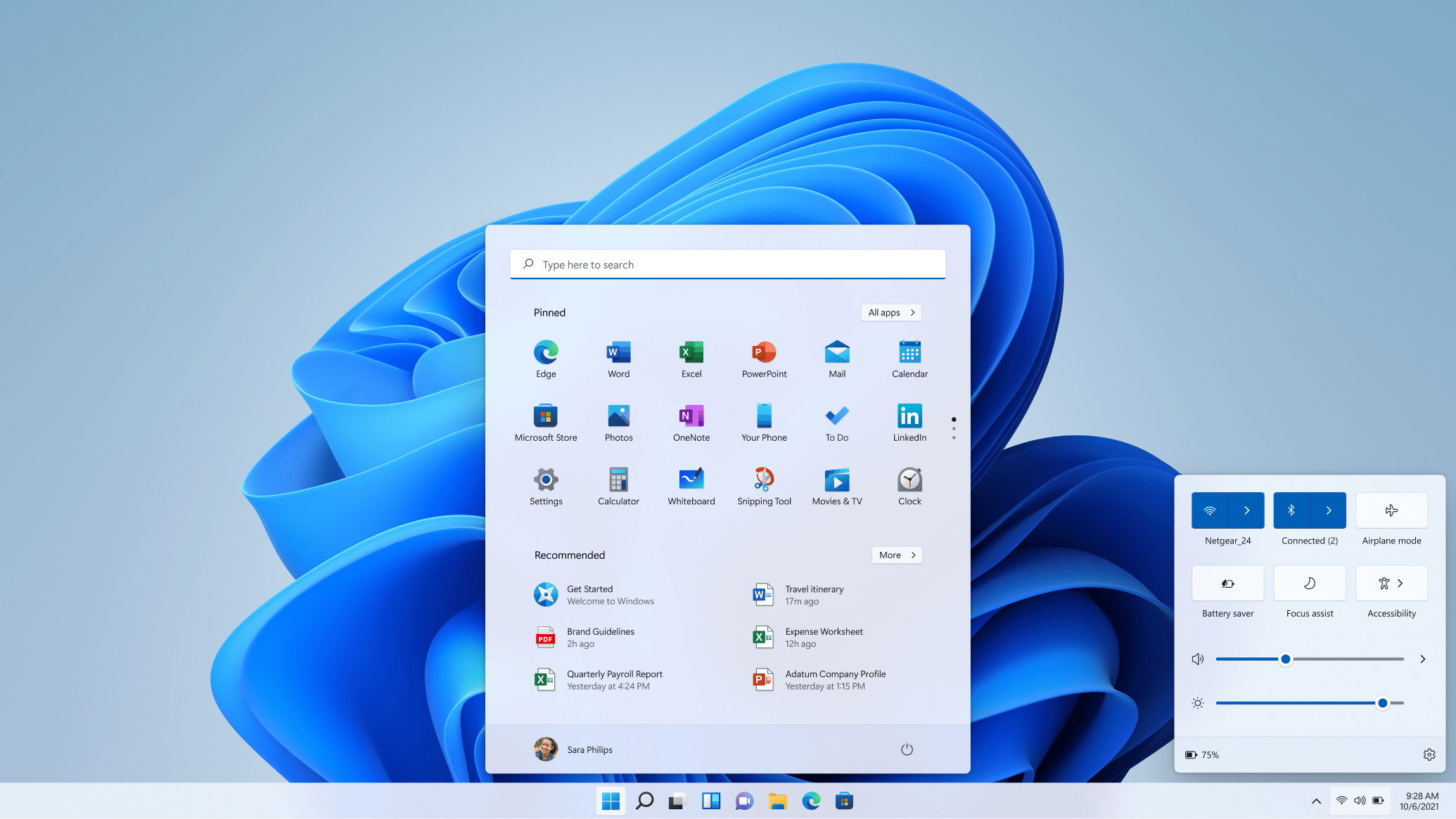
Indeed, the company fittingly offers an 11 point blog post highlighting the major changes that will arrive in the October update. The first – and most immediately apparent – is one that has been around since that earliest preview build. The operating system’s design has been refreshed for a cleaner feel throughout.

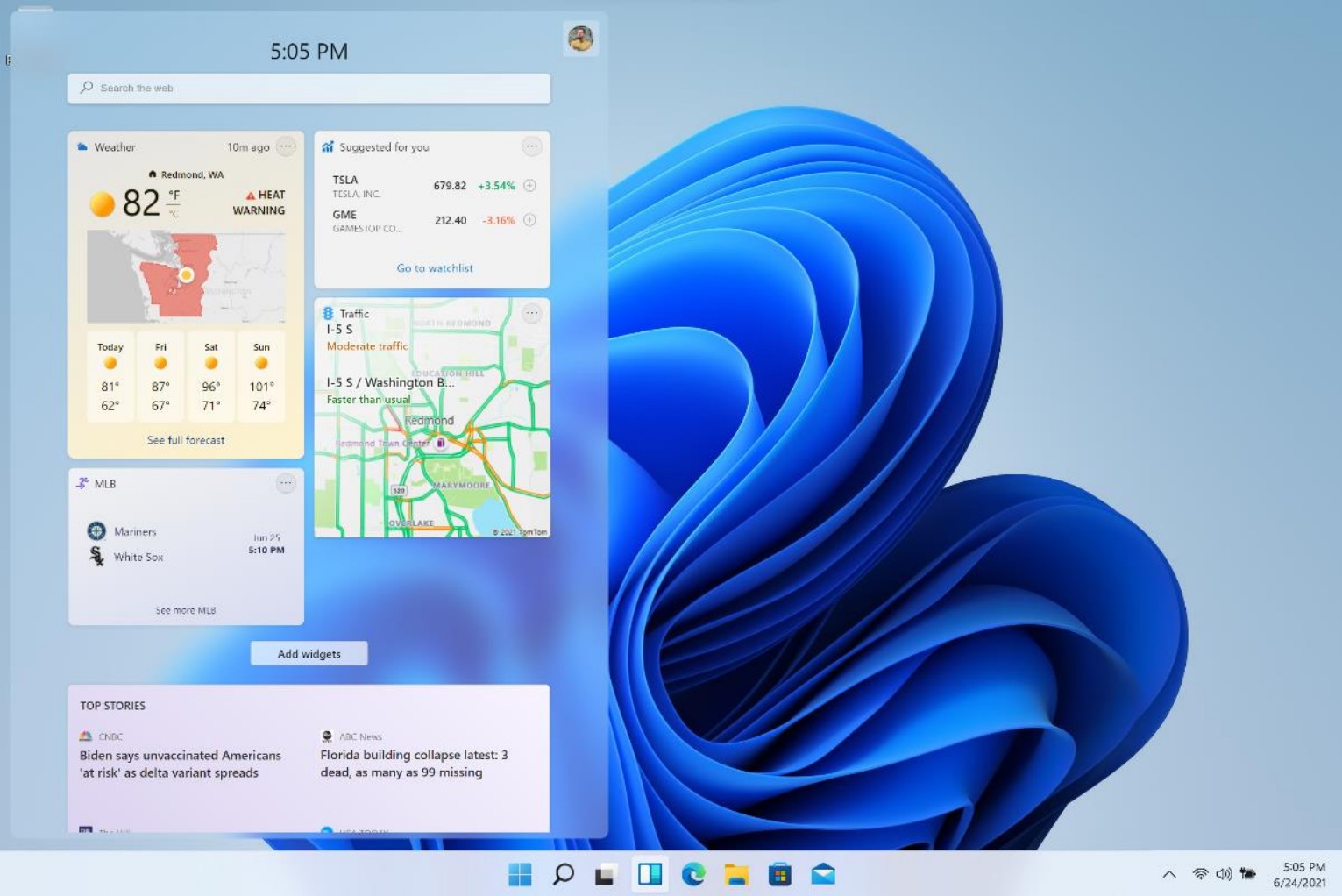
That includes new Snap Layouts, Groups and Desktops designed to offer a more organized approach to multitasking. A number of the company’s online services have been more deeply integrated into the OS. Microsoft 365 is built into the Start menu, offering up access to recently viewed files, for more cross-platform integration. Teams, meanwhile, has been added to the taskbar (Microsoft really wants you to use Teams, folks). You’ll find Widgets there, as well, with quick access to information like news, weather, sports and stocks.

There are a range of accessibility updates. In a lengthy post from July, Microsoft highlights those updates, noting, “Accessible technology is a fundamental building block that can unlock opportunities in every part of society. A more accessible Windows experience has the power to help tackle the “disability divide” — to contribute to more education and employment opportunities for people with disabilities across the world.

The Microsoft Store get a design upgrade, as well, and the company has promised more access for independent developers to create new tools for the operating system. The new version of Windows continues to offer a focus on desktop gaming, with features like e DirectX12 Ultimate, DirectStorage and Auto HDR.

Windows 11 widgets

Image Credits: Microsoft

There’s been some confusion around what, precisely, all of this means for unsupported machines of late – as well, as, frankly, which machines qualify as supported. It was reported earlier this week that those systems that don’t fall within Microsoft’s parameters won’t get Windows Update when the new operating system is installed manually. That’s obviously a massive bummer, given that the utility deliveries security patches and other updates.

“The free upgrade to Windows 11 starts on October 5 and will be phased and measured with a focus on quality,” the company writes in this morning’s post. “Following the tremendous learnings from Windows 10, we want to make sure we’re providing you with the best possible experience. That means new eligible devices will be offered the upgrade first. The upgrade will then roll out over time to in-market devices based on intelligence models that consider hardware eligibility, reliability metrics, age of device and other factors that impact the upgrade experience.”

The company says it expects all qualified machines will be offered the upgrade by some point in mid-2022. For those systems that aren’t upgraded, Microsoft says it will continue supporting Windows 10 through October 14, 2025.

31 Aug 2021

Quip’s new $100M round will usher in more than just clean teeth

Quip is on a mission to be the go-to platform for both personal and professional oral care, and a new $100 million cash infusion is giving the New York-based company fuel to do it.

The new round from Cowen Sustainable Investments (CSI), labeled a Series B, follows the company reaching profitability in April 2020 and gives Quip more than $160 million in total funding since the company was founded in 2015. Its last publicly announced raise was $40 million in 2018. The company showcased its service at TechCrunch Disrupt NY’s Startup Alley in 2015.

At that time, Quip was best known as a subscription-based toothbrush replacement service, but over the years has steadily taken on more of the $435 billion global oral healthcare market by adding other products like flossers, mouthwash, gum, smart electric toothbrushes and, most recently, a virtual orthodontist-enabled clear aligner service launched in April.

Company co-founder and CEO Simon Enever told TechCrunch that its long-term vision is to “build a lasting global business in the oral care category, and it is important to keep the business on the right scale.” Quip is focused on growth, innovation and community building among its over 7.5 million customers in 100 countries.

“The timing of this round, and raising such a significant round, was deliberate and strategic,” he added. “We wanted to prove a couple of things: that we create a high-profile, profitable core business that people know today, aligning the first pieces of the pie on our oral care app and then services, such as the clear aligner that we launched a couple of months ago.”

When Quip first launched and received funding six years ago, there were very few oral care startups and not much funding going into the space, Enever said. In fact, that was what led him to start the company in the first place — a dental visit eight years ago where he learned how little investment was being made to improve the space. Since then, more startups are innovating dental care and there is investment in both the personal care side and professional, especially in sub areas like orthodontics and appointment bookings, which Quip is working on, he added.

The new funding will enable the company to further scale its personal care platform, which already has over 7.5 million users, and continue to connect them with a network of more than 50,000 dental professionals. It will also go into new verticals, expand its global footprint and roll out new features to its oral care companion mobile app.

Quip expects to reach over 1 million app users in 2022, Enever said. New features will complement the company’s mission to track oral habits, coaching and health monitoring. Members can then earn points by improving their habits and health and redeem them for products and discounts from Quip and other partners.

Enever also plans to double Quip’s 200-person team (located in New York and Salt Lake City) by the end of 2022.

“We had an amazing lean and driven team that has gotten us to the point where we are at now, and we are excited to scale that and have more support to take things to the next level,” he added. “It is incredible to watch the team. In the past few years, they hit their goals and launched four brand new personal care product lines, rolled out in Walmart and helped us become profitable. It has been amazing to watch the team despite the pandemic.”

Retail sales are up more than 100% compared to last year, according to the company. In addition to going into Walmart, the company’s products are also in Target, giving it over 10,000 retail locations.

As part of the investment, Artem Mariychin, managing director at CSI, is joining the company’s board. CSI, an environmental sustainability focused growth investment strategy, looks for companies having a positive impact on the world’s environment, like addressing waste, which was one of the attractions to Quip, he said.

The company estimated over 100 million single-use plastic components were diverted from landfills through its paper packaging and refillable products recycling program. It aims to reach over 1 million pounds of plastic reduction or diversion in the next 12 months.

Mariychin was also attracted to Quip’s growth versus other consumer companies and its ability to be capital efficient and also consumer-centric, something he said was unique in the oral care business.

“They aren’t expensive, but they are high-quality and solve consumer needs and pain points,” he said. “Simon’s origin was to improve brushing outcomes — only 50% of people brush twice a day now. However, with the brush built, they looked at what else they can do and expanded into the floss pick and mouthwash. What is impressive is that subscribers are now purchasing other products. Quip is now expanding into other parts of dental, like the liners, and that is atypical of others in e-commerce.”

31 Aug 2021

Sales experience platform Walnut raises $15M to improve product demonstrations

Walnut raised $15 million in Series A funding, led by Eight Roads Ventures, to continue developing its sales experience platform.

Founders Yoav Vilner and Danni Friedland started the company in July 2020. Vilner told TechCrunch the company is building a category called technology marketing in Israel. While the founder of another company that did marketing for hundreds of companies, he realized that company sales people often ran into problems when it was time to demonstrate their product — the product would break, or they would have to ask another department to open something or add a feature, none of which happened instantaneously, Vilner added.

He and Friedland’s answer to the problem is a no-code platform for teams to create customized product demonstrations quickly, be able to integrate them into their sales and marketing processes and then generate insights from the demos.

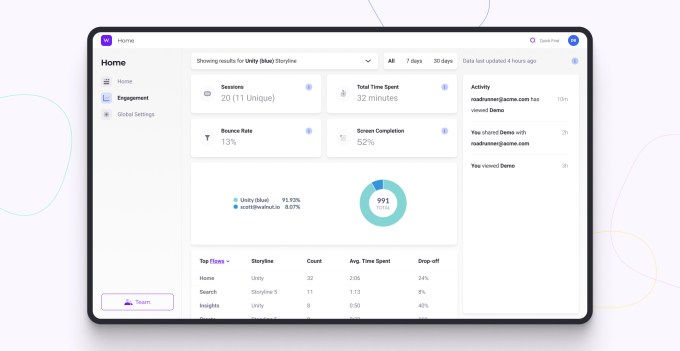
Walnut engagement example. Image Credits: Walnut

“We let the sales and marketing teams replicate the SaaS product in our cloud environment, which is disconnected from the back end,” Vilner explained. “They can create a storyline to fit their customer and the demonstration, and then following the demo, sales leaders can get insight on what was good or bad. It encourages the sharing of knowledge and what story worked best for which kind of company.”

The company’s latest round gives it $21 million raised to date, and follows a $6 million seed round that included NFX, A Capital, Liquid2 Ventures and Graph Ventures, Vilner said.

Walnut serves over 60 business-to-business clients, including Adobe, NetApp, Varonis and People AI. In addition to Tel Aviv, the company has offices in New York and London.

Vilner intends to use the new funding to grow the team across the U.S, Europe and Israel and continue developing its technology and platform, including tools to embed demos into a website for product-led growth. He also expects to double the team of 25 over the next year.

Eyal Rabinovich, an investor at Eight Roads Ventures, said his brother is a Walnut customer, and the company fits with one of the firm’s theses around broad vertically integrated brands in SaaS and deep technology.

Rabinovich was tracking the sales enablement space for a while and said many companies claim to provide something unique, but it is usually workflow and processes. In Walnut’s case, it is solving something at the core of sales.

“They make everything measurable, and the ‘holy grail’ is conversion, and even just 1% conversion could mean millions of dollars,” he added. “Every company we spoke to wanted to use this product. Customers were telling us they closed the sales cycle within two weeks.”


31 Aug 2021

Spotify officially launches Blend, allowing friends to match their musical tastes and make playlists together

Spotify today is officially rolling out its shared playlist feature called Blend to global users, with a few changes. Earlier this summer, Spotify had first launched the new shared playlist experience into beta testing. The feature, which allows two people to combine their favorite songs into one shared playlist, uses the same music mixing technology that powers other multi-person playlists like Spotify’s Family Mix and Duo Mix. However, Blend allows any Spotify user, including both free users and paid subscribers, to merge their musical tastes, too.

The feature has been further developed since its beta release, Spotify says.

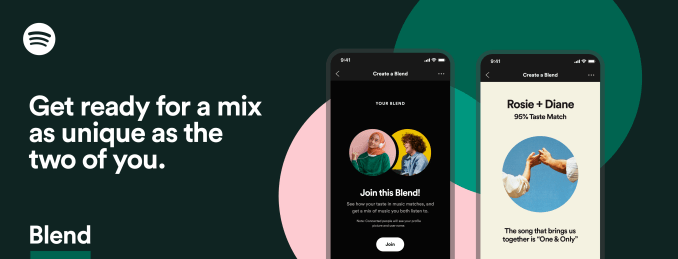
Now, users who create a Blend (aka their shared playlist) will get something called a “taste match score” that shows them how similar or different their listening preferences are, when compared with their friends. After the Blend is created for the first time, this taste match score is demonstrated as a percentage and will be accompanied by text that tells users which song brings them together.

Blends will also feature new cover art to help users find their playlists more easily.

Premium subscribers will get an extra perk, as well. On their version of a Blend, listeners will be able to see which of the user’s preferences contributed to each song on the playlist.

Spotify says during tests of Blend, Olivia Rodrigo took the top spot for the most-streamed artist on Blend playlists, followed by others like Doja Cat, Taylor Swift, The Weeknd, and Lil Nas X.

The feature isn’t only meant to be serve a fun addition to Spotify. It’s also a user acquisition strategy. Since free users are able to create or join a Blend, the feature can serve as a way to entice someone to join Spotify for the first time — even if they currently don’t pay for music, or if they subscribe to a rival service. But once they’re in Spotify’s app, they may decide to stay, the thinking goes.

Blend was announced in June alongside a new in-app experience called Only You, which focuses on your favorite music and how you listen — sort of like a mid-year version of Spotify’s popular annual retrospective, Spotify Wrapped. Like Only You, Blend includes support for social sharing. Users will be able to share Blend’s “data stories” across their social channels. This is the screen that pops up immediately after a Blend is created, but can also be accessed from any time within the Blend playlist itself.

Spotify’s bigger message with features like this, which are released at a fairly steady cadence, is about conveying to users and competitors alike that’s it’s further ahead when it comes to personalization technology. Even though rivals now dupe Spotify’s ideas for playlists, the company tends to have something new to release shortly after, whether that’s Only You, or a playlist aimed at commuters, those for the gym, or a collection of new mixes based on artists, genres and decades.

You can access Blend from the Made for You hub on Spotify’s mobile app. To get started, you’ll click “Create Blend” then “invite” to select a friend to join your Blend. When the friend accepts, Spotify will create the cover art, tracklists and display your taste match score. You can then click “Share this Story” to post your data story to your social networks.

Blend will begin rolling out to all users worldwide, starting today. Large-scale rollouts can take time, so you don’t see it immediately, just check back later.