Author: azeeadmin

14 Feb 2019

Tesla ‘Dog mode’ and ‘Sentry mode’ are now live to guard your car and pets

Tesla has officially released two features for its electric vehicles aimed at protecting what owners love: their car and pets, as the company looks to leverage its ability to deliver a continuous stream of new capabilities via over-the-air software updates.

Tesla CEO Elon Musk has been tweeting about these two features, known as Dog mode and Sentry mode for weeks. And now, they’re here for electric vehicles equipped with Enhanced Autopilot and built after August 2017.

Dog mode is meant to accomplish two things: keep dogs, or perhaps a hamster or cat, in a climate-controlled environment, if left unattended in a vehicle, and let passersby know their status.

This should be confused with Tesla’s Cabin Overheat Prevention feature, which when active, “prevents the interior temperature from exceeding 105F/40C for up to 12 hours after you exit your vehicle.”

Dog Mode does — and should — allow for owners to adjust the temperature because cabin overheat protection shouldn’t be used if anyone is in the car — kids or pets.

To enable Dog Mode, owners tap the fan icon at the bottom of the touchscreen when their car is parked. Owners push “Keep Climate On to DOG, and then make adjustments within temperature limits. “Dog Mode will stay on after you leave your car. If you your battery reaches less than 20% charge, you will receive a notification on your mobile app,” according to the software update information.

The screen display is also new. In the video below, the screen shows the interior temperature of the vehicle and a message that reads “my owner will be back soon.”

Depending on state and local laws, it doesn’t matter if a dog is sitting in an air conditioned environment. And the feature could be abused or simply misused. Leaving animals unattended in vehicles for extended periods of time, even with the temperature controlled, is never a great idea, particularly in certain environments and seasons.

Sentry mode is a bit more involved. Tesla said in a blog post Wednesday that “Sentry mode” will continuously monitor the environment around a car when it’s left unattended.

When enabled, Sentry Mode enters a “Standby” state, like many home alarm systems, which uses the car’s external cameras to detect potential threats. If a minimal threat is detected, such as someone leaning on a car, Sentry Mode switches to an “Alert” state and displays a message on the touchscreen warning that its cameras are recording.

If a more severe threat is detected, such as someone breaking a window, Sentry Mode switches to an “Alarm” state, which activates the car alarm, increases the brightness of the center display, and plays music at maximum volume from the car’s audio system.

Owners will receive an alert on their Tesla app if the car switches to “alarm state,” according to the company. And because sentry mode taps into the built-in forward-facing cameras as a dash cam, owners can download a video recording of an incident. The downloadable recording begins 10 minutes prior to the time a threat was detected, Tesla said.

Sentry mode is rolling out Wednesday to U.S. Model 3 vehicles, followed by Model S and Model X vehicles that were built after August 2017.

In October, Tesla released version 9.0 of its software, which featured a number of updates, including a new UI on the center display and the ability to use the forward-facing camera. The dash cam feature is available only in Tesla vehicles built after August 2017.

14 Feb 2019

China’s Alipay digital wallet is entering 7,000 Walgreens stores

China’s payments heavyweights have been following tourists abroad as their home market gets crowded. Ant Financial, Alibaba’s financial affiliate with a said valuation of $100 billion, now sees its virtual wallet Alipay handling transactions at 3,000 Walgreens stores in the U.S. and is eyeing to reach 7,000 locations by April.

The alliance will make it breezier for Chinese tourists eager to pick up vitamin supplements and cosmetics from the pharmacy giant, doing away the hassle of carrying cash around. There’s also an economic incentive as Alipay and its payments peers typically charge lower foreign transaction fees than credit card firms.

Walgreens products are already available to Chinese shoppers through Alibaba’s Tmall online marketplace, which connects customers to brands. It competes with JD.com to bring high-quality overseas products to the country’s increasingly demanding consumers.

According to a Nielsen report released last year, more than 90 percent Chinese tourists said they would use mobile payment overseas if given the option. Digital payments have become a norm in China’s urban centers and top policymakers are planning to replicate that cashless ubiquity among rural villagers by 2020, announced a set of new guidelines this week.

Ant Financial is continuing its aggression in North America despite a major fiasco last year when the U.S. government killed its $1.2 billion plan to buy money transfer firm MoneyGram, a deal that could boost Ant’s global remittance capability. Within the American borders, Ant has tapped into the roster of retailers controlled by its partners. By March last year, Alipay was accepting money across 35,000 merchants through its tie-up with local payments processor First Data.

Digital payments are especially popular with first-time outbound tourists, many of whom hail from smaller Chinese cities and may not own international credit cards. According to a recent report published by Ant, the number of people from third-and-fourth-tier cities who used Alipay abroad was up 230 percent during this past Lunar New Year.

“This really highlights how mobile payment is taking root in China’s outbound tourism market,” said Janice Chen, head of the business operation for Alipay’s cross-border unit. Overseas usage from travellers born between 1960 and 1979 similarly saw robust growth last week.

Alipay’s big push into North American also includes its foray into Canada. In one instance, diners in Vancouver, Calgary and Edmonton — destinations that draw a lot of Chinese tourist and students — can now use Alipay to order food and skip restaurant lines. The setup comes from a deal between Ant Financial and Canadian food startup ClickDishes.

Alipay’s archrival WeChat Pay has also flexed its muscles overseas. To chase after Chinese tourists, the Tencent-owned wallet recently pushed into Japan through a partnership with chat app Line. In Hong Kong and Malaysia, WeChat has attempted to get a slice of the local payments market by running localized versions of the wallet and luring users with money. During Lunar New Year, WeChat Pay shelled out millions of digital hongbao — red packets filled with cash traditionally handed out during the festive period — to users in these two regions.

14 Feb 2019

CEO of Rappler, a media company critical of the Philippines government, is arrested

There’s serious concern around press freedom in the Philippines after Maria Ressa, the CEO of independent media company Rappler, was arrested last night.

Ressa, who was CNN’s bureau chief in Manila and then Jakarta prior to starting Rappler in 2011, was arrested on cyber libel security charges for an article published in 2012, according to Rappler. The article in question centers around alleged links between Supreme Court Justice Renato Corona and wealthy businessmen around the time of his impeachment.

Wilfredo Keng, a Chinese-born Filipino named in the article, filed a lawsuit in protest at reports that he lent the justice a vehicle and allegations linking him to illegal activities. The National Bureau of Investigation last year concluded it had grounds to file a criminal complaint around the libel claim. That’s despite the fact that the law used to prosecute Rappler and Ressa was passed months after the story was published.

Rappler reports that Ressa, a Time Person Of The Year, was denied bail and spent the night in prison.

Rappler has made its name for its forward-thinking digital-first reporting but also, in no small way, for reporting criticism of controversial President Rodrigo Duterte. Elected in 2016, Duterte has made international headlines for policies that include a violent war on drugs while his diplomatic controversies have included homophobic slurs against diplomats and calling then U.S. President Barack Obama a “son of a whore.”

Duterte has clashed with Rappler regularly. He has accused it of being funded by the CIA and regularly referred to its reporting as ‘fake news’, while Ressa has regularly spoken out against the President in international circles. In a 2016 Bloomberg interview, she detailed how the Duterte administration had turned Facebook into a “weapon” and utilized “patriotic trolling” to silence critics online.

This is far from the first threat to Rappler’s business. Last year, the Philippines’ Securities and Exchange Commission (SEC) revoked its registration for an alleged breach of the country’s constitution.

The SEC’s issue centered around the ownership of Rappler. The company has taken investment from Omidyar Network, the philanthropic fund from former eBay founder Pierre Omidyar, and North America-based media fund North Bridge Media, which counts Quora and Disqus among its portfolio.

Philippines law forbids any overseas ownership of media companies, but Rappler claims its investors used a Philippine Depositary Receipt (PDR) to invest. PDRs don’t provide voting equity or board membership, making them a vehicle for media investments in the country. National broadcaster ABS -CBN is among others to have used them.

There’s plenty of cause for concern over media freedom in Southeast Asia. Two Reuters reporters in Myanmar were arrested in December 2017 and later sentenced to seven years in jail for handling state secrets. The duo, Wa Lone and Kyaw Soe Oo, published an investigation that exposed the execution of 10 Rohingya men by Buddhist villagers and members of the national army.

14 Feb 2019

Indonesia-focused Intudo Ventures raises new $50M fund

Intudo Ventures, a VC firm focused on Indonesia, has closed a new $50 million fund. This is Intudo’s second fund to date following its $20 million debut last year.

The firm is a relative newcomer to Southeast Asia but a key differentiator is that it is solely focused on Indonesia, which is the world’s fourth most populated country with over 260 million people and the region’s largest economy.

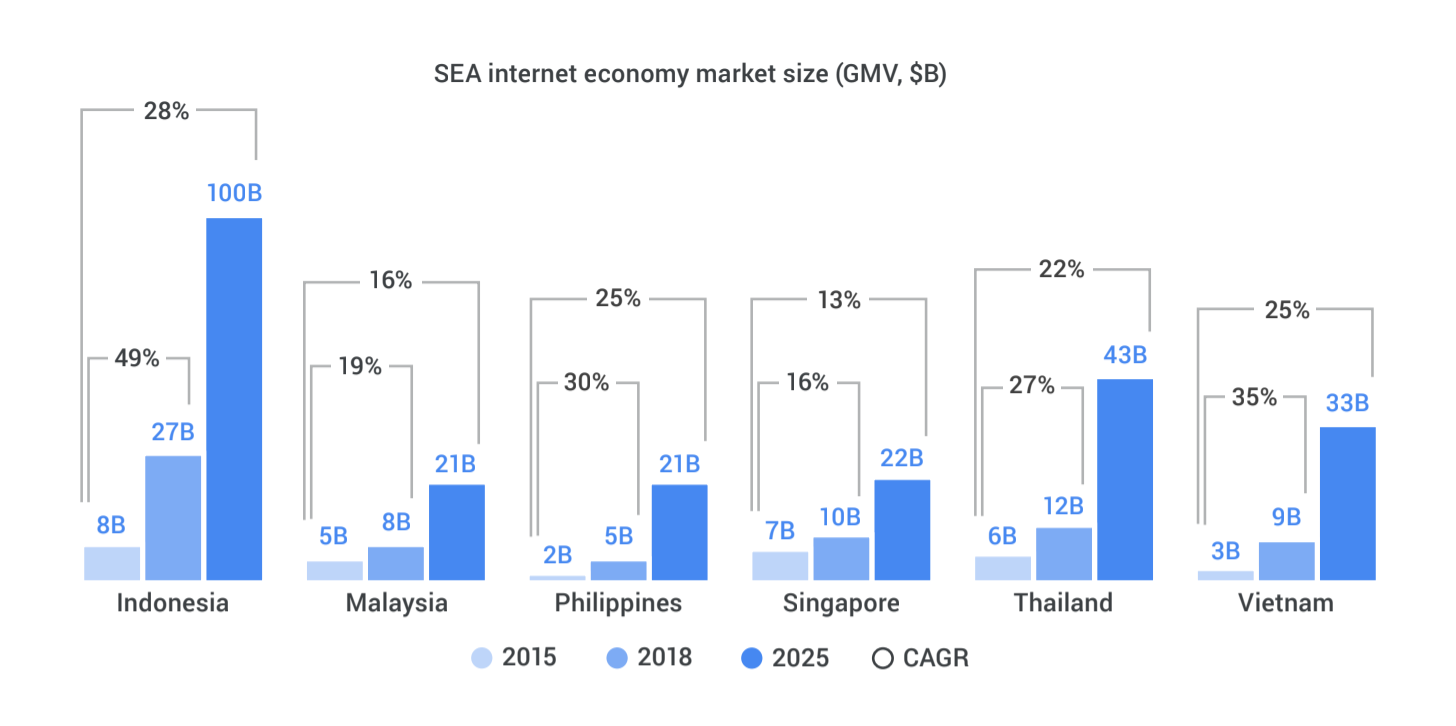
It is also the dominant market for tech and the internet in the region. According to a much-cited report from Google and Singapore sovereign fund Temasek, Indonesia’s online economy will grow to $100 billion by 2025 from $8 billion in 2015. That’s a dominant chunk of the Southeast Asia market, which is predicted to reach $240 billion as a whole.

A Google-Temasek report forecasts significant growth across Southeast Asia, with Indonesia taking the lead

Another factor that separates Intudo from other firms is its approach to working with local partners. Most VC firms in Southeast Asia tend to source their LPs from Singapore, West Asia and China with a smattering of local families or conglomerates who wield influence on the ground in markets. In Indonesia, Intudo claims to have over 20 families among its LP base, as opposed to the conventional approach of two or three.

However, founding partners Eddy Chan and Patrick Yip told TechCrunch that the majority of its capital comes from U.S-based LPs, with no investor providing more than 10 percent of the fund’s capital. Some of its overseas backers include Founders Fund, the family office of former Walgreens CEO Greg Wasson, Japan’s World Innovation Lab and Taiwan’s CTBC Group, according to the partners.

“Indonesia is a market we feel is dominated by about 100 core families, we are back by 20-some of the most influential groups in the market,” Chan said in an interview.

The goal is to help Intudo’s portfolio companies tap into opportunities from those LPs and their business holdings.

“When we sign up LPs, first and foremost we want to be able to engage the network and resources for the startup we invest into. We find a fit and hopefully provide some kind of unfair advantage… a leg up when they want to compete,” Chan explained.

“We’re not biased to any one family, we invest in a purely financially-driven manner,” added Yip.

Intudo Ventures’ founding partners Eddy Chan and Patrick Yip

Yip provides the on-the-ground presence having returned to Indonesia from the U.S. 15 years ago. Chan is in the U.S. for eight months a year, he said, where he spends much of his time seeking out Indonesia talent studying in the U.S. for prospective hiring or incubating new projects.

“We have a long-term view that we either place them in our portfolio, found companies with them or put them in with a Bain, or McKinsey type company,” Chan explained.

Yip formerly operated an investment firm associated with Goldman Sachs and spent time at retail giant CP, Chan, meanwhile has spent time as an investor and co-founded smart light company Leeo before leaving in 2015 following a restructuring.

The fund itself is focused on Series A and pre-A with some Series B with an initial investment of $500,000-$5 million with more for follow-on rounds, the partners explained. But the focus is on doubling down on a few prospects, with the fund slated to do around 12-15 deals through its lifecycle.

Chan said that when it comes to going beyond the fund’s deal range the thesis is to involve its LPs who, he claimed, are keen to invest in Indonesia further down the line. With just a year since Intudo’s debut fund closed that theory has not been tested yet although one early bet, BeliMobilGue just raised a $10 million Series A. Others in the portfolio include co-working venture CoHive, payment gateway company Xendit and fitness startup Ride Jakarta.

For now, at least, Intudo intends to remain laser-focused on Indonesia.

“Down the road will we add other countries? Time will tell,” Chan said. “This is our bread and butter and where we’re strong and what we have committed to for our LPs.”

14 Feb 2019

Facebook mulled multi-billion-dollar acquisition of gaming giant Unity, book claims

Less than a year after making a $3 billion investment into the future of virtual reality with the purchase of Oculus VR, Facebook CEO Mark Zuckerberg was considering another multi-billion-dollar bet to ensure that his company dominated the VR platform, buying Unity, the popular game engine that’s used to build half of all gaming titles.

This claim is made in a new book coming out next week, “The History of the Future,” by Blake Harris, which digs deep into the founding story of Oculus and the drama surrounding the Facebook acquisition, subsequent lawsuits, and personal politics of founder Palmer Luckey.

In the early days while he was writing the book, Harris worked closely with the Facebook PR team and was granted regular interviews with key execs before, as he puts it, his “access came to an end.” Harris claims that through reporting out the book, he had gained access to more than 25,000 documents from sources, including a nearly 2,500-word email sent by Mark Zuckerberg to then-Oculus CEO Brendan Iribe, Sheryl Sandberg and a half-dozen other Facebook leaders detailing his interest in buying Unity. TechCrunch has not independently verified the contents of the email.

The email, dated June 22, 2015, lays out an argument for further prioritizing AR/VR and buying the game engine company. The proposed deal,  codenamed “One” according to the book, would have brought one of the world’s most recognizable game developer tool startups into the fold of the internet giant bent on bringing consumers onboard its upcoming VR platform as it looked to ward off competition from other tech giants.

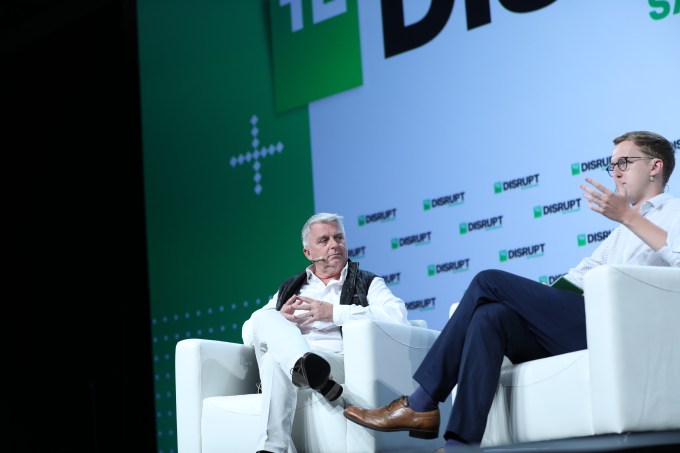
Unity CEO John Riccitiello

The potential deal obviously did not end up going through, and since 2015, Unity has raised nearly $600 million on a valuation north of $3 billion. A report from Cheddar earlier this week noted the company was setting its sights on a 2020 IPO.

Nevertheless, the email seems to offer rare perspectives into Zuckerberg’s thoughts on virtual reality and Facebook’s competitive footing. Though only parts are referenced in the book, Harris has sent TechCrunch the full email embedded below:

2015 06 22 MARK’S VISION by on Scribd

“We are vulnerable on mobile to Google and Apple because they make major mobile platforms,” the email reads. “From a timing perspective, we are better off the sooner the next platform becomes ubiquitous and the shorter the time we exist in a primarily mobile world dominated by Google and Apple. The shorter this time, the less our community is vulnerable to the actions of others. Therefore, our goal is not only to win in VR / AR, but also to accelerate its arrival. This is part of my rationale for acquiring companies and increasing investment in them sooner rather than waiting until later to derisk them further.”

Beyond staking a claim on the VR platform, Zuckerberg also frames an argument for owning Unity as a means of pushing competitors to support Facebook’s other platform services.

“If we own Unity, then Android, Windows and iOS will all need us to support them on [sic] larger portions of their ecosystems won’t work. While we wouldn’t reject them outright, we will have options for how deeply we support them,” Zuckerberg continues. “On the flip side, if someone else buys Unity or the leader in any core technology component of this new ecosystem, we risk being taken out of the market completely if that acquirer is hostile and decides not to support us.”

Though, again, a Unity deal never came to fruition, Zuckerberg seems to be strongly in favor of the deal going through — though he notes there are clear challenges that could leave their efforts bungled.

“Going back to the question of whether it is worth investing billions of dollars into Unity and other core technology over the next decade, the most difficult aspect to evaluate is that we cannot definitively say that if we do X, we will succeed. There are many major pieces of this ecosystem to assemble and many different ways we could be hobbled. All we know is that this improves our chances to build something great.

“Given the overall opportunity of strengthening our position in the next major wave of computing, I think it’s a clear call to do everything we can to increase our chances. A few billion dollars is expensive, but we can afford it.”

Facebook did not comment on the email to TechCrunch. A spokesperson, however, did send along a statement about the book: “The book doesn’t get everything right, but what we hope people remember is the future of VR will not be defined by one company, one team, or even one person. This industry was built by a community of pioneers who believed in VR against all odds and that’s the history we celebrate.”

13 Feb 2019

Nintendo makes the old new again with Mario, Zelda, Tetris titles for Switch

The afternoon brought an eventful series of announcements from Nintendo in one of its Direct video promos, and 2019 is looking to be a banner year for the Switch. Here’s everything the company announced, from Super Mario Maker 2 to the unexpected remake of Game Boy classic Link’s Awakening.

The stream cold opened with a look at the new Mario Maker, which would honestly be enough announcement for one day. But boy did they have more up their sleeves.

First the actually new stuff:

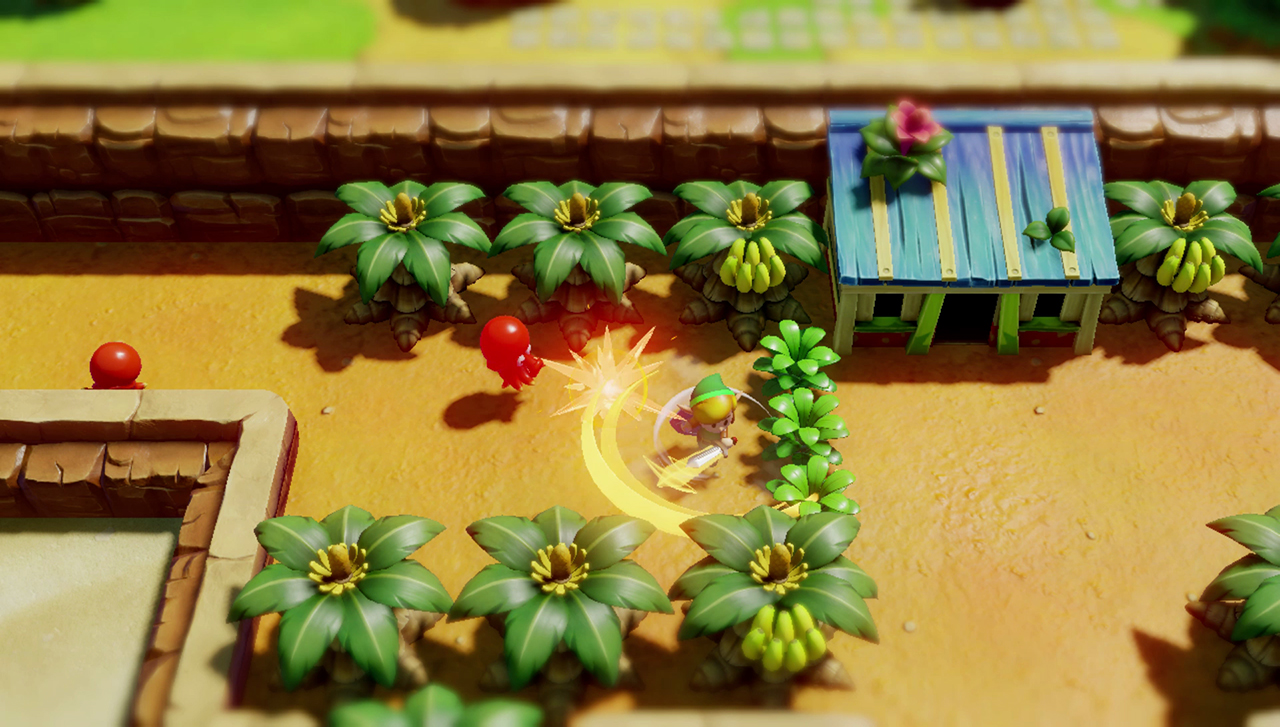
Shown last but likely to garner the bulk of the internet’s response is the remake of Link’s Awakening, which came out more than a quarter of a century ago on Game Boy. I admit to never finishing this but I loved the feel of it, so I’m dying to play this new tilt-shifted, perspective-switching 3D version.

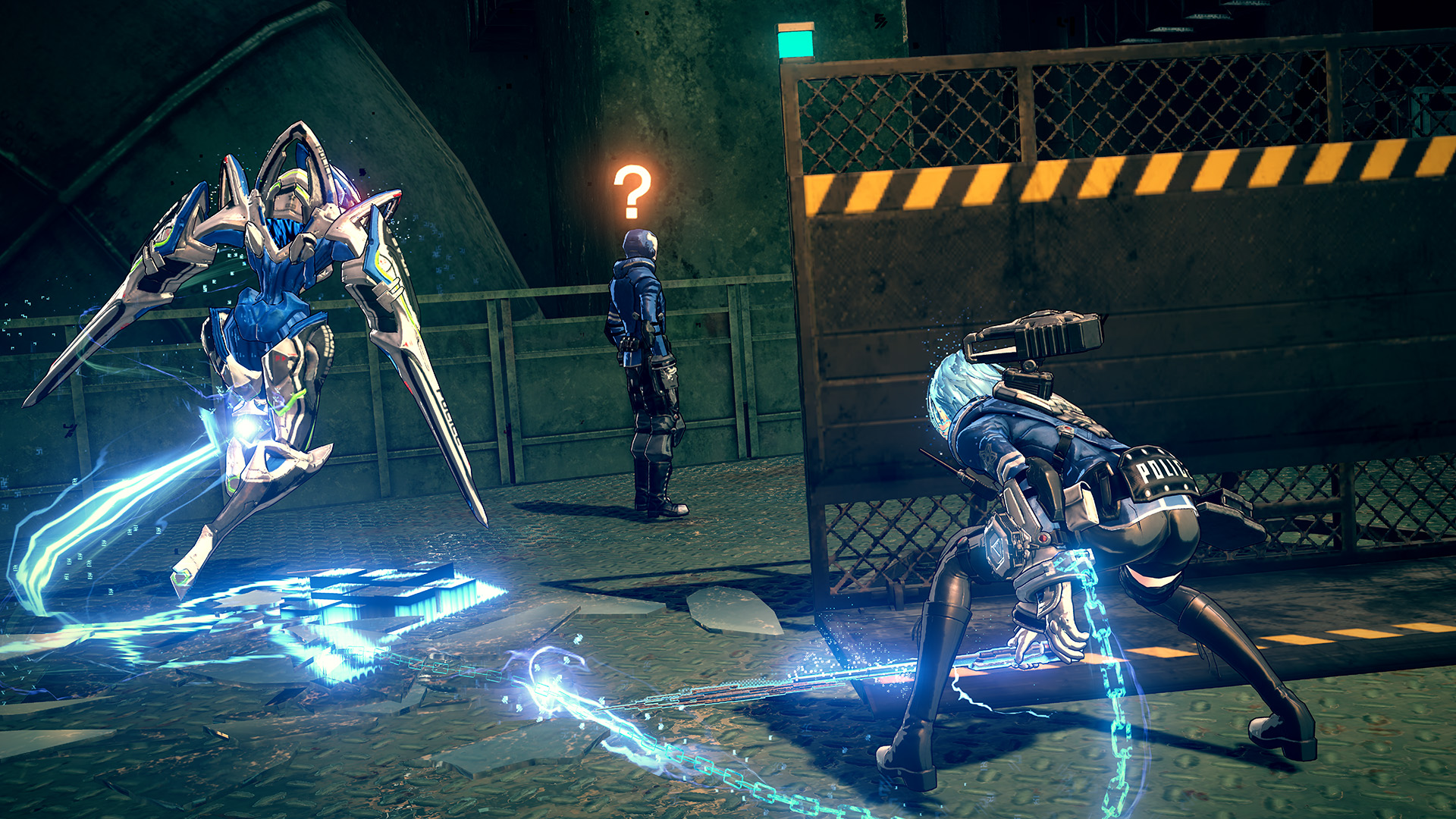
Platinum has an intriguing new game called Astral Chain, in which you appear to control two fighters at the same time in some crazy-looking robot(?)-on-robot action. Talent from The Wonderful 101, Bayonetta, and Nier: Automata ensure this will be worth keeping an eye on.

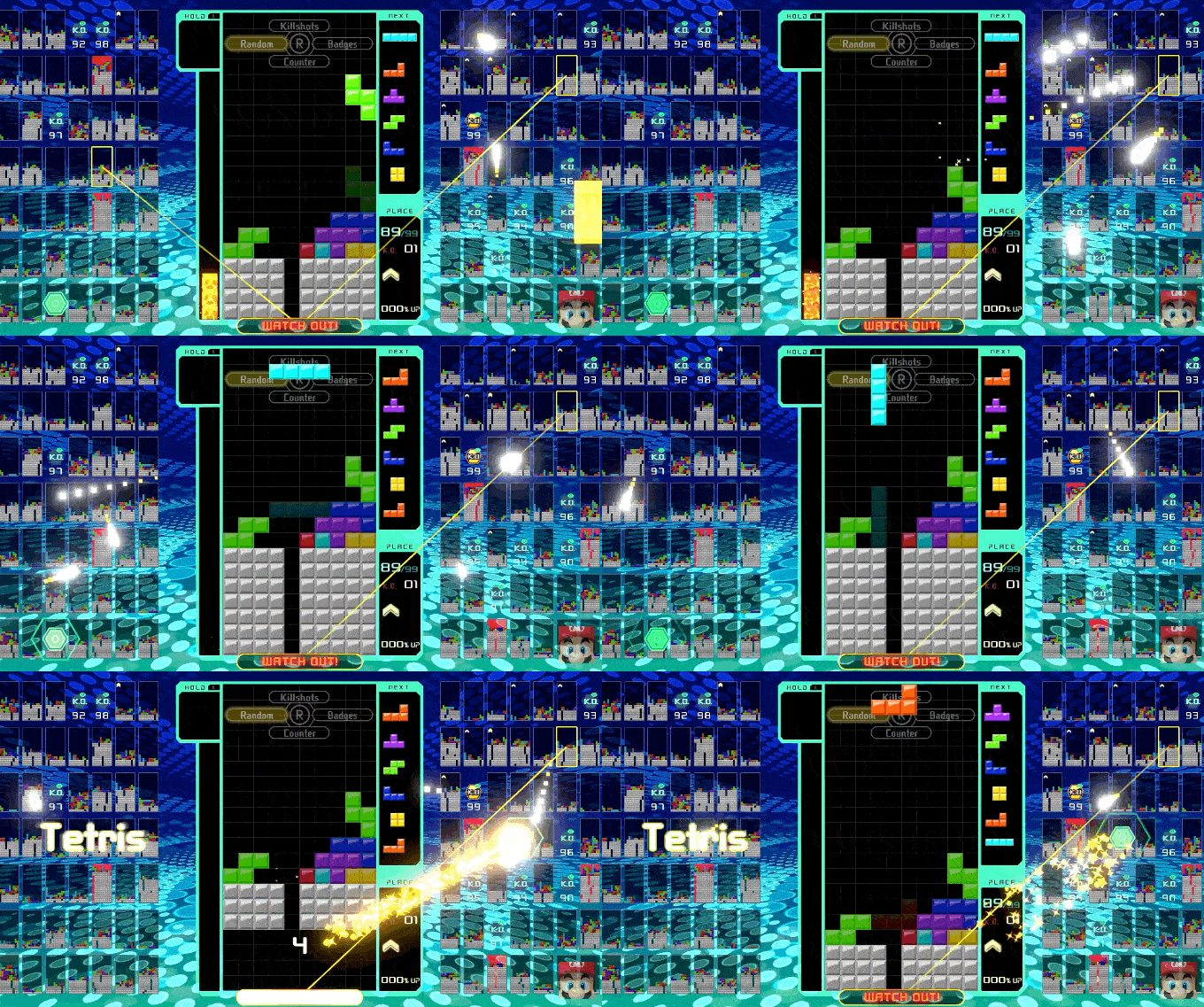
The recent trend of battle royale and perhaps the best game ever made, Tetris, combine in Tetris 99, where 100 people simultaneously and competitively drop blocks. It looks bonkers, and it’s free on Switch starting right now.

And on the JRPG tip:

Fire Emblem: Three Houses got a long spot that introduced the main characters, whom you’ll no doubt ally with and/or be betrayed by. Romance is in the air! And arrows.

From the back-to-basics studio that put out I Am Setsuna and Lost Sphear comes Oninaki, an action RPG that looks like a good well-crafted bit of fun, if not particularly original.

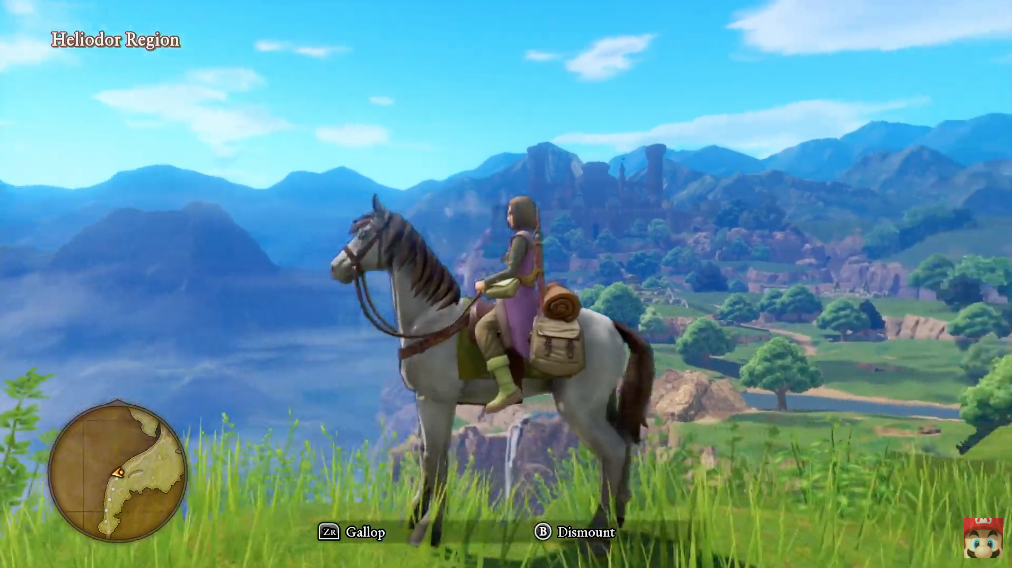
Dragon Quest 11 S — an enhanced version of the original hit — and DQ Builders 2 are on their way to Switch later this year, in Fall and July respectively.

Rune Factory 4 Special is another enhanced, remastered classic in a series that I adore (though I wish they’d remaster Frontier). It was also announced that RF5 is in development, so thank god for that.

Final Fantasy VII is coming at the end of March, and Final Fantasy IX is available now. I’m ashamed to say I never played the latter but this is a great opportunity to.

Sidescrollers new and old:

BOXBOY! + BOXGIRL! is a new entry in a well-like puzzle platformer series that introduces some new characters and multiplayer. Coming in April.

Bloodstained: Ritual of the Night got a teaser, but we’ve heard a lot about this Castlevania spiritual sequel already. Just come out!

Yoshi’s Crafted World comes out March 29, but there’s a demo available today.

Captain Toad: Treasure Tracker gets an update adding multiplayer to its intricate levels and soon, a paid pack for new ones. I might wait for a combined version but this should be fun.

Miscellaneous but still interesting:

The new Marvel Ultimate Alliance is coming this summer and I can’t wait. The second one was a blast but it came out way too long ago. A good co-op brawler is a natural fit for the Switch, plus being a superhero is fun.

Daemon X Machina, the striking-looking mech combat game, is getting a demo ahead of the summer release. They’re going to incorporate changes and advice from players so if you want to help shape the game, get to it.

Disney Tsum Tsum Festival… I don’t know what this is. But it looks wild.

Deltarune! It’s the sequel-ish to the beloved Undertale, and you can get the first chapter on Switch now. Play Undertale first, or you won’t get the dog jokes.

There were a few more little items here and there but that’s the gist. Boy am I glad I have a Switch!

You can watch the full Direct here.

13 Feb 2019

Nintendo is releasing a free battle royale version of Tetris

It came right in the middle of the Nintendo Direct announcement this afternoon: “99 players… but only one reigns supreme.”

It could be a tagline for just about any of the run-and-gun shoot ’em up battle royale games that are so popular right now, à la Fortnite or Apex. Instead, it’s the tagline for the new… Tetris?

Nintendo only touched on it for about 40 seconds (so details are a bit light), but the company says it’s releasing later today a free-to-play, 99-player version of Tetris called Tetris 99. It’ll be a free download for Nintendo Switch Online members.

It seems to mostly be the Tetris we all know, with a twist: performing particularly well will let you attack other players with garbage, filling their carefully curated rows with a bunch of junk.

No word yet on if you’ll be able to make your blocks Floss or do the Carlton dance.

13 Feb 2019

Qloo acquires cultural recommendation service TasteDive

Qloo announced this morning that it has acquired TasteDive.

The two companies sound pretty similar — according to the announcement, Qloo is “the leading artificial intelligence platform for culture and taste,” while TasteDive is “a cultural recommendation engine and social community.”

What’s the difference? Well TasteDive is a website where you can create a profile, connect with other users and, as you like and dislike things, it will recommend music, movies, TV shows, books and more. Qloo, meanwhile, is trying to understand patterns in consumer taste and then sell that data to marketers.

Or, as Qloo CEO Alex Elias (pictured above) put it in a statement, “TasteDive does for millions of individuals what Qloo has been doing for brands for years – using AI to make better decisions about culture and taste.”

Apparently TasteDive has 4.5 million active users, and it will continue to operate as a separate team and product, with founder Andrei Oghina remaining on-board as CEO. (Elias will become chairman.)

At the same time, the companies say the addition of Qloo technology will allow TasteDive to get smarter and to expand into different categories, while Qloo benefits from TasteDive’s global customer base and its API ecosystem.

The financial terms of the acquisition were not disclosed.

13 Feb 2019

Brightcove acquires Ooyala’s video business

Brightcove just announced that it’s acquiring Ooyala’s online video platform business.

The deal brings together two long-lasting players in the online video industry. Brightcove was founded in 2004 and went public in 2012, while Ooyala was founded in 2007 and was acquired by Telstra before management bought back the company last fall. (Back when it was part of Telstra, Ooyala sued Brightcove for alleged theft of trade secrets.)

When Ooyala had become newly independent, CEO Jonathan Huberman said the company had two main businesses, its video platform and its media workflow tools — and although the video platform accounted for the majority of its business, Huberman saw more opportunity on the workflow side.

Brightcove says the deal includes Ooyala’s video content management and publishing platform Backlot, Analytics, Live and the underlying IP. It also says it will be bringing on “substantial portions” of the Ooyala team, including its operations in Guadalajara, Mexico.

In the acquisition release, Brightcove CEO Jeff Ray said:

Ooyala has tremendous global customers who understand the power of video and its ability to transform business and reach new customers. This transaction, which includes immediately growing our highly skilled and committed global workforce, accelerates our ability to deliver faster innovation and deeper support for all customers. We also will increase our market reach and further strengthen our ability to secure new business in key target markets. We look forward to welcoming Ooyala’s OVP customers and ensuring a smooth transition and a world-class experience for them.

The financial terms of the acquisition were not disclosed.

13 Feb 2019

Nintendo announces Super Mario Maker 2 for Switch, so goodbye forever

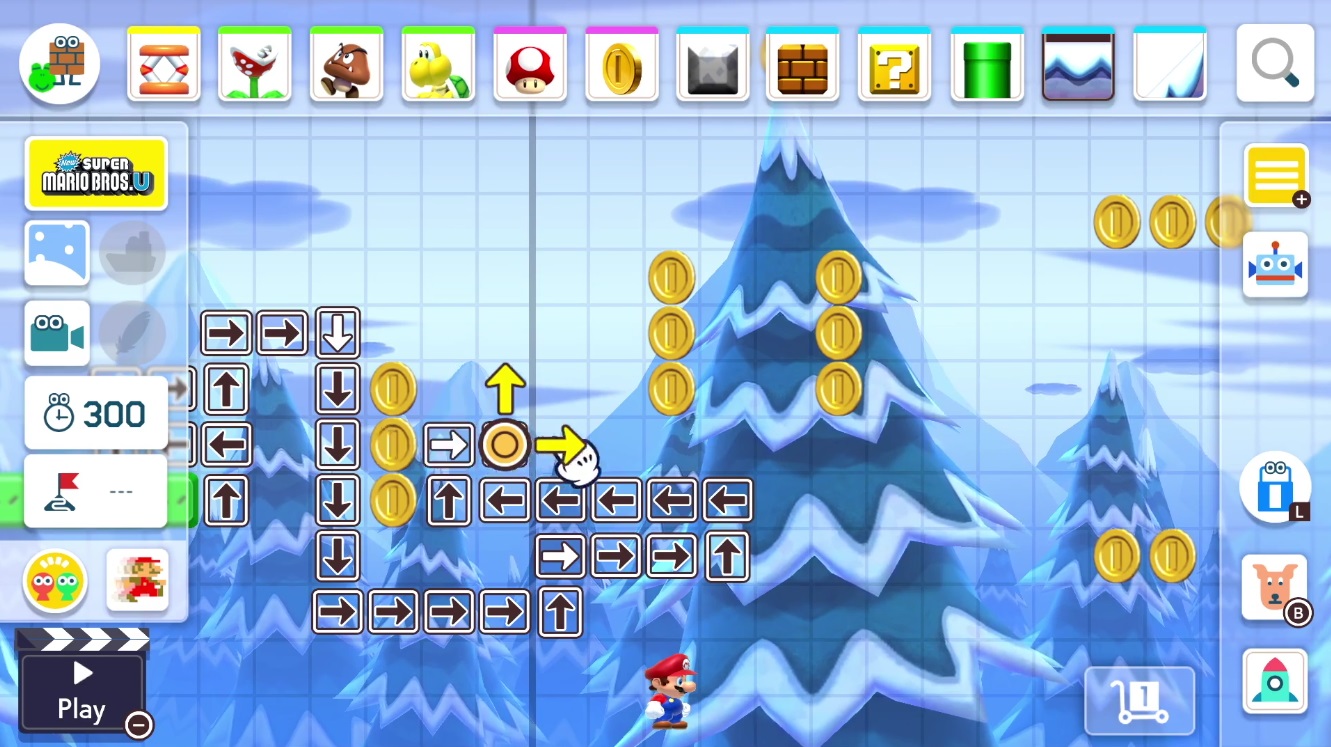
Nintendo has ruined my life, and all our lives, by announcing Super Mario Maker 2, the sequel to the level-constructing game on Wii U that produced thousands of devious levels for those who think the “real” games aren’t hard enough. Gamers have been asking for this basically since the Switch was first rumored.

Mario Maker 2 looks like it’s been updated in a number of helpful ways apart from being on a console that will actually be supported long-term. The interface needed some sprucing up for the lower precision players will have using their fingers instead of a stylus on the touchscreen.

No doubt this will be a huge draw for Nintendo’s Switch Online service, which will likely not only allow you to share your levels and try those of others, but — if Nintendo listened to its player base — compete with ghosts and other multiplayer features. Here’s hoping we can build whole worlds, but let’s not get greedy. But we definitely have slopes now!

Honestly I could play NES and SNES-era Mario games forever on repeat, and the re-releases of other Marios on Switch has made the newer ones even more accessible. Probably between those and Mario Maker I’ll never leave the house again.

Details are truly scant for now except that the game will come out in June of this year, just in time for summer to arrive — and be shut out with blackout curtains so glare doesn’t get on my greasy Switch. I’ll update this post if any new information becomes available.