Author: azeeadmin

05 Feb 2019

Play Iconary, a simple drawing game that hides a deceptively deep AI

It may not seem like it takes a lot of smarts to play a game like Pictionary, but in fact it involves a lot of subtle and abstract visual and linguistic skills. This AI built to play a game like it is similarly complex, and its interpretations and creations when you play it (as you can now) may seem eerily human — but it’s also refreshing to have such an agent working collaboratively with you rather than beating you with superhuman skills.

Iconary, as the game’s creators at the Allen Institute for AI decided to call it to avoid lawsuits from Mattel, has you drawing and arranging icons to form phrases, or guessing at the arrangements of the computer player.

For instance, if you were to get the phrase “woman drinking milk from a glass,” you’d probably draw a woman — a stick figure, probably, and then select the “woman” icon from the computer’s interpretations of your sketch. Then you’d draw a glass, and place that near the woman. Then… milk? How do you draw milk? There is actually a milk bottle icon if you look for it, but you could also draw a cow and put that in or next to the glass.

The computer then guesses at what you’ve put together, and after a few tries it would probably get it. You can also play it the other way, where the computer arranges icons and you have to guess.

Now, let’s get this right out of the way: this is very different from Google’s superficially similar “Quick, Draw” game. In that one the system has been can only guess whether your drawing is one of a few hundred pre-selected objects it’s been specifically trained to recognize.

Not only are there some 75,000 phrases supported in Iconary, with more being added regularly, but there’s no way to train the AI on them — the way that any one of them can be represented is uncountable.

“When you start bringing in phrases, the problem space explodes,” explained Ali Farhadi, one of the creators of the project; I talked with him and researcher Aniruddah Kembhavi about Iconary ahead of its release. “Sure, you can easily recognize a cat or a dog. But can you recognize a cat purring, or a dog scratching its back? There’s a huge diversity in elements people choose and how they position them.”

Although Pictionary may seem at first like a game that depends on your drawing skill, it’s really much more about arranging ideas and understanding the relationship with them — seeing the intent behind the drawing. How else can some people manage to recognize a word or phrase from a handful of crude shapes and some arrows?

The AI behind Iconary, then, isn’t a drawing recognition engine at all but one that has been trained to recognize relationships between objects, informed by their type, position, number, and everything else. This is, the researchers say, the most significant example of AI collaborating meaningfully with humans yet created.

And this logic is kept fuzzy enough that several “person” icons gathered together could mean women, men, people, group, crowd, team, or anything else. How would you know if it was a “team?” Well, if you put a soccer ball near it or put them on a play field, it becomes obvious. If there’s a blackboard there, it’s probably a class. And so on.

Of course, I say “and so on,” but that small phrase in a way encompasses the entirety of human intuition and years of training on how to view and interpret the visual world. Naturally Iconary isn’t nearly as good at it as we are, but its logic is frequently surprisingly human.
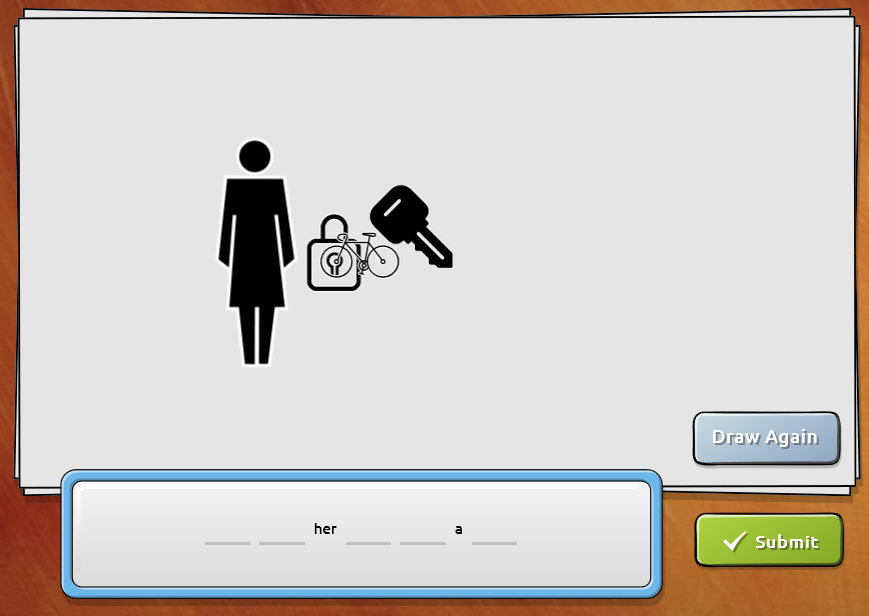
If you can only get part of the answer, you can ask the AI to draw again, and just like we do in Pictionary it will adapt its representation to address your needs.

It was of course trained on human drawings collected via Mechanical Turk, but it isn’t just replicating what people drew. If the only thing it ever saw to represent a scientist was a man next to a microscope, how would it know to recognize the same idea in a woman, or standing next to an atom or rocket? In fact, the model has never been exposed to the phrases you can play with now. As the researchers write:

AllenAI has never before encountered the unique phrases in Iconary, yet our preliminary games have shown that our AI system is able to both successfully depict and understand phrases with a human partner with an often surprising deftness and nuance. This feat requires combining natural language understanding, computer vision, and the use of common sense to reason about phrases and their depictions within the constraints of a small vocabulary of possible icons. Being successful at Iconary requires skills beyond basic pattern recognition, including multi-hop reasoning, abstraction, collaboration, and adaptation

Instead of simply pairing “ball” with “sport,” it learned about why those objects are related, and how to exert some basic common sense — a sort of holy grail in AI, though this is only a small step in that direction. If one person draws “father” as a man bigger than a smaller person, it isn’t obvious to the computer that the father is the big one, not the small. And it’s another logical jump that a “mother” would be a similarly-sized woman, or that the small one is a child.

But by observing how people used the objects and how they relate to one another, the AI built up a network of ideas about how different things are represented or related. “Child” is closer to “student” than “horse,” for instance. And “student” is close to “desk” and “laptop.” So if you draw a child by a desk, maybe it’s a student? This kind of robust logic is so simple to us that we don’t even recognize we’re doing it, but incredibly hard to build into a machine learning agent.

This type of AI is deceptively broad and intelligent, but it isn’t flashy the way that the human-destorying AlphaStar or AlphaGo are. It isn’t superhuman — in fact, it’s not even close to human. But board and PC games are tightly bounded problem spaces with set rules and limits. Visual expression of a complex phrase like “crowd celebrating a victory on a street” isn’t a question of how fast the computer can process, but the depth of its understanding of the concepts involved, and how others think about them.

This kind of learning is also more broadly applicable in the real world. Robots and self-driving cars do need to know how to exceed human capacity in some cases, but it’s also massively important to be able to understand the world around them in the same way people do. When it sees a person by a hospital bed holding a book, what does that mean? When a person leaves a knife out next to a whole tomato? And so on.

“Real life problems involve semantics, abstraction, and collaboration,” said Farhadi. “They involve theory of mind.”

Interestingly, the agent is biased a bit (as these things tend to be) owing to the natural bias of our language. Images “read” from left to right, as people tend to draw them, since we also read in that direction, so keep that in mind.

Try playing a couple games both drawing and guessing, and you may be surprised at the cleverness and weirdness of the AI’s suggestions. Don’t feel bad about skipping one — the agent is still learning, and sometimes its attempts to represent ideas are a bit too abstract. But I certainly found myself impressed more than baffled.

If you’d like to learn more, stay tuned: the team behind the system will be publishing a paper on it later this year. I’ll update this post when that happens.

05 Feb 2019

Showing the power of startup women’s health brands, P&G buys This is L

The P&G acquisition of This is L., a startup retailer of period products and prophylactics, shows just how profitable investing in women’s healthcare brands and products can be.

A person with knowledge of the investment put the price tag at roughly $100 million — a healthy outcome for investors and company founder Talia Frankel. But just as important as the financial outcome is the deal’s implications for other mission-driven companies.

This is L launched from Y Combinator in August 2015 with a service distributing condoms in New York and San Francisco and steadily expanded into feminine hygiene products.

Frenkel, a former photojournalist who worked for the United Nations and Red Cross, started the company in 2013 — roughly three years after an assignment in Africa revealed the toll that HIV/AIDs was taking on women and girls on the continent.

“I didn’t realize the No. 1 killer of women was completely preventable and I think that really inspired me to action,” Frenkel told TechCrunch at the time of the company’s launch.

Now the company has distributed roughly 250 million products to customers around the world.

“Our strong growth has enabled us to stand in solidarity with women in more than 20 countries,” said Talia Frenkel, CEO of This Is L., in a statement following the acquisition .“Our support has ranged from partnering with organizations to send period products to Native communities in South Dakota, to supplying pad-making machines to a women-led business in Tamil Nadu. Pairing our purpose with P&G’s expertise, scale and resources provides an extraordinary opportunity to contribute to a more equitable world.”

The company is available in more than 5,000 stores across the U.S. and is working with women entrepreneurs in countries from Uganda to India and beyond.

“This acquisition is a perfect complement to our Always and Tampax portfolio, with its commitment to a shared mission to advocate for girls’ confidence and serve more women,” said Jennifer Davis, President, P&G Global Feminine Care. “We feel this is a strong union and together we can be a greater force for good.”

For investors with knowledge of the company, the P&G acquisition is a harbinger of things to come. The combination of a non-technical, female founder operating in the consumer packaged goods market with a mission-driven company was an anomaly in the Silicon Valley of four years ago, but Frenkel’s success shows what kind of opportunities exist in the market.

“With this acquisition investors need to update their patterns,” said one investor with knowledge of the company.

05 Feb 2019

PSA: Go back up your Flickr photos before they’re deleted

Do you have a Flickr account? Does it have over 1,000 photos?

Go back them up, or you might lose a bunch of them forever.

We’ve known for a few months now that Flickr was prepping to drop its storage limit for non-Pro accounts from 1TB to just 1,000 photos following its acquisition by SmugMug — and that anything over the 1,000 photo cap would be deleted, starting with the oldest.

If you kept telling yourself that you’d “back it all up later”, “later” is now. Flickr has said they’d start deleting things after February 5th… and, well, that’s today.

So how do you back it all up? You can go through and download them one by one, but that’s pretty painful. Fortunately, there’s a quicker way:

  1. Go to Flickr.com on a desktop browser
  2. Log in
  3. Tap your profile picture in the upper right, then hit “Settings”
  4. Scroll down, and look for “Your Flickr Data” in the bottom right.
  5. Double check that the email address listed is your current one. If not, change it.
  6. Hit the “Request my Flickr data” button.
  7. Wait.

Within a few hours, you should get an email with a big ol’ zip file with all of your pictures. Take those and put them somewhere else — an external hard drive, Google Photos, a spare SD card, all of the above, whatever. Just go back them up. Even photos that you don’t really care about now can end up meaning a lot in a few years.

SmugMug outlined its thinking on why the 1 terabyte limit wasn’t working (and how the new 1,000 photo limit was chosen) in a post back in November.

(Disclosure: Though Flickr is now owned by SmugMug, it was owned by Yahoo/Oath before that. Oath owns TechCrunch. I don’t think there’s a conflict there, I just like to make these things clear.)

05 Feb 2019

Lawsuits no longer lingering, Hippo brings its service for buying discount drugs to market

The long and litigious saga of Hippo Technologies may finally be over now that the company is finally launching its service to sell discounted prescription drugs to members just three months after settling a lawsuit with its chief competitor, Blink Health.

Hippo and Blink were locked in a lawsuit for much of last year with Blink accusing the company of stealing pretty much every aspect of its business. For its part, Hippo’s chief executive and co-founder had sued Blink for wrongful termination under whistleblower protection rules after he allegedly uncovered corporate malfeasance at the discount drug membership service.

Both companies use a mobile app and online tool to help consumers find low prices on medications. In its March 2018 suit against Hippo, Blink wanted up to $250 million and had accused the company, which was founded by former Blink employees, of obtaining trade secrets, sabotaging existing contracts and unfairly competing with Blink’s business.

There’s no doubt that bad blood exists between Blink Health’s co-founders, the brothers Geoffrey and Matthew Chaiken and Hippo co-founder Eugene Kakaulin.

A former chief financial officer at Blink, Kakaulin filed a suit in 2016 claiming that Blink had fired him in retaliation for alerting the company founders to security violations.

With most of those lawsuits now settled, Hippo is bringing its service to market. The company said that it can save patients up to 97 percent on their prescription drugs at almost any pharmacy in the country.

“People deserve to know how much they will pay for meds and get access to the lowest prices available. This is why we started Hippo” said Kakaulin, the company’s co-founder, in a statement.

Kakaulin’s co-founder Charles A. Jacoby grew up in the healthcare business watching his father work as a general practitioner and grapple with prescribing patients with drugs that they can afford.

 “Markets are only fair and efficient when people are presented with pricing options. Whether people have good insurance, bad insurance or no insurance at all, they should check the Hippo price before going to the pharmacy,” Jacoby said in a statement.

Access to low cost medicine is a significant part of what’s broken about healthcare in the U.S. today. Blink and Hippo are among a slew of companies including GoodRX, Amazon (through its PillPack acquisition), and RxSave.

Hippo and its competitors operate on a simple premise. They cut out middlemen and guide consumers to use generic drugs taking a cut of the sales from the drug manufacturers. The process saves customers money and can also generate some revenue for pharmacies that agree to work with the companies.

Pharmacy benefits managers aggregate the purchasing power of buyers through insurance networks to cut the prices that customers have to pay for their medications. But many people argue that the discounts are not significant, and most of the difference in cost just goes to line the pockets of the benefits managers themselves.

What companies like GoodRX, Hippo and Blink do is bring those benefits to anyone who signs up. Hippo gives participating pharmacies a guaranteed rate for drugs in exchange for lower prices. Sometimes the company will make money on the sale of a drug and sometimes it will lose money, but it ideally is profitable by arbitraging costs across a population.

To sign up for Hippo, potential customers can text “Hello” to Hippo (44776) on their phone or visit the company’s website to receive an individual, digital Hippo card.

Users can then compare costs between medications at local pharmacies and see which location is offering the best price. Once in the pharmacy a user just shows the pharmacist their Hippo card and can start saving.

05 Feb 2019

Reddit is raising a huge round near a $3 billion valuation

Reddit is raising $150 million to $300 million to keep the front page of the Internet running, multiple sources tell TechCrunch. The forthcoming Series D round is said to be led by Chinese tech giant Tencent at a $2.7 billion pre-money valuation. Depending on how much follow-on cash Reddit drums up from Silicon Valley investors and beyond, its post-money valuation could reach an epic $3 billion.

As more people seek esoteric community and off-kilter entertainment online, Reddit continues to grow its link sharing forums. 330 million monthly active users now frequent its 150,000 Subreddits. That warrants the boost to its valuation, which previously reached $1.8 billion when raised $200 million in July 2017. As of then, Reddit’s majority stake was still held by publisher Conde Nast that bought in back in 2006 just a year after the site launched. Reddit had raised $250 million previously, so the new round will push it to $400 million to $550 million in total funding.

It should have been clear that Reddit was on the prowl after a month of pitching its growth to the press and beating its own drum. In December Reddit announced it had reached 1.4 billion video views per month, up a staggering 40 percent from just two months earlier after first launching a native video player in August 2017. And it made a big deal out of starting to sell cost per click ads in addition to promoted posts, cost per impression, and video ads. A 22 percent increase in engagement and 30 percent rise in total view in 2018 pushed it past $100 million in revenue for the year, CNBC reported.

The exact details of the Series D could fluctuate before it’s formally announced, and Reddit and Tencent declined to comment. But supporting and moderating all that content isn’t cheap. The company had 350 employees just under a year ago, and is headquartered in pricey San Francisco — though in one of its cheaper but troubled neighborhoods. Until Reddit’s newer ad products rev up, it’s still relying on venture capital.

Tencent’s money will give Reddit time to hit its stride. It’s said to be kicking in the first $150 million of the round. The Chinese conglomerate owns all-in-on messaging app WeChat and is the biggest gaming company in the world thanks to ownership of League Of Legends and stakes in Clash Of Clans-maker Supercell and Fortnite developer Epic. But China’s crackdown on gaming addiction has been rough for Tencent’s valuation and Chinese competitor Bytedance’s news reader app Toutiao has grown enormous. Both of those facts make investing in American news board Reddit a savvy diversification, even if Reddit isn’t accessible in China.

Reddit could seek to fill out its round with up to $150 million in additional cash from previous investors like Sequoia, Andreessen Horowitz, Y Combinator, or YC’s president Sam Altman. They could see potential in one of the web’s most unique and internet-native content communities. Reddit is where the real world is hashed out and laughed about by a tech savvy audience that often produces memes that cross over into mainstream culture. And with all those amateur curators toiling away for Internet points, casual users are flocking in for an edgier look at what will be the center of attention tomorrow.

Reddit has recently avoid much of the backlash hitting fellow social site Facebook, despite having to remove 1000 Russian trolls pushing political propaganda. But in the past, the anonymous site has had plenty of problems with racist, mysoginistic, and homophobic content. In 2015 it finally implemented quarantines and shut down some of the most offensive Subreddits. But harassment by users contributed to the departure of CEO Ellen Pao, who was replaced by Steve Huffman, Reddit’s co-founder. Huffman went on to abuse that power, secretly editing some user comments on Reddit to frame them for insulting the heads of their own Subreddits. He escaped the debacle with a slap on the wrist and an apology, claiming “I spent my formative years as a young troll on the Internet.”

Investors will have to hope Huffman has the composure to lead Reddit as it inevitably encounters more scrutiny as its valuation scales up. Its policy choice about what constitutes hate speech and harassment, its own company culture, and its influence on public opinion will all come under the microscope. Reddit has the potential to give a voice to great ideas at a time when flashy visuals rule the web. And as local journalism wanes, the site’s breed of vigilante web sleuths could be more in demand, for better or worse. But that all hinges on Reddit defining clear, consistent, empathetic policy that will help it surf atop the sewage swirling around the internet.

05 Feb 2019

Daily Crunch: Facebook lets you unsend recent messages

The Daily Crunch is TechCrunch’s roundup of our biggest and most important stories. If you’d like to get this delivered to your inbox every day at around 9am Pacific, you can subscribe here:

1. Facebook now lets everyone unsend messages for 10 minutes

For up to 10 minutes after sending a Facebook Message, the sender can tap on it and they’ll find the delete button has been replaced by “Remove for you” and “Remove for everyone” options. If you select the latter, recipients will see an alert saying that you removed a message, and they can still flag the message.

The feature could come in handy in those moments when you realize, right after hitting send, that you’ve made an embarrassing typo or said something dumb. It won’t, however, let people change ancient history.

2. Alphabet revenues are up 22% but the stock is still dropping

The company’s beat of analyst estimates would have been a miss if not for a $1.3 billion unrealized gain “related to a non-marketable debt security.”

3. Toyota’s new car subscription company Kinto is gamifying driving behavior

Toyota has officially launched Kinto, a company first revealed late last year that will manage a car subscription program and other mobility services in Japan, including the sale and purchase of used vehicles as well as automotive repair and inspection.

4. Apple pays millions in backdated taxes to French authorities

“The French tax administration recently concluded a multi-year audit on the company’s French accounts, and those details will be published in our public accounts,” the company told Reuters. French authorities can’t confirm the transaction due to tax secrecy.

5. Self-driving truck startup Ike raises $52 million

The startup was founded by veterans of Apple and Google, as well as Uber Advanced Technologies Group’s self-driving truck program. Its mission — expand and deploy — sounds a lot like other autonomous vehicle startups, but that’s where the parallels end.

6. Facebook bans four armed groups in Myanmar

Facebook has introduced new security features and announced plans to increase its team of Burmese language content translators to 100 people. While it doesn’t intend to open an office in Myanmar, it has ramped up its efforts to expel bad actors.

7. Backed by Benchmark, Blue Hexagon just raised $31 million for its deep learning cybersecurity software

According to co-founder Nayeem Islam, Blue Hexagon has created a real-time, cybersecurity platform that he says can detect known and unknown threats at first encounter, then block them in “sub seconds” so the malware doesn’t have time to spread.

05 Feb 2019

Workwell wants to be the companion app for your office building

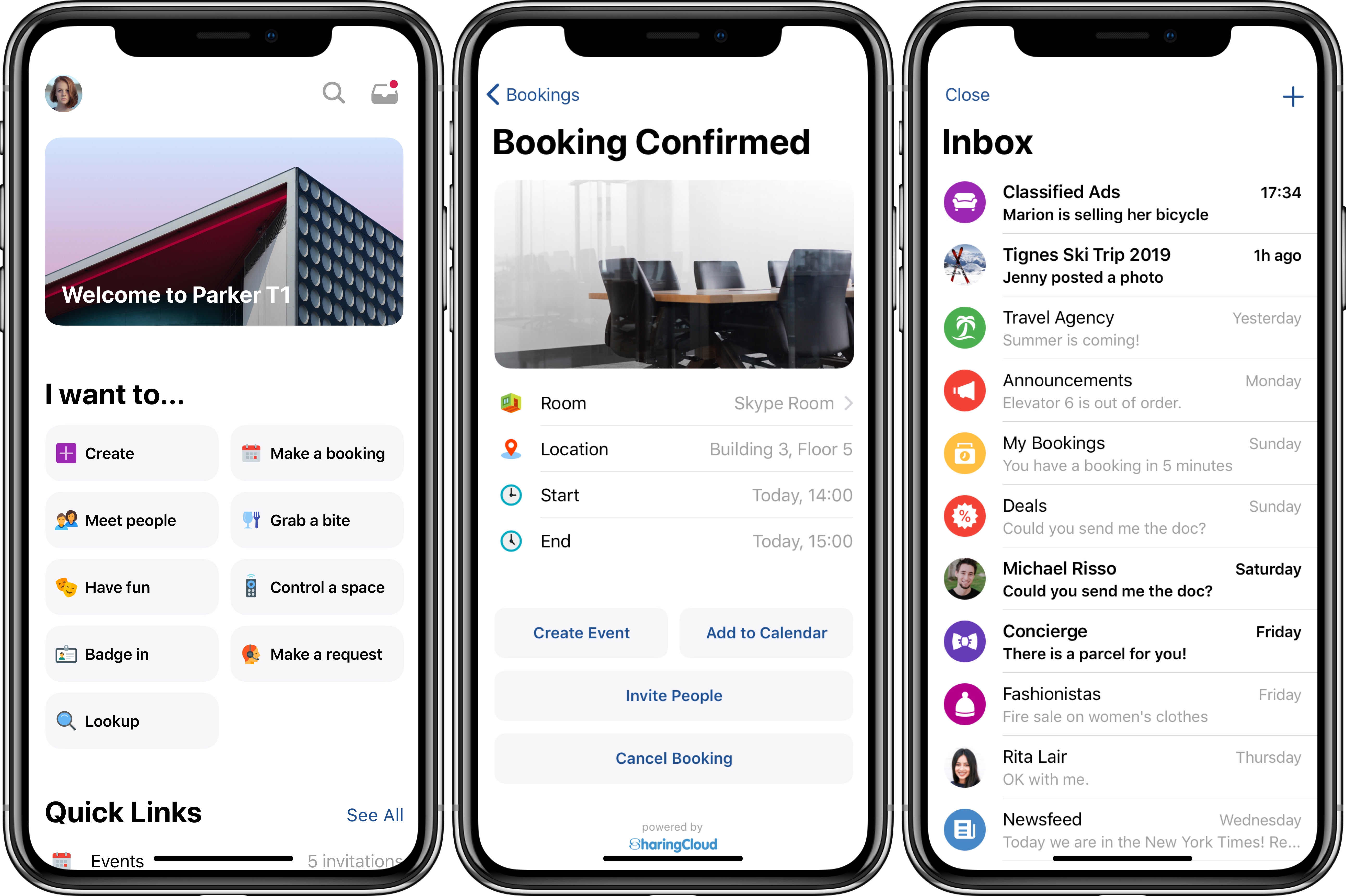
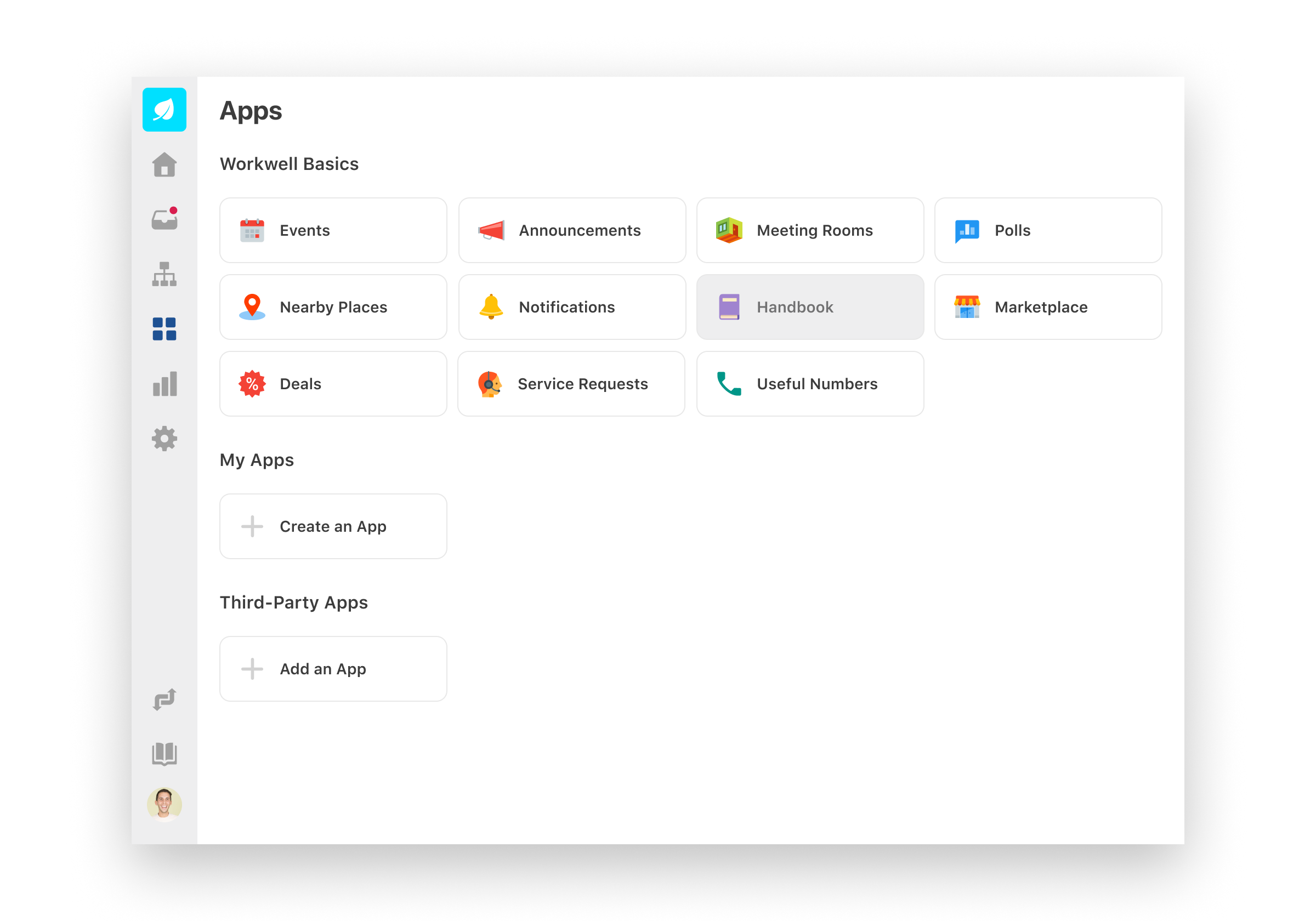
French startup Workwell has released a major update to its platform. The company now provides an app to manage as many things related to your office building as possible from your phone.

The company started with a sort of intranet replacement. You could book meeting rooms, get a map of the office, contact your coworkers from the app. Workwell now wants to create a more flexible platform that expands beyond your company and beyond a single office building.

“The goal is to become the digital layer of every building,” co-founder and CEO Marie Schneegans told me. “We consider Workwell as an infrastructure product for buildings, just like water, electricity and internet. Workwell provides an interface to interact with the building, its services and people.”

Instead of a traditional service-based interface, Workwell is now organized by actions. If you want to book something, you tap on the booking button to book a meeting room, a parking spot or a gym class for instance. Similarly, the inbox has been unified to interact with both people and services in a single messaging interface.

Each person belongs to multiple circles. For instance, you can be part of a company with multiple offices around the world, part of a building and part of a co-working space. Each entity can have its own sets of services and features. It creates a more cohesive experience for the end user. It’s like being able to sign in to multiple Slack workspaces.

This way, you can use the app to badge in when you’re traveling to another city for some meetings with colleagues working in another city.

Eventually, Workwell wants to collaborate with real estate developers to integrate its app from day one. Imagine there’s a new office tower in town. Workwell could integrate with the AC system, elevators and parking sensors to improve the experience for all the companies working in that new building.

Real estate developers can integrate Workwell for free and hand it out to companies working in the building. Companies can then choose to add their own services by becoming a paid Workwell customer. Workwell is already partnering with Hines, Mirvac and Grand Paris Aménagement for new buildings.

05 Feb 2019

Target expands its 1 percent back loyalty program, Target Circle, to more U.S. markets

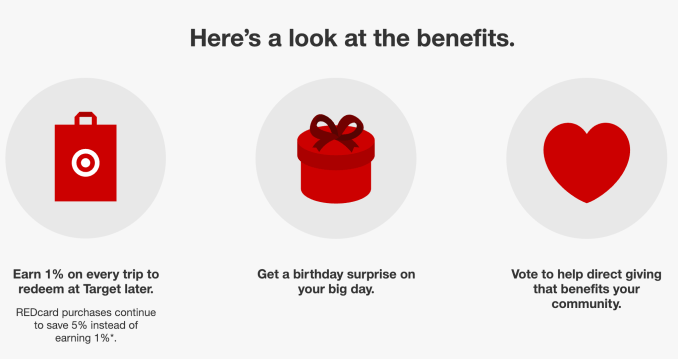
Target is expanding access to its new loyalty program that rewards shoppers for returning to its stores by offering 1 percent back on their next trip, among other perks. The program, called Target Circle, is still in beta testing following its initial launch in March of last year. At the time, the program was called Target Red, but the company has since rebranded it. It was also previously available only in the Dallas-Fort Worth area.

Starting today, Target is opening up access to the beta to six other major U.S. markets, including Charlotte, Denver, Indianapolis, Kansas City and Phoenix. This will allow the retailer to test the program on a much larger scale with millions more shoppers.

In addition to the loyalty program’s name, the company also changed the marketing around the program.

Today, Target Circle is more heavily focused on promoting the 1 percent back on purchases – the piece designed to increase foot traffic in Target stores. The 1 percent is meant to lure in those shoppers who won’t sign up for Target’s store card, REDcard. The card, which comes in both a credit and debit version, provides 5 percent back at checkout and has seen decent adoption to date. As of Target’s last quarterly earnings, REDcard penetration was nearly 24 percent.

However, that figure has remained stagnant quarter-over-quarter. It’s not growing at all, and in some cases, even declining slightly. That’s a concern.

Target Circle, then, represents a different way to reach, engage with and reward customers for shopping at Target and getting them to return time and again.

While Target REDcard members can join Circle to receive the other perks, they’ll continue get their 5 percent back instead of earning the 1 percent back, Target notes.

The Target Circle beta website also now touts two other components to the program, including the ability to vote on Target’s local community giving initiatives and a “birthday surprise” feature, which is only one aspect of the program’s larger personalized feature set.

Unlike Cartwheel discounts, which are offered to all shoppers, Target Circle aims to personalize perks to individual consumers. For example, if you shop for baby items all the time, Target will send you a personalized discount for items in that department. You’ll also get a reward of some sort ahead of your birthday.

Retailers have been personalizing their offers without loyalty programs for some time, of course. In fact, Target once famously figured out a teen girl was pregnant before her father did, and sent her coupons for baby items much to the dad’s chagrin. Now, loyalty program members will opt in to this sort of data collection instead of having to figure out how to opt out. In return, they’ll get deals and discounts they may actually want.

Unmentioned on the rebranded Target Circle website are two other notable rewards which were also available when the program launched: a 50 percent discount on customers’ first-year Shipt membership and free next-day delivery of household essentials through Target Restock.

Target confirmed with TechCrunch these rewards are still included with Target Circle, but said it’s just choosing not to promote them at this time.

The retailer says the expansion of Target Circle to the half-dozen new markets follows the successful test in Dallas-Fort Worth. The program was well-received, it claims, and millions of customer transactions ran through the program since its debut. Target shoppers also directed around $250,000 in local giving.

The company hasn’t spoken much about the program during the testing. In November, it got a brief mention on the earnings call with investors, where Target CFO Catherine Smith (who announced her retirement earlier this year) said the program was seeing “really good sign-up and engagement.”

Customers in the newly added test markets can now join Target Circle by signing up at the website, Target.com/circle, by downloading the Target mobile app, or by giving their phone number at checkout.

05 Feb 2019

iOS 12.2 beta includes new Animojis and fake 5G logo

Apple has released a new beta version of iOS 12.2 yesterday. While the final version isn’t available just yet, here’s what you should expect: new Animojis and a fake 5G logo if you’re an AT&T customer.

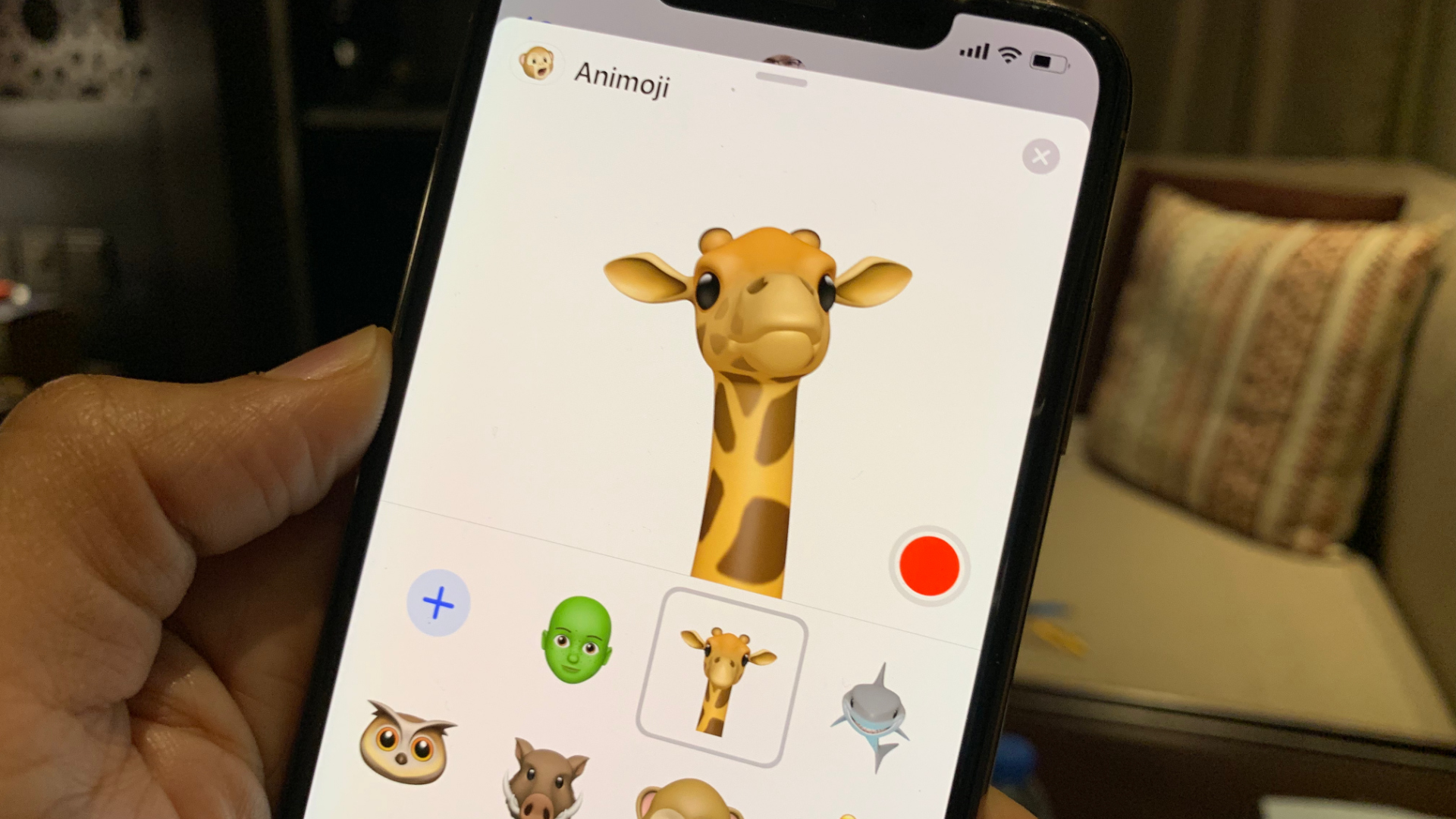
If you have an iPhone X, XS, XS Max or XR, you’ll see new animals in the Animoji collection. As 9to5mac spotted, you will be able to record video message and replace your head with a giraffe, an owl, a shark or a warthog. These Animojis will also work during FaceTime calls.

Here’s a picture from 9to5mac with the new lineup:

More interestingly, Apple succumbed to AT&T’s marketing plot to rename 4G into 5G. MacRumors noticed that some AT&T users now have a ‘5G E’ icon in the top right corner when they upgrade to the beta version of iOS 12.2. Some Android phones already show a 5G E icon after an AT&T update.

But don’t get fooled, this isn’t 5G — this icon replaces the LTE icon. AT&T has basically rebranded LTE with carrier aggregation as 5G Evolution. But it still runs on the same network.

Here’s a picture from the MacRumors forums:

The same thing happened in the U.S. during the transition from 3G to 4G. AT&T decided to rebrand its 3G HSPA+ network to 4G. It’s the reason why many carriers talk about LTE instead of 4G.

AT&T confused everyone back then, and the company is about to do the same again. It’s too bad Apple is helping AT&T with this iOS update.

Disclosure: TechCrunch is a Verizon Media company.

05 Feb 2019

Apply to demo onstage at TC Sessions: Robotics + AI 2019

The search is on! We’re looking for exceptional early-stage robotics or AI companies to demo their technology onstage at TC Sessions: Robotics + AI on April 18 at UC Berkeley. Our day-long event takes a deep dive into these world-changing technologies, and features interviews, workshops, demos and networking with leading robotics and AI technologists, founders, investors and researchers.

Whether you’re looking for investors, recruiting tech talent or searching for like-minded collaborators, this is your opportunity to showcase your company’s technology in front of an august and influential audience. We have a limited number of demo times available, so complete this application form today. If you’re a student founder, don’t be shy. We want you to apply, too!

This is our third year hosting this event, and we’re not kidding when we talk about featuring the top minds focused on robotics and AI. We’ll be announcing plenty more speakers, panels and demos in the coming weeks, but take a gander at some of the speakers who will grace our stage on April 18:

Melonee Wise — CEO of collaborative warehouse robotics company Fetch, a 2018 World Economic Forum Technology Pioneer and the recipient of numerous awards, including MIT Technology Review’s TR35.

Hany Farid — Dartmouth’s Albert Bradley 1915 Third Century Professor of Computer Science focuses on human perception, image analysis and digital forensics. Farid, a recipient of the National Academy of Inventors, Alfred P. Sloan and John Simon Guggenheim fellowships, will join the UC Berkeley faculty in July.

Anca Dragan — assistant professor in UC Berkeley’s Electrical Engineering and Computer Sciences department and head of the InterACT lab — part of the Berkeley AI Research Lab and the Center for Human-Compatible AI.

Peter Barrett — CTO of investment firm Playground Global, which has funded robotics startups such as Agility, Canvas, Common Sense, Skydio and Righthand Robotics.

TC Sessions: Robotics + AI takes place at UC Berkeley’s Zellerbach Hall on April 18, just about six short weeks away. Don’t miss your chance to pitch or demo your tech onstage in front of the best robotics and AI movers, makers and shakers. Apply to demo here. If you’re not prepared to demo but want to engage with and learn from this great community, be sure to buy a ticket while you can still get the early-bird price of $249. Students — take advantage of our deeply discounted price of $45. Join us in Berkeley!