Category: UNCATEGORIZED

02 Oct 2019

Look out, Robinhood. E*Trade, Schwab, Ameritrade all go zero-fee

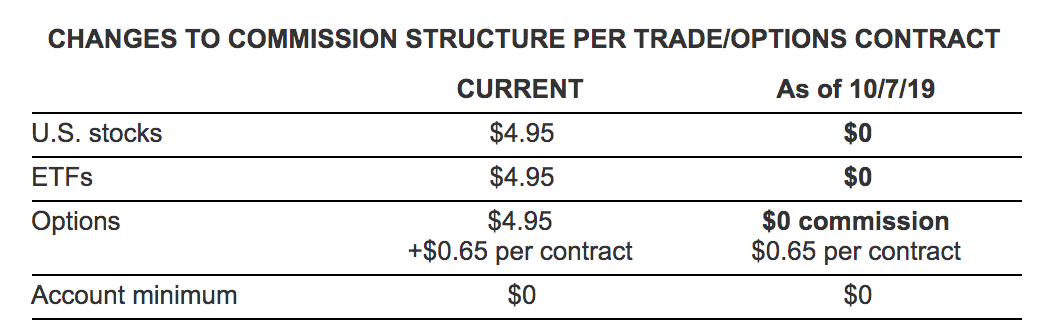
The biggest players in online stock trading all just copied Robinhood by removing their fees for stock and ETF trading. Charles Schwab announced yesterday it would drop its $4.95 fee, leading to plummeting share prices for it as well as competitors. By the end of yesterday Ameritrade announced it too would axe its $6.95 fees, and then E*Trade followed suit this morning killing off its own $6.95 fee. However, none of their share price recovered.

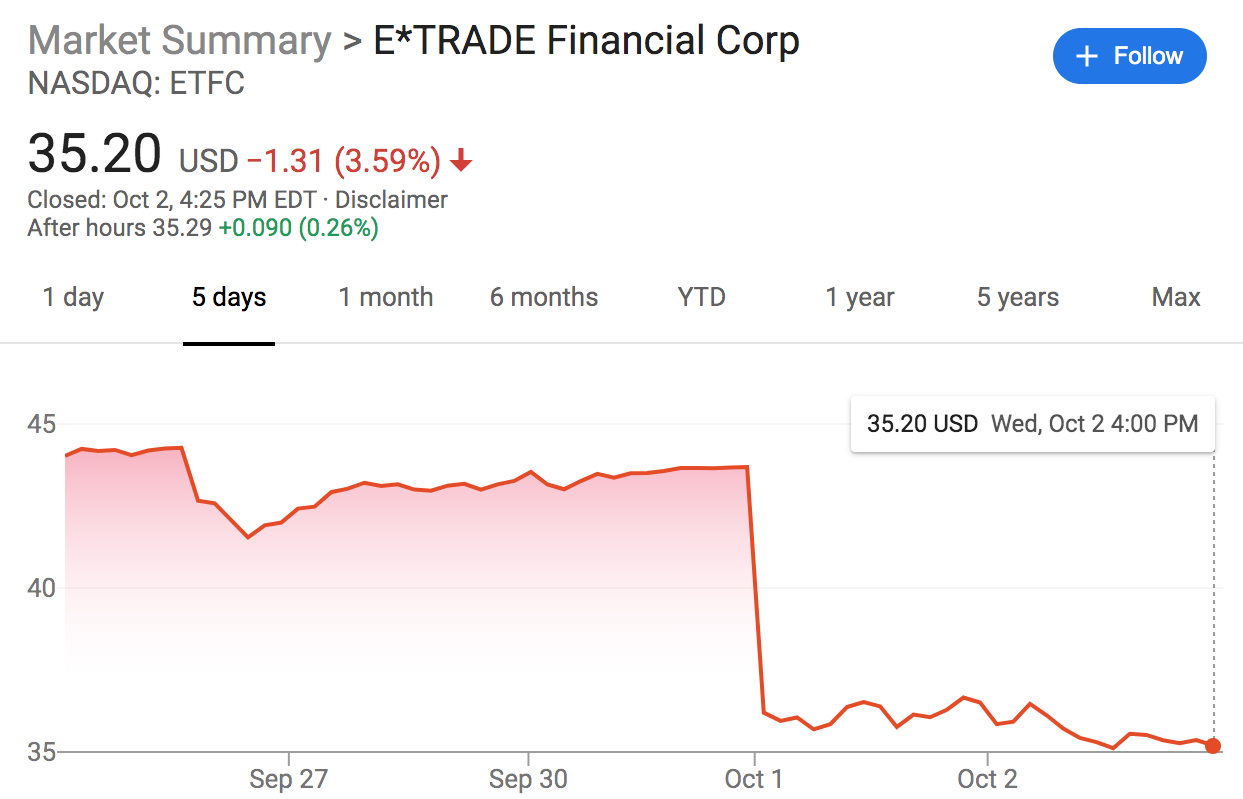
From yesterday before Schwab’s announcement through now, Schwab fell 12% from $41.84 to $36.54, E*Trade fell 19% from $43.69 to $35.20, and Ameritrade fell 28% from $46.70 to $33.54. Clearly investors aren’t thrilled that these financial giants are bowing to pressure from a measely startup.

ETrade Share Price

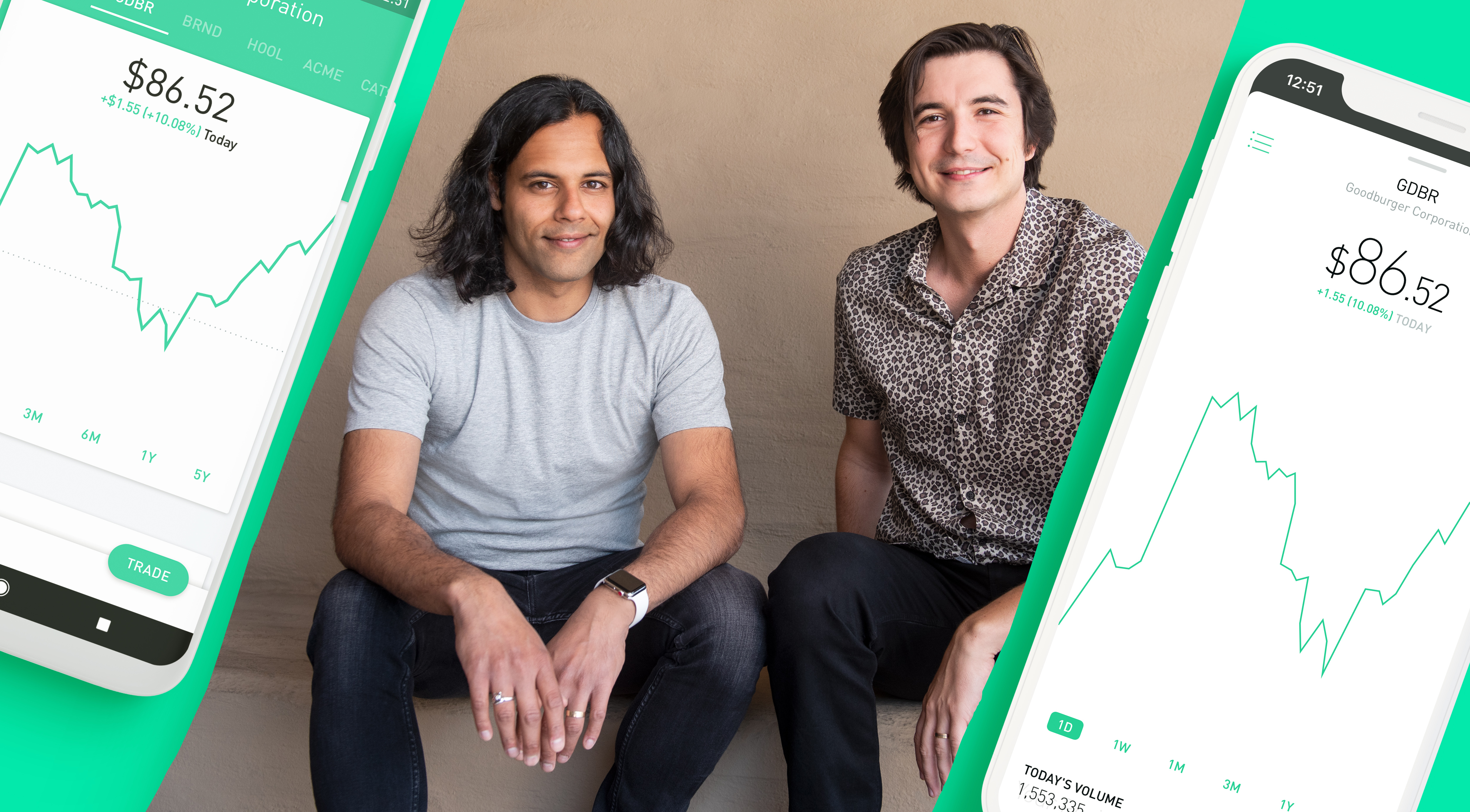
Yet the move could definitely hurt growth for the $7.6 billion-valued fintech upstart Robinhood. It’s relied on the free stock trades to pull in users that it then monetizes with its Robinhood Gold subscription to premium services including the ability to trade on margin by temporarily borrowing money from the company.

Schwab Fees

Schwab drops its fees

“The changes taking place across the brokerage industry reflect a focus on the customer that‘s been inherent to Robinhood since the beginning” said a spokesperson for the startup. “We remain focused on offering intuitively designed products that reduce barriers to our financial system, including account minimums and commission fees.”

Robinhood was hoping a high 3% interest rate checking account feature announced in December might help differentiate it from online stock brokerages. But after it prematurely launched the checking product without proper insurance, massive backlash ensued and the company announced it would shelve and rethink the idea. But that hiccup didn’t stop it from raising another $323 million this July to bring its total raised to $862 million.

02 Oct 2019

Sendmi lets you allocate part of your paycheck for remittance

Meet Sendmi, a fintech startup that is launching today in the Startup Battlefield at TechCrunch Disrupt SF. Sendmi works pretty much like a 401k or a Flexible Spending Account. But instead of saving money for later, you set it aside to send it to your family abroad.

And this mix of payroll and remittance is what sets Sendmi apart from the countless foreign exchange services out there. It could be particularly valuable for people living paycheck to paycheck as you don’t have to take money out of your bank account to send it abroad.

Sendmi wants to sell its service to companies directly. When companies choose to partner with Sendmi, they can then offer Sendmi as a perk to their employees. And there’s some form of trust between an employer and its employees.

After that, employees can make a payroll election and decide the amount of post-tax payroll that they move to their Sendmi account.

And because all funds come from your paycheck directly, Sendmi reduces exposure to money laundering mechanisms. Many services, such as TransferWise or Western Union, have to ask you where the money is coming from to make sure that it wasn’t generated from illegal activities.

You can then connect to your Sendmi account at any time from the company’s mobile app to transfer some money. Right now, Sendmi supports transfers between the U.S. and Mexico, but the startup is already working on adding support to more corridors.

Sendmi has set up partnerships in the U.S. and Mexico so that your recipient receives money in just a few minutes. Eventually, the startup wants to offer additional financial services in the Sendmi app, such as insurance services, consumer lending, etc.

The company currently has 9 employees. It is officially launching its product today, but Sendmi has been testing it with a few clients already. The startup has raised $3.1 million so far.

02 Oct 2019

Delos uses satellite imagery and AI to help homeowners in wildfire areas get insurance


If your home is in a wildfire area, insurance companies tend to not want to go anywhere near it.

But “wildfire areas” tend to be pretty broad. What if companies could evaluate the risk on a more granular level — tapping things like satellite imagery and machine learning combined with wind, weather, and topology data to more finely define the riskiest zones? Could more home owners be offered policies, and at more affordable rates?

That’s the idea behind Delos, a company presenting at the TechCrunch Disrupt SF Startup Battlefield today.

Delos itself doesn’t act as the insurer; instead, Delos acts as a Managing General Agent (or MGA) for a bunch of major carriers. They analyze regions that have been broadly swept into the “wildfire area” label, with their proprietary models looking for houses that they believe have been miscategorized. Delos reaches out to these customers, receiving a commission/profit share on any policies they sign.

The company is focusing on California first, noting that the one state accounts for half of the country’s wildfires. According to CalFire, there’s been over 5,000 fires in California in 2019 alone.

After wildfires, Delos also plans to expand to modeling hurricane risk.

Delos also regularly sends policy holders a list of things they can do to harden and protect their homes against wildfires, such as cutting back trees that overhang your home, or switching to ignition-resistant building materials. If their latest satellite imagery shows dry vegetation creeping up the hillside behind your house, they can give you a heads up of the increasing risk.

Delos map

Co-founders Kevin Stein and Shanna McIntyre both have rich backgrounds in aerospace. Kevin got an Masters in Aerospace Engineering from Stanford before working as a Mechanical Systems Engineer at Space Systems/Loral, while Shanna studied physics at Berkeley before spending 11 years as an engineer at Lockheed Martin.

Stein says that he believes about 18M homes in the US are mis-categorized.

02 Oct 2019

Traptic uses 3D vision and robotic arms to harvest ripe strawberries

At some unspecified time, somewhere down the road, Traptic would love to expand its robots to pick a wide variety of crops. For now, however, the South Bay-based team is focused solely on strawberries.

With roughly 88 percent of the fruit’s total U.S. yield occurring in California, the berries represent ample opportunity for disruption. A manual labor shortage exacerbated by tightening immigration policies has contributed to a good deal of waste. Farmers apparently lose around one-fifth of crops, due to a lack of hands.

Automation has, of course, been applied to a number of different staple crops. Things like wheat and corn are routinely harvested by machines — and have been for a long time. Strawberries and other fruits, on the other hand, present a unique challenge. They’re just too delicate for most machines, requiring instead the deft touch of human pickers.

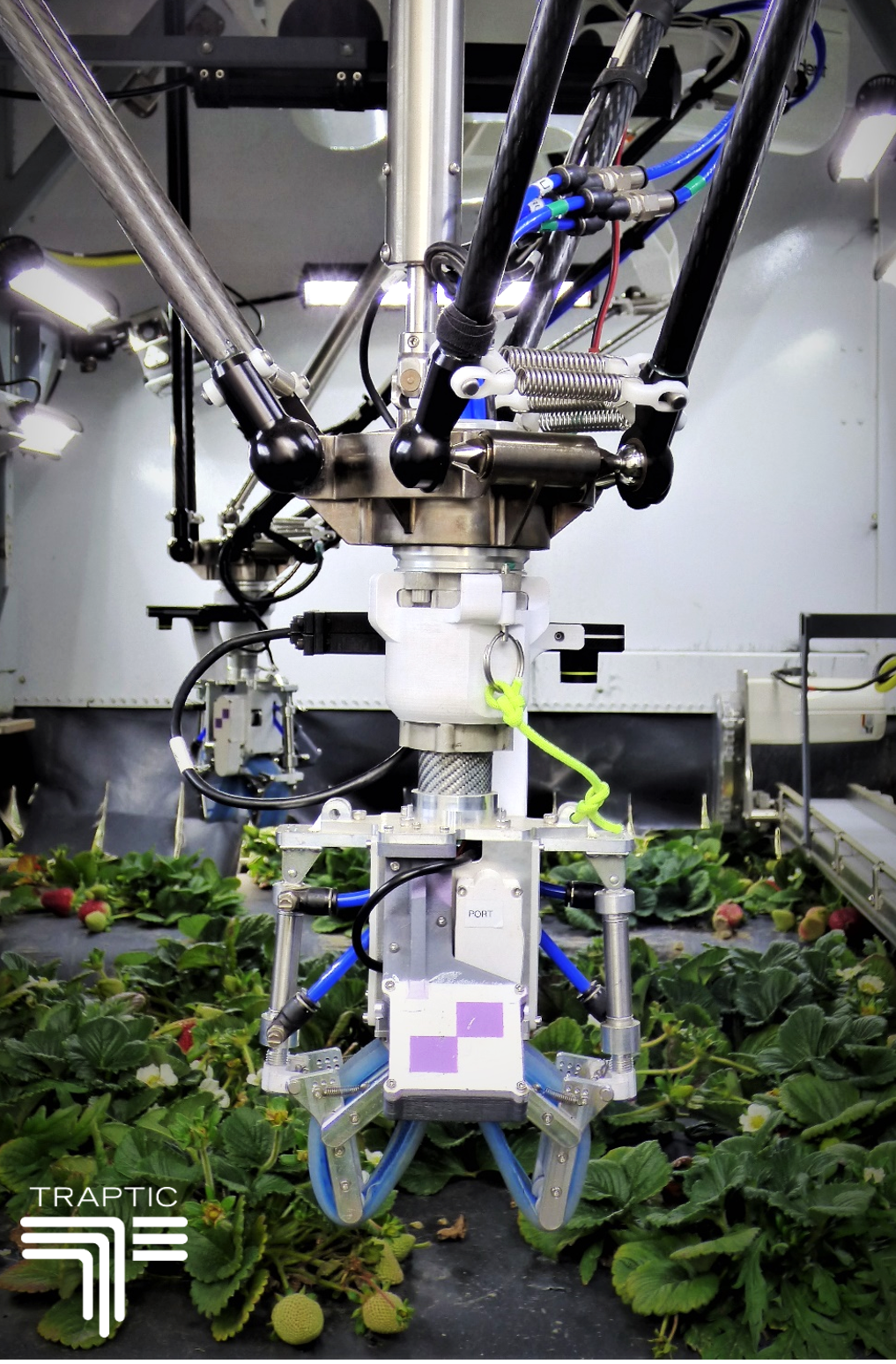
Traptic Blog Photo 3

Traptic, one of the startups competing in this year’s Disrupt Battlefield, however, is tackling the issue head on with a purpose-built robot. Comprising an off-the-shelf robotic arm and custom gripper and software, the company’s device is for the function of helping to improve strawberry yields.

The arm is housed inside a space on a cart surround on five of six sides. The vision system utilizes 3D cameras and neural networks to spot strawberries and distinguish ripe from unripe. It’s capable of determining their position within a millimeter and then goes about plucking.

The custom gripper, however, is probably the most unique element on board. Sure, there are plenty of off-the-shelf grippers available to roboticists, but for the aforementioned reasons, Traptic needed one that was rigid enough to pluck the berries, but gentle enough to not smash a ripe one in the process.

What the company ultimately settled on was a gripper that was neither fully rigid, nor soft. The metal base of the claws is augmented by rubberized bands that have enough give to conform to the fruits’ irregular shapes, while holding them snuggly enough to remove them from the plant.

Traptic’s current machine is Ceres, a large enclosure towed behind a tractor. It’s currently being tested by growers in both Northern and Southern California — distinct climates that allow for year-round strawberry growing.


To start, at least, the company anticipates that the robot will augment, rather than replace, pickers. Ultimately, however, such a device could replace human workers in the field. Traptic is certainly working to make that a tempting proposition by leasing the machine (“harvesting-as-a-service”) at a per-pound rate similar to what is currently paid out to human workers. Between a growing population and a strained workforce, however, such a promise could still be a ways away.

Traptic also has its sights set on a number of other potential crops — oranges, melons and peppers are all currently on the list.

02 Oct 2019

How Bongo, the ‘Netflix of Bangladesh’, won the local video streaming market with just $10M

Thousands of miles away from the U.S., where technology giants, cable networks, and studios are locked in an intense multi-billion dollar battle to court users to their video streaming services, a startup in Bangladesh has already won the local video streaming market.

And it did all of this in six years with just $10 million. And it’s also profitable.

Ahad Mohammad started Bongo in 2013. The on-demand video service began life as a channel on YouTube in 2014 before expanding as a standalone app to users a year later.

Of the 96 million people in Bangladesh who are online today, 75 million of them are subscribed to either Bongo’s YouTube channel or to its app, Mohammed said.

Bongo’s domination in Bangladesh is second to none in the nation. iFlix, which raised $50 million a few months ago to expand its presence in several Asian markets, and India’s Zee5 are among the players that Bongo competes with, though their market share remains tiny in comparison.

TechCrunch caught up with Mohammed to get an insight into the early days of building Bongo and what holds next for the “Netflix of Bangladesh” as it increasingly expands to international markets.

02 Oct 2019

The first details about Volvo’s upcoming electric XC40 SUV

Volvo is teasing its upcoming, and first all-electric car, with some initial sketches and a few details of the XC40 SUV. The upshot: Volvo is emphasizing a simpler design that discards some of the features found on gas-powered vehicles.

The XC40 SUV won’t have tailpipes, for instance. The traditional front grille, which is used to cool down gas-powered cars, are also gone. And then there’s the frunk — the front trunk that is found in Tesla’s electric vehicles along with a few other recent entrants.

For now, Volvo is only sharing sketches of the new car, which will debut October 16.

Take note, in the photo below, the lack of tailpipes.

Design sketch of Volvo Cars fully electric XC40 SUV 4

Volvo XC40 BEV design sketch.

In this next photo, Volvo shows off the frunk, which it says provides around 30 liters of extra load space.

Design sketch of Volvo Cars fully electric XC40 SUV 2

Here’s a more detailed look at the front of the vehicle. Gone is the traditional grille found on gas-powered Volvo vehicles.

“Without the need for a grille we have created an even cleaner and more modern face, while the lack of tailpipes does the same at the rear. This is the approach we will explore more and more as we continue down the road of electrification,” Robin Page, head of design at Volvo Cars, said in a statement that accompanied the images.

Design sketch of Volvo Cars fully electric XC40 SUV

Volvo revealed a few more details of the upcoming electric SUV. The vehicle will come in eight exterior colors, including a brand new “Sage Green” metallic option. A contrasting black roof comes as standard. Two new 19-inch and 20-inch wheel options will also be available.

Volvo changed the driver interface inside the SUV to provide relevant information such as the battery status. The interior design package features sporty styling details as well as carpets made of recycled materials, the company said. Volvo also emphasized the roomy interior, thanks in part to extra space it captured because the battery pack is integrated into the floor of the car.

The vehicle includes more functional storage space in the doors and under the seats, a fold-out hook for small bags and a removable waste bin in the tunnel console.

02 Oct 2019

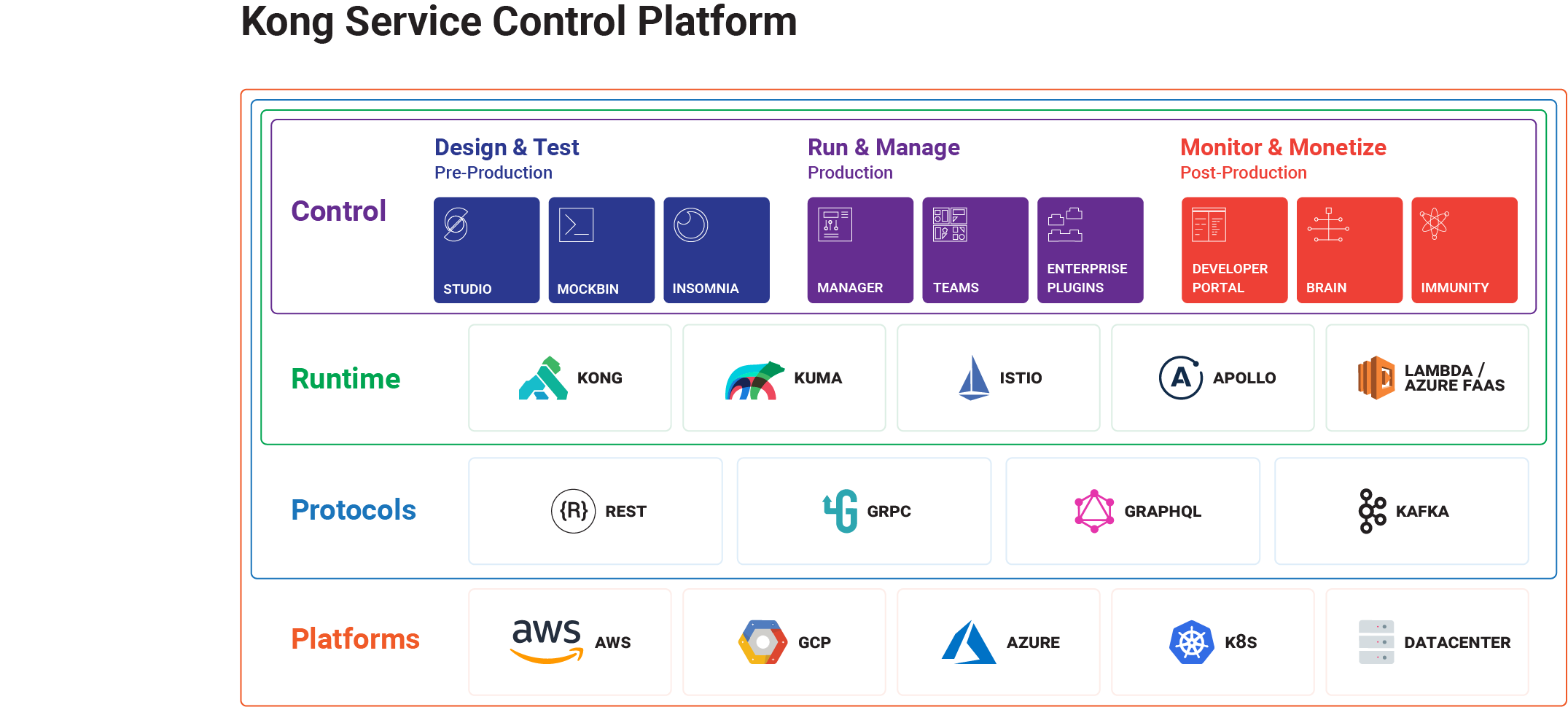
Kong acquires Insomnia, launches Kong Studio for API development

API and microservices platform Kong today announced that it has acquired Insomnia, a popular open source tool for debugging APIs. The company, which also recently announced that it had raised a $43 million Series C round, has already put this acquisition to work by using it to build Kong Studio, a tool for designing, building and maintaining APIs for both REST and GraphQL endpoints.

As Kong CEO and co-founder Augusto Marietti told me, the company wants to expand its platform to cover the full service lifecycle. So far, it has mostly focused on the runtime, but now it wants to enable developers to also design and test their services. “We looked at the space and Insomnia is the number open source API testing platform,” he told me. “And we thought that by having Insomnia in our portfolio, we will get the pre-production part of things and on top of that, we’ll be able to build Kong Studio, which is kind of the other side of Insomnia that allows you to design APIs.”

For Oct. 2 Kong News Kong Service Control Platform

Insomnia launched in 2015, as a side project of its sole developers Greg Schier. Schier quit his job in 2016 to focus on Insomnia full-time and then open-sourced it in 2017. Today, the project has 100 contributors and the tool is used by “hundreds of thousands of developers,” according to Schier.

Marietti says both the open source project and the paid Insomnia Plus service will continue to operate as before.

In addition to Kong Studio and the Insomnia acquisition, the company also today launched the latest version of its Enterprise service, the aptly named Kong Enterprise 2020. New features here include support for REST, Kafka Streams and GraphQL. Kong also launched Kong Gateway 2.0 with additional GraphQL support and the ability to write plugins in Go.

02 Oct 2019

YouTube’s Neal Mohan describes the company’s efforts on safety and trust

YouTube Chief Product Officer Neal Mohan gave an update on all things YouTube at TechCrunch Disrupt SF. He touched on many different subjects, from YouTube Music updates to advertiser-friendly guidelines and tweaking YouTube’s recommendation algorithm.

Mohan started right away with an update on YouTube Music. YouTube has accidentally become one of the biggest music streaming services in the world. And the company plans to take advantage of that.

“Everybody knows music has been a core part of YouTube really since the day of the founding of the product,” he said.

While YouTube Premium started as YouTube Red, the company rebranded its premium subscription service with a focus on YouTube Music. "It's a music subscription service and it also brings the best of YouTube,” Mohan said.

It is now available in 71 different countries and YouTube is rolling out three personalized playlists today to make the service more competitive with Spotify and Apple Music.

With a renewed focus on YouTube Music, Google has decided to phase out Google Play Music to focus on YouTube Music instead. But there are still some missing features on YouTube Music.

In particular, YouTube is working on porting three Google Play Music features: The ability to have a locker with personal music files, the ability to play local audio files on your Android device and the ability to transfer your playlists from Google Play Music to the YouTube Music app.

“We'd like to do it in the near future and but we want to make sure we nail that,” Mohan said. So it’s still a work in progress.

Many YouTube creators have criticized the platform as some of their videos have been demonetized. Mohan mostly recapped some of YouTube’s efforts on this front to make sure that videos aren’t demonetized for no reason.

“In addition to our community guidelines, we also have something called the advertiser-friendly guidelines. Those are the sets of rules that govern what type of content is eligible for monetization and what is not,” Mohan said.

The company now has an appeal system so that creators can contest a demonetization decision. “There's an SLA turnaround time for processing that appeal,” Mohan said.

YouTube creators themselves can give advance warnings by saying what’s in a video, such as swear words, etc. Mohan believes that this model will make monetization more stable for YouTube creators.

When it comes to autoplaying videos, watch next and personalized recommendations, YouTube has also been criticized for recommending conspiracy videos or simply weird stuff that makes you uncomfortable.

“Lots of users are recommended content that you would call sort of more mainstream sometimes it’s in the other direction,” Mohan said. “And one thing that we want to avoid is sending users down paths to more and more extreme content, especially when that content might not be quite policy violations — so it still exists on our platform — but it's borderline in nature or maybe it's spreading you know harmful misinformation in some way or the other.”

YouTube started tweaking the recommendation algorithm back in January. Mohan says that there’s been a 50% reduction in user exposure to content “that we would deem to be in that bucket of sort of borderline or maybe harmful misinformation.”
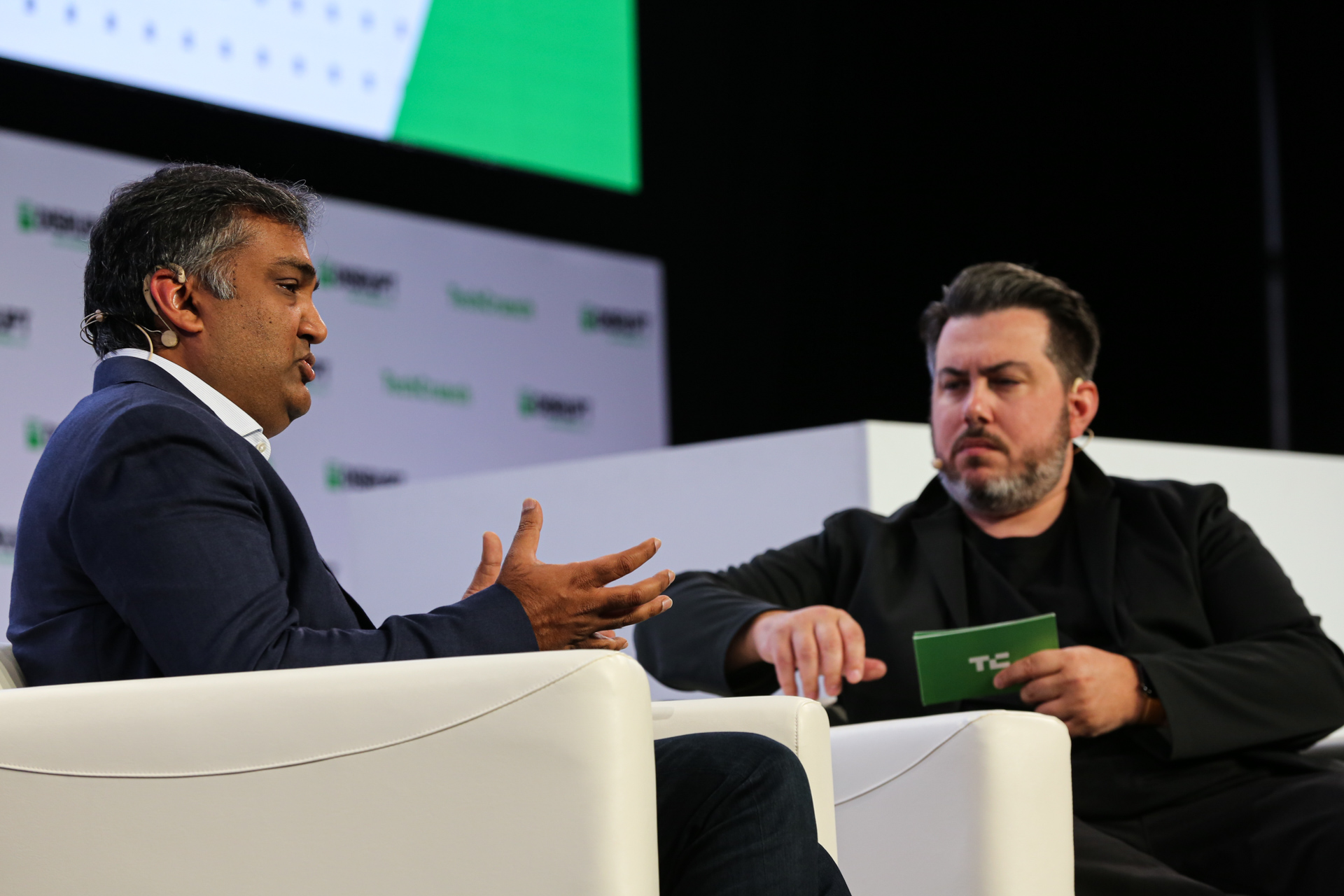
disrupt neal mohan youtube 0153

TechCrunch’s Matthew Panzarino and Neal Mohan also talked about Lilly Singh, a YouTube star who now has her own late night talk show on NBC — A Little Late with Lilly Singh.

“When they were looking for a replacement host for that late night show, it made sense,” Mohan said. “Lilly has this natural way of connecting with the audience. But also because the nature of a lot of that late night content in particular is that it's often viewed — not as it's linearly broadcasted on live channels — but the next day on YouTube.”

And Mohan doesn’t think she’s turning her back to YouTube. “She knows that her core audience, her most passionate fans are on YouTube,” he said.

Finally, Mohan had two pieces of advice for people working on subscription businesses. First, make sure that the message is clear and that people know why they should subscribe. Second, optimize the funnel from user acquisition to retention, monetization, etc.
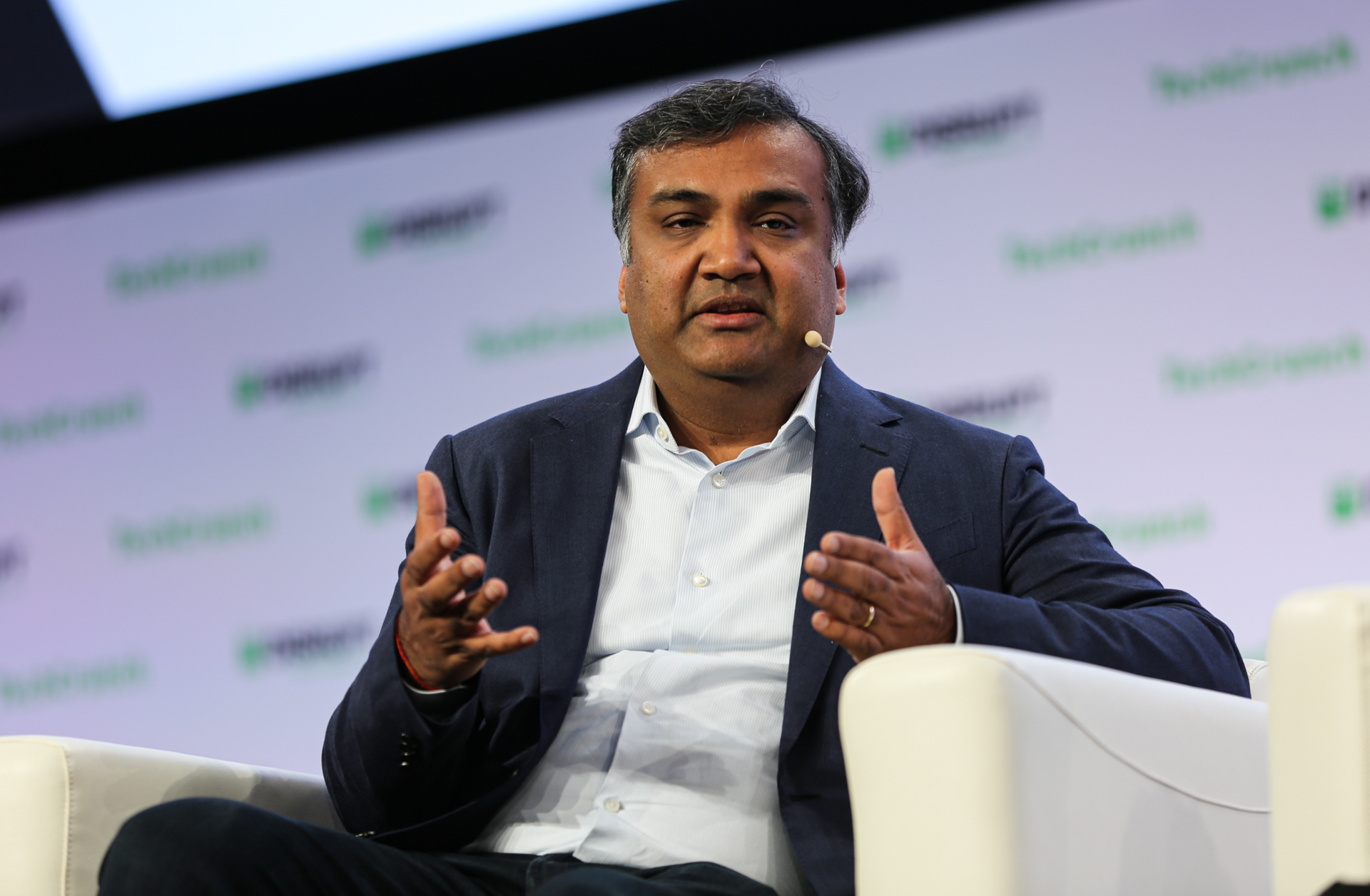
disrupt neal mohan youtube 0137

02 Oct 2019

Foursquare’s location-aware Pilgrim SDK gets a free tier

Ten years later, Foursquare is far past its scrappy consumer days as it builds out its B2B services, but its latest announcement is thrusting it back into the scrappy consumer business.

Onstage at TechCrunch Disrupt SF, Foursquare co-founder Dennis Crowley announced that the company is launching a free version of their Pilgrim SDK, which allows developers to push contextual notifications to their users based on their location data.

The SDK “powers most of the most interesting stuff we do as a company,” Crowley told TechCrunch, but there’s also “been a super high bar for [customers] getting involved with Pilgrim.”

The company has previously had to interface pretty directly with potential customers so adopting freemium model could open a sales pipeline for smaller customers that rely on Foursquare since birth.

Free-tier customers won’t be paying by dumping their user data onto Foursquare’s servers, the company says.  “This is about lowering the bar for just being able to play with it,” Crowley says.

The free-tier has a pretty high ceiling before things get premium, apps that utilize the SDK will have to cross 100,000 MAUs before they have to break out the credit card. Free-tier users aren’t going to get access to Foursquare Panel, which synthesizes data and trends from customers based on location data. You also lose access to integrations with CRMs and marketing automation systems.

Foursquare has seen plenty of success getting developers to utilize their Places API, which is part of Pilgrim. The company says there are 150,000 developers that have registered for the API including customers like Uber, Samsung and Twitter.

Developers will have to apply to get access, though the company says this is largely to weed out blatant would-be ToS violators from accessing the SDK.

To sign up, you’ll need to visit developer.foursquare.com.

“A lot of this software hasn’t existed before,” said Crowley. “We’re just entering this era of contextual computing — there’s a lot of building blocks that need to get built. We’ve built a lot of them and we’re excited to share it with as many developers as possible and see what people do with it,” he added.

02 Oct 2019

Demand for Porsche Taycan prompts automaker to add 500 more jobs

Demand for the all-electric Porsche Taycan sports car has prompted the German automaker to add 500 more jobs at its headquarters in Stuttgart-Zuffenhausen.

The move, which will boost jobs dedicated to the Taycan by one third to 2,000, is designed to give Porsche the flexibility it might need to boost production.

“With the Taycan, we are showing that e-mobility is by no means a job killer,” Andreas Haffner, a Porsche board member in charge of human resources, said in a statement. “Rather, we are underlining its future viability, especially in the sports car segment.”

Porsche has poured more than $1 billion into the development of the Taycan, its first all-electric vehicle. And that bet appears to be paying off, if initial numbers hold up. Even before the Taycan was revealed in September, the company reported strong demand for the vehicle, which it measured through the number of people who had made deposits to order the four-door sports car. Reservations required a €2,500 deposit ($2,785).

Porsche initially targeted 20,000 Taycans for the first year of production, although at full capacity the line can produce up to 40,000 of these electric vehicles.

The company has received more than 32,000 applications for the Taycan, Haffner said.

Porsche plans to increase its workforce dedicated to the Taycan by the end of the second quarter of 2020.

The Porsche Taycan wasn’t just a big bet by the automaker; the company’s workers also made a gamble. Workers and executives agreed to cost-cutting measures, including giving up a percentage of their scheduled wage increases through 2025, to guarantee that the vehicle would be built in Zuffenhausen, and not in another plant where the cars could be produced more cheaply.